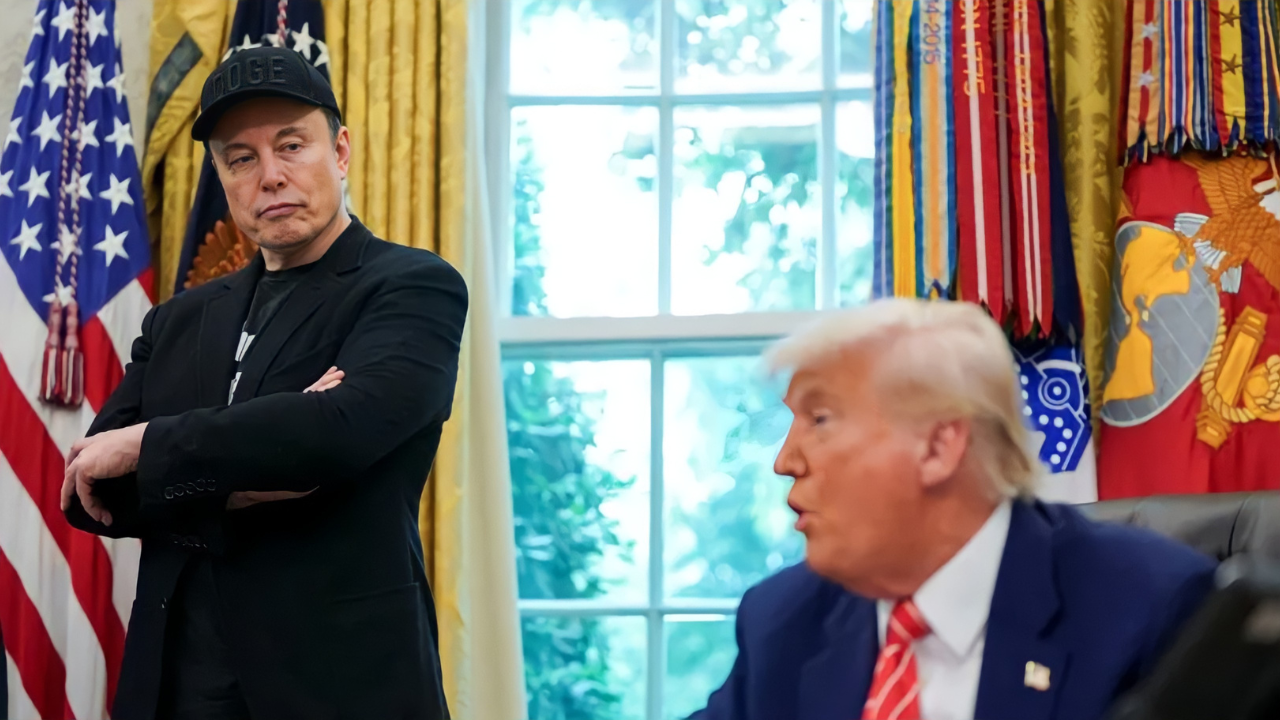
Rows of fluorescent lights flickered to life as nearly 400 General Services Administration (GSA) employees returned to offices they hadn’t seen in months. Their desks, untouched since abrupt layoffs driven by the DOGE administration’s efficiency push, stood as silent witnesses to a turbulent chapter in federal workforce management. The sudden reversal—restoring jobs and reopening shuttered workspaces—signals a dramatic shift in government policy, raising questions about what forced such a rapid change.
Mounting Pressure and Policy Reversal
The decision to reinstate GSA staff followed intense public outcry, union mobilization, and bipartisan concern over the agency’s diminished capacity. Critics argued that the layoffs left the GSA broken and understaffed, unable to manage essential federal operations.
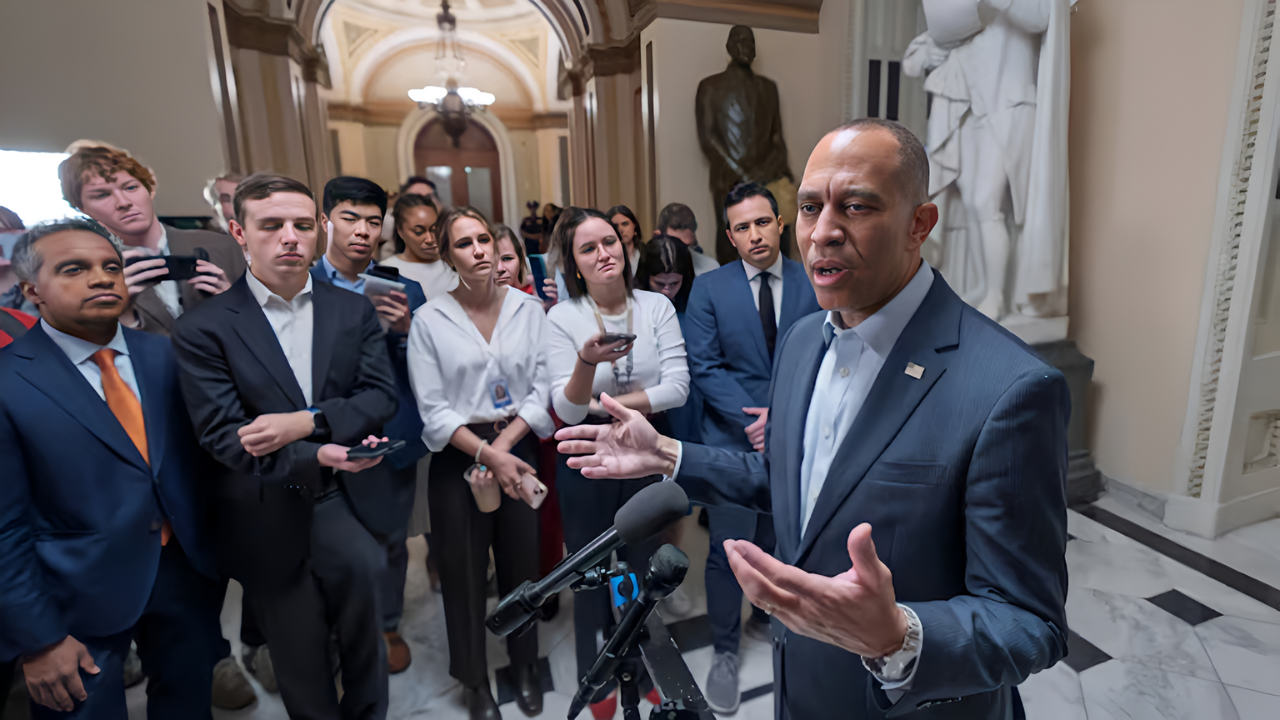
As service gaps and operational disruptions mounted, lawmakers from both parties pressed the administration to reconsider. Representative Greg Stanton of Arizona, the ranking member on the House subcommittee overseeing the GSA, told the Associated Press there is no evidence that reductions at the agency delivered any savings.
The $320 Million Question: Evaporating Savings Claims
DOGE’s ambitious cost-cutting campaign centered heavily on GSA lease cancellations, with the agency’s “Wall of Receipts” initially claiming that terminating federal office leases would save nearly $460 million. However, as landlords pushed back and agencies refused to vacate properties, those projections collapsed.
By the end of July, DOGE had revised its savings estimate down to just $140 million—a reduction of $320 million, representing nearly 70% of the original claimed savings. This dramatic reversal exposed the gap between DOGE’s aggressive rhetoric and the practical realities of federal real estate management.
Restoring Jobs and Agency Capacity
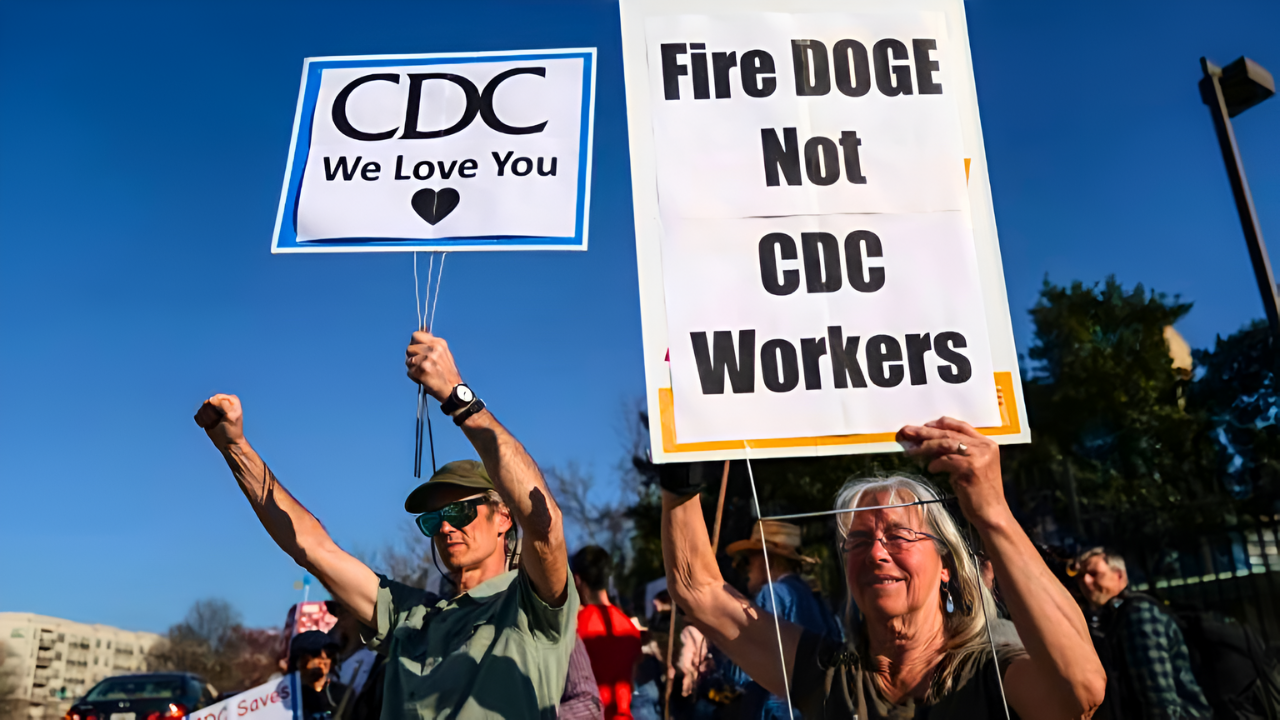
For the nearly 400 affected employees, the reversal brought relief after months of uncertainty. Many had spent weeks on administrative leave, awaiting final decisions about their future. The GSA offered reinstatement by the end of September, with a targeted return date of October 6, 2025. The agency now faces the urgent task of rebuilding its core functions—portfolio management, facility operations, leasing, and vendor oversight—after some units saw reductions of up to 79%.
The administration slashed GSA’s headquarters staff by 79%, its portfolio managers by 65%, and facilities managers by 35%, according to a federal official briefed on the situation. The rapid rehiring aims to stabilize services and prevent further delays in federal building management, underscoring how deeply staffing decisions had disrupted daily routines.
Ripple Effects on Contractors and Local Businesses
The impact of the layoffs extended beyond federal workers, affecting contractors, property services, and local vendors tied to GSA operations. Lease cancellations and staffing shortages disrupted government building occupancy and contract fulfillment, sending shockwaves through supply chains.
As a result of the internal turmoil, 131 leases expired without the government actually vacating the properties, exposing the agencies to steep fees because property owners have not been able to rent out those spaces to other tenants. With federal employees returning, businesses anticipate a rebound. The interconnectedness of public-sector employment and private enterprise highlights how government policy decisions can ripple outward, shaping local economies and livelihoods.
National and Global Implications
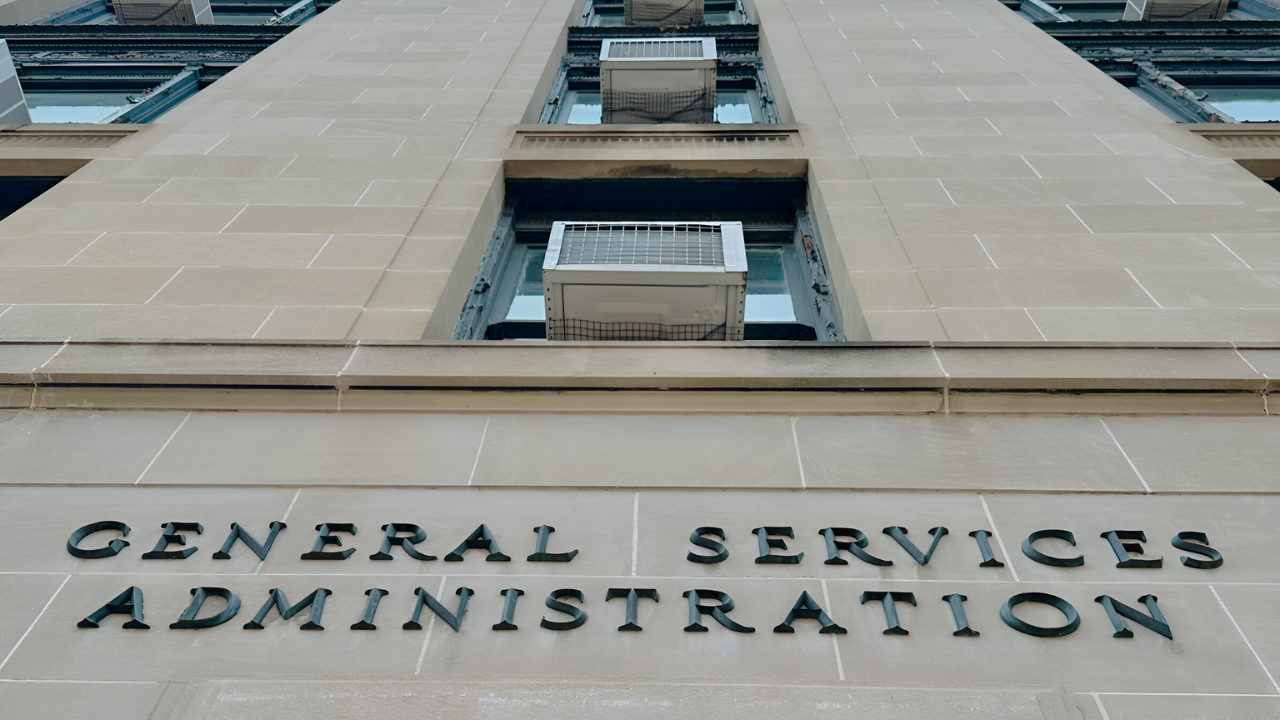
While the GSA reinstatement focuses on domestic real estate management, it comes amid broader federal workforce instability. The GSA had about 12,000 employees at the start of the Trump administration and was identified by DOGE as a chief target of its campaign to reduce fraud, waste, and abuse in the federal government. Globally, abrupt staffing swings in the U.S. public sector are watched closely by investors and allied governments, who interpret such moves as signals of operational risk or policy recalibration.
Looking Ahead: Oversight and Uncertainty
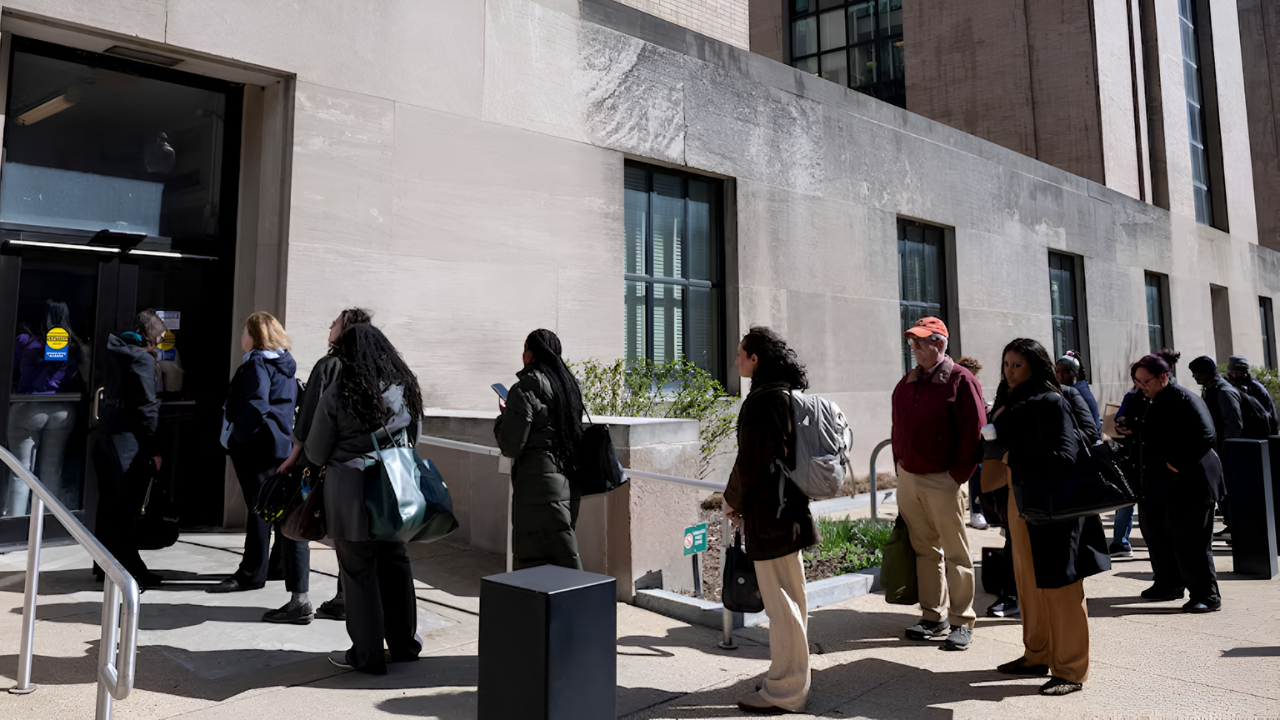
The GSA’s reversal has energized debate over the proper balance between fiscal discipline and effective public administration. The Government Accountability Office, an independent watchdog for Congress, is investigating GSA management of workforce, lease terminations, and planned building sales, with findings expected to be released in the coming months. Hearings are expected in the coming months, with officials vowing to scrutinize not just the reinstatement, but the decision-making process that led to the layoffs.
Meanwhile, local communities and businesses remain alert to further changes, knowing that federal employment trends can quickly reshape local economies. As the administration recalibrates, the GSA episode stands as a case study in the far-reaching consequences of rapid policy shifts—reminding stakeholders that careful planning and ongoing oversight are essential to maintaining both government stability and public trust. Essential to maintaining both government stability and public trust.