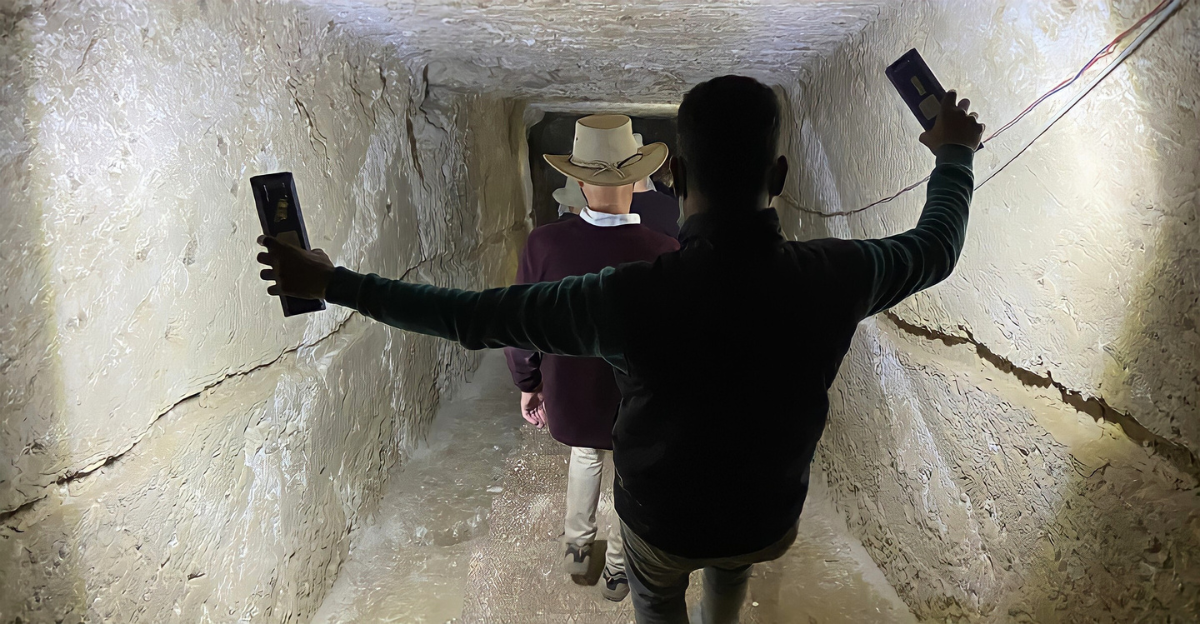
In central Egypt, archaeologists have excavated something hidden for generations: a significantly long, well-conserved papyrus scroll buried deep inside a tomb over three millennia.
At 43 to 49 feet long, this ancient text isn’t just extensive, it’s symbolic. Connected to ancient ideas about death, rebirth, and the afterlife, this find presents a rare glance into spiritual practices once thought lost.
But what makes this discovery so rare? And why does it count today? Let’s walk through the findings, the facts, and the significance behind one of Egypt’s most mysterious archaic texts.
A Routine Dig Turned Exceptional
The scroll was found during excavations in the Al-Ghuraifa area, situated in the Minya governorate, approximately 140 miles south of Cairo.
What was initially a typical excavation quickly became pressing when researchers discovered signs of a high-status burial area, dating back over 3,000 years to Egypt’s New Kingdom period.
Tombs, Statues… and Something Unusual
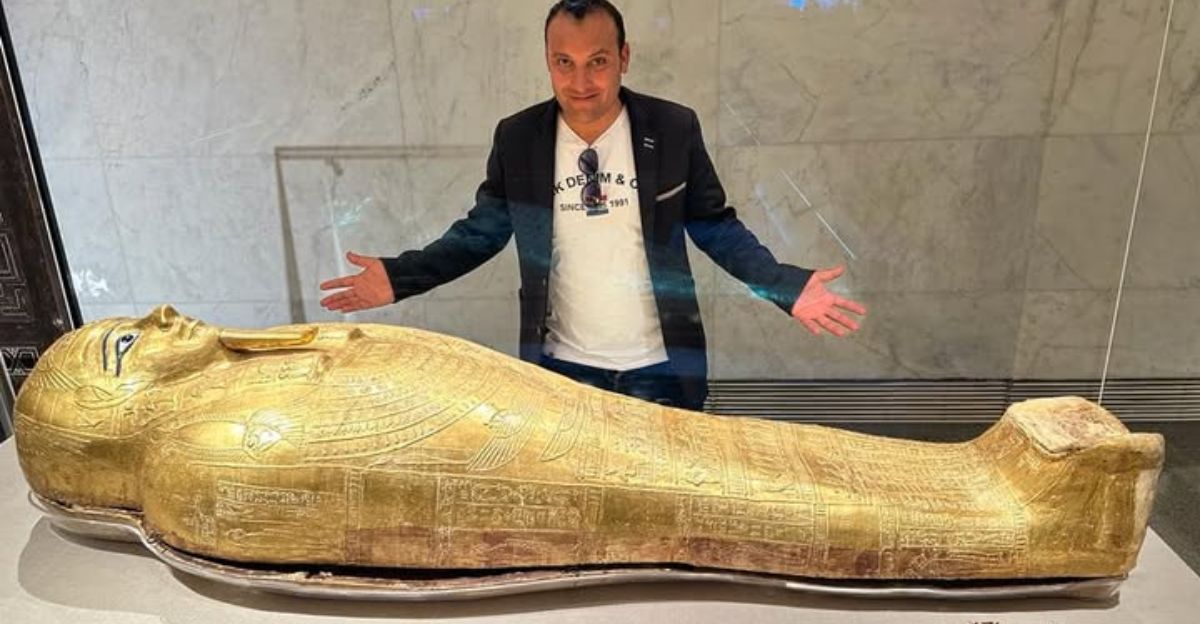
The more the team excavated through the layers of limestone and sand, the more they uncovered a variety of artifacts: small carved sculptures, painted sarcophagi, and jars used for burial rituals.
But one item seemed different. Tightly rolled and sealed inside the tomb was a papyrus scroll, unusually longer and more intact.
What Exactly Is the Book of the Dead?
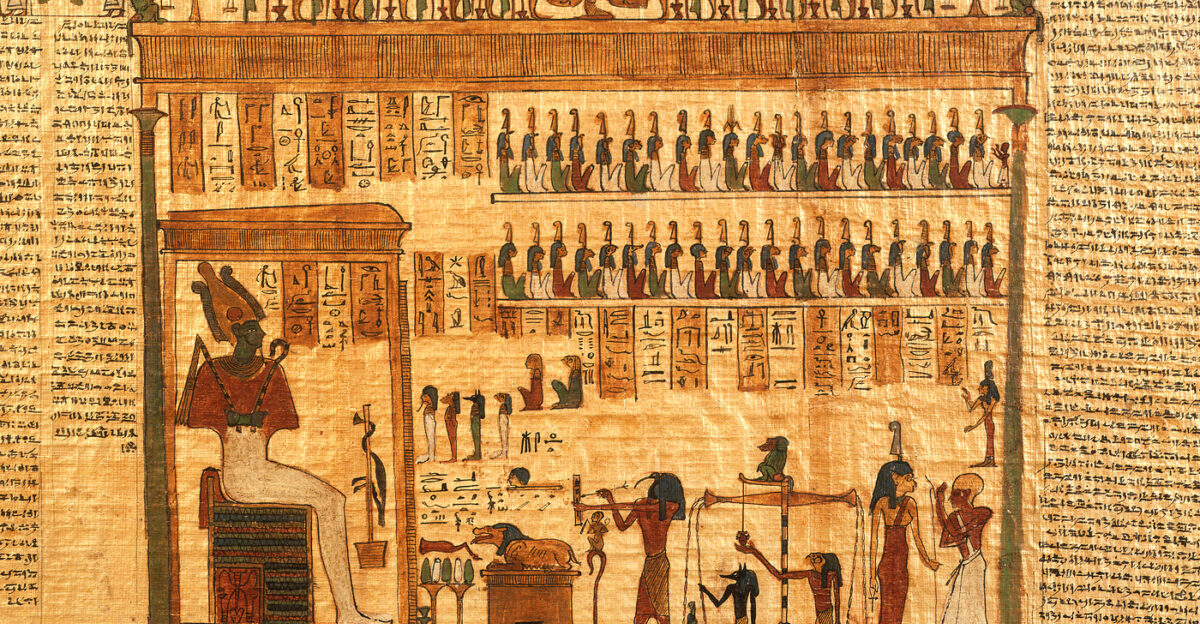
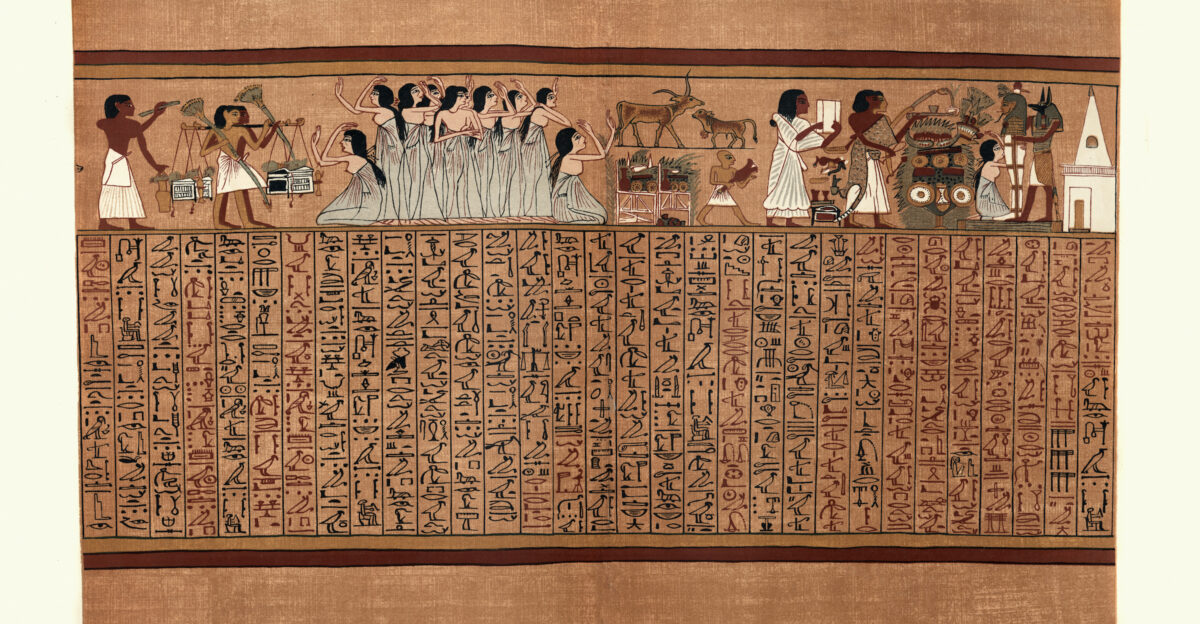
The “Book of the Dead” is a contemporary name for a collection of ancient Egyptian funerary texts that were handwritten on papyrus and intended to guide the dead through the afterlife. These texts often contained spells, prayers and instructions.
A Guide to the Afterlife
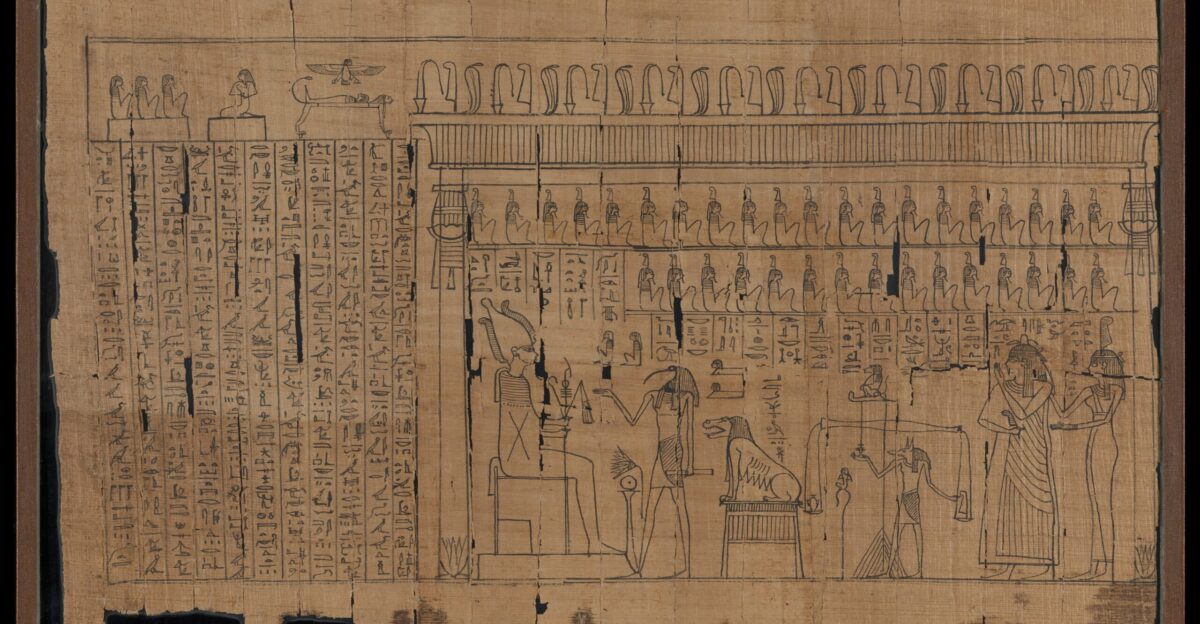
Egyptians thought that death was not final, but transitory. The Book of the Dead worked like a map or instruction manual, helping the soul overcome obstacles, claim innocence before the gods, and eventually arrive in paradise: the ‘Field of Reeds’.
Only Two Like This Exist
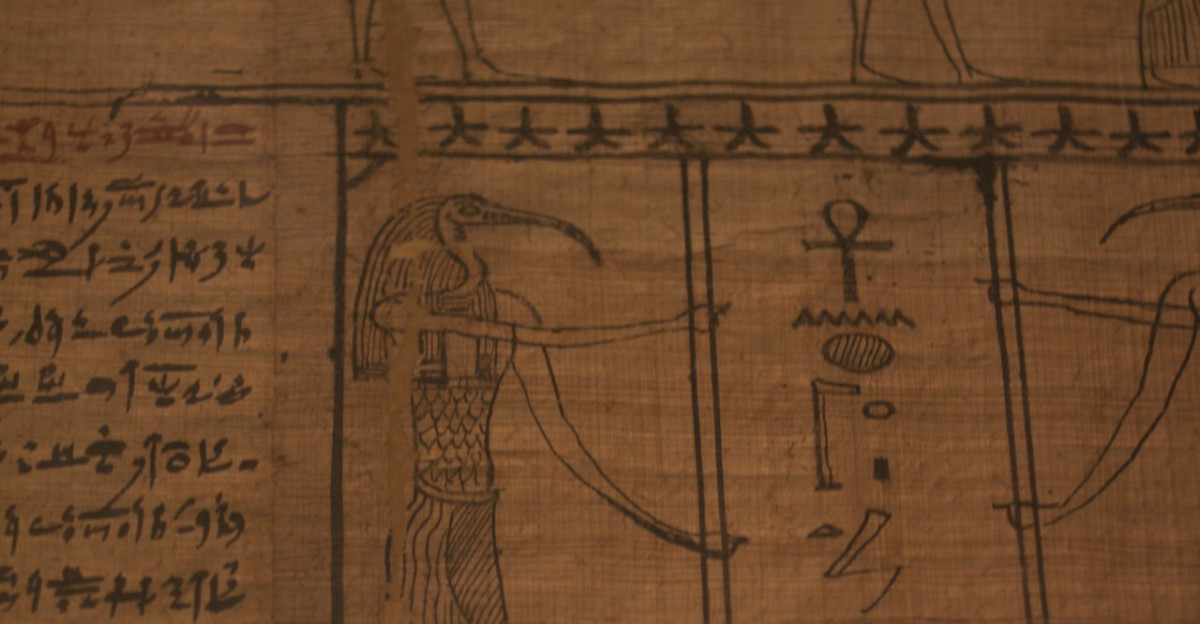
This scroll represents an extraordinary archaeological milestone: it is the second complete Book of the Dead papyrus discovered through scientific excavation in over 117 years. The first was the 52-foot Saqqara scroll found in January 2023—announced as “the first complete papyrus text to be found in over a century.” Before that, the last complete Book of the Dead found through archaeological excavation was the Papyrus of Kha, discovered in 1906 by Italian archaeologist Ernesto Schiaparelli at Deir el-Medina.
This distinction is critical: while museums worldwide hold numerous Book of the Dead scrolls, most were acquired through antiquities dealers and tomb looters in the 19th and early 20th centuries, not through controlled archaeological excavations. The famous Papyrus of Ani, for example, was purchased from illegal traders around 1888. According to Egyptologist Foy Scalf, finding complete scrolls “in their original burial context is very rare,” making the Al-Ghuraifa discovery exceptional for both its preservation and its documented provenance.
Not Its Real Name
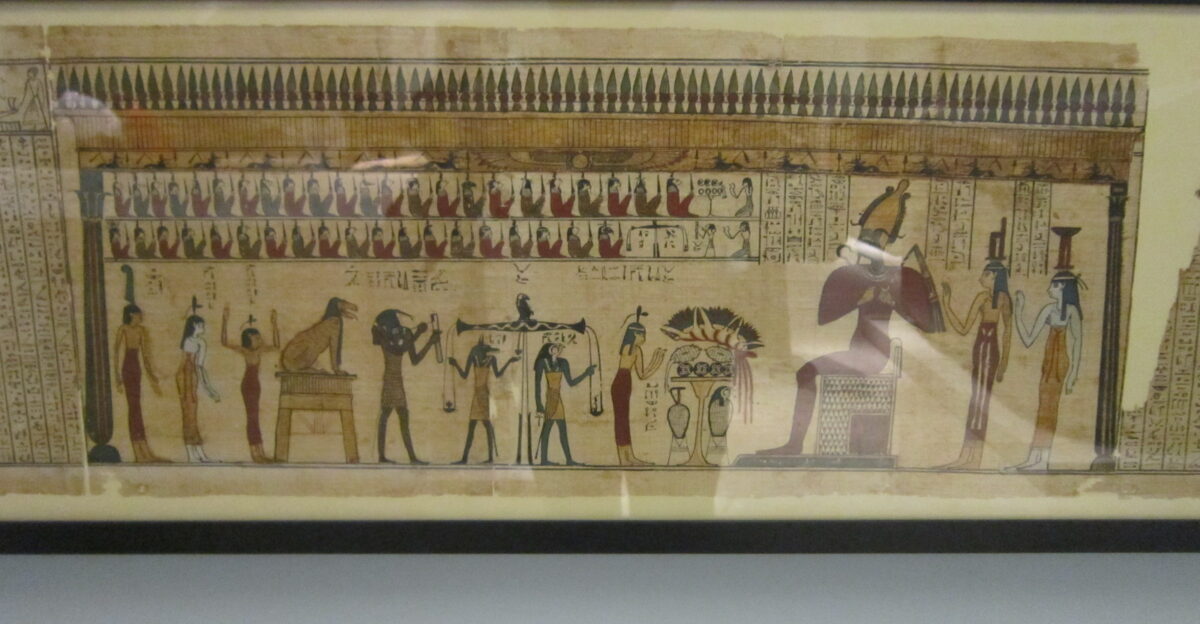
Western scholars coined the term “Book of the Dead” in the 19th century. In ancient Egypt, these texts were understood as “The Book of Coming Forth by Day.”
They were not considered menacing but empowering, meant to support the soul’s successful emergence into the next world.
So, Who Was Buried With It?
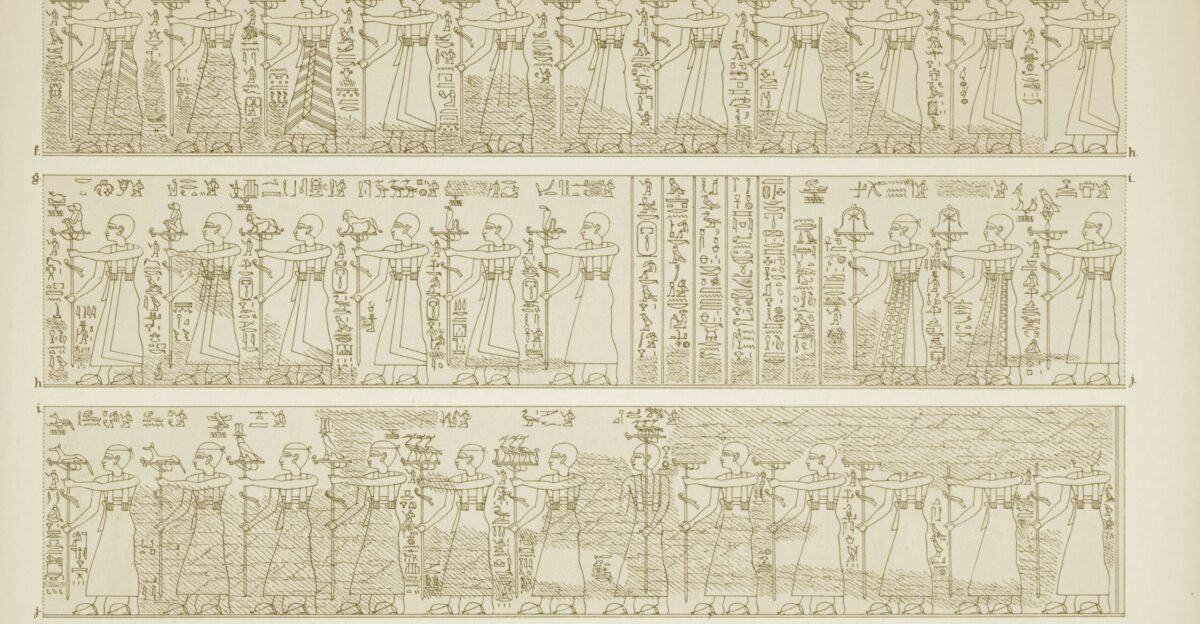
The tomb’s owner hasn’t yet been fully identified. But based on the artifacts and the intricate and thought-out burial preparation, clues point to someone of status, like a high-ranking priest or official. Researchers are still attempting to verify the identity.
Why the Scroll Was So Well Preserved
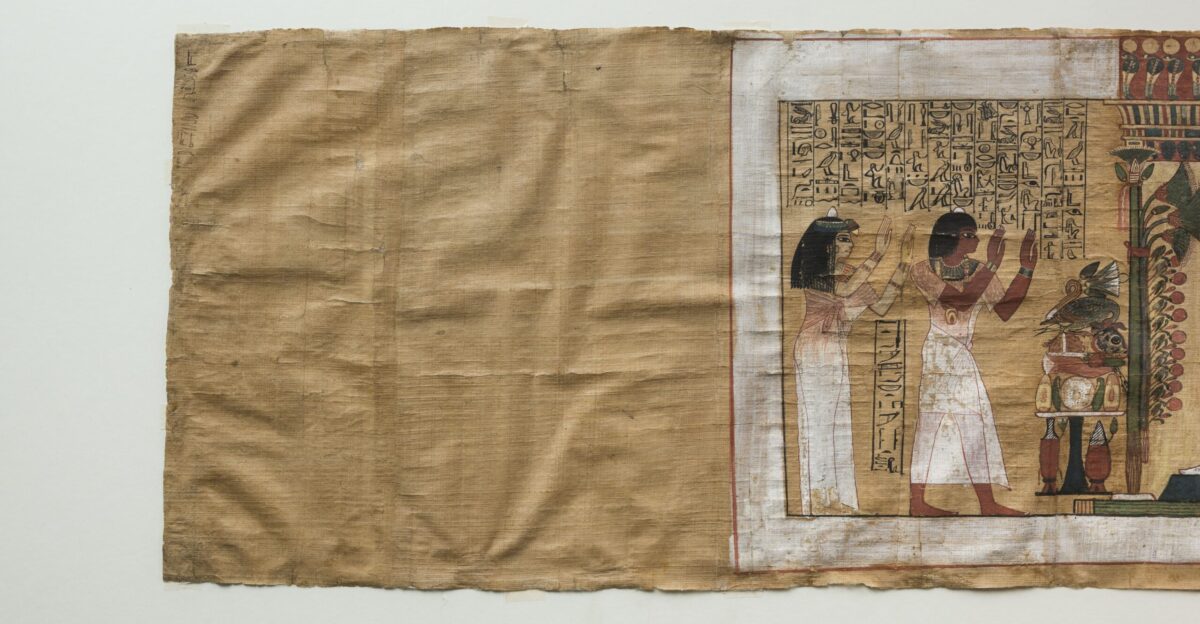
Unlike many scrolls found in fragments or poorly stored areas, this one was sealed tight in a dry tomb. Egypt’s desert climate helped preserve it further. Experts say it is rare to find a scroll this long that hasn’t disintegrated over time.
Detailed Scenes and Spells
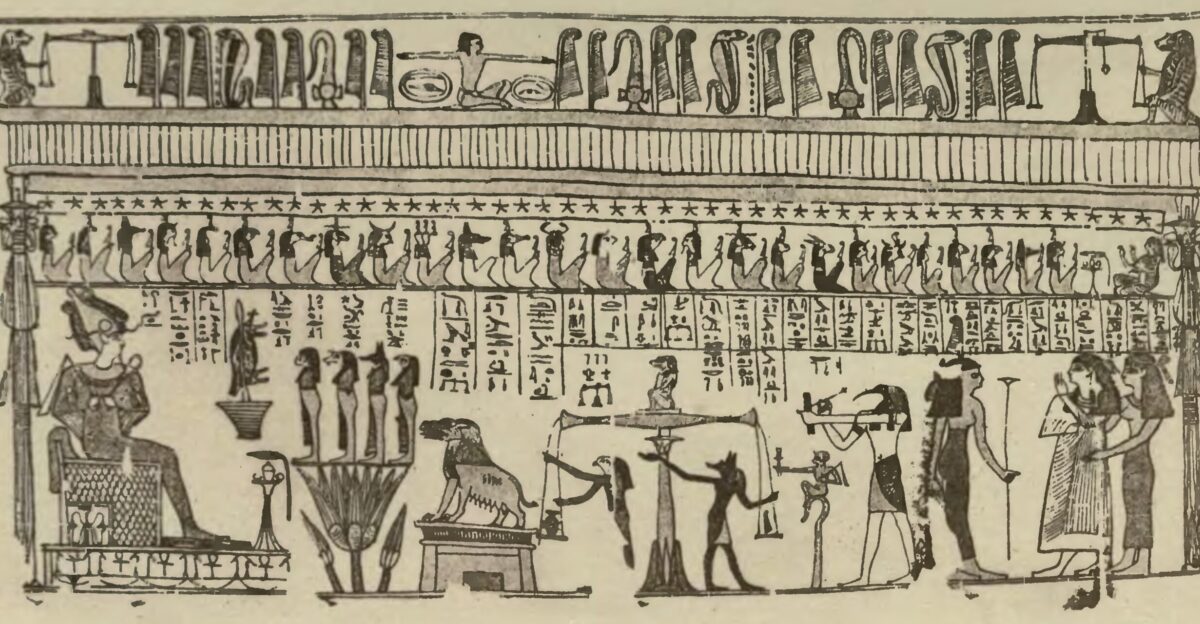
The scroll features elaborate graphics and hieroglyphic texts. Some of the sections already decoded include chapters describing the “Weighing of the Heart” ceremony, a key test the soul had to undergo, and shielding spells meant to protect the dead from threats.
Other Finds in the Tomb
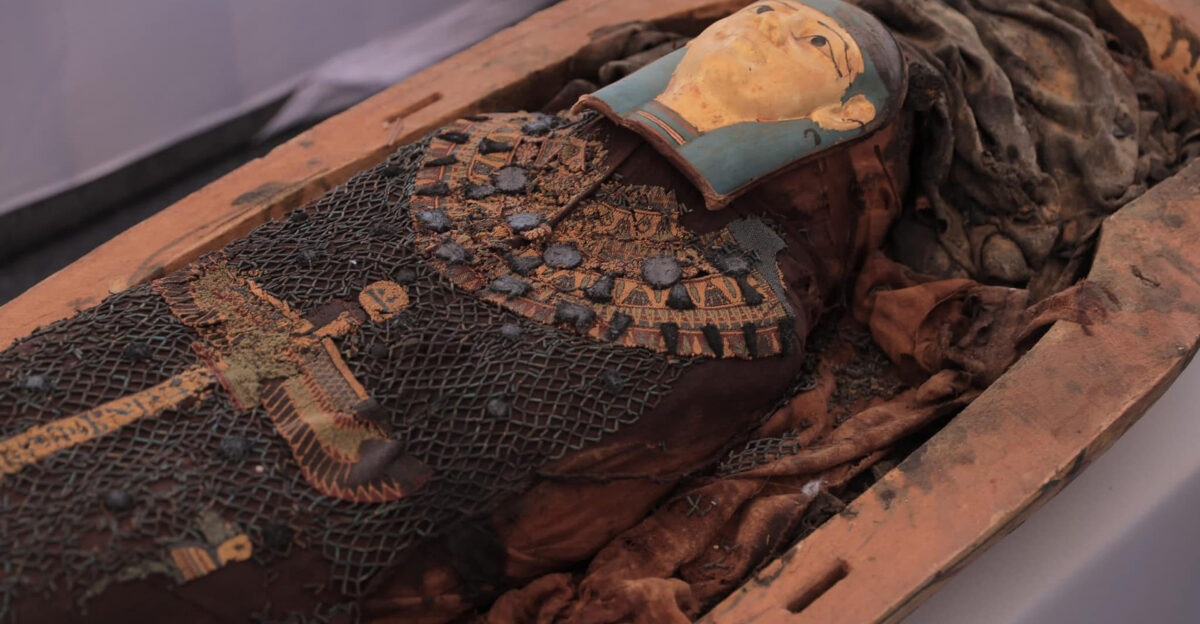
Along with the scroll were amulets, mummies, figurines known as shabti (which were thought to serve the deceased after death), and canopic jars used to store organs. These both provide a fuller picture of the burial rituals at that period.
Why This Matters to Archaeologists
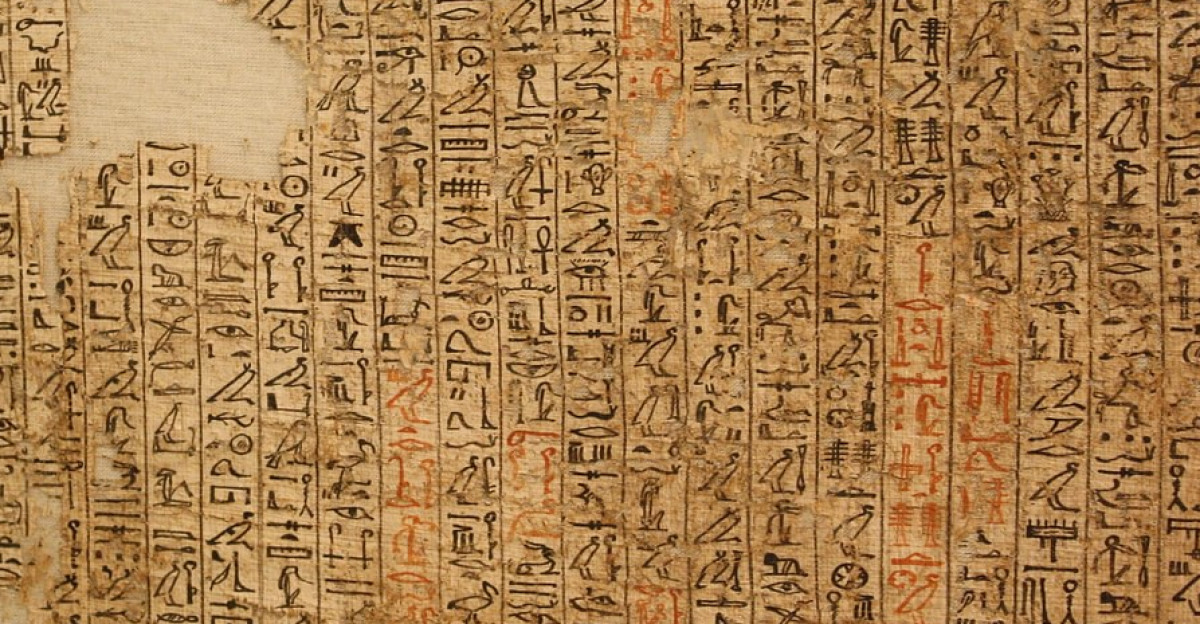
While pieces of the Book of the Dead have been found before, long, largely intact versions like this are rare.
It gives researchers a complete view of how the text came to be, what was prioritized, and how illustrations complemented religious beliefs.
The Experts Weigh In
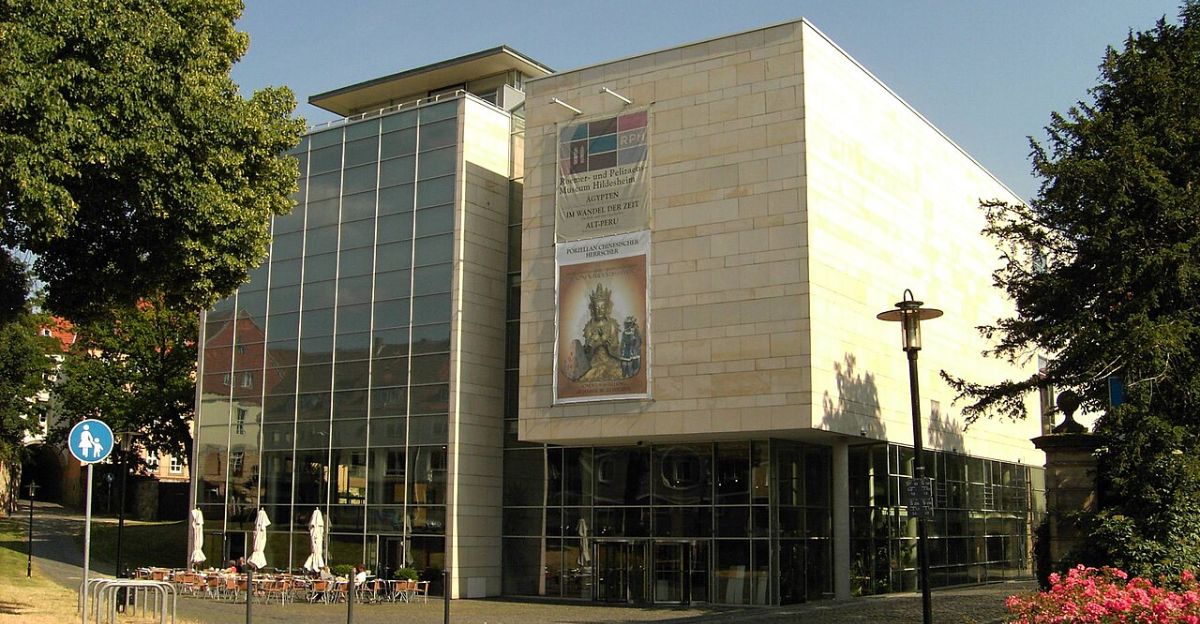
Lara Weiss, expert on ancient Egyptian texts and director of the Roemer and Pelizaeus Museum in Germany, termed the find “a great and interesting discovery.” She reported that the scroll’s size and state make it an original addition to the historical record.
What Happens Next?
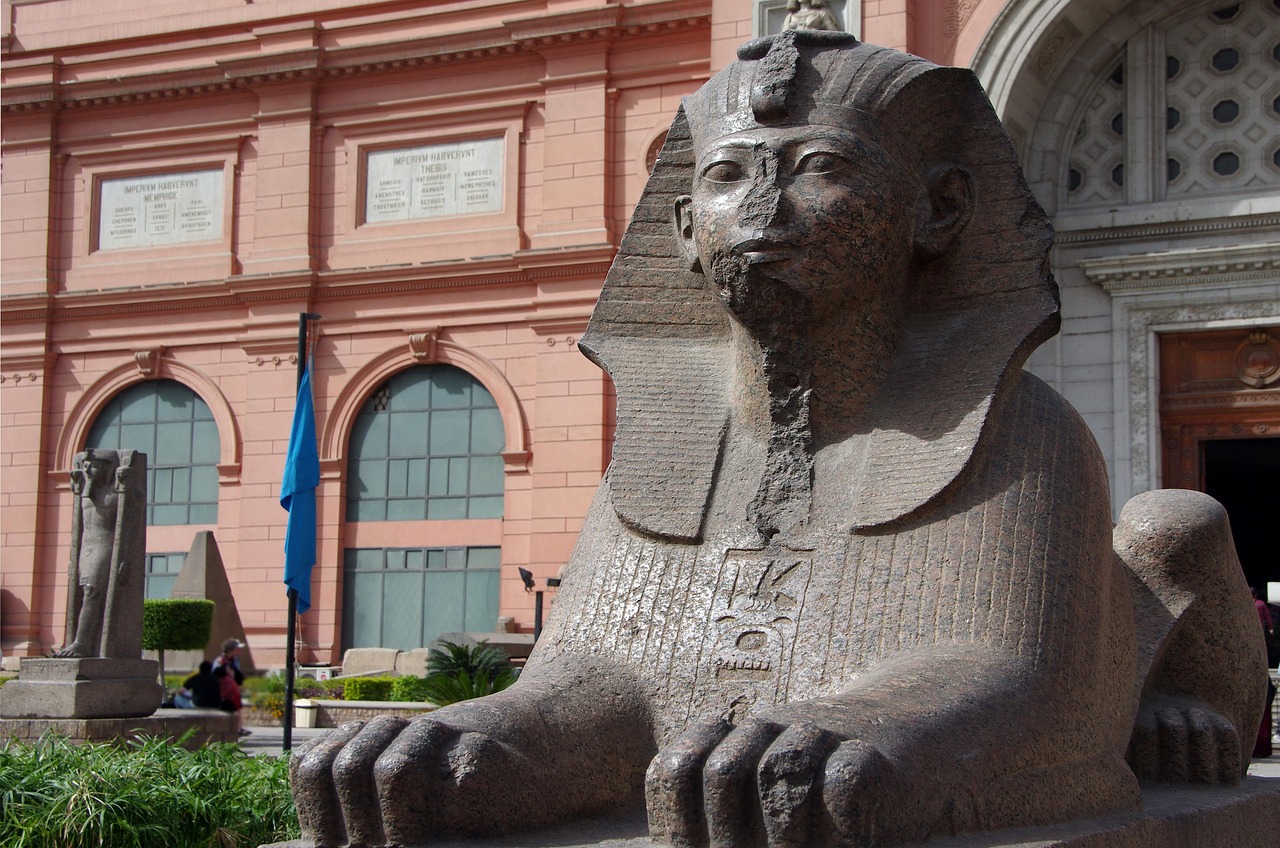
The scroll is currently being conserved and decrypted. Researchers are slowly ensuring the fragile papyrus isn’t impaired during study. It may eventually be displayed at Cairo’s Egyptian Museum or another significant institution.
Technology Aids the Translation

Technology like high-resolution scanning and infrared imaging is being used to decipher faded parts of the scroll.
These tools can expose details invisible to the naked eye, leading to a fuller account and understanding of the entire text.
The Mystery of the Missing Scrolls
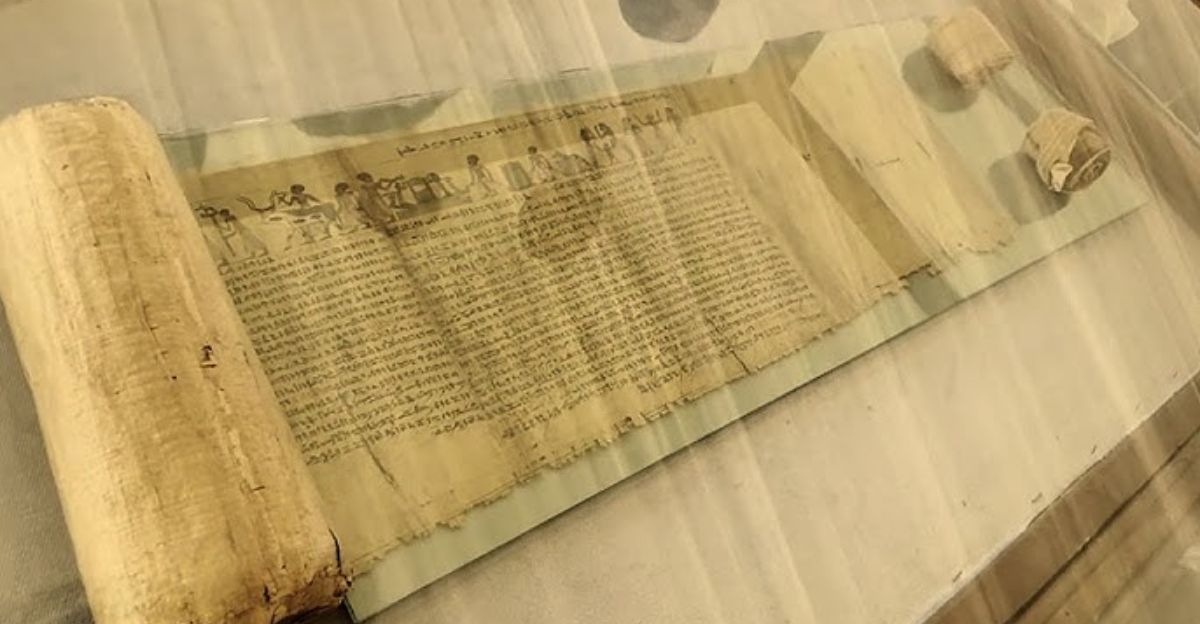
Why have so few complete Book of the Dead scrolls endured? Most were buried with people in tombs that have since eroded, been looted or destroyed.
Many scrolls were not meant to stand the test of time, either. They were created only for the soul’s journey.
A Snapshot of Religious Life
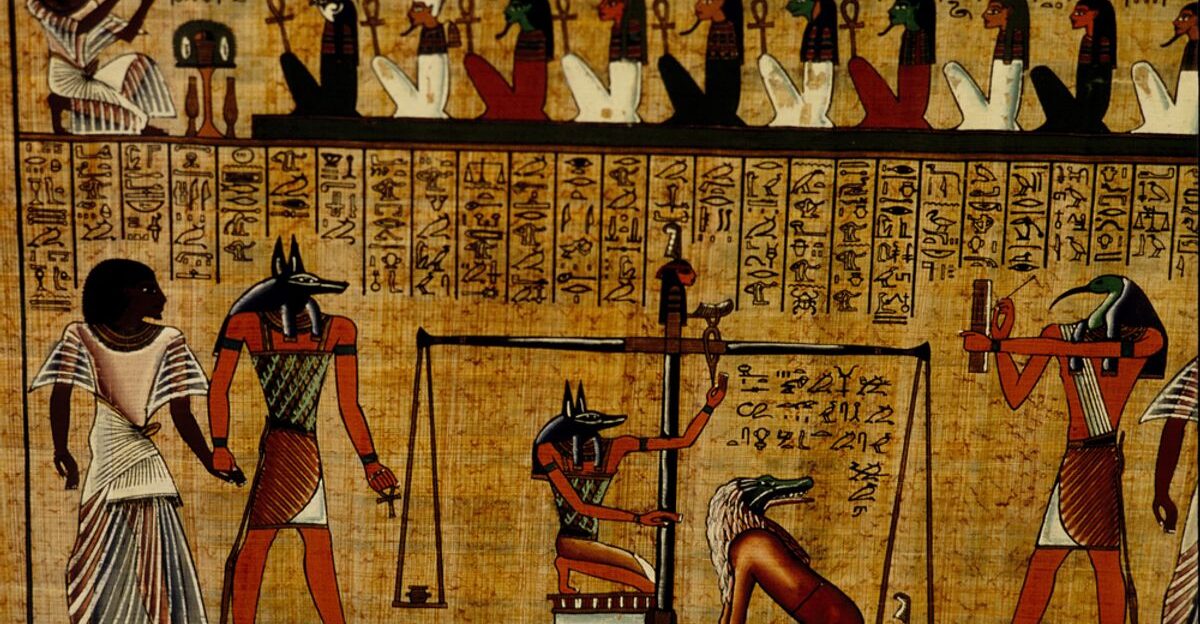
Beyond its practical use in burial, the scroll shows insight into how Egyptians perceived justice, truth, and the afterlife.
Many chapters focus on ethical behavior, like speaking the truth and being respectful, showing how deeply moral values were tied to spiritual survival.
Public Fascination Endures
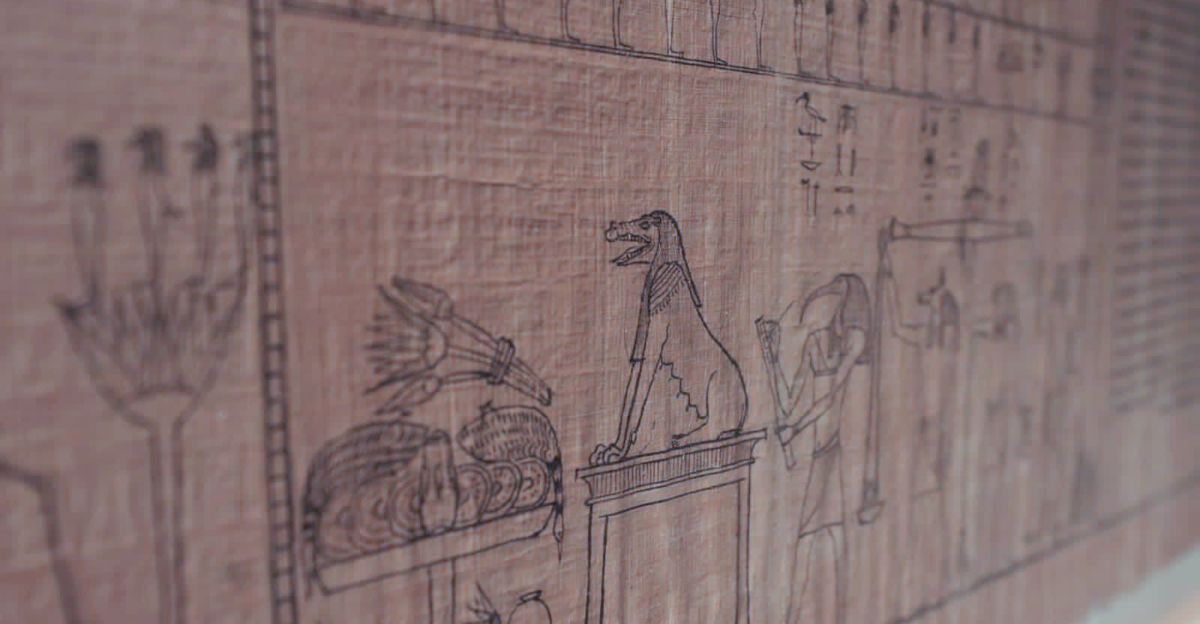
The Book of the Dead has intrigued people for hundreds of years. Its references in novels, films, and documentaries often seem to be myth or fantasy.
But real versions like this one offer facts, not fiction, about how one of the world’s most ancient civilizations perceived death and the afterlife.
Preserving More Than Just a Scroll
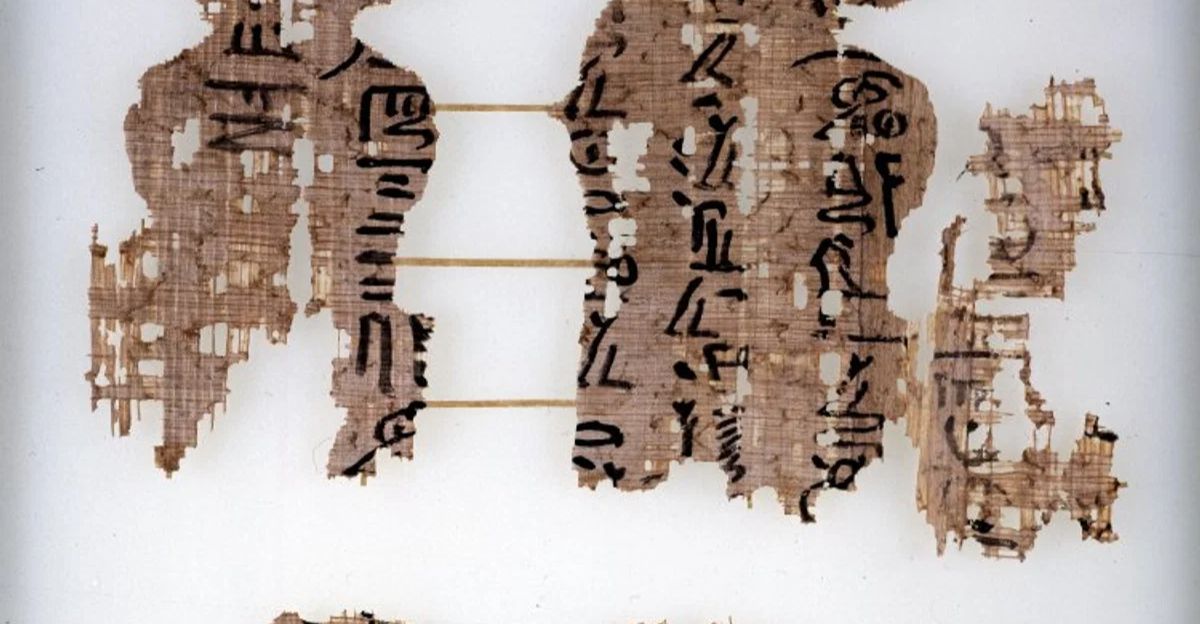
Findings like this remind us how much history is still concealed beneath the surface. Each new discovery adds yet another piece to the puzzle of ancient humans lived. Not just what people created or accepted, but how they feared, hoped, and prepared for the unknown.
A Rare Look Into Ancient Thought
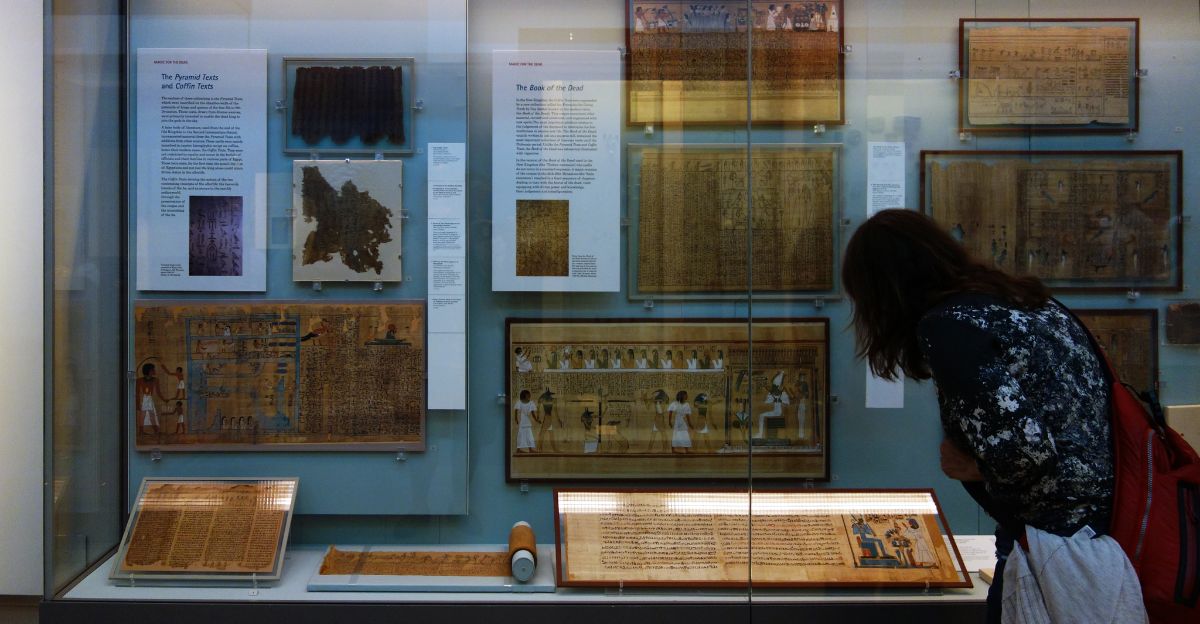
This 49-foot scroll represents more than just ancient paper. It’s a legacy. It connects all of time, delivering a glimpse into the hopes and beliefs of people who once lived as intricately as you and me. For researchers, it’s a rare opportunity to explore one of humanity’s early visions of the afterlife.