On a subzero morning in early January, Minneapolis residents woke to a city transformed. Masked federal agents, armored vehicles and unmarked SUVs appeared across neighborhoods as the federal government launched what officials described as the largest immigration enforcement operation in U.S. history. Two thousand agents had been dispatched to a single metropolitan area, a 30-day show of force that would soon claim a life and trigger an unprecedented clash between Washington and Minnesota leaders.
Renee Nicole Good Never Came Home
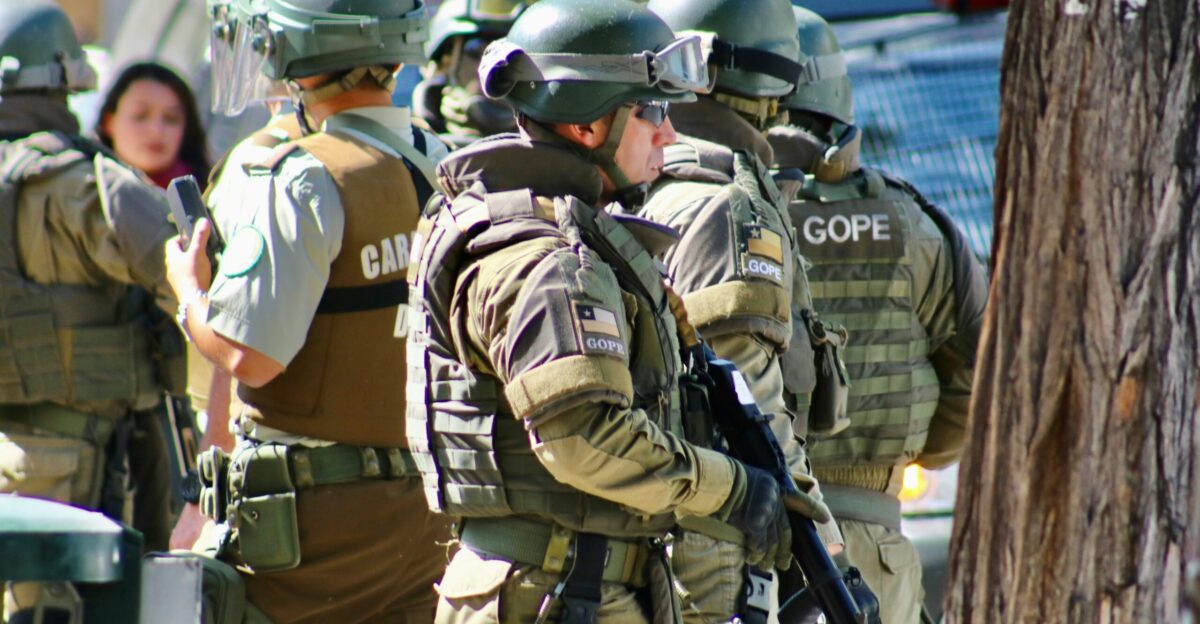
On January 7, 2026, that confrontation turned deadly on a residential street in south Minneapolis. Federal agents converged on a Honda Pilot driven by 37-year-old Renee Nicole Good, a U.S. citizen, mother of three and award-winning poet. Witnesses say officers wearing masks surrounded the vehicle and issued conflicting commands before shots were fired through the driver’s side window. Good was taken to a hospital and pronounced dead, the first known fatality linked to the surge.
Before her death, Good was known in far different circles. A graduate of Old Dominion University with a degree in creative writing, she had received the school’s 2020 undergraduate poetry prize. She had worked as a dental assistant and credit specialist before focusing on raising her three children. In 2023, she lost her second husband, an Air Force veteran and stand-up comedian.
Homeland Security Secretary Kristi Noem later said Good had “weaponized her vehicle” and tried to run over officers. Minneapolis Mayor Jacob Frey publicly disputed that account, calling it an example of an agent “recklessly using power that resulted in somebody dying.” Video footage reviewed by multiple outlets has not shown an officer being struck. Witnesses instead describe agents encircling the SUV, opening the driver’s door and firing three times. The Minnesota Bureau of Criminal Apprehension and the FBI opened parallel investigations, while the identity of the shooter has not been released.
State and City Push Back

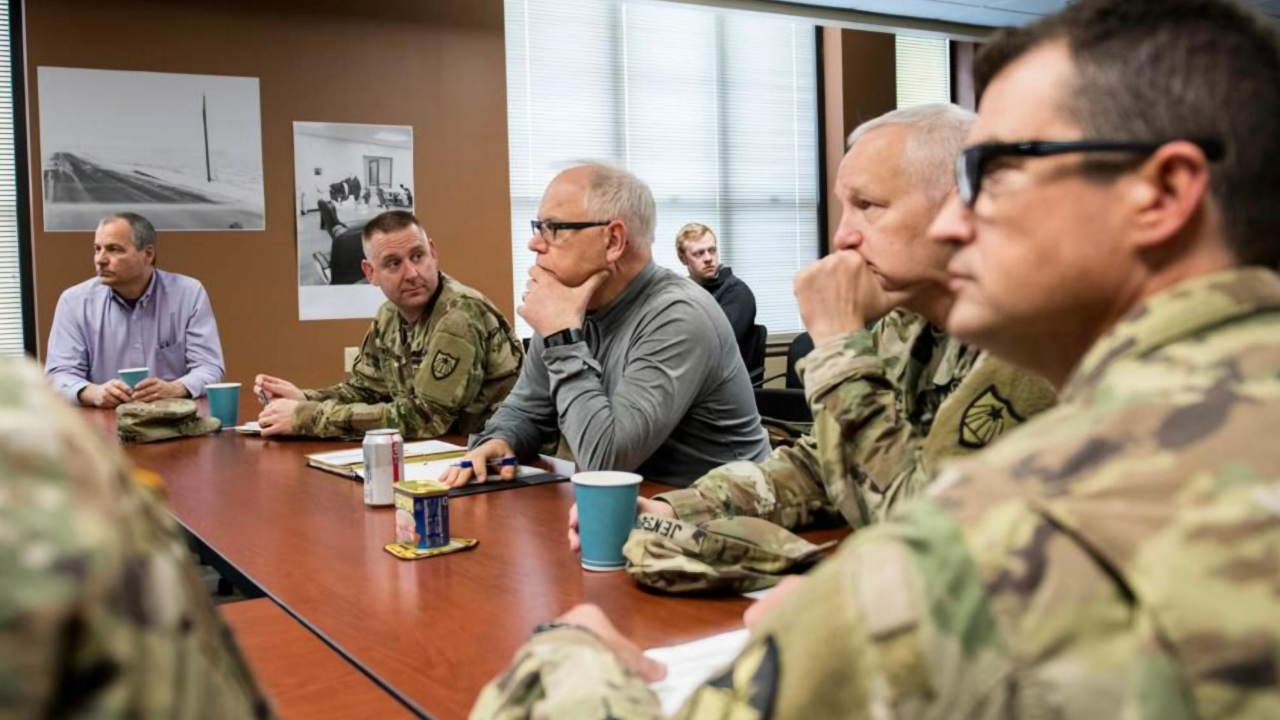
Good’s death instantly escalated tensions between state officials and the federal government. Within hours, Governor Tim Walz issued a “warning order” to the Minnesota National Guard, a step that signaled preparations to mobilize state troops if necessary. He also deployed 85 Minnesota State Patrol officers to the Twin Cities. Pressed on whether Guard units might confront federal agents in the streets, Walz tried to walk a fine line, saying Minnesota had “never been at war with our federal government,” even as he condemned the scale and tactics of the operation.
Minneapolis Mayor Frey was more direct. Appearing before cameras shortly after the shooting, he told federal authorities to leave: “Get out of Minneapolis. We do not want you here. Your stated purpose is to create safety, but you’re doing exactly the opposite.” The Minneapolis City Council backed that stance, formally urging federal personnel to withdraw. The operation proceeded regardless, underscoring how little leverage local leaders have over federal immigration enforcement, even when it unfolds outside high schools and apartment complexes.
The federal surge came against a backdrop of intense scrutiny of Minnesota’s public-benefit programs. Assistant U.S. Attorney Joe Thompson has estimated that fraudulent billing across 14 Medicaid-related services could exceed $9 billion, nearly half of the roughly $18 billion in federal funds those programs received since 2018. Prosecutors say some participants created sham service providers that delivered no care while spending government money on luxury vehicles and overseas trips.
At the same time, the Trump administration increased pressure by freezing $185 million in annual federal child care funding for Minnesota and four other states on December 30. The move, tied to allegations of daycare fraud amplified by a viral video, immediately affected an estimated 19,000 children in Minnesota. State officials disputed the scope of the problem, but workers on the ground braced for layoffs and closures. One state employee who worked in daycare centers said she would have to quit or face termination without restored funding.
Communities Under Siege
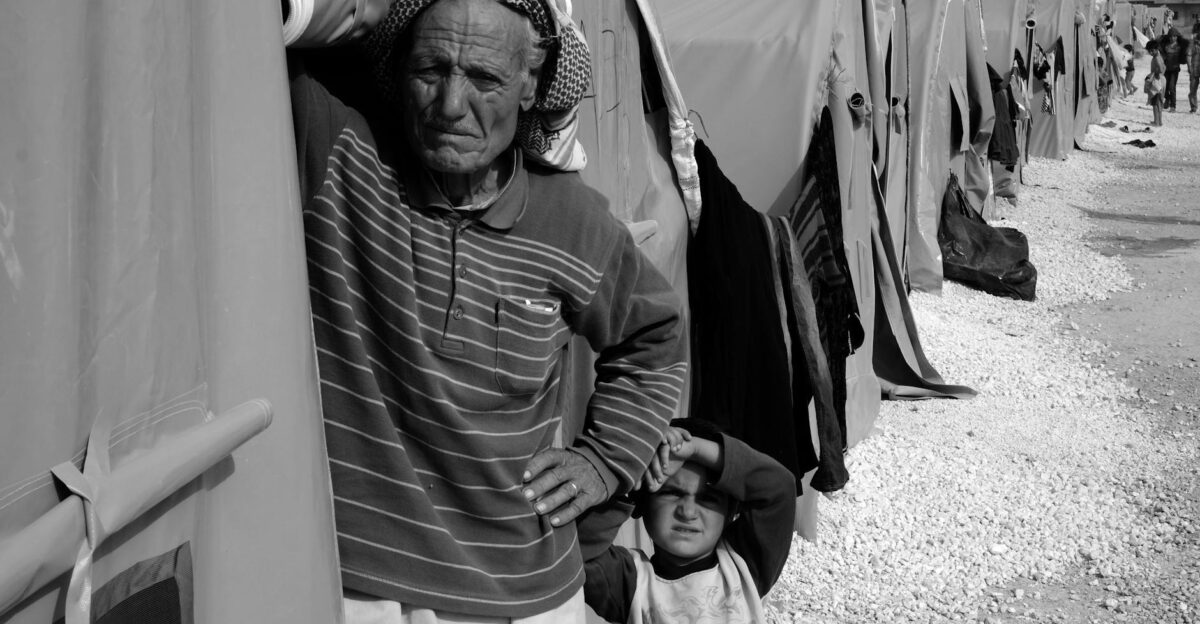
The enforcement wave hit especially hard in Minnesota’s Somali community, the largest in the United States. Since 1992, tens of thousands of Somali refugees have settled in the state, many gaining permanent legal status and then citizenship. Yet in early January, residents described carrying passports and naturalization documents everywhere, fearful of being detained despite their legal status. St. Paul City Council member Molly Coleman said that “every single person is on guard and afraid,” capturing the pervasive anxiety in neighborhoods accustomed to federal attention but not to armored vehicles on their streets.
The presence of heavily armed agents also upended daily life for families across Minneapolis. Hours after Good’s death, Minneapolis Public Schools canceled classes districtwide for two days, citing “safety concerns related to today’s incidents.” The decision affected tens of thousands of students and left parents scrambling for child care just as federal grants for that purpose were being frozen. Video from Roosevelt High School appeared to show officers deploying chemical irritants during a confrontation with students as masked agents conducted operations nearby.
Residents in Minneapolis and neighboring St. Paul described an omnipresent federal footprint: agents and enforcement vehicles stationed in parking lots, traffic stops near apartment buildings, unmarked trucks rolling slowly through residential blocks. Immigrant-rights groups reported a shift in tactics from highly visible December raids that drew crowds to smaller, faster operations scattered across the metro area.
Political Fallout and Uncertain Outcomes
The federal siege unfolded as Governor Walz was already under national scrutiny. On January 5, two days before Good was killed, he announced he would not seek a third term as governor, an extraordinary step for a Democrat widely known as the party’s 2024 vice-presidential nominee. Walz cited unrelenting federal attacks on Minnesota and months of criticism over his administration’s handling of fraud in public programs. He insisted he would not resign, saying that demands for his departure would be met only “over my dead body,” and framed his decision as freeing him to focus on combating fraud and defending immigrants rather than campaigning.
Legal scholars note that immigration enforcement is primarily a federal responsibility, giving agencies such as ICE authority to operate anywhere in the country regardless of local consent. Yet the decision to send 2,000 agents into one metropolitan area, conduct operations outside schools and flood Somali neighborhoods with armed personnel has drawn questions about proportionality and intent. Acting ICE Director Todd Lyons has praised the campaign, highlighting arrests of individuals with serious criminal histories. At the same time, a 6-year-old boy in Minneapolis is now orphaned after losing both parents in three years, and thousands of families report carrying documents and avoiding public spaces out of fear.
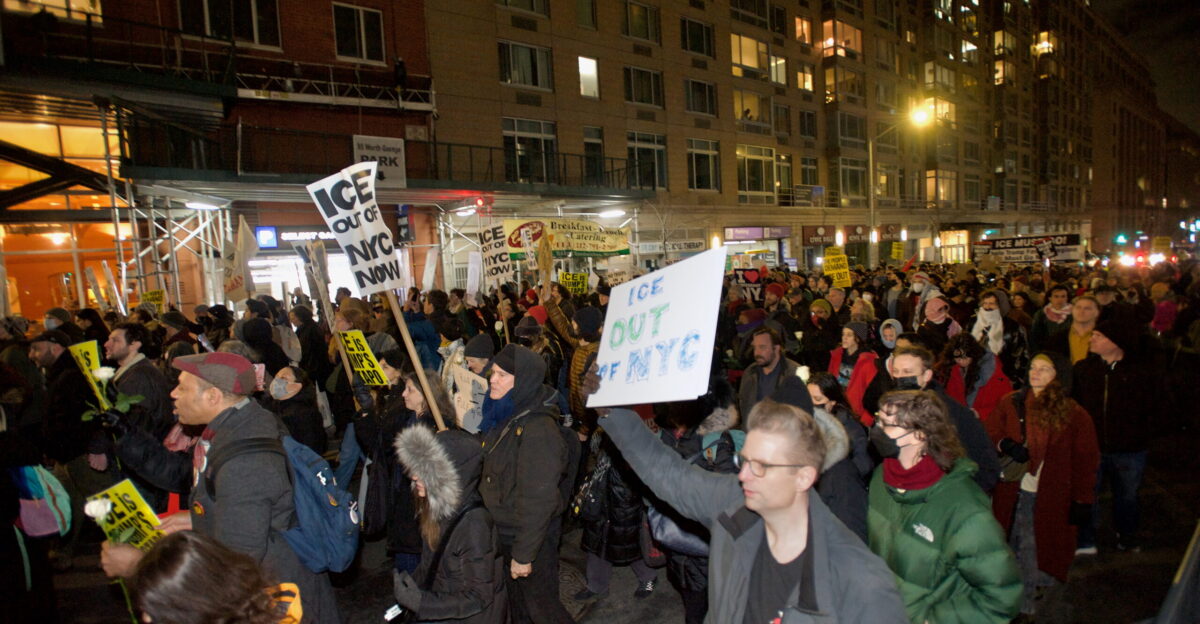
At a vigil for Renee Nicole Good, community members remembered her as a neighbor who showed up for others. Civil rights advocate Jaylani Hussein said she was “peaceful” and “did the right thing,” arguing that her death stemmed from her commitment to her community. Her former father-in-law described a grandson left with no parents and few relatives to step in. Neighbors recalled seeing Good and her children outside together, playing and talking with others on the block.
As the 30-day operation continues, state and federal investigators are still examining the circumstances of Good’s killing, and the agent who fired the fatal shots remains unnamed. The broader questions linger: how to address large-scale fraud without destabilizing essential services, how far federal authorities should go in deploying paramilitary tactics inside American cities, and who ultimately sets the boundaries when state and local officials reject those methods. For Minneapolis residents, the answers will shape not only the outcome of this surge but also the balance of power on their streets in the months and years ahead.
Sources:
“Woman killed by ICE in Minneapolis was a mother of 3 and a poet,” The Washington Post, January 8, 2026
“2,000 federal agents sent to Minneapolis area to carry out ‘largest immigration operation ever,’ ICE says,” PBS NewsHour, January 6, 2026
“Walz gives order to prepare National Guard after ICE officer fatally shoots woman in Minneapolis,” CBS News Minnesota, January 6, 2026
“At least $9B billed across 14 Medicaid services in Minnesota may be fraudulent, US attorney says,” CBS News Minnesota, December 17, 2025
“HHS Freezes Child Care and Family Assistance Grants in Five States,” Department of Health and Human Services, January 5, 2026
“Minnesota hosts the nation’s largest Somali population. What brought them here?”, Minneapolis Star Tribune, December 3, 2025