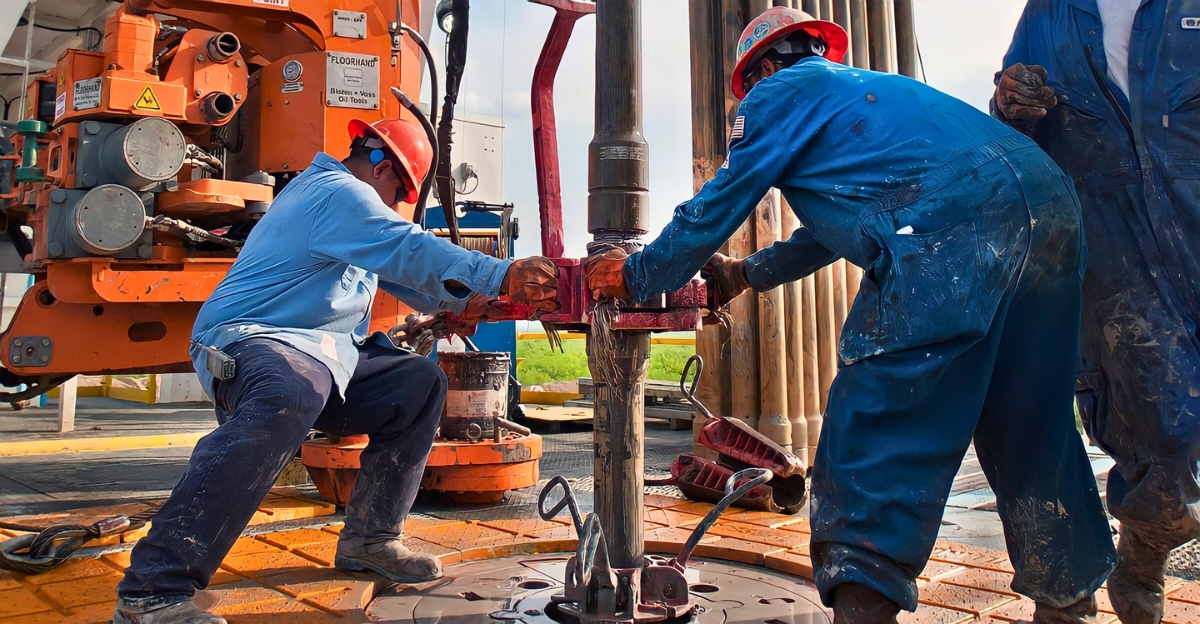
America’s oil drilling activity has collapsed to levels not seen since 2021, as multiple industry benchmarks signal deep structural challenges. Baker Hughes reports just 411 active oil rigs nationwide as of August 2025, down 74 rigs from one year ago, according to Argaam. This represents a dramatic 15% decline, sparking concerns about long-term production sustainability.
Production Numbers Hide Growing Problem Behind the Scenes
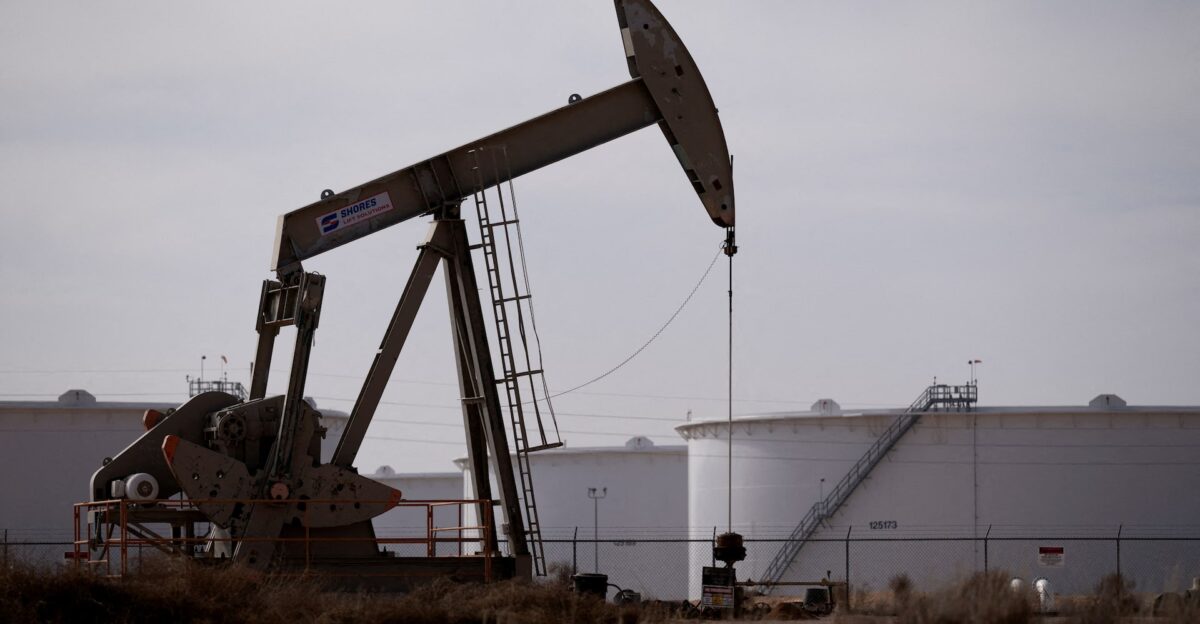
While rig counts plummet, U.S. oil production continues hitting record highs of 13.4 million barrels per day, masking the severity of the industry’s workforce contraction. This apparent contradiction reflects advanced drilling efficiency and signals approaching limits to technological gains. Energy analysts warn that declining activity will inevitably catch up with output levels within 18 months, Reuters reports.
Current Crisis Puts Industry Back to 2022 Levels
The current rig count represents a 44% decline from 2022’s peak of 780 active units, highlighting how dramatically the industry has scaled back operations. During the 2014-2020 shale boom, rig counts routinely exceeded 1,000 units nationwide, Oil Gas Leads confirms. The sustained downturn reflects post-pandemic normalization and strategic shifts toward capital discipline over volume growth.
Oil Prices Create Squeeze on Company Profits

Oil prices hovering around $66 per barrel have squeezed profit margins across major shale plays, forcing operators to postpone development projects. Industry surveys indicate that most shale wells require $61-70 oil to justify new drilling, creating a precarious balance between profitability and activity levels, Reuters notes. OPEC+ production increases have further pressured already-strained pricing dynamics.
America’s Most Important Oil Region Takes Biggest Hit
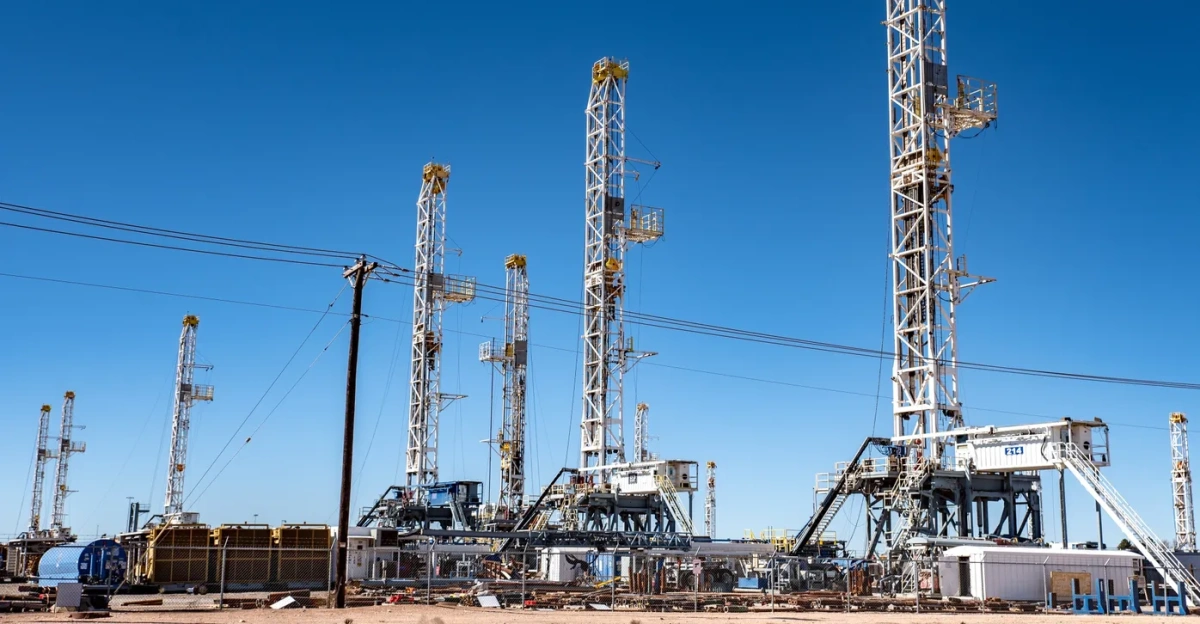
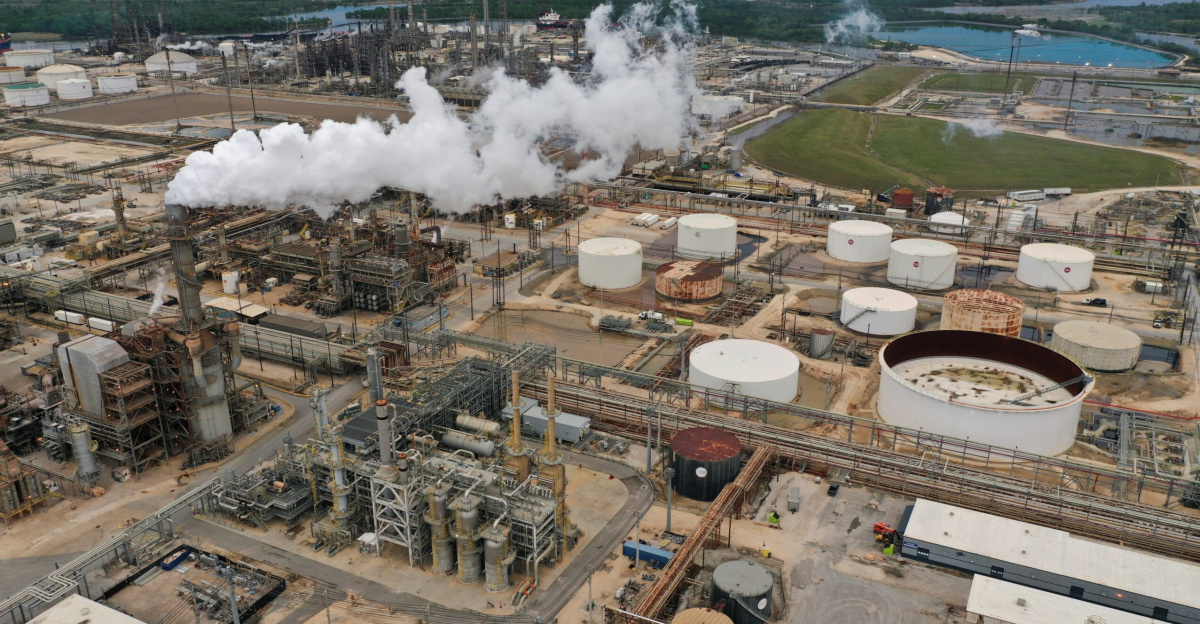
The Permian Basin, America’s crown jewel oil region, has lost 24 rigs in ten weeks, dropping to just 259 active units. Reuters data shows this represents the lowest since September 2021. This dramatic pullback in the nation’s most prolific oil field represents the story’s hidden bombshell: the engine of U.S. energy independence is rapidly downshifting. Permian output generates nearly half of all American oil production.
Texas Leading Nationwide Decline in Drilling Operations
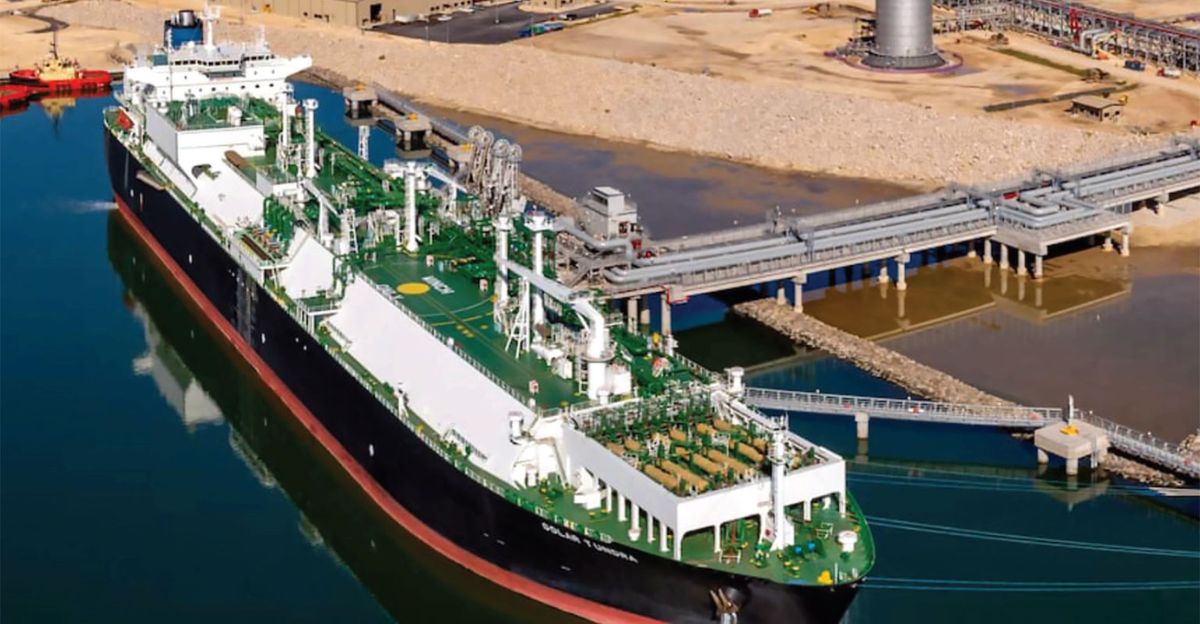
Texas leads the nationwide decline with oil rigs dropping to 271, down from 290 one year ago and representing the state’s lowest count since November 2021. Oklahoma mirrors the broader contraction with rig activity beginning to stall after showing resilience earlier in the year, PB Oil and Gas Magazine reports. New Mexico has similarly reduced operations, reflecting basin-wide caution among operators.
Oil Field Workers Face Uncertain Employment Future
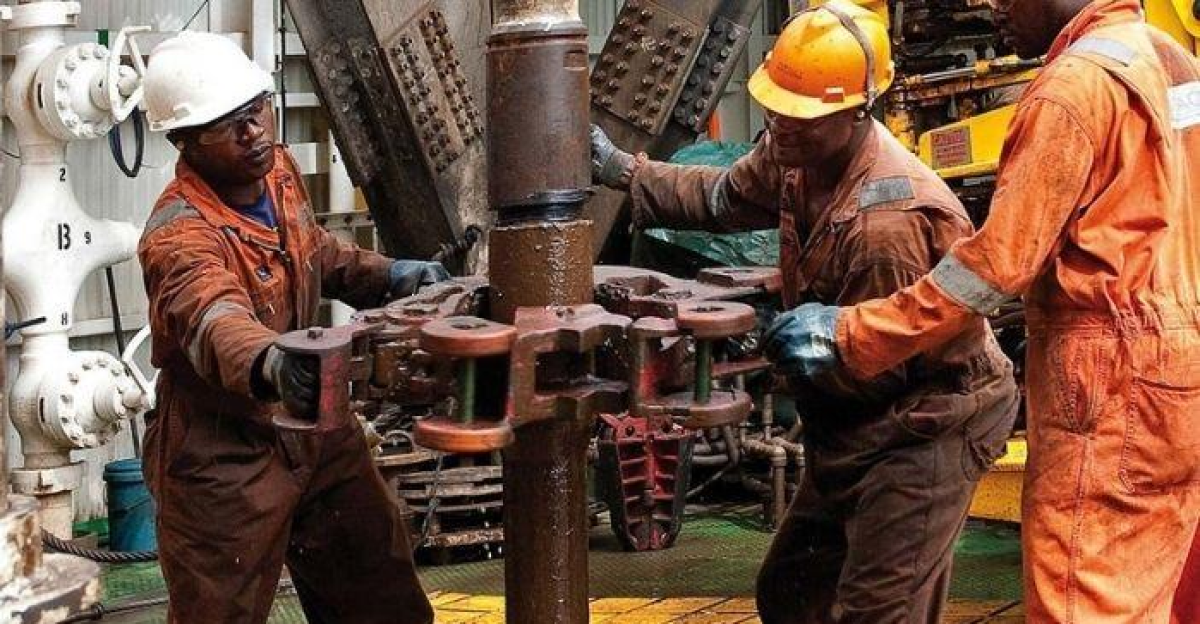
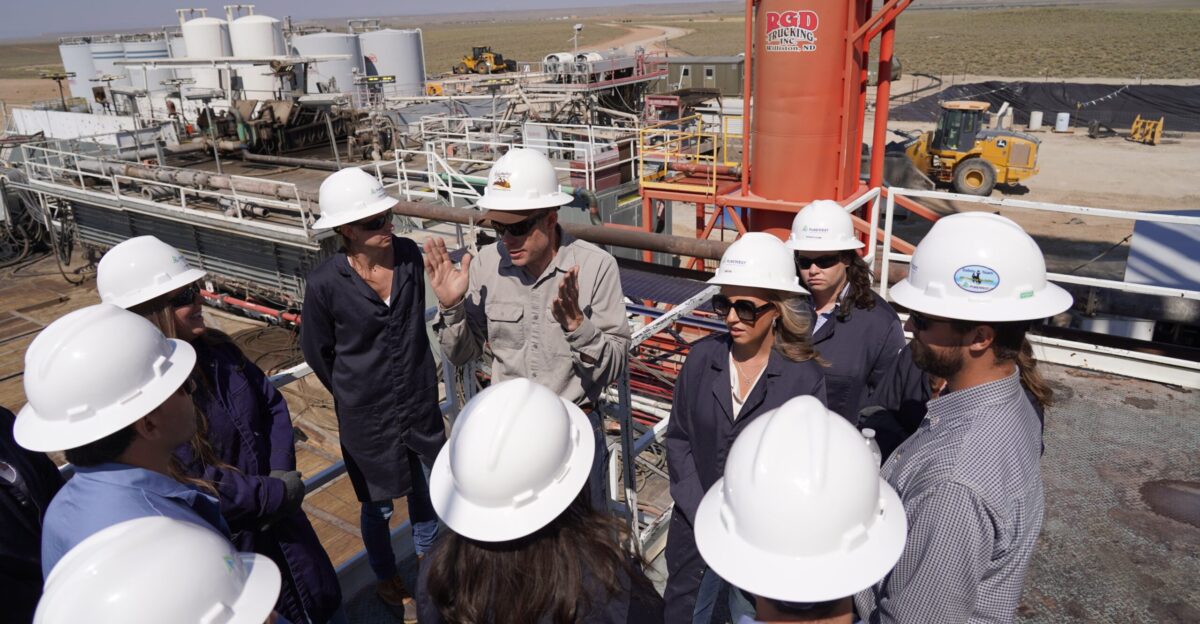
Industry analysts say the field is getting quieter as drilling crews face uncertain employment prospects amid widespread operational cutbacks. Oklahoma Minerals highlights that service companies report reduced demand for completion crews, with many skilled workers considering career changes after repeated boom-bust cycles. The psychological toll extends beyond individual workers to entire communities built around oilfield activity.
Hydraulic Fracturing Crews Hit Multi-Year Lows
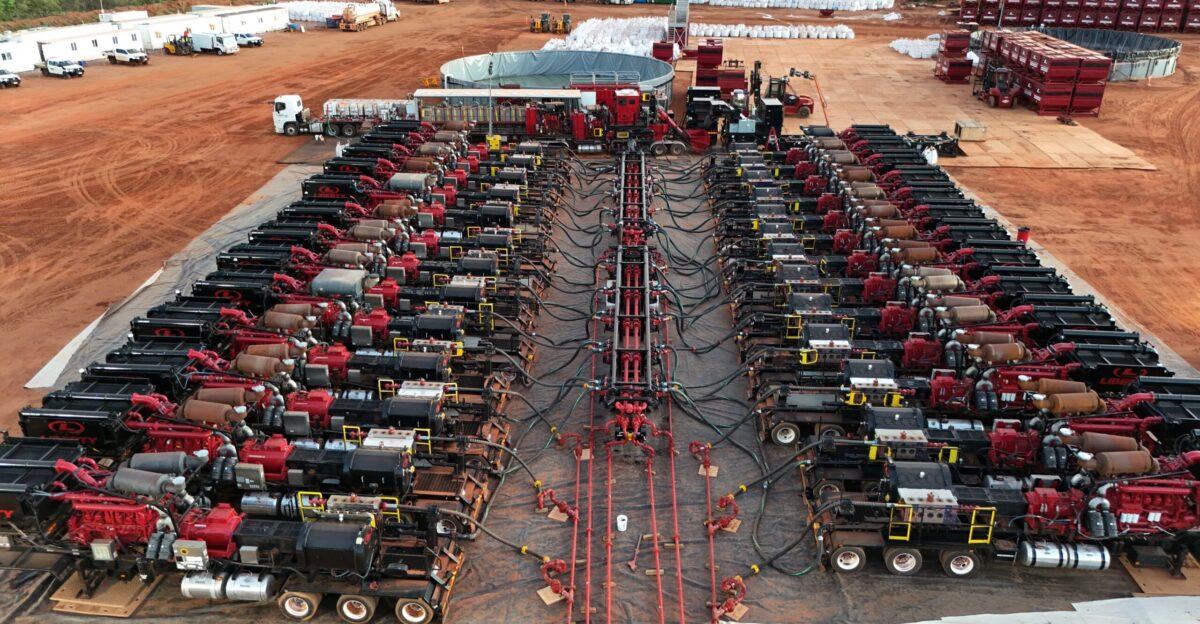
Hydraulic fracturing crews have plummeted to their lowest levels since 2021, with active frac spreads dropping from 240 to just 174 in six months. According to Oklahoma Minerals, major oilfield service companies face margin compression as competition intensifies for fewer available projects. Equipment utilization rates have fallen below profitable thresholds in several key basins, forcing difficult operational decisions.
Technology Improvements Can No Longer Make Up the Difference

After years of dramatic productivity gains, the industry appears to have reached the limits of drilling efficiency improvements. Wood Mackenzie analysts project that rig count declines are now outpacing technological advances, a reversal of the previous decade’s trends, Reuters confirms. This shift signals that the industry cannot do more with less equipment and personnel indefinitely.
Job Losses Continue Despite Record Oil Production
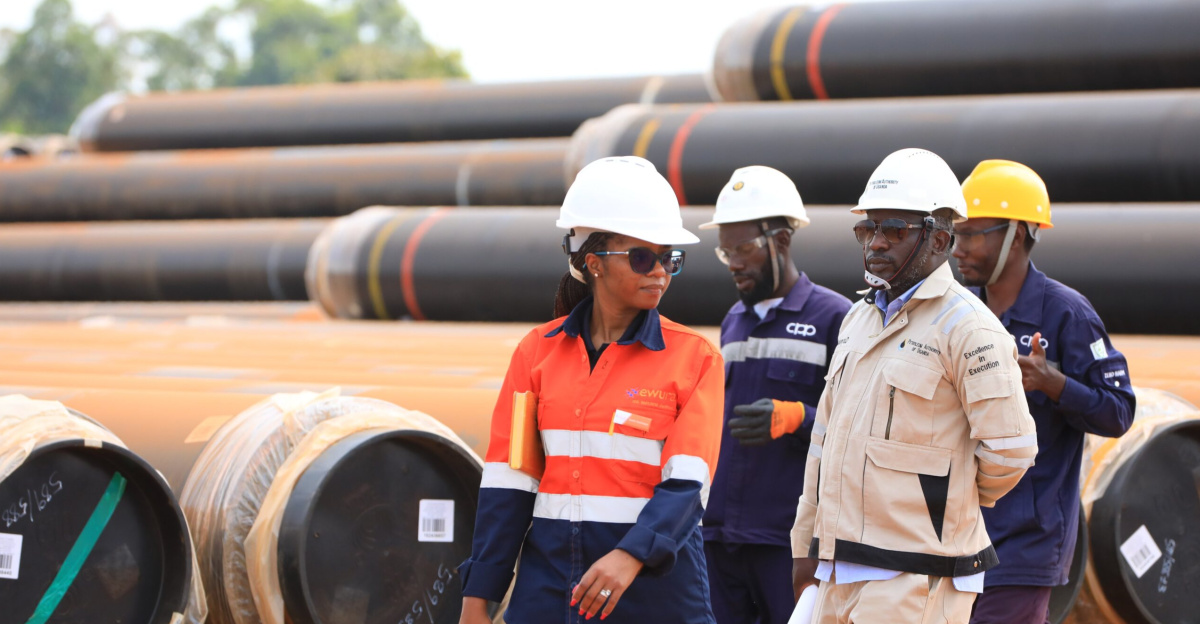
Despite record production, the oil and gas extraction workforce has shrunk by nearly 20% from pre-pandemic levels, revealing the industry’s dramatic transformation. The New York Times found that employment in drilling and support activities continues declining even as output soars, creating a paradox that masks underlying structural weakness. This workforce reduction represents a permanent shift toward automation and efficiency over job creation.
Company Executives Express Frustration with Market Conditions
Oil industry leaders increasingly express frustration with policy uncertainty and market volatility hampering long-term planning. Dallas Fed survey data shows one executive complained that “the threat of $50 oil prices by the administration has caused our firm to reduce its 2025 and 2026 capital expenditures.” CNBC reports that internal company tensions mount as shareholders demand capital discipline while political leaders call for increased drilling.
Major Companies Announce Massive Workforce Reductions

Major oil companies are implementing significant workforce reductions, with Chevron announcing plans to lay off up to 20% of its global workforce by 2026. Fortune revealed that these cuts come despite strong production performance and reflect industry-wide efforts to reduce costs by $2-3 billion annually. The restructuring represents a fundamental shift from growth-focused strategies to shareholder return priorities.
Companies Pour Money Into Technology to Replace Workers
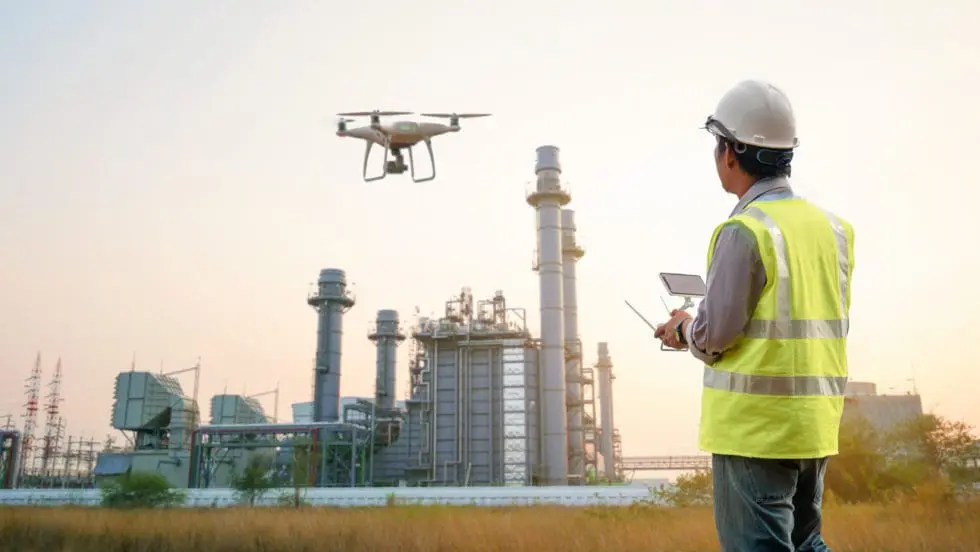
Companies are desperately trying to find technological breakthroughs to offset declining drilling activity, investing heavily in artificial intelligence, drone inspections, and remote operations. Advanced hydraulic fracturing techniques and longer lateral wells represent ongoing attempts to maintain production with fewer active rigs, E&E News reports. However, these innovations require significant capital investments amid tightening budgets and uncertain returns.
Industry Experts Question Future Production Sustainability

Industry consultants express doubt about maintaining current production levels without increased drilling activity, warning of inevitable output declines by 2026. At a Qatar forum, ConocoPhillips CEO Ryan Lance stated that “we are likely to see production plateauing by the end of this decade,” Reuters reports. Energy economists question efforts to compensate for reduced drilling investment.
Current Trends Create Unsustainable Path for American Energy
The intersection of declining drilling activity and record production creates an unsustainable trajectory that will define American energy policy for the next decade. Will technological innovation continue compensating for reduced equipment deployment, or are we approaching the limits of efficiency-driven growth? The answer may determine America’s energy independence and global market position, S&P Global notes.
Trump’s Drilling Agenda Faces Reality Check from Industry

The drilling downturn complicates President Trump’s “drill, baby, drill” agenda, as industry leaders cite policy uncertainty and tariff costs as major investment deterrents. CNBC analysis shows that federal energy strategies must reconcile campaign promises with market realities that favor capital discipline over production growth. Given the private sector’s reluctance to expand drilling capacity, congressional debates over energy independence face new complexity.
American Drilling Decline Could Strengthen OPEC Market Power
America’s reduced drilling activity could strengthen OPEC’s market influence and significantly alter global oil trade flows. According to Reuters reports, international energy markets are closely monitoring U.S. shale production trends, as sustained declines would create supply opportunities for rival producers. Strategic petroleum relationships with allies may require reassessment if domestic production growth stalls permanently.
Environmental Benefits Come Through Economics Rather Than Policy
Ironically, the industry’s efficiency gains and workforce reductions advance environmental goals more effectively than many regulatory policies. Fewer active rigs and reduced industrial activity naturally decrease carbon emissions and ecological disruption in drilling regions, E&E News found. However, this progress occurs through economic pressures rather than intentional environmental stewardship, creating complex policy considerations.
Small Towns Across Oil Country Face Economic Uncertainty
Small towns across Texas, Oklahoma, and North Dakota face economic uncertainty as oil field employment shrinks and supporting businesses struggle. Oklahoma Minerals reports that the generational shift away from traditional oilfield careers forces communities to diversify economically or risk long-term decline. Local tax revenues dependent on drilling activity face pressure, affecting schools, infrastructure, and public services in energy-dependent regions.
American Oil Industry Enters New Era of Limited Growth
The American oil industry has entered a post-growth phase characterized by efficiency maximization rather than expansion, fundamentally altering energy sector dynamics. The New York Times analysis reveals that this transformation challenges traditional assumptions about oil booms, job creation, and energy security while highlighting the industry’s evolution toward sustainable profitability. The quiet revolution in America’s oil fields may prove more consequential than the loud shale boom that preceded it.