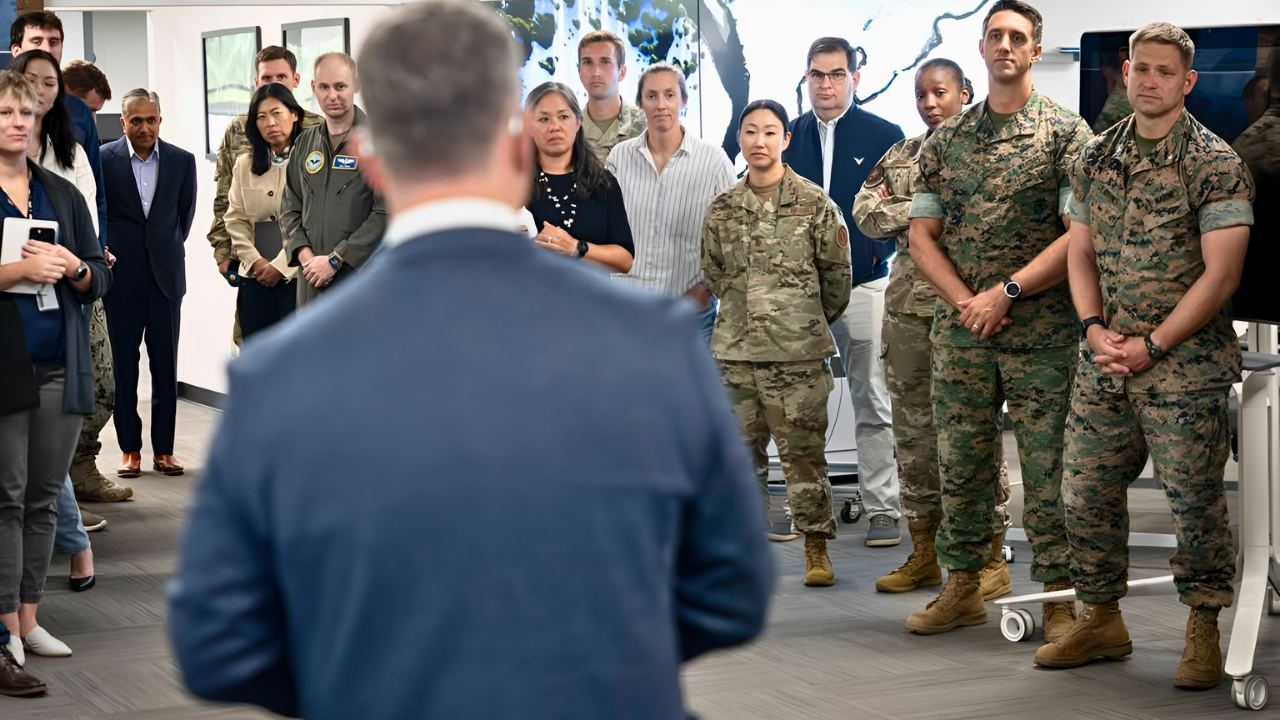
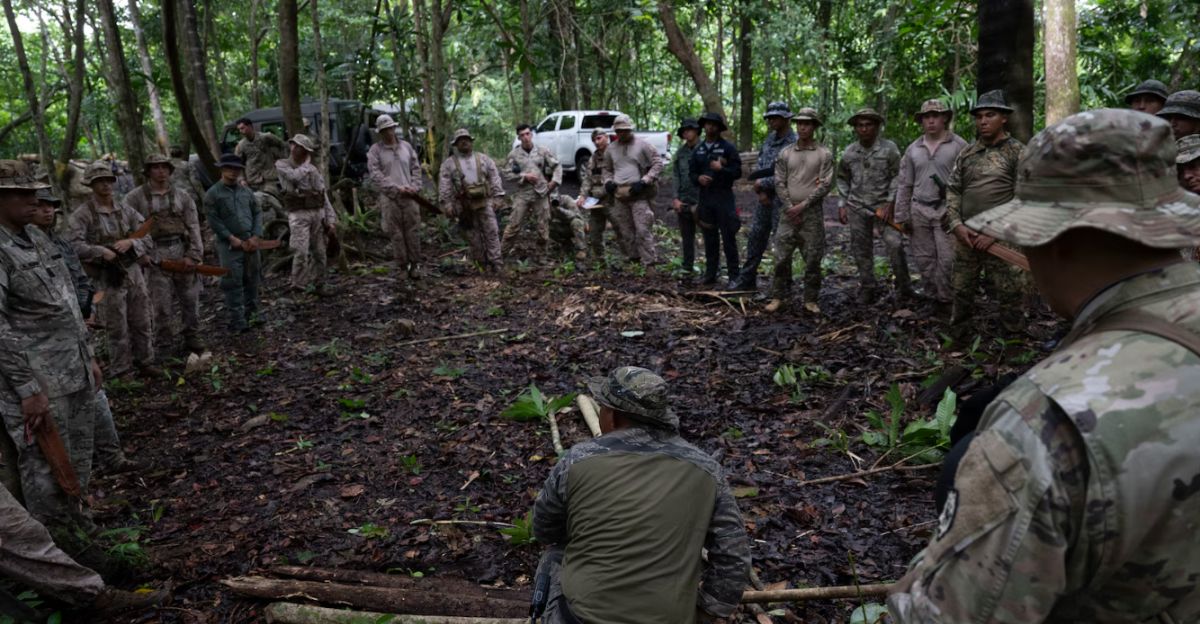
For the first time in more than two decades, U.S. ground forces have returned to Panama’s jungles, marking a significant shift in American military strategy in Latin America. Approximately 10,000 U.S. personnel are now deployed across the Caribbean region, with the USS Gerald R. Ford stationed nearby and specialized jungle training units rotating through Panama. This renewed presence, part of Operation Southern Spear, underscores the Pentagon’s urgent focus on securing the Panama Canal—a linchpin of global trade and a symbol of U.S. strategic interests.
Strategic Stakes in the Canal Zone
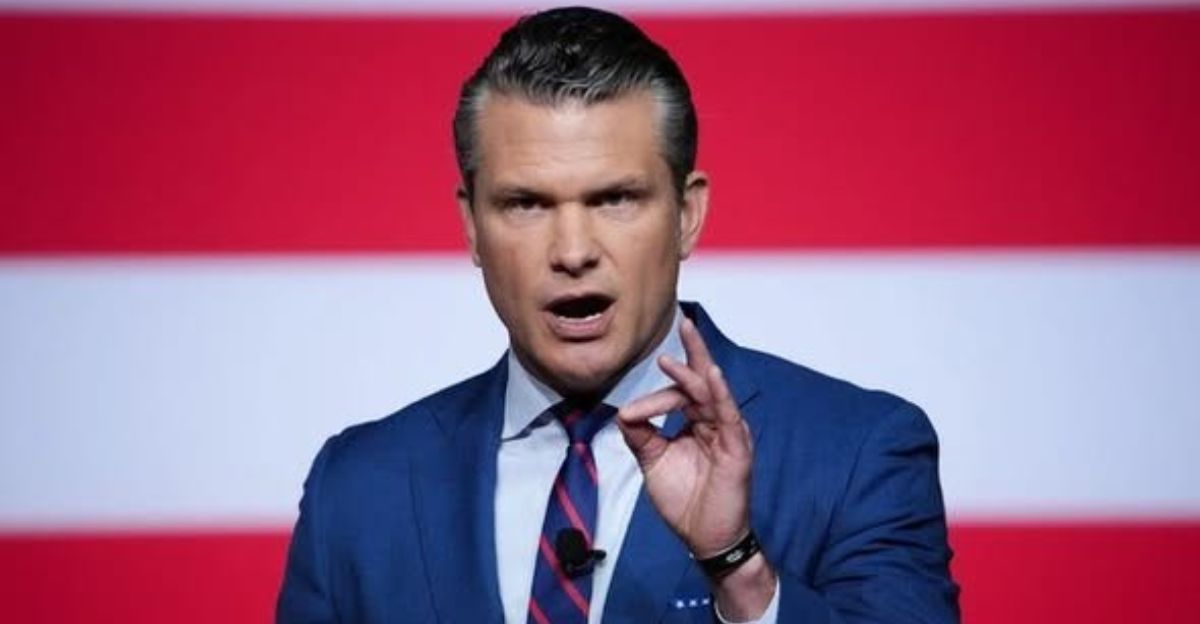
The deployment comes amid growing concerns over China’s expanding influence in the region, particularly near the canal. U.S. officials have warned that Beijing’s investments in Panamanian infrastructure and port operations could threaten the security of this vital waterway. The Pentagon’s move is designed to counter these advances, ensuring that the canal remains under friendly control and that global shipping routes remain secure. The return of American troops signals a renewed commitment to defending U.S. interests against external actors seeking to challenge the status quo.
A Historic Military Return
The U.S. military’s relationship with Panama stretches back over a century, peaking during the Cold War when American bases dotted the isthmus. After the canal was handed over to Panama in 1999, these bases closed, but the U.S. maintained a limited presence through security cooperation. Now, the reopening of Fort Sherman for joint operations marks a reversal of post-Cold War policy and a return to large-scale jungle warfare training. Once a key site for Cold War-era exercises, Fort Sherman is again hosting American and Panamanian troops, reflecting the Pentagon’s renewed interest in the region’s unique operational challenges.
Reviving Jungle Warfare and Regional Partnerships
In August 2025, the Pentagon established a new Combined Jungle Operations Training Course at Base Aeronaval Cristóbal Colón. The inaugural class included U.S. Marines and Panamanian security forces personnel, with plans to expand to larger platoon-sized rotations. These exercises are designed to prepare troops for the harsh realities of jungle combat, where communication, logistics, and survival are constant challenges. The training also strengthens bonds between U.S. and Panamanian forces, fostering trust and cooperation in tackling shared security threats such as organized crime and narcotics trafficking.
The deployment is part of a broader U.S. military buildup in the Caribbean, including the revival of bases in Puerto Rico and increased naval patrols. This approach echoes Cold War-era strategies, aiming to maintain regional stability and deter adversaries amid shifting global power dynamics.
Sovereignty, Strategic Concerns, and the China Factor
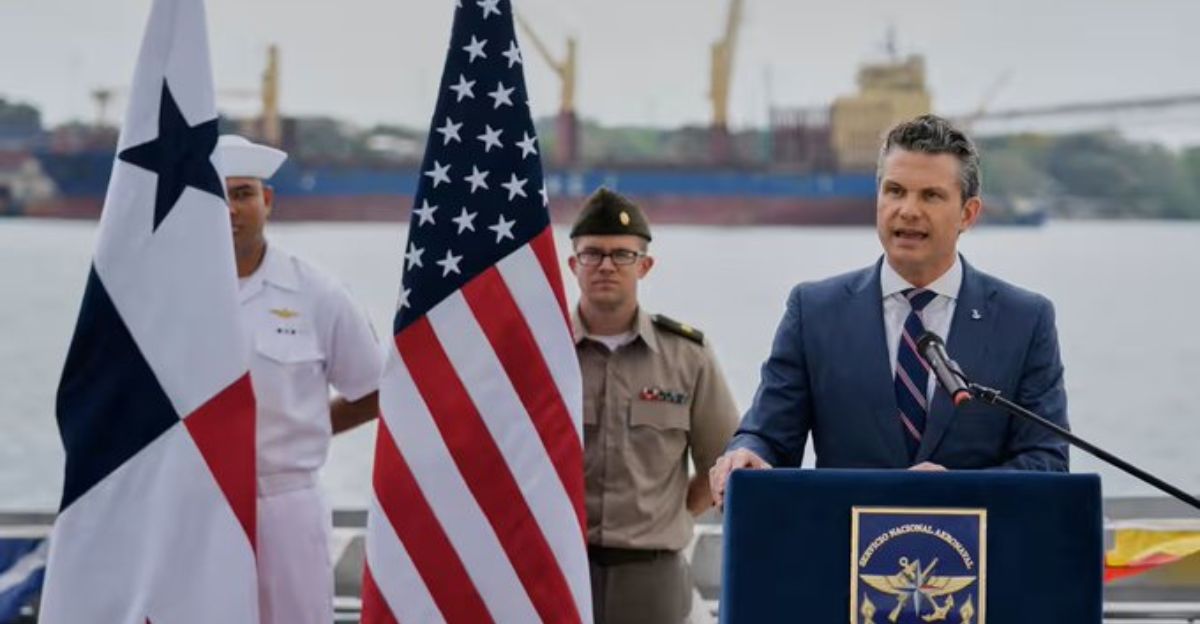
Despite the expanded U.S. presence, Panama has insisted on maintaining full sovereignty over its territory. A 2025 Memorandum of Understanding between the two countries prohibits permanent U.S. bases and requires Panamanian approval for all deployments. President José Raúl Mulino has defended the deal as constitutional. China’s growing footprint in Panama remains a central concern for Washington. Although Panama withdrew from China’s Belt and Road Initiative in early 2025, Beijing’s investments in ports and infrastructure continue to draw scrutiny. U.S. officials see the current deployment as an opportunity to reassert influence and counter Chinese ambitions in the region.
Looking Forward: Security, Sovereignty, and Regional Implications
The U.S.-Panama partnership is expected to deepen, with plans to scale up training rotations and reintroduce the PANAMAX defense exercise in 2026. The future of this alliance will have significant implications for regional security, U.S. interests, and the balance of power in Latin America. As both countries navigate the complexities of cooperation, sovereignty, and great-power competition, the evolving relationship will shape the security landscape of the Americas for years to come.