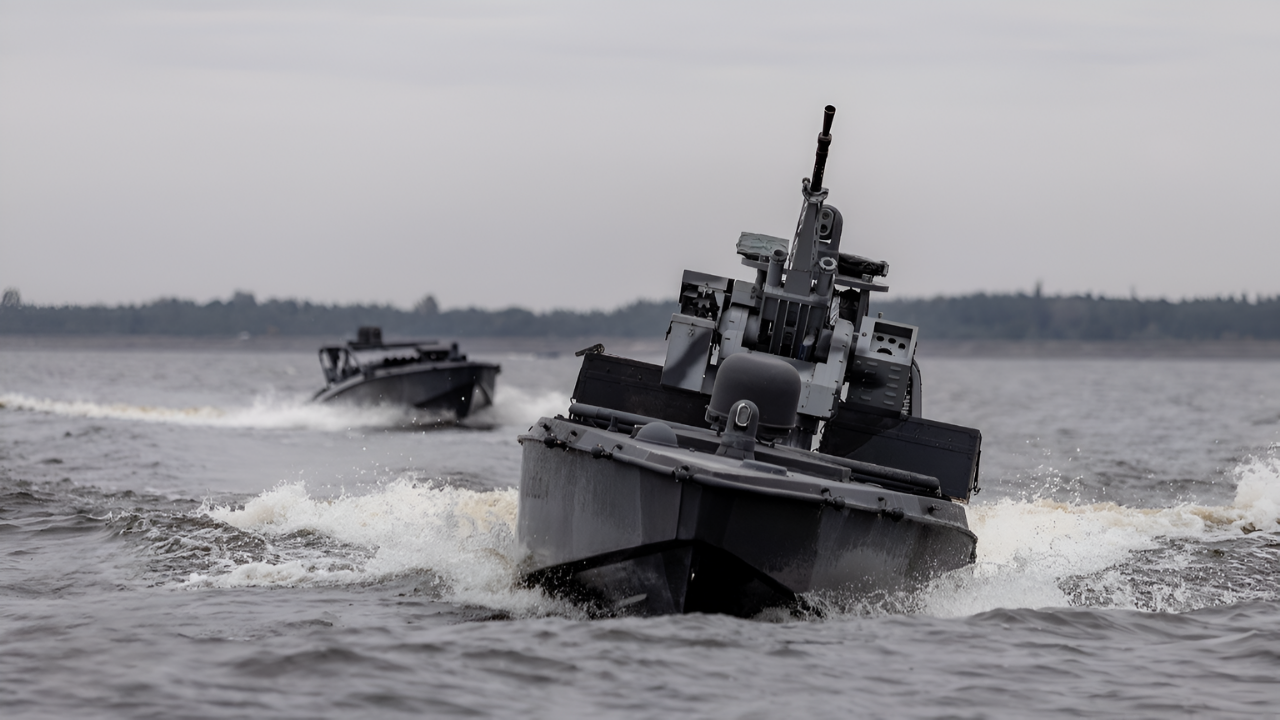
Ukraine’s war with Russia has moved into a new phase at sea, where small, domestically built drones are now striking the tankers that help fund Moscow’s campaign. In late 2025, Ukraine’s Sea Baby naval drones attacked three Russia-linked oil tankers in and near Turkish waters, signaling a shift from targeting ports to going after the vessels of Russia’s so‑called “shadow fleet” that moves sanctioned crude around the world.
Disrupting Russia’s Oil Lifeline
For Russia, oil and gas exports worth an estimated $155 billion a year remain a crucial source of state income and military funding. When Western sanctions attempted to curtail this stream, the Kremlin turned to a diffuse network of more than 1,400 older tankers operating under foreign or obscure flags. By re‑flagging and renaming these ships, Russian interests could obscure ownership, bypass price caps, and keep crude flowing to major buyers such as India and China.
Until recently, this maritime network operated largely as a commercial and legal challenge for regulators and insurers rather than as a battlefield target. Ukraine’s decision to treat parts of this fleet as legitimate military objectives marks a calculated attempt to strike at the logistics behind Russia’s war effort, not just its front-line hardware. It also brings the global energy trade directly into the conflict, with ships once seen as civilian infrastructure now at risk of attack in contested waters.
Inside the Shadow Fleet
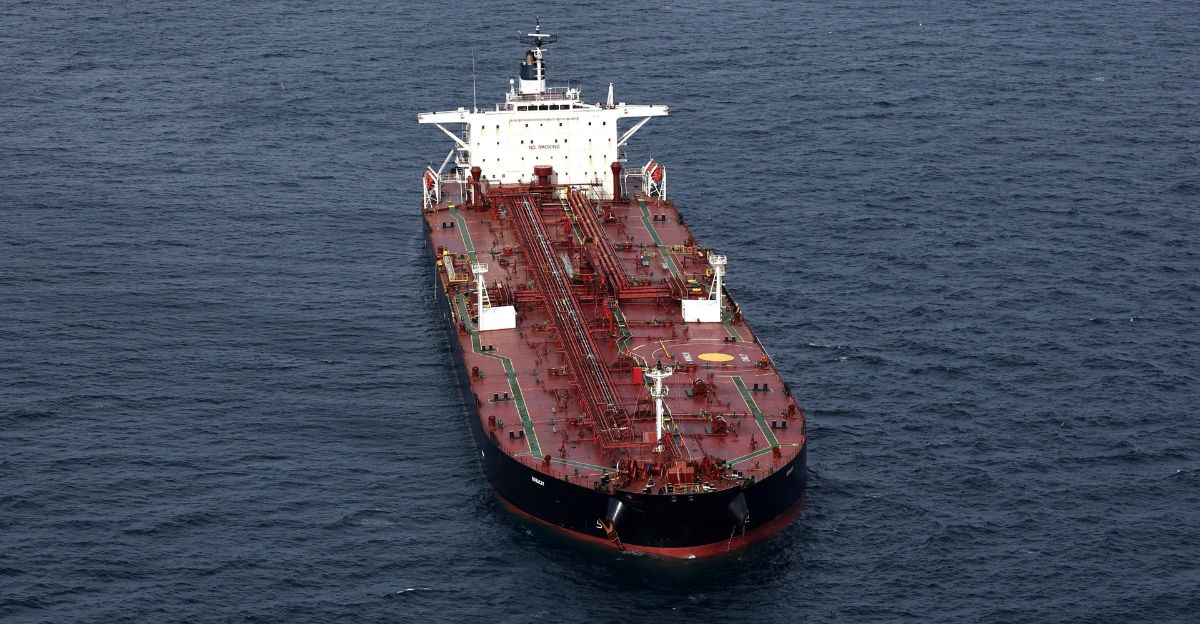
The shadow fleet grew out of Russia’s need to keep exporting oil after sanctions restricted access to Western financing, insurance, and shipping services. Many of the vessels involved are older tankers bought on secondary markets and re‑registered under flags of convenience, sometimes in small states with limited oversight. Their ownership structures can be layered through shell companies, but Western officials and Ukrainian intelligence agencies say the fleet still effectively serves Moscow’s interests.
Ukrainian security services and military planners have spent months tracking this traffic, analyzing vessel movements, registries, and cargo patterns to pinpoint ships that they argue directly support Russia’s war machine. That mapping work has produced a list of high‑value targets: tankers that regularly load Russian crude or petroleum products, or that provide logistical support to sanctioned trades. By going after individual ships, Kyiv aims to raise operating costs, deter some operators from carrying Russian oil, and complicate Russia’s efforts to maintain export volumes.
Sea Baby Drones Enter the Black Sea
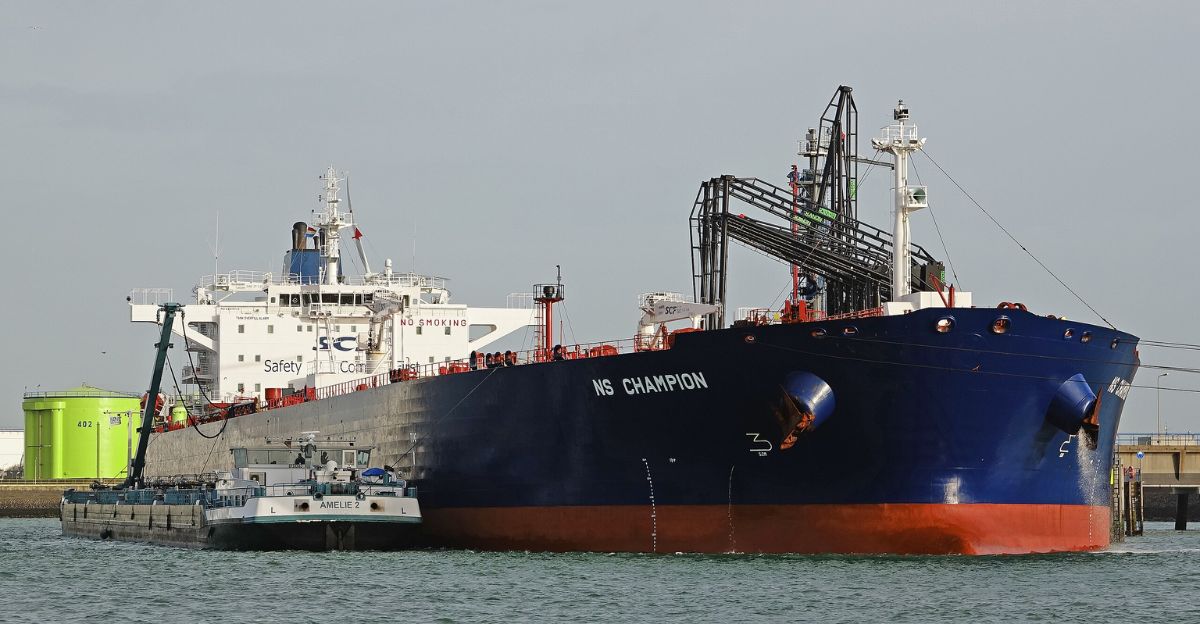
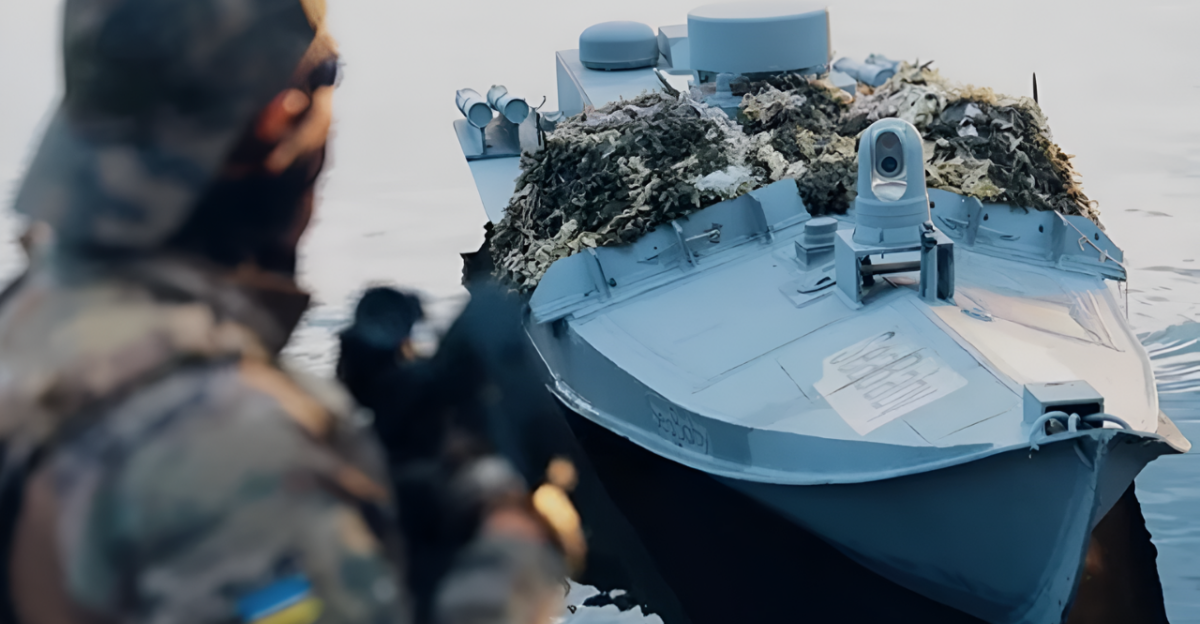
The new phase began on November 29, 2025, when a Ukrainian Sea Baby naval drone struck the Kairos, a Gambian‑flagged tanker sailing empty from Egypt to the Russian port of Novorossiysk. The attack started a fire onboard, forcing emergency response efforts and temporarily taking the vessel out of service. The next day, another Sea Baby hit the Virat, also empty and on its way to load at Novorossiysk.
On December 2, a third tanker, the Midvolga 2, was targeted while transporting sunflower oil from Russia to Georgia. Though not carrying crude, it was described by Ukrainian officials as part of the broader logistics web that sustains Russian exports in the Black Sea. The three ships—Kairos, Virat, and Midvolga 2—represent roughly $70 million in vessel value and cargo capacity, a modest figure compared with Russia’s total energy earnings but symbolically significant as the opening salvo against the shadow fleet itself.
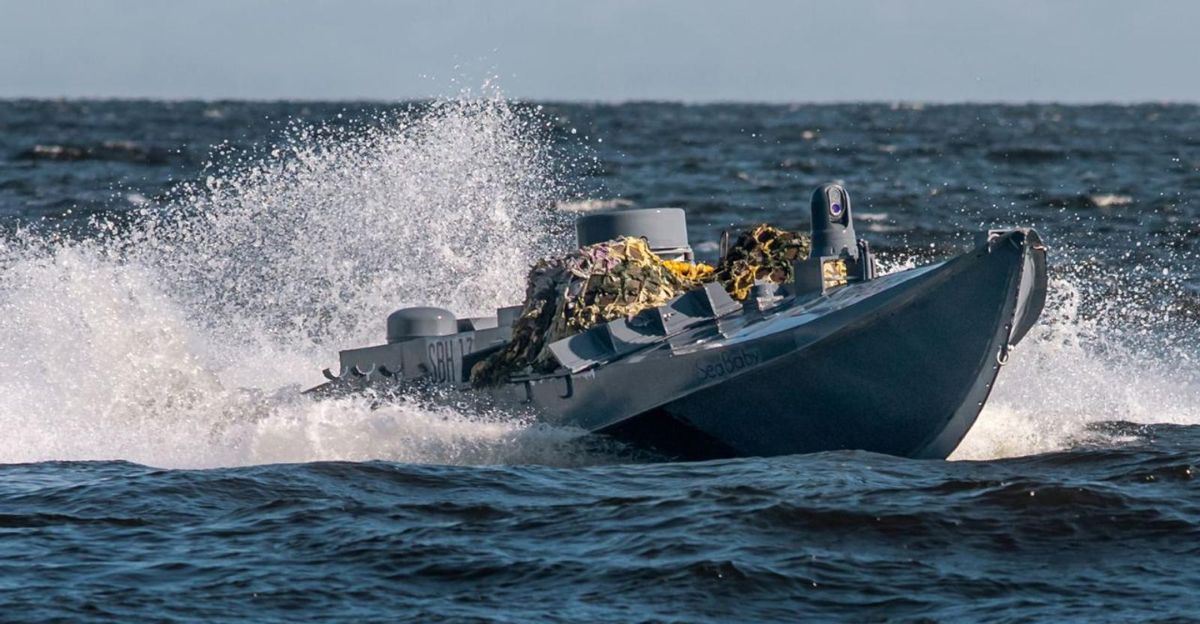
These operations rely on remotely controlled Sea Baby drones developed within Ukraine, capable of traveling long distances at sea with explosive payloads. Earlier in the war, such systems focused on Russian naval units and port facilities in occupied Crimea. Extending their reach into international waters and near key shipping routes shows how Ukraine is adapting unmanned technology to wage an asymmetric maritime campaign against a larger navy and economy.
Turkey’s Balancing Act
The attacks unfolded within or close to Turkey’s Exclusive Economic Zone in the Black Sea, placing Ankara in a sensitive position. Turkey is both a NATO member and a long‑standing energy customer of Russia, importing gas and serving as a transit point for regional trade. Turkish officials are wary of anything that could threaten commercial shipping or draw the alliance more deeply into direct confrontation with Moscow.
President Recep Tayyip Erdogan publicly criticized the strikes as a worrying escalation and a potential threat to navigation safety inside Turkey’s maritime zone. Turkish authorities now face competing pressures: upholding freedom of navigation and alliance cohesion with partners that support Ukraine, while managing an intricate and often pragmatic relationship with Russia. How Ankara enforces its own maritime rules—and whether it seeks to restrict any further operations near its waters—will shape the tactical space available to Kyiv.
Global Shipping and What Comes Next
Beyond the immediate damage to three tankers, Ukraine’s campaign signals that ships moving Russian oil can no longer assume they are off‑limits. Insurers, shipowners, and charterers are reassessing risk in the Black Sea and along related routes, weighing higher premiums and rerouting against the commercial pull of Russian cargoes. Any broader disruption could ripple into world energy markets, where expectations of constrained supply often push up prices even before physical flows are reduced.
For Russia, the strikes add another layer of cost and uncertainty to a sanctions‑strained export system already reliant on older vessels and less regulated services. For Ukraine, the operations demonstrate that sea drones can reach economically significant targets far from its own coastline. The broader international response remains cautious: major powers and NATO members are watching how far Ukraine and Russia are prepared to push maritime confrontation without triggering escalation that threatens wider trade.
As both sides adapt, the Black Sea is becoming a testbed for new methods of naval warfare that blend economic pressure with unmanned technology. Future clashes over tankers, ports, and shipping corridors will help determine how resilient Russia’s energy lifeline remains—and how vulnerable global supply chains are when commercial vessels become part of the battlefield.
Sources
CNN Europe Russia Shadow Fleet Analysis
Reuters Aerospace Defense Ukraine Drones Report
Forbes Ukraine Shadow Fleet Sanctions Impact
AP News Black Sea Tankers Sanctions Drones
Al Jazeera Russian Tanker Maritime Operations
Marine Insight Shipping News Drone Attacks