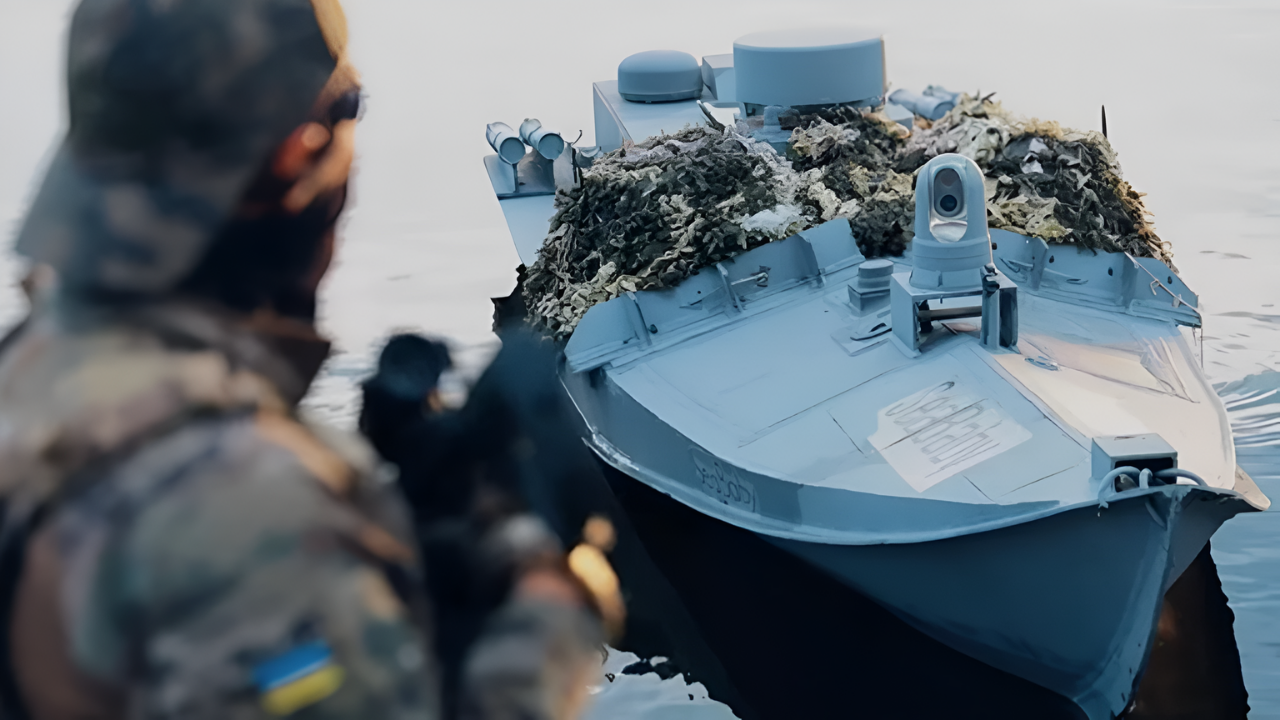
On November 29, 2025, Ukraine’s naval strategy entered a bold new phase as domestically designed Sea Baby drones targeted Russian oil tankers in the Black Sea. This unprecedented offensive aims to disrupt a vital revenue stream sustaining Russia’s military operations.
Ukrainian forces hit the Kairos, a Gambian-flagged tanker sailing empty from Egypt to Novorossiysk, and later attacked the Virat, also empty and en route to load cargo at the Russian port, sending shockwaves through Moscow’s economic infrastructure. As these strikes unfold in Turkey’s Exclusive Economic Zone, they challenge the Kremlin’s naval dominance in a pivotal region. The aggressive campaign raises essential questions about the future of naval warfare and Ukraine’s maritime capabilities. How will Russia respond?
Disrupting Russian Revenue Streams

With Russia generating $155 billion annually from oil and gas exports, sanctions have sought to sever this economic lifeline. However, the Kremlin found ways to navigate these restrictions by utilizing a “shadow fleet” of over 1,400 aging, shadow-flagged tankers to transport oil to nations like India and China.
By re-flagging these vessels, Russia obscured ownership, allowing crude to circumvent international price caps and asset freezes. Ukraine’s recent attacks signify a strategic shift, as these tankers are now identified as military targets. Investigating the broader implications, this campaign looks to shed light on the intersection of war and global commerce.
Understanding the Shadow Fleet
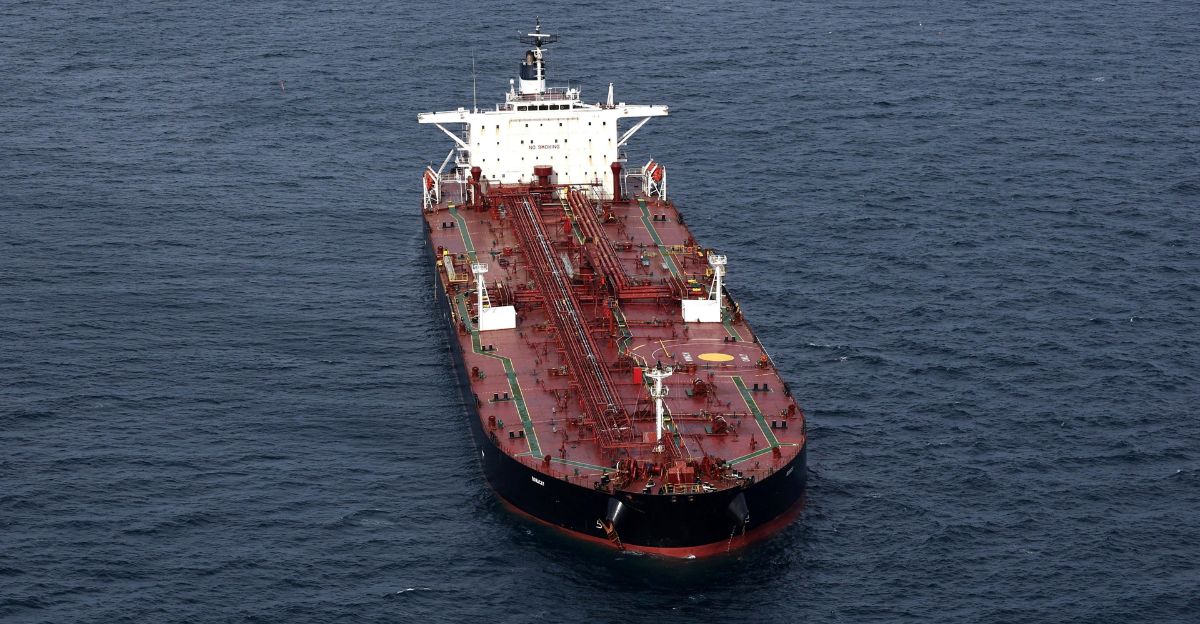
Emerging from Western sanctions that hampered traditional financing, Russia’s shadow fleet is a vast network of over 1,400 tankers operating under flags of convenience, obscuring their actual ownership. To adapt, aging vessels were sold and re-flagged, bearing names dissociated from Russia to evade scrutiny.
By maintaining Kremlin direction, these ships continue to facilitate oil exports, creating a complex logistics network aimed at evading sanctions. Ukraine’s intelligence units have devoted extensive time to mapping this fleet, identifying high-value targets. The scale of this operation highlights the creativity and resilience of Russia’s post-sanction maritime strategy.
Economic Pressure on Moscow’s War Machine
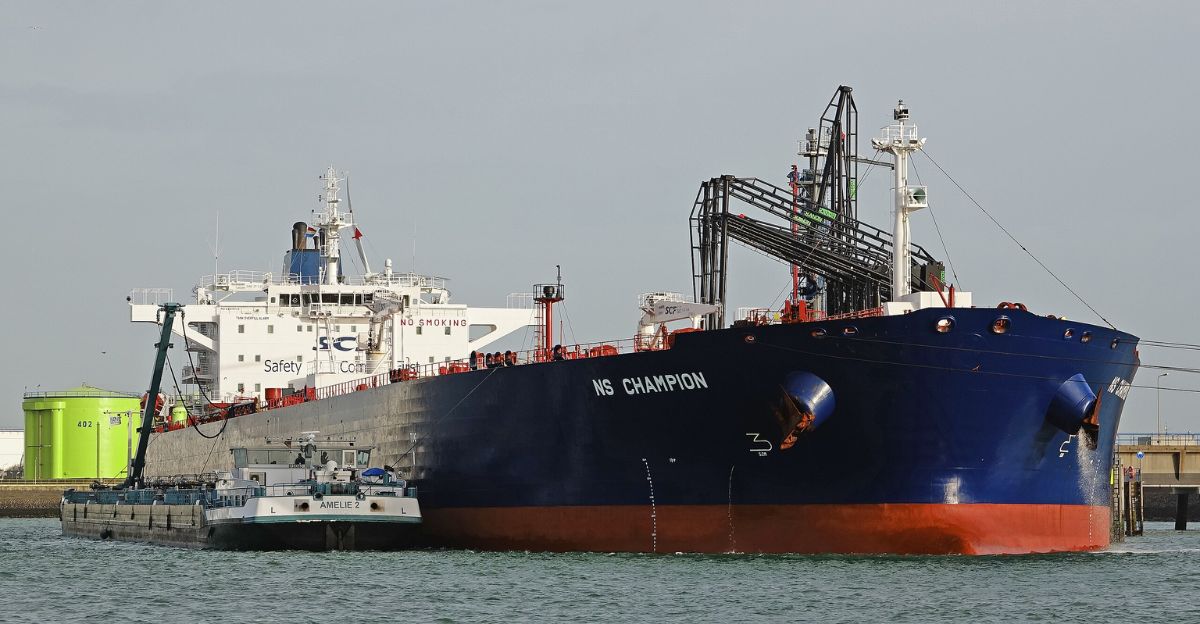
Despite ongoing sanctions, Moscow allocated approximately $34 billion quarterly to military spending in 2025, partly funded by oil revenues that now face disruption from Ukraine’s expanded naval drone campaign. Ukraine’s early naval operations, focusing on Russian-controlled port infrastructure, inflicted damage but didn’t halt operations.
As frustrations grew, Ukrainian officials sought a new frontier in international waters and Turkish straits where actions could be taken without provoking NATO intervention. The intelligence collaboration between Kyiv and the Security Service (SBU) has been integral, focusing on the specific movements and operations of tankers carrying Russian oil. This pursuit intensifies as Ukraine signals its determination to cripple Russia’s economic capacity.
The Sea Baby Drones Strike
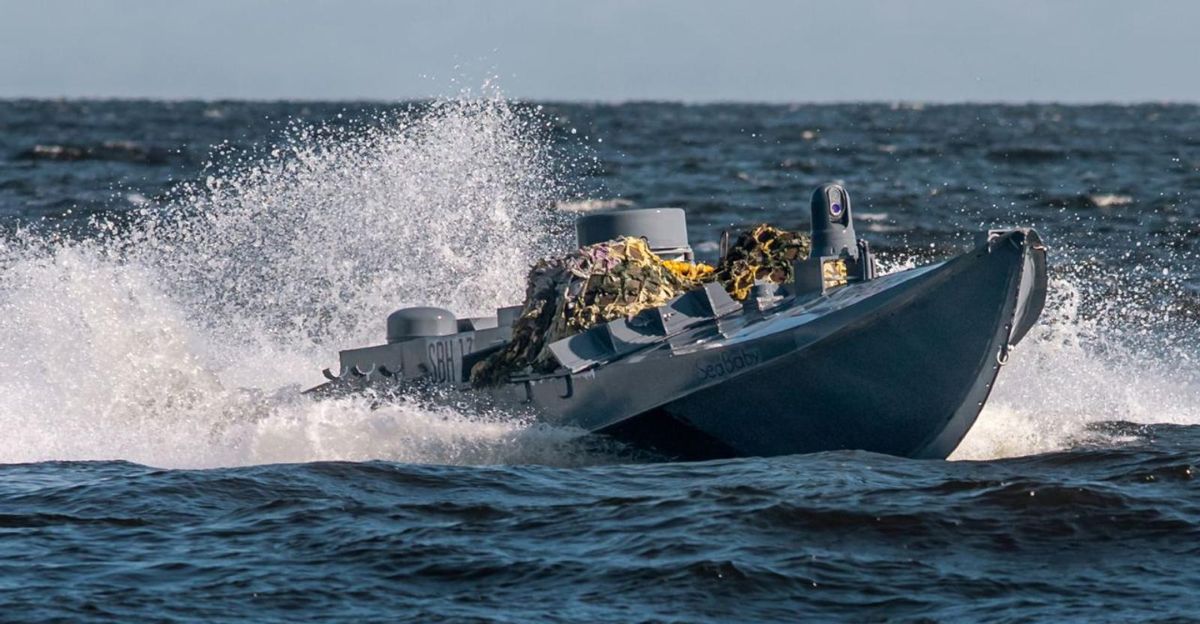
Ukrainian Sea Baby drones successfully targeted three Russian-sponsored tankers between late November and early December 2025. The attack on the Kairos on November 29 ignited a fire aboard the Gambian-flagged vessel, while the Virat sustained damage in a later assault on November 30. A third tanker, the Midvolga 2, was struck on December 2 while carrying sunflower oil from Russia to Georgia.
The three tankers combined—Kairos ($25M), Virat ($20M), and Midvolga 2 ($25M)—represent approximately $70 million in disrupted cargo capacity across the attack campaign. While the direct revenue per tanker varies based on cargo status and capacity, the cumulative impact significantly strains Moscow’s war funding. Ukrainian officials emphasized the strategic importance of targeting the shadow fleet infrastructure. The new tactics employed have redefined the maritime landscape, as they grapple with the balance of power in the Black Sea.
Turkey’s Diplomatic Tightrope
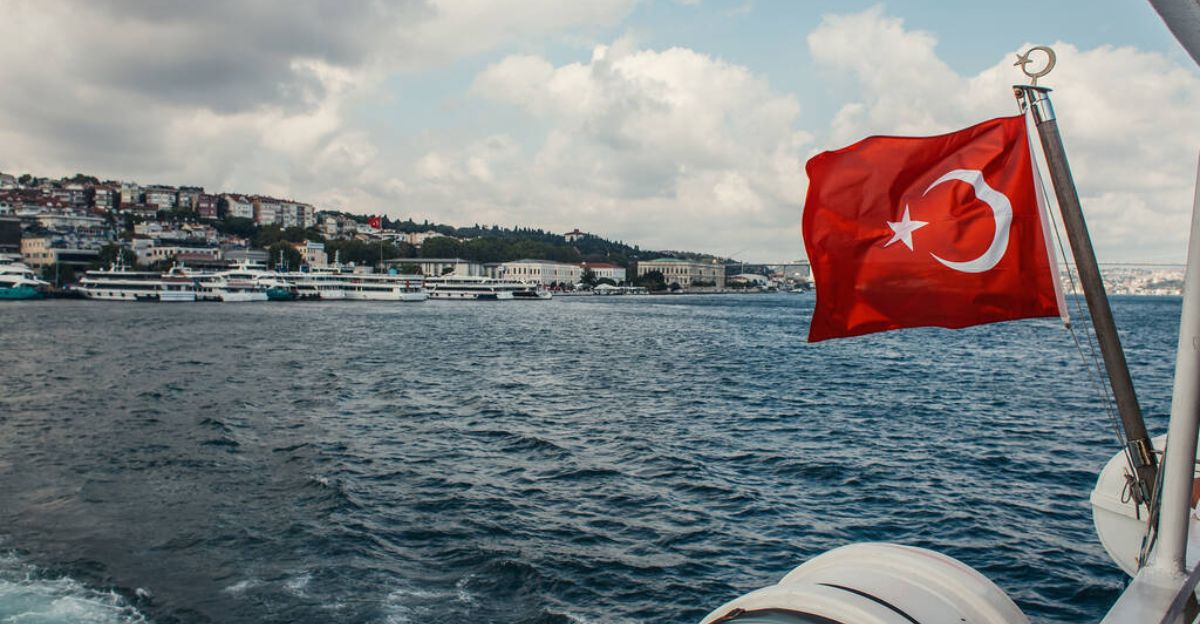
The recent attacks on the Kairos, Virat, and Midvolga 2 positioned Turkey in a precarious diplomatic situation. As a NATO member and a long-time energy importer from Russia, Ankara faces pressure to respond to Ukraine’s actions while managing its complex relationship with Moscow. Turkish President Recep Erdogan publicly criticized the strikes as a ‘worrying escalation,’ citing threats to navigation safety within Turkey’s exclusive economic zone.
These strikes unfolded within Turkey’s Exclusive Economic Zone (EEZ), raising questions about Turkey’s role in international maritime law and its alliances. Turkish officials are caught in a dilemma: support for Ukraine might strain ties with Russia, but inaction could undermine Turkey’s standing within NATO. Insightful commentary from diplomats highlights the fragile balance countries must navigate amid evolving geopolitical tensions.
The International Response
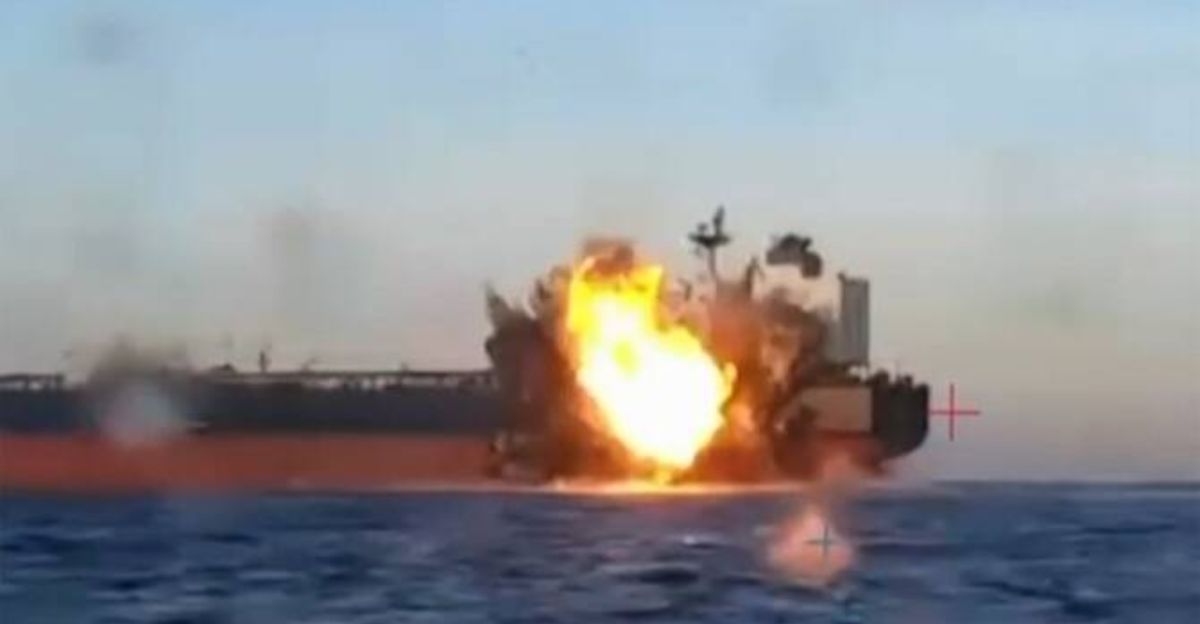
Ukraine’s strikes on Russian oil tankers have caused a ripple effect in the international community. Analysts note that these offensive operations challenge the status quo in naval warfare, compelling other nations to consider their maritime strategies. “It’s a wake-up call that the boundaries of warfare have expanded beyond traditional combat,” stated an international relations expert.
Meanwhile, NATO’s response remains cautious, weighing the implications of deepening engagement in Ukraine’s maritime conflicts. This highlights the need for a unified strategy regarding sanctions and military support for Ukraine, as the world observes the unfolding situation.
Economic Implications Beyond Ukraine

The destruction of Russian tankers has implications that traverse national borders. The energy market is being closely monitored as oil prices may fluctuate in response to these attacks. International shipping routes are now under scrutiny, with shipping firms reassessing their risk exposure amid Ukraine’s focused strikes on the shadow fleet.
“The prospect of being targeted by Ukrainian drones makes it a perilous endeavor for shipowners,” remarked a maritime logistics expert. As global supply chains face uncertainty, long-term impacts on international oil prices could influence economies worldwide, amplifying the multifaceted nature of this conflict.
Coastal Communities React

For coastal communities in Ukraine, these naval offensives are seen as vital to the nation’s sovereignty. Local fishermen and business owners voice conflicting sentiments on safety and economic security. “While I understand the necessity of stopping the Russians, I worry about the safety of our waters,” shared a local fisherman affected by the recent naval dynamics.
Community stakeholders are balancing their livelihoods with national concerns, showcasing the regional impact of globally significant maritime operations. Engaging with these voices highlights the human aspect behind the broader geopolitical stage, connecting individuals to larger narratives that shape the world.
The Strikes’ Strategic Significance
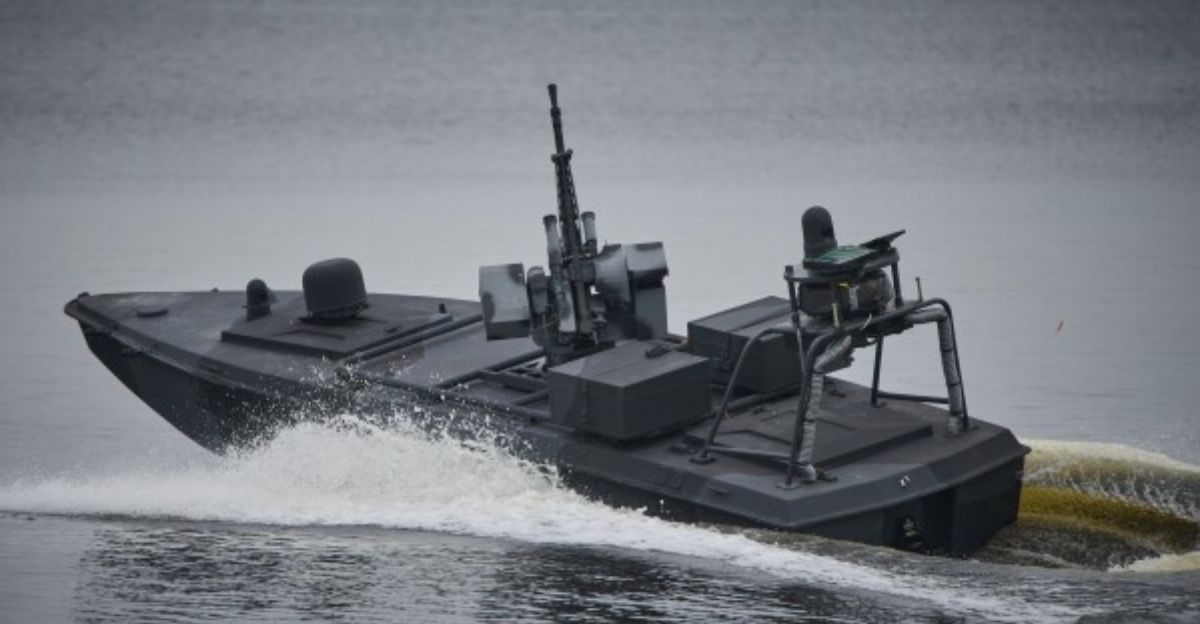
Amidst this evolving maritime theater, the recent strikes represent a calculated shift in Ukraine’s military strategy. The Sea Baby drones symbolize not just technological advancement but a broader adaptation in asymmetric warfare against a larger adversary. “Naval drones redefine engagement, allowing us to strike where conventional forces cannot,” emphasized a Ukrainian defense analyst.
Each attack on the shadow fleet worsens Russia’s economic situation while strengthening Ukraine’s strategic position. The stakes are high, with potential repercussions for international law, trade, and security in the Black Sea region, prompting further analysis of current and future conflicts.
Intelligence and Coordination Efforts
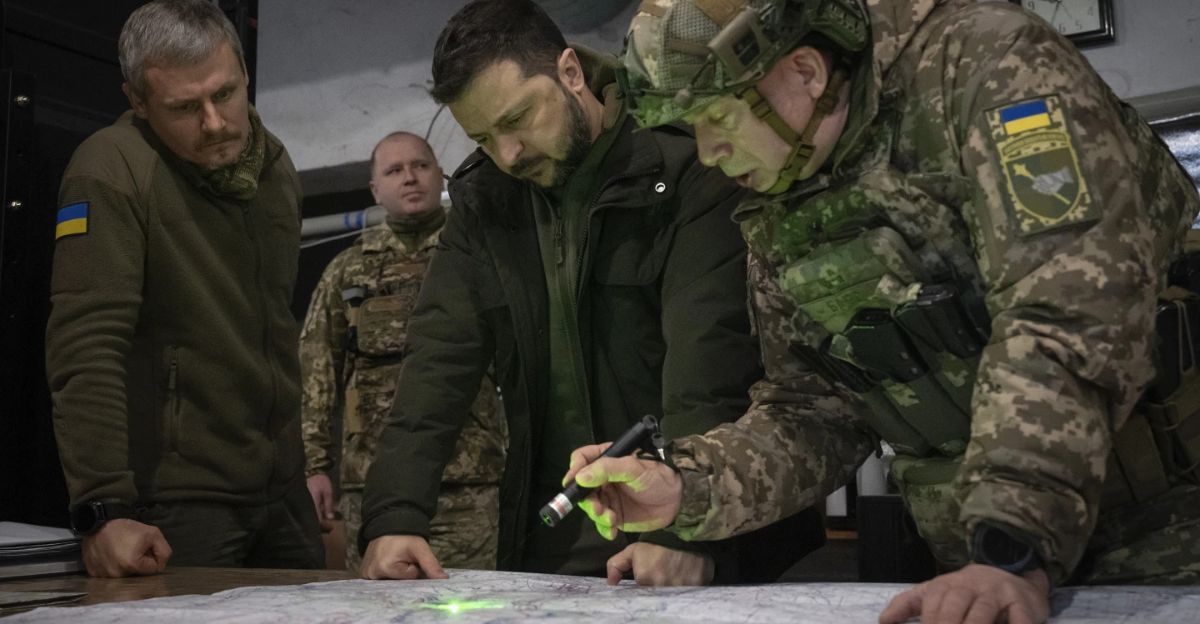
Behind the scenes, Ukraine’s preparation for these naval strikes underscores a robust intelligence and coordination framework. The collaboration between military and intelligence agencies has been crucial for successfully identifying and targeting Russian tankers amidst shifting maritime conditions.
“We’ve developed protocols that enhance our understanding of the battlefield,” explained an SBU officer. This meticulous planning, combined with a willingness to adopt innovative technology, exemplifies a modern approach in warfare, reinforcing Ukraine’s adaptability in a protracted conflict and showcasing its intelligence capabilities to navigate hostile waters.
The Broader Impact on Global Shipping
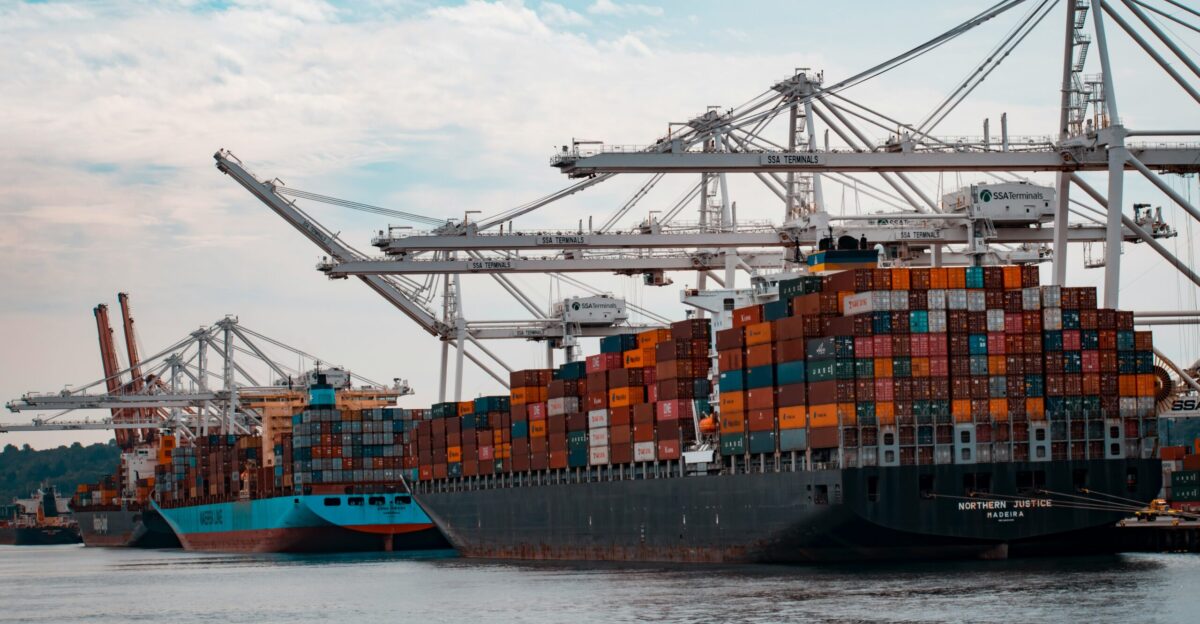
The ongoing conflict’s ramifications extend to the global shipping industry, which continues to adjust to the fluctuating risks associated with transporting oil through contested waters. As Ukraine continues its offensive, shipping companies must balance profit with increasing insurance costs and potential losses from attacks.
“Every tanker now carries the weight of uncertainty,” noted a global shipping analyst, emphasizing the need for enhanced risk management strategies. The maritime landscape is recalibrating in light of these developments, shaping an evolving narrative centered on safety, economics, and the realities of modern naval warfare.
Prospects for Further Conflict
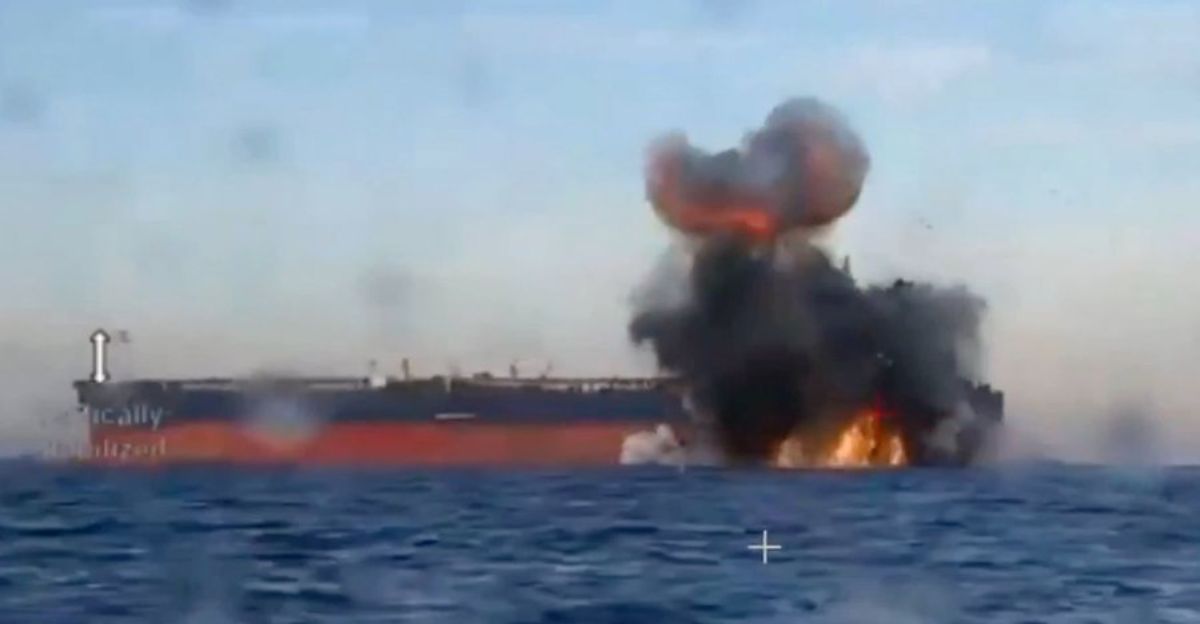
As tensions continue to escalate, the potential for further conflict in the Black Sea raises critical questions for regional and global security. The prospect of more aggressive offensive operations could lead to confrontations, challenging the responses from NATO and other nations.
“A miscalculation could escalate beyond economic measures,” warned a military strategist, acknowledging heightened vigilance required in maritime operations under current threat levels. These considerations underscore the necessity for diplomacy and communication as international actors weigh their positions amid a volatile security landscape.
The Future of Ukrainian Naval Strategy
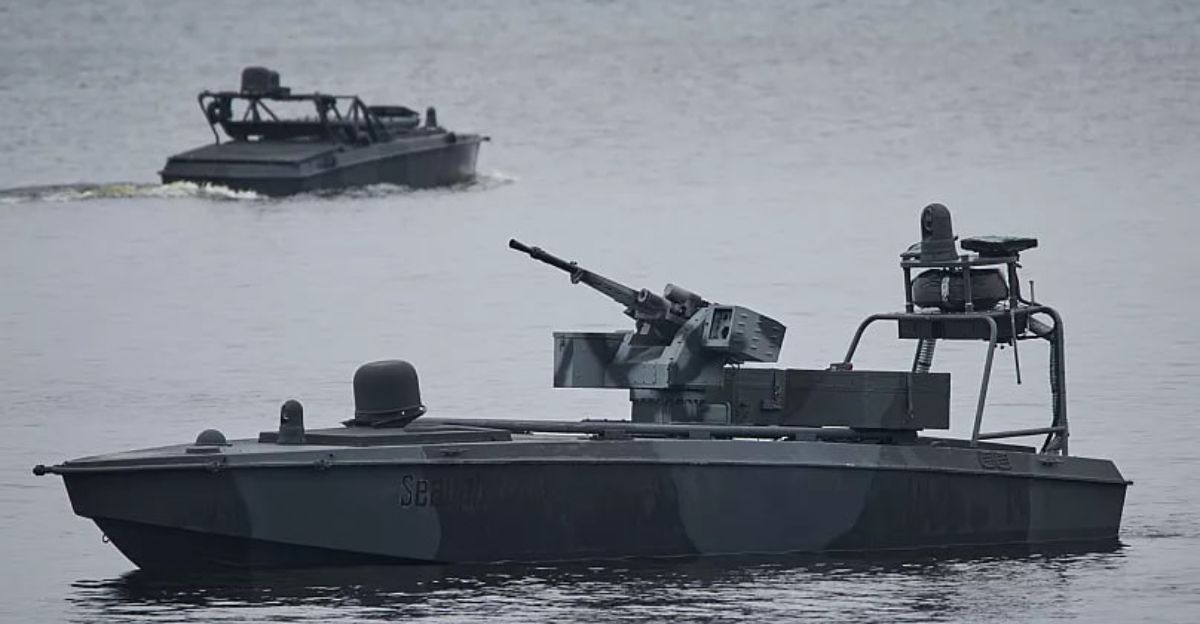
With the success of the Sea Baby drones, Ukraine is likely to commit further resources to bolster its naval capabilities as a critical component of its broader military strategy. Continued investment in technology and intelligence will empower Ukraine to define new parameters in regional defense.
“The future of warfare is being reshaped right here in the Black Sea,” declared a defense consultant, marking this moment as a turning point in Ukraine’s naval evolution. The battleground may shift, but the emphasis on innovation and rapid response will likely remain a hallmark of Ukraine’s ongoing military evolution.
A New Era of Warfare
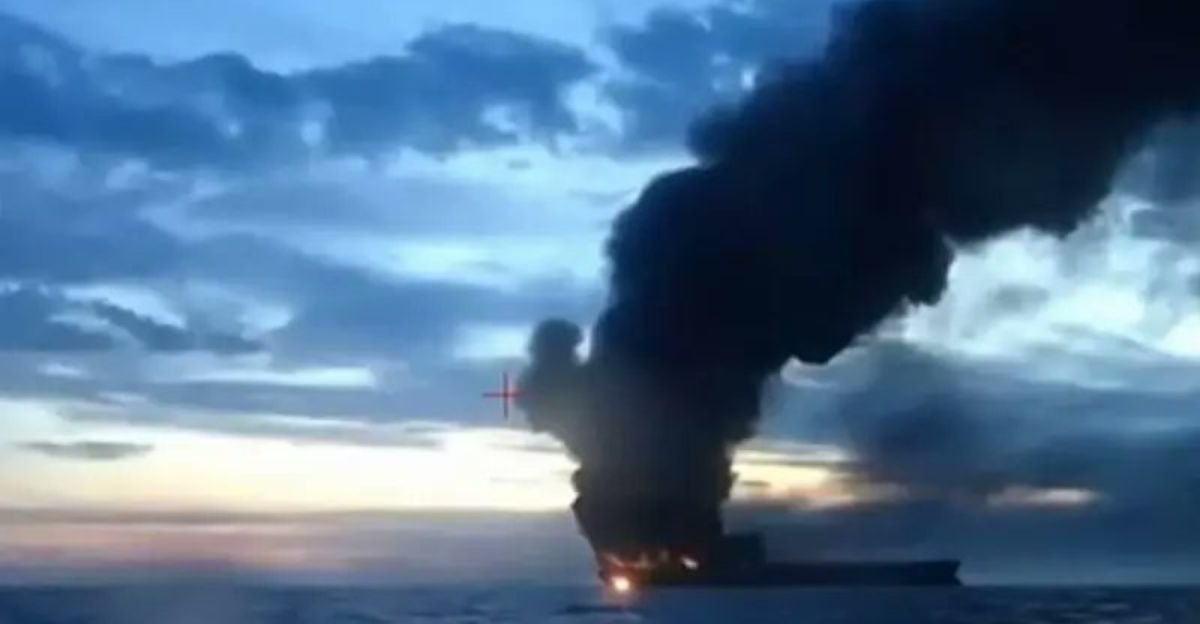
As the hulls of shadowy tankers burn along the Black Sea, Ukraine’s operations signify a pivotal shift in modern naval warfare. The intersection of economic strategy and military capability challenges traditional frameworks of conflict, prompting nations to reassess their approach to maritime security.
While the impacts of these strikes resonate globally, the ongoing struggle reflects the complex dynamics of power and resistance. As we await Russia’s response and the unfolding of further operations, one thing is clear: the age of quiet naval commerce has been irrevocably altered. The world watches closely, with all eyes on the next phase of this maritime conflict.
Sources:
CNN Europe Russia Shadow Fleet Analysis
Reuters Aerospace Defense Ukraine Drones Report
Forbes Ukraine Shadow Fleet Sanctions Impact
AP News Black Sea Tankers Sanctions Drones
Al Jazeera Russian Tanker Maritime Operations
Marine Insight Shipping News Drone Attacks