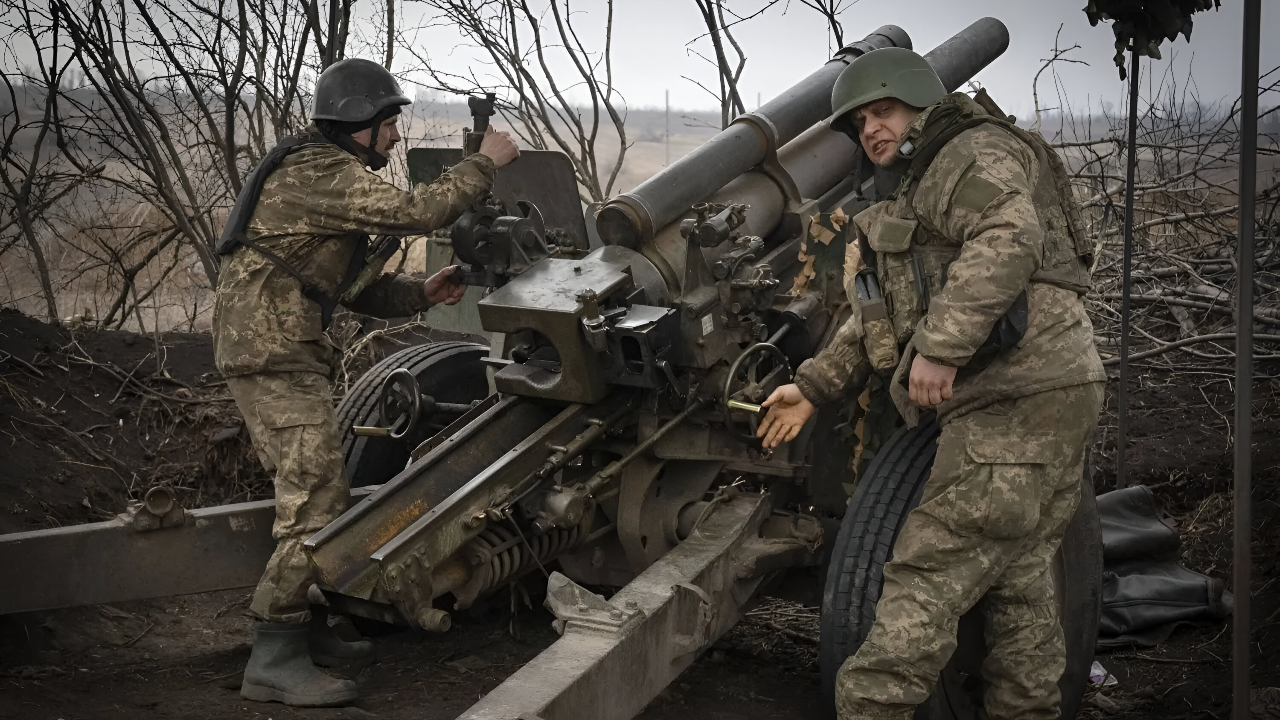
October saw Ukrainian unmanned forces record an unprecedented operational peak. President Volodymyr Zelenskyy announced 25,000 video-confirmed Russian deaths, tied to an expanded drone campaign and gamified incentives.
Simultaneous Special Operations strikes hit Crimea and deep Russian industrial sites on 5–6 November 2025. Analysis shows economic targeting of oil infrastructure, rising production ambitions, and ethical questions about gamified combat incentives.
What Happened In October 2025?
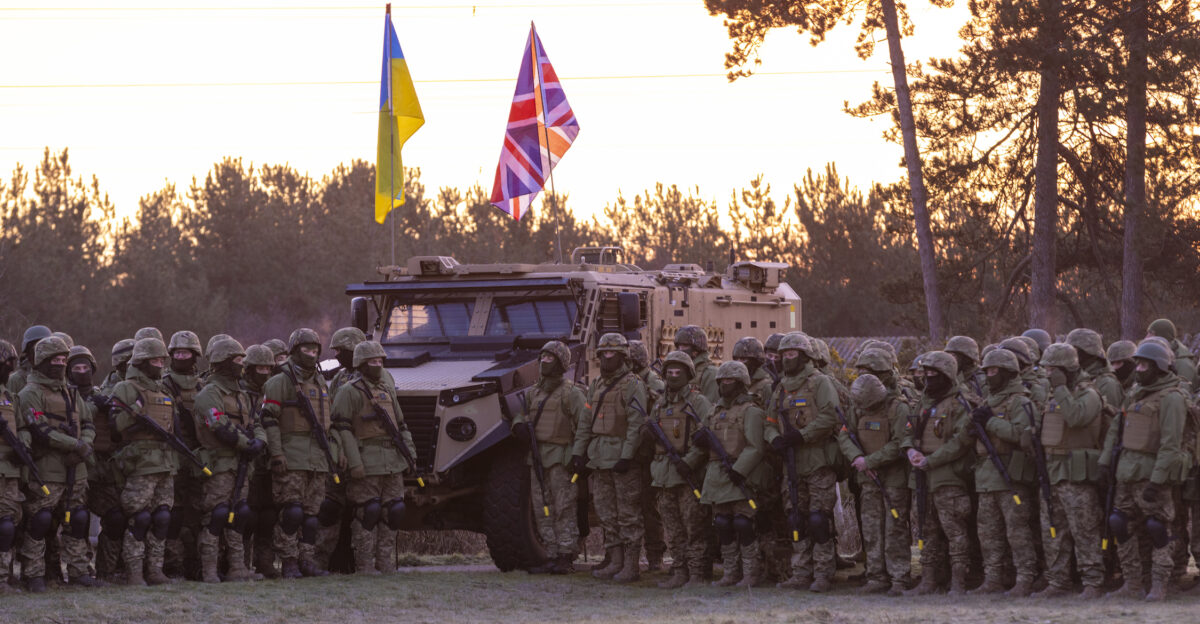
Ukrainian forces documented massive drone effectiveness: 25,000 Russian soldiers killed in October 2025 with video confirmation, plus 2,000 to 3,000 unverified additional deaths across fronts.
The figure reflects only verified footage under Kyiv’s review system, intensifying pressure on Moscow’s manpower and logistics, and tempo rose.
Who Fired The Strikes?
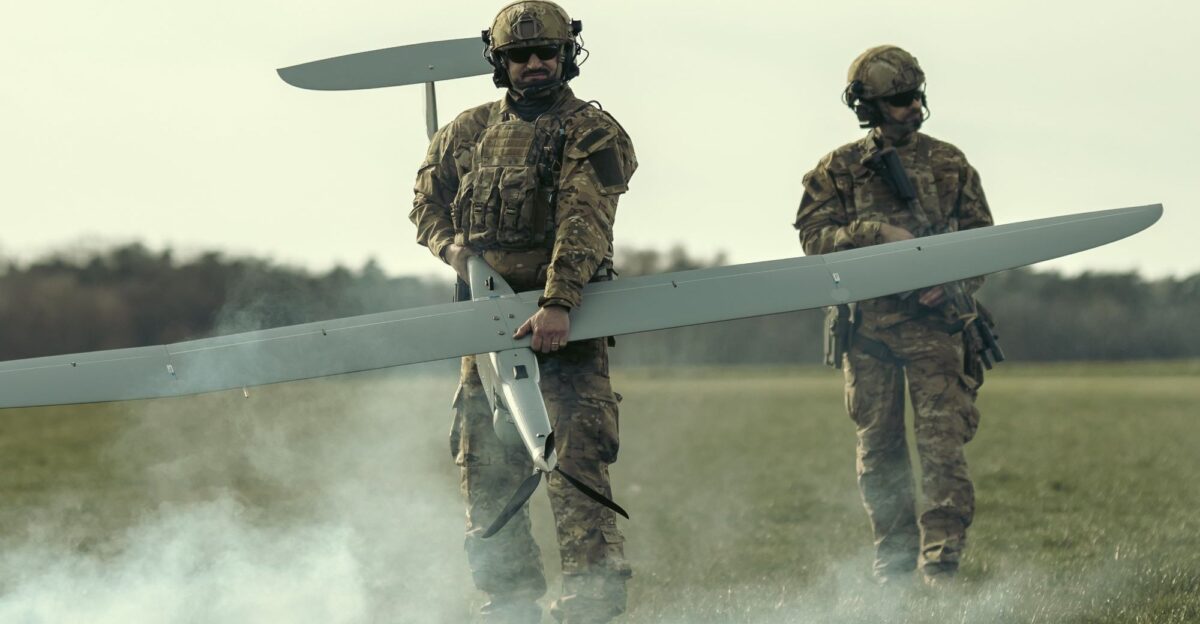
Multiple Ukrainian branches contributed: Unmanned Systems Forces, Special Operations Forces, and other drone units reported coordinated strikes and centralized confirmation systems daily.
The USF struck 26,067 unique targets in October, claiming 4,729 of its targeted personnel killed, metrics add crucial operational granularity to overall totals.
Record Month For Drone Casualties
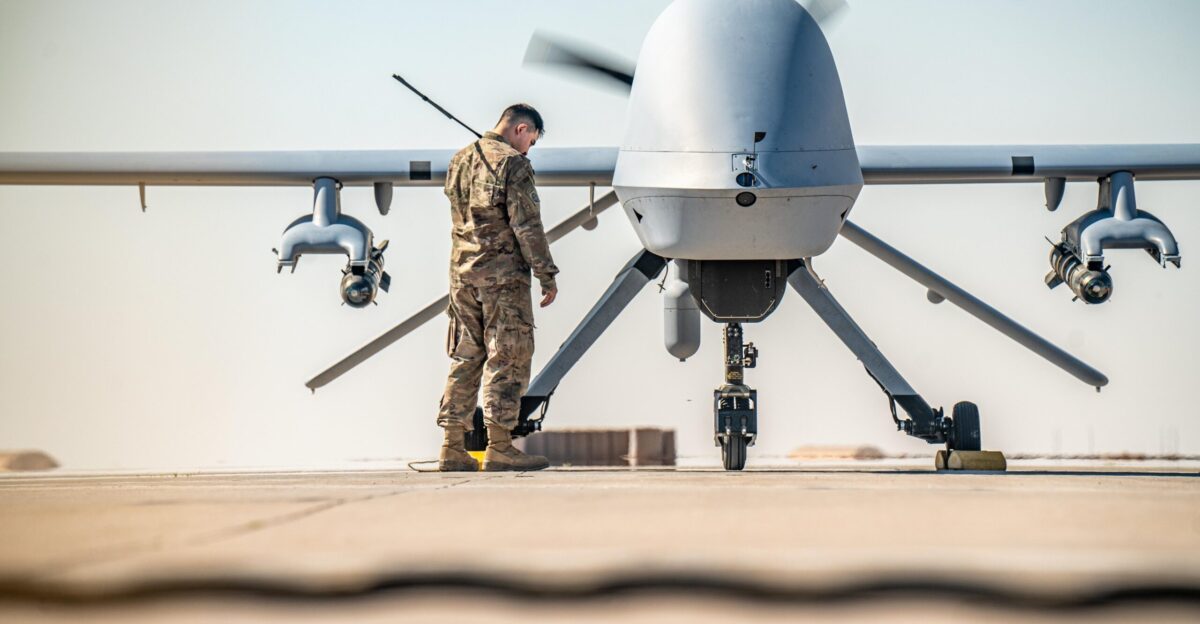
October 2025 marked the highest monthly drone-caused casualty toll since February 24, 2022, driven by verified video evidence and expanded unit participation nationwide.
Gamified incentives and doubled point rewards in September reshaped tactics, boosting infantry-focused strikes and accelerating kill counts, significantly.
How The Gamification Worked
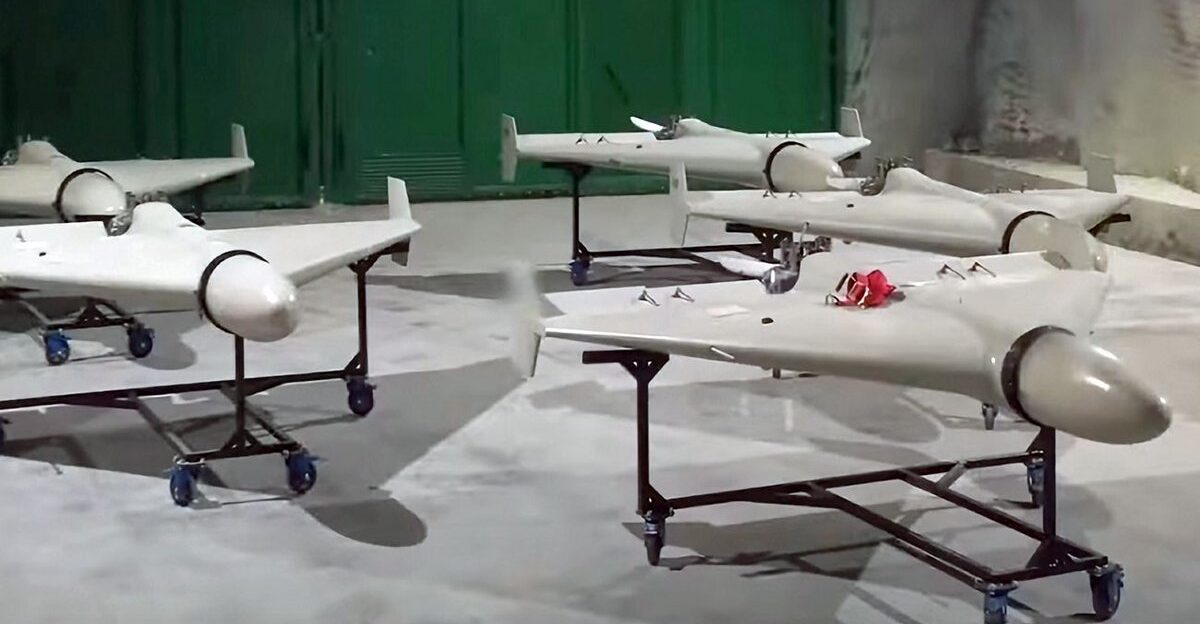
The ‘Army of Drones: Bonus’ system awards points for verified strikes redeemable on Brave1 Market, linking combat performance to procurement of drones and equipment rapidly.
Mykhailo Fedorov said: “The more infantry you kill, the more drones you get to kill more infantry.” said Mykhailo Fedorov publicly on 3 November 2025.
Brave1 Market And Rewards
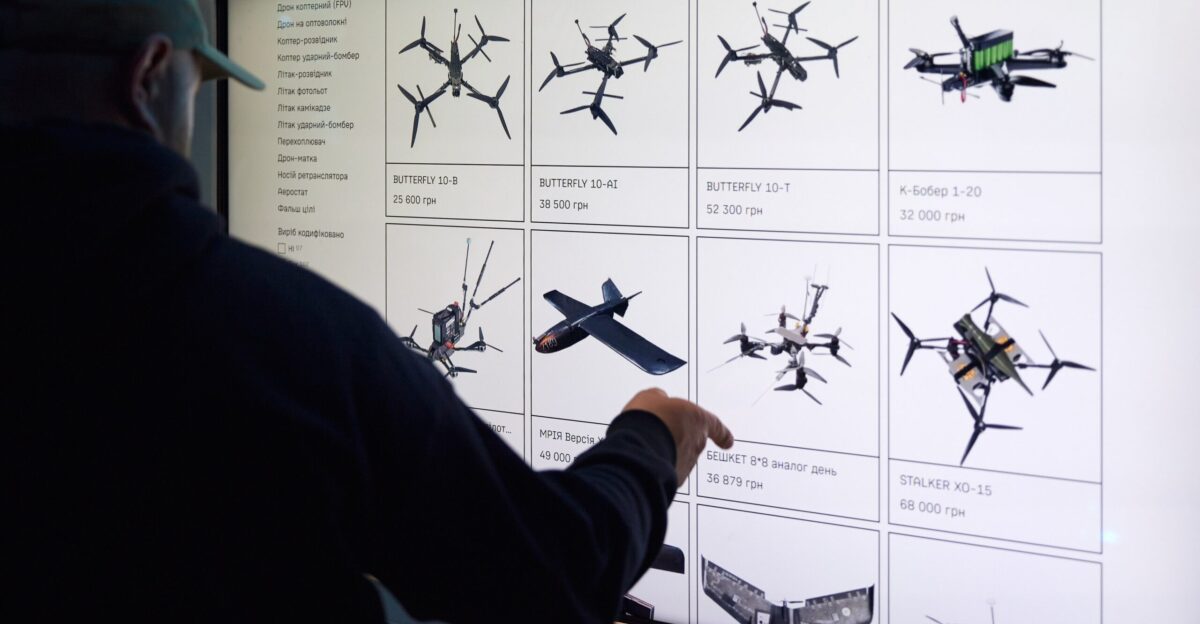
Brave1 Market lists over a thousand products, letting units convert points into Kolibri surveillance drones, parts, and larger systems, accelerating unit self-sufficiency spare parts quickly.
Officials reported over four billion hryvnias ordered through the program in months, reflecting rapid procurement flow and investment in domestic long-range systems.
Special Forces Hit Crimea Oil Depot
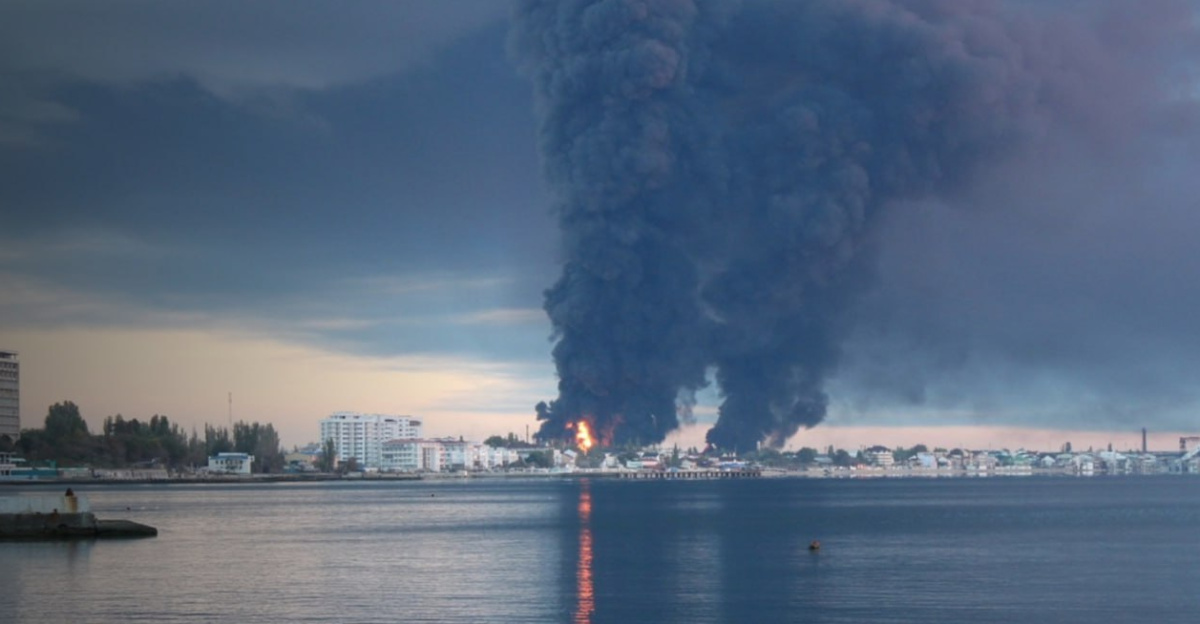
On the night of 5–6 November, Ukraine’s Special Operations Forces struck an oil depot near Hvardiiske, destroying a full RVS-400 storage tank and facilities.
“Special Operations Forces continue to act asymmetrically in countering the enemy’s military capabilities,” SSO said on 7 November 2025, adding footage hinted at deeper strikes.
Deep Strike Hits Sterlitamak Plant

On 6 November Ukrainian drones struck the Sterlitamak Petrochemical Plant in Bashkortostan, igniting a fire in a workshop producing agidol, an aviation additive.
HUR confirmed the strike, calling Sterlitamak a key petrochemical facility; this demonstrated Ukraine’s expanding reach beyond 1,000 kilometers during early November.
Long-Range Drone Capabilities Grow
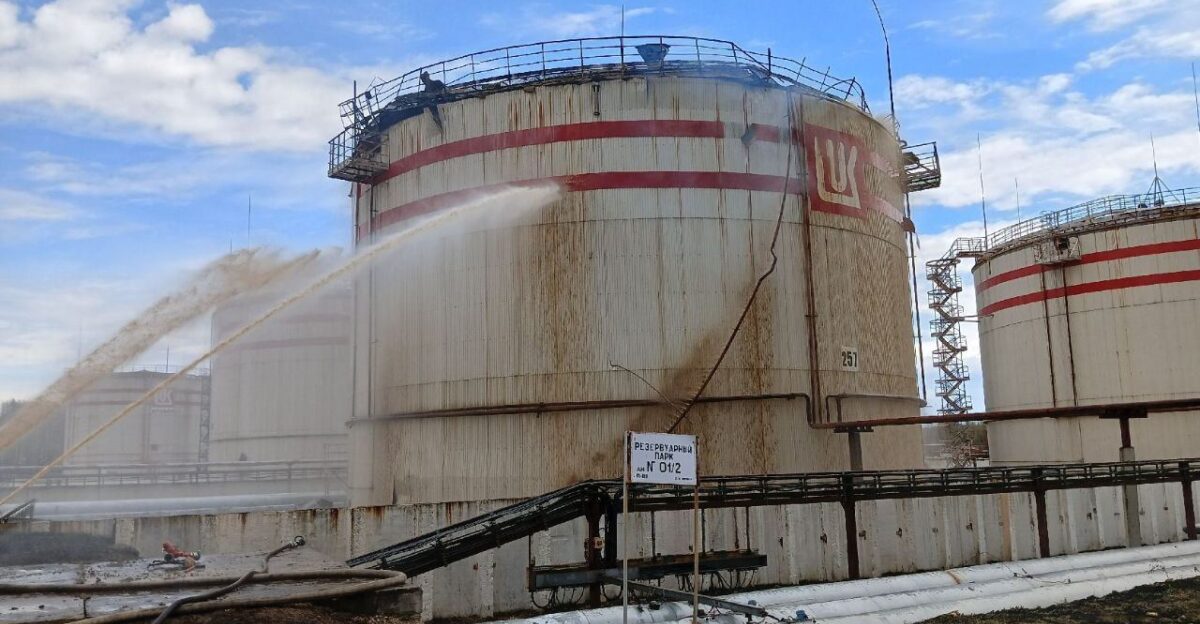
2025 saw Ukrainian drones strike facilities up to 2,000 kilometers inside Russia, including Tyumen and Ukhta refineries, showing dramatic increases in range and payload capacity.
Firepoint FP-1 drones, with ranges near 1,500 kilometers and 120-kilogram warheads, account for the majority of long-range strikes, enabling scale.
Oil Infrastructure And Supply Shocks

Persistent strikes in 2025 put roughly 16–17 percent of Russia’s refining capacity offline directly due to Ukrainian actions, contributing to gasoline shortages across fifty regions.
Repeated targeting prevented repairs; Syzran and Volgograd were hit multiple times, raising repair costs, lengthening outages, and disrupting military and civilian fuel supply chains nationwide.
Russian Casualty Numbers And Trends
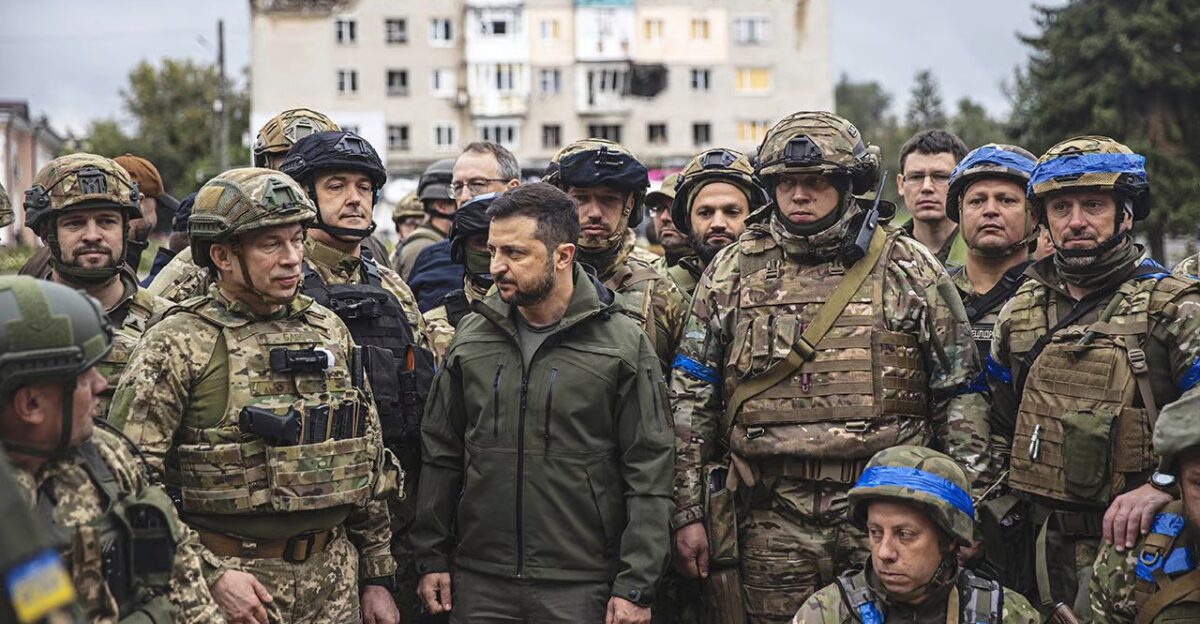
Ukraine’s General Staff reported cumulative Russian personnel losses at 1,148,910 since 24 February 2022, with October daily casualty averages rising to 1,008 killed and wounded.
UK Defence Intelligence estimated approximately 1,118,000 total casualties by mid-October, underscoring sustained attrition and Russia’s reliance on high recruitment to replace battlefield losses.
Foreign Fighters And Recruitment Warnings

Foreign minister Andrii Sybiha revealed at least 1,436 citizens from 36 African countries fight for Russia, calling recruitment deceptive and coercive on 7 November 2025.
“signing a contract is equivalent to signing a death sentence,” Sybiha said on 7 November 2025, adding many recruits face front-line deployment with minimal training.
Civilian Impact And Weaponizing Winter
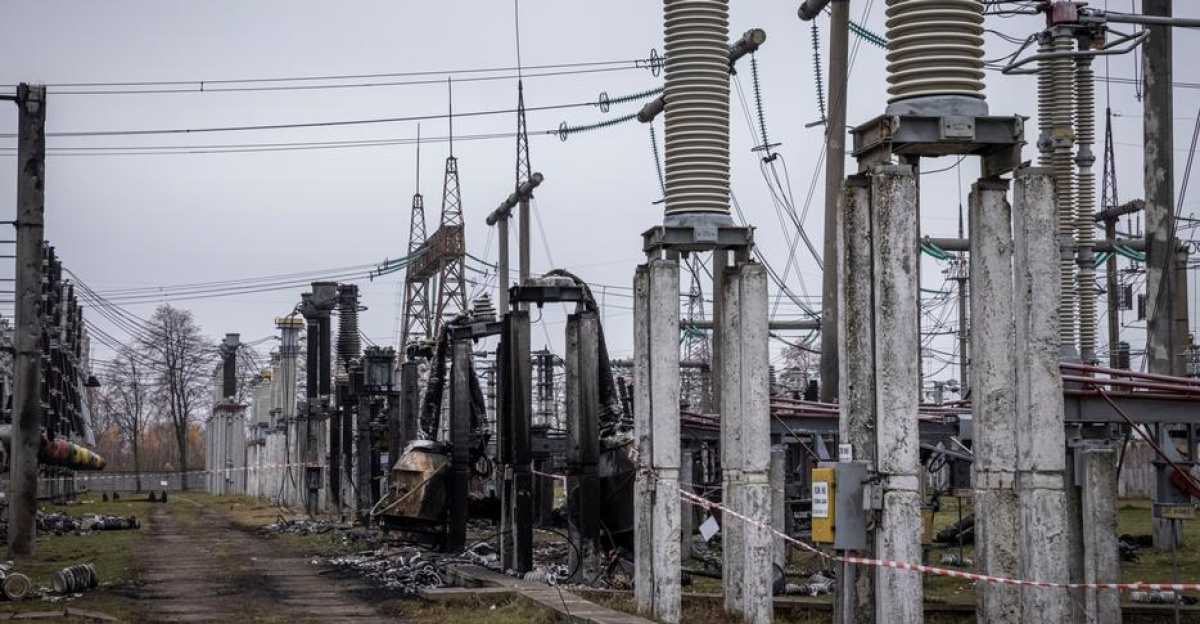
Russian attacks on Ukrainian energy infrastructure intensified, killing at least 214 civilians and injuring nearly 1,000 in September 2025 as winter pressures rose, and concerns mounted.
Kyiv warns Russia seeks to ‘weaponize winter’ by targeting power and heat systems, amplifying humanitarian needs while striking at Ukraine’s social resilience this season effectively.
Verification Standards And Video Proof
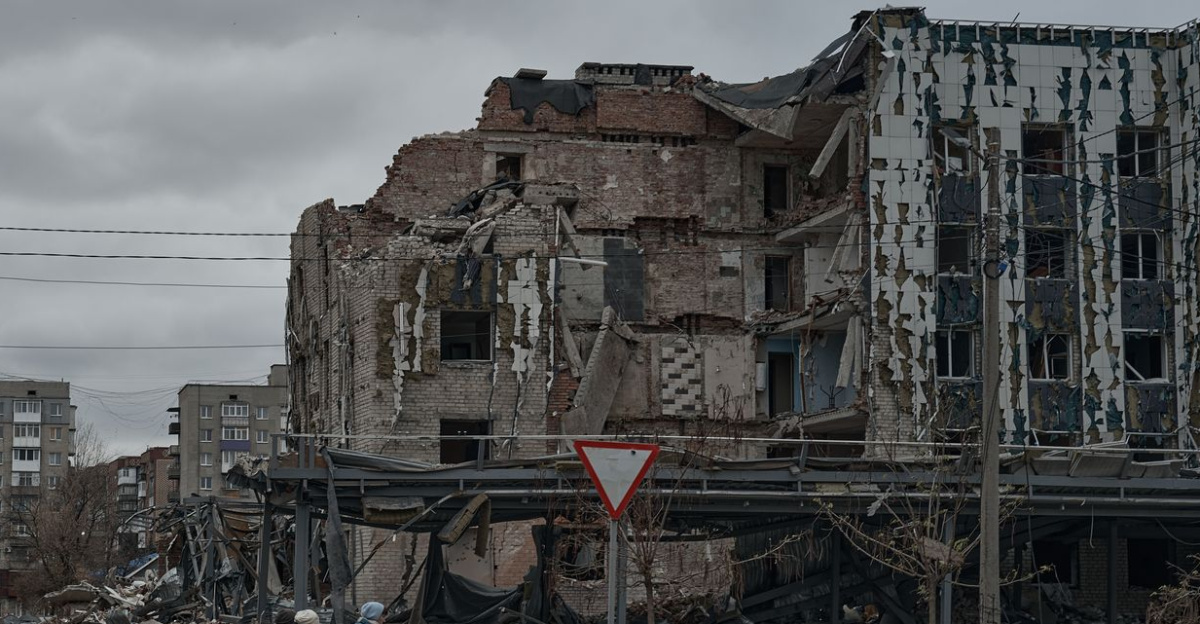
Every kill claimed for the 25,000 total required video confirmation and centralized review in Kyiv, forming the basis for point awards and public announcements transparency.
“This is an exact number because all of it has video confirmation,” Zelenskyy said on 6 November 2025, noting reported totals reflect verified footage only.
Defense Production And Brave1 Expansion

Ukraine projects $35-60 billion defense production capacity for 2026, focusing on long-range weapons, domestic manufacturing, and scaling Brave1’s marketplace capabilities for global reach and investment.
Over 3,300 developments and 1,500 manufacturers now reported to Brave1, with grants and market orders accelerating innovation and battlefield-tested product deployment rapidly abroad.
What Comes Next For The Conflict?
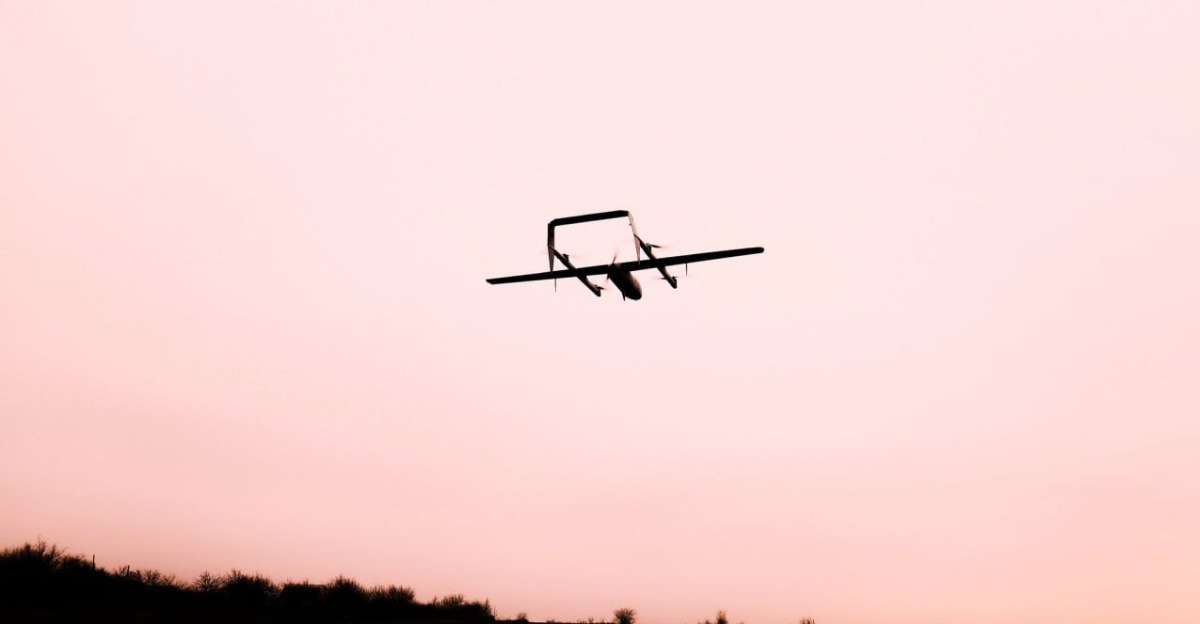
October’s toll and November strikes raise strategic questions: can Russia sustain recruitment and refinery operations, and how will Ukraine convert drone success into longer-term advantages?
Analysts warn escalating attrition may erode force quality; Kyiv aims to expand production and data-driven tactics, while ethical debates about gamified killing intensify globally quickly.