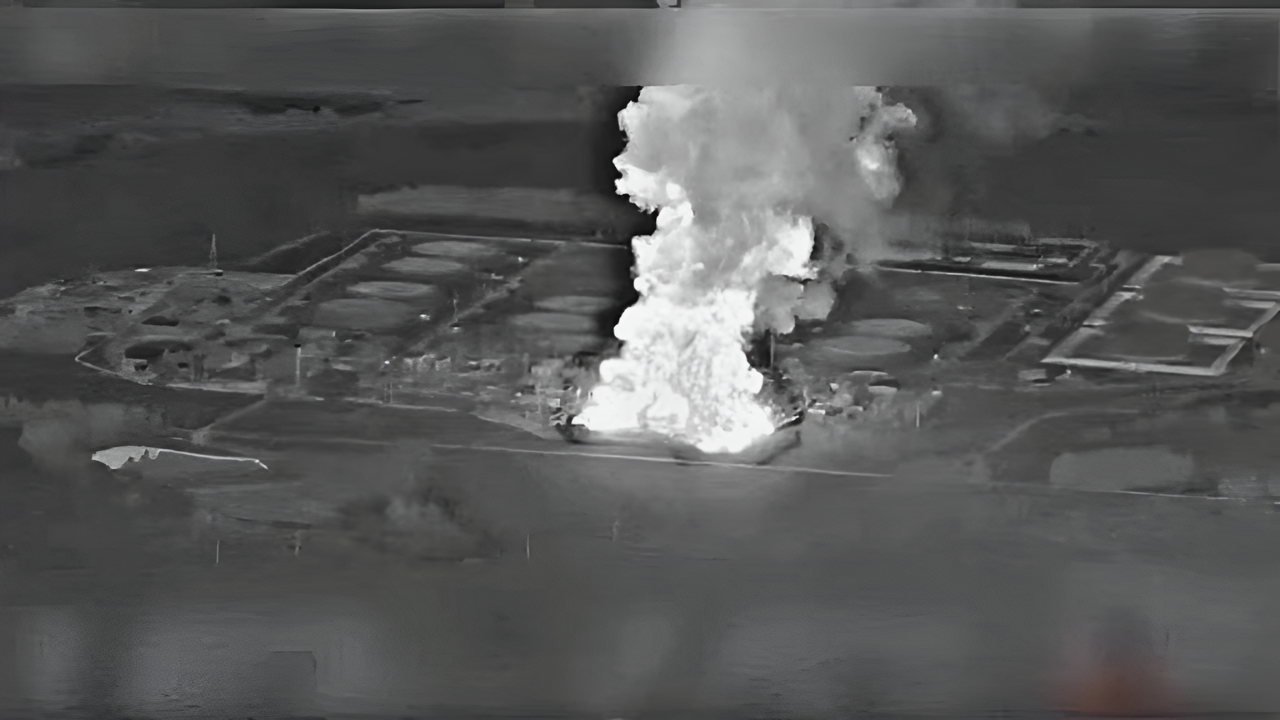
Ukrainian drones struck Russia’s Tuapse oil refinery just after midnight on New Year’s Eve, turning the first moments of 2026 into a scene of fire and chaos along the Black Sea coast. The drones hit two main targets: the refinery complex itself and a nearby loading pier in Krasnodar Krai.
According to Ukrainian security sources cited by Reuters, the Security Service of Ukraine (SBU) and Defense Intelligence carried out the operation together. This attack highlights how the war now reaches deep into Russian territory, far beyond the front lines.
Tuapse holds special importance in Russia’s energy network. It stands as the country’s only refinery located on the Black Sea coast and ranks among Russia’s ten largest refineries nationwide. The state-controlled company Rosneft operates the facility, which processes about 240,000 barrels of crude oil every day. This output supplies both Russian consumers and international buyers across the region. People living near the refinery reported a powerful explosion just after midnight, followed by flames that lit up the coastline for miles.
Videos shared on social media showed sirens blaring as workers evacuated and emergency crews rushed to the scene. By morning, thick smoke columns rose over the shoreline. Russian officials initially claimed they quickly controlled the fire, but satellite images later showed extensive damage covering nearly 300 square meters. Refinery safety experts explain that even after firefighters put out the flames, the heat and shock waves can damage pipes, valves, pressure systems, and computer controls, forcing long shutdowns for repairs.
Economic Impact and Strategic Importance
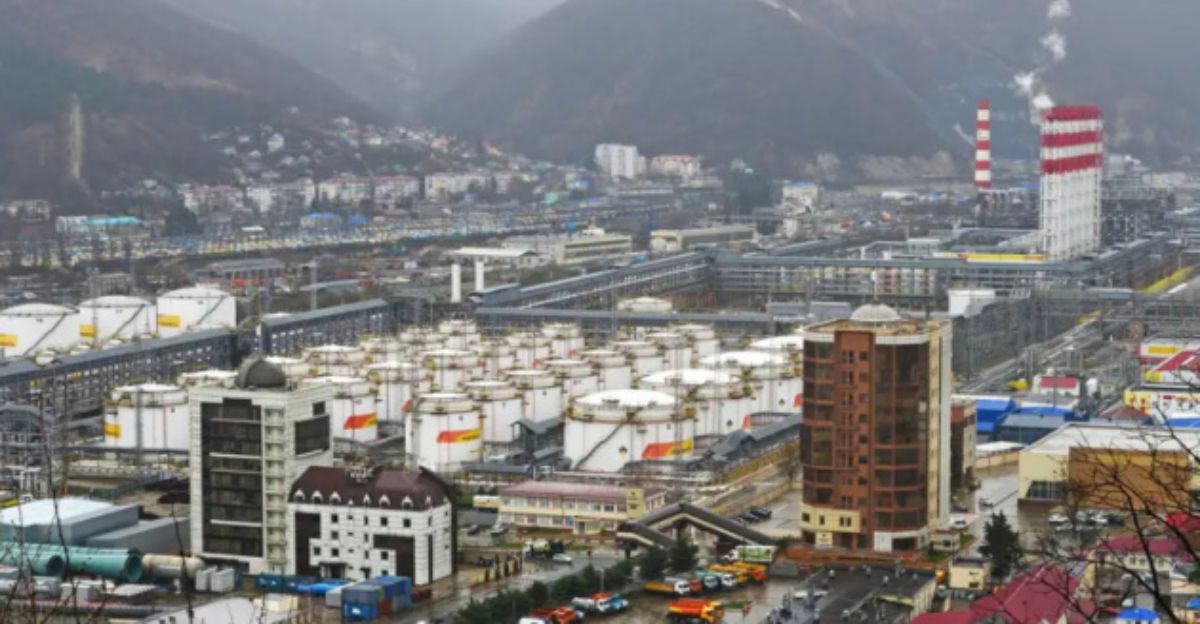
The temporary shutdown of Tuapse creates a major gap in Russia’s energy export system. As the only Black Sea refinery, it serves as a critical southern outlet for refined petroleum products. Russia now must reroute these products to other refineries or ship them through different ports like Novorossiysk. This redirection adds time, cost, and complications, and it can create bottlenecks as other refineries struggle to handle the extra volume.
The extended downtime rapidly multiplies financial losses for both Rosneft and the Russian government. These losses matter directly for Russia’s war effort because oil and gas taxes made up nearly 30 percent of Russia’s federal budget in 2024, according to the country’s Finance Ministry.
When a large refinery goes offline, it cuts deeply into the funds available for military operations and government programs. Russia already faces sanctions pressure and must sell much of its crude oil at discounted prices, so any hit to refining capacity makes financial problems worse.
Despite Rosneft’s public statements that operations remain stable, tracking data shows tanker movements near the port dropped noticeably in late December and early January. This decline signals that officials likely reduced shipments while they assess the damage. Even brief interruptions at a major hub like Tuapse send ripples through regional supply chains, affecting storage facilities, transportation networks, and fuel prices.
Ukraine’s Broader Energy War Strategy

The Tuapse strike fits into Ukraine’s wider campaign to damage Russia’s war economy by attacking fuel infrastructure across Russian territory. Throughout 2025, Ukrainian drones hit fuel depots and processing facilities in regions including Belgorod, Bryansk, and Leningrad.
Ukrainian security officials and defense analysts say the goal involves forcing Moscow to spend heavily on air defenses and repairs deep inside its own borders while making it harder to supply fuel for military operations. Ukraine relies on relatively cheap, long-range drones, often built with commercial parts or 3D-printed components. These drones fly low and attack in swarms, helping them avoid radar detection and overwhelm local defenses. This allows Ukrainian forces to strike targets hundreds of miles from the front lines.
The Black Sea location adds extra strategic weight to this attack. Since Ukraine sank the Russian cruiser Moskva in 2022 and carried out follow-up attacks on Russian naval and logistics assets, the Black Sea has become one of the war’s most unpredictable zones. Strikes on refineries, ports, and storage facilities weaken Russia’s ability to use the region as a reliable route for fuel and supplies.
Global energy markets watch these developments carefully. While one refinery outage may not immediately change world prices, repeated disruptions to Black Sea export hubs could eventually reduce supplies to southern Europe and parts of Asia that buy Russian refined products, potentially driving prices higher over time.
Sources
Kyiv Independent, Ukraine damages major Russian oil assets in New Year’s Eve strikes, 2025-12-30
Reuters, Ukrainian drone attack sparks fire, damages equipment at Tuapse oil refinery, 2025-12-31
Critical Threats Project (ISW), Russian Offensive Campaign Assessment, December 31, 2025, 2025-12-30
Hellenic Shipping News / Reuters, Russia’s Tuapse oil refinery to resume operations in November – sources say, 2024-10-31
Oilprice.com / Reuters, Rosneft to Resume Output at Idled Black Sea Refinery in November, 2024-10-30 Oxford Institute for Energy Studies, Fiscal Flex: Russia’s oil and gas revenues in 2024, 2025-02-01