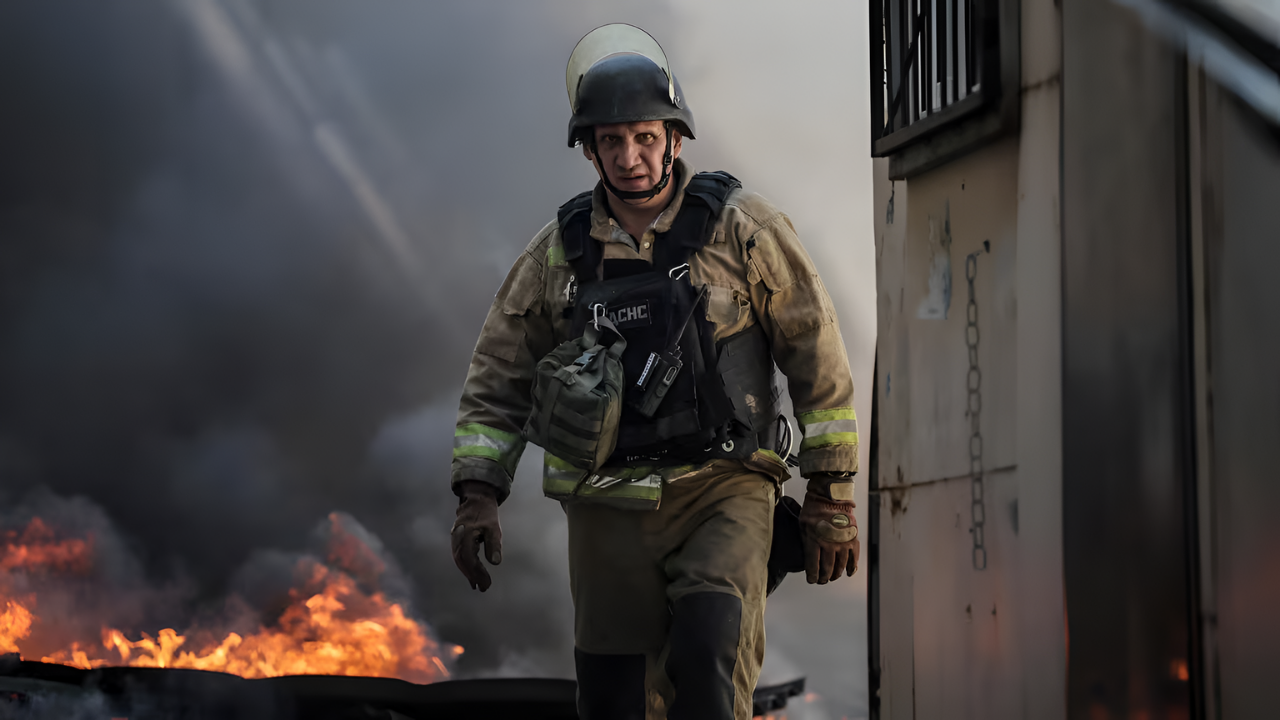
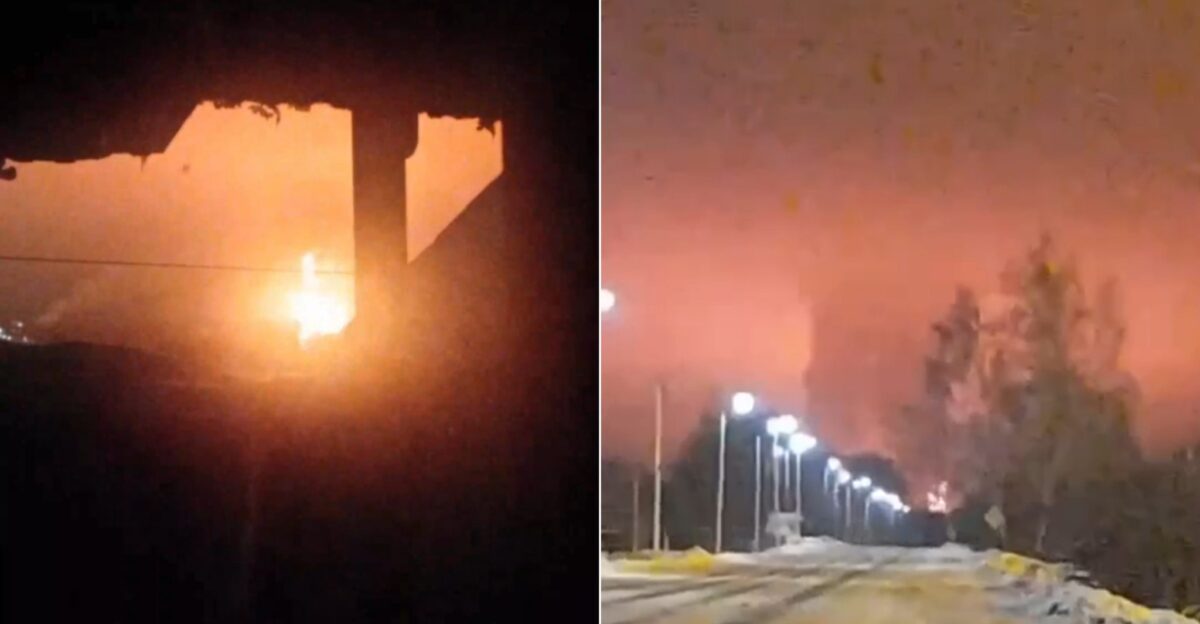
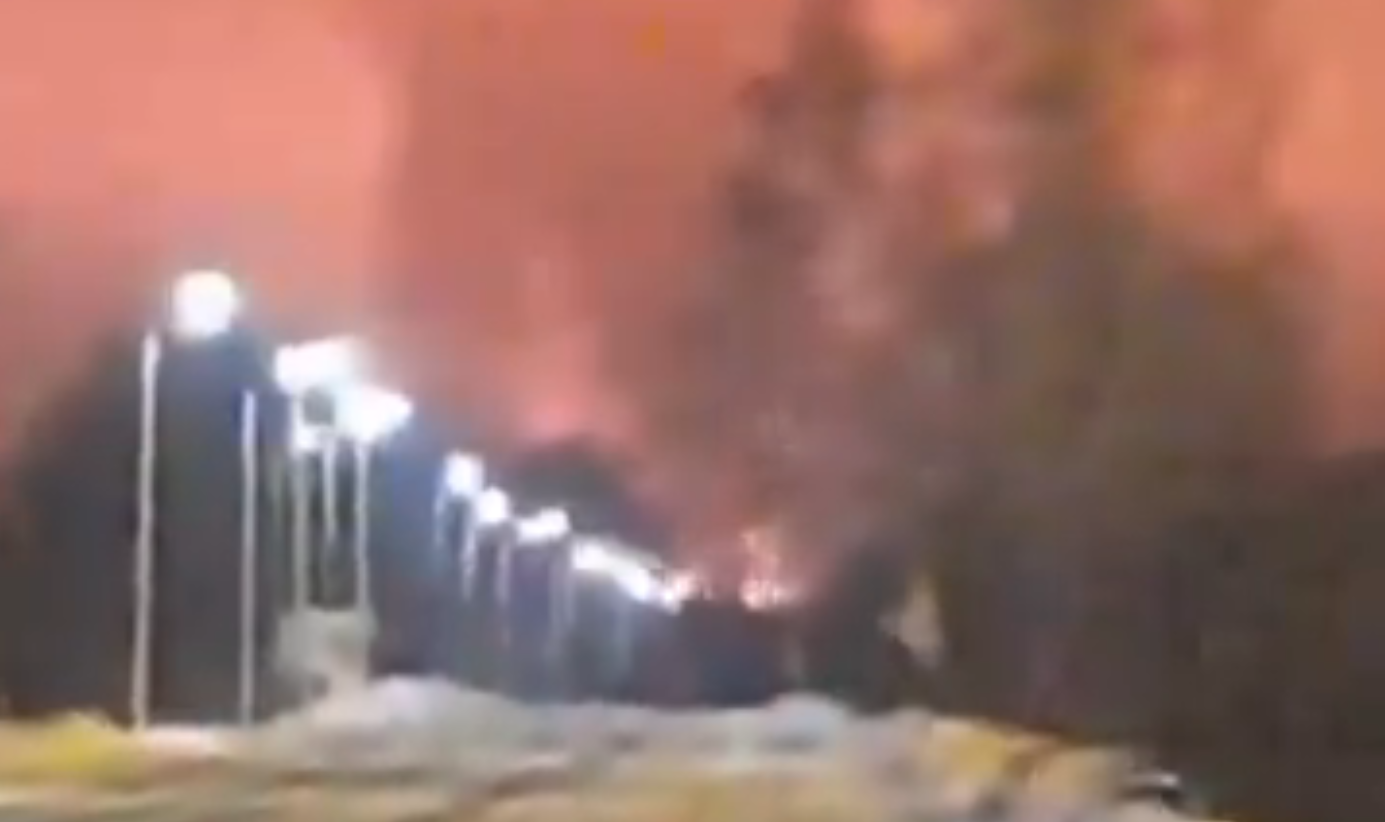
Shortly before dawn on January 6, residents near Usman in Russia’s Lipetsk Oblast filmed towering flames rising from an industrial site. The glow lit the sky for kilometers as successive explosions echoed across the district.
Videos later geolocated by OSINT analysts showed the fire burning at the Usmanskaya Oil Depot, about 236 kilometers from the Ukrainian border. Russian officials would later call it a “drone crash.” The footage showed an oil depot engulfed in fire.
A Coordinated Strike Across Russia
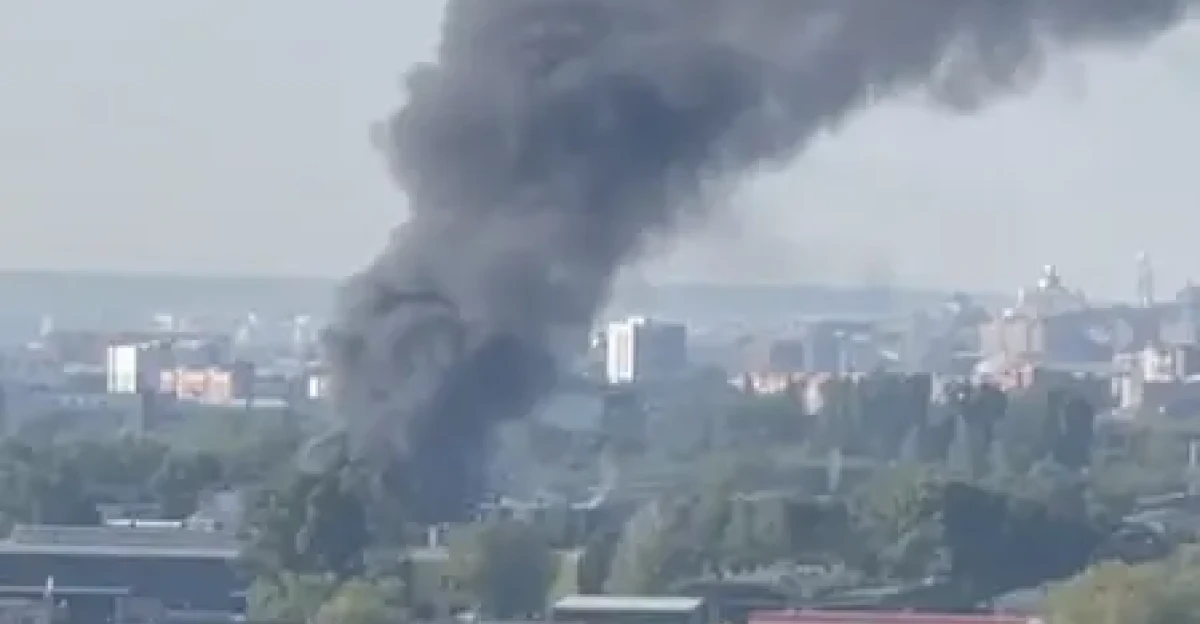
The Usman fire was not an isolated incident. Over the same night, explosions and fires were reported across multiple Russian regions, including Penza, Kostroma, Yaroslavl, Bashkortostan, Belgorod, and Tver.
Russian authorities acknowledged a mass drone attack lasting roughly eight hours. The simultaneous timing across distant regions pointed to a coordinated Ukrainian operation, marking one of the largest multi-region deep-strike campaigns of the war.
Air Defenses Stretched Past Their Limits
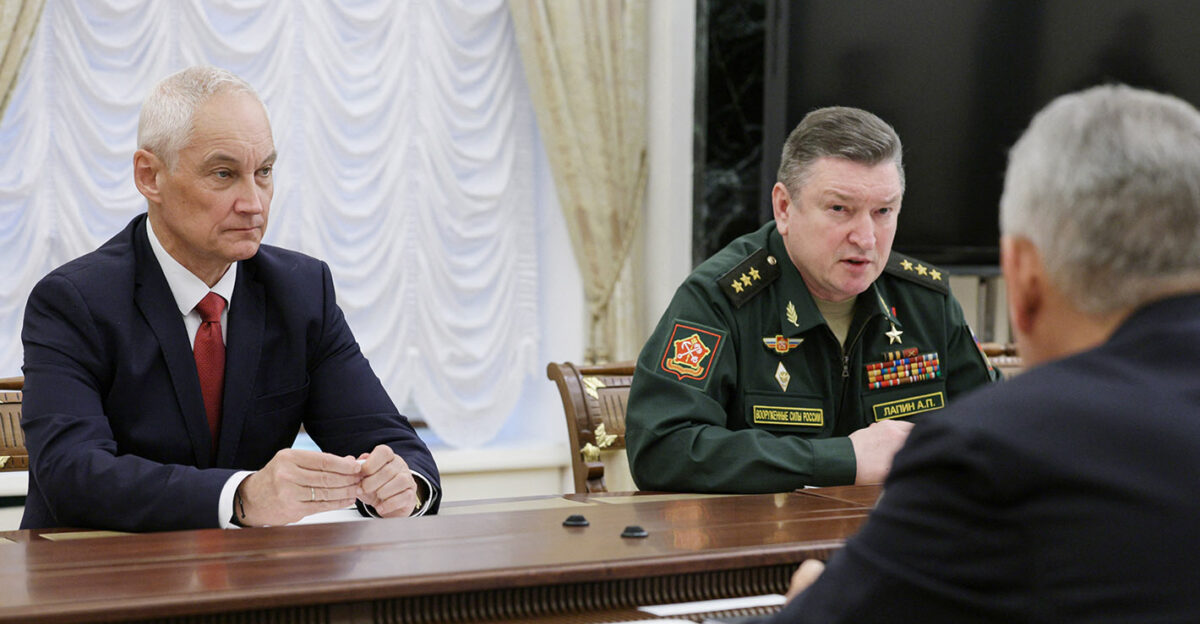
Russia’s Defense Ministry claimed air defenses intercepted 129 Ukrainian drones overnight. Yet numerous targets were still hit, many hundreds of kilometers from the front lines.
Analysts noted that Soviet-era systems and even newer S-400 deployments are poorly suited to detect slow, low-flying drones over vast territory. The January 5–6 attacks exposed how difficult it is for Moscow to defend rear-area infrastructure at scale.
Ukraine’s Expanding Drone Reach
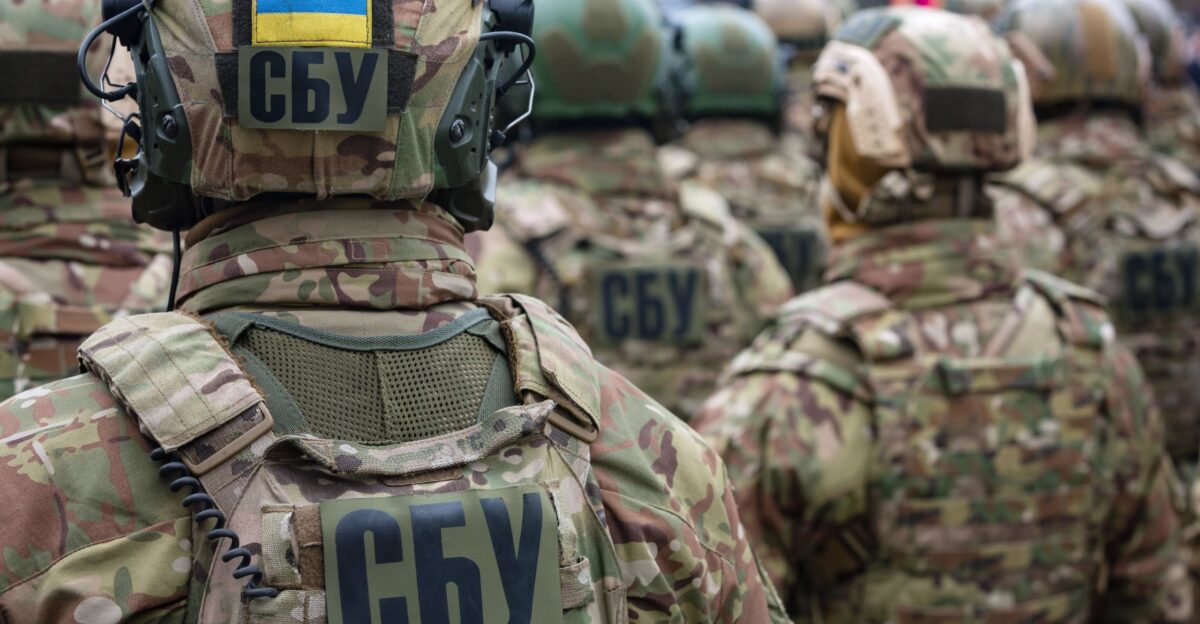
Ukraine now relies heavily on domestically produced long-range drones rather than Western-supplied platforms. Ukrainian security services, including SBU special units, conduct strikes once considered beyond Kyiv’s technical reach.
Ukrainian drones have demonstrated ranges up to 2,000 kilometers, with confirmed strikes even deeper in 2025. This shift reflects a deliberate strategy: trade expensive missiles for cheaper, mass-produced unmanned systems capable of penetrating Russian airspace.
Why Energy Infrastructure Matters
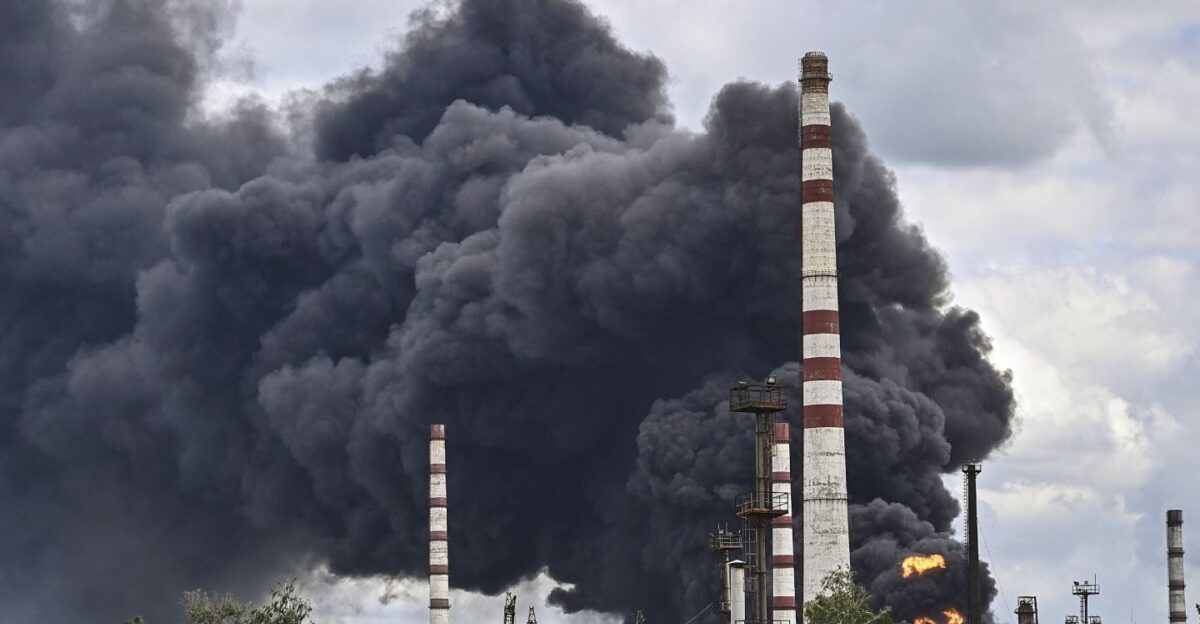
Oil depots, refineries, and fuel storage hubs are central to Ukraine’s targeting strategy. Energy exports account for roughly 40% of Russia’s federal budget and underpin both civilian life and military logistics.
Since 2024, Ukraine has steadily expanded strikes on these assets. By 2025 alone, more than 200 Russian energy facilities were hit, aiming to erode revenue, disrupt fuel distribution, and strain Russia’s ability to sustain its invasion.
Inside the Usmanskaya Oil Depot
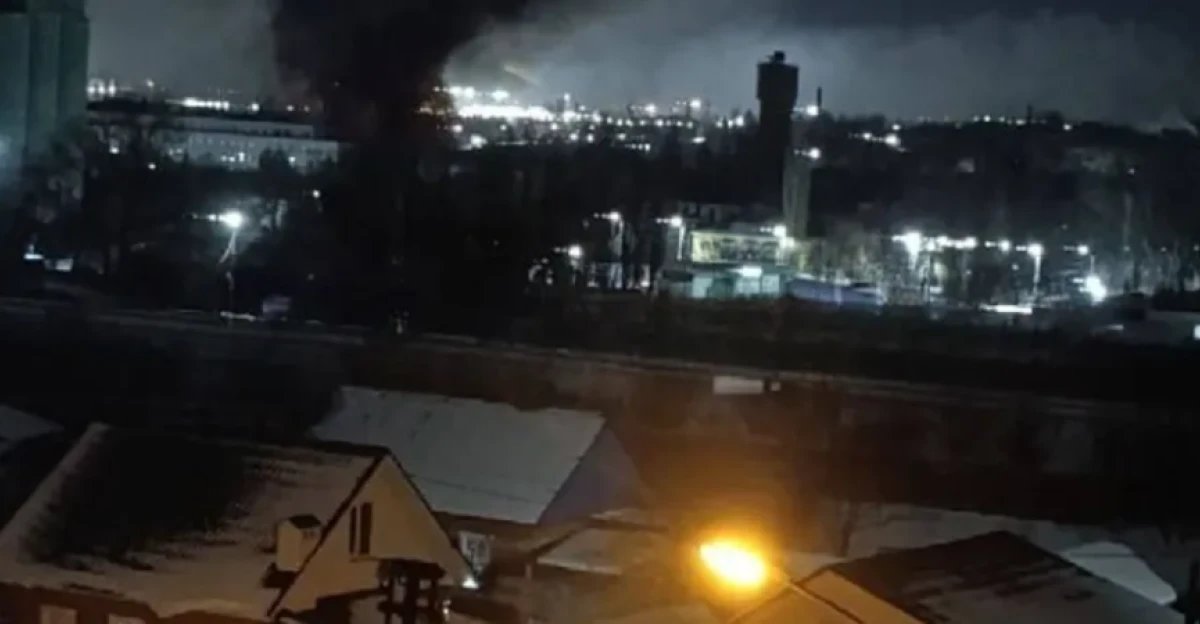
The Usmanskaya Oil Depot, operated by LLC “Usmanskaya Neftbaza,” sits near the village of Streletskiye Khutora. The facility stores, transships, and wholesales petroleum products.
Using its own truck fleet, it supplies Lipetsk, Voronezh, and Tambov regions. Analysts estimate the depot served as a regional logistics hub rather than a small local facility, making it a meaningful node in western Russia’s fuel distribution network.
Fire Engulfs the Tank Farm
Eyewitness videos analyzed by the ASTRA monitoring group showed intense flames spreading across the depot’s tank farm. Columns of fire burned for hours, with emergency crews still battling the blaze well into January 6.
Residents reported hearing multiple explosions, consistent with secondary detonations as fuel tanks ignited. The scale of the fire suggested significant damage, though Russian authorities released no official assessment.
Official Response: Carefully Worded

Lipetsk Oblast Governor Igor Artamonov confirmed a fire at an “industrial facility” after what he described as a drone “crash.” He did not name the oil depot or acknowledge an attack.
Artamonov stated there were no casualties and that emergency services were working on site. His phrasing followed a familiar pattern in Russian official messaging, minimizing military implications despite clear visual evidence of a targeted strike.
Logistics Disrupted Beyond Usman
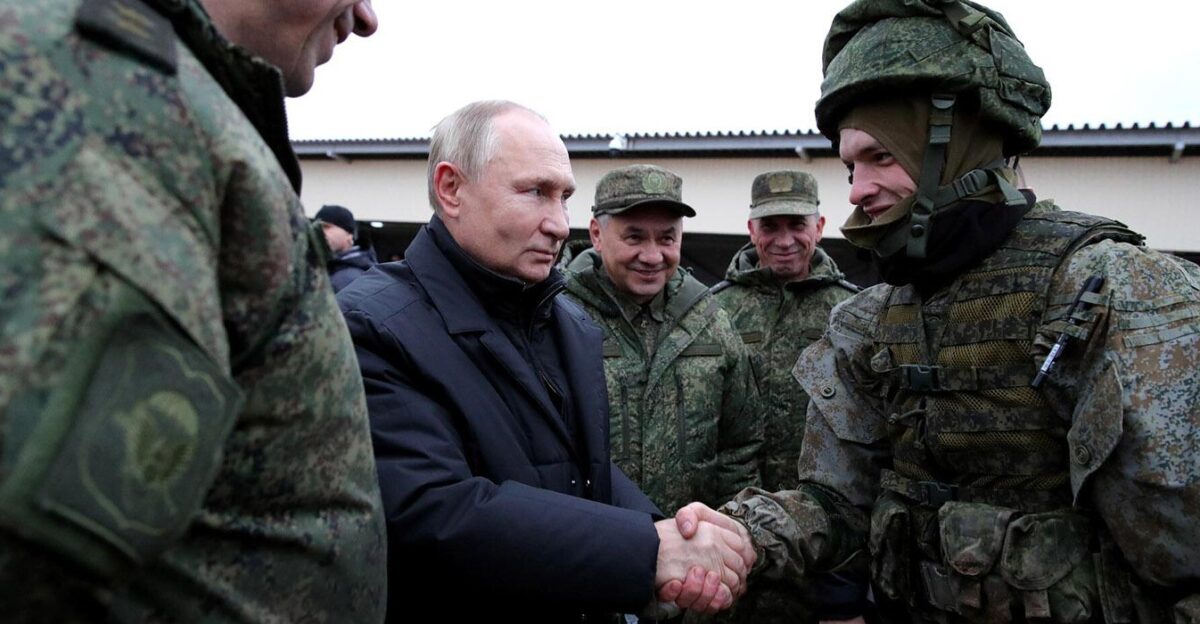
The loss of the Usmanskaya depot disrupted fuel supply chains across several regions. Such facilities support civilian transport, industry, and military units alike.
Analysts estimate depots of this size can distribute fuel to dozens of customers within a 50–150 kilometer radius. Even temporary shutdowns can force rerouting, rationing, or reliance on more distant depots, compounding strain on Russia’s logistics network.
Ammunition Depots Also Hit
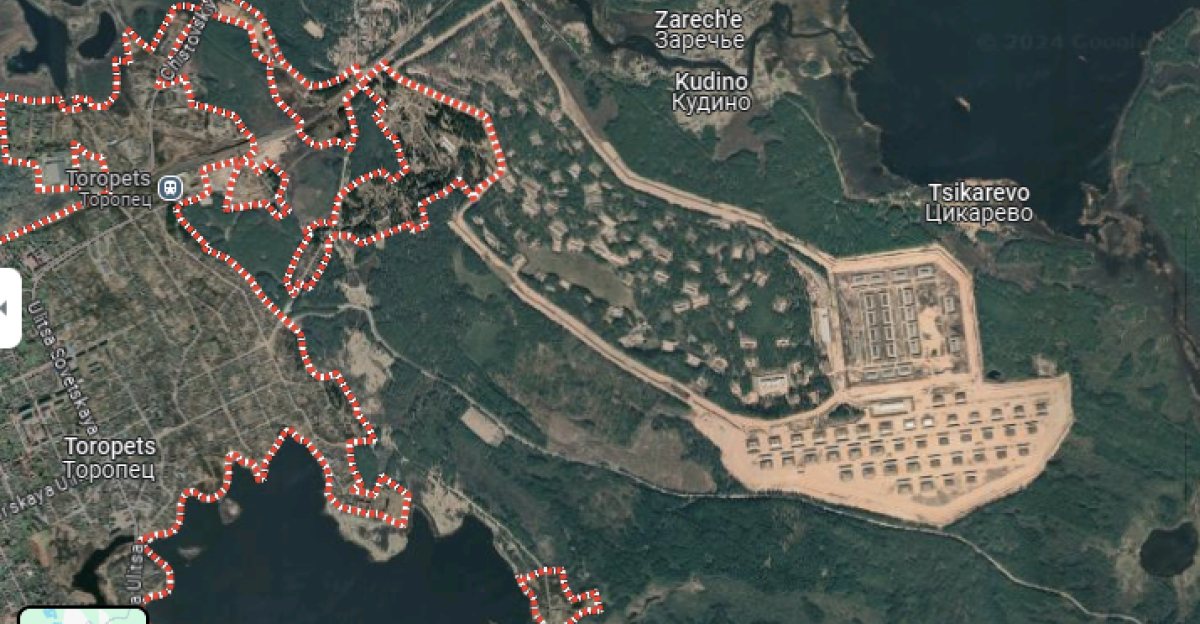
Fuel was not the only target. Ukrainian drones also struck the 100th Main Missile and Artillery Directorate arsenal in Kostroma Oblast. Residents reported powerful secondary explosions throughout the night.
The facility supplies artillery shells, rockets, and missiles to Russian forces in western and central districts. Hitting both fuel and ammunition in one night underscored Ukraine’s multi-layered approach to logistics disruption.
Kyiv’s Stated Rationale
SBU sources framed the strikes as lawful and necessary. One official said Ukraine continues to operate against Russian military and oil facilities to reduce the enemy’s ability to supply its army.
Another emphasized that rear-area infrastructure supporting the war is a legitimate target. This reflects Kyiv’s broader argument that dual-use civilian facilities directly sustaining the invasion lose protected status.
A Growing Strategic Imbalance
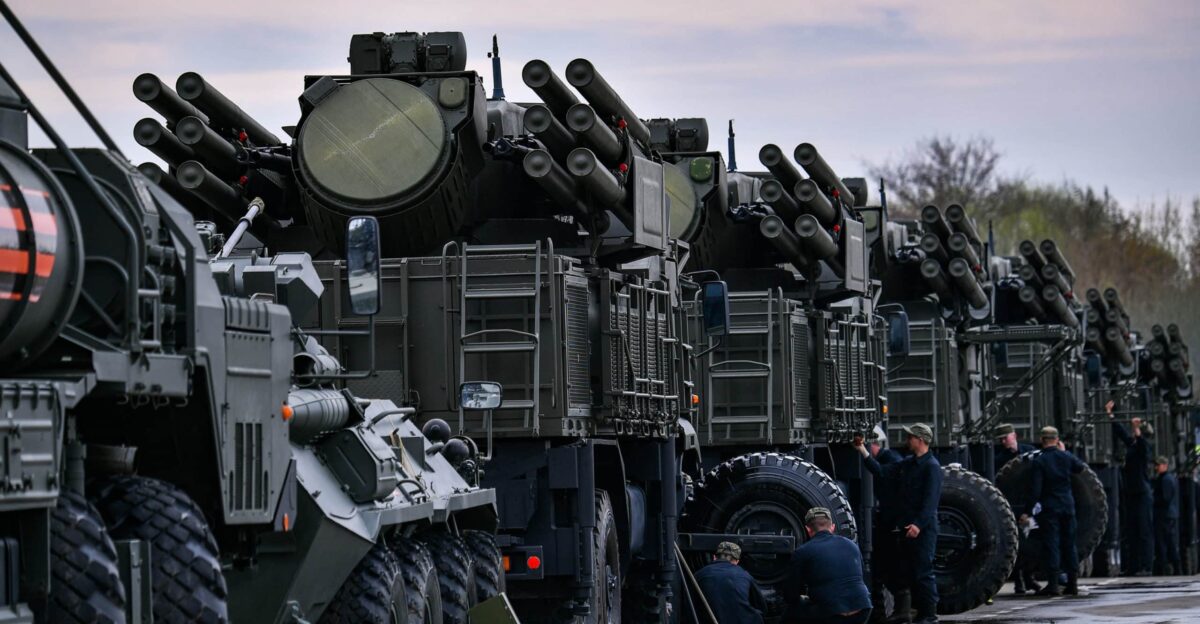
Lipetsk lies roughly 236 kilometers from the Ukrainian border—beyond the effective coverage of many Russian air-defense layers. Protecting such distances would require dense, overlapping systems Russia does not possess.
Ukraine, by contrast, can choose targets across Russia’s vast rear using relatively inexpensive drones. This asymmetry—mobile offense versus static defense—has become a defining feature of the conflict entering 2026.
Economic Pressure Builds
Repeated strikes are accumulating economic consequences. Russian oil and gas revenues fell about 22% year-over-year in 2025, with December revenues hitting a five-year low.
Analysts estimate that up to 38% of Russia’s refining capacity has been affected by attacks since 2024. Even when facilities are repaired, downtime, rerouting, and insurance costs compound losses.
Can Ukraine Sustain the Pace?
Some analysts question whether Ukraine can maintain frequent long-range strikes given production and operational constraints. Ukrainian officials counter that domestic drone manufacturing now outpaces losses.
With a 2026 production goal of up to 30,000 long-range drones, Kyiv argues it has reached a self-sustaining strike capacity that reduces dependence on Western delivery of complex weapons systems.
A Marker, Not an Endpoint
The Usman oil depot fire was not a war-ending blow. But it was a clear marker of how far the conflict has evolved since 2022.
Ukraine is now conducting regular, coordinated deep strikes on Russian infrastructure once considered safe. Whether Russia adapts, absorbs the damage, or seeks diplomatic off-ramps remains uncertain.
Source:
Ukrinform – Russia reports drone attack, oil depot on fire in Lipetsk region – January 5, 2026
Kyiv Independent – ‘Explosions rang out all night’ — SBU conducts fresh strikes on ammunition depot and oil facility deep inside Russia – January 5, 2026
Critical Threats – Russian Offensive Campaign Assessment, January 6, 2026 – January 5, 2026
The Moscow Times – Have Ukrainian Drones Really Knocked Out 38% of Russia’s Oil Refining Capacity – October 7, 2025
Kyiv Independent – Ukrainian drones can hit targets 2,000 km away, military intelligence claims – January 14, 2025