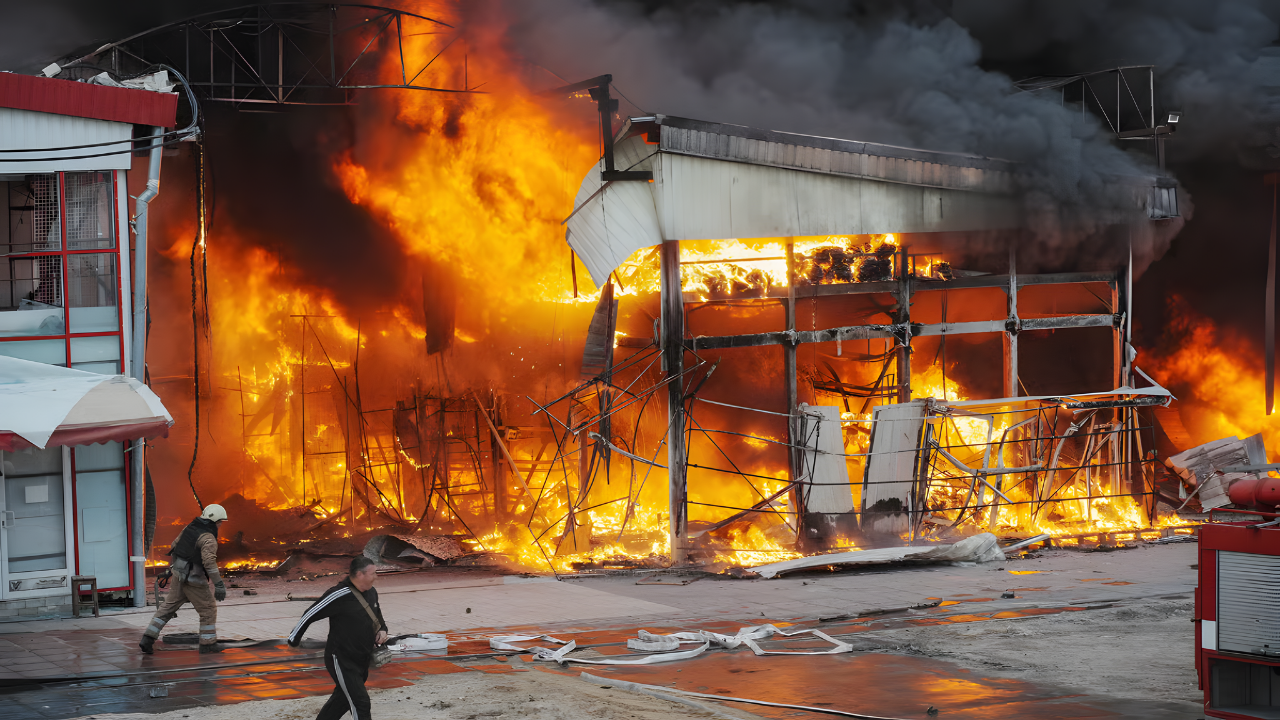
Residents in the Russian city of Yaroslavl woke to distant blasts and rattling windows as Ukrainian drones struck the Slavneft-YANOS refinery more than 435 miles from Ukraine’s border. The attack ignited a major fire at one of Russia’s five largest oil refineries, a plant that processes 15 million tons of crude a year.
Witnesses reported at least seven explosions over the city as flames spread through the facility, while independent Russian media shared footage of the blaze burning into the morning.
Why This Refinery Matters
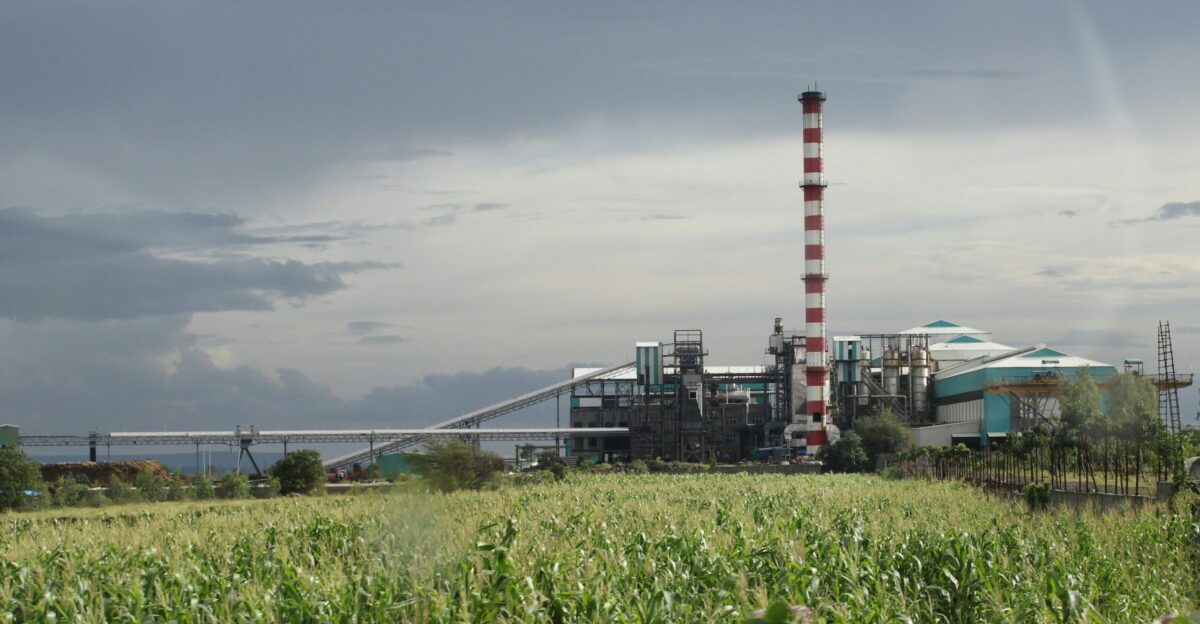
The Slavneft-YANOS plant isn’t simply an industrial facility—it’s a critical component of Russia’s military supply chain. The refinery produces gasoline, diesel, and jet fuel that power Russian forces across the country. Industry analysts estimate the facility’s replacement value to be between $2 billion and $3 billion, based on typical construction costs for large-scale refineries.
The plant represents roughly three to five percent of Russia’s total refining capacity, making its loss a meaningful disruption to Moscow’s fuel supplies.
Seven Explosions Reported
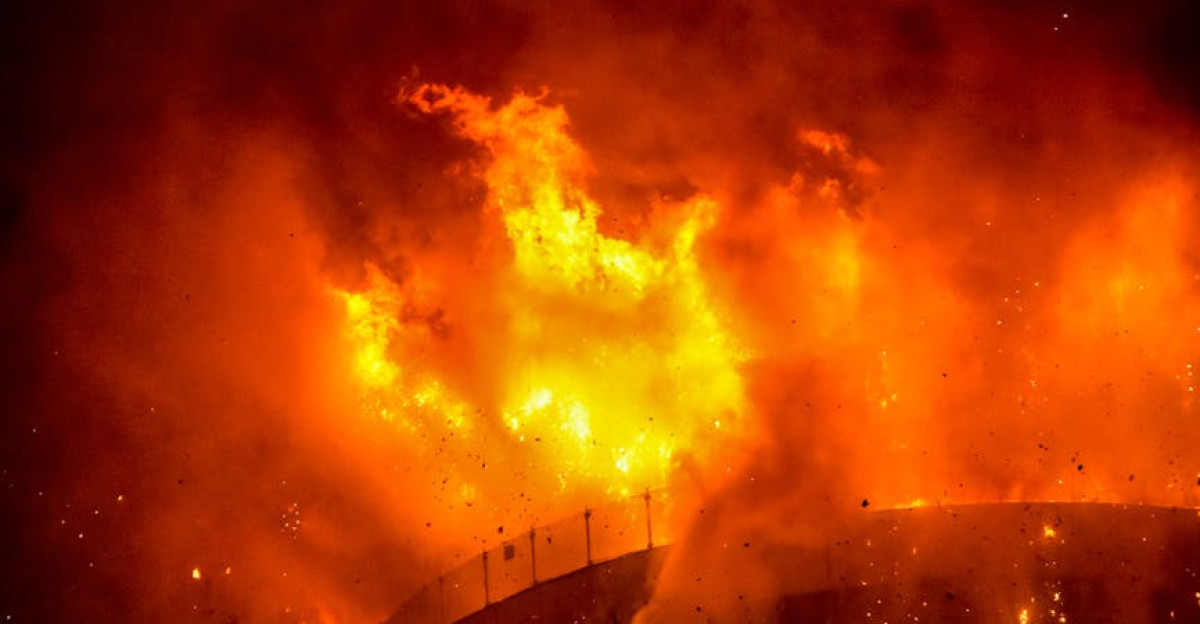
Residents in Yaroslavl described hearing successive explosions in the early morning hours, with the first reports coming around 3 a.m. local time. Yaroslavl Governor Mikhail Yevrayev had issued a warning about potential drone threats in the region just hours before the strike.
Videos and photographs from Russian Telegram channels showed fire spreading across parts of the refinery complex as daylight arrived.
Air Defense System Intercepts Drones
Russian air defense systems shot down eight drones approaching Moscow the same night, according to Moscow Mayor Sergei Sobyanin. However, the Yaroslavl refinery, located 700 kilometers away, was not protected by these defenses.
The Russian Defense Ministry stated that it had destroyed approximately 90 Ukrainian drones across multiple regions overnight.
Civilian Building Damaged in Tver
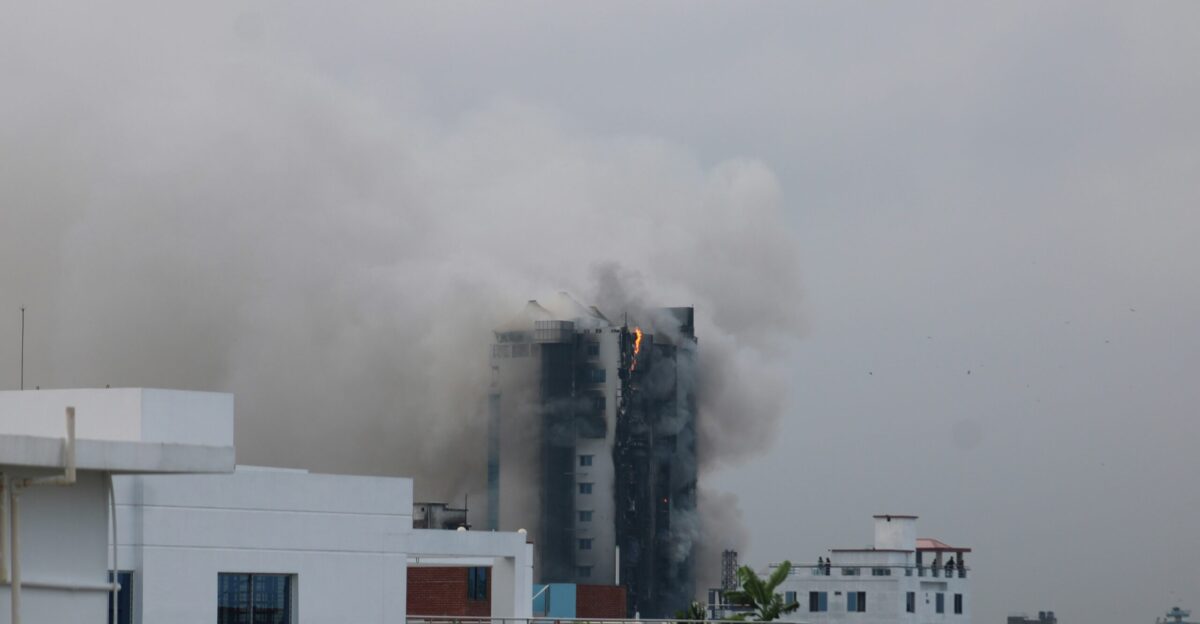
The same drone operation targeted a residential apartment building in Tver, a city about 170 kilometers northwest of Moscow, injuring seven people, including a child. The strike damaged the building and triggered fires that required emergency response.
Emergency services evacuated 22 residents to temporary shelters, and medical officials reported that three adults and the child remained hospitalized in stable condition the following day.
Coordinated Strikes Across Multiple Regions

On December 12, Ukrainian drones struck targets across at least six Russian regions—Yaroslavl, Tver, Smolensk, Moscow, Tambov, Tula, and Oryol—covering a territory nearly 2,000 kilometers across. The coordinated timing of multiple strikes required significant planning and execution.
Moscow’s airports temporarily suspended flight operations as drones moved through the airspace.
Ukraine’s General Staff Confirms Operation

Ukraine’s General Staff confirmed on December 12 that its forces had struck the Slavneft-YANOS facility. The statement identified the refinery as “one of the largest refineries of the occupiers” that “provides the armed forces of the Russian invaders”.
Officials reported explosions and large fires at the target location. The confirmation reflected Ukraine’s established strategy of targeting Russia’s economic infrastructure as part of a broader war strategy, particularly energy facilities that fund military operations.
Growing Technical Capability

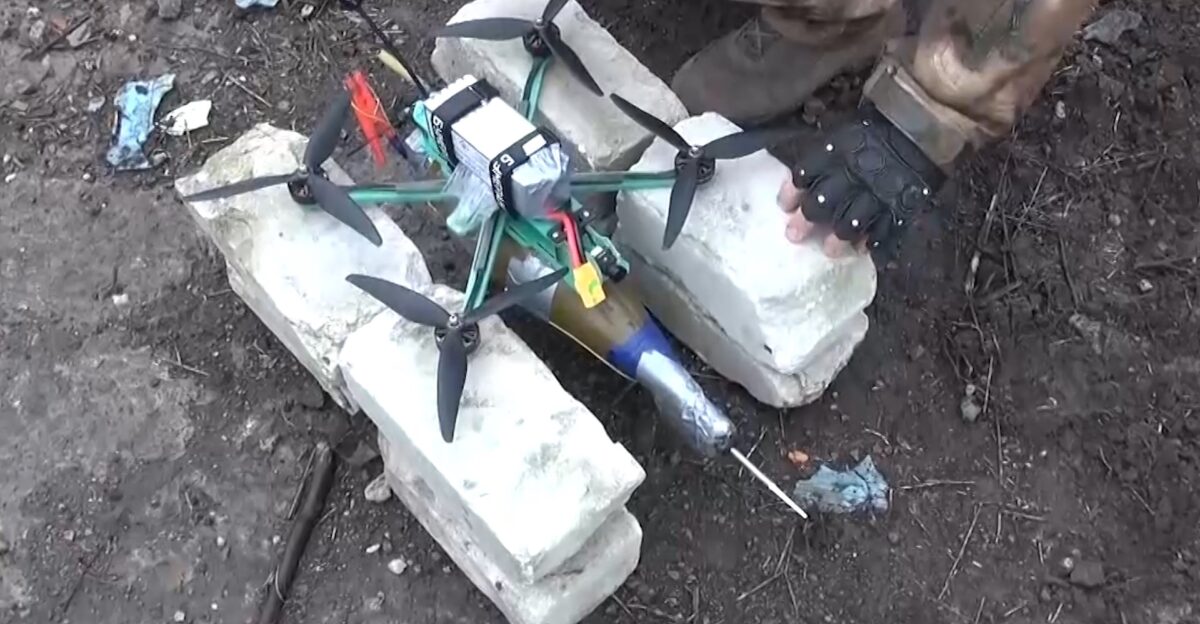
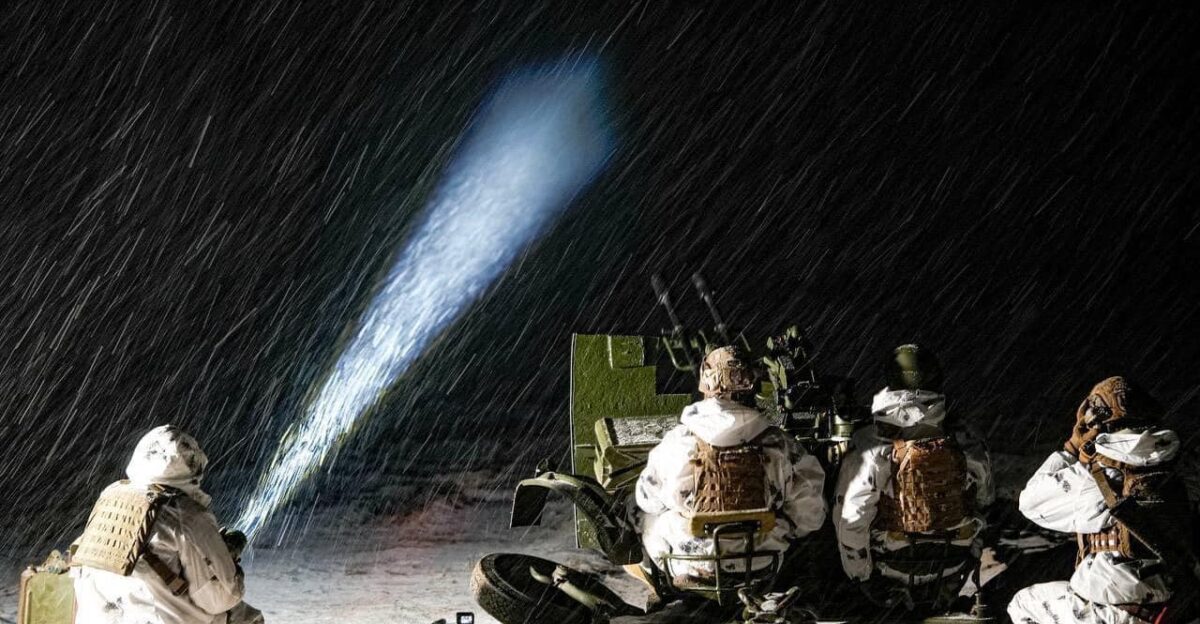
The strike illustrated Ukraine’s advancing drone technology. Drones traveled over 435 miles into Russian territory to reach the refinery, evading Russian air defense systems in the process. These systems represent homegrown Ukrainian engineering developed during the war.
The capability to reach targets this distance from Ukrainian territory marks a significant shift from earlier stages of the conflict, when such strikes were not feasible.
Systematically Targeting Russia’s Oil Refining Infrastructure
Ukraine has struck at least 21 of Russia’s 38 major refineries since January 2025, as part of a sustained campaign against Russian energy production. By October, Ukrainian attacks had temporarily disabled roughly 20 percent of Russia’s refining capacity at various points during the year.
Russia responded by activating backup capacity at undamaged facilities, though this required operational workarounds. Despite these mitigation efforts, Russia’s total refining output declined approximately three percent year-over-year.
Logic Behind Ukraine’s Focus on Energy

Ukraine has prioritized strikes on Russia’s oil infrastructure because oil and gas revenues are the primary funding source for Moscow’s military operations. Funds from energy exports support the production of weapons, troop salaries, and military logistics.
President Volodymyr Zelenskyy stated that “strikes on Russia’s refineries are the most effective sanctions—the ones that work fastest”. This approach targets the economic foundation supporting Russia’s war effort.
Russia’s Recovery Efforts
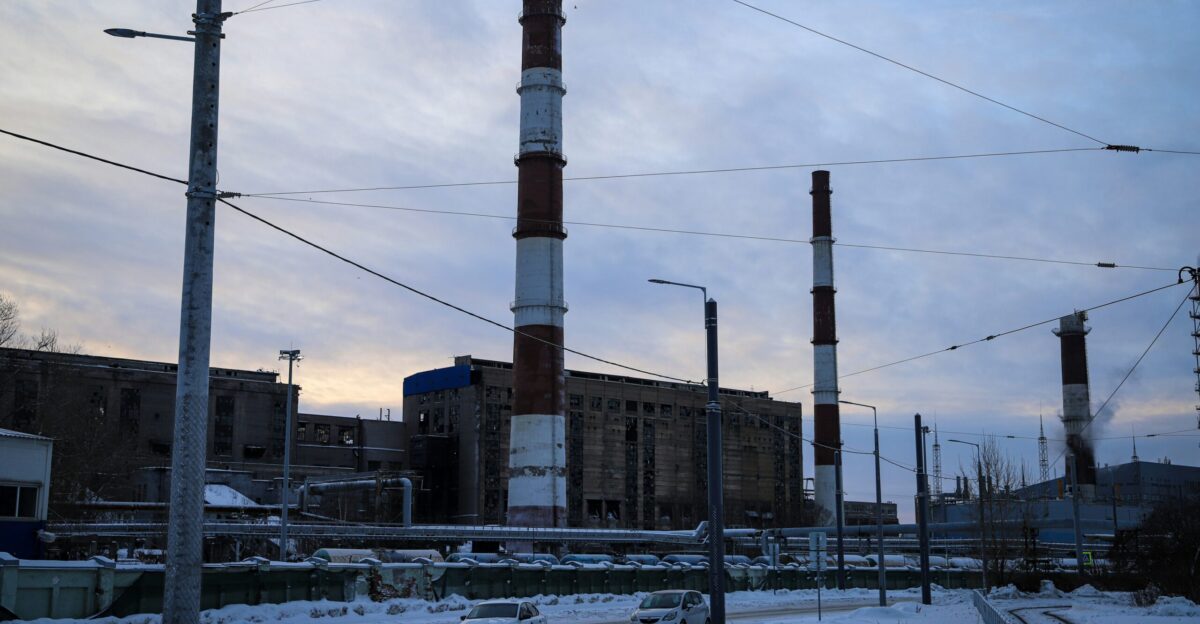
The December 5 strike on Russia’s Syzran refinery forced the facility to halt operations, with repair timelines extending beyond a month. Multiple strikes on the same facilities compound challenges and divert resources from other priorities.
Each week a major refinery remains offline affects Russia’s available fuel for both military and civilian use.
Serious Warning About Future Conflict Scale Issued

On December 12, NATO Secretary General Mark Rutte addressed German officials, stating that European nations must prepare for sustained conflict. “Russia has brought war back to Europe, and we must be prepared for the scale of war our grandparents or great-grandparents endured,” Rutte said.
He warned that NATO nations have approximately five years to significantly increase defense spending before Russia could pose a direct military threat to alliance members.
Domestic Fuel Markets Show Signs of Strain

Inside Russia, the effects of refinery disruptions have reached consumers. By mid-August, Ukrainian strikes had temporarily reduced 17 percent of refining capacity, rising to 21 percent by month’s end. As a result, gasoline prices within Russia increased by approximately ten percent.
Fuel shortages and line-ups appeared in Russian cities during peak disruption periods. These disruptions affected both civilian populations and military supply chains.
Long-Term Strategy in Energy War
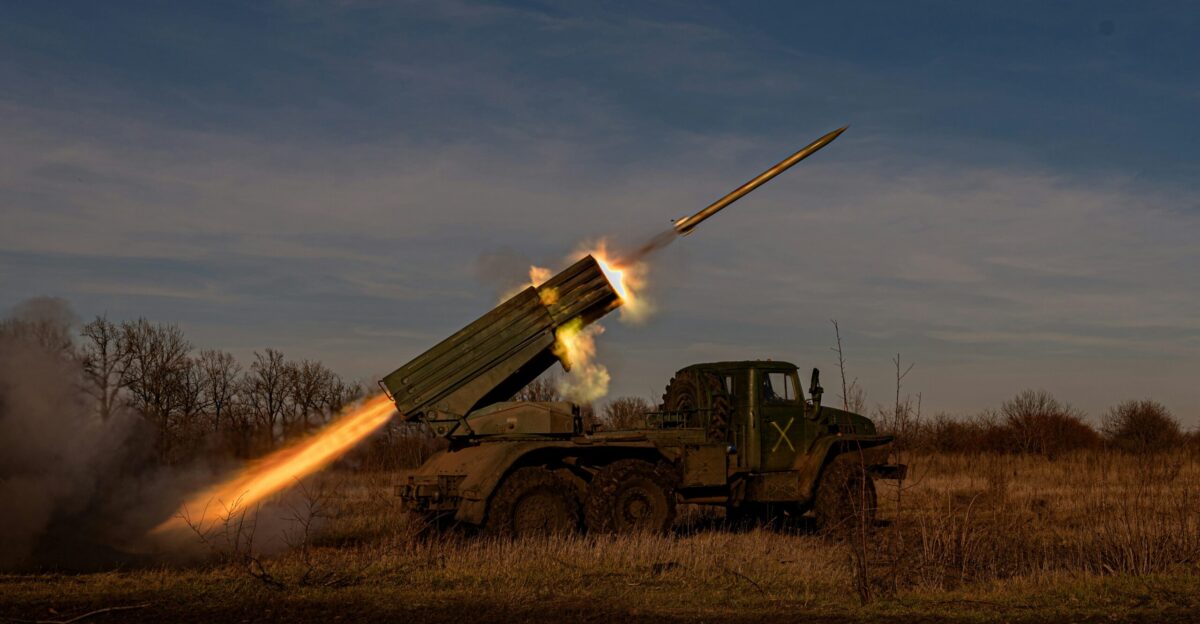
The Yaroslavl refinery strike was not an isolated incident but part of Ukraine’s deliberate campaign to make prolonged warfare economically unsustainable for Russia. As peace discussions continued, Ukraine maintained pressure by targeting energy infrastructure that directly funds military operations.
This strategy focuses on the economic systems supporting the war rather than attempting to match Russia’s military scale on the battlefield.
Both Sides Target Critical Infrastructure
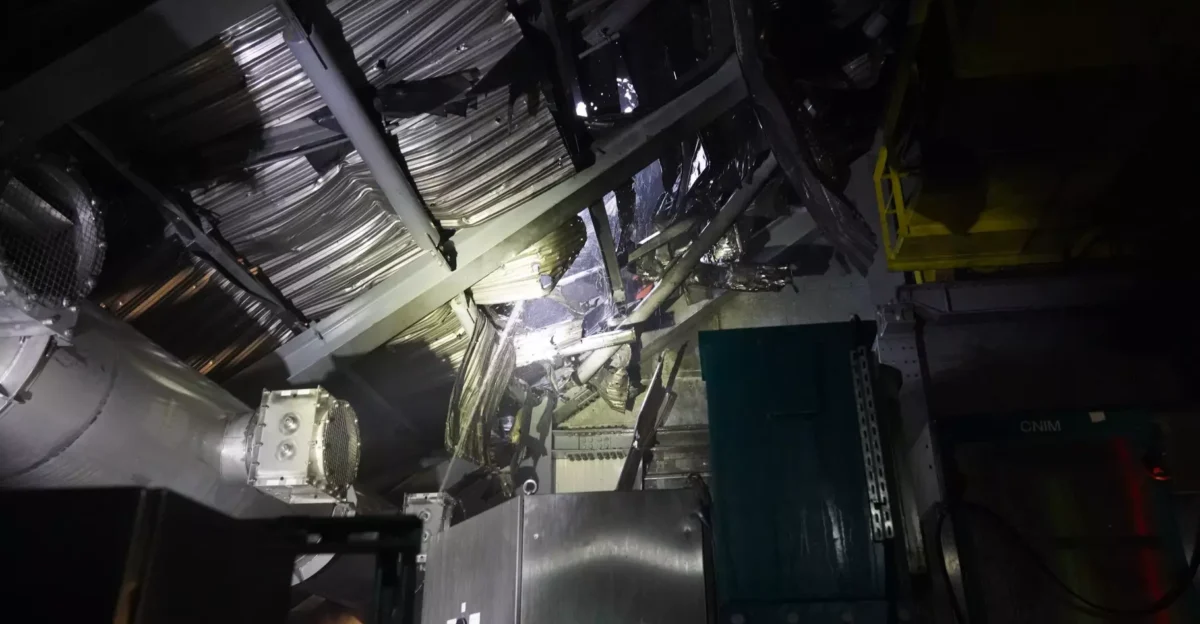
Ukraine has stated its intention to repeatedly strike Russian refineries to prevent repairs and sustain disruption to energy production. Russia has responded with sustained attacks on Ukraine’s power grid, leaving parts of Kyiv and other cities without electricity during the winter months.
As the conflict approaches its fourth year, both nations are engaged in what analysts describe as an infrastructure war—a grinding campaign where disrupting the opponent’s ability to sustain operations becomes as crucial as battlefield victories.
Sources:
BBC News – “We must prepare for war with Russia, says Nato chief in stark new warning”
Kyiv Independent – “Yaroslavl oil refinery in Russia damaged in overnight drone attack reportedly on fire”
Kyiv Independent – “Drone reportedly hits apartment building in Russia’s Tver, officials say 7 injured”
Anadolu Agency – “Russia says Ukraine’s drone attack hit residential building in city of Tver”
Pravda – “Ukraine’s General Staff confirms Ukrainian drones hit oil refinery in Yaroslavl”
Reuters/Yahoo News – “One of Russia’s largest oil refineries ablaze amid reported Ukrainian drone strike on Yaroslavl”