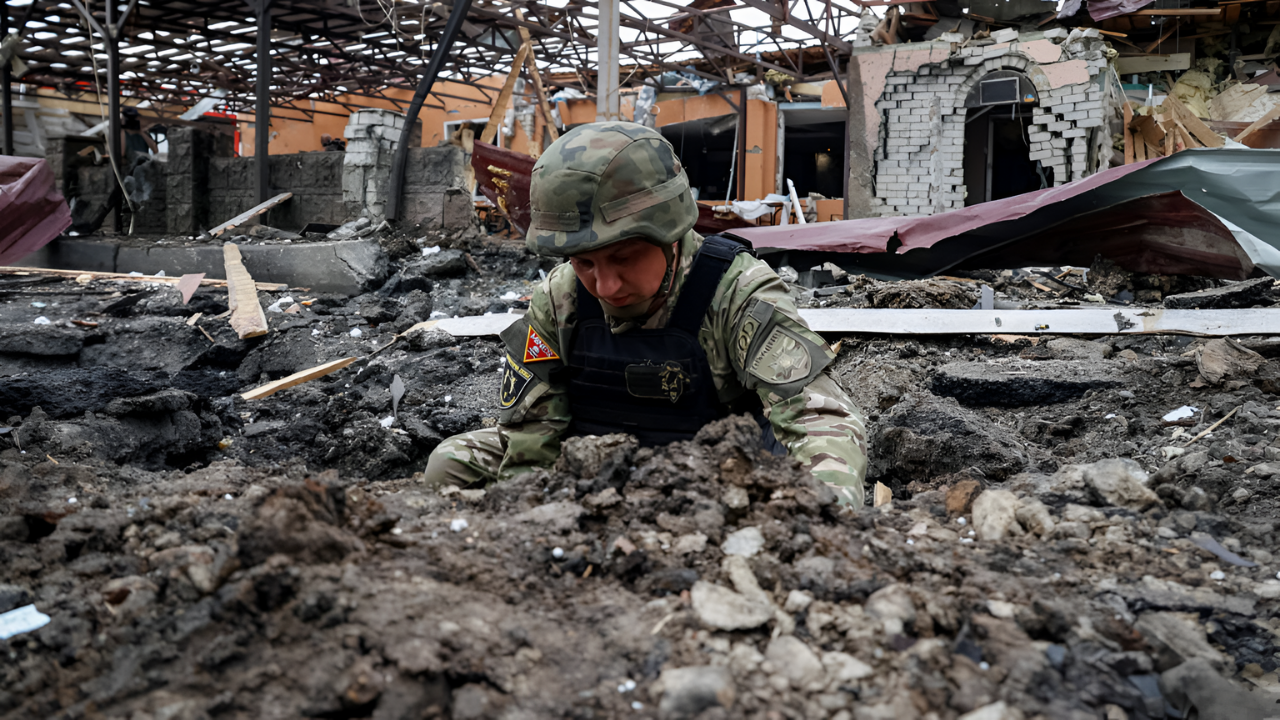
In mid-February 2025, Ukrainian warplanes quietly crossed a line that had mostly held since the start of the full-scale invasion: they bombed a Russian base inside Russia itself, near the village of Yelyzavetivka in the Kursk region.
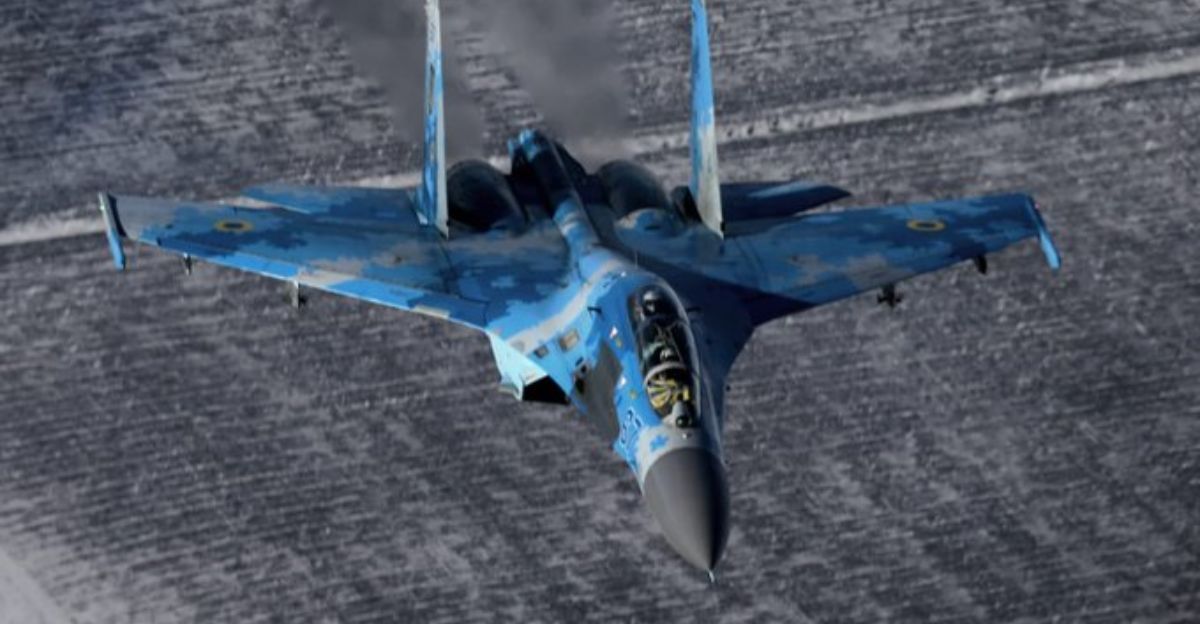
Flying into contested skies, Su-27 fighter jets struck what Kyiv said was a hub for drone attacks on Ukraine’s nearby Sumy region, where communities have endured repeated cross‑border raids. Ukrainian officials described the mission as a necessary act of self‑defense and hinted it would not be the last.
Border Region Under Constant Attack
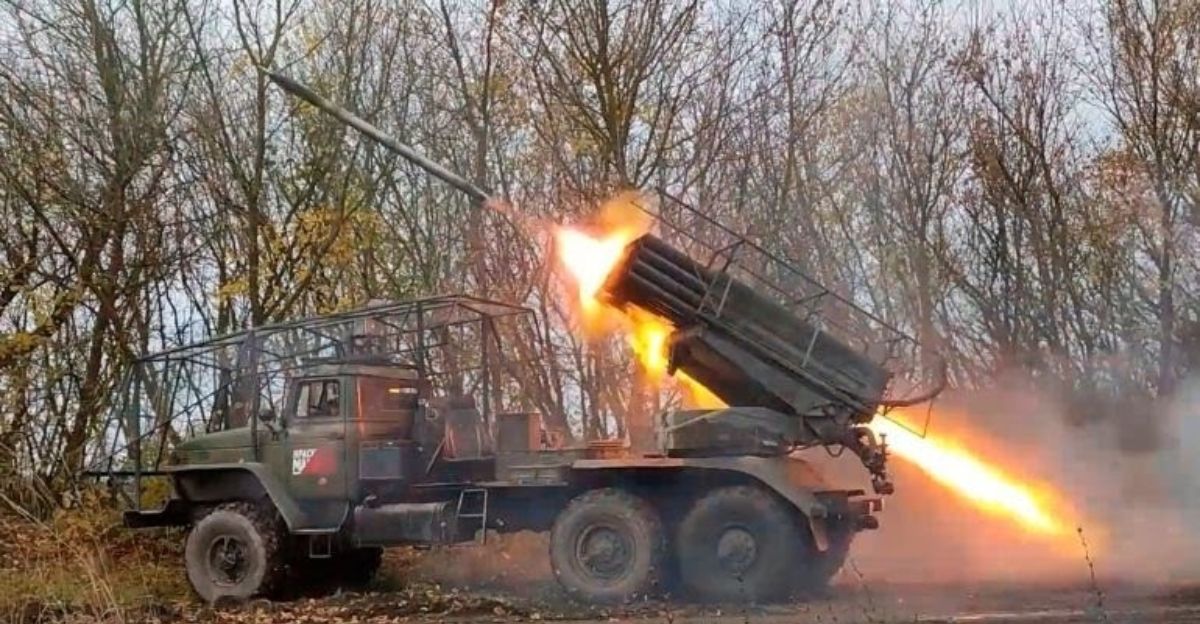
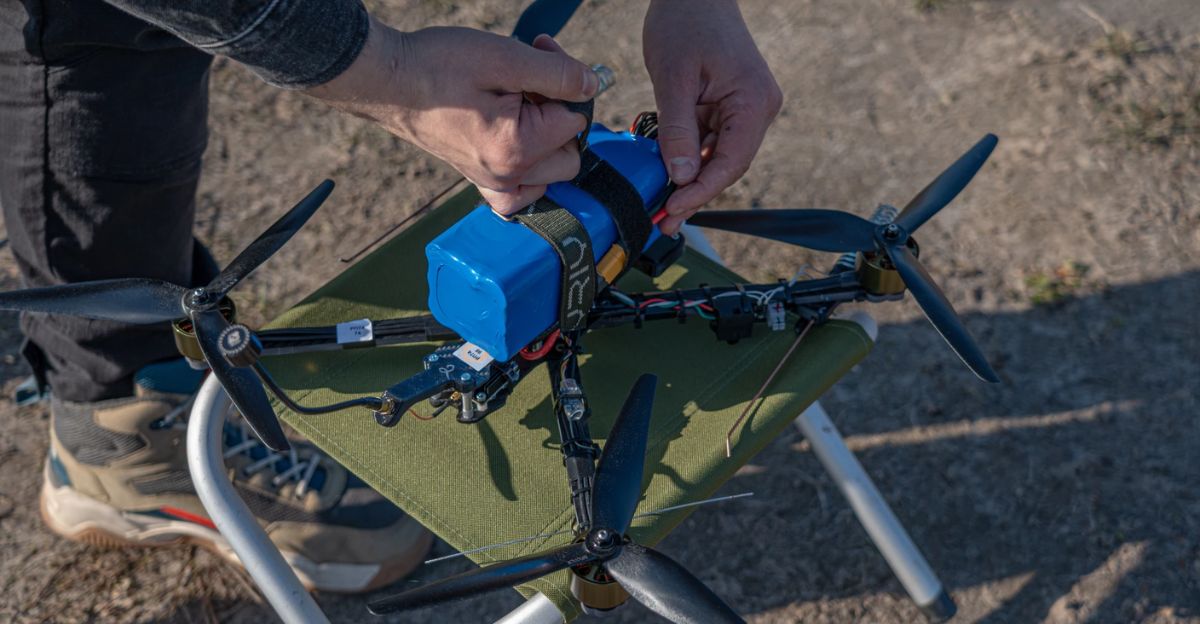
This was not a one‑off clash between neighbors, but the latest move in a grinding campaign around the border. For months, Russian forces had been launching drones from positions in Kursk and other border areas into Ukraine’s Sumy region, harassing power facilities, warehouses, and small towns with relatively cheap weapons that still forced Ukraine to expend scarce air defenses.
Ukrainian officials say these attacks formed a clear pattern through 2024 and early 2025, with launch sites only a few kilometers inside Russian territory enabling frequent strikes that wore down civilians and soldiers alike. By hitting one of those launch hubs on Russian soil, Kyiv signaled it would no longer treat the border as a one‑way firing line.
Taking the War Deep into Russia
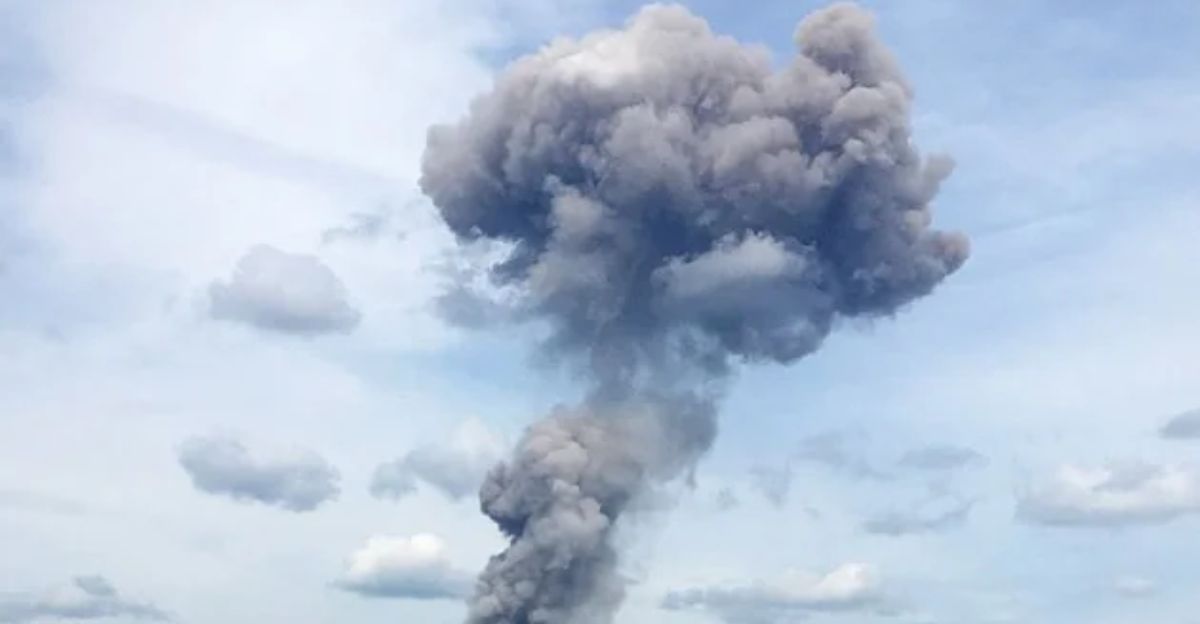
The strike near Yelyzavetivka also fit into a larger trend: Ukraine steadily pushing the war deeper into Russian territory. Over the past two years, Ukrainian forces have increasingly used long‑range drones and adapted missiles to hit oil depots, ammunition stores, and airfields hundreds of kilometers from the front, sometimes more than 1,000 kilometers away, in an effort to disrupt logistics and cut artillery firepower.
Analysts say these operations are designed not just to destroy fuel and shells, but to shake Russia’s sense that its interior is safely removed from the battlefield. The February 2025 airstrike in Kursk was another step in that direction, using manned aircraft rather than drones to reach a high‑value target just beyond the border.
Western Weapons Rules Begin to Loosen
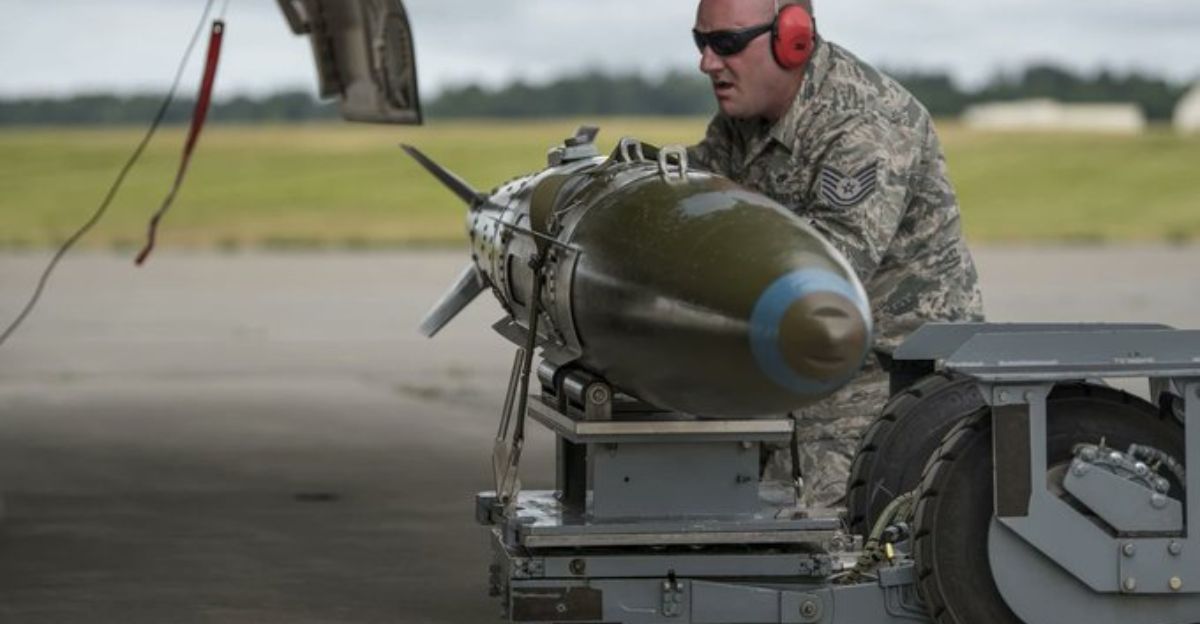
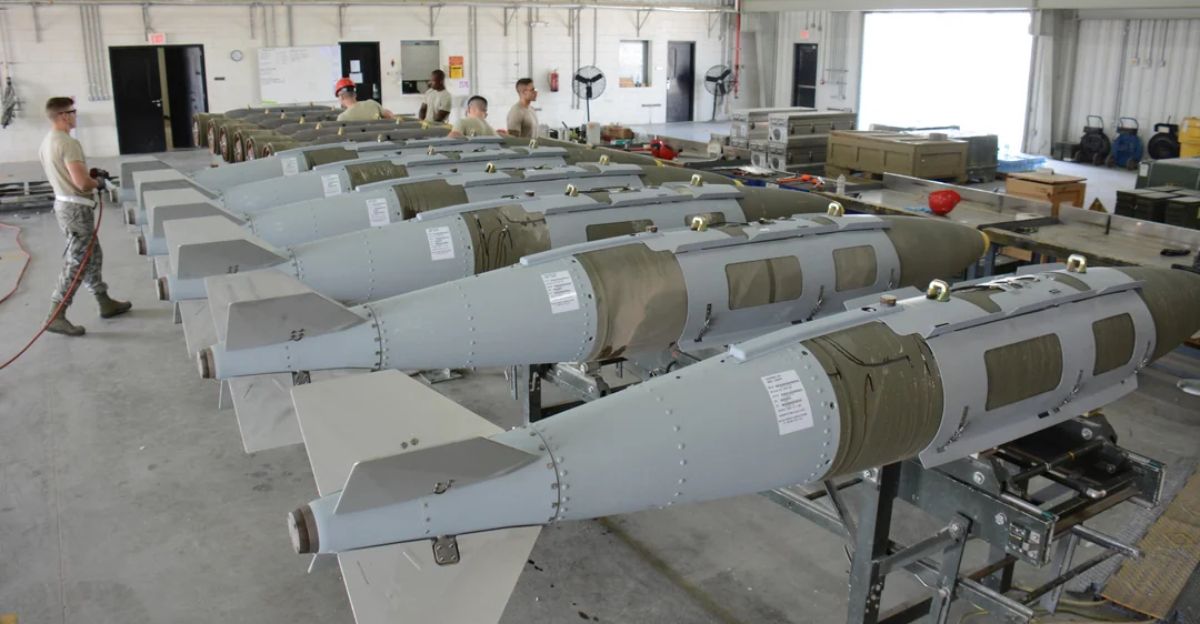
For much of the war, Ukraine’s Western backers drew a clear red line: weapons they supplied were not to be used on targets inside Russia, forcing Kyiv to rely mainly on its own drones and missiles for deep strikes. That stance began to soften as the United States confirmed the delivery of JDAM‑ER kits in 2023, turning standard unguided bombs into precision glide munitions that could hit from more than 40 miles away.
Integrating these U.S.-origin kits onto Soviet‑era jets took months of technical work, but it opened the way for more accurate, longer‑range strikes on Russian assets.
A World-First Use of a New Bomb
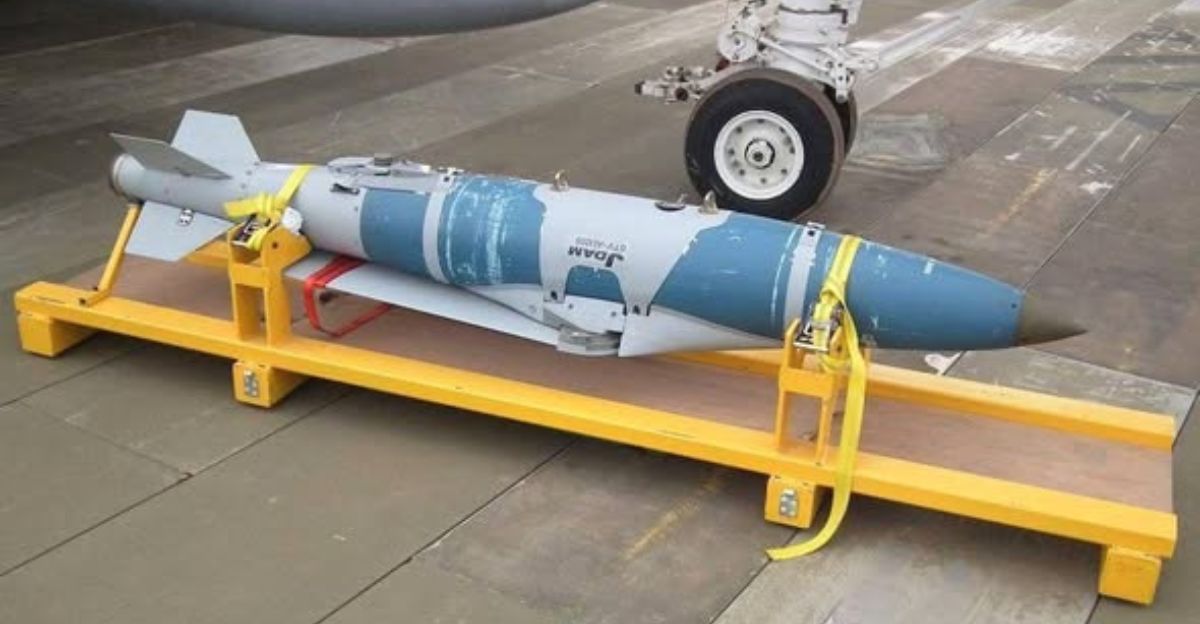
What made the Yelyzavetivka strike stand out was not just where it hit, but what weapon Ukraine used. Defense analysts say the attack marked the first confirmed combat use of 1,000‑pound Mark 83‑class bombs fitted with JDAM‑ER guidance kits, a configuration not previously acknowledged in public U.S. documents.
Video and imagery analysis from open‑source researchers and specialist outlets pointed to a heavier, 1,000‑pound design hanging under Ukrainian Su‑27s, rather than the 500‑pound version seen earlier. “Ukraine has become the first country to employ 1,000‑pound JDAM‑ER bombs in combat,” Euromaidan Press reported, calling it a historic milestone in the conflict.
Knocking Out a Drone Launch Hub

According to Ukraine’s General Staff, the destroyed site near Yelyzavetivka served as a base for Russian troops operating drones against Sumy region targets. The position was linked to the 28th Rifle Battalion of the 60th Separate Motorized Rifle Brigade and was used to launch unmanned aircraft that stalked Ukrainian positions and civilian areas across the border.
After the strike, Kyiv said the facility had been effectively wiped out, describing it as a “high‑precision” hit meant to stop ongoing attacks on nearby communities rather than to widen the war. United24 Media, a Ukrainian platform, reported that drone operators at the site were killed or driven out, leaving a smoking ruin where the hub once stood.
Kyiv Warns of Inevitable Consequences
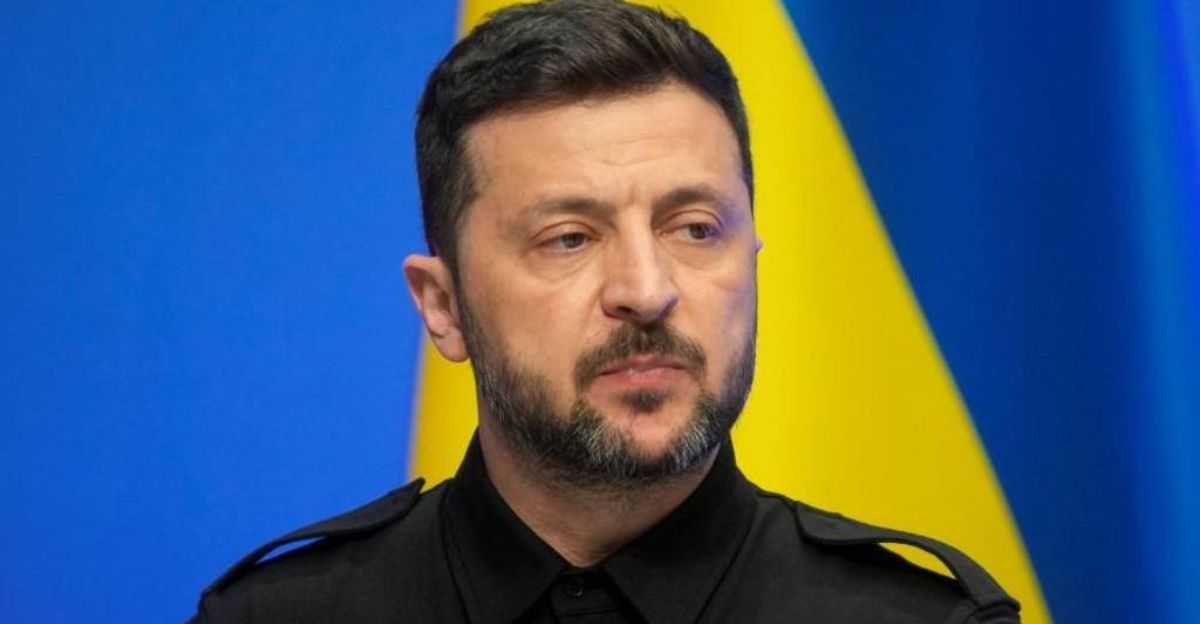
The message from Kyiv after the strike was blunt. In a statement that quickly circulated among regional and international outlets, Ukraine’s General Staff declared, “Any aggression against Ukraine will have inevitable consequences,” underscoring that the target was a military site actively used for attacks, not a symbolic gesture.
Officials framed the operation as firmly rooted in the right to self‑defense under international law, arguing that Russia could not expect to hit Ukrainian territory from safe havens just across the border indefinitely.
American Technology at the Heart of the Strike
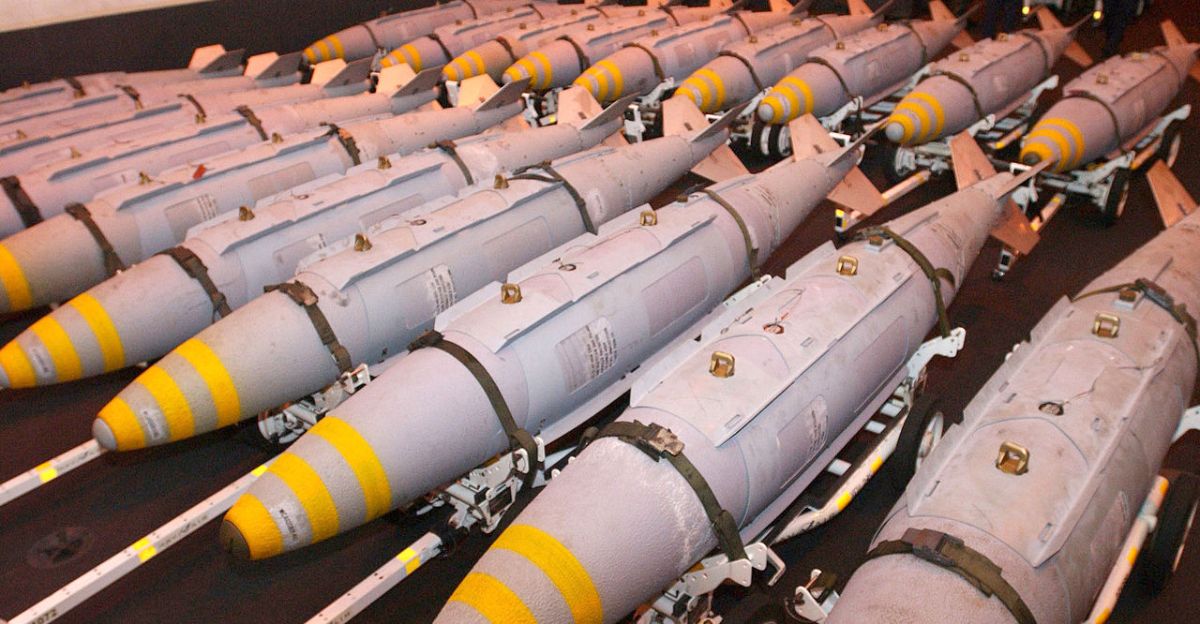
At the core of the operation was JDAM‑ER, a U.S.-developed kit that bolts guidance systems and pop‑out wings onto standard bombs, transforming them into precision weapons that can glide dozens of miles to a target. Washington has acknowledged sending JDAM‑ER kits to Ukraine as part of a wider package of precision aerial munitions, though it has not disclosed every model or weight class involved.
Analysts believe the 1,000‑pound variant used over Kursk combines a Mark 83 bomb body with this American guidance package, highlighting how U.S. technology now underpins some of Ukraine’s most advanced airstrikes even as officials in Washington carefully avoid confirming specific configurations.
Old Soviet Jets, New Smart Bombs
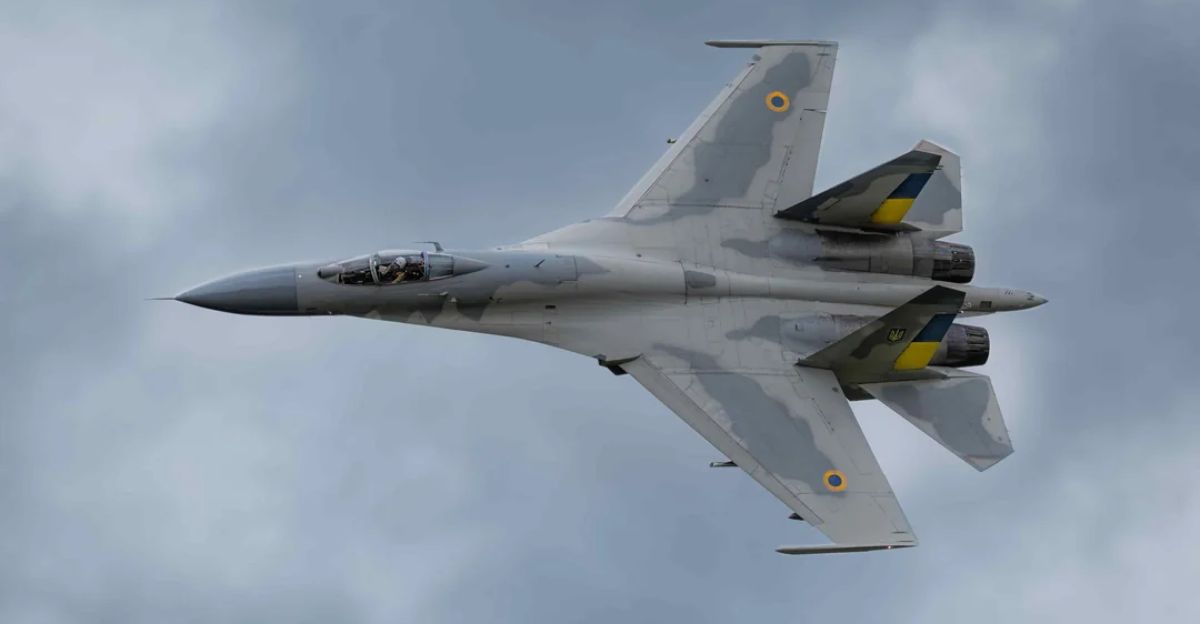
The Kursk mission also showcased how Ukraine is squeezing new life out of aging Soviet‑designed aircraft. Imagery released by Ukraine’s Air Force and examined by specialist sites shows Su‑27 “Flanker” jets carrying the large 1,000‑pound‑class bombs under their wings, evidence of a complex engineering effort to match Western guidance kits with older pylons, avionics, and release systems.
Reports suggest Ukrainian and foreign technicians worked together to adapt the jets for this role, with one defense outlet noting that “Ukraine’s Su‑27s are now launching JDAM‑ER winged bombs too,” placing them alongside previously modified MiG‑29s. The successful strike over Kursk proved those adaptations can deliver modern precision firepower deep into Russian‑controlled airspace.
Satellite Images Show a Shattered Base
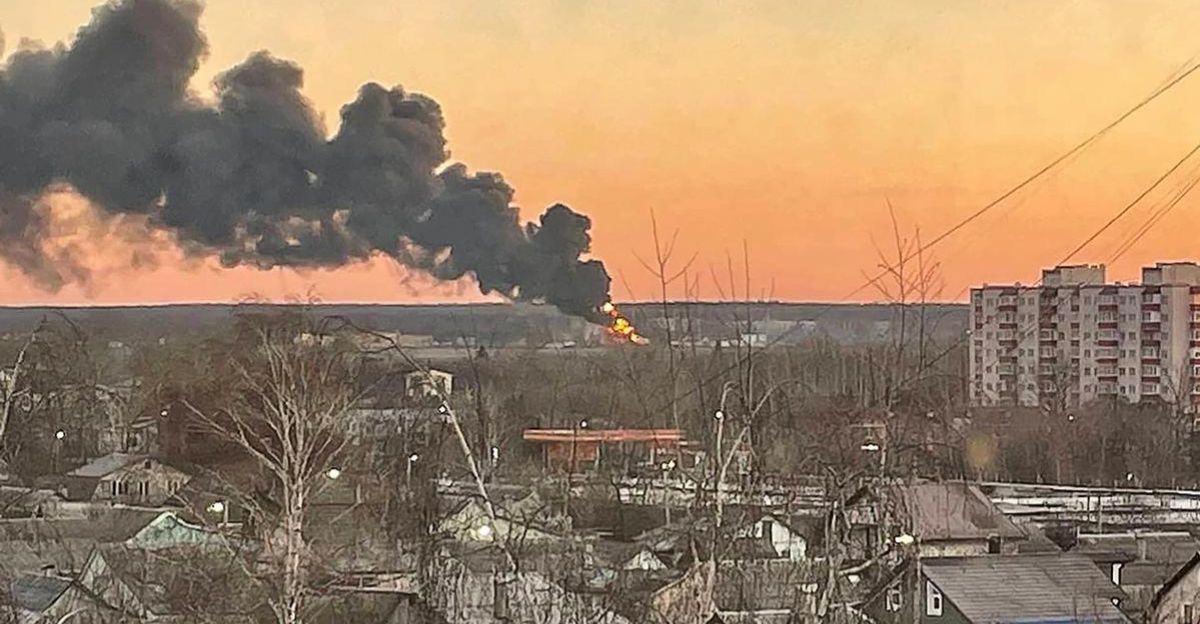
In the days after the attack, open‑source intelligence groups combed satellite imagery to assess what exactly had been destroyed near Yelyzavetivka. Their analysis, later shared by outlets such as United24 Media, showed large sections of the facility burned out or flattened, with multiple impact craters and scorch marks consistent with heavy 1,000‑pound‑class detonations.
Analysts concluded the base was largely knocked out for its previous role as a drone launch site, forcing Russia at least temporarily to halt operations from that location. “The position used to launch drones against Sumy Oblast was destroyed,” one assessment by the Institute for the Study of War noted, citing Ukrainian General Staff reporting.
A Clear Signal of Escalation
Military experts say the use of U.S.-linked precision bombs on Russian territory represents a new phase in the war’s escalation. Until now, most deep attacks inside Russia had relied on Ukrainian‑made drones and missiles, which carried political deniability for Western capitals even as they hit oil facilities and depots.
Employing Western‑guided 1,000‑pound bombs sends a different signal about Ukraine’s range, accuracy, and payload. One defense analyst told a European outlet that the strike “raises the cost for Moscow” by forcing Russia to consider moving more air defenses away from the front to protect rear areas, potentially weakening its offensive options along the main battle lines.
Forcing Russia to Rethink Its Rear Areas

On the Russian side, the loss of a functioning drone hub near the border may have immediate tactical effects. The facility reportedly hosted personnel and equipment from the 60th Separate Motorized Rifle Brigade, which had used it as a convenient staging ground for UAV operations into Sumy.
With the site badly damaged, commanders may be forced to move drone units further from the border or scatter them across smaller, less efficient locations. Such changes could lengthen flight paths, complicate coordination, and expose new sites to Ukrainian reconnaissance and long‑range strikes, gradually eroding Russia’s sense that its rear areas are off‑limits.
Ukraine’s Growing Arsenal Beyond JDAM-ER
The strike in Kursk is only one piece of a broader modernization drive reshaping Ukraine’s long‑range arsenal. In addition to JDAM‑ER, Kyiv has invested in indigenous long‑range drones, adapted Neptune anti‑ship missiles for land targets, and developed low‑cost cruise systems such as Trembita to keep pressure on Russian infrastructure.
Euromaidan Press reports that Ukrainian forces have carried out thousands of deep strikes inside Russia using this mix of systems, hitting oil refineries, ammunition depots, and logistics hubs in an effort to undercut the Kremlin’s war economy and artillery stocks. Western‑supplied precision bombs add another tool to this kit, allowing Ukraine to tailor strikes depending on range, target type, and political risk.
What Washington Isn’t Saying

Despite mounting visual evidence, the Pentagon has not publicly confirmed that 1,000‑pound JDAM‑ER variants are in Ukrainian service or how many might have been supplied. Official statements speak in broader terms about providing precision aerial munitions and JDAM‑ER kits, without specifying bomb sizes or configurations, leaving key details of the program in the shadows.
Analysts are divided on whether this opacity is meant to preserve operational surprise, manage escalation risks with Moscow, or simply reflect the classified nature of arms transfers. What is clear is that neither the U.S. military nor manufacturer Boeing had previously acknowledged a 1,000‑pound JDAM‑ER variant before footage from Ukraine forced the issue into the open.
A Conflict Edging into a New Phase
As both armies adapt, the Kursk strike highlights how the war is evolving beyond the front‑line trenches into a contest over depth, reach, and perceived red lines. If Ukraine continues to use 1,000‑pound, U.S.-linked precision bombs against targets on Russian soil, the Kremlin will have to decide whether to escalate, divert more defenses to the rear, or absorb the blows while pressing its offensive in Ukraine.
Kyiv, for its part, insists that future strikes will follow the same logic as Yelyzavetivka: punishing any aggression against Ukraine wherever it originates. The coming months will reveal whether such operations redraw the map of the war by pushing the effective front deeper into Russia, or whether they become another grim, normalized feature of a conflict with no clear end in sight.
Sources:
Euromaidan Press, Ukraine becomes first to use 1000-pound JDAM-ER guided bombs, 3 February 2025
The War Zone, JDAM-ER Winged Bombs With Seekers That Home In On GPS Jammers Headed To Ukraine, 2 May 2024
U.S. Department of Defense, Precision Aerial Munitions for Ukraine (JDAM-ER announcement within $1.85 billion aid package), 3 March 2023
TurDef, Ukraine Admits Using US-supplied JDAM-ER Bombs, 2023
Jamestown Foundation, Ukraine Clears Up Airspace With Modernized Munitions, 16 July 2025