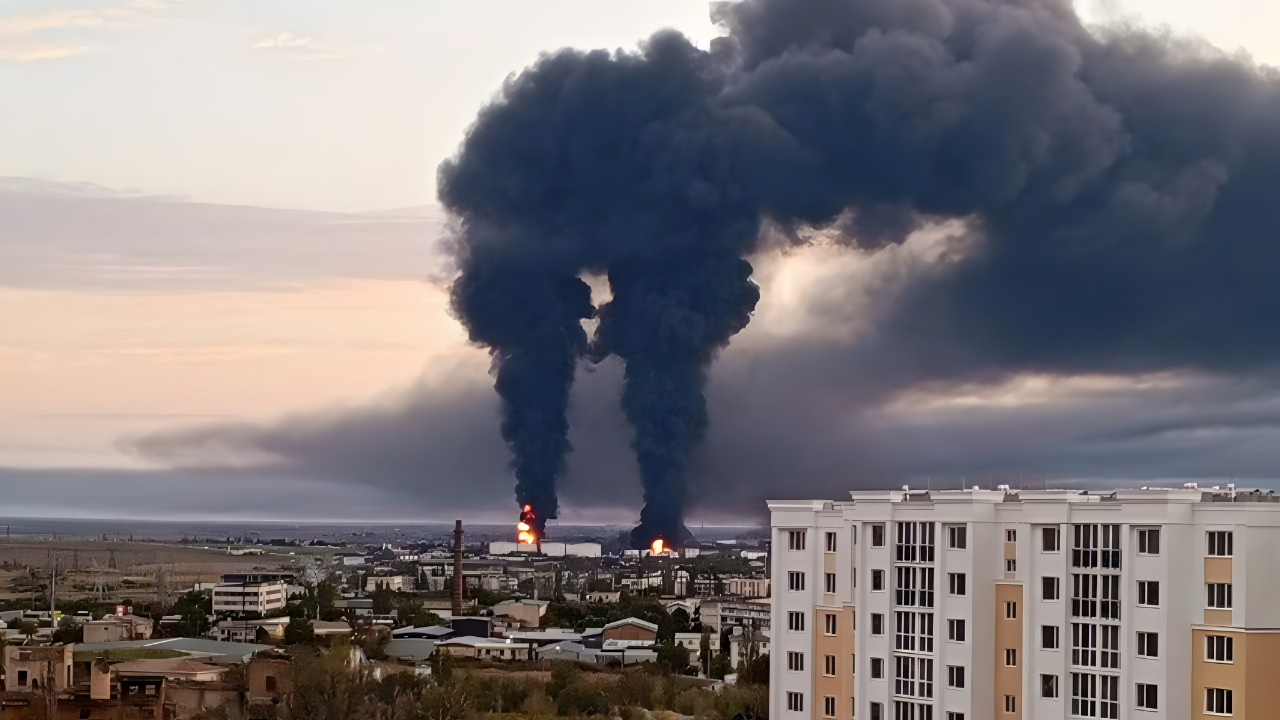
Ukrainian long-range drones struck four strategic Russian energy and military targets overnight on December 17–18, 2025, marking another escalation in Kyiv’s deep-strike campaign.
The attacks hit the Slavyansky oil refinery in Krasnodar region, the Nikolayevskaya oil base in Rostov, the river vessel Kapitan Gibert, and a field artillery depot in occupied Luhansk. Explosions and fires were reported, with three people killed at Rostov-on-Don port, underscoring the growing reach and impact of Ukrainian strikes.
Deep Strikes Reach Far From Front Lines
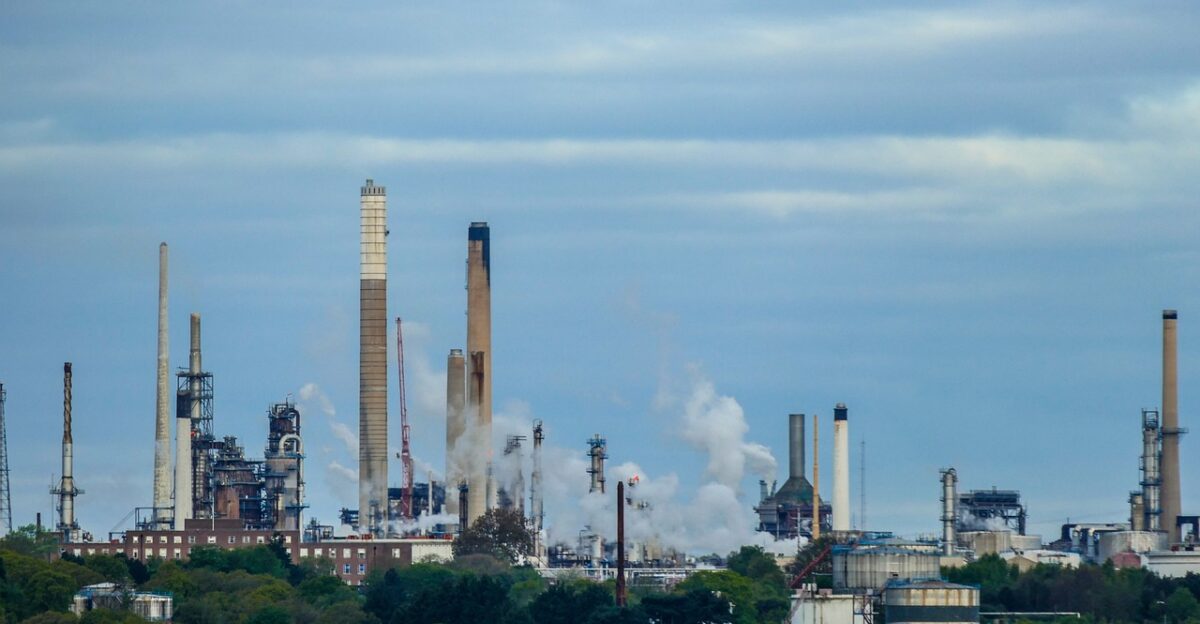
The targeted sites lie hundreds of kilometers from active front lines, highlighting Ukraine’s expanding long-range drone capability. Rostov and Krasnodar regions have long been considered relatively secure logistical hubs for Russia’s war effort.
By striking deep inside these areas, Ukraine continues to challenge Russian air defenses and demonstrate its ability to disrupt critical infrastructure well beyond the battlefield, reinforcing that Russia’s interior is no longer insulated from the conflict.
Slavyansky Refinery Set Ablaze
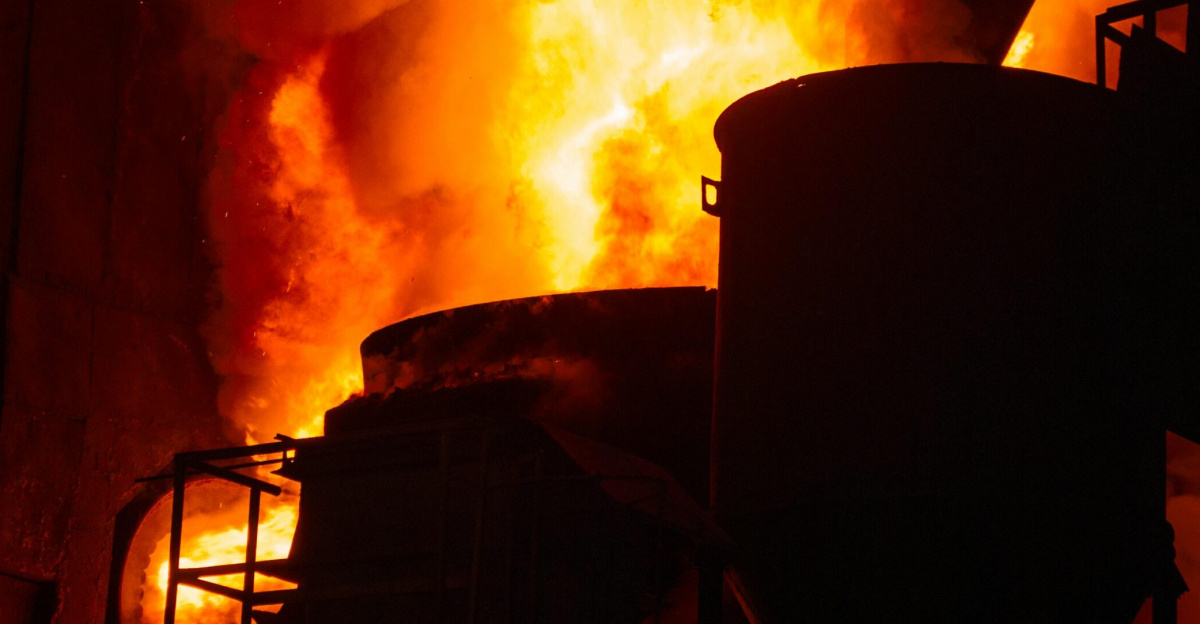
One of the most significant targets was the Slavyansky oil refinery in Slavyansk-na-Kubani, which processes roughly 5.2 million tons of crude oil and condensate annually.
Ukrainian military officials reported explosions and a fire at the site following the drone strike. While the full extent of damage is still being assessed, any prolonged disruption at Slavyansky threatens fuel supplies used by both civilian markets and Russia’s military logistics network.
Annual Revenue at Risk

Based on its processing capacity, the Slavyansky refinery represents hundreds of millions of dollars in annual revenue, with estimates ranging from roughly $260 million to $520 million depending on oil prices and output.
Even partial downtime could significantly reduce fuel availability and cash flow. The strike places financial pressure on Russia’s energy sector at a time when oil revenues remain central to funding ongoing military operations.
Rostov Oil Base and Vessel Hit
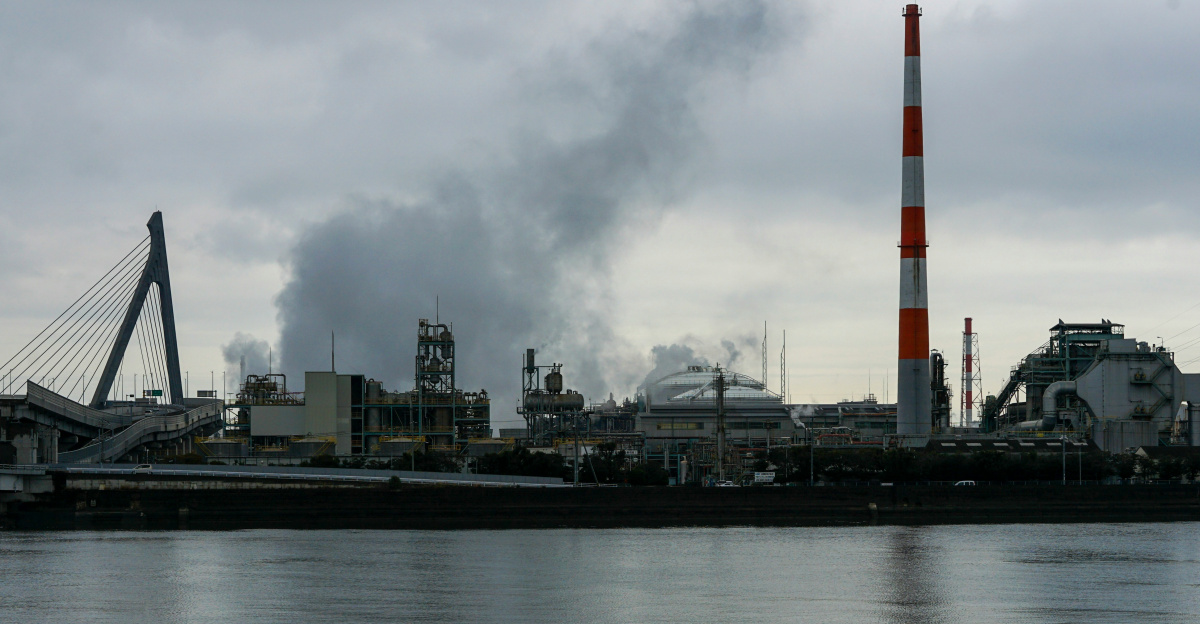
In Rostov region, drones struck the Nikolayevskaya oil base and damaged the river vessel Kapitan Gibert, which was moored nearby.
The vessel caught fire following the impact. Local officials confirmed that operations at the oil base were halted as emergency crews responded. The attack disrupted fuel handling and river transport along a key inland logistics route feeding southern Russian regions and occupied territories.
Fatalities at Rostov-on-Don Port
The strike at Rostov-on-Don port resulted in three fatalities, including two crew members from the Kapitan Gibert.
Several others were reportedly injured. Fires burned at the port, forcing temporary shutdowns of operations. Despite the severity of the incident, local authorities stated that no petroleum products spilled into the water, avoiding immediate environmental damage while underscoring the human cost of the attack.
No Major Oil Spill Confirmed
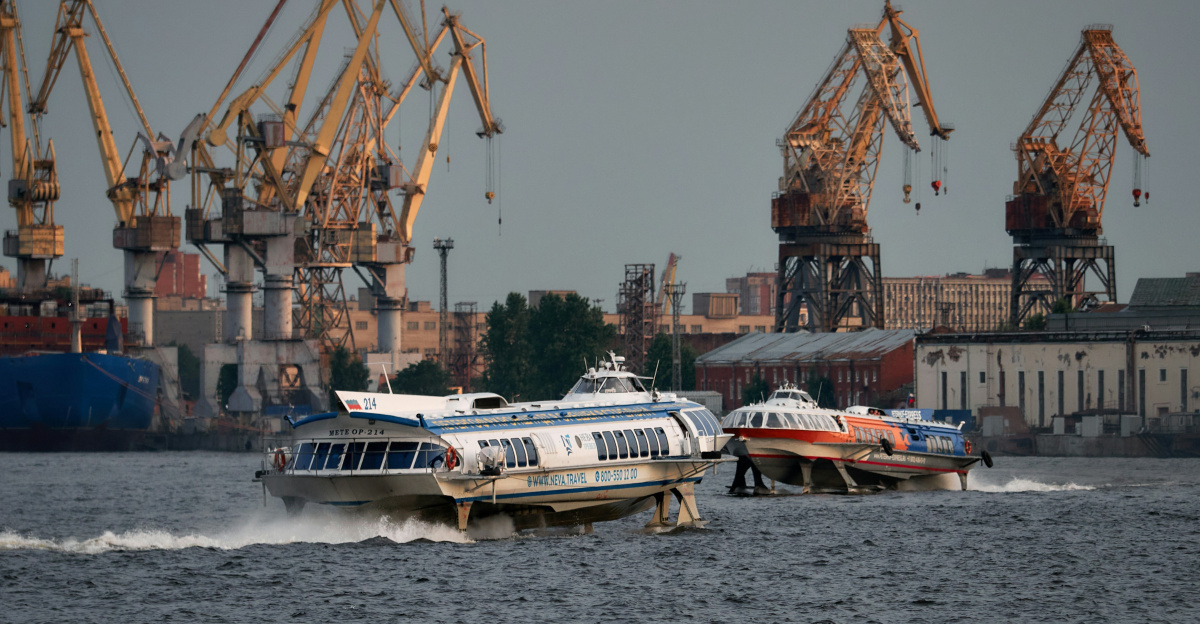
Officials in Rostov confirmed that the fire aboard the river vessel did not result in an oil spill. Containment measures and rapid response prevented fuel from leaking into surrounding waterways.
While this reduced ecological risks, the incident still disrupted port activity and highlighted the vulnerability of fuel transport infrastructure concentrated along rivers and ports critical to Russia’s internal supply chains.
Artillery Depot in Luhansk Struck
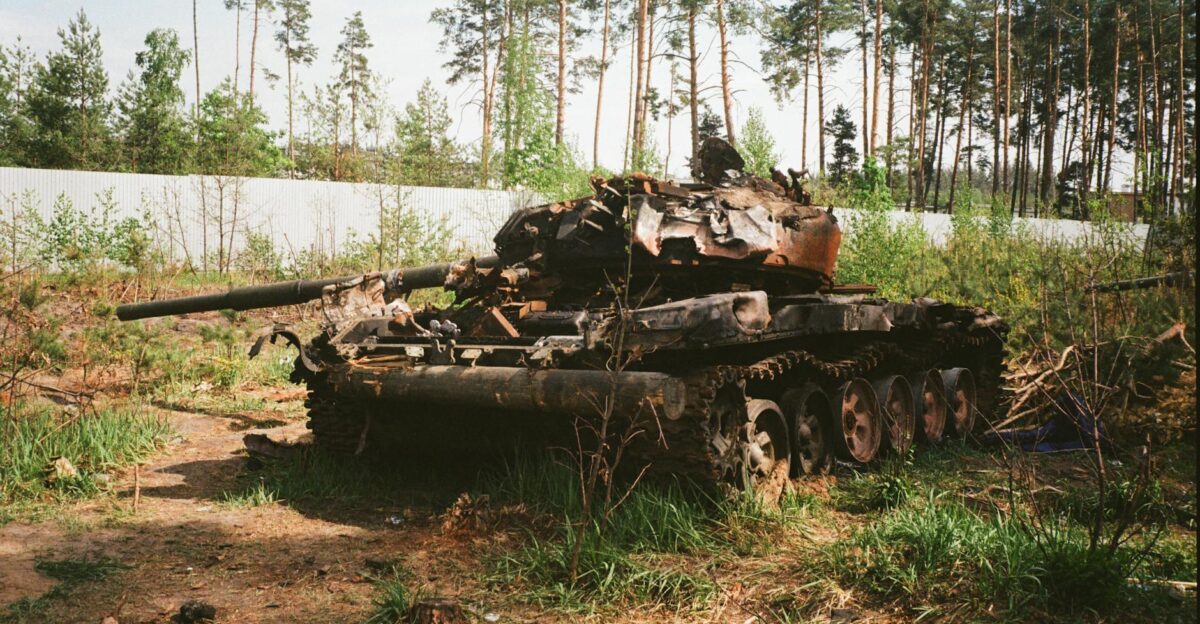
Beyond energy targets, Ukrainian drones also struck a field artillery depot in the Luhansk region, reportedly linked to Russia’s 101st Logistics Brigade.
The depot supplied ammunition and equipment to frontline units. Its destruction or damage is likely to complicate resupply efforts and slow artillery operations, reinforcing Ukraine’s strategy of pairing energy strikes with attacks on military logistics nodes.
Pressure on Military Fuel Supplies

By combining refinery, depot, and transport strikes, Ukraine aims to strain Russia’s ability to move fuel and ammunition efficiently.
Damage to the Slavyansky refinery and Rostov fuel infrastructure could reduce supplies available for military units operating in southern and eastern Ukraine. These attacks reflect a broader effort to degrade the logistical backbone supporting Russian combat operations.
Shadow Fleet Under Growing Threat
The overnight strikes follow a series of Ukrainian attacks since November 2025 on oil infrastructure and vessels linked to Russia’s so-called shadow fleet. These older, often poorly insured ships are used to move oil under sanctions.
Targeting river vessels and oil bases adds another layer of pressure, signaling that not only seaborne exports but also inland fuel transport routes are increasingly at risk.
Russian Air Defense Claims
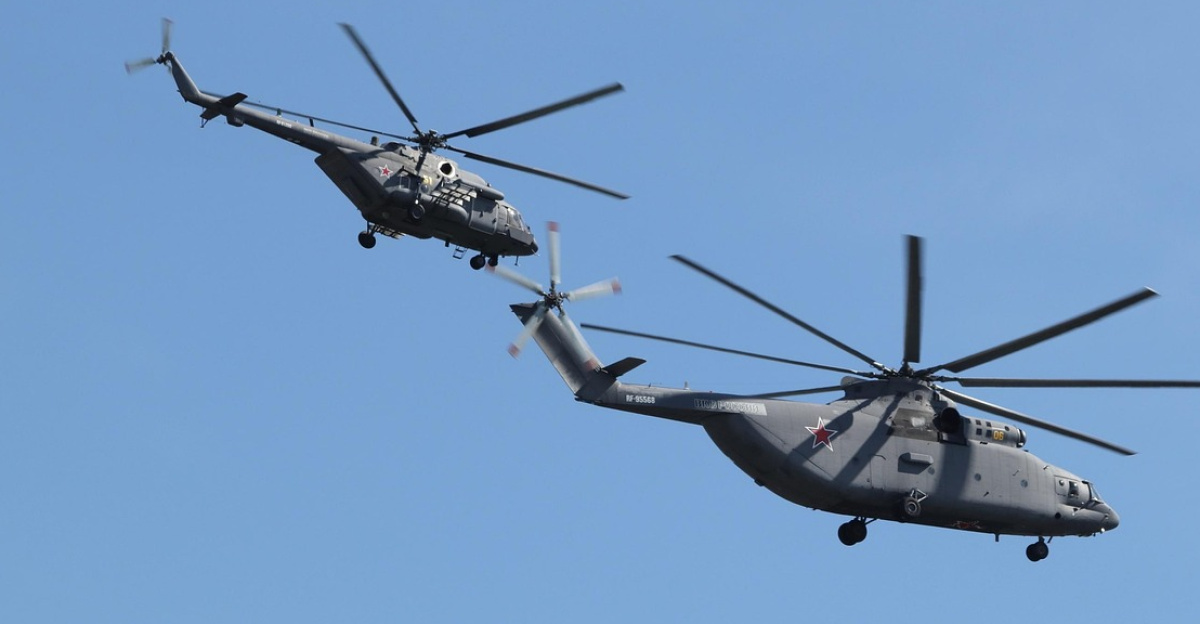
Russia’s Ministry of Defense stated that its air defenses shot down three Ukrainian drones over Rostov region during the night.
Despite these claims, multiple targets were still hit, and fires broke out at key sites. The discrepancy highlights ongoing questions about the effectiveness of Russian air defenses in protecting widely dispersed energy and logistics infrastructure from low-cost, long-range drones.
Ongoing Damage Assessments
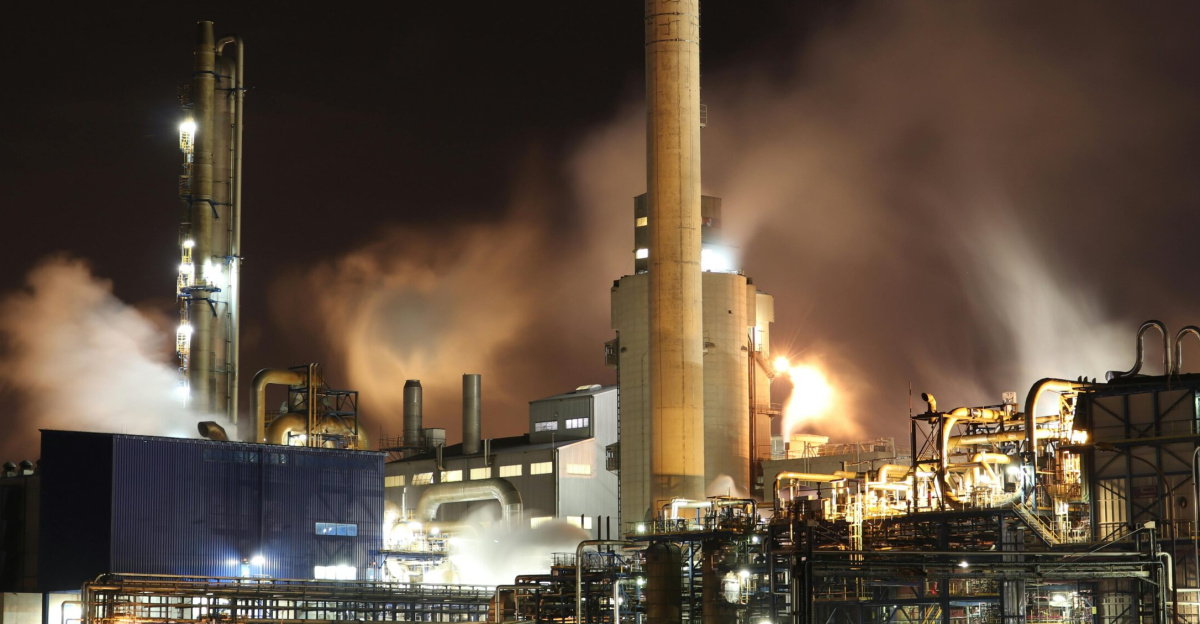
Operators at the Slavyansky refinery and Nikolayevskaya oil base continue to assess structural damage and operational losses.
Repairs could take weeks or longer, depending on the severity of hits to processing units, storage tanks, and supporting systems. Any extended shutdown would compound existing strains on regional fuel distribution and require rerouting supplies from other refineries.
Market and Supply Implications

While global oil markets may absorb limited disruptions, repeated strikes raise concerns about sustained reductions in Russian refining output.
Regional fuel shortages are a growing risk, particularly during winter. Alternative suppliers may need to fill gaps if Russian facilities remain offline, potentially increasing costs and logistical complexity within Russia’s domestic energy system.
Winter Adds Strategic Pressure

The timing of the strikes, as winter sets in, amplifies their impact. Fuel demand typically rises for heating, transport, and military operations.
Any interruption to refining or distribution during colder months increases pressure on authorities to prioritize resources, potentially forcing difficult trade-offs between civilian needs and sustaining the war effort.
Deep-Strike Campaign Intensifies

The December 17–18 overnight assault underscores the intensification of Ukraine’s deep-strike campaign against Russian energy and logistics infrastructure.
By hitting four strategic targets in a single night, Kyiv demonstrated growing coordination and reach. As these operations continue, Russia faces mounting challenges protecting its fuel supply chain and maintaining uninterrupted support for its military operations.
Sources:
- UA News, General Staff confirms strikes on the Slavyansk Oil Refinery
- Agroreview, Ukrainian Defense Forces Strike Sloviansk Oil Refinery and Other Targets
- Bloomberg, Ukraine Carries Out Record Attacks on Russia Oil Infrastructure
- Evrimagaci, Ukrainian Drones Hit Russian Oil Refineries And Caspian Rigs
- USM Media, Defense forces attacked an oil depot and a river vessel in the Rostov region
- UNN, General Staff confirms damage to Slavyansk oil refinery in Russia and other occupation facilities