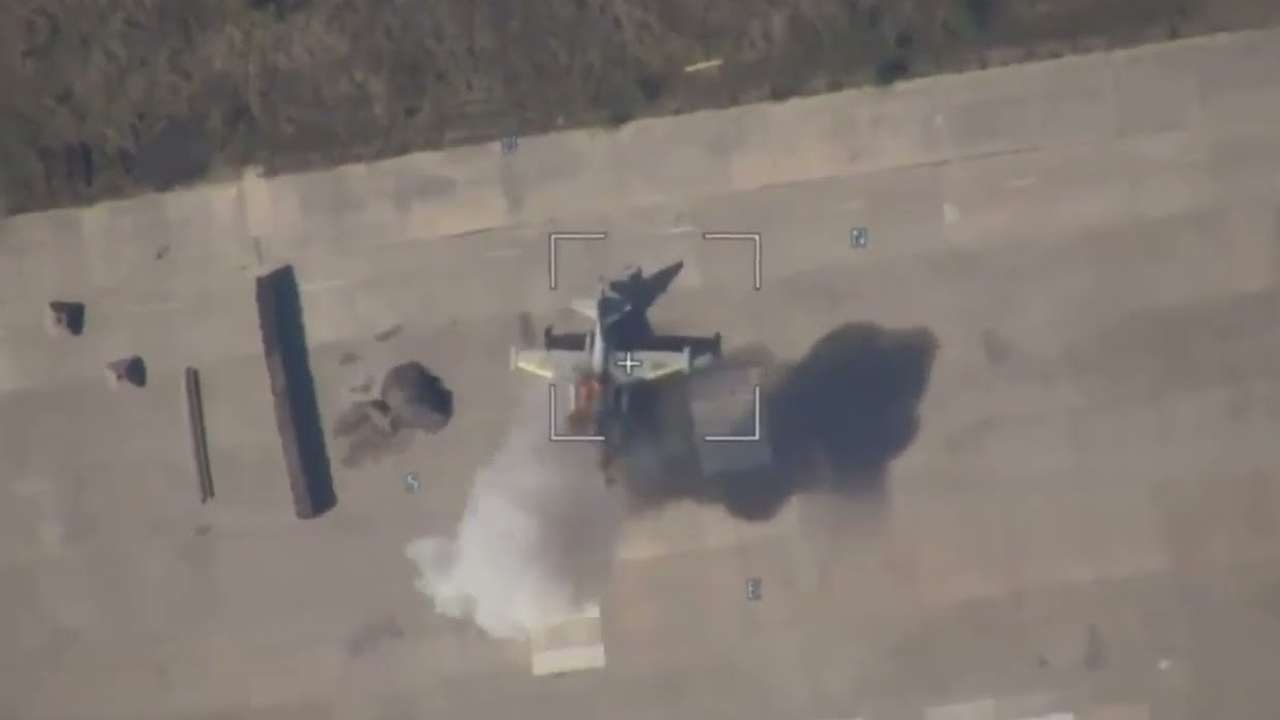
On November 27, 2025, a significant event unfolded deep in Crimea, marking a pivotal moment in the ongoing conflict between Ukraine and Russia. Reports indicate that Ukraine’s military successfully targeted the Saky airfield, a central hub for Russia’s airfield-based reconnaissance operations. This strike raises critical questions about the future of Russian military capabilities in the Black Sea region.
With advanced surveillance assets now apparently neutralized, it is uncertain whether Russian military leaders can maintain effective situational awareness against Ukrainian advancements. As the situation continues to evolve, the implications of this event resonate beyond the battlefield.
The Rise of Drone Warfare
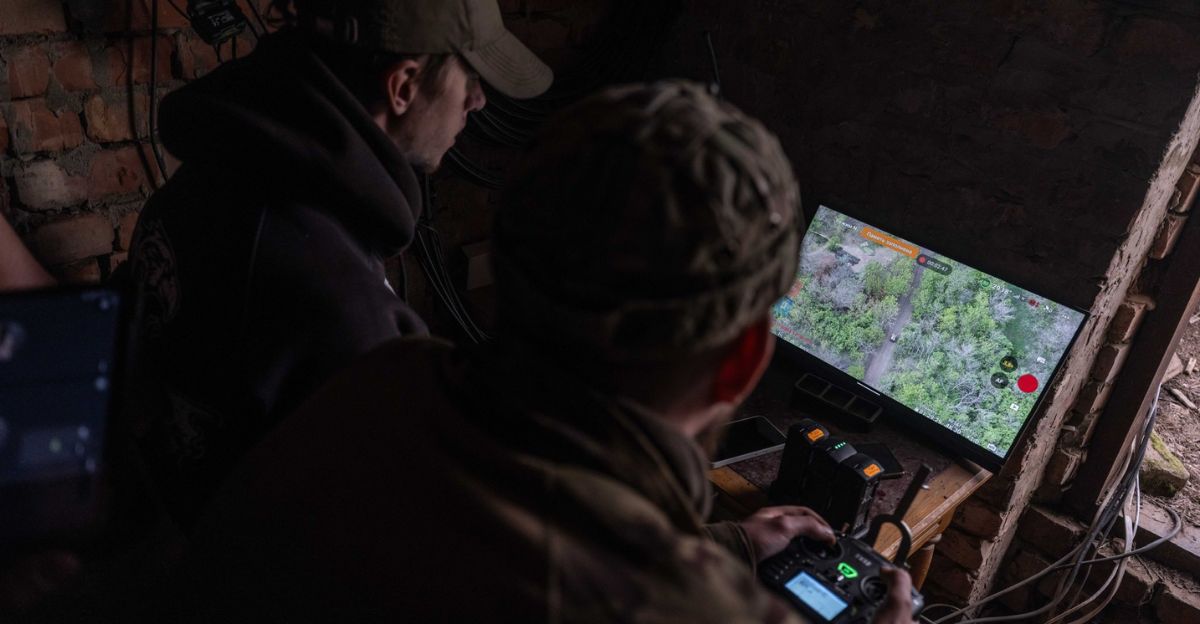
Ukraine’s military strategy has transformed dramatically over the course of 2025, particularly with drone warfare taking center stage. Conducting strikes deep into Russian territory, Ukraine has demonstrated its growing capability to challenge Russian naval dominance in the Black Sea.
Sea-based drones have compelled Russian ships to stay within a limited safety range, reshaping naval engagements. Meanwhile, air-based drones have transitioned from tactical tools to formidable strategic assets, extending their impact hundreds of kilometers beyond the coastline. This evolution in drone usage signals a significant shift in operational dynamics, as traditional military paradigms are coming under unprecedented pressure.
The Importance of Saky Airfield
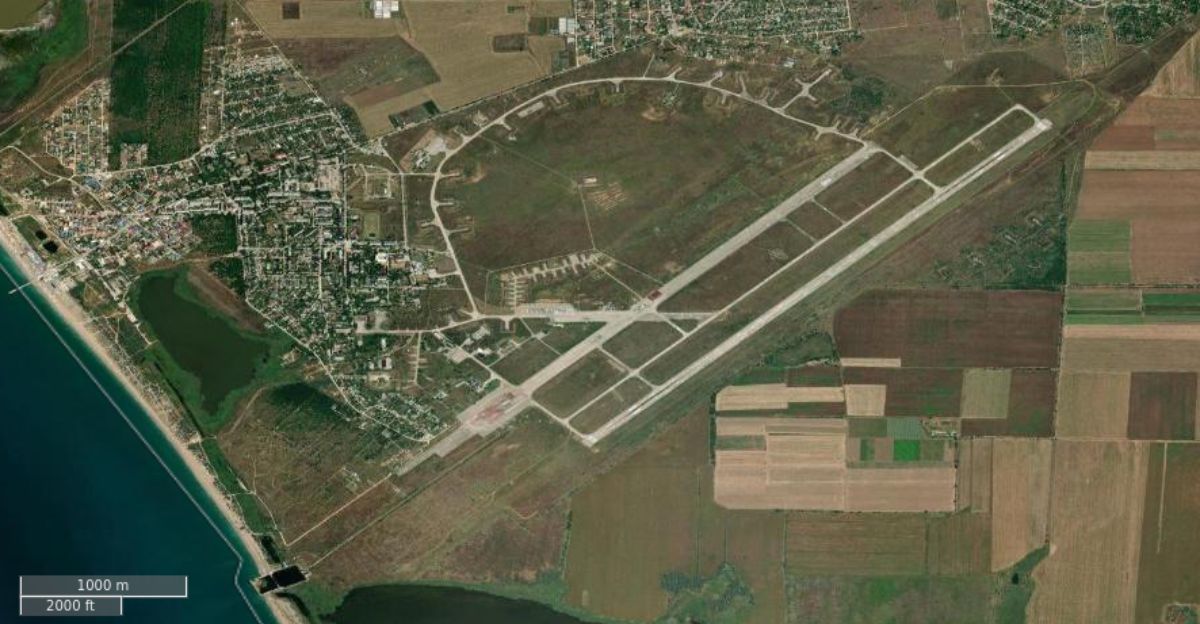
Saky airfield is not just another military installation; it is the epicenter of Russia’s Black Sea operations. Hosting a variety of assets, including fighter jets and reconnaissance drones, Saky plays a crucial role in coordinating strikes against Ukraine while protecting vital shipping lanes.
Ukraine’s previous attacks on this airfield have inflicted considerable financial damage, destroying multiple fighter jets valued at tens of millions of dollars each. The vulnerability of this strategic airbase highlights a significant gap in Russia’s air defense, suggesting that Ukrainian forces can reach targets previously deemed safe from their operational scope.
The Pressure on Russia’s Drone Fleet
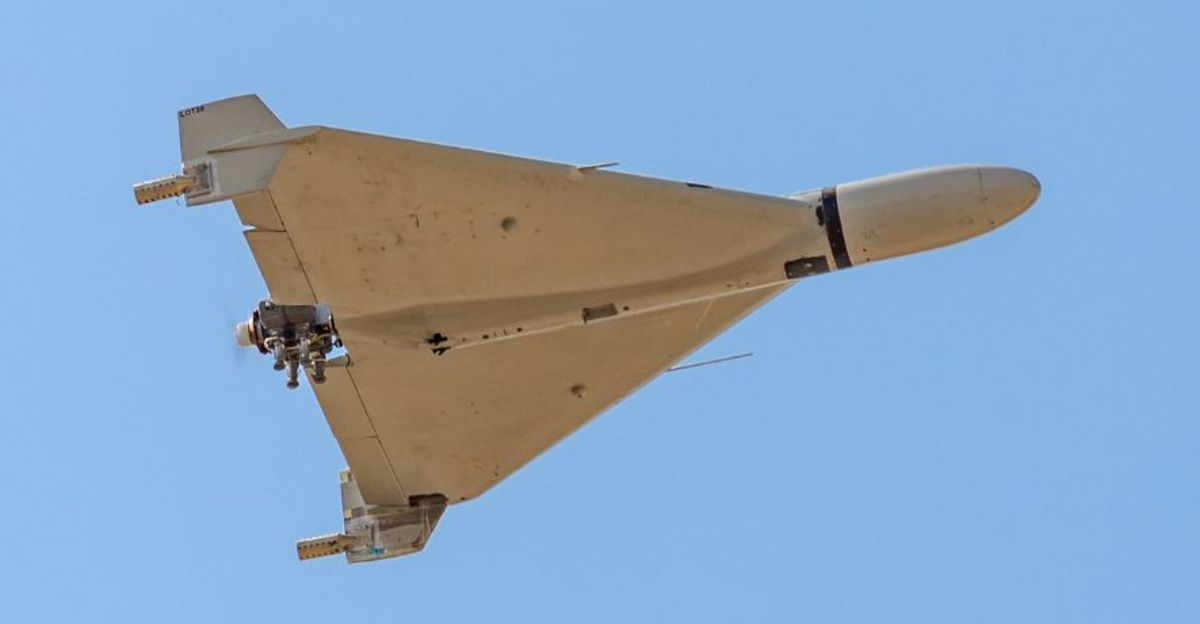
Throughout 2025, Russia’s drone capabilities have come under increasing scrutiny and pressure. Ukrainian military intelligence reports that Russia aims to produce approximately 1,850 drones per month, primarily low-cost, expendable types intended for wear and tear.
However, the advanced reconnaissance drones, such as the Orion, remain limited in both quantity and capability. The Orion stands out as Russia’s primary surveillance UAV, essential for gathering intelligence on Ukrainian forces and NATO operations. The destruction of even a few units could lead to a significant decrease in Russia’s ability to monitor battlefield conditions.
The Confirmed Strike
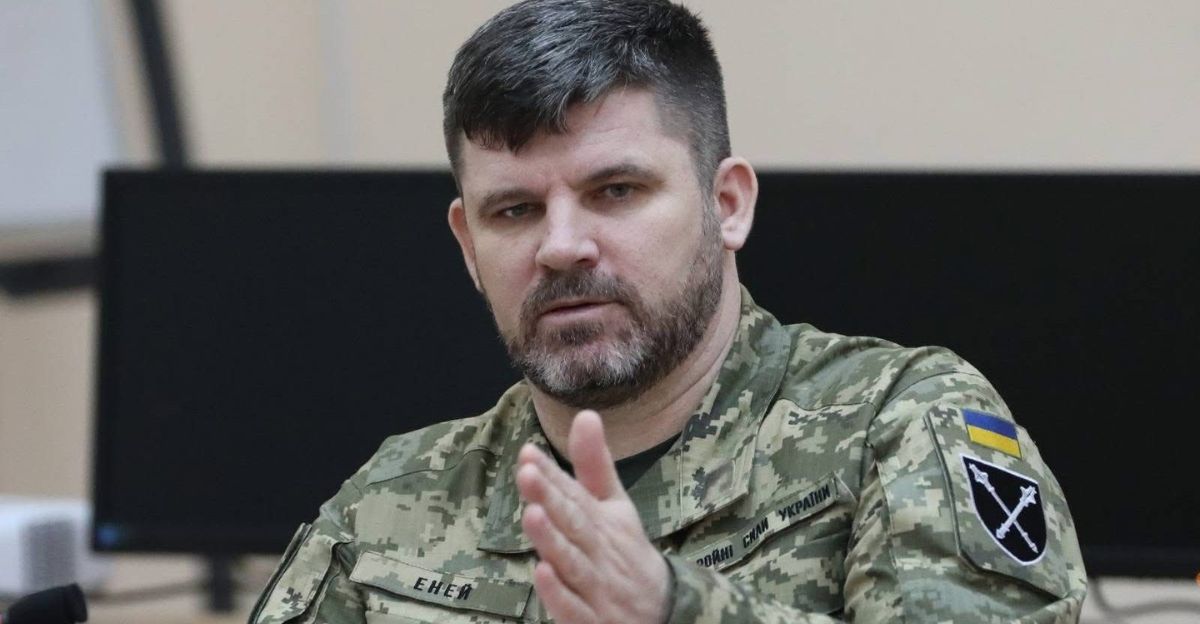
Confirming the success of their operation, the General Staff of the Armed Forces of Ukraine reported on December 3 that three Orion reconnaissance drones were destroyed in the strike on Saky airfield. Each drone, valued at approximately $5 million, plays a critical role in extending Russia’s reconnaissance capabilities.
With a wingspan of 16.3 meters and the ability to conduct 24-hour surveillance and strike missions, the loss amounted to $15 million in operational capability for Russia. This strike represents not just a quantifiable financial loss but a significant blow to Russia’s overall military intelligence framework.
Understanding the Orion
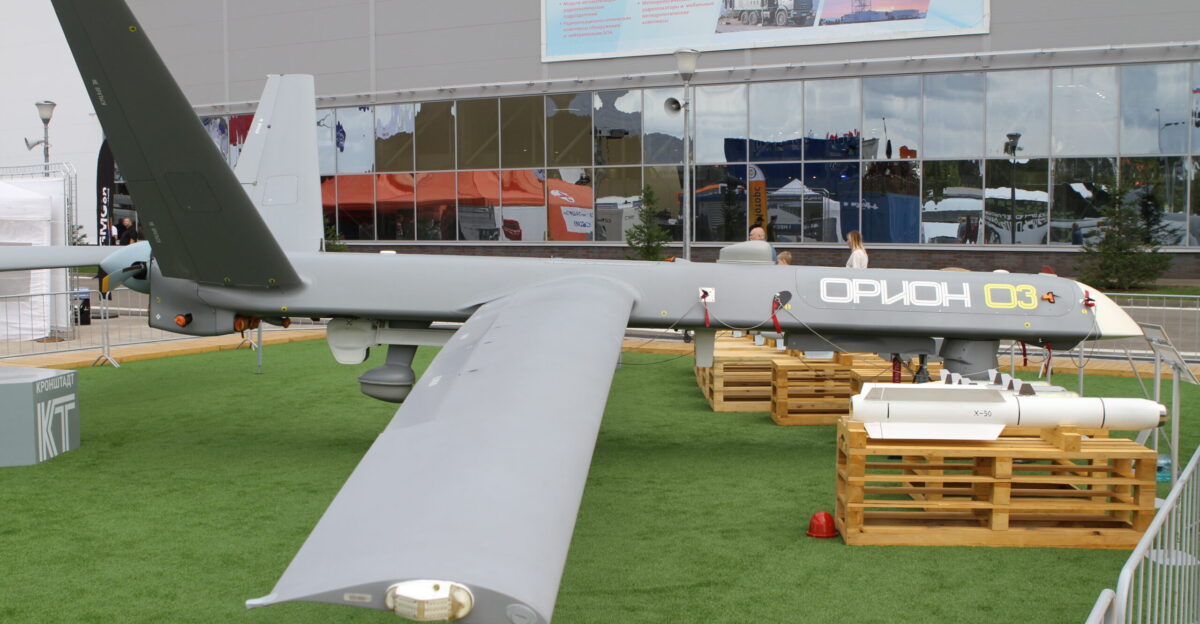
The Orion drone is hailed as Russia’s flagship reconnaissance and attack UAV, pivotal to its modern military operations. Defined by its advanced surveillance and precision strike capabilities, the Orion stands apart from other drone technology, integrating Russian design and manufacturing expertise.
Capable of extended flight times, the Orion enhances Russia’s operational reach across various theaters, extending its people’s sense of security. As such, the strike at Saky airfield not only represents hardware losses but also impacts Russia’s national pride and claims of technological self-sufficiency, amplifying the repercussions of this military engagement.
The Human Cost of Strikes
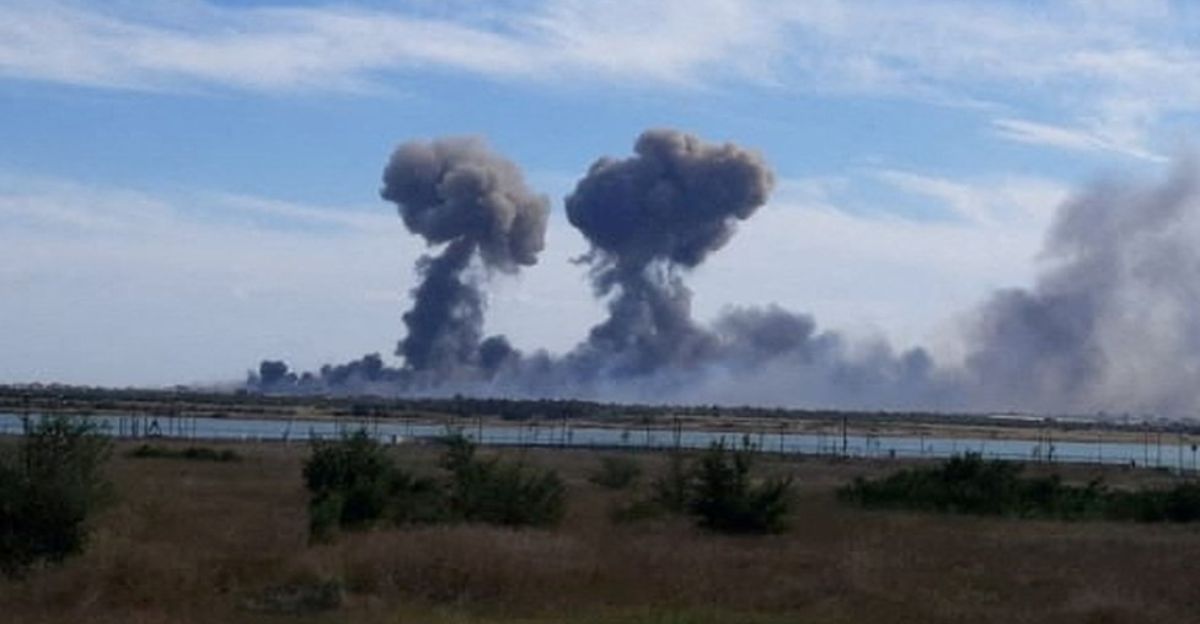
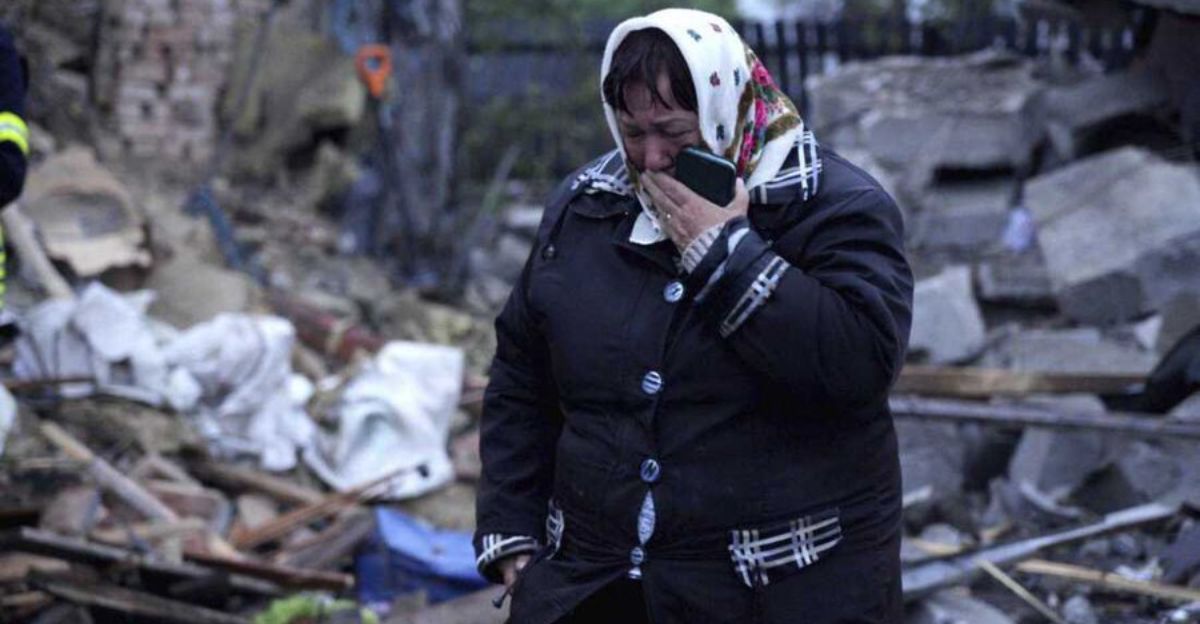
The ramifications of the strike extend beyond hardware loss, hitting the heart of the personnel involved. Ukraine’s General Staff reported not only the destruction of drones but also casualties among Russian forces stationed at Saky airfield, underscoring the human cost of the conflict. “Every strike affects families and communities, not just military assets,” noted an analyst.
The complexities of modern warfare go beyond equipment; lives are intertwined with each engagement. As the conflict continues, the toll is felt deeply among those who hear the news and those directly involved in the firefight.
Psychological Warfare
The psychological ramifications of drone strikes play a crucial role in the ongoing conflict. With Russia’s recognized reputation for military prowess taking a hit, the Ukrainian strikes send a powerful message to both soldiers and civilians. This shift in perception can lead to a decrease in morale among Russian forces and may also have collateral effects on public sentiment.
“We understand the power of perception,” said a military strategist. “When we prove that no place is out of reach, it amplifies the uncertainty that hovers over the enemy.” This strategic psychological angle is as vital as physical military engagements.
International Reactions and Impacts
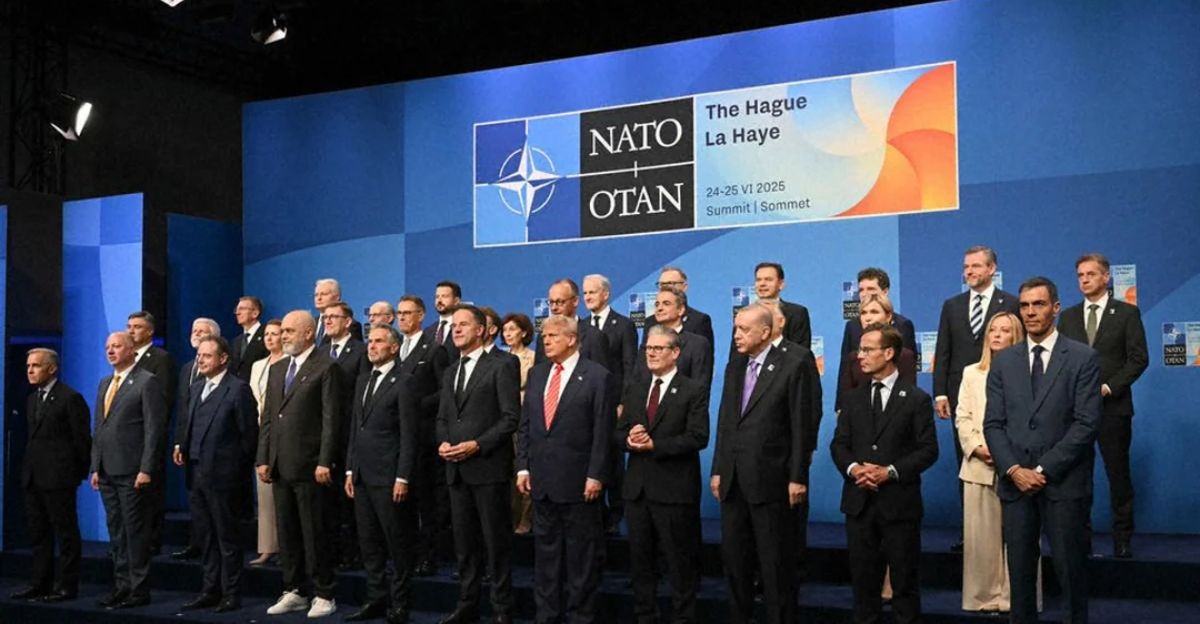
In the wake of the strike on Saky airfield, international observers have closely monitored developments in the region. The U.S. and NATO allies view Ukraine’s growing capabilities as a significant counterbalance to Russian aggression. This shift may prompt a reevaluation of support strategies among Western nations.
“Ukraine has evolved from a defensive to an offensive strategy,” remarked a NATO spokesperson. “It presents new challenges for Russia and indicates a potential shift in the balance of power.” The international community remains engaged, stressing the need for a multifaceted approach to resolve the conflict.
Future Implications
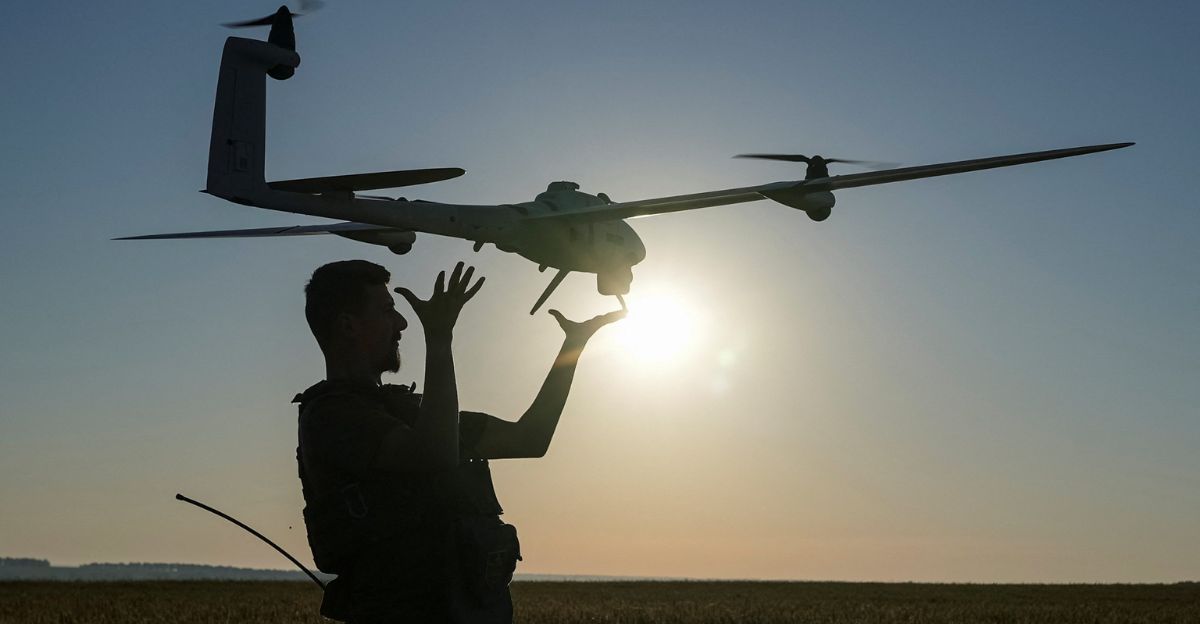
The future of aerial and naval warfare in the region now appears to pivot on UAV dynamics. Ukraine’s ability to target key Russian assets effectively could lead to a recalibration in how both nations implement their respective military strategies.
The destruction of high-value assets serves as a wake-up call for Moscow, which must reconsider its operational planning amid increasing Ukrainian advancements. Analysts suggest, “These changes will not just impact the conflict today but could reshape military doctrines in the region for generations to come.” The landscape of warfare is on the brink of transformation.
The Ongoing Arms Race
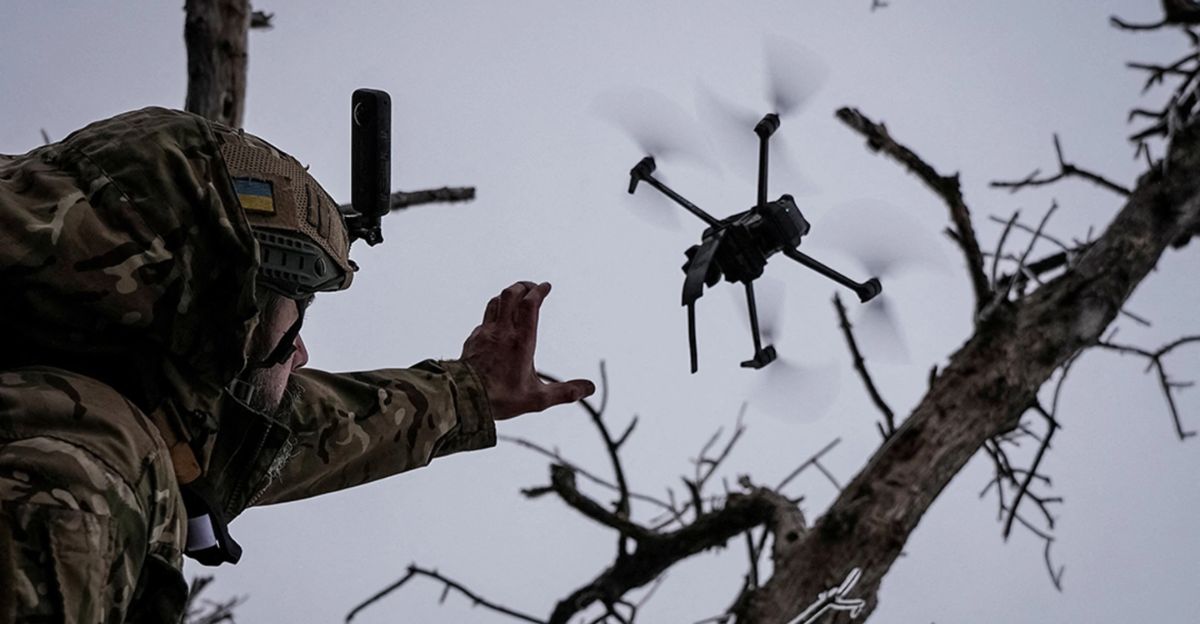
As drone warfare escalates, an arms race is unfolding between Ukraine and Russia. Ukraine’s ability to leverage advanced technology in its combat forces prompts Russia to rethink its own production strategies. Reports indicate investments into new drone systems and weapons, showcasing both urgency and determination within the Russian military.
Such developments are crucial as both countries seek to reclaim lost ground or maintain control over their territories. As an analyst remarked, “In conflict, technology is a game changer, and we are witnessing a critical moment in that ongoing arms race.”
The Role of Allied Intelligence
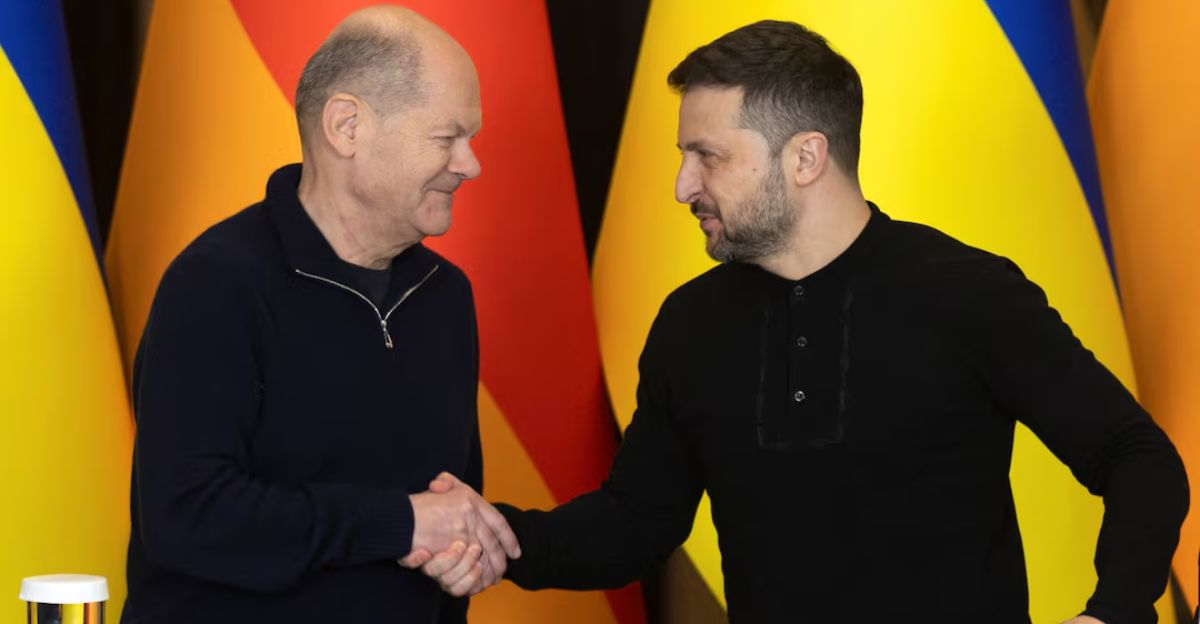
Intelligence-sharing among Ukraine’s allies continues to play a significant role in enhancing operational capabilities. Western nations are providing critical reconnaissance data, enabling Ukrainian forces to plan and execute strikes more effectively. This collaboration represents a unified effort against Russian aggression, demonstrating the power of international partnerships.
“With support from our allies, we are better prepared,” noted a Ukrainian military officer. This alliance not only strengthens Ukraine’s defensive capabilities but also emphasizes the geopolitical ramifications of drone warfare and its unfolding narrative in this conflict.
Resilience in Conflict
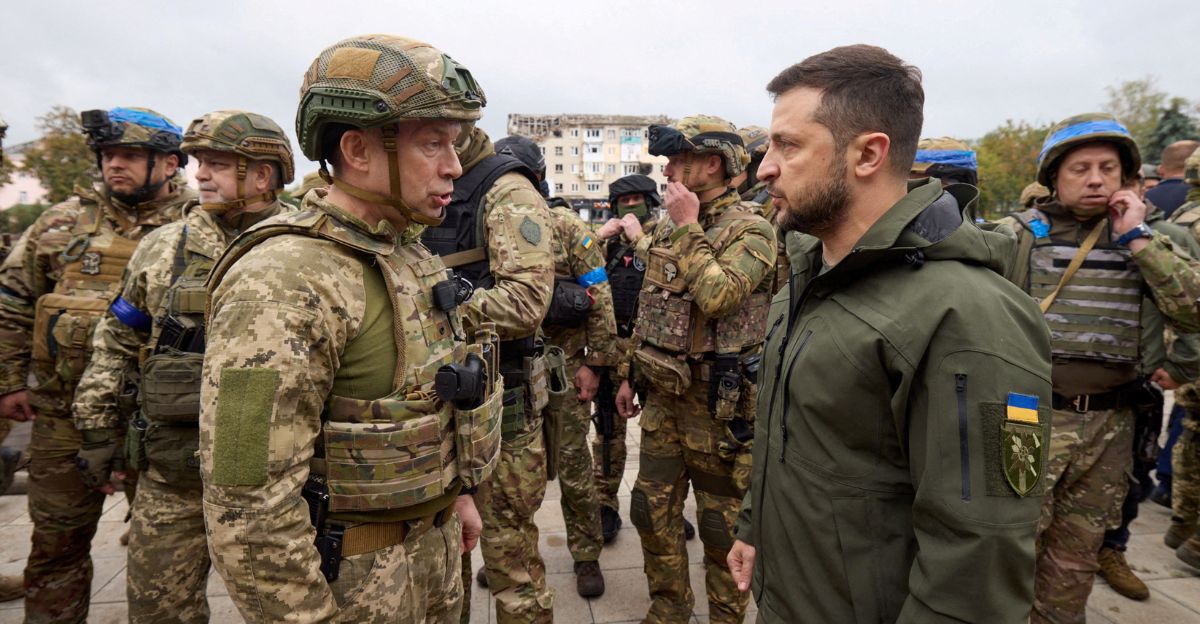
Despite the challenges of battle, the resilience displayed by Ukrainian forces underscores a broader narrative of determination and adaptability. Each successful strike refreshes the troops’ spirits and uplifts civilian morale. Soldiers express a renewed sense of purpose following significant operational achievements, which reminds the world of the human element embedded within military engagements.
“We fight for our homes and loved ones,” a soldier stated passionately. The spirit of the Ukrainian people is evident in every operation, where victory is intertwined with a collective hope for peace.
A Precautionary Note
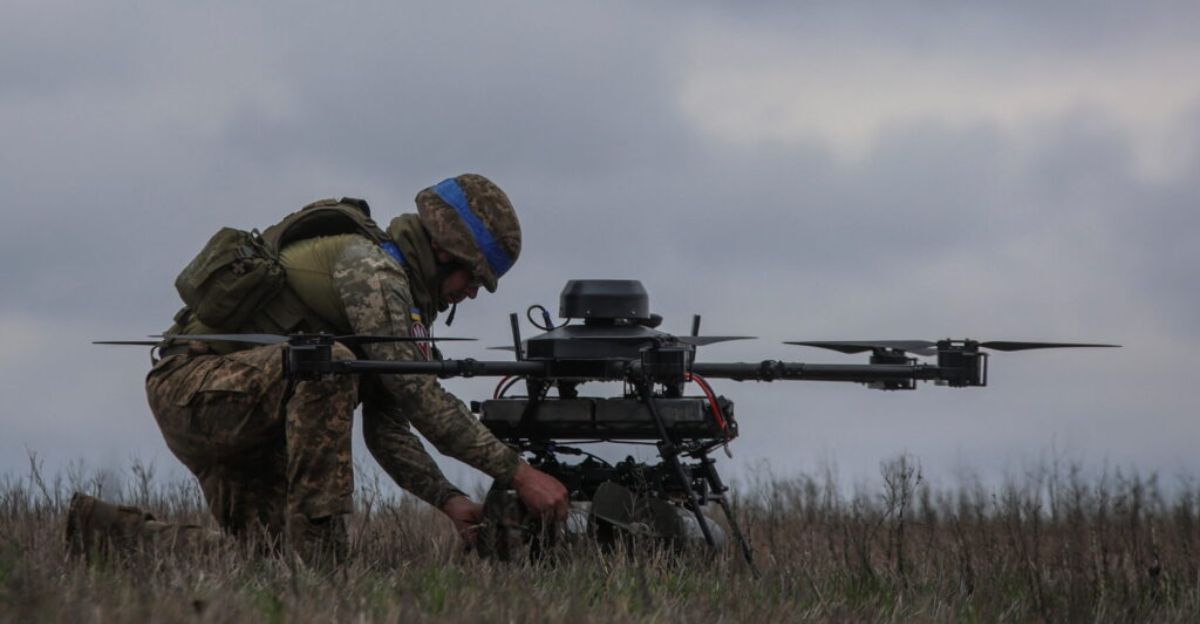
As the conflict unfolds, the international ramifications and military changes are significant. The effectiveness of drone warfare is transforming battlefield strategies and operational benchmarks for future engagements.
In this technologically driven era, the reliance on UAV technology signifies a new age of warfare that nations are grappling to understand. Understanding the shifting tides of power, as seen through events at the Saky airfield, reminds all involved that the stakes remain high, influencing military doctrines and geopolitical relationships for years to come.
Final Thoughts and Future Perspectives
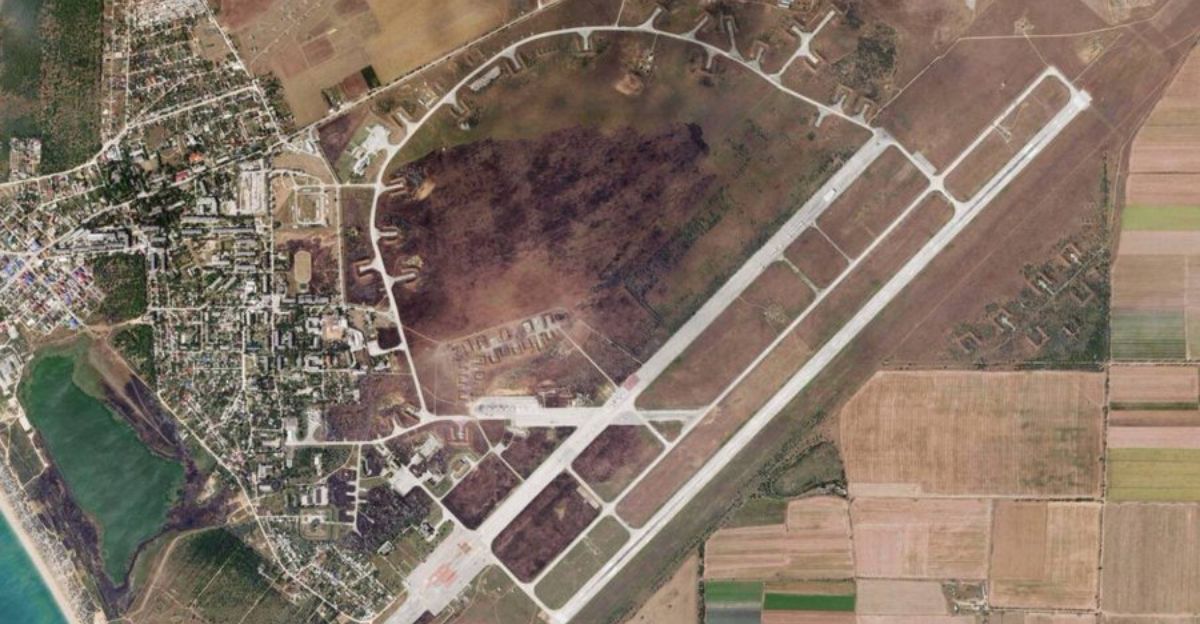
The strike at Saky airfield highlights a crucial development in the dynamic conflict between Ukraine and Russia. With $15 million worth of advanced reconnaissance drones destroyed, the balance of power shifts at least temporarily.
As both nations grapple with their military strategies, the implications of evolving technology will influence future engagements. The narrative of drone warfare exemplifies how modern conflict can radically reshape traditional military operations. In a surprising twist, the ongoing war could redefine not just the immediate adversaries but also the global landscape of military engagement for the foreseeable future.
Sources:
General Staff of the Armed Forces of Ukraine — Confirmed destruction of three Orion reconnaissance drones
United24 Media — Ukraine Strikes Russian Saky Airbase in Crimea, Hits Drone Storage and Air Defenses
Kyiv Independent — Russia aims to build 79,000 Shahed-type drones in 2025; Ukraine hits 5 Russian fighter jets in new SBU special operation
Understanding War — Russian Offensive Campaign Assessment, December 6, 2025
Defence-UA — Deep Strikes Into Russia: Ukraine Hits Oil Depots, Offshore Surveillance Sites and High-Value UAVs
Reuters — Ukraine hits two Russian ‘shadow fleet’ oil tankers with drones in Black Sea