
On December 17, 2025, Ukrainian Special Operations Forces executed a precision strike against a critical Russian logistics facility deep in occupied Luhansk. The operation targeted an ammunition depot supporting the 51st Combined Arms Army and resulted in cascading secondary explosions visible across the region. This raid forms part of a wider Ukrainian strategy to dismantle Russian supply networks from behind enemy lines, using asymmetric warfare to offset Moscow’s numerical advantages on the battlefield.
Surgical Strike on Critical Supply Hub
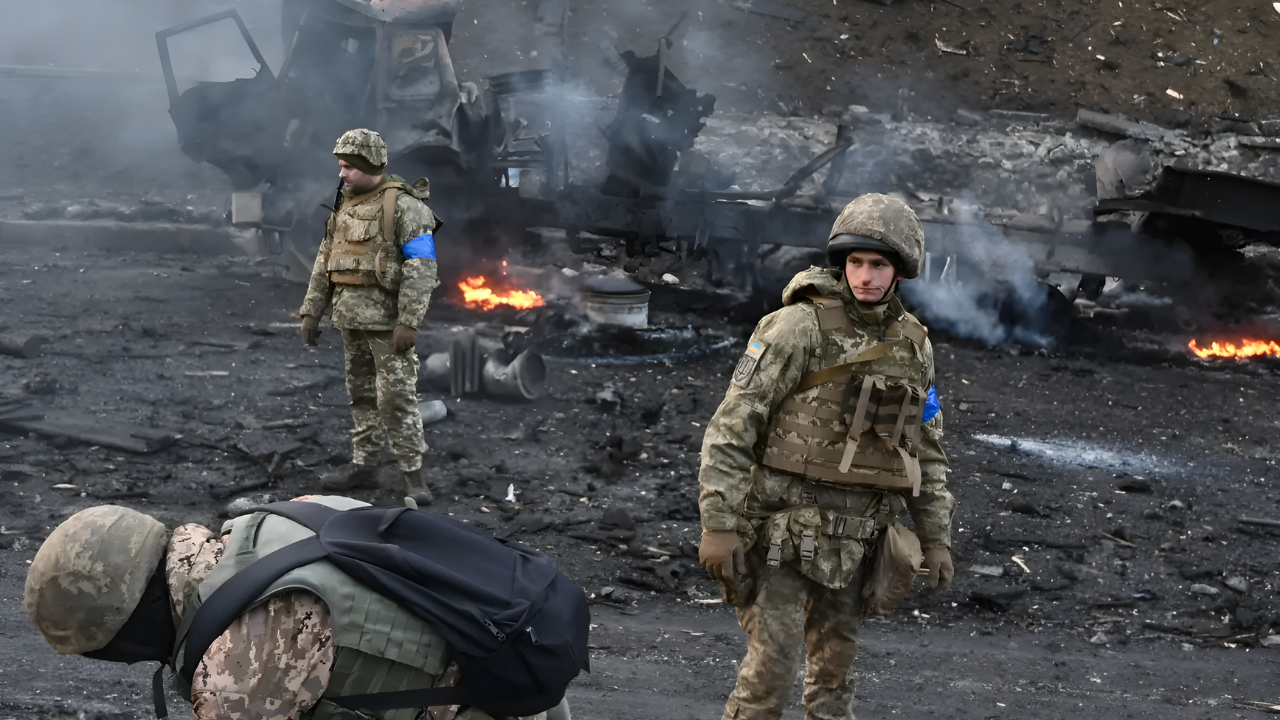
Intelligence teams identified the target as a primary ammunition storage facility operated by the 101st Separate Material and Technical Support Brigade, the logistical backbone for Russian artillery operations in the sector. Ukrainian planners aimed to starve frontline artillery units by severing this supply artery. According to official statements, the depot “actively supplied ammunition and supported the offensive capabilities” of enemy forces. The strike occurred during the night of December 16-17, with front-strike Special Operations units deploying FP-2 unmanned aerial vehicles to deliver their payload.
The successful penetration of Russian air defenses suggests significant vulnerabilities in Moscow’s electronic warfare coverage protecting occupied Luhansk. Ukrainian operators navigated multiple defensive layers to reach a brigade-level depot, indicating either superior intelligence penetration or critical gaps in Russian security protocols.
Historic Attrition Rates

The depot destruction coincided with catastrophic Russian personnel losses. General Staff figures show approximately 1,730 troops killed or wounded on December 17 alone, representing one of the deadliest single days in recent months. This spike reflects the brutal cost of sustained offensive operations across the Eastern Front, particularly in the Pokrovsk sector where Russian forces have mounted a major push.
Equipment losses matched the human toll. Ukrainian forces destroyed 33 artillery systems within the same 24-hour period. Defense analysts note that replacing trained artillery crews and complex weaponry takes far longer than mobilizing infantry, creating a compounding operational deficit for the 51st Army.
Precision Weapons Campaign
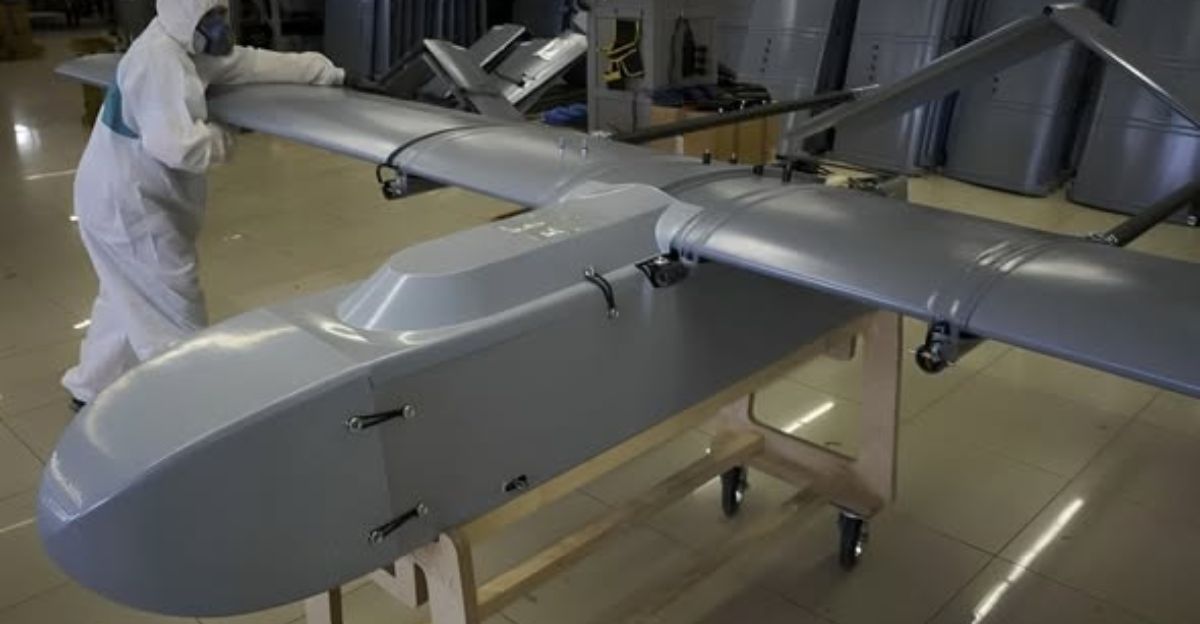
The Luhansk strike exemplifies Ukraine’s shift toward high-value precision attacks using unmanned platforms. FP-2 drones enable operators to conduct strategic strikes with reduced personnel risk while penetrating deep behind enemy lines. These systems have proven particularly effective in adverse weather conditions that ground smaller reconnaissance drones, using thermal imaging and advanced navigation to locate targets through fog and clouds.
Earlier raids demonstrated the pattern. On December 9, Ukrainian forces struck multiple depots in occupied Donbas, destroying drone storage facilities belonging to the 9th Separate Motor Rifle Brigade and eliminating approximately 6,000 cubic meters of fuel at Simeikyne in Luhansk. The drone warehouse contained significant quantities of reconnaissance and tactical strike UAVs along with their warheads. Just one day later, operators from the 8th Special Operations Regiment eliminated a five-man Russian sabotage and reconnaissance group attempting to infiltrate Ukrainian positions in forested terrain.
On December 16, Special Operations Forces destroyed a BM-27 Uragan multiple launch rocket system and its crew near Blahodatne in Donetsk, while simultaneously striking a concentration of Russian troops assembling near Pokrovsk. The Uragan, a 220mm Soviet-era system capable of devastating area strikes, represented a high-value target whose removal directly reduces Russian fire support capabilities.
Disrupting the Pokrovsk Offensive
These rear-area strikes provide critical context for the intense fighting around Pokrovsk, a strategic city in western Donetsk that has become the focal point of Russia’s winter offensive. The 51st Army has been pushing hard toward this objective, relying heavily on the supply lines now being systematically dismantled. By hitting the 101st Brigade’s ammunition stocks, Ukraine buys time and reduces pressure on defenders holding the line.
Russian forces infiltrated Pokrovsk in September 2025, sending small groups into the southern districts. By late December, hundreds of Russian troops had penetrated into central areas, though Ukrainian forces maintained control of northern sectors and conducted counterattacks. The battle has become a grinding urban combat scenario, with Russian forces outnumbering defenders approximately five to one. Ukrainian special operations units, including elite formations such as the 425th Assault Regiment and the 3rd Special Purpose Regiment, have been deployed to secure key positions and maintain open supply corridors.
Asymmetric Cost Imposition

This campaign exemplifies asymmetric warfare doctrine. Unable to match Russia’s artillery capacity shell-for-shell, Ukraine employs precision technology and special forces to impose disproportionate costs on the invader. By trading relatively inexpensive drones for irreplaceable ammunition stockpiles and costly artillery systems, Ukrainian planners force Moscow into an unsustainable logistical dilemma.
The ripple effects extend throughout Russian supply chains. Replacing 50 to 150 tons of ammunition requires vulnerable convoys of trucks, each subject to interdiction. Logistics experts assess that turnaround time for resupply in Donbas has increased significantly, creating operational windows where Russian artillery falls silent. Every silent gun provides Ukrainian forces a tactical advantage.
The December 17 strike also carries psychological weight. Russian logistics personnel, typically considered safer than frontline infantry, now find themselves targeted deep behind what should be secure territory. When brigade-level depots explode miles from the front, it undermines the concept of “safe harbor” in occupied zones.
Winter Campaign Intensifies
Recent operations indicate the tempo will continue. On December 13-14, FP-2 drones struck a fuel train in transit near Yantarne in occupied Crimea and hit an oil depot at Bitumne, while simultaneously destroying a Volna-2 electronic warfare system in Marianivka and an FPV drone operator training center near Dokuchaievsk in Donetsk. The ability to strike moving targets like trains forces Russia to divert security resources to protect rail lines, thinning defensive coverage elsewhere.
Ukrainian Special Operations Forces have demonstrated they can locate and neutralize specific threats amid the chaos of the broader front. The stated objective remains clear: “carry out asymmetric actions to undermine the offensive potential of the Russian army” in contested zones. For the 51st Army, now facing a severed primary ammunition lifeline, commanders must either pause their offensive to rebuild stocks or press forward with dwindling supplies—a choice military history suggests rarely ends well.
As winter deepens, the battle of the depots promises to intensify, with Ukrainian special forces proving they can locate and destroy the fuel and ammunition that powers the Russian war machine.
Sources:
Ukraine’s Special Operations Forces Strike Russian Artillery Depot in Luhansk – Pravda.com.ua
Ukrainian FP-2 Drones Hit Key Russian Logistics Node in Luhansk Region – Defence.ua
Russia Loses 1,730 Soldiers Over Past Day – Pravda.com.ua
SOF: Enemy Field Artillery Depot Hit in Luhansk Region – Interfax.com.ua
Ukrainian Special Operations Forces Deal Blow to Russian Supply Lines in Luhansk – United24media
Ukraine’s FP-2 Drones Tear Apart Russian BM-27 Uragan in Donetsk – United24media