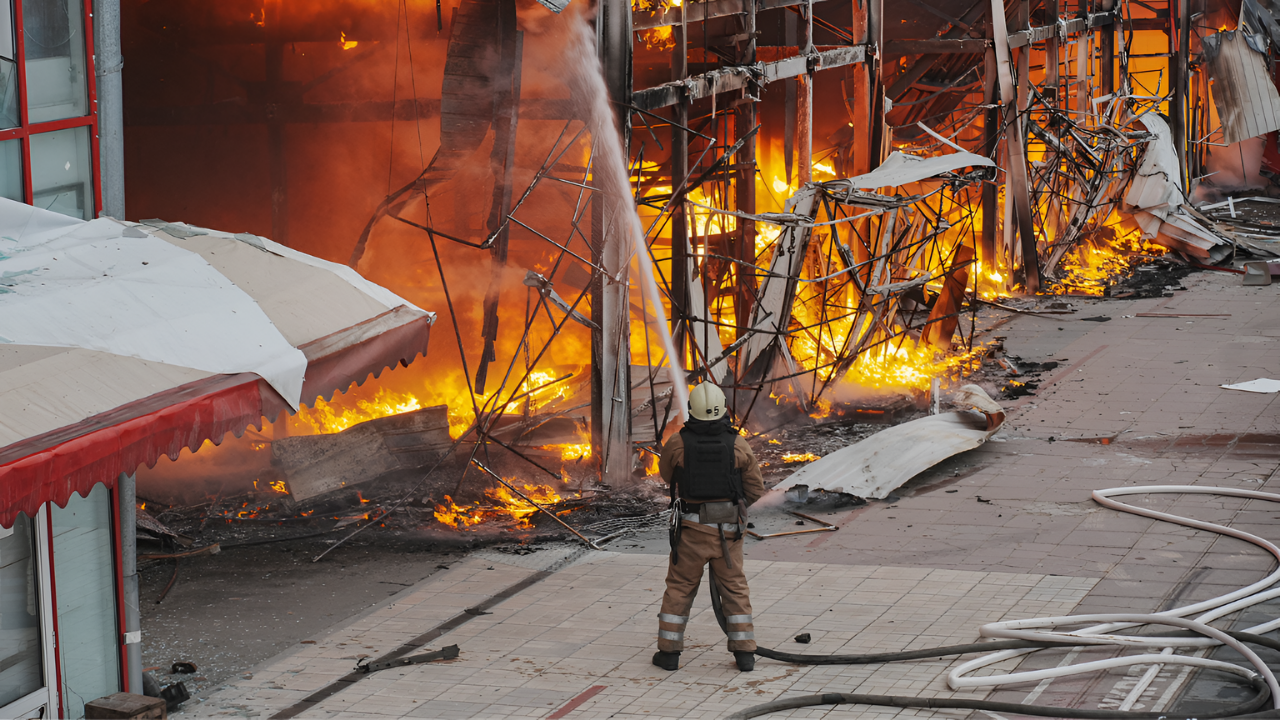
Moscow’s airports ground to a halt on the evening of December 27 as Ukrainian drone swarms pierced the capital’s airspace, triggering the rare Kovyor emergency protocol and stranding thousands of holiday travelers in a sudden wave of uncertainty.
The assault began around 4 p.m. at Vnukovo, one of Moscow’s busiest hubs, with restrictions spreading to Sheremetyevo an hour later and eventually encompassing four major airports. Air traffic controllers imposed holding patterns that rippled across Russia’s aviation network, delaying 290 flights at two terminals, diverting 80 planes mid-flight, and interrupting over 300 journeys by midnight. Major carriers like Aeroflot, Pobeda, Rossiya, and Nordwind scrambled to adjust schedules, leaving passengers clutching useless boarding passes amid packed terminals.
Where the Drones Struck
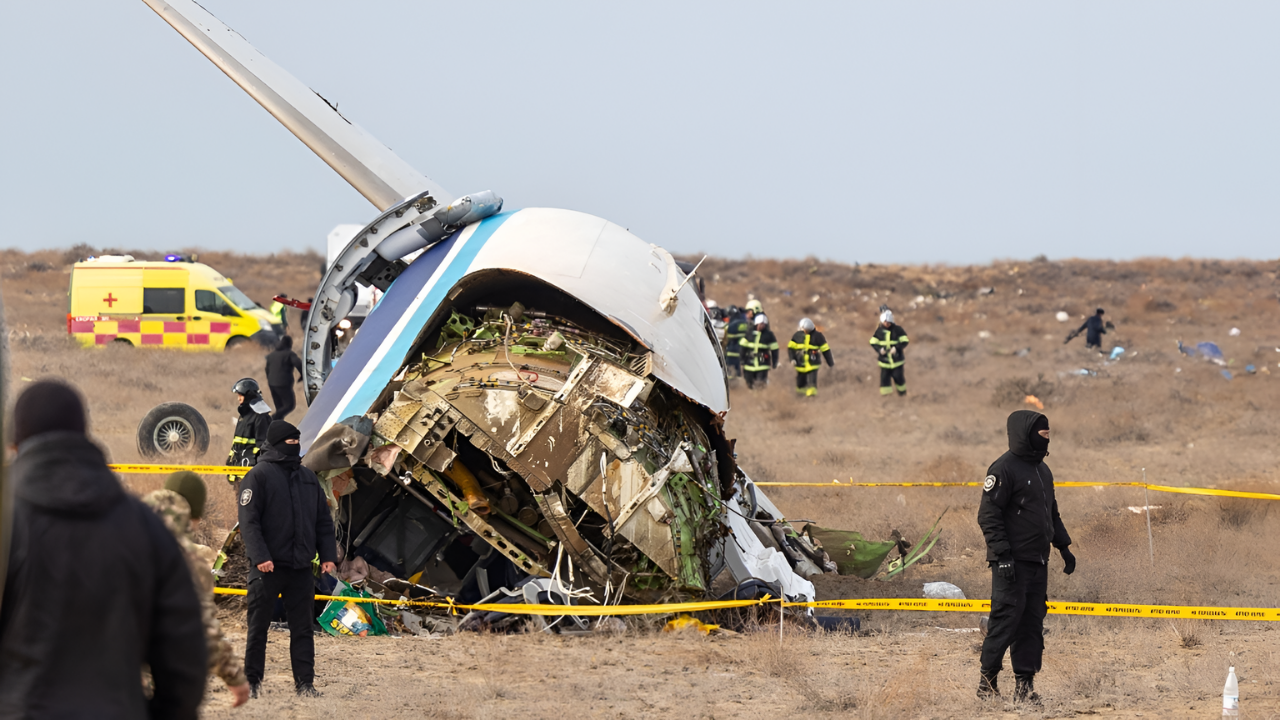
The strikes zeroed in on Vnukovo and Sheremetyevo, facilities that process millions of passengers each year and form the backbone of Moscow’s air travel. The Kovyor protocol, designed for unidentified aerial threats like drones or missiles, cleared the skies to prioritize defense. Restrictions lasted until midnight, forcing aircraft into prolonged holds and creating widespread delays. Travelers faced hours of limbo, with some at Sheremetyevo waiting up to six hours for clearance that never came.
The Human Cost

Stranded families, missed connections, and shattered holiday plans defined the night. The next morning brought fresh setbacks: Aeroflot reported that diverted planes remained grounded elsewhere, prompting another round of cancellations. For those en route to vacations or reunions, the disruption turned personal aspirations into prolonged frustration. Children grew restless in crowded waiting areas, while elderly passengers endured extended discomfort, highlighting the collision between military alerts and civilian routines.
Diversion Ripple Effects
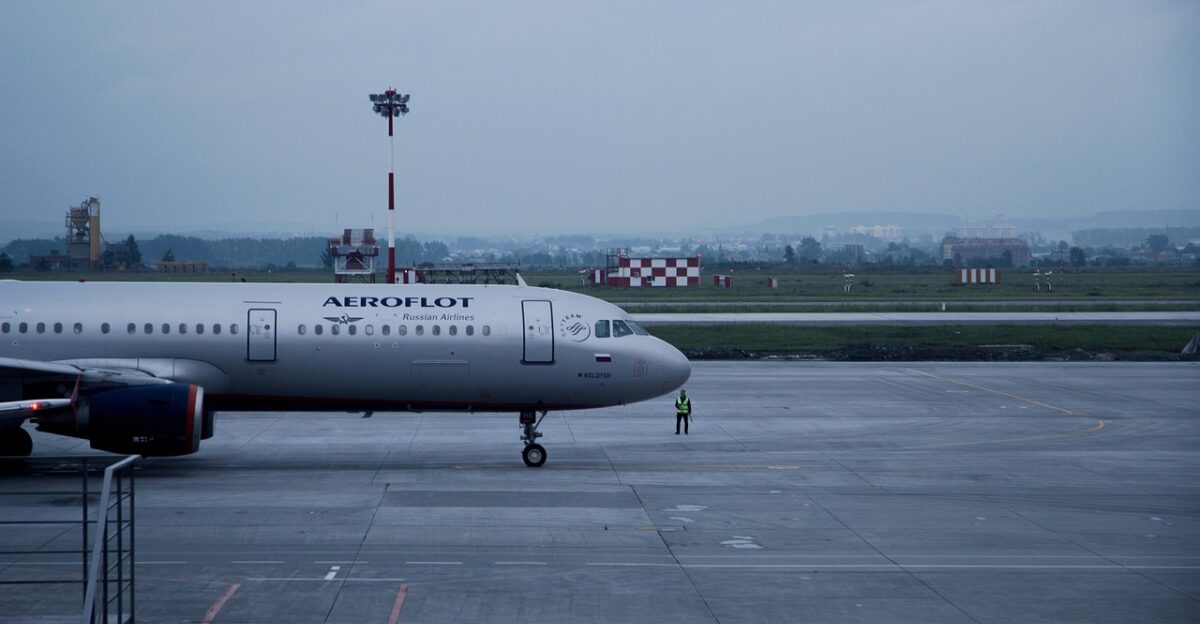
The 80 diverted flights did not end the chaos upon landing. Secondary airports faced sudden overloads, with ground crews stretched thin on refueling, maintenance, and crew rotations. This operational tangle prolonged delays into December 28, as airlines warned of ongoing issues. Moscow’s four main airports, which handle about 100 million passengers annually, absorbed a concentrated blow: over 300 flights affected in one night, though not the largest such incident—May saw even greater upheaval.
Dual-Target Strategy
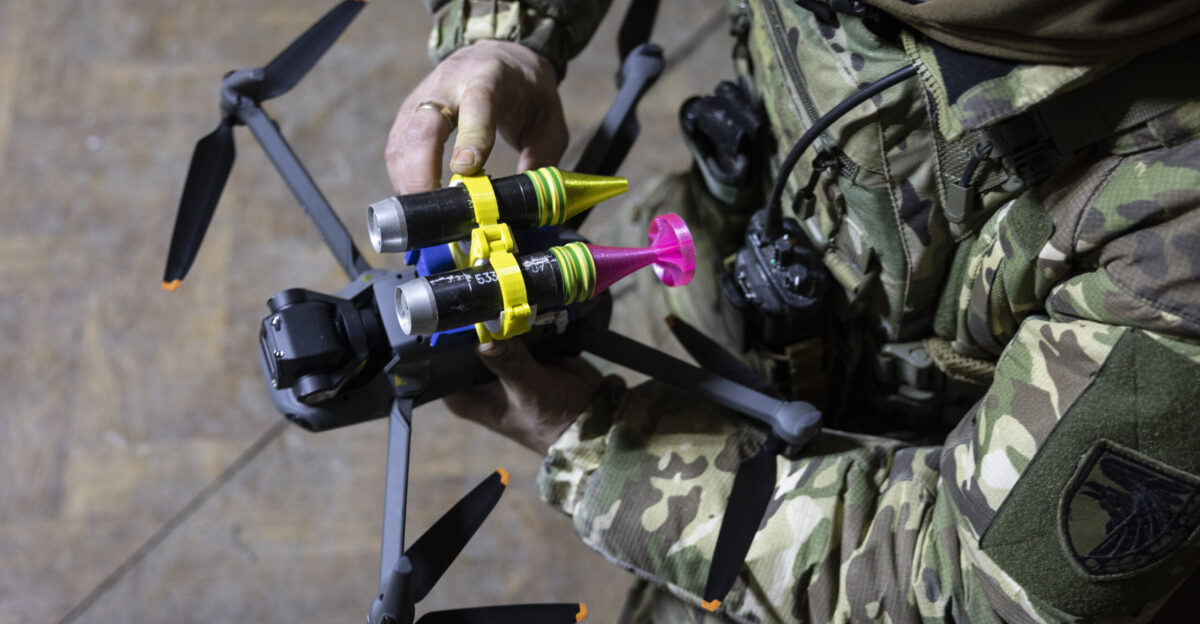
As Moscow reeled, a second strike unfolded 760 kilometers away. Ukrainian attack drones targeted the Syzran oil refinery in Samara Oblast overnight on December 27-28, igniting fires across the site, as confirmed by Ukraine’s General Staff. This facility processes 7 to 8.9 million tonnes of crude oil yearly, fueling Russian military vehicles, tanks, and logistics. The simultaneous hits—airports in the capital and a key refinery—exposed vulnerabilities in Russia’s defensive posture, blending civilian disruption with strategic infrastructure damage.
Moscow Mayor Sergey Sobyanin stated that air defenses downed 26 drones near the capital, yet the protocol activation proved the tactic’s potency: swarms overwhelm systems by saturating radar and forcing reactive measures. Even partial successes triggered massive fallout, underscoring limits in defenses like the S-400.
Economic and Strategic Stakes
Financial tolls mounted quickly. Each delayed or canceled flight costs airlines $10,000 to $20,000 in crew, fuel, hotels, and compensation, potentially totaling $3 million to $6 million for 300 disruptions, plus ripple effects on businesses and travelers. Broader refinery strikes erode Russia’s fuel processing capacity, straining war logistics and reserves.
These events fit an escalating pattern: Ukrainian drones routinely reach deep into Russian territory, shifting the conflict’s geography. Moscow, once seen as secure, now contends with repeated incursions affecting daily life.
Airports limped toward recovery on December 28, but with holidays peaking and diverted planes still sidelined, further interruptions loomed. The Kovyor protocol’s shadow lingers, a reminder that war’s reach now conditions civilian mobility and economic stability in Russia’s heartland, with implications for defense strategies and infrastructure resilience ahead.
Sources:
Over 270 flights were delayed in Vnukovo and Sheremetyevo due to restrictions – Izvestia
Ukrainian drones struck Russia’s Syzran Oil Refinery – Kyiv Independent
Over 300 flights cancelled or delayed in Moscow due to drone attack – Ukrainska Pravda
Ukraine Says It Strikes Rosneft’s Syzran Oil Refinery in Samara – Energy News Beat
More Than 300 Flights Canceled And Delayed In Moscow Due To Drone Attack – Charter97
Defense Forces strike Syzran oil refinery in Russia and several targets in Luhansk region – Ukrinform