
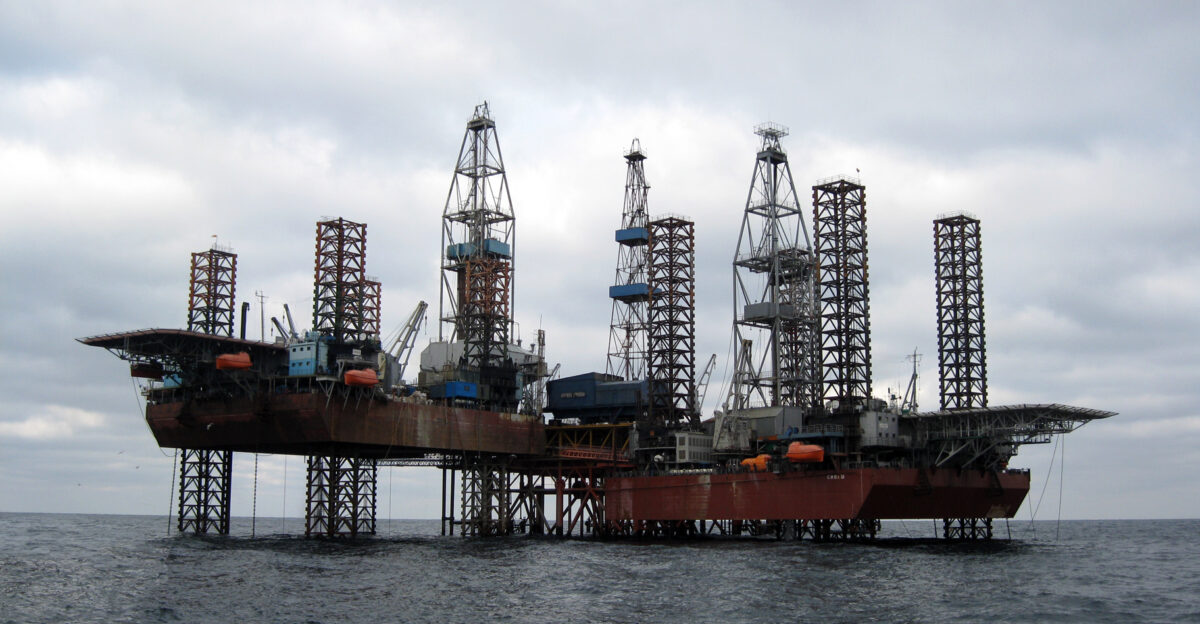
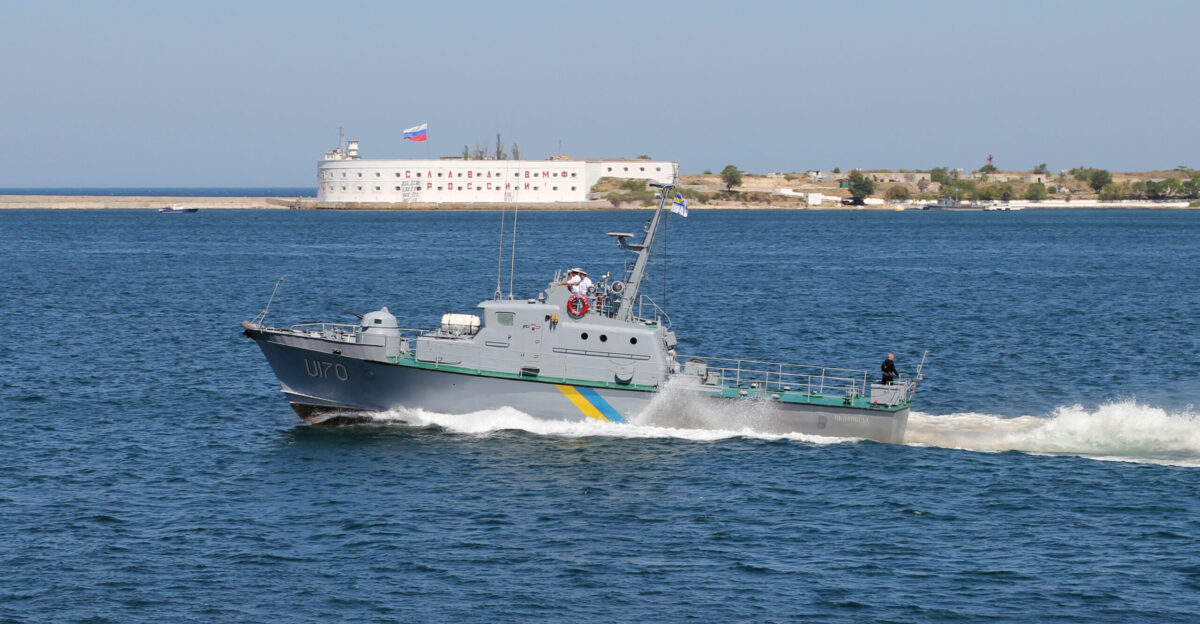
Thick gray foam erupted around the helipad of the offshore rig as drone swarms closed in. On the morning of November 3, 2025, the Ukrainian Navy launched unmanned surface vessels that carried kamikaze FPV drones toward the towering legs of the Sivash platform off Crimea.
Within minutes, explosions rocked the structure—radars shattered, sensors blitzed, an elite Russian special forces crew struck. This bold strike didn’t just shock the region—it flipped the script.
Escalation Unfolds
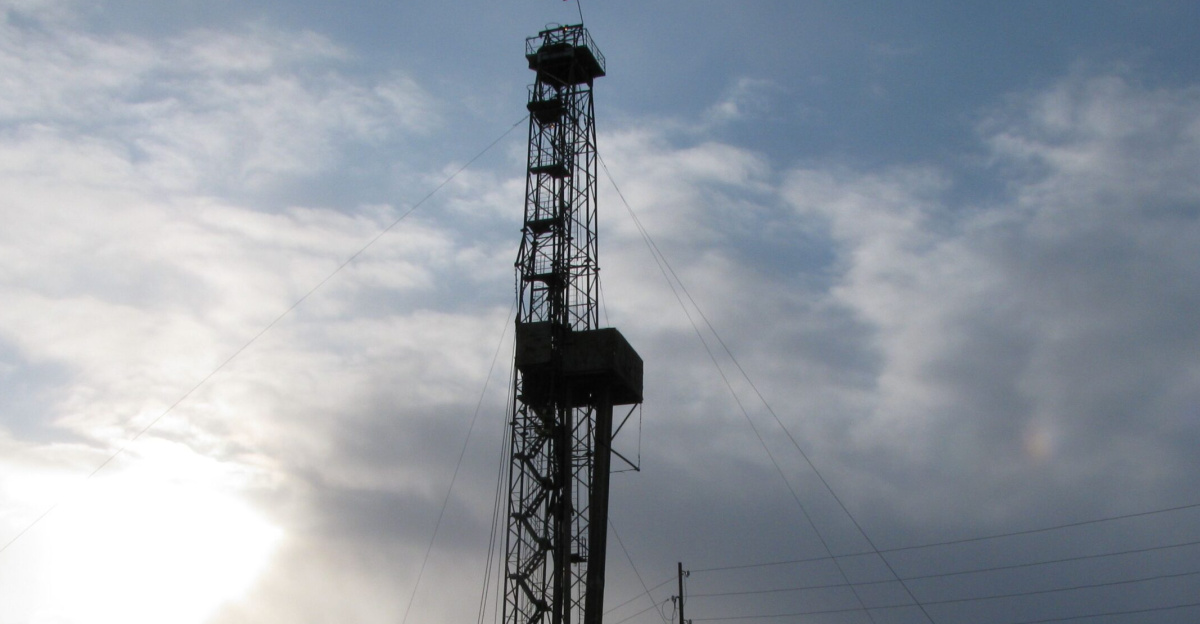
The Sivash platform had been repurposed by Russian forces into a fortified surveillance hub. Equipped with radar, optical sensors and radio-reconnaissance gear, it scanned maritime routes across the northwestern Black Sea.
Ukraine’s decision to strike this asset underscores mounting pressure to disrupt Moscow’s control—and signals a new phase of intensity in the conflict.
Strategic Background

The Sivash rig is part of the Boyko Towers network: offshore platforms seized by Russia following Crimea’s annexation in 2014 and militarised into surveillance outposts.
Operating in a contested “grey zone”, these installations allowed Moscow to monitor surface, air and subsurface activity throughout the northwestern Black Sea. Ukraine claimed to reclaim control in September 2023, yet the platforms remained hotly contested.
Mounting Tensions
In recent months, Ukraine escalated its campaign against Russian energy and military infrastructure in retaliation for attacks on its power grid.
The strike on Sivash follows a string of attacks on Russian radar and air-defence assets—part of a broad strategy to degrade Moscow’s surveillance and response capabilities in the Black Sea theatre. This campaign reflects Ukraine’s commitment to regaining operational freedom and deterring further Russian aggression.
Elite Unit Neutralized
On November 3 the Ukrainian Navy confirmed the neutralization of a Russian elite anti-tank missile team and the destruction of advanced reconnaissance equipment aboard the Sivash platform.
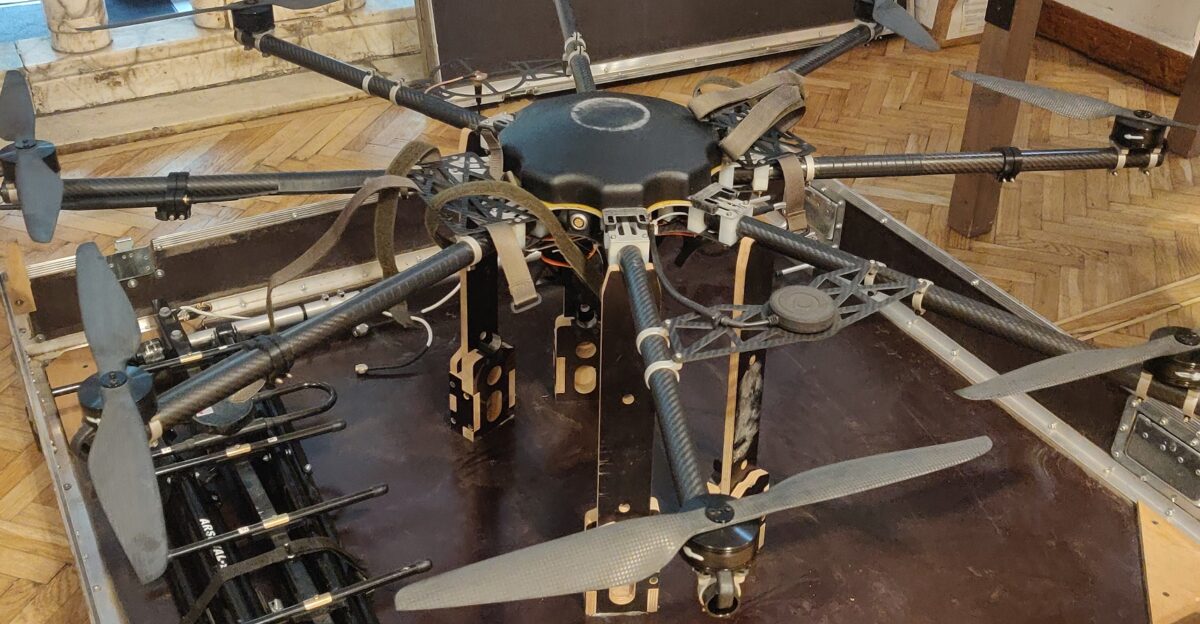
The operation—executed with coordinated drone and unmanned surface vehicle swarms—rendered the platform’s military capabilities non-operational. Ukrainian officials described the strike as a major blow to Russian power in the Black Sea.
Regional Fallout
The destruction of the platform’s surveillance systems has severely hampered Russia’s ability to track Ukrainian naval movement in this part of the Black Sea.
Moscow now faces diminished capacity to monitor and respond to maritime operations—granting Kyiv a tactical advantage and altering regional naval calculations. Analysts suggest this loss could blind large sections of Russia’s coastal defense network for months.
Human Stories

Ukrainian naval commanders stated: “The strike eliminated an enemy anti-tank missile team and destroyed reconnaissance equipment.” Meanwhile, Russian state media circulated footage claiming a Ukrainian boat was destroyed.
Ukrainian officials countered, saying their drone strike hit the Russian rig and caused internal detonations. The human risk, the high stakes, the covert theatre—all played out above open sea.
Russian Response

In wake of the raid, Russian media released videos claiming Ukrainian losses—but independent analysis found those claims misleading.
Moscow’s attempt to control the narrative underscores the psychological weight of the operation. The growing strain on morale and information control shows how destabilising this attack was for Russia’s Black Sea forces.
Macro Trend: Black Sea Warfare
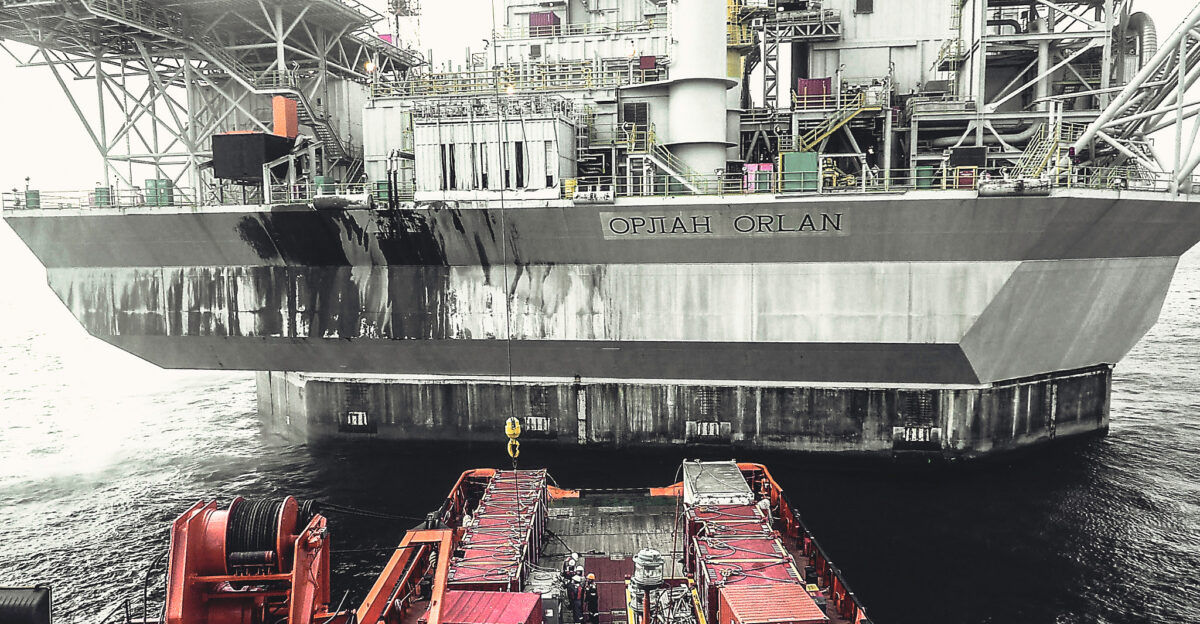
Ukraine’s tactic of systematically targeting Russian offshore platforms and sensor nodes marks a broader shift in the Black Sea war-space.
By undermining Russia’s ability to monitor and defend maritime zones, Kyiv is reshaping operational dynamics. This campaign also demonstrates the growing potency of drone and unmanned systems in 21st-century naval conflict.
Collateral Impact
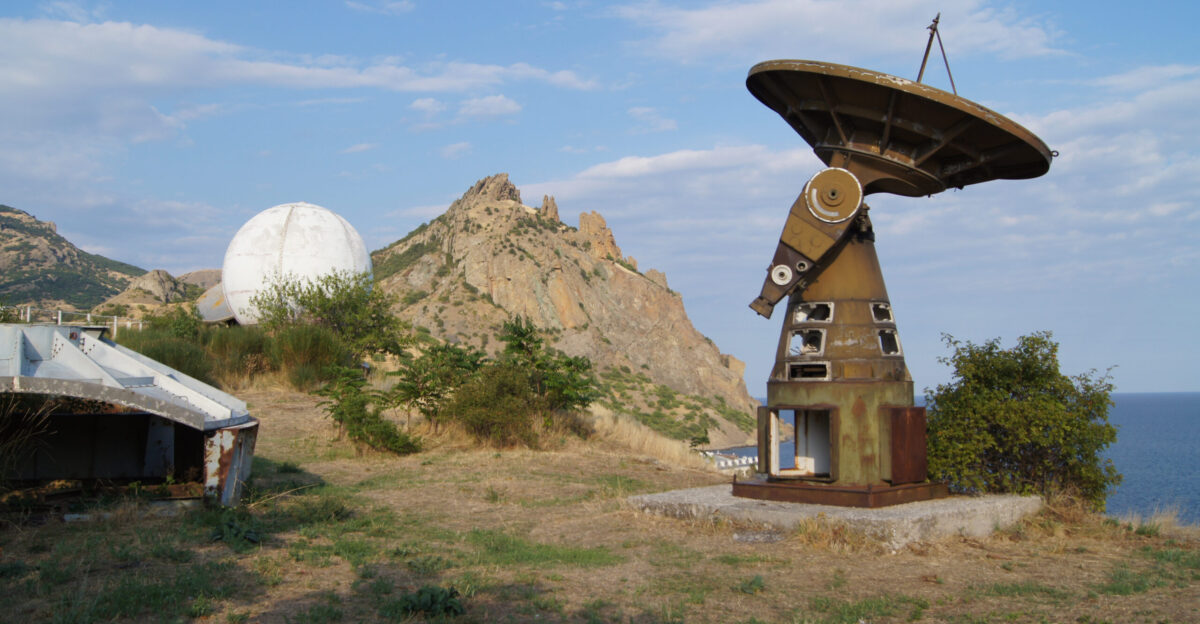
Within the same 48-hour window of the Sivash strike, Ukraine reportedly disabled a key component of a Russian S-400 “Triumf” battery, including the 92N6E multifunction engagement radar in Crimea.
This tandem strike further eroded Russia’s layered defensive posture and exposed its critical infrastructure to renewed threat.
Internal Friction

Loss of the Sivash platform stirred friction within Russian military circles. Reports suggest increased scrutiny of decision-makers and mounting concern over the vulnerability of offshore installations.
The incident has amplified internal debates about resource allocation, defensive priorities, and the direction of Moscow’s naval strategy.
Leadership Shifts

Ukraine’s success in the Black Sea arena has prompted shifts in both Kyiv and Moscow’s navies. Ukraine emphasises drone and USV innovation, changing naval doctrine.
Russia, on the other hand, faces pressure to evolve its defensive strategy and counter emerging unmanned systems threats. The command tables are being rearranged.
Future Implications
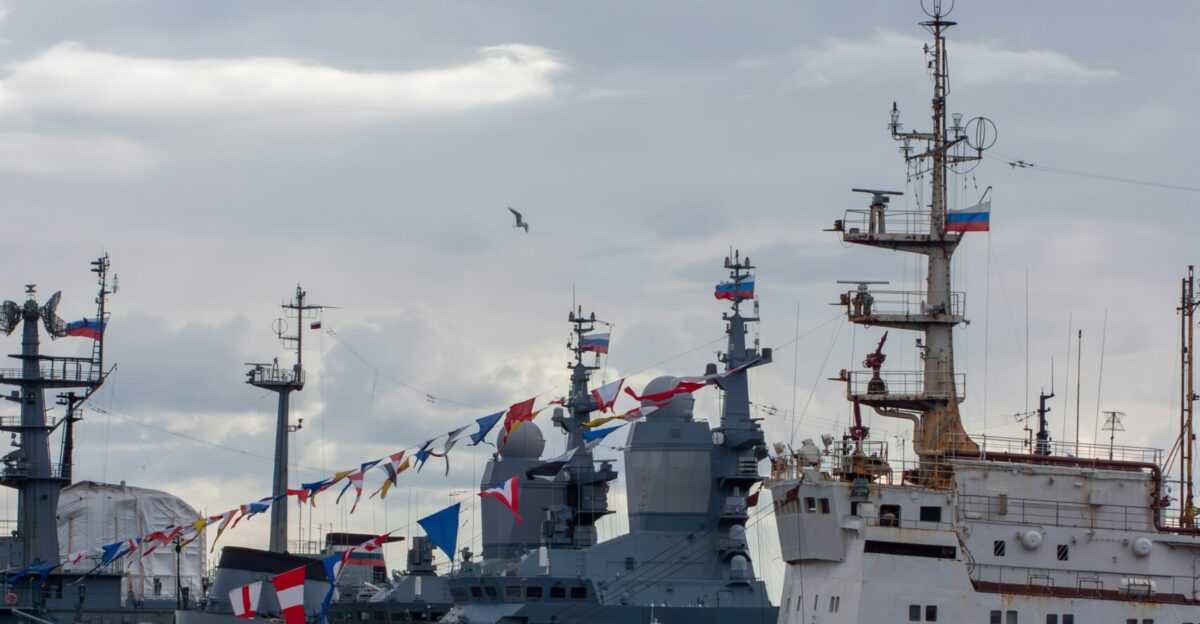
Will Ukraine’s success at Sivash spark further strikes on Russian offshore assets, or will Moscow build new defences and countermeasures?
As both sides innovate, the Black Sea remains a volatile front—where each operation sets the stage for the next. The balance of power is in motion.
Innovation on the Waves

Ukraine’s use of unmanned surface vessels launching swarms of FPV drones marks a significant development in naval warfare.
The method—USVs carrying multiple drones, real-time UAV spotting, coordinated strikes—represents a novel approach in the region. Russia’s offshore networks now face threats they weren’t originally designed to counter.
Uncertain Horizon

Despite this setback for Russia, the war is far from over. Russia still commands extensive resources, and its ability to adapt should not be underestimated.
Ukraine has opened a window—but maintaining this advantage will demand sustained innovation, logistics, and international support. The next move could come at any time.