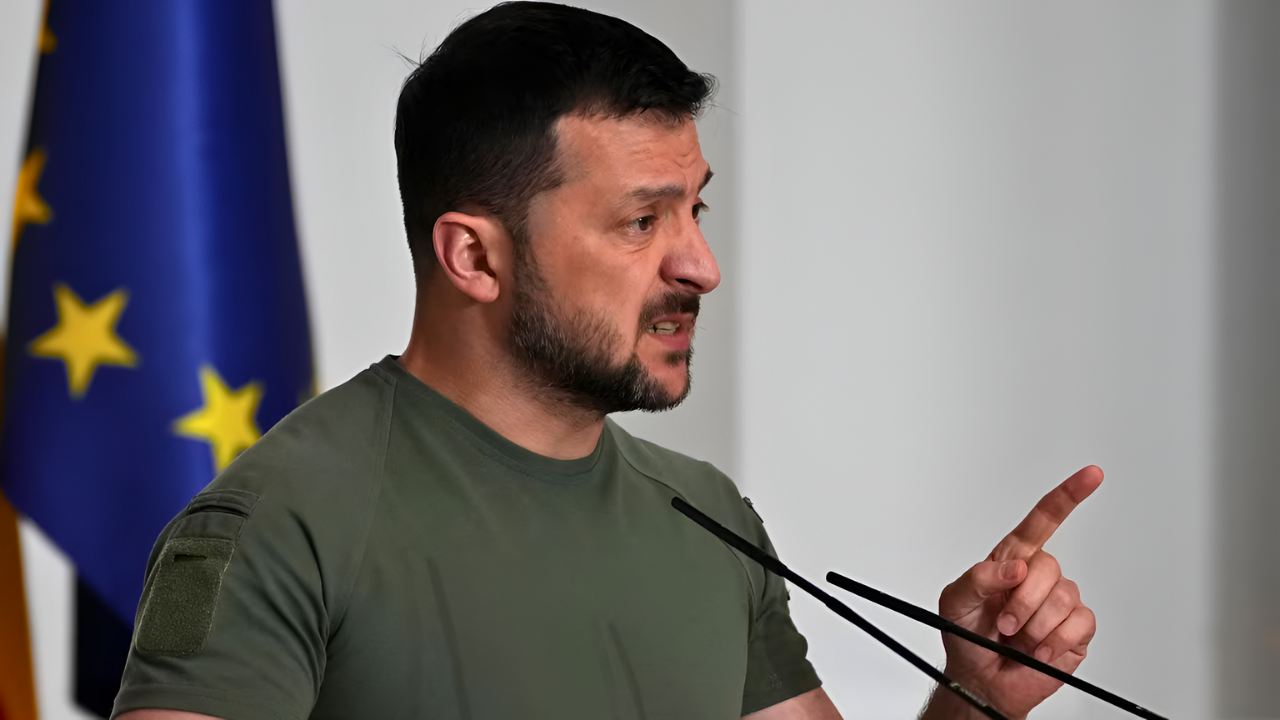
It started like many others—the wail of air raid sirens cutting through Kyiv’s frozen darkness. But this January night would be different. Russian bombers launched a coordinated assault across Ukraine’s entire territory. Missiles screamed down. Drones swarmed. By dawn, the full scope remained unclear.
All President Volodymyr Zelensky knew was that air defense crews had worked through the night, intercepting target after target, burning through ammunition like never before.
A Delivery That Almost Came Too Late
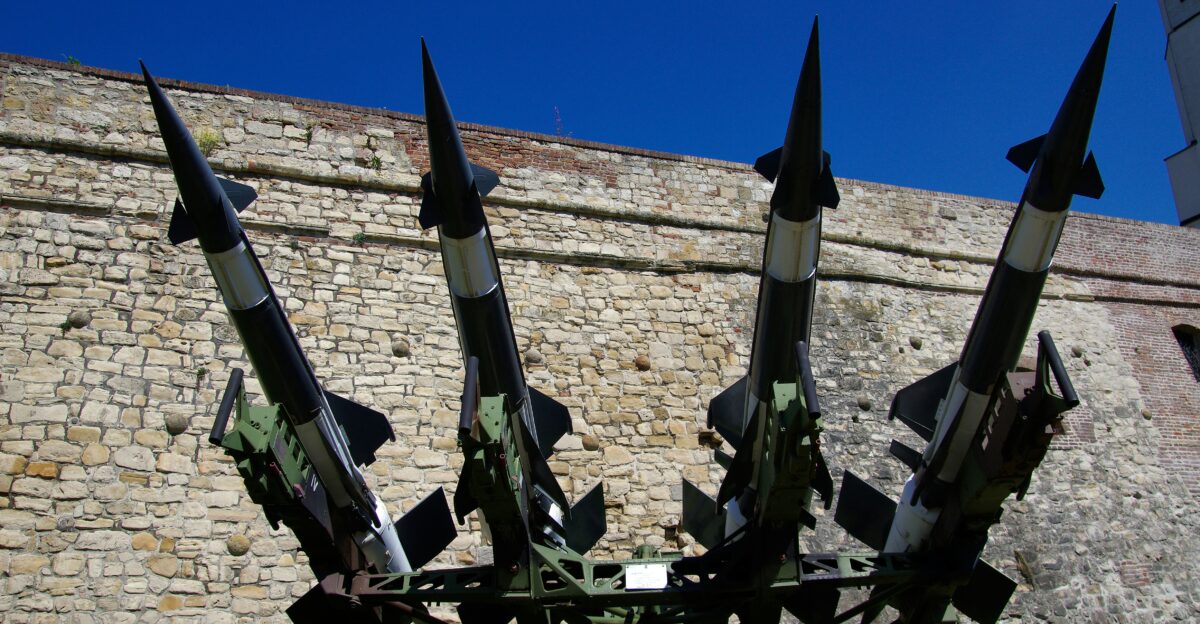
Just 24 hours earlier, Ukraine received a shipment of critical air defense missiles from Western partners. Without that package, arriving on January 16, the situation that night could have been catastrophic. Zelensky later admitted that several defense systems had been operating without any ammunition until that morning’s delivery.
The timing felt less like luck and more like survival on the razor’s edge—a narrow window between defenselessness and having just enough to respond.
The Night’s Full Toll Emerges
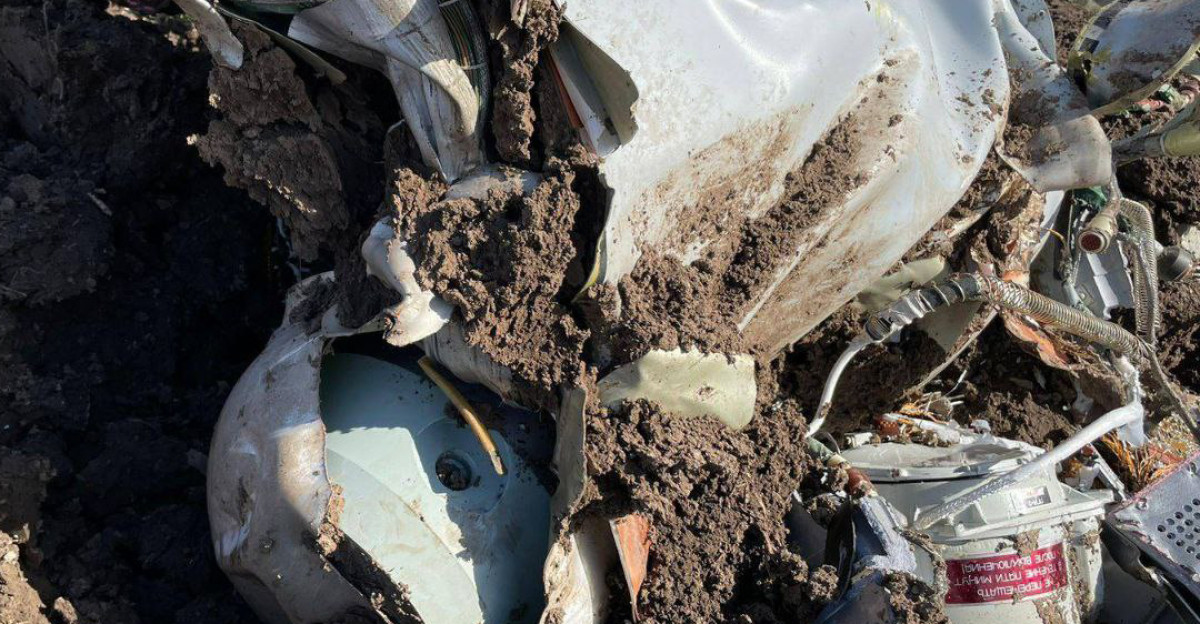
As dawn broke, preliminary counts came in. Ukrainian air defense forces had engaged 342 Russian targets in a single night. The assault included 14 ballistic missiles, 13 cruise missiles, and 315 drones, according to the Ukrainian Air Force.
One strike employed Russia’s Zircon hypersonic missile—among Moscow’s most advanced weapons, rarely used in combat. Five missiles and two dozen drones punched through defenses, striking critical infrastructure across 11 locations. The victory felt hollow.
Power Dies in the Depths of Winter
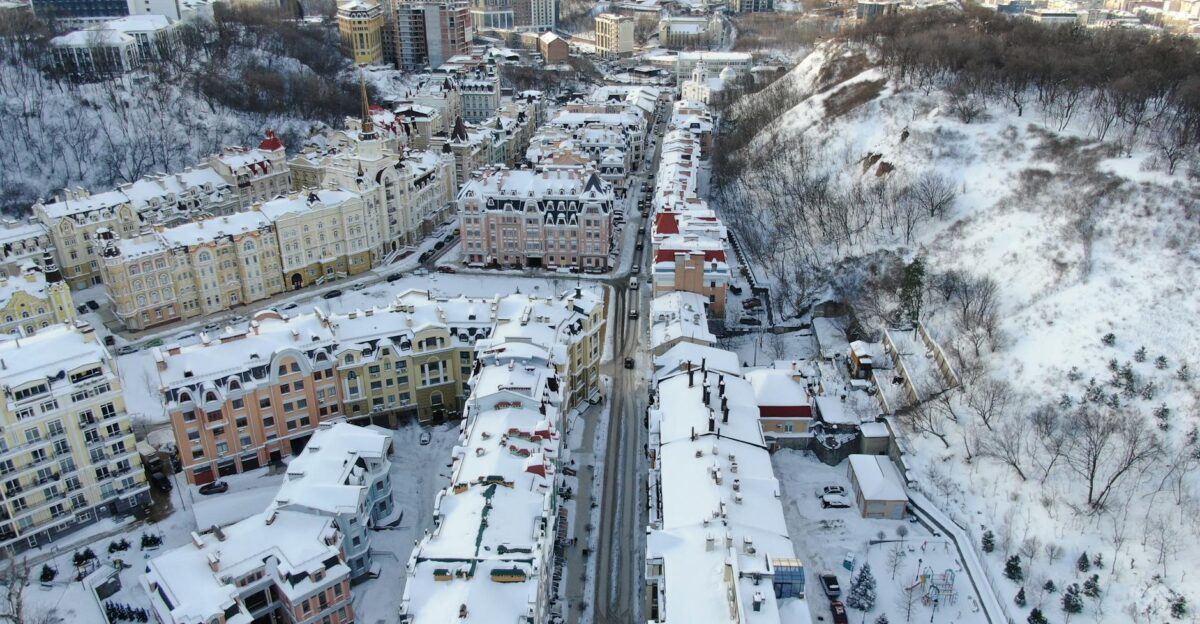
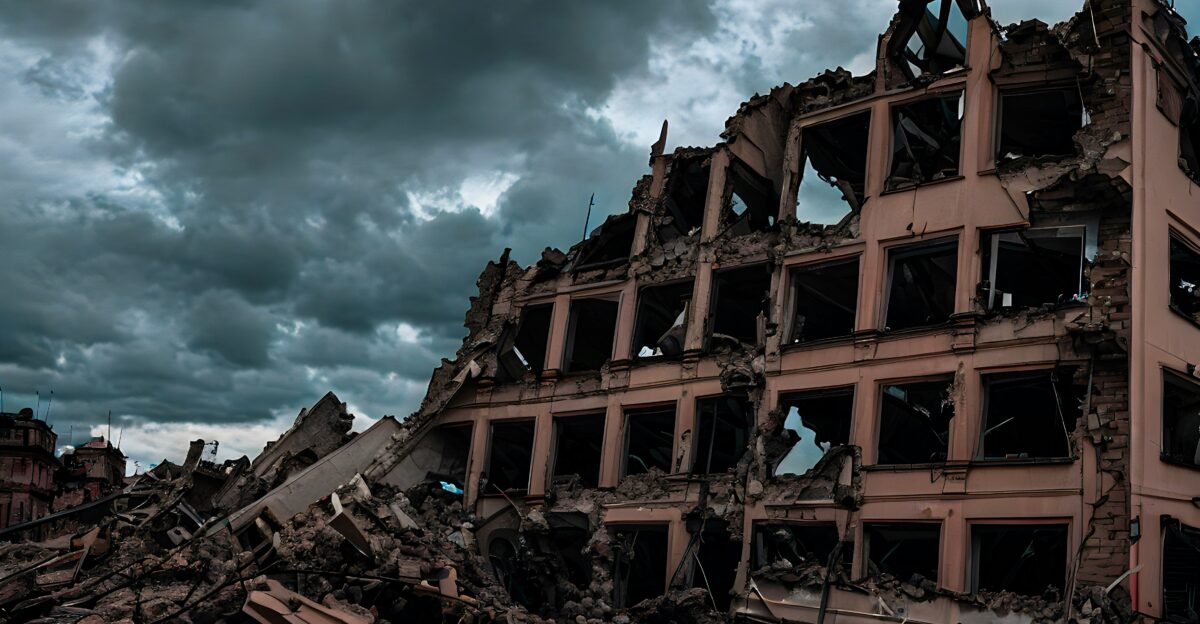
When the sun rose over Kyiv, half the city had no electricity. Nearly 5,635 apartment buildings lost heating as temperatures plunged to minus 18 degrees Celsius. The left bank descended into darkness and cold. Water stopped flowing. Schools announced closures until February.
By week’s end, approximately 600,000 residents had fled the capital, seeking warmth elsewhere. Civilians huddled in Metro stations and basement shelters—the same pattern repeating across cities nationwide.
The President Reveals the Price
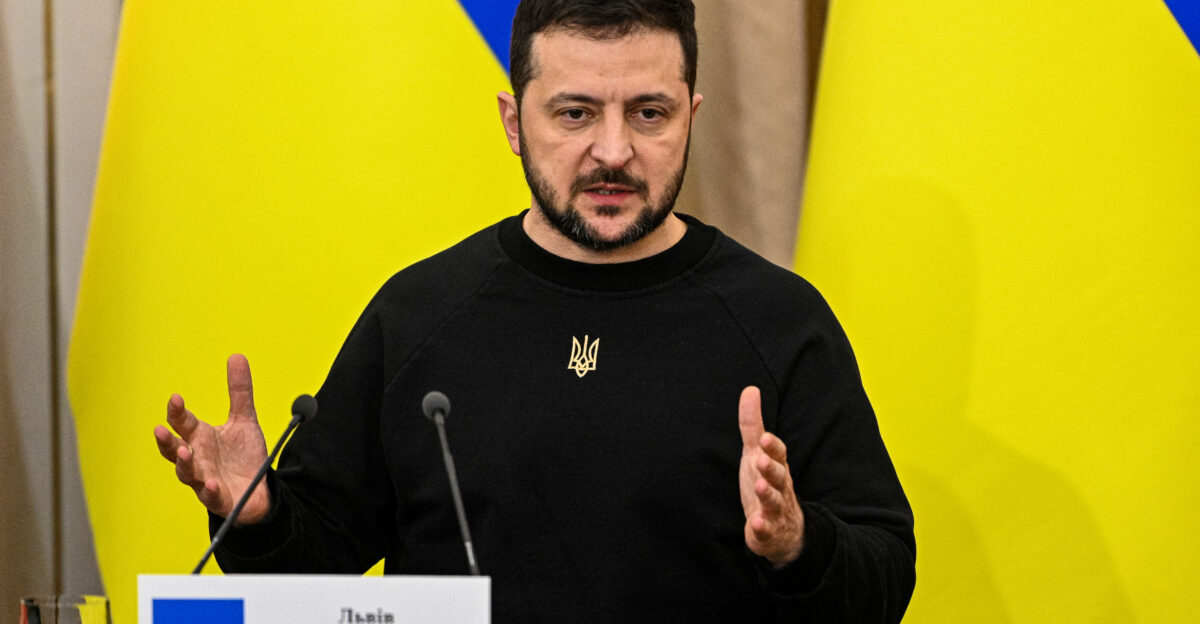
On January 20, Zelensky held a press briefing and disclosed a number that stunned observers: the previous night’s air defense effort cost approximately 80 million euros—roughly $88 million. This wasn’t the total damage bill from Russian strikes. This was solely the cost of the missiles Ukraine had fired to intercept those 342 targets.
For a country in perpetual financial crisis, burning $88 million in eight hours was an amount almost impossible to conceptualize.
Zelensky’s Stark Admission
“War is a very expensive Russian luxury. And for us, it means huge losses,” Zelensky said, according to Ukrainian news agencies. He continued: “It is very difficult to find these missiles and get the money for them”.
The president was speaking a hard truth his Western allies preferred not to hear—that defensive success came at costs Ukraine could not sustain indefinitely. Each intercept was a tactical victory and a financial hemorrhage rolled into one.
The Economics of Asymmetry
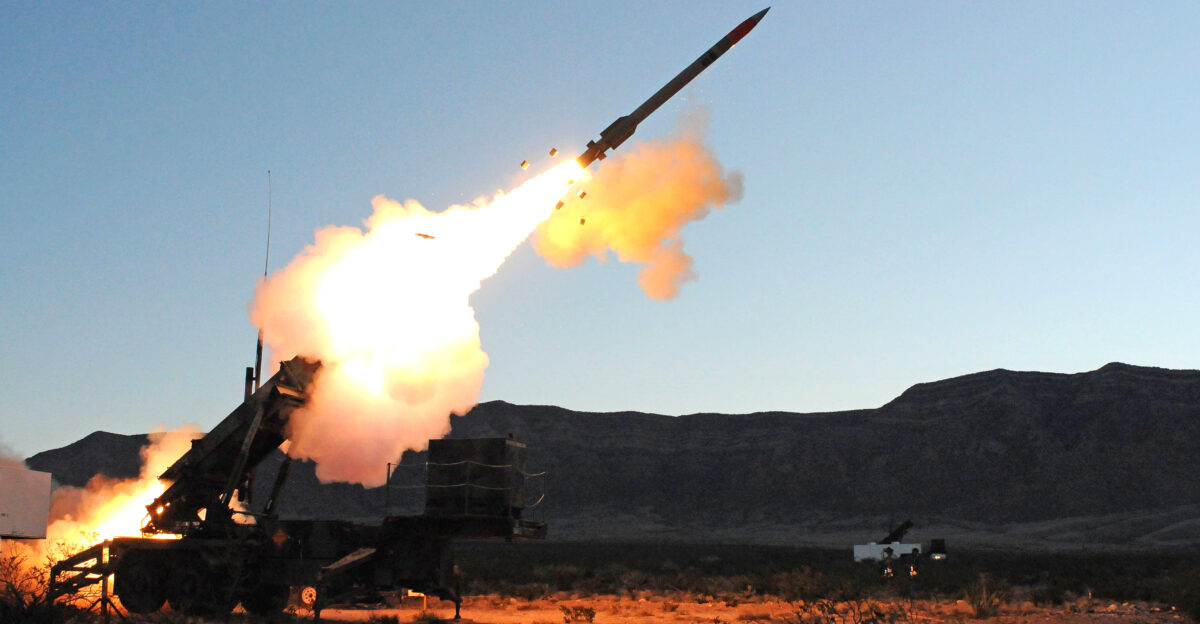
Here’s where the nightmare becomes clear: each PAC-3 Patriot interceptor costs approximately $7 million. The Shahed-136 drones Russia deployed that night cost roughly $70,000 each—a hundredfold difference. Russia now manufactures over 5,500 Shahed drones monthly in factories running three shifts around the clock.
Meanwhile, Ukrainian and Western defense industrial bases struggle to produce interceptors fast enough to replenish what gets fired.
Russia’s Assembly Lines Never Stop
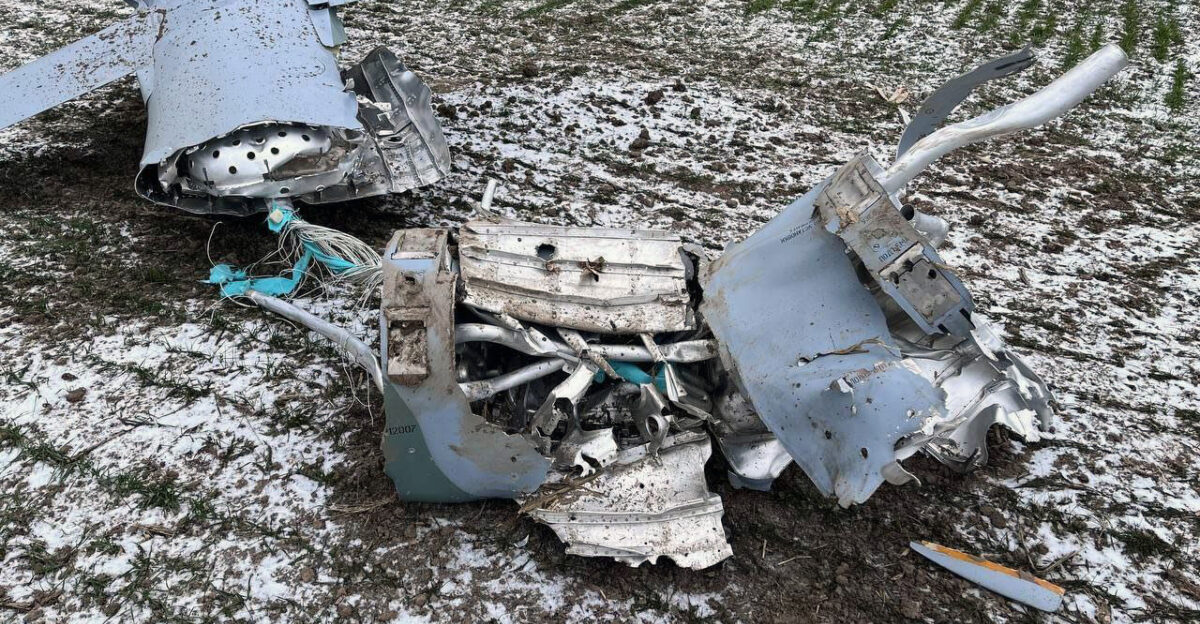
Russia manufactures approximately 195 strategic missiles every month—60 to 70 Iskander-M ballistic missiles, dozens of Kh-101 cruise missiles, plus thousands of drones. These factories operate 24 hours per day, 7 days per week, with no apparent limit to production tempo.
Even the Zircon hypersonic missile, costing an estimated $5.2 million per unit, is produced in sufficient quantities to be deployed operationally against Ukrainian targets. Russia is weaponizing its industrial base as a strategy—overwhelming Ukrainian defenses through relentless production.
Ukraine’s Budget Doesn’t Accommodate Reality
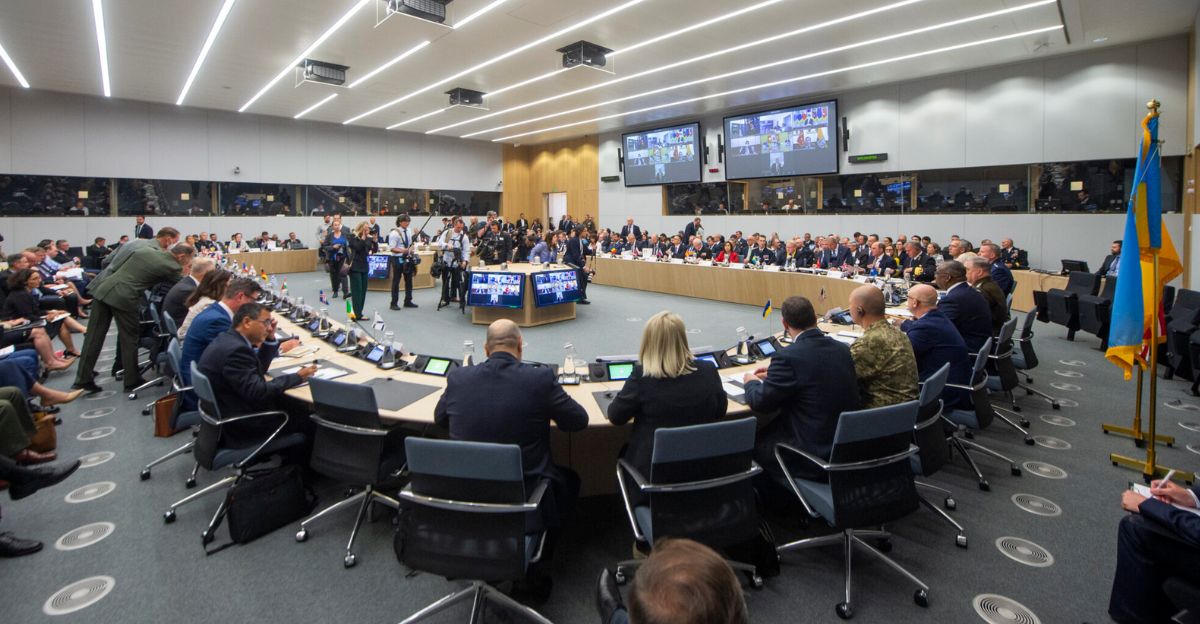
Ukraine’s total defense needs for 2026 are estimated at $120 billion, according to official estimates. The country can fund approximately $60 billion from domestic resources, which already consume 27 percent of the national budget.
That leaves a $60 billion shortfall that must be filled by international partners. Yet military aid deliveries have dropped 43 percent since mid-2025 compared to the first half of the year.
Multiple Air Defense Systems Run Empty
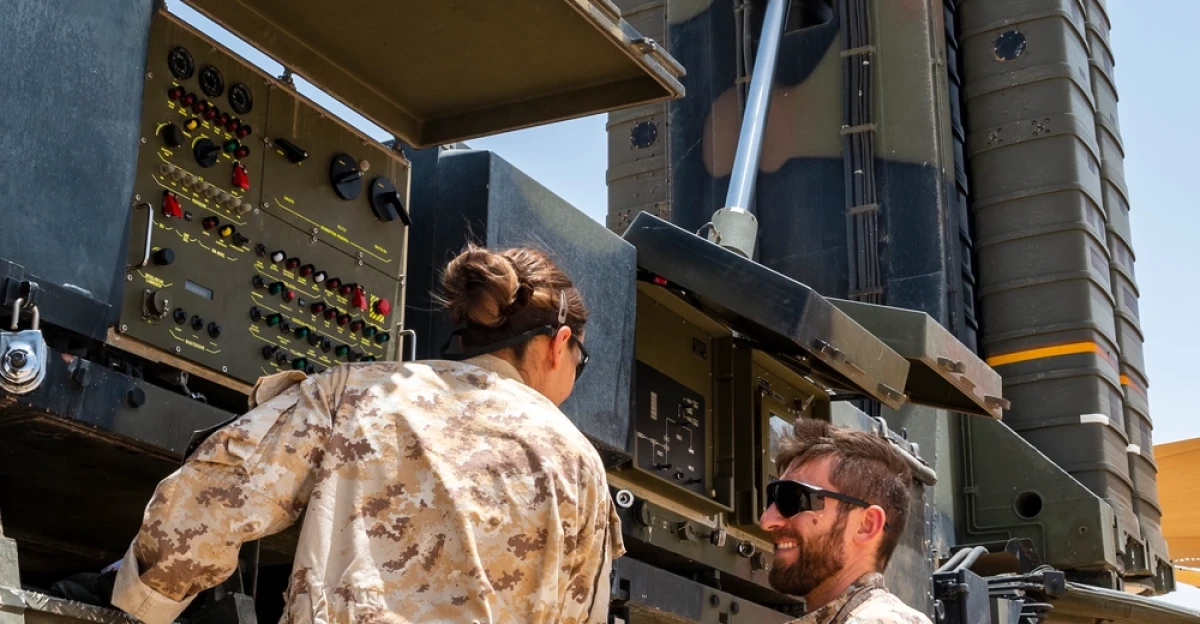
France’s Le Monde reported in May 2025 that Ukraine’s two SAMP/T air defense batteries had exhausted ammunition supplies entirely. The Crotale system received no new missiles for 18 months. Even Patriot systems saw interception rates against Iskander missiles decline to around 15 percent in 2024.
By 2025, some Ukrainian operators reported drone interception rates as low as 30 percent in certain sectors. The weapons existed; the ammunition did not.
The Missiles Arrived Just Before Disaster
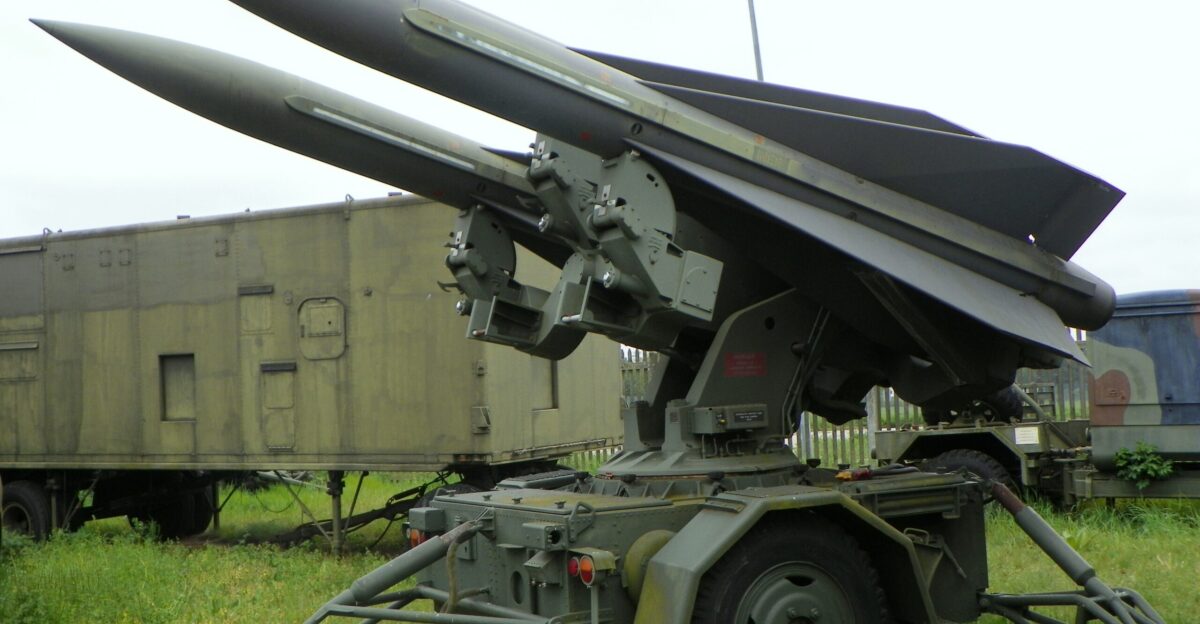
This is why January 16 mattered so critically. Western partners sent a shipment of air defense missiles—the exact timing remains officially vague. Zelensky disclosed that, until that morning, multiple systems had been operating completely without ammunition. “Today I have those missiles,” he said, implying yesterday he didn’t.
Four days later came the massive January 20 strike—precisely the kind of attack that could have overwhelmed empty defenses.
Energy Infrastructure Bears the Scars
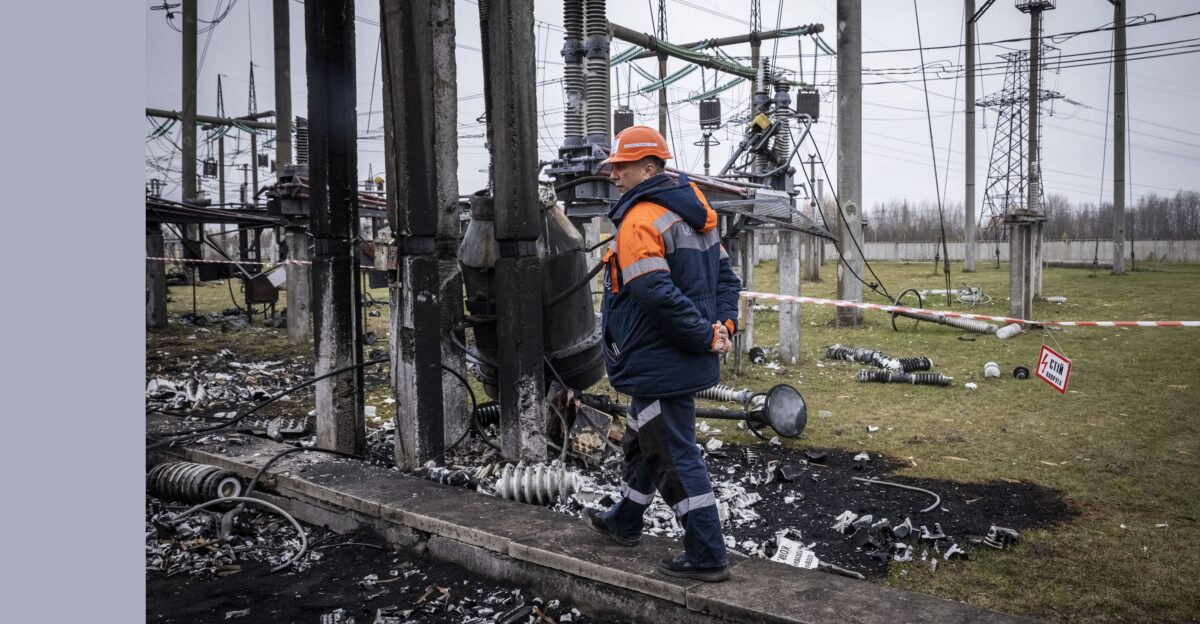
Systematic Russian strikes have destroyed approximately 85 gigawatts of Ukraine’s electricity generation capacity since October—nearly half the nation’s usual power output. Repair crews work in freezing conditions, knowing the next strike could undo weeks of work within hours.
The targeting is deliberate: energy infrastructure in deep winter equals civilian suffering, mass evacuation, and psychological pressure. Ukraine’s state energy operator warns that rolling blackouts will continue indefinitely.
The Math That Can’t Be Sustained
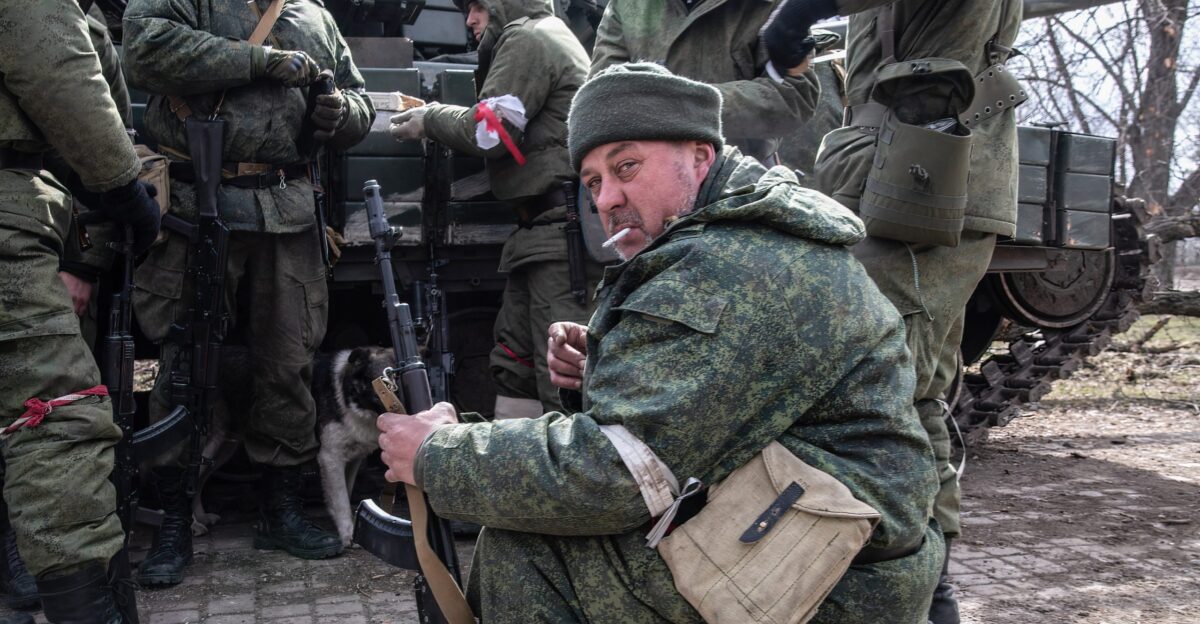
If Russia maintains the attack tempo observed in January 2026, Ukraine’s annual air defense expenditure would exceed $32 billion based solely on interceptor costs. That figure nearly equals Ukraine’s entire annual defense budget.
At approximately $257,000 per target spent to intercept each target during January 20’s engagement, the arithmetic yields an impossible equation. Russia only needs to attack; Ukraine must defend everything, everywhere, forever.
Partners Promised. Partners Delayed.
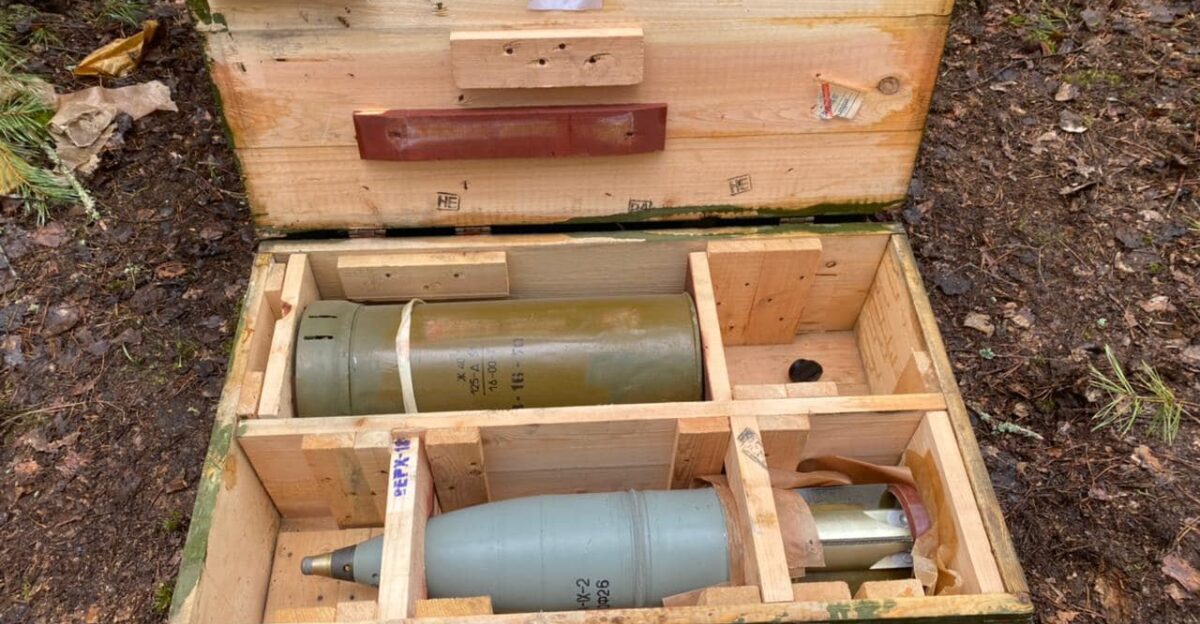
Military assistance to Ukraine fell sharply after the summer of 2025 when Washington began policy reviews. Patriot missiles, Stingers, and precision ammunition all faced delivery delays precisely when Russian attacks intensified.
Zelensky’s January 16 revelation that systems were running without ammunition reflected this reality—Western production couldn’t keep up with Ukrainian demand or the frequency of Russian attacks. The gap between what Ukraine needs and what arrives keeps growing.
The Question Now Is Simple
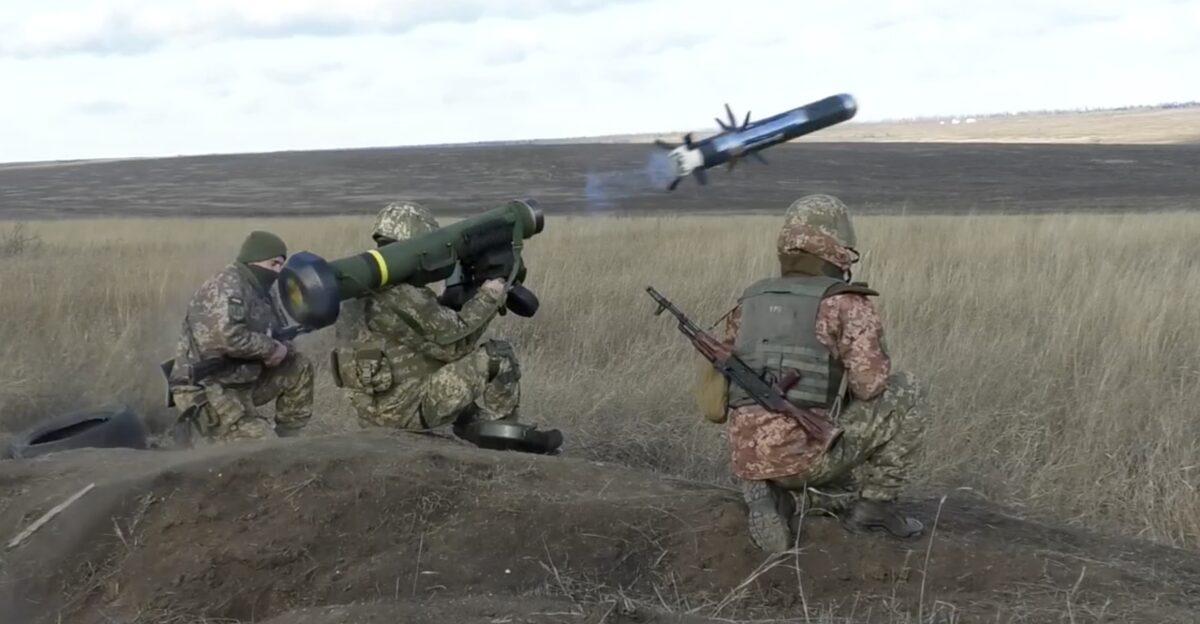
More massive attacks will come. Russia has the missiles, the drones, and the industrial capacity. The question is whether Ukraine will have interceptors ready or whether Zelensky will face the night his air defenses go silent.
On that night, the math changes. Without defenses, infrastructure burns faster. With defenses empty, people freeze. The choice facing Ukraine’s partners is no longer about victory—it’s about whether Ukraine survives the winter.
Sources:
Kyiv woke up cold and dark again after Russia fired 300+ drones and dozens of missiles – Euromaidan Press, January 20, 2026
Russian attack costs Ukraine about EUR 80 M in air defense missiles – Ukrinform, January 20, 2026
Zelenskyy reveals €80mn price tag for single day of air defense costs – Euromaidan Press, January 20, 2026
Ukraine’s air defence downs 342 Russian targets in single night – Facebook/Ukrainian military channels, January 20, 2026
Zelenskyy: Repelling Russian attack cost €80m, Russia continues updated tactics – Pravda Ukraine, January 20, 2026