President Donald Trump announced on January 8, 2026, that the United States will begin conducting land strikes targeting drug cartels in Mexico, declaring “we are going to start now hitting land with regard to the cartels.”
The statement marks an unprecedented escalation in U.S.-Mexico relations and follows months of deadly naval operations that Trump claims eliminated 97 percent of seaborne drug trafficking.
Naval Campaign Claims High Toll
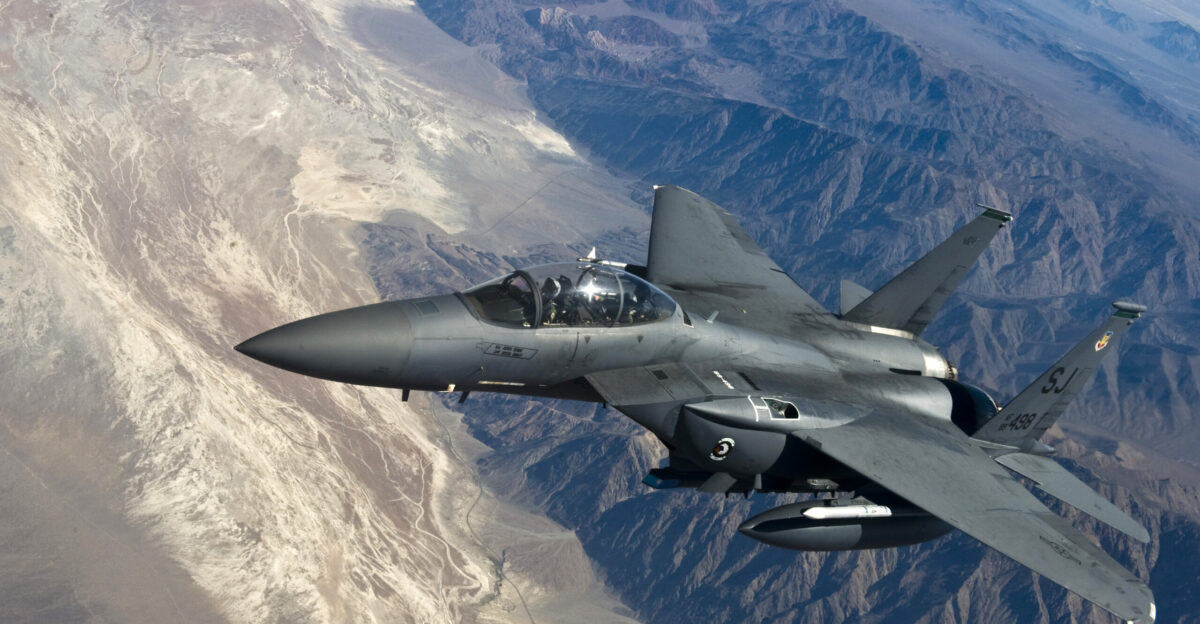
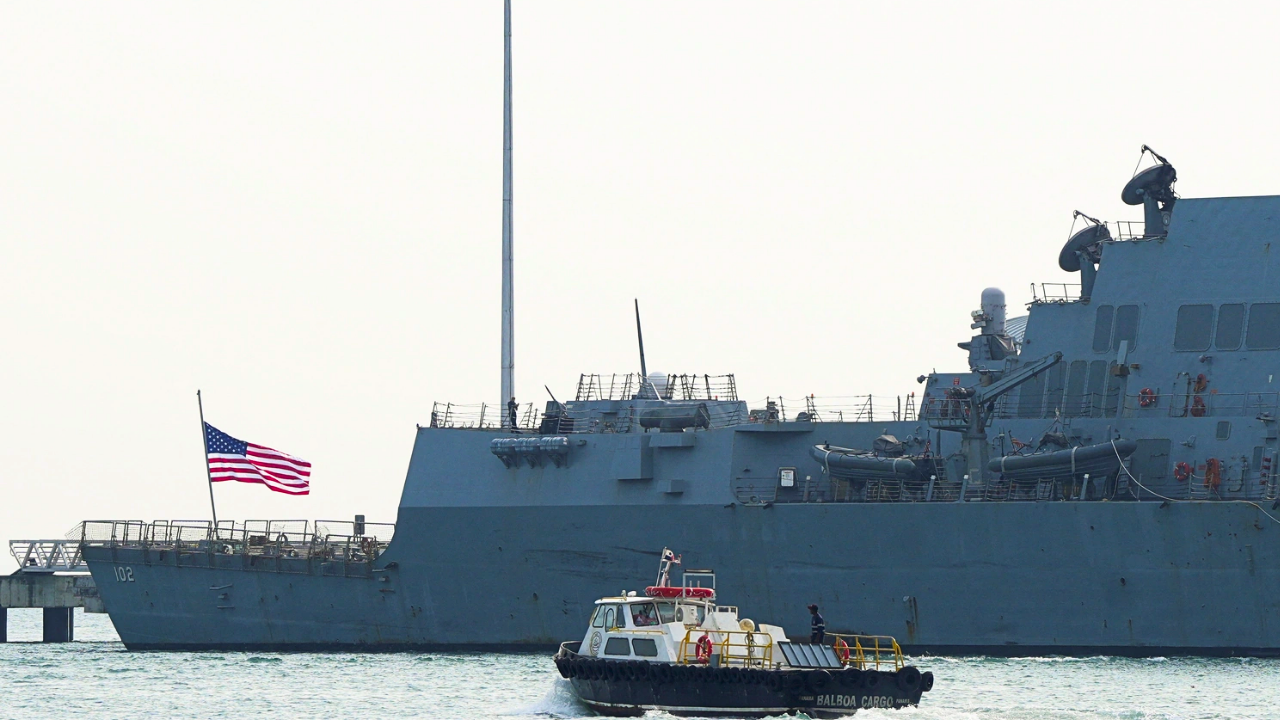
Since September 2025, U.S. military forces have conducted over 30 strikes on suspected drug-trafficking vessels in the Caribbean Sea and eastern Pacific Ocean, resulting in at least 115 deaths according to official figures.
The naval campaign, part of Operation Southern Spear, deployed more than 14,000 troops and warships to the region in the largest Caribbean military buildup in decades.
Venezuela Raid Precedes Mexico Threats
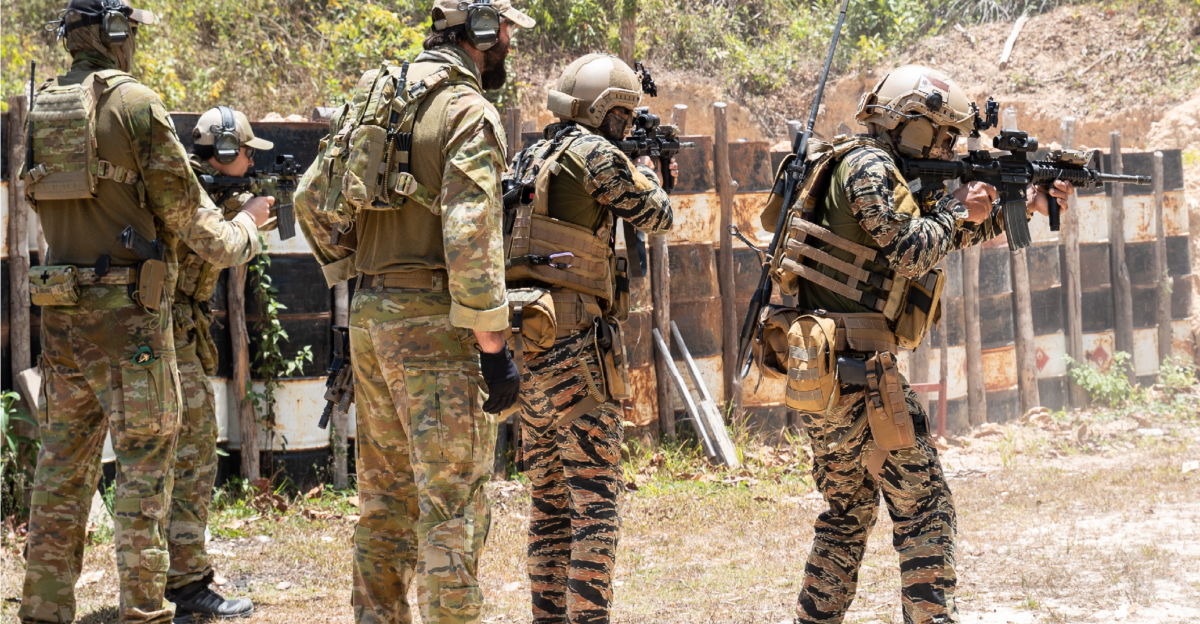
The land strike announcement came just days after U.S. special forces captured Venezuelan President Nicolás Maduro in a predawn raid in Caracas on January 3, 2026.
Trump told Fox News host Sean Hannity that “the cartels are running Mexico,” suggesting direct military intervention against narcotics organizations operating on Mexican soil. The president provided no specific details about timing, scope, or locations for planned operations.
Cartels Designated as Terrorists
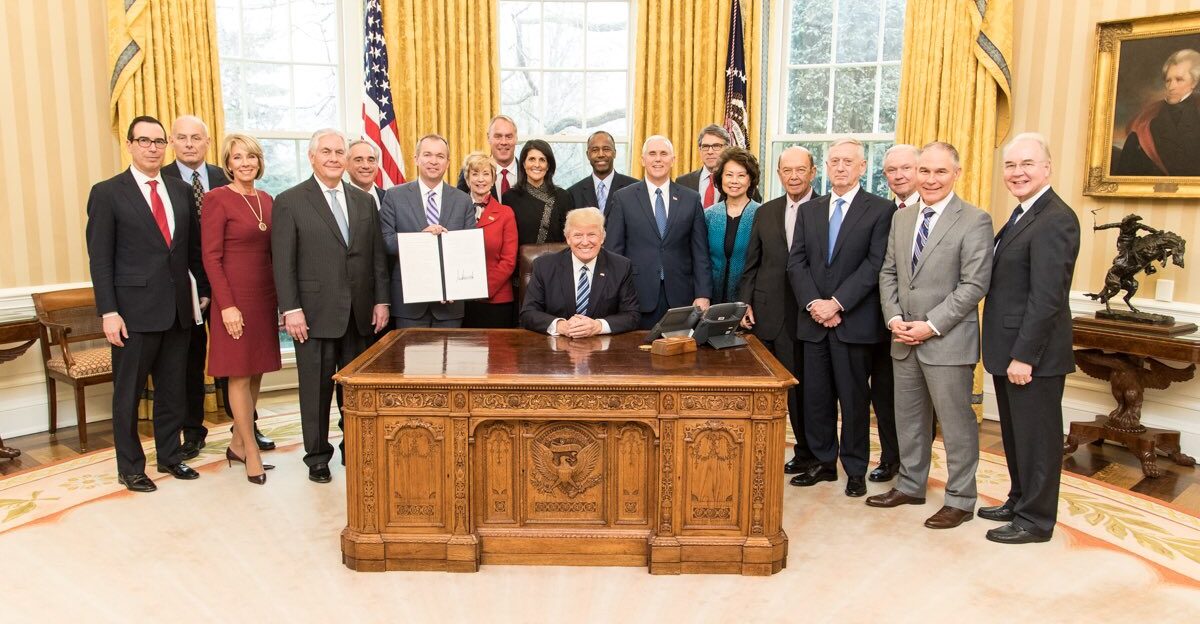
The Trump administration designated six Mexican cartels as Foreign Terrorist Organizations in February 2025: the Sinaloa Cartel, Jalisco New Generation Cartel, Northeast Cartel, Gulf Cartel, United Cartels, and Michoacán Family.
This designation places cartel members in the same legal category as Al Qaeda and ISIS operatives, theoretically authorizing U.S. military action against them as enemy combatants on foreign soil.
Fentanyl Declared Weapon of Mass Destruction

Trump designated fentanyl as a “weapon of mass destruction” in December 2025, citing overdose deaths as justification for aggressive military intervention.
The president frequently claims 250,000 to 300,000 Americans die annually from drug overdoses, though CDC data shows approximately 72,776 fentanyl-related deaths occurred in 2023. Most synthetic opioid deaths involve fentanyl manufactured in Mexico using Chinese chemical precursors.
Mexico Categorically Rejects Intervention

Mexican President Claudia Sheinbaum forcefully rejected any U.S. military presence on Mexican territory, stating on January 6, 2026: “We categorically reject intervention in the internal affairs of other countries.
The history of Latin America is clear and compelling: Intervention has never brought democracy, has never generated well-being or lasting stability.” She emphasized such actions would violate international law and Mexican sovereignty.
Repeated Troop Deployment Offers Refused
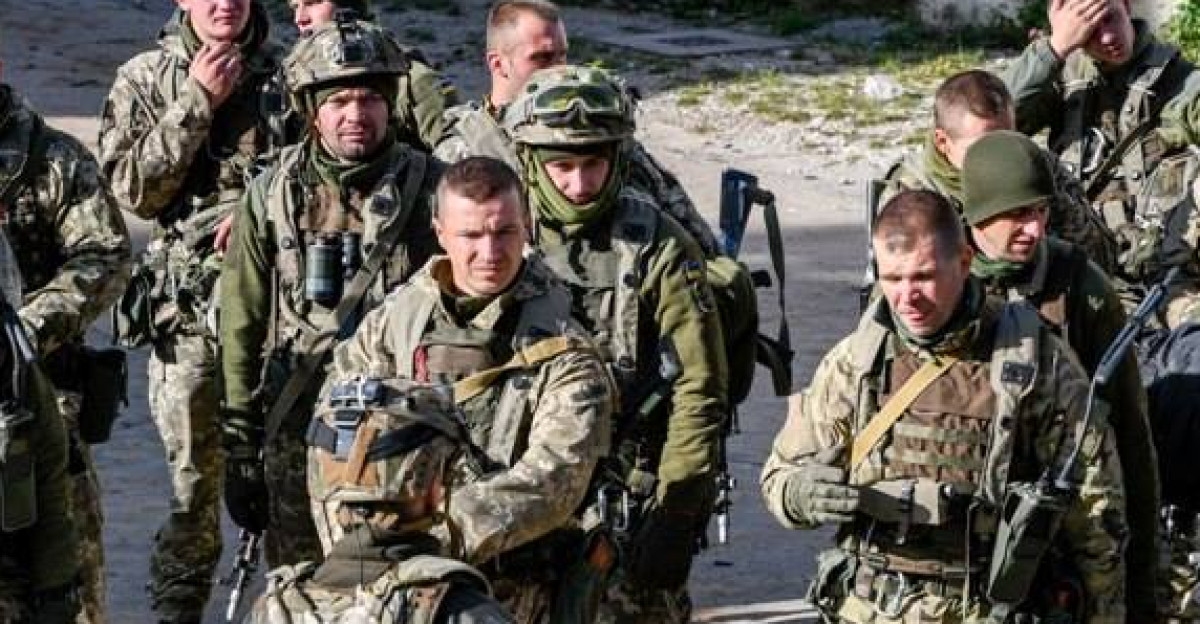
Sheinbaum confirmed Trump has repeatedly proposed deploying U.S. troops to Mexico during phone conversations, offers she has consistently refused. “We have said no very firmly—first because we defend our sovereignty, and second because it is not necessary,” she told reporters.
The Mexican president downplayed invasion likelihood, stating she doesn’t believe Trump is “taking it very seriously.”
International Law Violations at Stake

Any military strikes on Mexican territory without Mexico City’s consent would violate Article 2(4) of the UN Charter and mark an unprecedented attack on a U.S. ally and major trading partner.
Legal experts note that while the executive branch claims constitutional authority for military force supporting U.S. interests, such authority lacks recognition under international law. The action would represent extraordinary aggression against a neighboring democracy.
Economic Interdependence Creates Constraints

Mexico and the United States share profound economic ties under the USMCA free trade agreement covering trillions of dollars in commerce, up for revision in 2026. The countries are also preparing to jointly host the 2026 World Cup.
Former Mexican trade official Luis de la Calle emphasized: “The U.S. needs Mexico on trade, the U.S. needs Mexico on migration, and the U.S. needs Mexico on going after the criminal groups.”
Threats Function as Negotiation Weapons
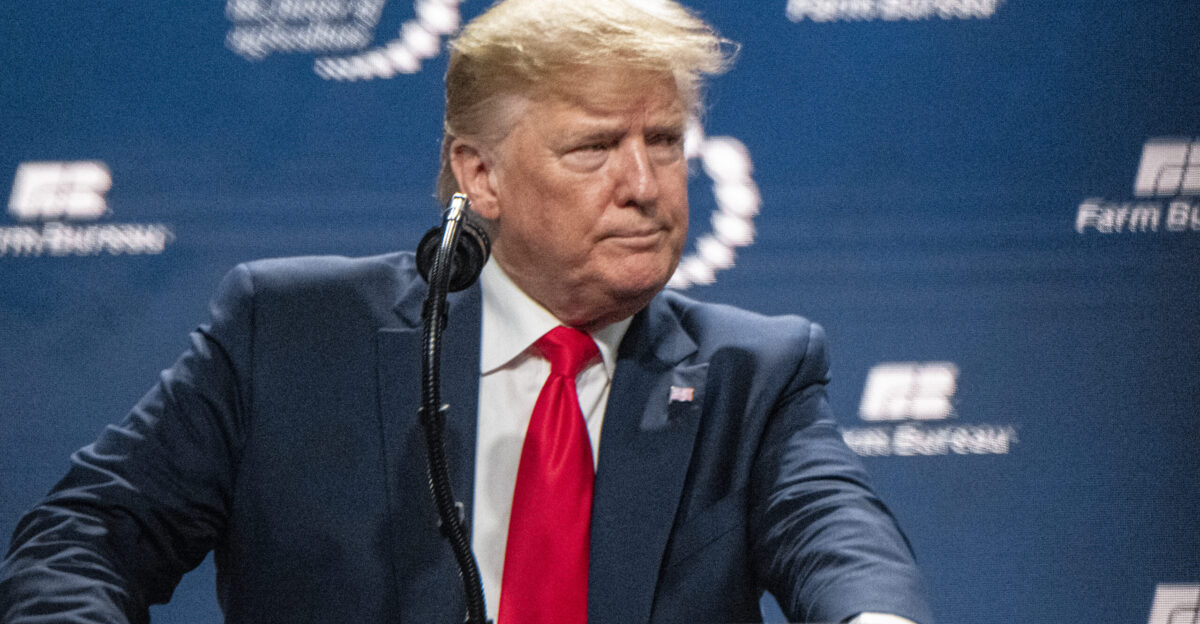
Security analysts suggest Trump’s military threats primarily serve as “negotiation weapons” to extract concessions from Mexico rather than signaling imminent action.
Since Trump began imposing tariffs and threatening intervention, the Sheinbaum administration significantly increased anti-cartel operations, deploying more troops to the border and ramping up arrests, drug seizures, and extraditions to demonstrate cooperation with U.S. security objectives.
Mexican Violence Data Shows Decline

Sheinbaum unveiled data on January 8, 2026, showing daily homicides have dropped 40 percent nationwide since she took office. Mexican officials argue their intensified security operations prove military intervention is unnecessary.
The government emphasizes it is effectively combating cartels through enhanced law enforcement cooperation, intelligence sharing, and targeted operations against trafficking networks.
Congressional Authority Questions Emerge
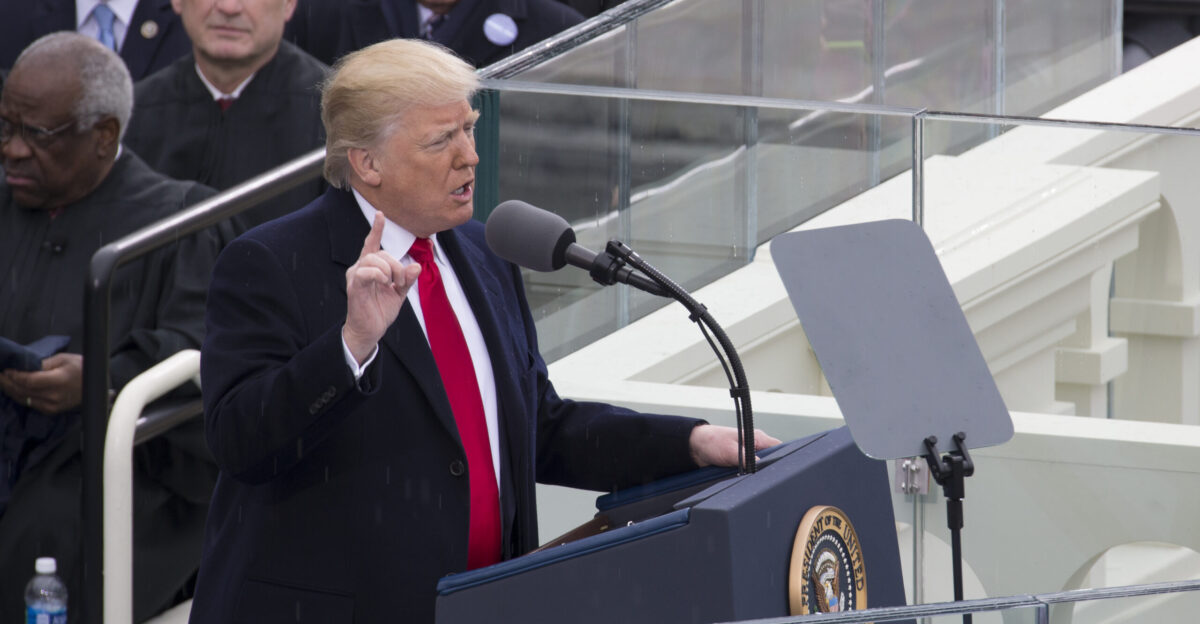
Trump provided no information about whether he would seek Congressional authorization for land strikes against cartels. The U.S. Constitution grants Congress war declaration authority, though presidents historically launch military operations without formal declarations.
Following the Venezuela operation, the Republican-majority Senate passed a war powers resolution on January 8 to block further action without congressional approval.
War Crimes Accusations Surface
Legal experts and some members of Congress condemned the naval strikes as “war crimes, murder, or both,” according to reporting on the campaign. The Trump administration characterized those killed as “narco-terrorists” operating in international waters.
Critics argue the strikes lack legal justification under international law and constitute extrajudicial killings without due process or verification of targets’ involvement in trafficking.
Regional Tensions Escalate Dramatically

The Trump administration has issued warnings of potential military interventions beyond Mexico, including Cuba, Colombia, and Greenland.
Colombian President Gustavo Petro told the BBC on January 9, 2026, he believes there is a “real threat” of U.S. military action against Colombia. Petro warned the U.S. might shift from dominating the world to becoming “isolated from the world” through aggressive intervention policies.
Latin America Condemns U.S. Actions

Multiple Latin American governments condemned U.S. intervention as violations of sovereignty and international law following the Maduro capture.
Mexico led regional criticism, with Sheinbaum calling the Venezuela operation destabilizing and contrary to diplomatic principles. Regional leaders expressed concern that Trump’s approach signals a return to gunboat diplomacy and Cold War-era interventionism in Latin American affairs.
Monroe Doctrine Reassertion Declared
The White House stated it is “reasserting and enforcing the Monroe Doctrine to restore American preeminence in the Western Hemisphere, control migration, and stop drug trafficking.”
This 1823 policy asserted U.S. dominance over the Americas and opposed European colonization. Modern invocations have historically preceded U.S. military interventions in Latin America, raising concerns about unilateral actions throughout the region.
Security Cooperation at Risk
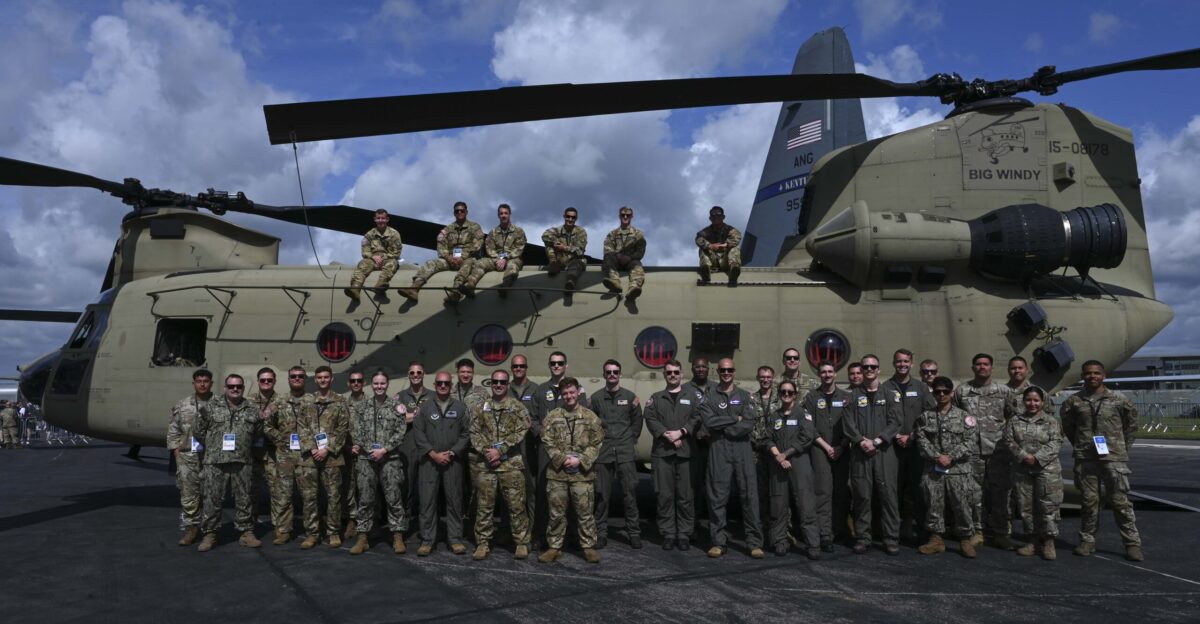
Analysts emphasize U.S. military intervention in Mexico would likely suspend the security cooperation Washington currently relies upon for intelligence sharing, extraditions, and coordinated operations.
Mexico has historically cooperated with U.S. anti-drug efforts through information exchange, border security collaboration, and targeting high-value cartel leaders. Unilateral military action could eliminate these essential partnerships and drive cartels deeper underground.
Operation Details Remain Unclear
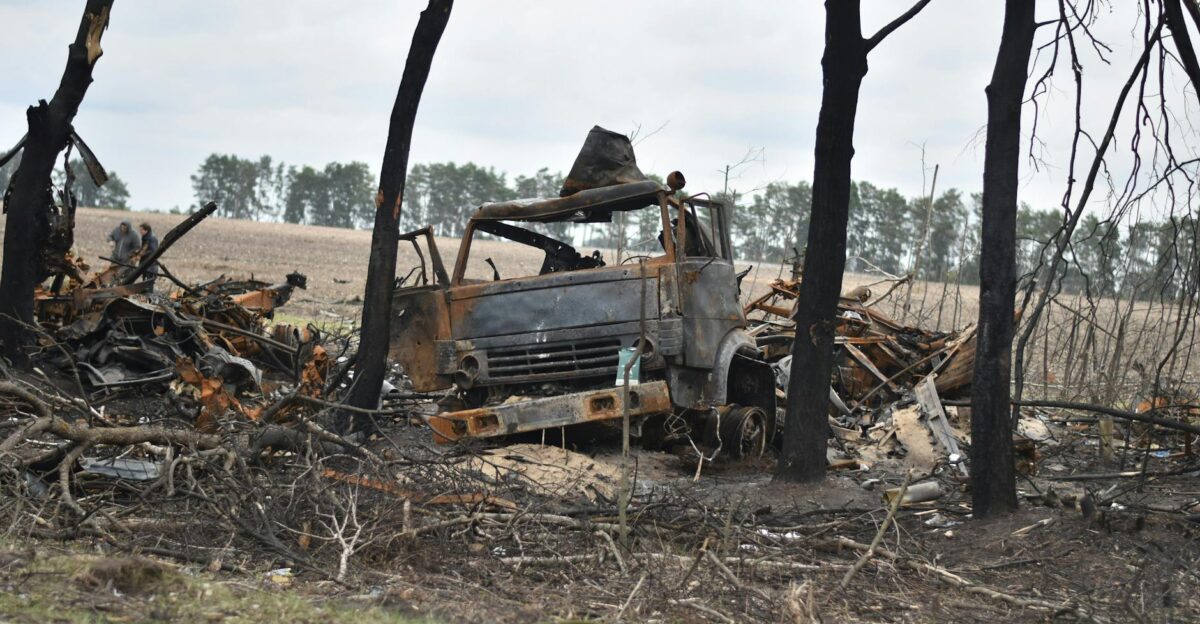
Trump’s announcement left critical questions unanswered about the timing, scope, location, and rules of engagement for planned land strikes. Officials did not clarify whether operations would target Mexico, Venezuela, other countries, or multiple nations simultaneously.
The lack of specificity has fueled speculation about whether the threats represent genuine military planning or political posturing ahead of trade and immigration negotiations.
Impeachment Calls Resurface
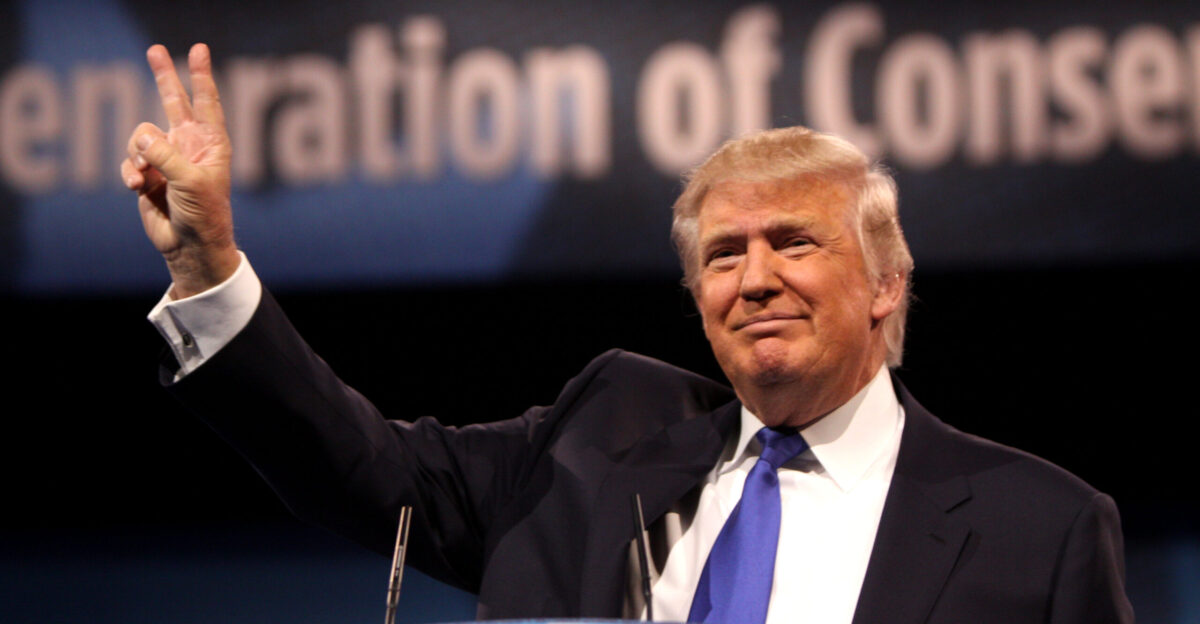
Some Trump opponents have called for his third impeachment over the Venezuela incursion and threatened Mexico operations. Critics argue the military actions constitute illegal wars of aggression without congressional authorization.
However, the Republican-controlled Congress appears unlikely to pursue impeachment proceedings, and symbolic war powers resolutions lack enforcement mechanisms without presidential cooperation or congressional override of potential vetoes.
Uncertain Path Forward
The international community watches anxiously as Trump’s threats create uncertainty across Latin America and test the boundaries of presidential military authority. Whether the land strike announcement represents concrete operational planning or negotiating leverage remains unclear.
Mexico maintains its firm opposition while intensifying domestic security operations, seeking to demonstrate effectiveness without surrendering sovereignty to foreign military intervention on its territory.
Sources:
“Trump says US to ‘start now hitting land’ in Mexico targeting drug cartels.” Euronews, 8 Jan 2026.
“Trump insists ‘cartels are running Mexico’ and announces ground operations: we are going to start now hitting land.” El País, 8 Jan 2026.
“Trump Says U.S. to Start ‘Hitting Land’ in Military Campaign Against Drug Cartels.” TIME, 8 Jan 2026.
“Trump Ends 2025 by Bombing More Boats, Bringing Death Toll to at Least 115.” Common Dreams, 1 Jan 2026.
“Mexico dismisses US military intervention despite Trump’s threats.” ABC News, 5 Jan 2026.
“Mexican president rejects US sending troops to her country.” Fox News, 4 Jan 2026.