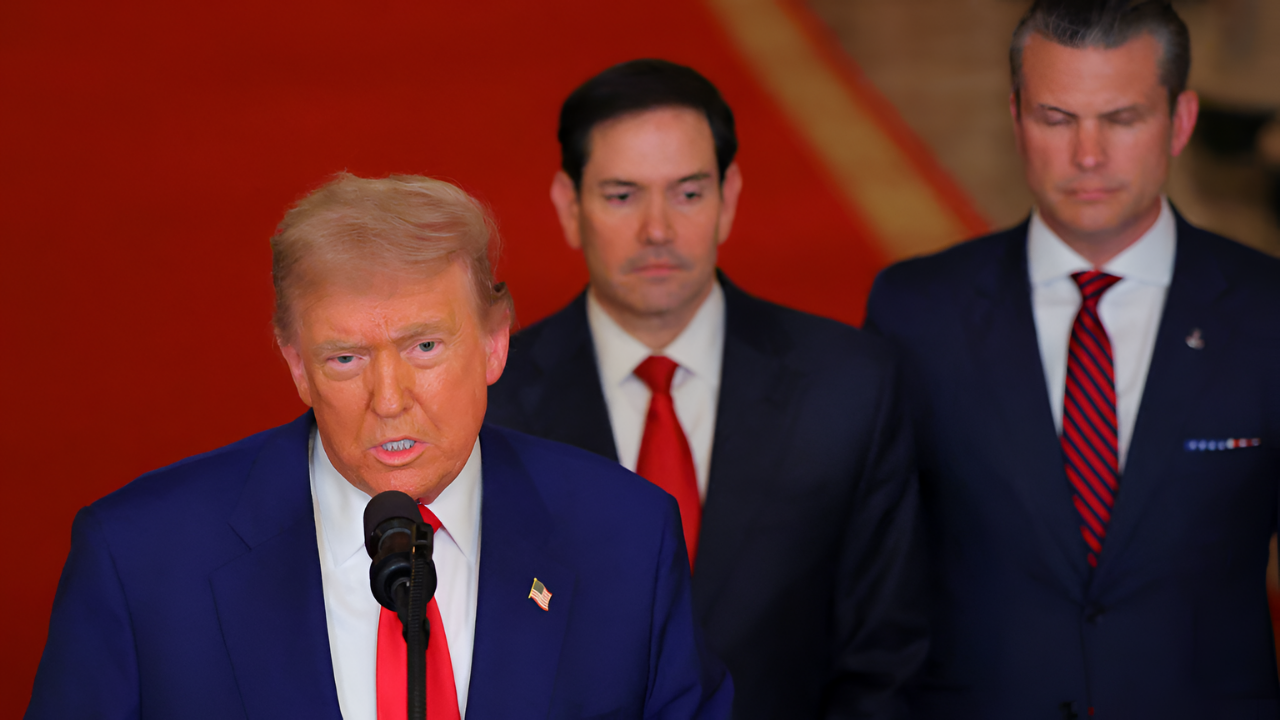
Lawmakers rushed to the podium chanting “Death to America” as Parliamentary Speaker Mohammad Bagher Ghalibaf delivered a chilling ultimatum broadcast live on Iranian state television.
“All American military facilities, bases, and vessels in the region will be our legitimate targets,” he warned on January 11, threatening preemptive strikes if the United States intervenes in protests that have killed at least 2,571 people.
Massacre Hidden Behind Internet Blackout
Six Tehran hospitals alone recorded 217 deaths in a single night from live ammunition, while intelligence sources within Iran’s Supreme National Security Council suggest the actual death toll may exceed 12,000 protesters killed during a nationwide internet blackout designed to conceal the massacre from international observers.
Deadliest Crackdown in Modern Iranian History
The Human Rights Activists News Agency (HRANA) confirmed 2,403 protester deaths, 147 government casualties, and 12 children killed as of January 14—already surpassing all previous post-revolutionary protest movements combined.
The uprising has engulfed all 31 provinces and 186 cities, evolving from currency collapse protests into explicit demands for regime change.
Trump Weighs Military Strike Options
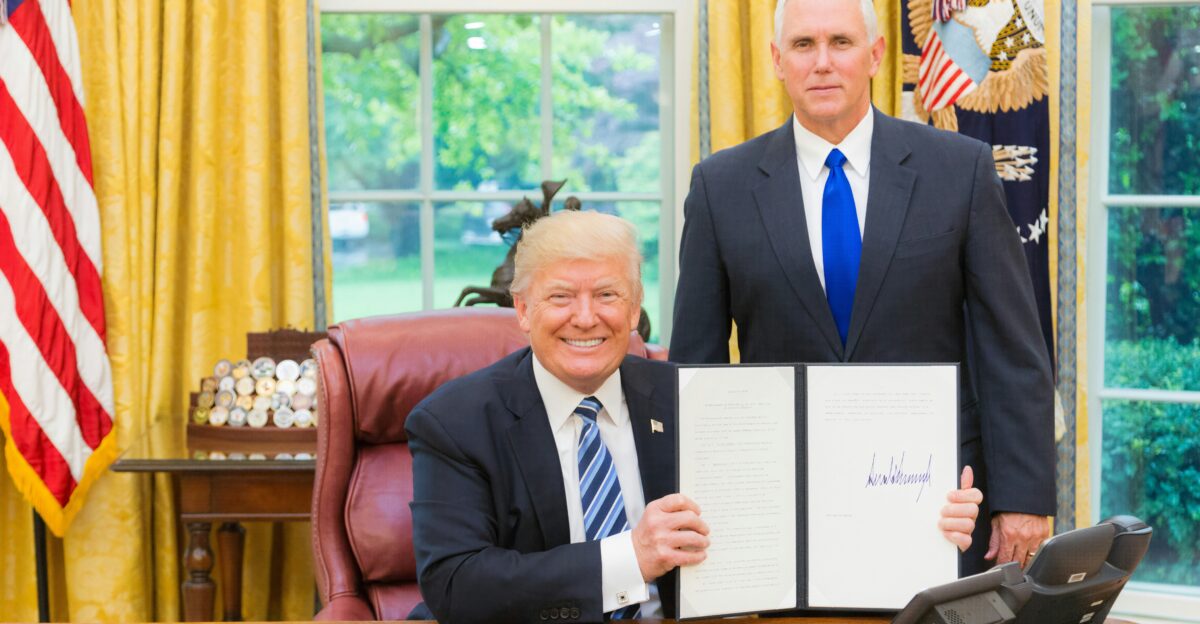
President Donald Trump has been briefed on military strike options targeting locations in Tehran, while announcing 25 percent tariffs on countries trading with Iran.
He declared America “locked and loaded and ready to go” on January 2, escalating tensions as Iran’s Revolutionary Guard deploys overwhelming force with live ammunition against demonstrators nationwide.
Currency Collapse Sparks Nationwide Uprising
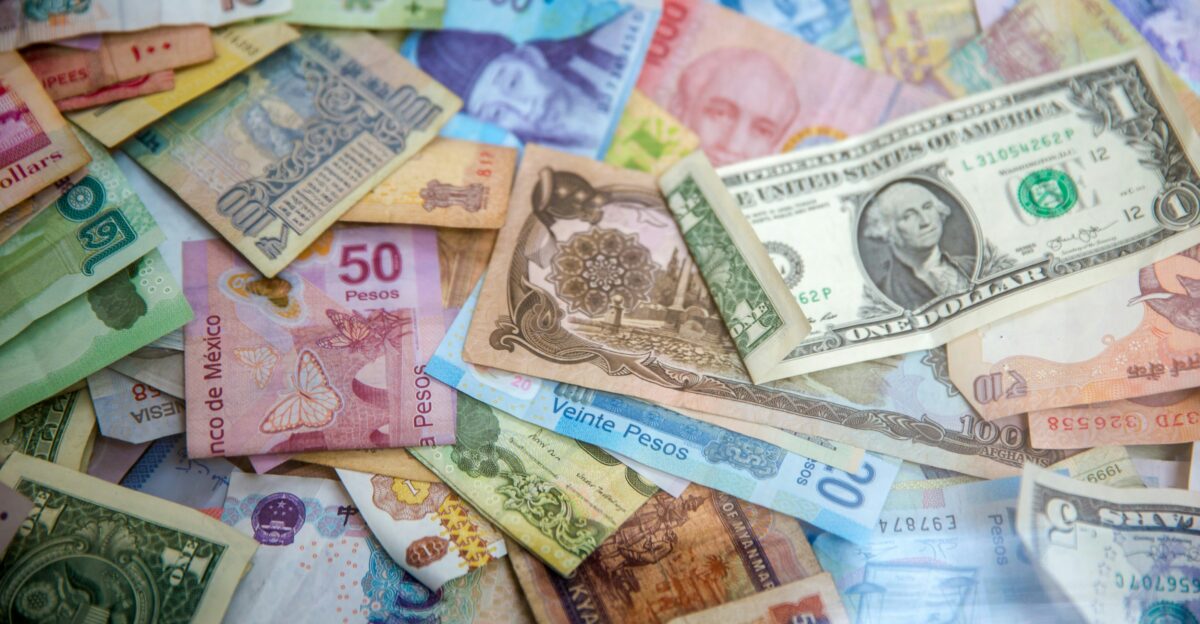
The Iranian rial’s catastrophic collapse to 1.47 million per US dollar on December 28 triggered the initial protests—the lowest value ever recorded for any national currency. The currency lost 45 percent of its value in 2025 alone, driving annual inflation to 42.2 percent and making basic staples unaffordable for millions of Iranians.
Protesters Reject Regime’s Foreign Policy

Demonstrators chanted “Not Gaza, not Lebanon, may my life be sacrificed for Iran,” directly linking the regime’s foreign policy spending on proxy militias to economic devastation at home.
The multi-tier exchange system allowing regime-connected firms subsidized currency access while citizens face market rates has fueled perceptions of systemic corruption driving protesters into streets.
Total Communication Shutdown Imposed
Iran imposed a near-total internet shutdown on January 8, reducing national connectivity to effectively zero for over six days. Cloudflare and monitoring group NetBlocks confirmed the blackout prevents real-time casualty documentation, enabling security forces to conduct door-to-door raids seizing satellite equipment without international witnesses recording the violence.
Starlink Breaks Government Information Blockade
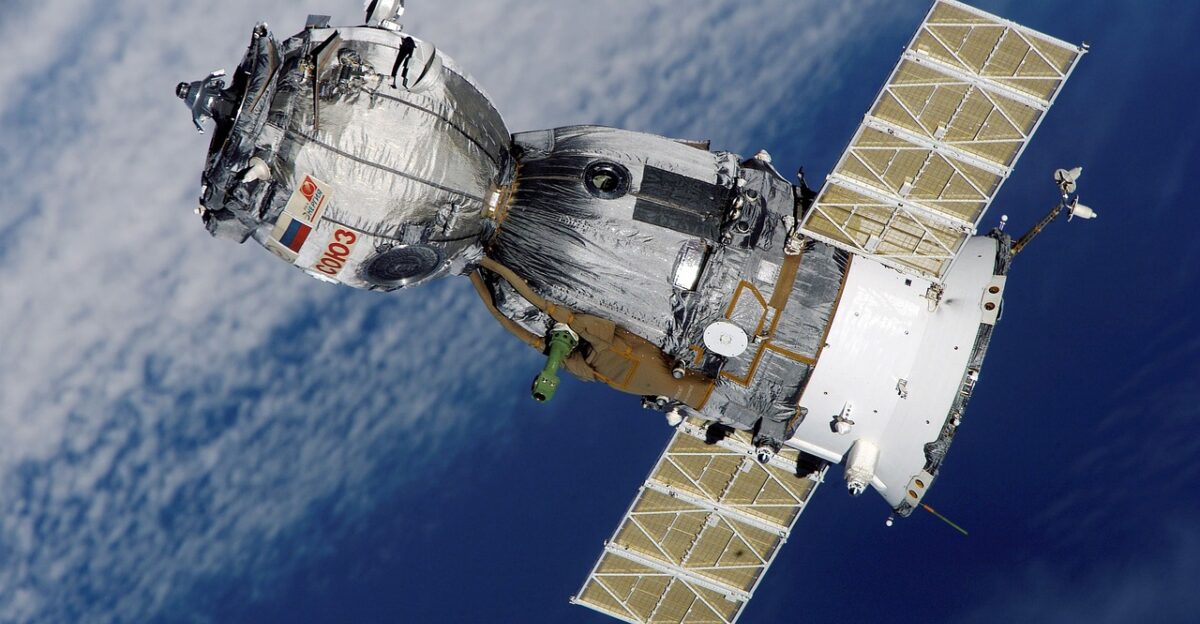
SpaceX began providing free Starlink satellite internet service to Iranian users on January 13, offering what experts call “the sole means to disseminate information” during the government-imposed blackout.
An estimated 50,000 Starlink receivers now operate throughout Iran, though Tehran has responded with military-grade jamming causing 30-80 percent packet loss and criminalized usage with death penalties.
Revolutionary Guards Deploy Maximum Lethality
The Islamic Revolutionary Guard Corps (IRGC) and its Basij paramilitary wing have employed systematic live ammunition against protesters, tactics reminiscent of the November 2019 crackdown when an estimated 304-1,500 died over just four days.
Over 18,100 people have been detained, facing charges of “moharebeh” (enmity against God), which carries the death penalty.
Ghalibaf Promises Harshest Crackdown
Ghalibaf, who commanded Iran’s police from 2000-2005 and previously bragged about ordering officers to fire at student demonstrators, praised the Revolutionary Guard and Basij forces for their “resilience.” He asserted Iranians should know “we will confront them in the harshest manner and penalize those who are detained” during his January 11 parliamentary address.
International Experts Confirm Unprecedented Violence
French Foreign Minister Jean-Noel Barrot stated on January 13 that the current crackdown “could be the most violent in Iran’s contemporary history,” surpassing the 2022 Mahsa Amini protests that killed approximately 469-550 people over several months.
Israel’s Mossad declared “We are with you. Not only from a distance and verbally. We are with you in the field”.
Operation Midnight Hammer Shadows Current Crisis
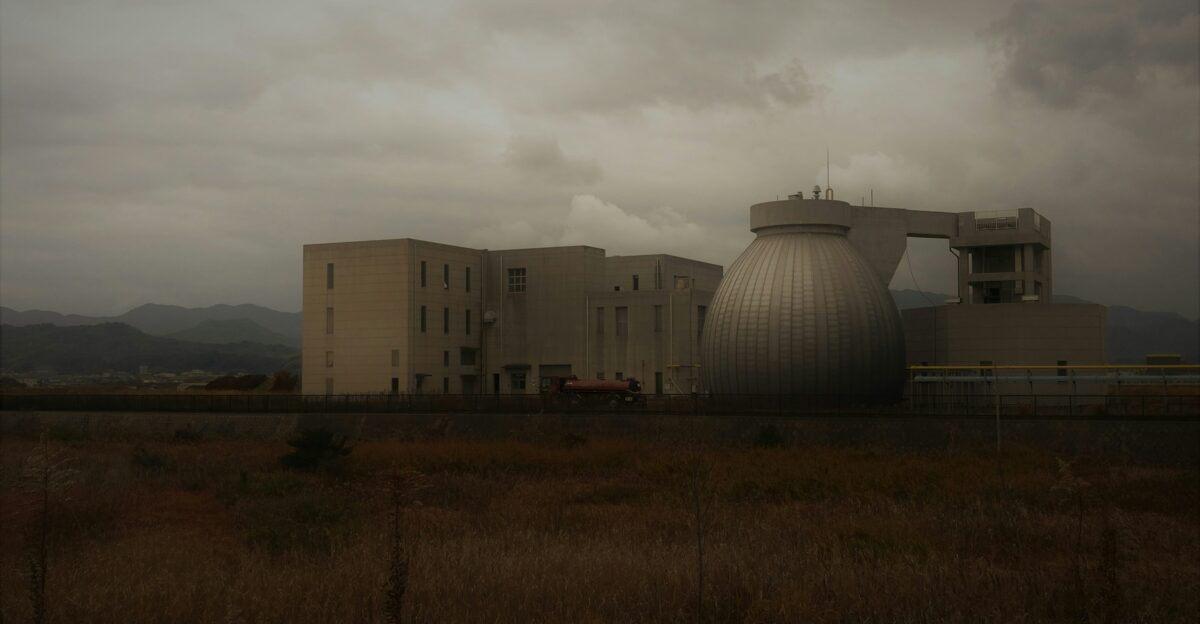
This unfolds against the backdrop of Operation Midnight Hammer, the June 22, 2025 US military operation that struck Iran’s three primary nuclear facilities using seven B-2 Spirit bombers and submarine-launched Tomahawk cruise missiles.
Chairman of the Joint Chiefs General Dan Caine reported that “Iran’s fighters did not fly, and it appears that Iran’s surface to air missile systems did not see us”.
Iran Weakened by Twelve-Day War
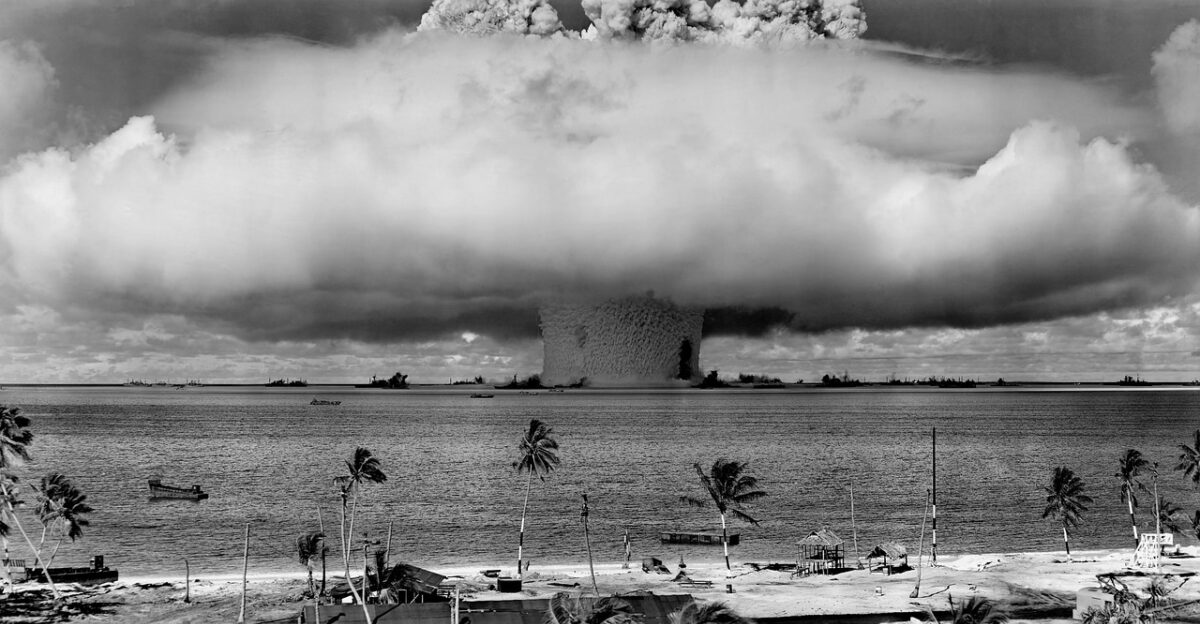
Iran enters this crisis substantially diminished by the June 2025 Twelve-Day War with Israel, during which Israeli forces conducted nearly 360 strikes across 27 provinces, killing over 30 senior IRGC commanders and at least 11 nuclear scientists. Syria’s Bashar al-Assad, a critical ally, was deposed in 2025, further isolating Tehran regionally.
Regime Retains Significant Retaliatory Capabilities
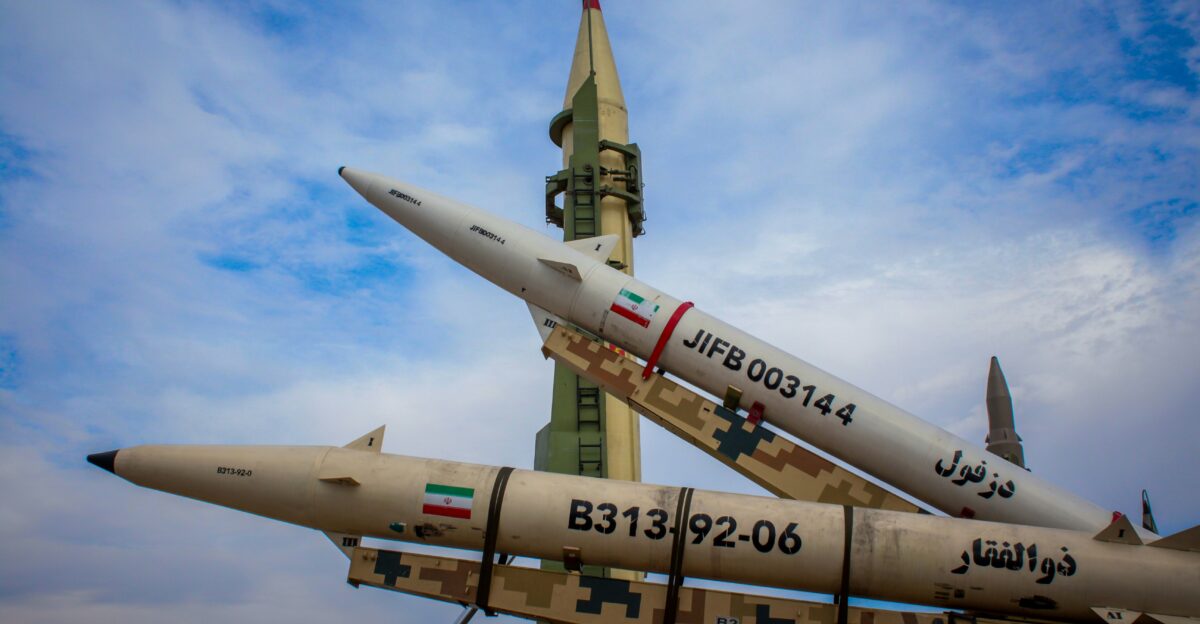
Yet Iran retains considerable ballistic missile capabilities demonstrated when it launched over 550 missiles and 1,000 suicide drones at Israel during June’s conflict. Iranian missiles struck a US base in Qatar during that war, confirming the credibility of Ghalibaf’s parliamentary threats against American military facilities throughout the Middle East region.
Economic Crisis Reflects Four Decades of Mismanagement
The rial has lost approximately 20,000 percent of its value since the 1979 revolution. International sanctions reimposed by the UN on September 28, 2025 following the snapback mechanism, combined with devastating war costs and systematic financial mismanagement, created converging pressures.
President Masoud Pezeshkian admitted before protests erupted, “I can’t do anything” regarding economic challenges.
Reza Pahlavi Calls for Army Defection
Reza Pahlavi, son of Iran’s last shah overthrown in 1979, called on Iran’s regular army to defect: “You are the national military of Iran, not the military of the Islamic Republic.” He urged protesters to display the lion-and-sun flag from the shah’s era and assured demonstrators that “American help was coming” in his January 13 statement.
European Union Proposes Fresh Sanctions

The European Union announced it would “quickly” propose fresh sanctions targeting individuals involved in the crackdown, adding to over 230 Iranians already sanctioned.
The Netherlands specifically proposed asset freezes for new individuals, while the UK Foreign Secretary provided parliamentary updates emphasizing unprecedented geographic spread of demonstrations across all 31 provinces.
Historical Pattern Shows Escalating Brutality
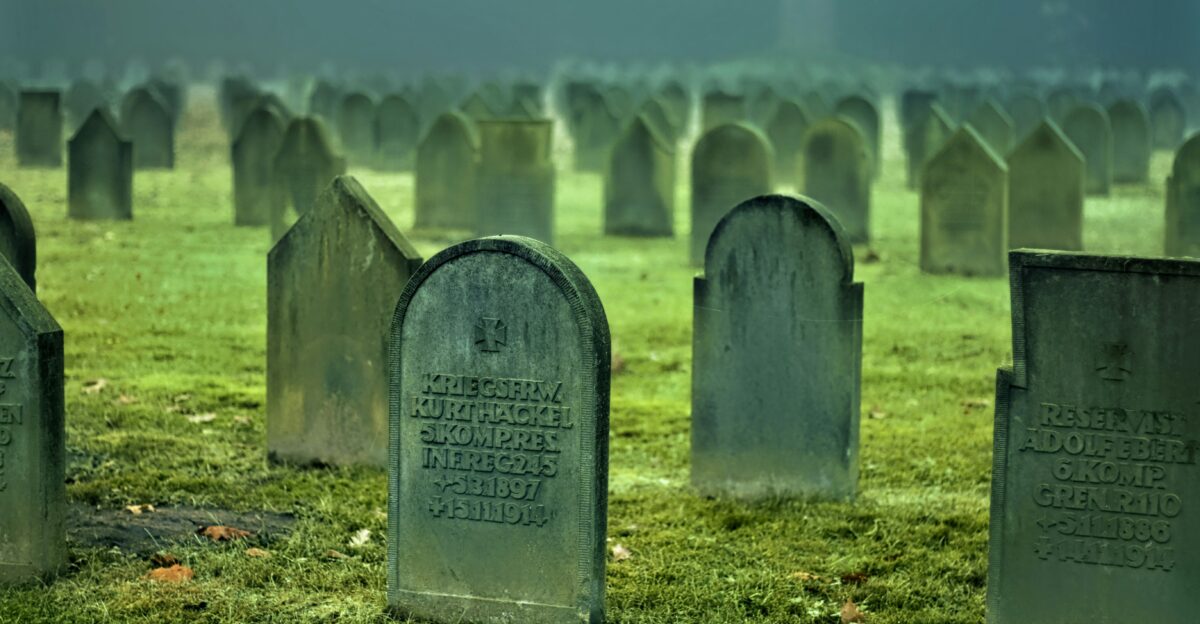
Each successive Iranian protest wave has elicited more lethal government responses. The 2009 Green Movement resulted in dozens of deaths, November 2019 protests killed an estimated 304-1,500 over four days, and 2022 Mahsa Amini demonstrations resulted in 469 documented deaths.
The current crackdown’s verified toll of 2,571—potentially exceeding 12,000—represents exponential escalation.
Preemptive Strike Threat Creates Dangerous Dynamic
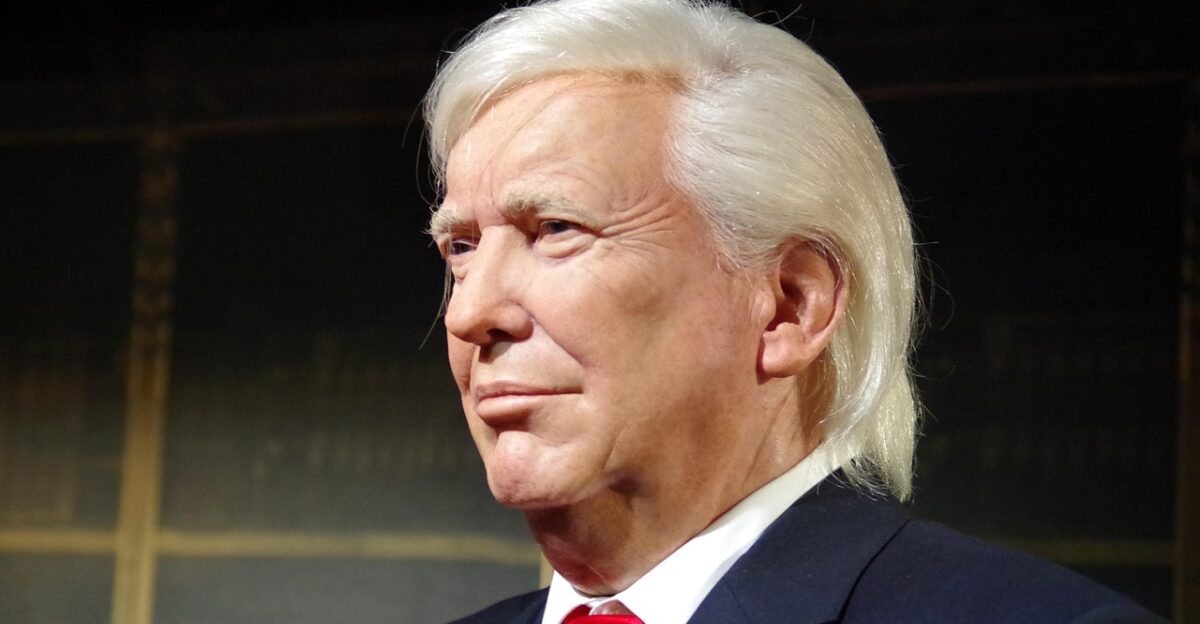
Ghalibaf’s warning that Iran would “act based on any clear signs of threat” rather than waiting for attack, combined with Trump’s escalating rhetoric about military options, creates dangerous conditions for miscalculation.
Any US strikes risk triggering Iranian missile attacks on American personnel, Israeli territory, or critical energy infrastructure, potentially escalating into wider regional conflict.
Three Scenarios Could Reshape Middle East
What happens next will determine whether this represents regime collapse or another brutal suppression. Iran’s theocratic system confronts a crisis synthesizing four decades of accumulated contradictions—economic mismanagement destroying currency value, regional adventurism squandering resources on proxies, and systematic repression answering reform demands with bullets.
The coming weeks will reveal whether the regime’s survival toolkit can withstand a population explicitly rejecting the Islamic Republic itself.
Sources:
“Iran warns US troops, Israel will be ‘legitimate targets’ if America strikes over protests.” France24, 11 Jan 2026.
“Death toll from Iran’s crackdown on protests jumps to at least 2571, activists say.” Euronews, 13 Jan 2026.
“Trump Is Briefed on Options for Striking Iran as Protests Intensify.” The New York Times, 10 Jan 2026.
“At least 2571 killed in Iran’s protests, Trump says ‘help is on the way.'” Reuters, 14 Jan 2026.
“Iran’s Internet Blackout Concealing Atrocities.” Human Rights Watch, 12 Jan 2026.
“Access to Elon Musk’s Starlink internet service is now free in Iran.” CNN, 13 Jan 2026.