The clock is ticking in the Middle East. In the span of just 14 days, Iran’s brutal crackdown on protesters has killed more than 2,600 people—the deadliest unrest since the 1979 Islamic Revolution.
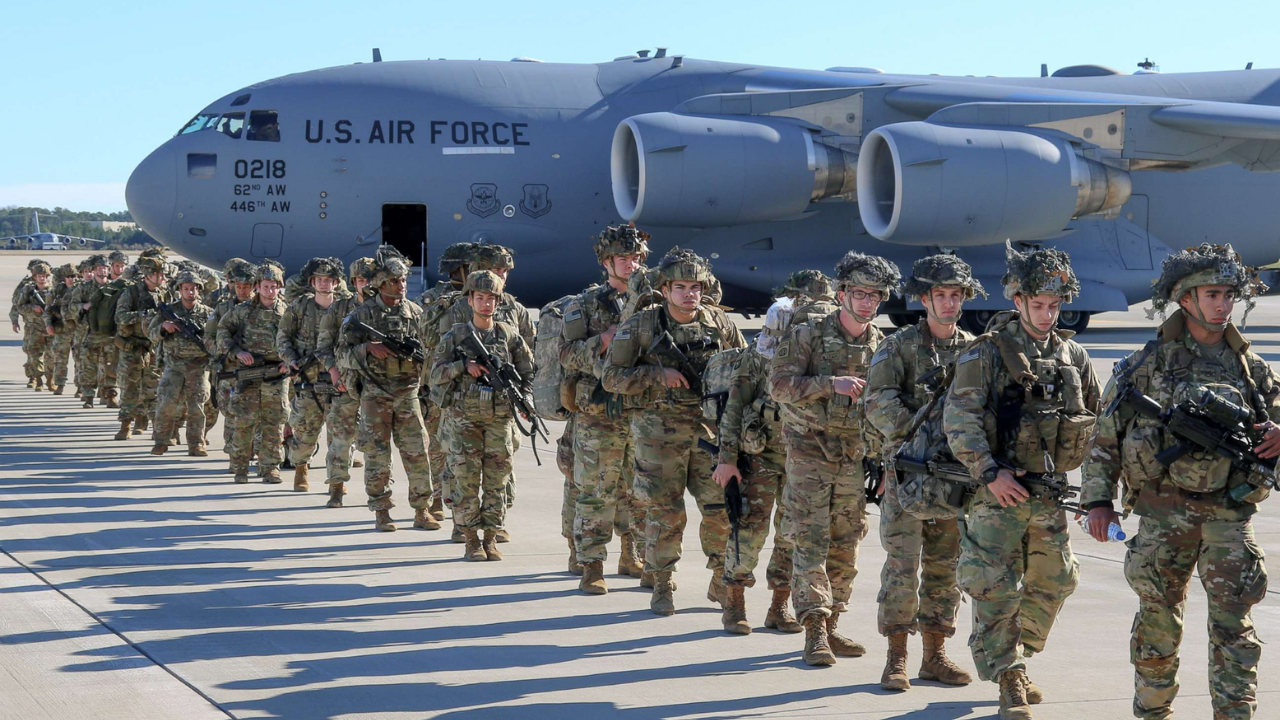
Now President Trump is moving pieces on the board: evacuating America’s largest military base in the Middle East, deploying warships to the Persian Gulf, and warning Tehran that “help is on its way” for its people. The question isn’t whether conflict is coming—it’s when.
When A Currency Dies, A Nation Shakes
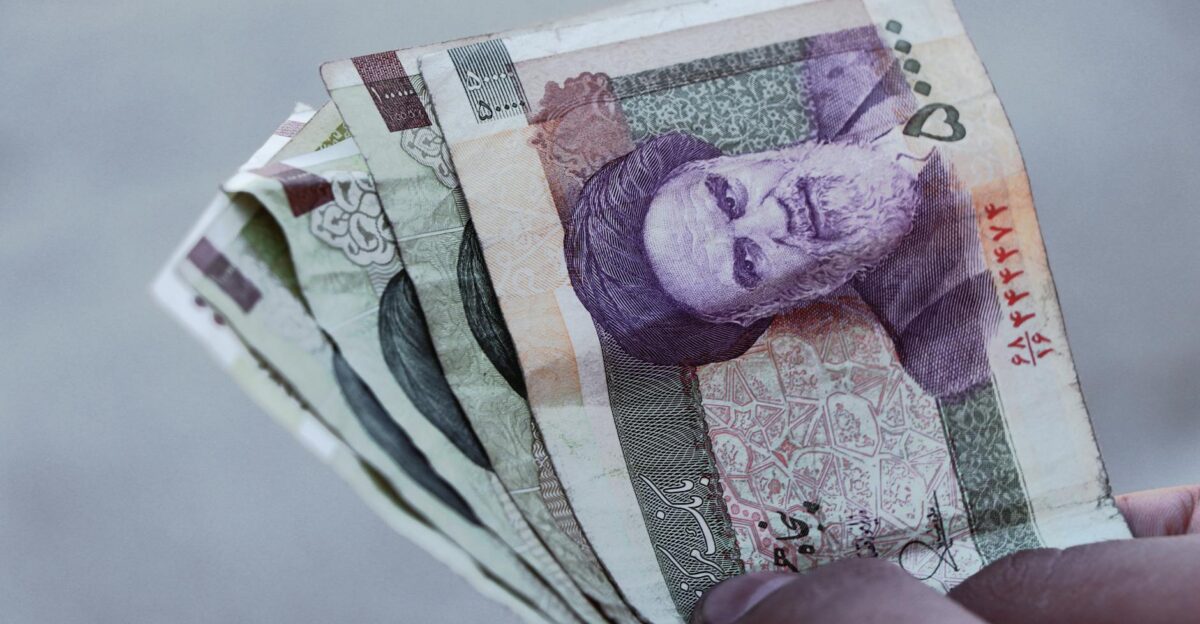
Iran’s economic collapse triggered the uprising. The rial crashed to 1.4 million per U.S. dollar in December, with inflation hitting 42.5 percent annually. Ordinary Iranians watched their savings evaporate overnight.
What began as demonstrations over bread-and-butter economics evolved into something far deadlier: a direct challenge to 45 years of theocratic rule, now gasping for air.
2,600+ Dead In Two Weeks
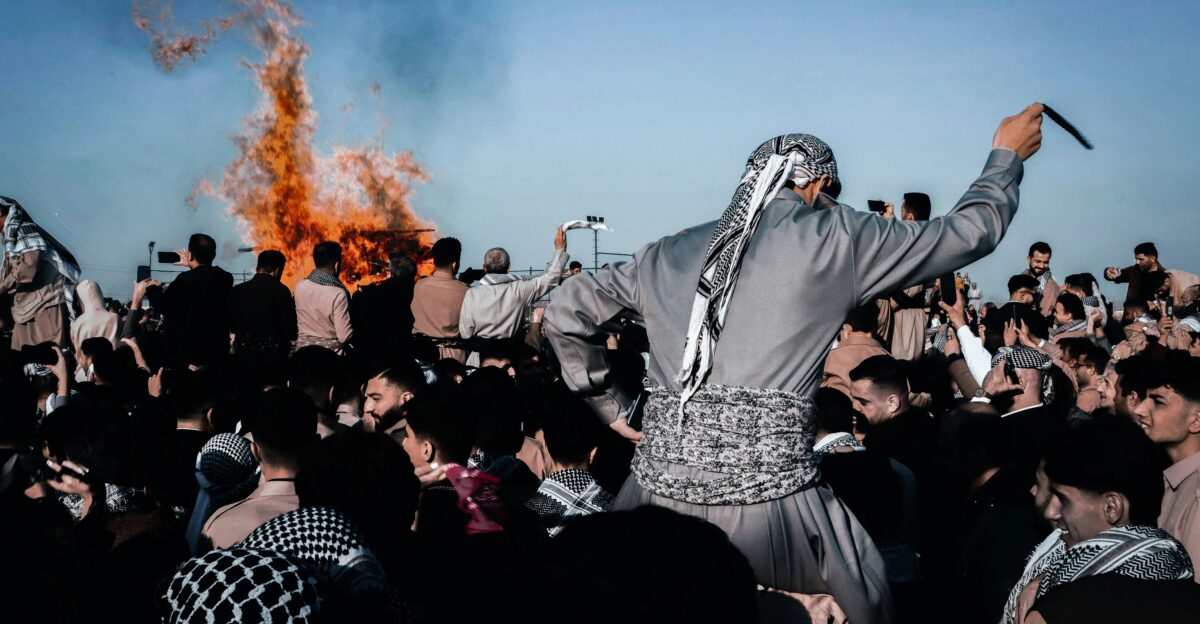
The Human Rights Activists News Agency documented 2,615 deaths by mid-January: 2,403 protesters and 147 government-affiliated personnel, plus children shot in the crossfire.
French Foreign Minister Jean-Noel Barrot called it “the most violent repression in Iran’s contemporary history,” with victims “shot at point-blank range with automatic weapons”. The speed and scale eclipsed the 2019 protests by more than 1,000 deaths—in half the time.
Trump’s Coded Message: ‘Help Is On Its Way’
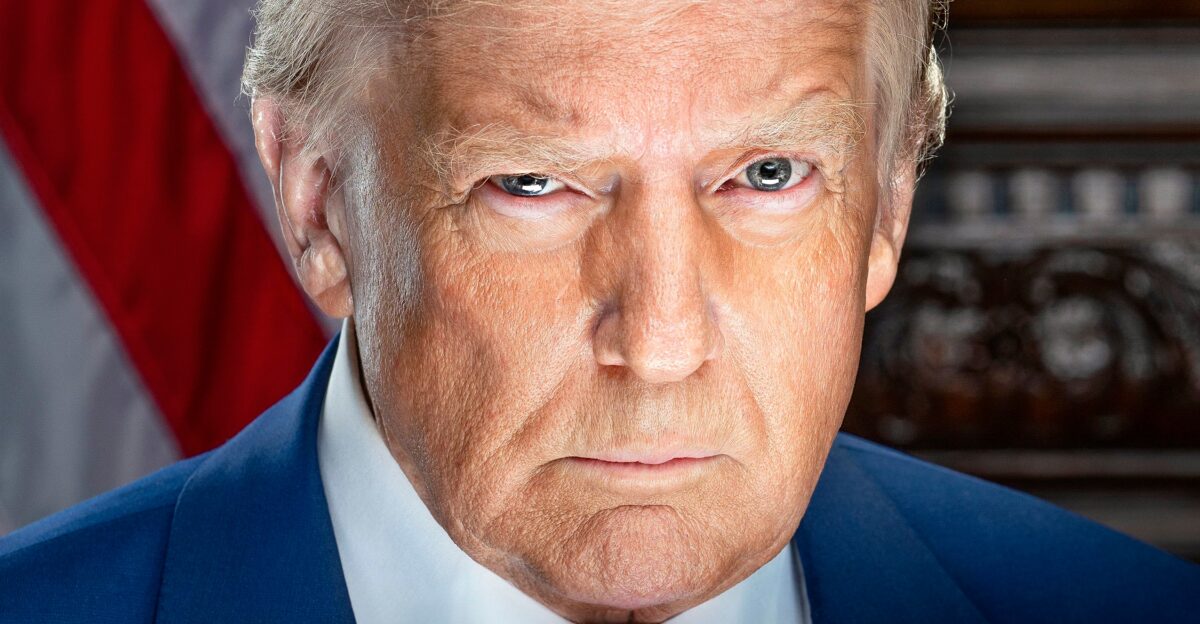
On Truth Social, Trump posted: “Iranian patriots, keep protesting—take over your institutions. Help is on its way.” When pressed on what kind of help, he smiled and told reporters to “figure that out”.
It was a carrot dangled and withdrawn simultaneously—a signal to protesters that America was watching, without clarifying whether that meant missiles or moral support.
The Largest U.S. Base Preparing For War
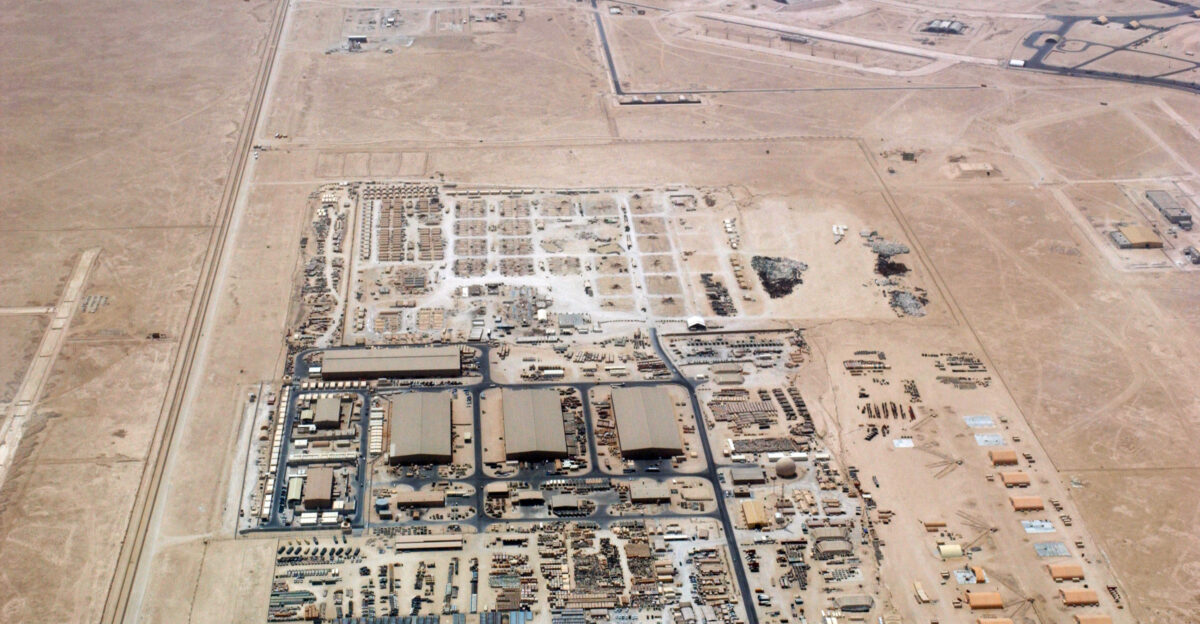
Al Udeid Air Base in Qatar—home to roughly 10,000 American troops and the forward command center for U.S. Central Command—began shedding personnel.
Britain withdrew 100 soldiers from the same installation. The evacuation wasn’t a secret. It was a message: Washington was preparing for Iran to strike back.
Trump’s Veiled Threat
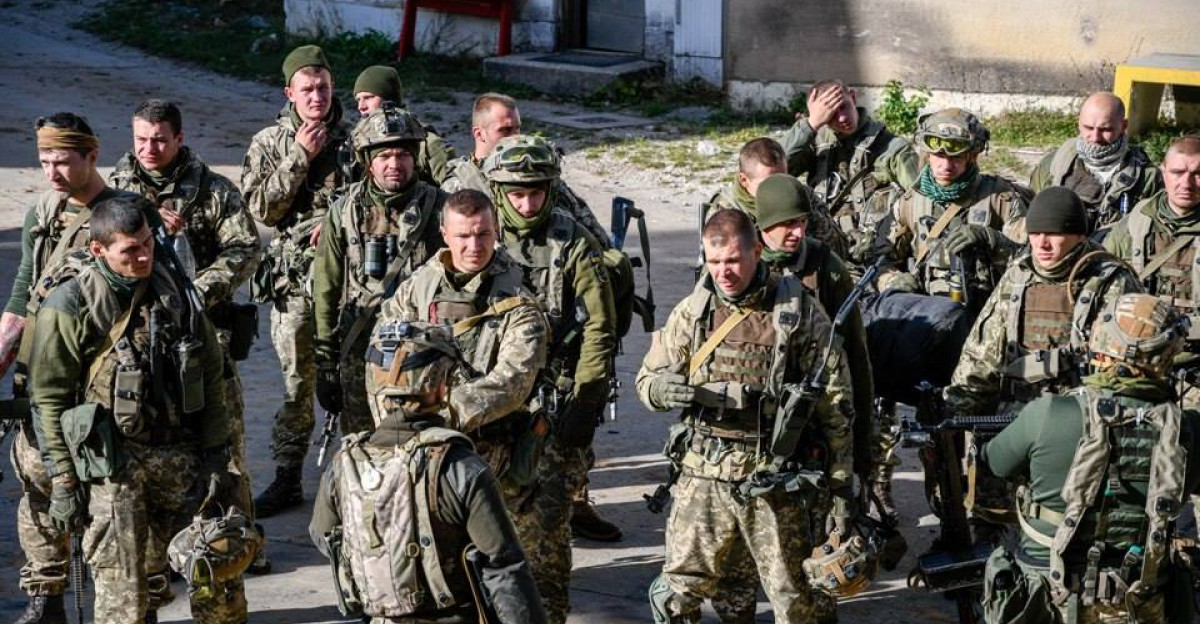
A source close to Trump told The Independent the president is “ready to push the button on Iran,” describing potential strikes as “a surgical removal of the regime”.
Two European officials told Reuters that U.S. military intervention could happen within 24 hours. The drumbeat of war was unmistakable—at least on the surface.
“Unpredictability Is Part Of The Strategy”
A Western military official explained Trump’s chaotic messaging to Reuters: “All the signals are that a U.S. attack is imminent, but that is also how this administration behaves to keep everyone on their toes. Unpredictability is part of the strategy”.
In other words, maybe Trump attacks tomorrow. Maybe he doesn’t. That uncertainty itself is the weapon.
Tehran’s Nuclear Warning
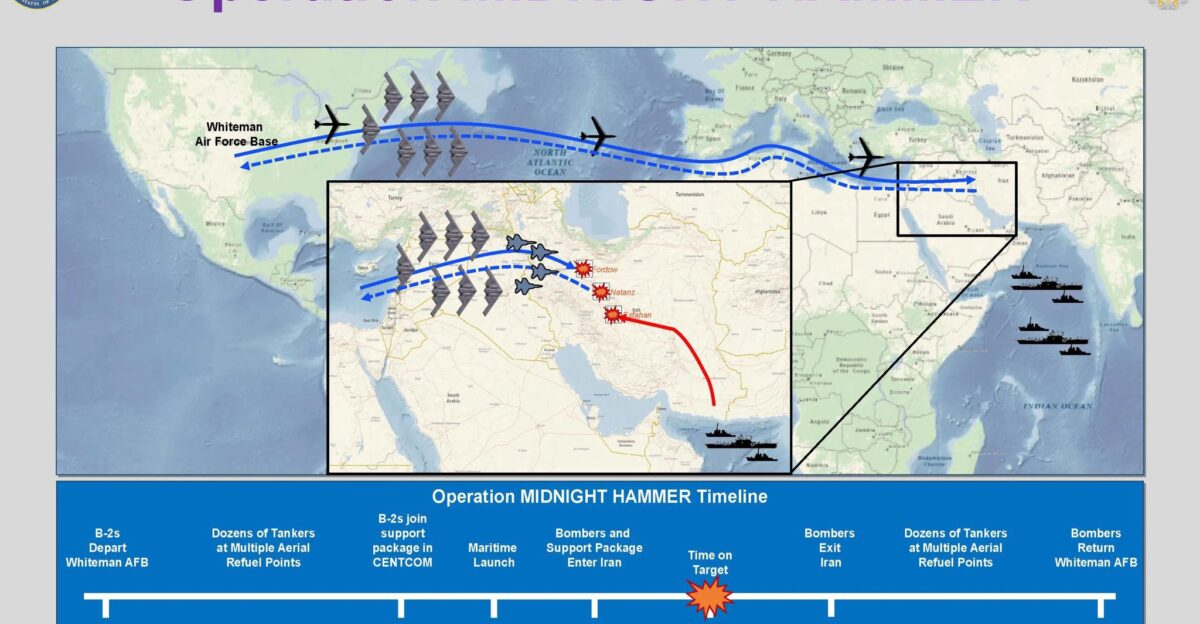
Iran hasn’t forgotten Operation Midnight Hammer. In June 2025, the U.S. and Israel dropped bunker-busters on Iran’s nuclear sites at Natanz, Fordow, and Isfahan—seven B-2 stealth bombers striking in perfect coordination. Iran retaliated with ballistic missiles against Al Udeid; most were shot down, but one hit the base.
This time, Tehran warned regional allies it would strike American bases in Saudi Arabia, the UAE, and Turkey if attacked again.
Attack Us, We Attack Your Allies
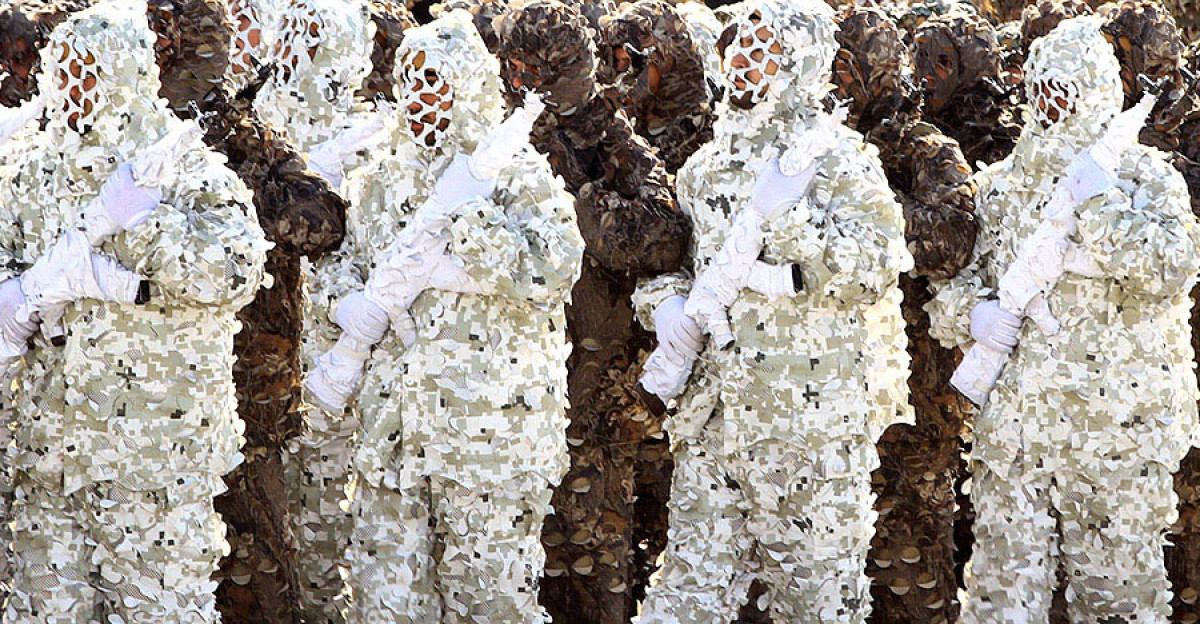
A senior Iranian official told Reuters plainly: if the U.S. strikes Iran, American military bases in Saudi Arabia, the United Arab Emirates, and Turkey will face Iranian retaliation. Iran also asked these governments to stop Washington from launching strikes.
It was a direct attempt to split the American alliance network, and it worked. Arab Gulf diplomats urged restraint on the Trump administration.
Strait Of Hormuz Holds Global Economy Hostage
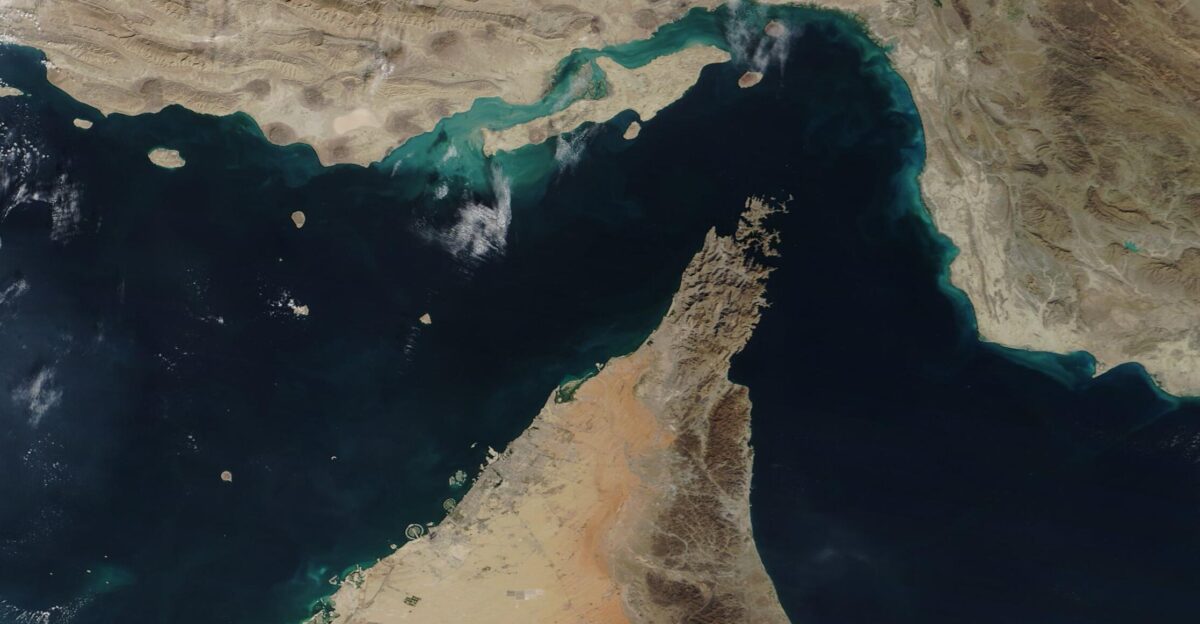
Twenty percent of the world’s oil passes through the Strait of Hormuz daily—roughly 20 million barrels. If Iran closes the Strait or targets tankers, oil prices spike, global supply chains collapse, and recession becomes inevitable.
That’s why Saudi Arabia, the UAE, and Turkey—all American allies—suddenly care less about protecting American strikes than about avoiding a wider war.
18,000+ Arrested, Executions Threatened
Iran’s judiciary fast-tracked trials, with officials demanding “swift executions.” More than 18,000 protesters were detained. One detainee, 26-year-old Erfan Soltani, faced possible execution—his family didn’t know if he’d live to see morning.
State television denied plans for hangings, but the judiciary’s messaging suggested otherwise. The ticking clock was real.
Internet Blackout
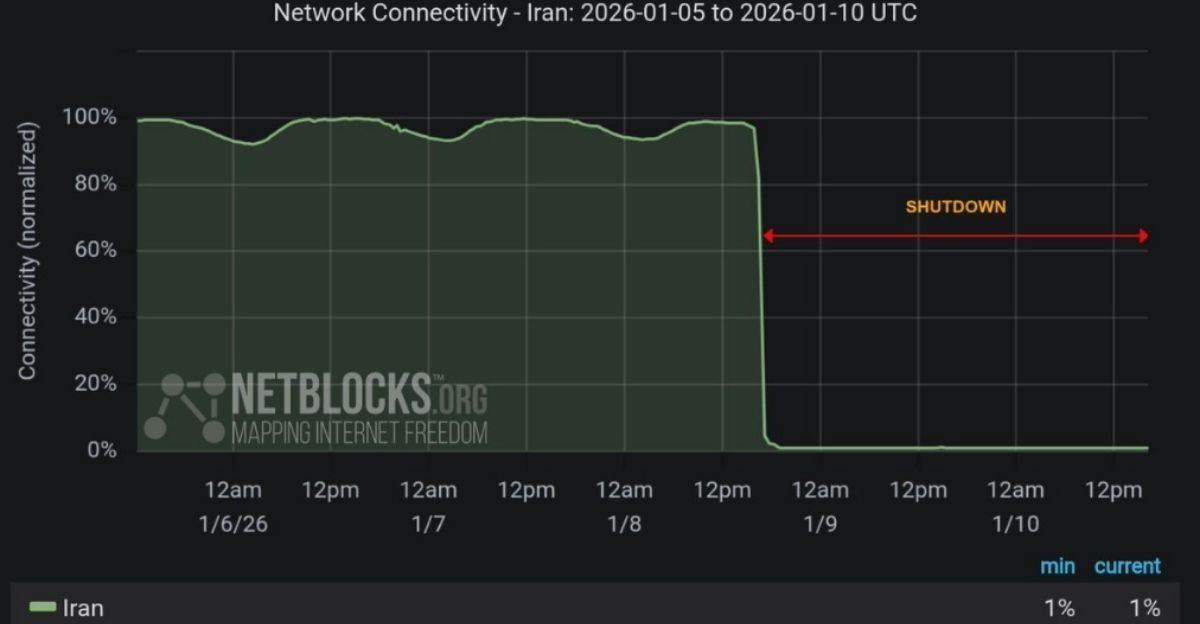
On January 8, Iranian authorities shut down the internet—no international calls, no social media, no outside connection. Connectivity dropped to 1 percent of normal levels.
Starlink satellites became lifelines, but within days Iran began jamming GPS signals to block Starlink access, leading to packet loss of 80 percent. The regime was erasing witnesses to its own brutality.
Diplomatic Channels Go Silent
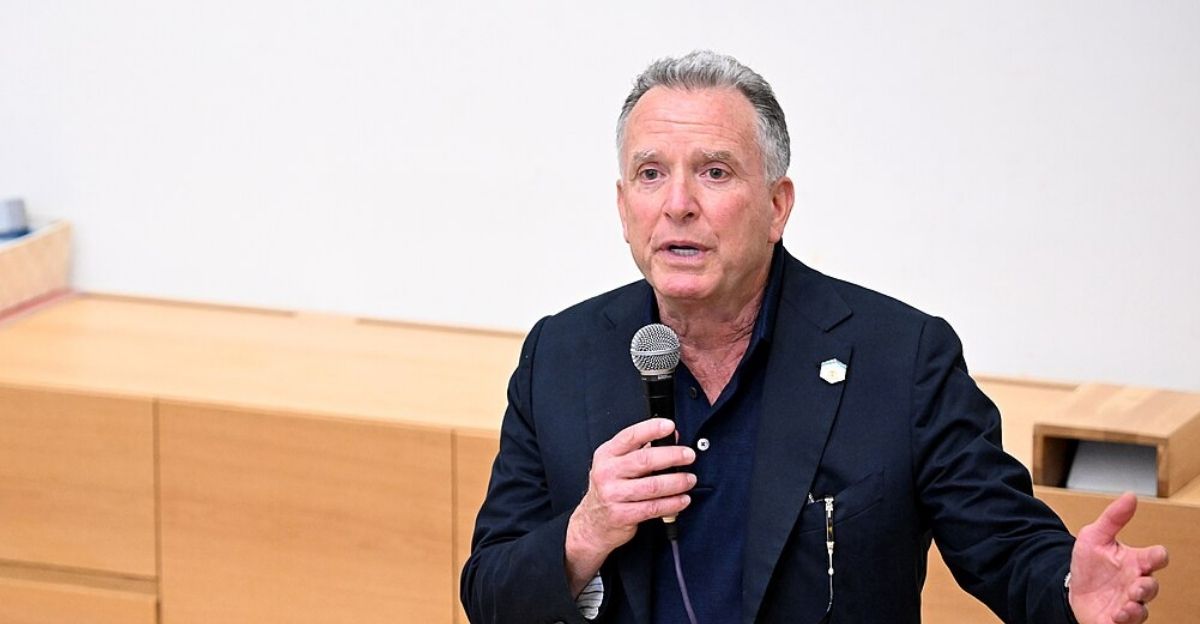
Direct communications between Iranian Foreign Minister Abbas Araqchi and U.S. Special Envoy Steve Witkoff were suspended. The last diplomatic bridge collapsed.
When negotiations end, military options dominate the table. Trump’s “very important sources” claiming killings had stopped—where were they if diplomats weren’t talking?.
U.N. Security Council Convenes
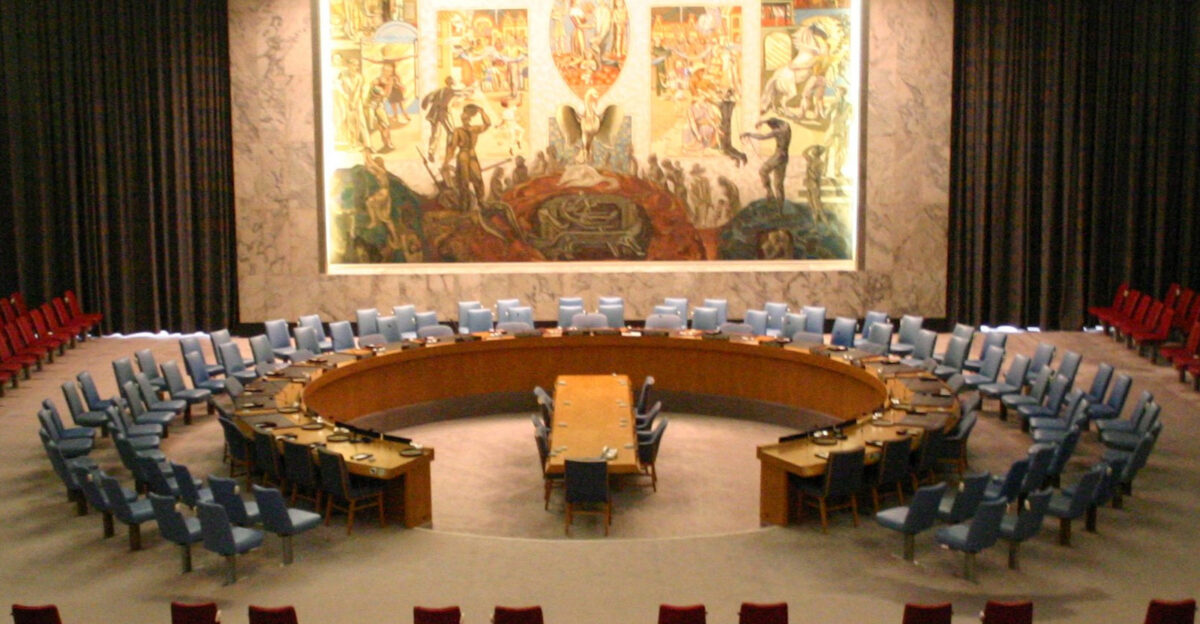
The U.N. Security Council met on Thursday at the United States’ request to discuss Iran. The G7 foreign ministers promised “additional restrictive measures” if killings continued. But Russia warned U.S. strikes would have “catastrophic consequences”.
China urged calm. The international order was fracturing in real-time over Iran.
Trump’s Sudden Reversal
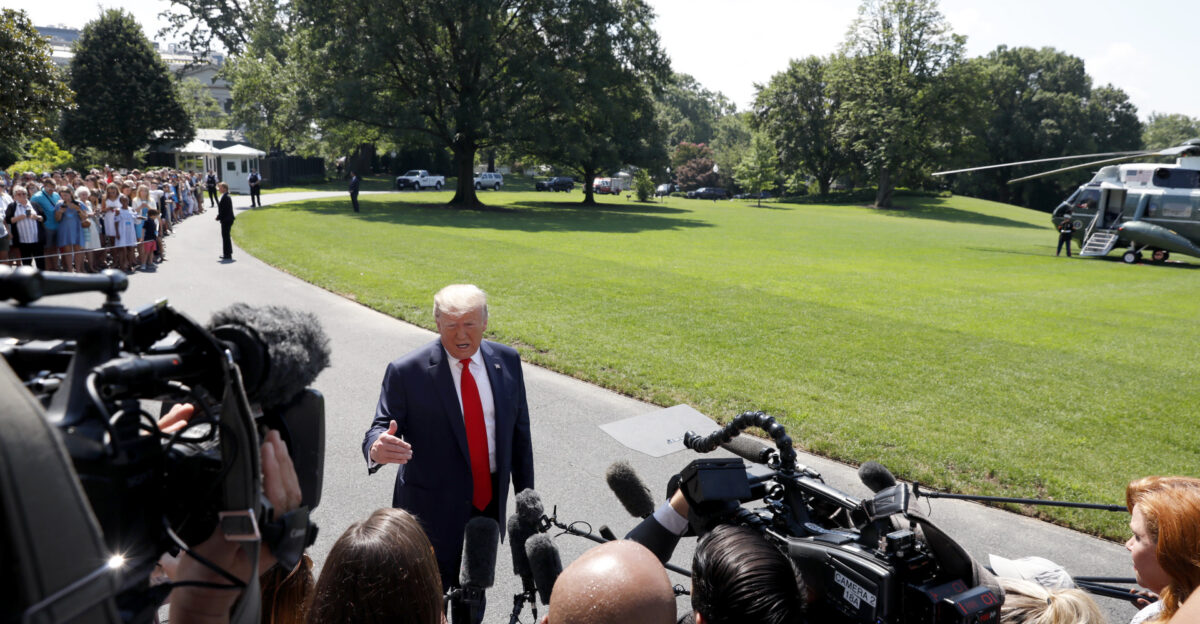
By Wednesday, Trump pulled back. He told reporters, “very important sources on the other side” said killings had stopped and executions wouldn’t happen.
He offered no details, no verification, just hope. When pressed on whether military action was off the table, he said, “We’re going to watch and see.” The promised strike window evaporated.
Strike Group From China To Iran
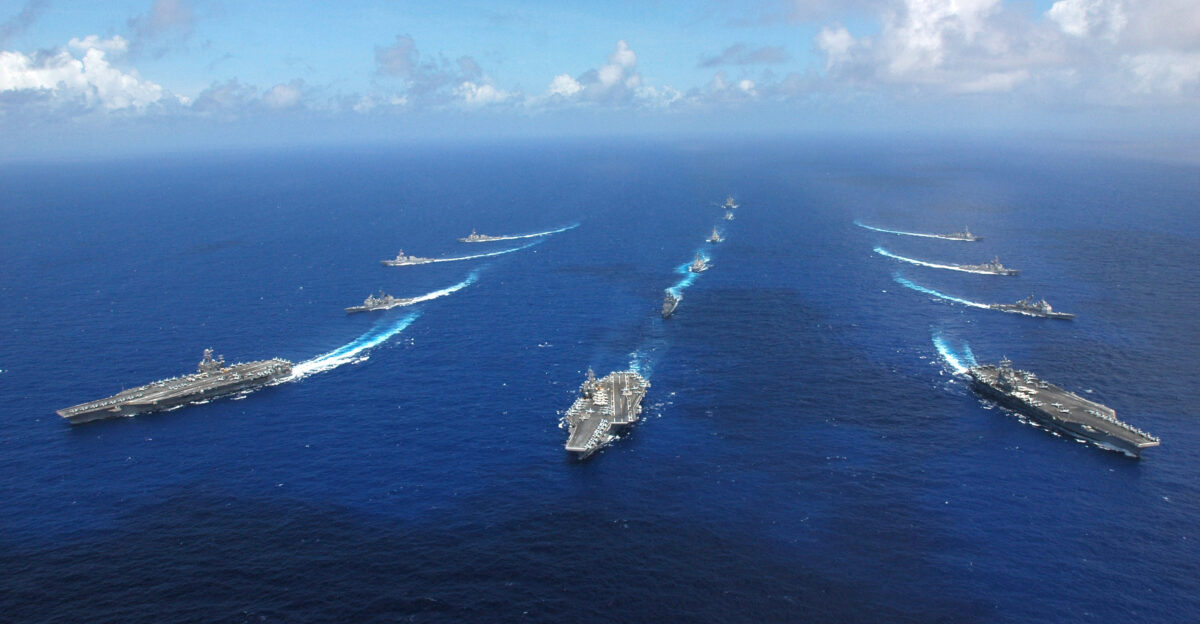
Trump ordered the USS Abraham Lincoln Carrier Strike Group to abandon South China Sea operations and sail toward the Persian Gulf—a five-to-eight-day journey.
Advanced Arleigh Burke-class destroyers equipped with Tomahawk missiles were repositioned within striking distance. The message: I’m not attacking today, but I can at any time.
Iran’s Counter-Offer
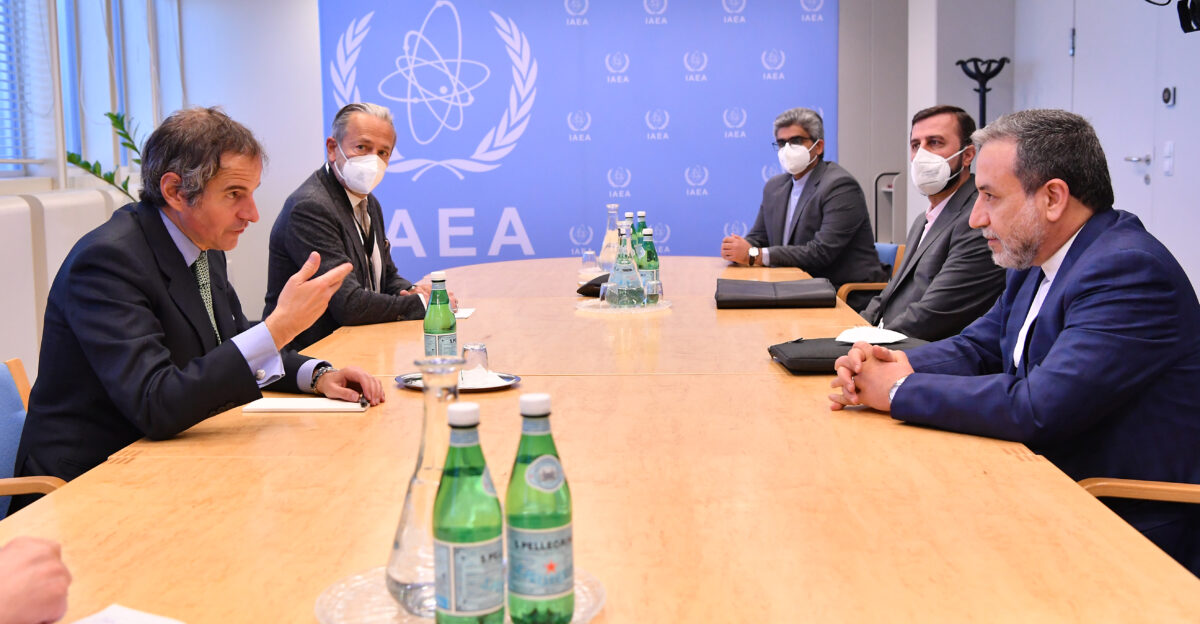
Foreign Minister Araqchi told Fox News: “Hanging is out of the question. We have no plan for that.” It was a concession—or a stall tactic.
Trump’s sudden shift suggested he’d gotten what he wanted: Iran backing down from executions without the political cost of American strikes.
Regime Survival Versus Revolutionary Ideals
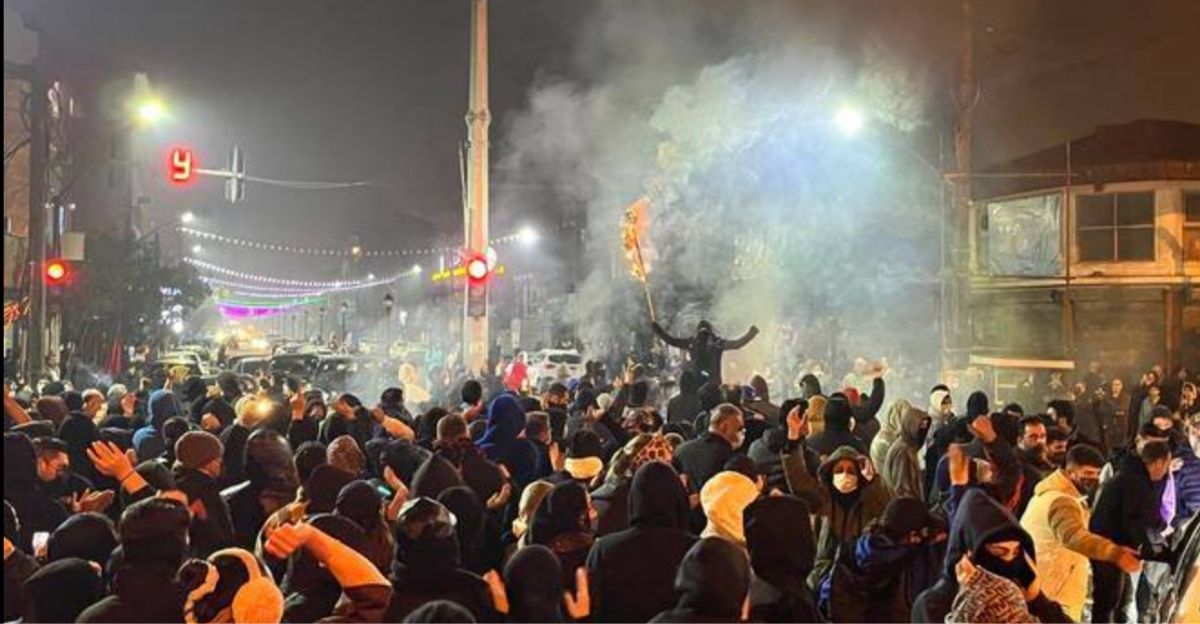
Iran’s clerical leadership has survived 45 years, weathered wars, coups, and revolutions. But for the first time in decades, it’s facing an existential crisis not from foreign invaders but from its own people.
The economy is collapsing. The youth are furious. International pressure is mounting. And Trump is signaling he might push the button.
Unpredictability As Doctrine
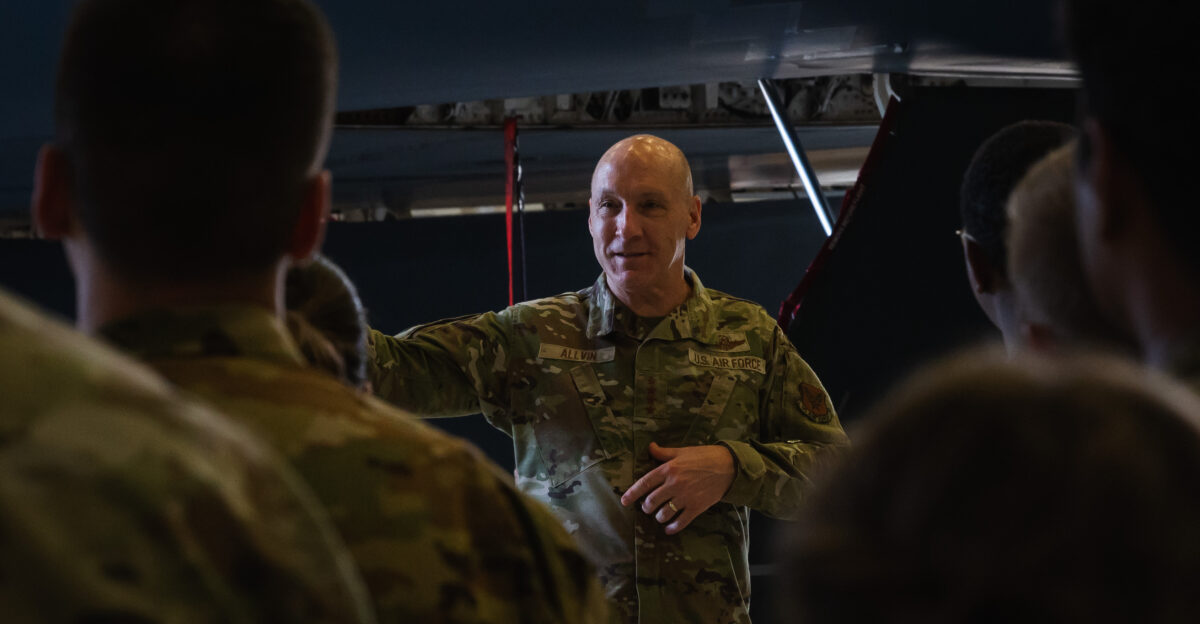
Trump’s entire strategy rests on chaos—threaten strikes, evacuate troops, deploy ships, then negotiate from strength while keeping everyone guessing. If it works, Iran blinks, and the regime falls without a shot being fired.
If it fails—if Iran miscalculates or calls his bluff—the Middle East ignites. The world is watching a high-stakes poker game played on a nuclear stage, and nobody knows if Trump’s next card will be peace or war.
Sources:
U.S. Central Command and Department of Defense statements on Al Udeid Air Base personnel adjustments, January 14, 2026
Human Rights Activists News Agency (HRANA) death toll documentation and casualty verification, January 15, 2026
Reuters reporting on Trump administration Iran intervention timeline and European official statements, January 14, 2026
French Foreign Ministry statement by Jean-Noel Barrot on Iran crackdown characterization, January 13, 2026
Iranian Foreign Ministry and judiciary statements on protest response and diplomatic suspension, January 8-15, 2026
U.S. Navy and Pentagon deployments: USS Abraham Lincoln Carrier Strike Group repositioning and destroyer fleet status, January 13-14, 2026