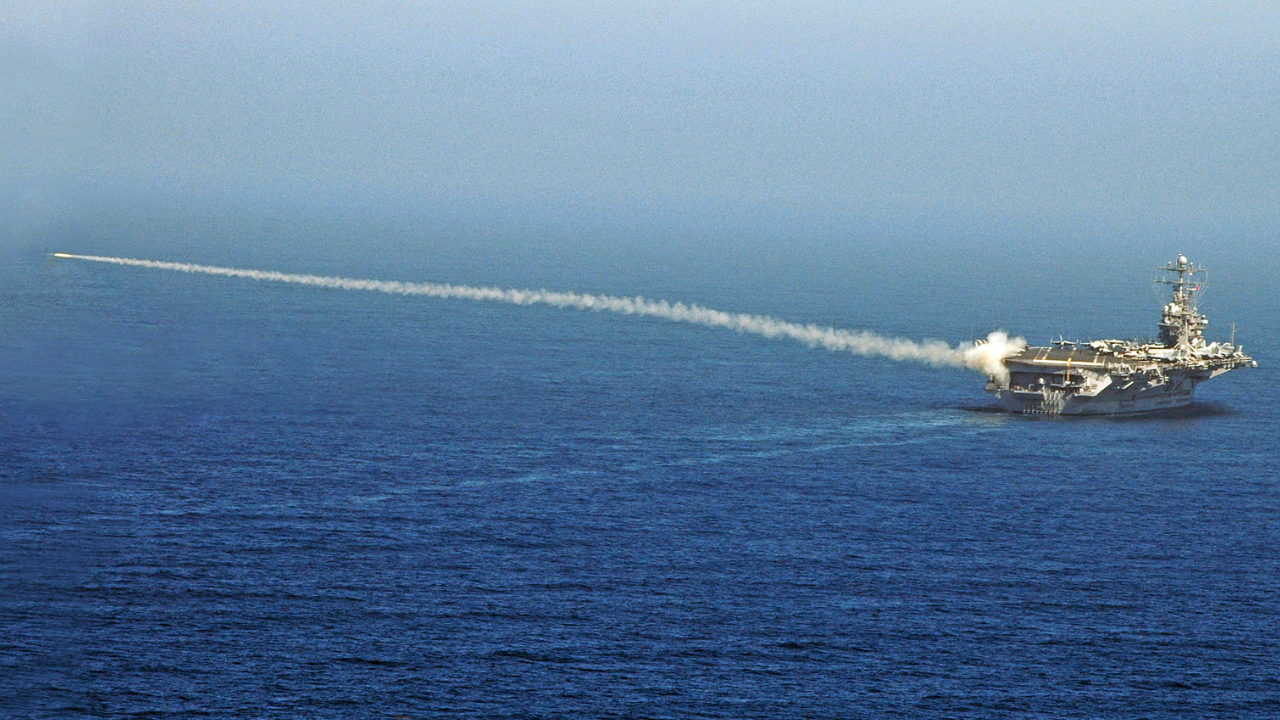
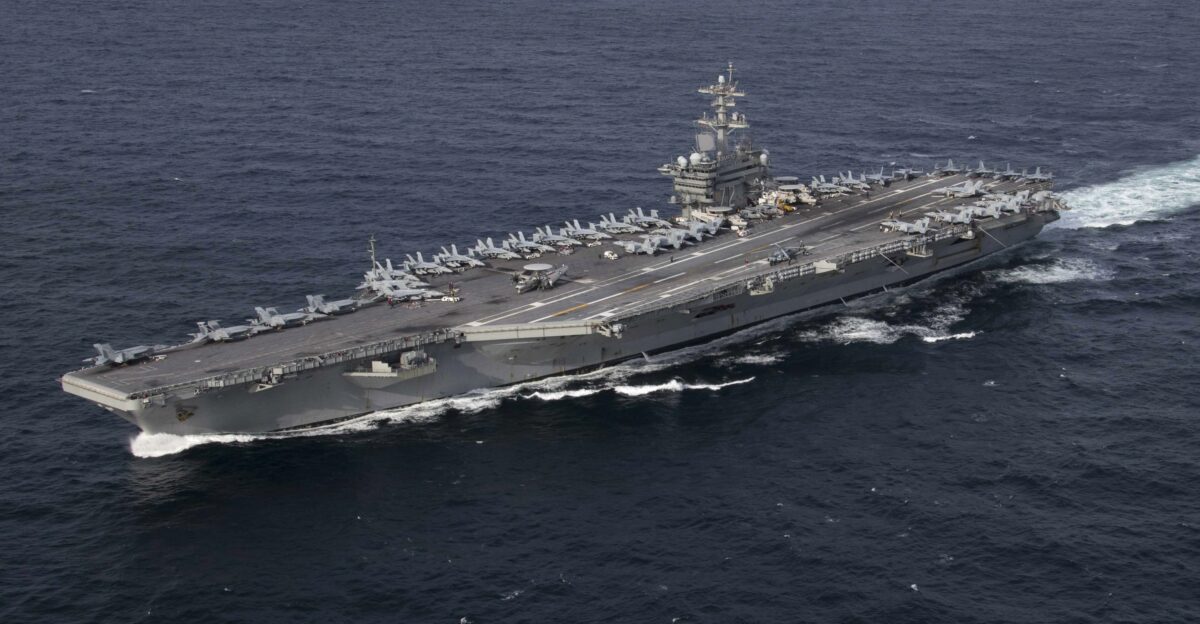
As tension gripped the Persian Gulf on January 13, 2026, European officials alerted Reuters that U.S. military action against Iran could unfold within 24 hours, amid fears of all-out conflict. President Donald Trump held urgent Situation Room sessions over a deadly crackdown on protesters that had claimed thousands of lives, prompting White House orders to evacuate personnel from Qatar’s Al Udeid Air Base and redirect the USS Abraham Lincoln carrier strike group toward the region.
Deadly Crackdown
Iranian security forces killed at least 2,400 protesters since late December 2025, according to the U.S.-based Human Rights Activists News Agency, which relies on hospital records, family reports, and court documents. The Iran Human Rights organization recorded 2,615 deaths, with BBC Persian eyewitnesses reporting indiscriminate firing into crowds. Iranian officials first denied the extent before acknowledging at least 5,000 fatalities, attributing them to armed rioters and terrorists.
Protests ignited on December 28 in Mashhad over soaring bread prices after the rial lost 60% of its value in three weeks, rendering food unaffordable for millions. Demonstrations swept Tehran, Isfahan, Shiraz, and 140 other cities, fueled by decades of economic woes, corruption, and sanctions. Women shed hijabs in protest, crowds chanting against Supreme Leader Ali Khamenei.
Economic Despair
The currency plunge marked a breaking point after years of isolation. Working-class families faced empty markets as prices doubled overnight. Protesters decried mismanagement that had hollowed out livelihoods, turning quiet grievances into nationwide fury.
Revolutionary Guards and Basij militias unleashed live rounds, chemical agents, and beatings, described by Amnesty International and Radio Free Europe as unprecedented. Snipers fired from rooftops into fleeing crowds, including teenagers in neighborhoods. Detention centers saw deaths from torture, while a 95% internet blackout severed families from news of missing relatives.
The Strike That Faded
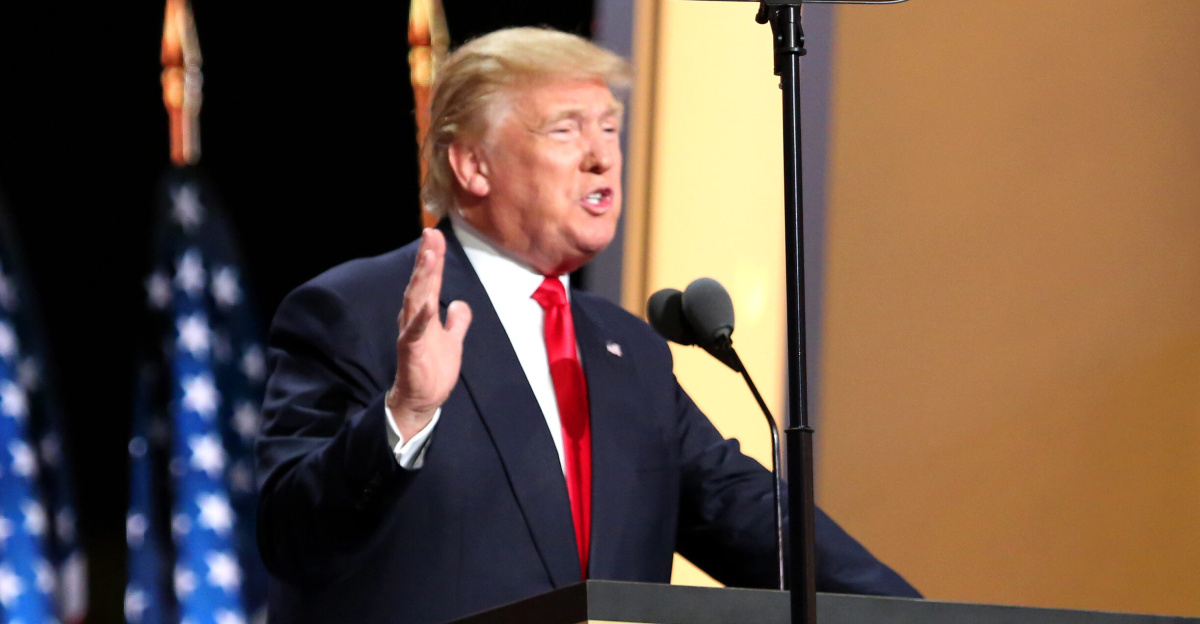
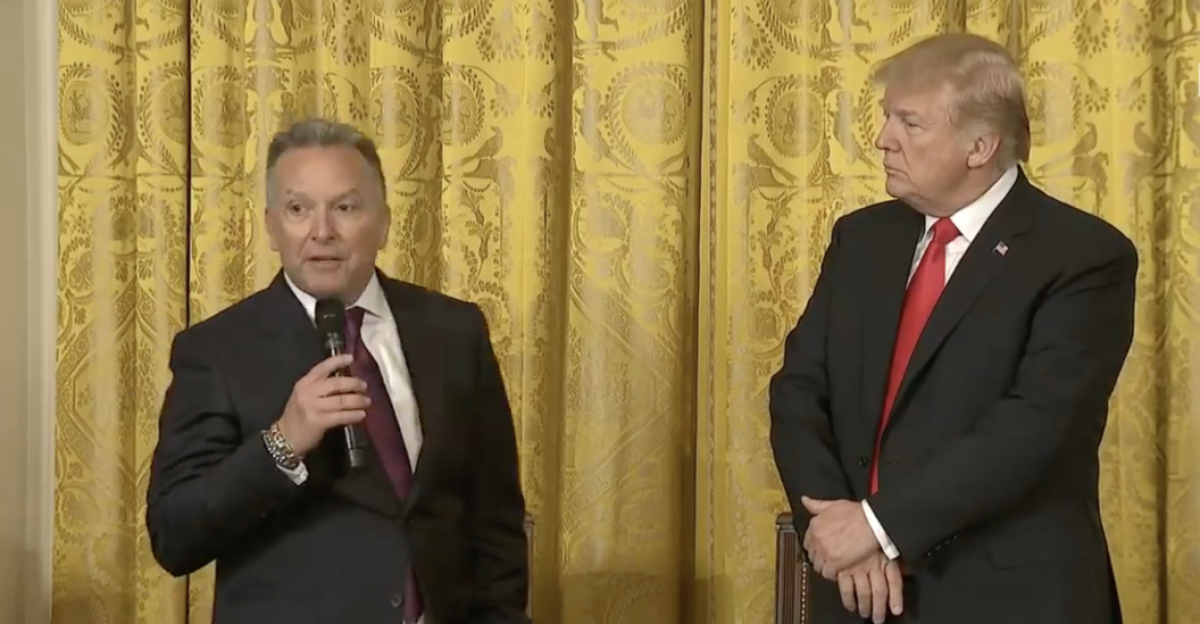
Military options targeted Guard bases, nuclear sites, and command posts, but by January 15, no execute order came. Trump, recalling his 2019 pullback, instead pursued intelligence and diplomacy. At 3 p.m. ET on January 14, he revealed Iranian assurances canceling executions of 800 detainees, closing the immediate strike window. Special Envoy Steve Witkoff, a real estate associate turned negotiator, secured this via Qatari and Omani channels with Foreign Minister Abbas Araghchi, bypassing State Department routines.
Regional Ripples
The standoff halted flights, emptied embassies, and spiked oil prices over Strait of Hormuz fears, through which 20% of global oil flows. Qatar pulled non-essential staff from Al Udeid, a prime missile target. Saudi Arabia, UAE, and Iraq pressed for restraint to avoid unraveling post-Gaza ceasefires. G7 ministers condemned the violence; Britain withdrew troops from the base. China and Russia blamed U.S. sanctions.
The USS Abraham Lincoln pressed on, nearing Singapore by January 18 for a January 25 regional arrival, signaling deterrence and ally reassurance despite the diplomatic pivot.
Lingering Shadows
Divisions split Trump’s team: hawks pushed strikes for resolve, others cited thin regional forces—one carrier group—and Iran’s S-300 defenses, missiles, and proxies. Exiled Crown Prince Reza Pahlavi labeled it a massacre, urging aid. Trump posted on Truth Social that the U.S. stood ready to rescue peaceful protesters.
Yet skepticism persists. Experts like Behnam Ben Taleblu of the Foundation for Defense of Democracies see tactical pauses, not change, with HRANA verifying 342 more deaths post-announcement. A generational chasm drives the unrest: under-35s, post-1979 revolution, wield VPNs and smuggled Starlink for global views the regime cannot match.
The episode tests whether backchannels can check repression without war, as arrests and torture continue amid contested tolls possibly reaching tens of thousands. U.S. posturing endures, but Iran’s concessions may prove fleeting, leaving protesters’ fates—and regional stability—in balance.
Sources:
Axios, “The order never came”: Behind the scenes of Trump’s Iran…, January 18, 2026
Times of Israel, Witkoff indicates US prefers to resolve Iran tensions with diplomacy not military action, January 15, 2026
Al Jazeera, What is HRANA the US-based group behind Iran’s death toll figures, January 15, 2026
Air & Space Forces Magazine, US Evacuates Al Udeid as Trump Weighs Action Against Iran, January 15, 2026
Jerusalem Post, USS Lincoln en route to Middle East amid US-Iran tensions, January 17, 2026