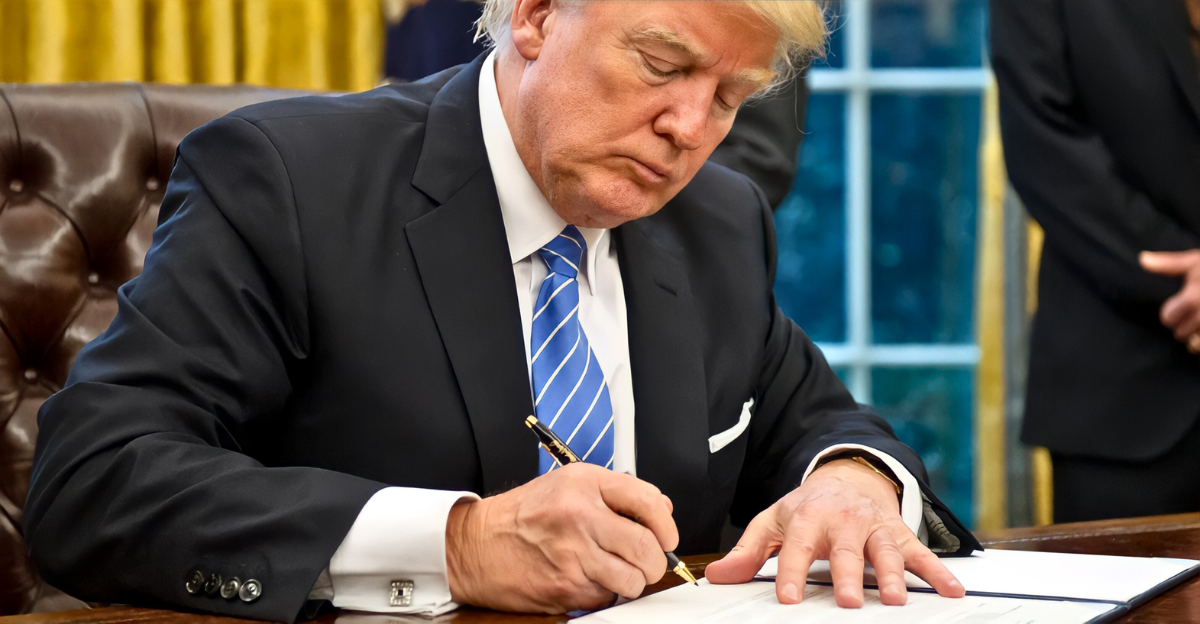
Something strange is unfolding in the U.S. financial world. Two of the country’s biggest banks, institutions that handle trillions in assets, are unexpectedly and suddenly at the center of a political whirlind.
A high-profile figure argues the banks acted against him for reasons that go beyond standard business policy.
In response, he’s preparing a move that could send shockwaves through the entire industry. The decision could transform not just banking policy but also how financial institutions handle reputational risk. No one yet knows how far the impact will go, but signs are pointing to disruption.
The Unlikely Flashpoint
The spark came from a confrontation between a former U.S. president and two major banks: JPMorgan Chase and Bank of America.
What began as a personal matter quickly became a debate with national implications. If the claims are valid, the consequences could expand far beyond one customer’s account.
High Stakes for the Industry
The U.S. banking sector is greatly interconnected. A policy shift affecting even one top bank can influence the rest.
If both JPMorgan and Bank of America face direct action, analysts state the market could see tens of billions in value shift practically overnight.
Trump’s Allegations
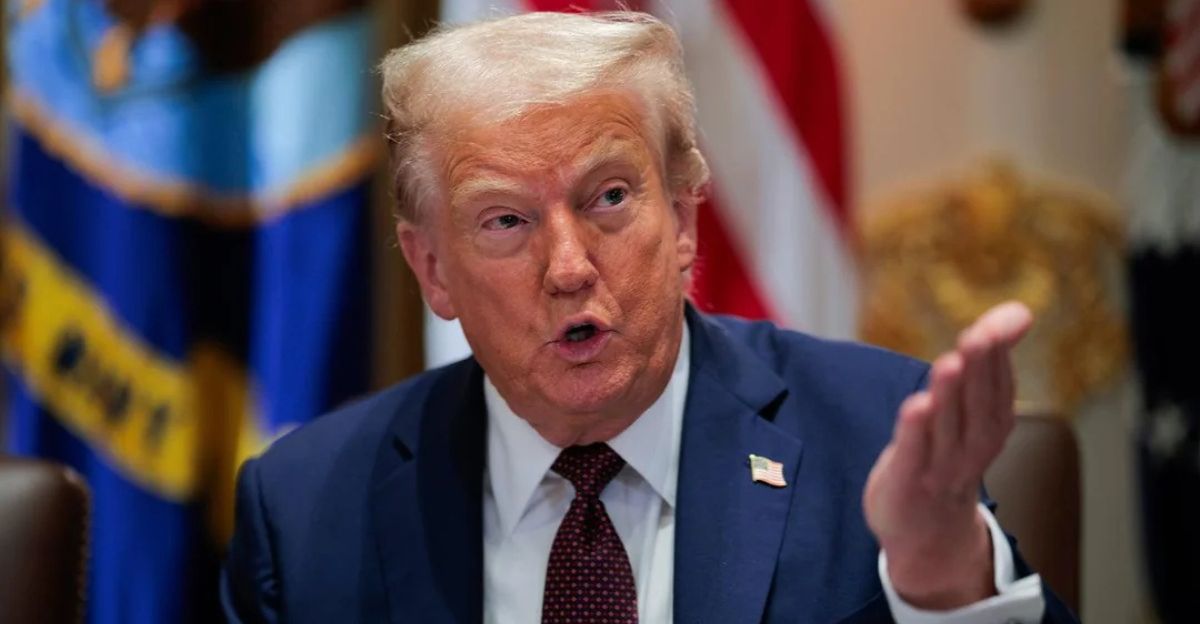
Donald Trump says both banks closed his accounts after the 2020 election. He claims the move was politically motivated and carried out under pressure from federal regulators.
According to Trump, the closures affected “hundreds of millions” in deposits and decades-long banking relationships.
The Term’ Political Debanking’
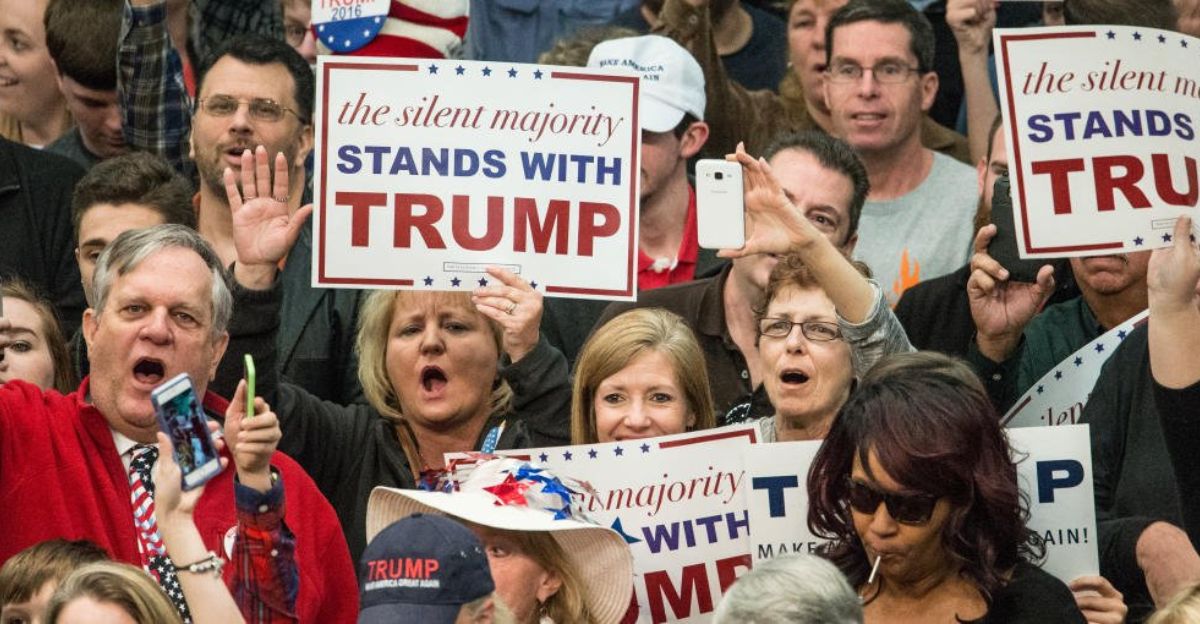
The dispute has popularized the term “political debanking,” which refers to banks denying service based on political profile.
Supporters of Trump’s position see this as discrimination; critics argue that banks have a right to manage reputational and compliance risks.
Banks Respond
Both JPMorgan and Bank of America deny closing accounts for political reasons. Representatives’ decisions are guided by compliance rules, risk assessments, and regulatory obligations, not personal political views.
The Executive Order
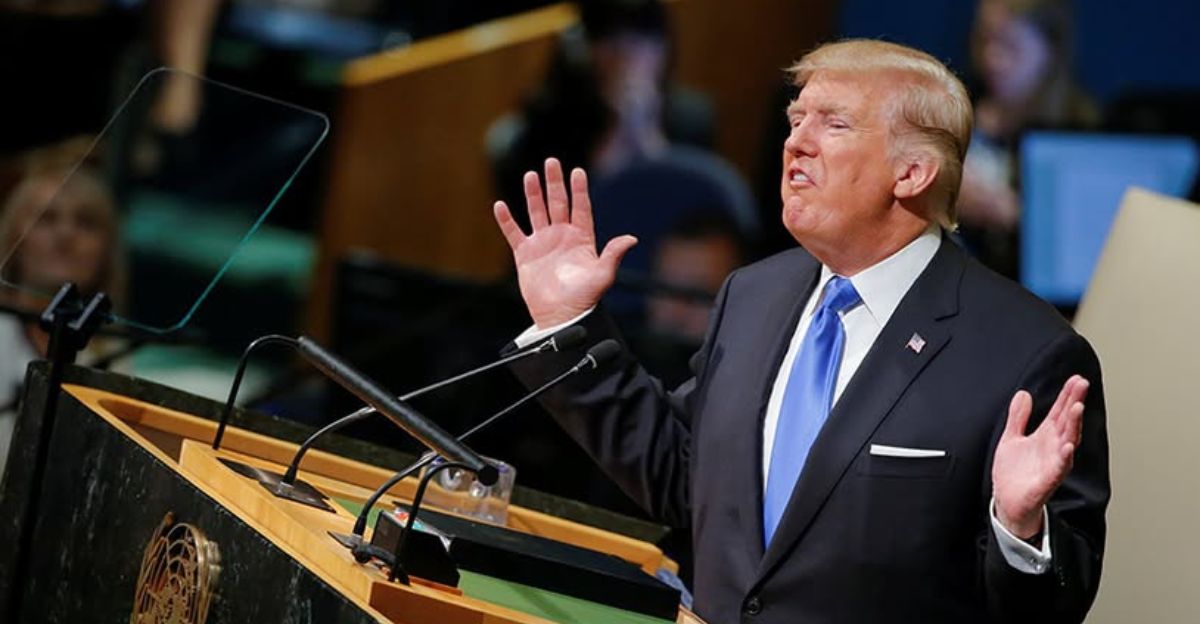
Trump says he is preparing an executive order that would limit banks’ ability to close accounts based on reputational risk.
The effort would align with Republican proposals aimed at protecting access to financial services regardless of political affiliation.
Potential $100 Billion Shock

Depending on how the order is structured, it could cause significant shifts in the banking sector. Potential impacts include market valuation changes, operational adjustments, and competitive effects.
Bank Statements on Reform
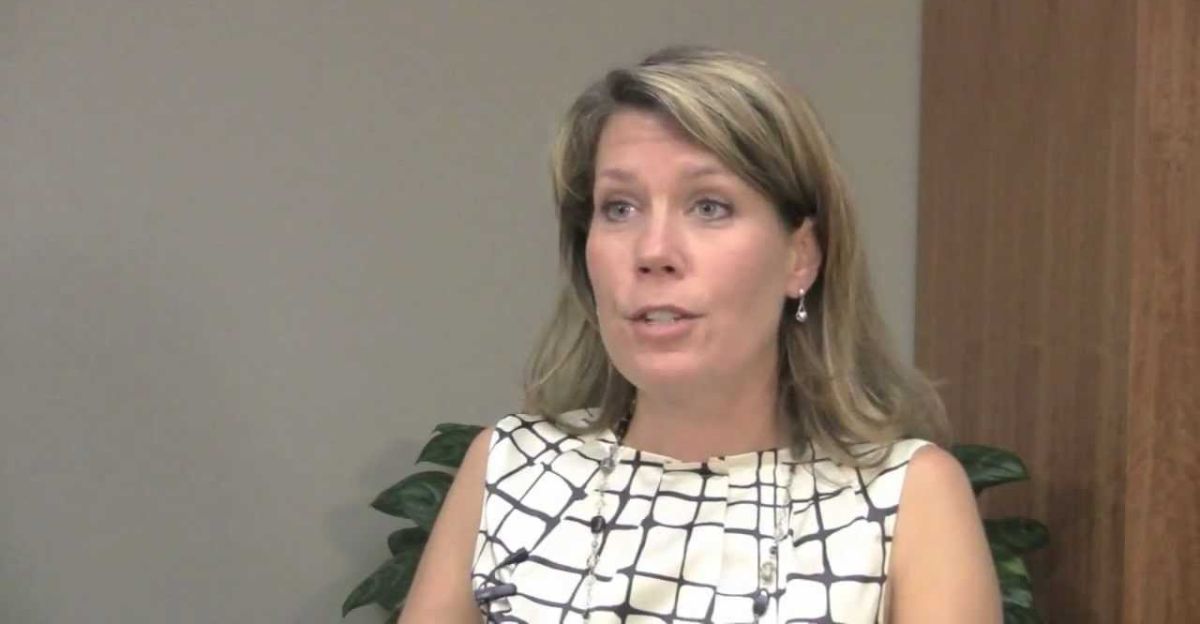
JPMorgan spokesperson Trish Wexler has said the bank supports changes to clarify rules and agrees that current regulations can be improved.
Bank of America CEO Brian Moynihan also said he welcomes regulatory adjustments to clarify account access.
Market Reaction So Far

Until now, stock prices for the major banks have remained steady, but investor discussions suggest cautious monitoring. Large shareholders are waiting to see the final text of the order before reacting.
A First in U.S. History
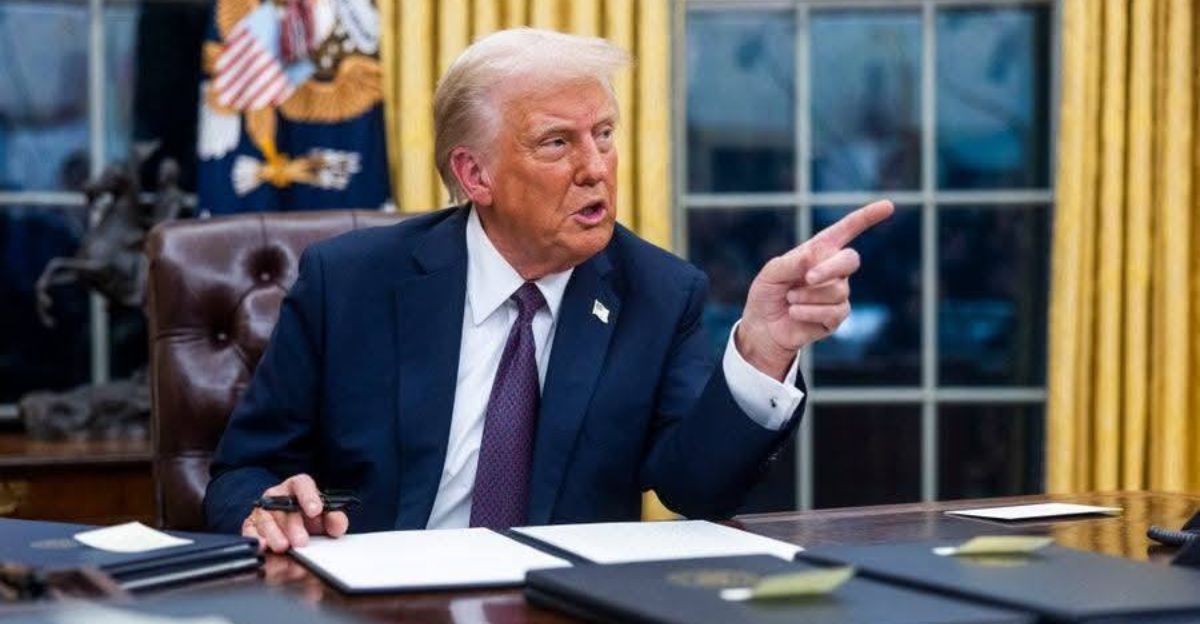
If enacted, this would be the first major executive order to target specific banking practices at named financial institutions directly. Legal experts say it could set a standard for how the White House interacts with private banks.
Risk Management vs. Rights
At the center of the issue is a conflict between corporate risk management and personal access rights. Banks claim they must protect themselves from financial, legal, and reputational harm. Opponents say that this rationale can be used to quietly exclude people for political reasons.
Broader Policy Implications

If the executive order passes, it could force banks to keep accounts open unless clear evidence of financial misconduct exists. This would fundamentally alter how reputational risk is weighed against service obligations.
Republican Policy Goals
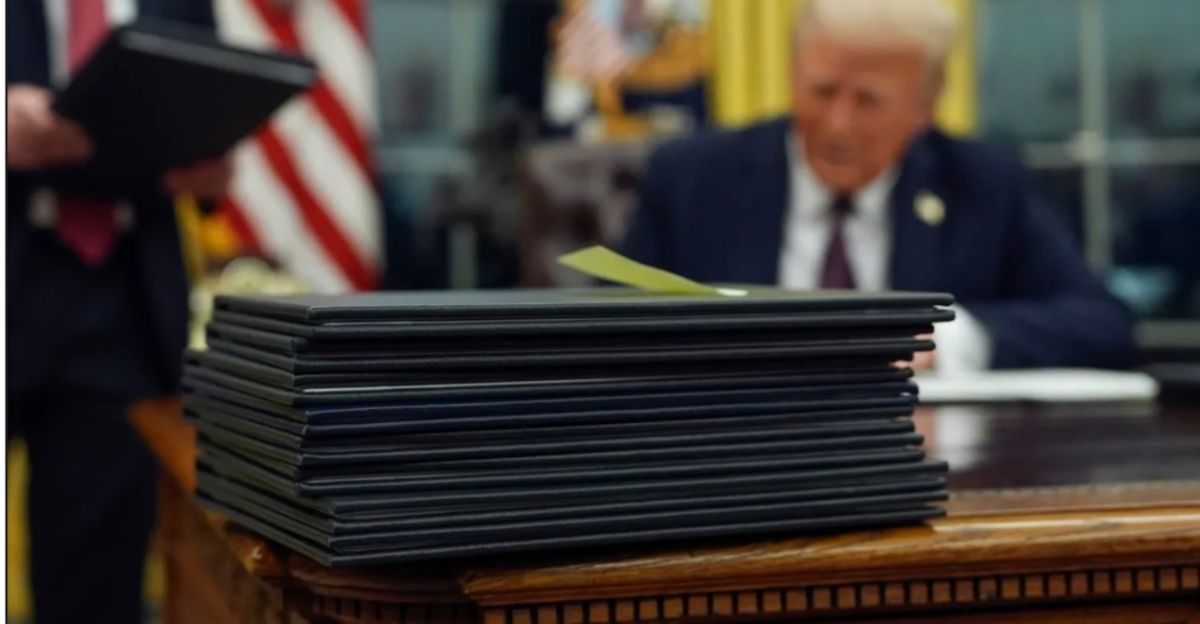
The move aligns with broader Republican efforts to push back against perceived political bias in corporate America, specifically in finance and technology sectors.
Democrat Counterpoints
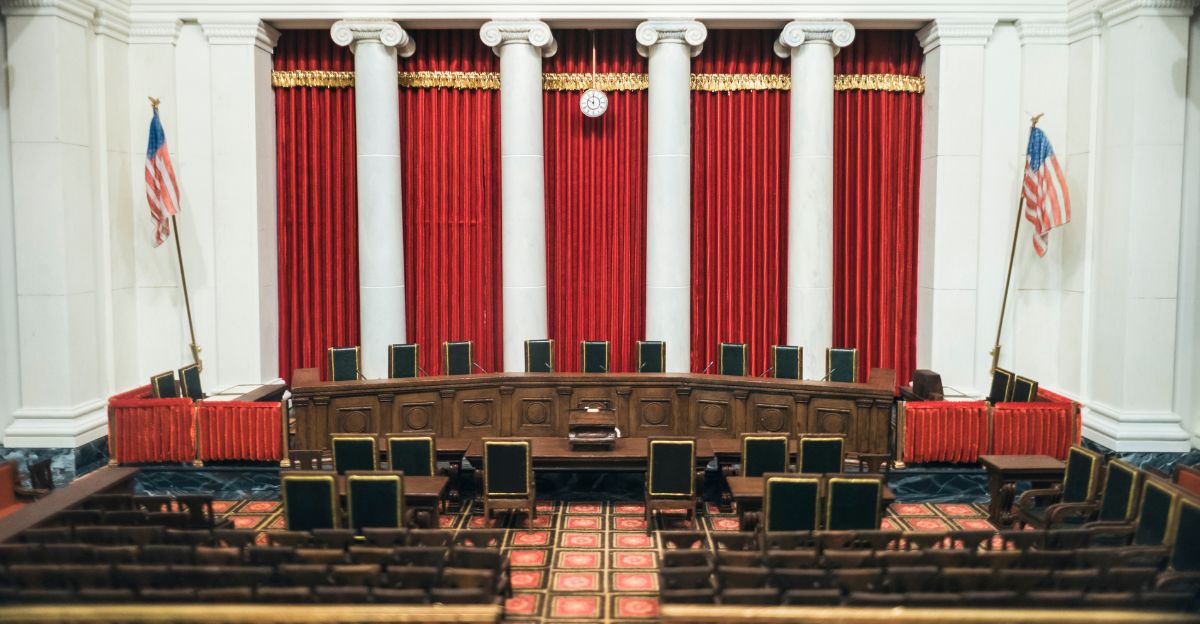
Many Democrats say the executive branch should not dictate individual banking decisions, warning that overreach could harm the financial system’s independence.
Impact on Everyday Customers
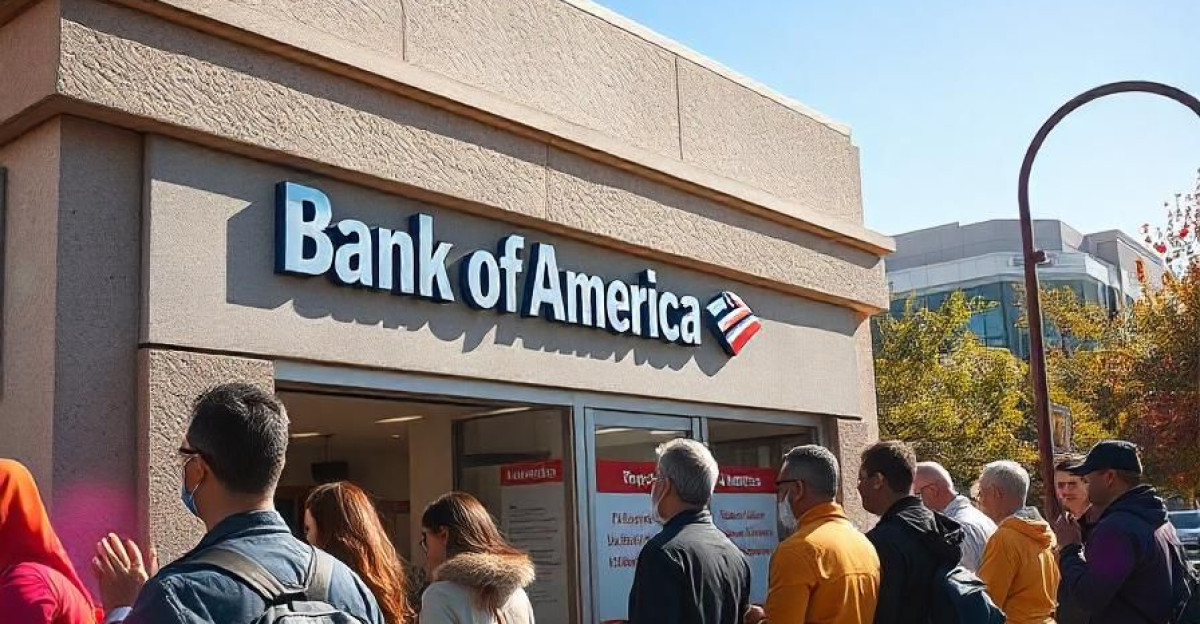
Millions of Americans could be concerned while the dispute centers on one individual. If banks must change their closure policies, customers with controversial public profiles in any domain may find it easier to maintain accounts.
Small Banks and Opportunity
Trump states that his funds are now spread across smaller banks. Smaller institutions may gain a competitive advantage in attracting high-profile clients if larger banks face new restrictions.
Legal Challenges Likely

Any executive order will almost certainly face court challenges. Opponents could argue it exceeds presidential authority or interferes with private contracts.
Long-Term Market Shifts

If upheld, the order could spark substantial market shifts as banks restructure compliance systems, legal teams, and customer vetting processes. This could also influence international banking relationships.
What Comes Next
For now, the situation remains fluid. The draft order has not yet been released, and its exact wording will determine how far-reaching the impact is. The only certainty is that this case has placed banking neutrality under unprecedented public scrutiny.