
Shoppers rushed into Primp Boutique stores for a wild three-day clearance sale. They bought up all the trendy women’s clothes, emptying the shelves. This excitement marked the sad close of a local store chain that lasted 15 years. Economic problems forced it to shut down right after Small Business Saturday in 2025.
Tough Times Hit Small Stores Hard
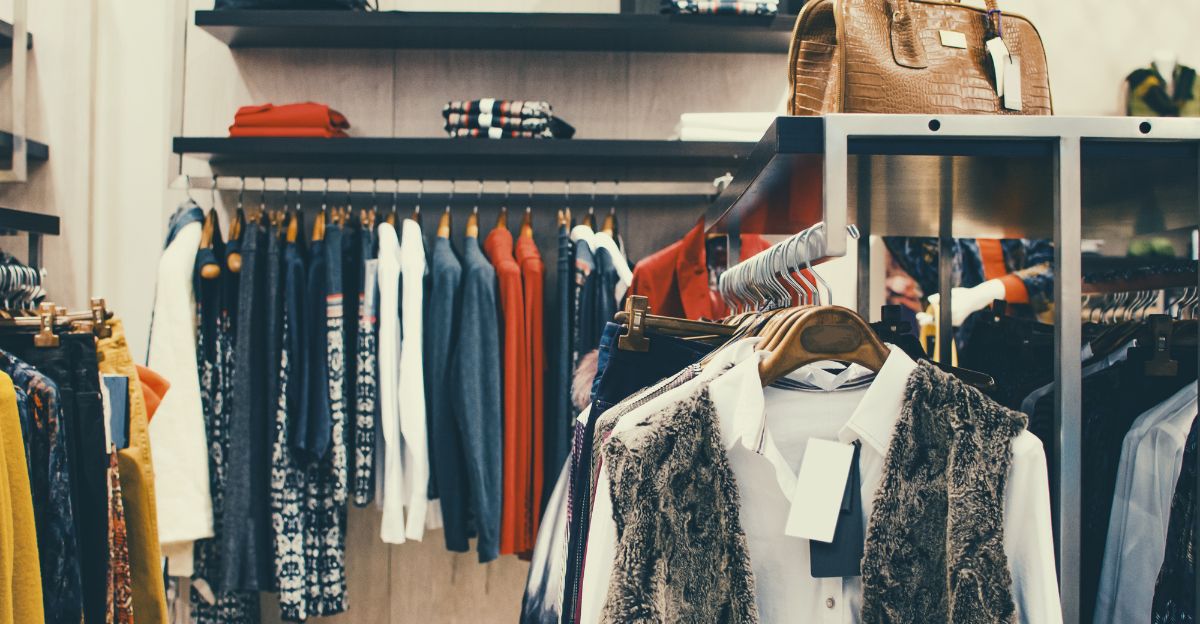
Small shops like Primp faced a storm of problems. Costs to run the business went up, and vendors charged more because of new tariffs on imports. At the same time, many middle-class people spent less on fun extras like clothes. Big stores such as Target and Walmart did better. They used their size to get good deals from suppliers and offered easy services like same-day delivery and curbside pickup.
Primp had nine stores in places like the Twin Cities, Fargo, and South Dakota. It could not match those big advantages. Its small profits could not handle higher wages for workers. Primp also could not raise prices much, or it would lose its everyday customers who watched their spending closely.
How Primp Started and Grew

Primp began in 2010. Co-founders Wesley Uthus and Michele Henry opened the first store in St. Paul’s Cathedral Hill area. They sold picked-out clothes that mixed style with low prices. People loved it because it felt fancy without costing a lot. Shoppers made it a hit in the region.
Uthus graduated from the University of Minnesota with a degree in clothing design. She had no business experience before starting Primp. Still, her hard work and care turned it into a store people trusted and enjoyed.
Problems Worsen in 2025
Things got harder for Primp by 2025. Vendors passed on higher prices from tariff changes. Big stores handled this better than small ones. Primp tried to fix things by changing what it sold and cutting store hours. But shoppers moved to fast fashion sites, online shops, and easy pickup options.
Inflation made prices rise everywhere, so people bought less. Fewer customers showed up during busy times. Primp’s main group of middle-income buyers started to disappear.
The Final Days
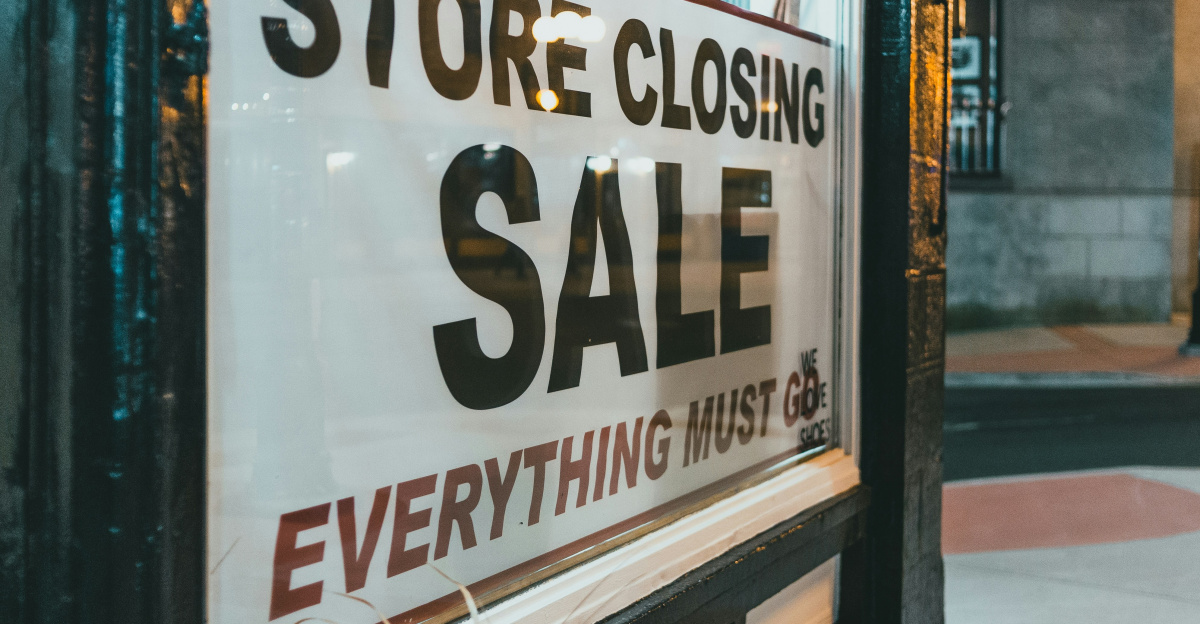
Small Business Saturday on November 29, 2025, was supposed to help shops like Primp. Instead, sales were very low, even with ads and deals. Low crowds proved the stores could not keep going. Days before Christmas, Primp announced it would close. The quick sale cleared stock faster than expected. This left many workers without jobs during the holidays, when finding new work is tough.
Primp’s story fits a larger pattern. In November 2025, small businesses with under 50 workers lost 120,000 jobs, the most since May 2020. Big companies with over 500 workers added almost 40,000 jobs. The economy split into a “K-shape.” The richest 20% of people drove more than half of all spending. The other 80% cut back on non-needed items.
Primp aimed at middle shoppers, but that group faded. Budget buyers went to huge stores, and richer ones picked luxury brands. Uthus saw customers leave. She said the stores no longer fit who they started for.
For Uthus, shutting down hurt deeply. It was like losing part of herself after years of pouring her heart into it since college. She wanted to end things well for her team and fans. She thought about switching to luxury items but worried it would push away her old customers who faced money troubles.
This closure shows real dangers for small stores. Low profits, government rules like tariffs, and new shopping habits hurt independents. More might close by year’s end. Without help on costs or spending gaps, local shops on Main Street could vanish. This would change towns and jobs for good.
Sources:
“Primp Boutique, known for curated, affordable women’s clothing, closes its doors.” The Minnesota Star Tribune, 18 December 2025.
“U.S. economy is being driven by the wealthy, could face recession if…” Fortune, 17 September 2025.
“The Strategic Impact of 2025 Trade Tariffs on Small Businesses: A Framework for Creative Resilience.” THE/STUDIO, 2025.
“Small businesses cut 120000 jobs in November, ADP says.” Yahoo Finance, 3 December 2025