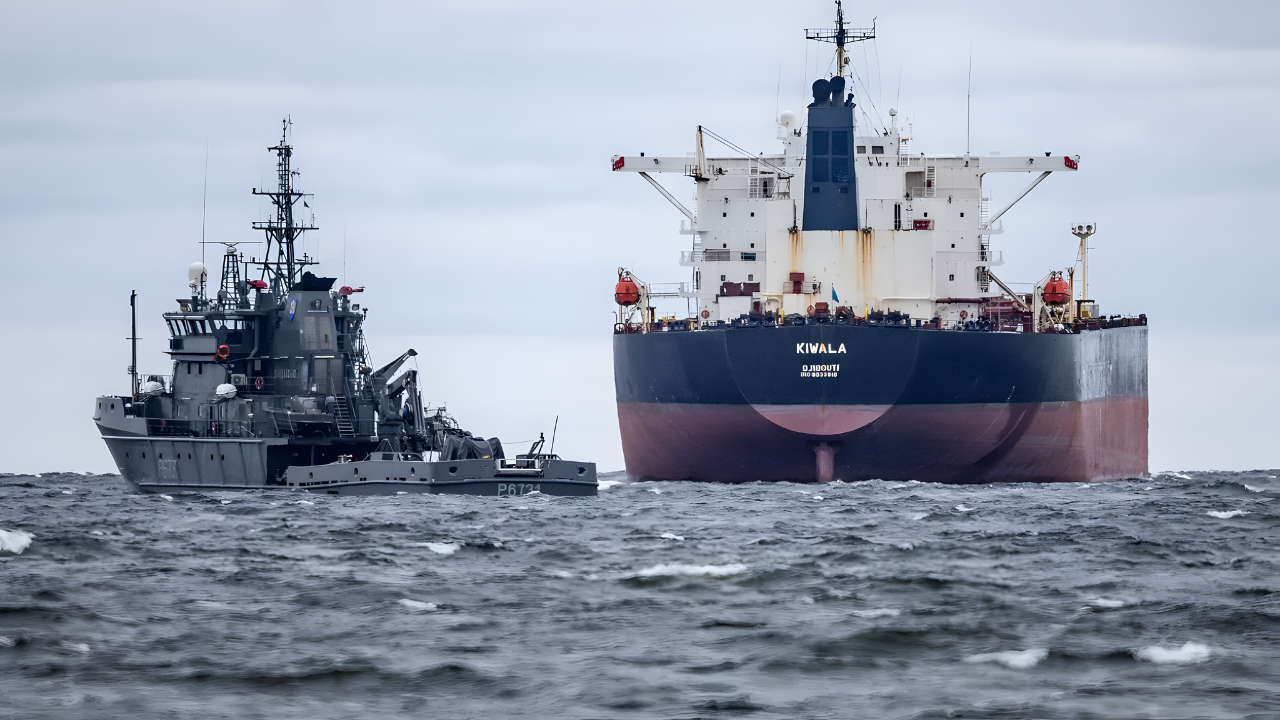
Russian tankers carrying sanctioned oil are now sailing through European waters with armed, uniformed Russian military personnel on board, according to Sweden’s navy and Scandinavian maritime officials. The soldiers reportedly control bridge operations on civilian‑flagged ships, turning what was once a covert sanctions‑evasion network into a visible, militarized presence in some of the world’s busiest sea lanes.
Escorted Convoys and a Test of Resolve
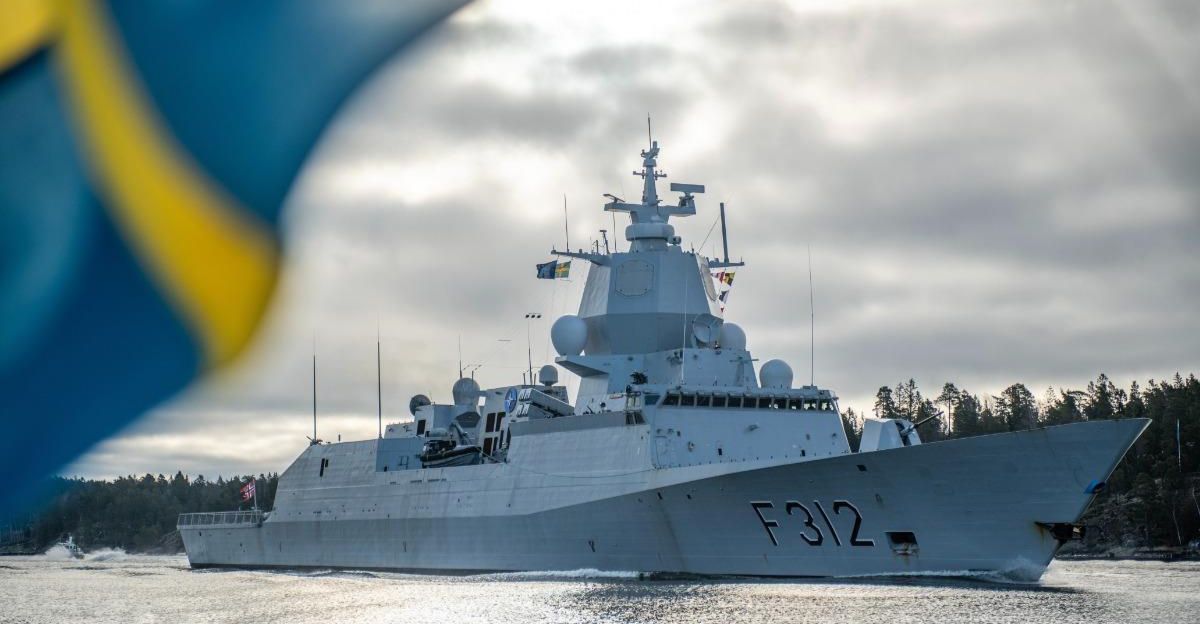
In June 2025, Russian Navy warships openly escorted oil tankers through the English Channel, a move that Western officials described as a calculated show of defiance. NATO commanders viewed it as a deliberate test of Western restraint, signaling Moscow’s belief that European states would not directly confront Russian‑controlled shipping. Finland’s defense minister labeled the event “unprecedented,” while allied officers said the operation was designed to demonstrate Russia’s intent to keep its energy exports flowing under naval protection.
Armed Crews and Hybrid Operations
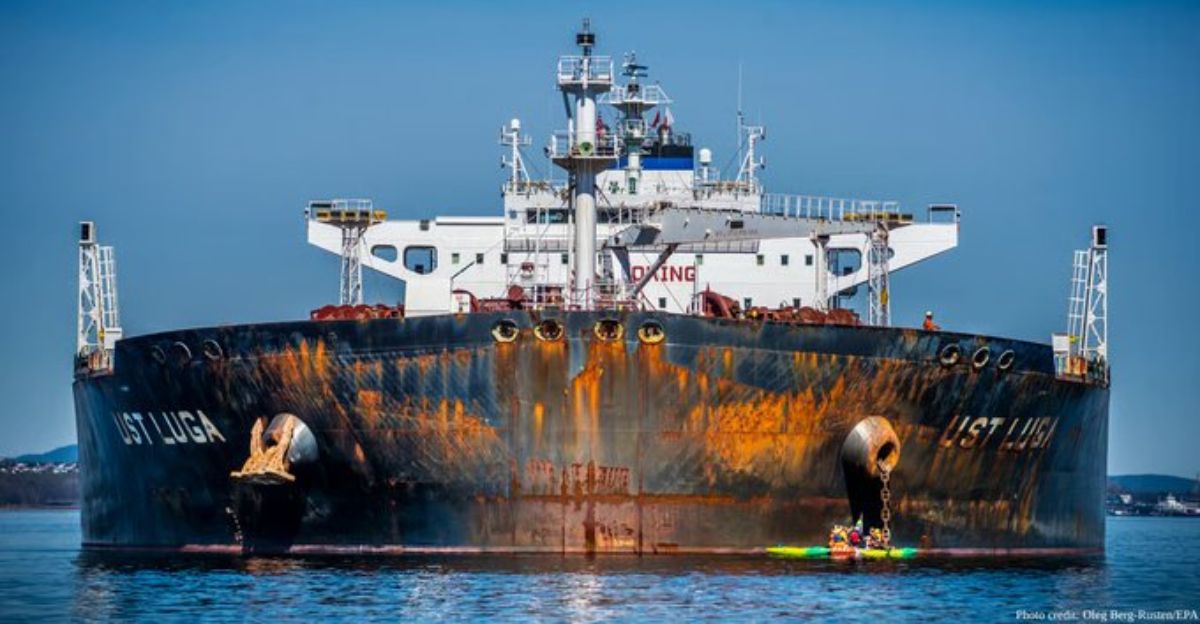
Reports from Sweden and Denmark reveal that Russian uniformed personnel on these ships are either active soldiers or contractors tied to state‑linked security firms. Danish pilot Bjarne Caesar Skinnerup described how these individuals began appearing on crew lists, eventually taking control of navigation and communications functions during transits.
Scandinavian maritime authorities report that these quasi-military crews operate with strict discipline while commanding civilian vessels, occasionally obstructing or intimidating inspectors. Swedish officials believe the pattern reflects a coordinated command structure blending Russia’s military and commercial interests, part of a broader hybrid operations model that merges state power with economic activity.
The Baltic as a Contested Maritime Zone
Nearly half of Russia’s oil exports now move through the Baltic Sea, transforming it into the focal point of this gray‑zone maritime strategy. Swedish patrols report a near‑constant Russian naval presence and daily transits of aging, lightly insured tankers—many passing within ten nautical miles of Swedish shores en route to China and India.
What NATO members had once hoped would become a secure “allied lake” has instead evolved into a crowded, contested maritime corridor where commercial trade, military escorts, and intelligence operations blend. Swedish and Danish authorities track these tankers both visually and electronically, but emphasize that legal constraints prevent them from detaining foreign-flagged ships unless an immediate security or environmental threat is evident.
The Scale and Economics of Sanctions Evasion
Analysts estimate that Russia’s “shadow fleet” comprises more than 300 tankers, with approximately half operating in or through the Baltic Sea. Ukrainian researchers calculate that this network now accounts for roughly 17 percent of the global commercial tanker fleet. These ships sail under multiple foreign flags and ownership structures, often registered in Panama, Liberia, or the Marshall Islands. At the same time, corporate control is maintained through entities registered in jurisdictions such as the United Arab Emirates.
Maritime tracking firm Windward reports that approximately 40 percent of tankers previously used to transport Iranian oil are now repurposed for Russian exports, suggesting a shared logistical and financial infrastructure between the two sanctioned states.
The economic stakes are vast. Russia has invested an estimated $10 billion in building and maintaining the shadow fleet since 2022. In 2024 alone, the system generated approximately $9.4 billion in off-cap revenue by bypassing Western oil price caps. The Kyiv School of Economics calculates that shadow‑fleet cargoes selling above the $60‑per‑barrel cap bring Moscow hundreds of millions of dollars in additional revenue each month. Around 70 percent of Russia’s seaborne crude exports now depend on this fleet, making it integral to the country’s wartime economy and a direct funder of military operations in Ukraine.
Intelligence Risks Behind the Tankers
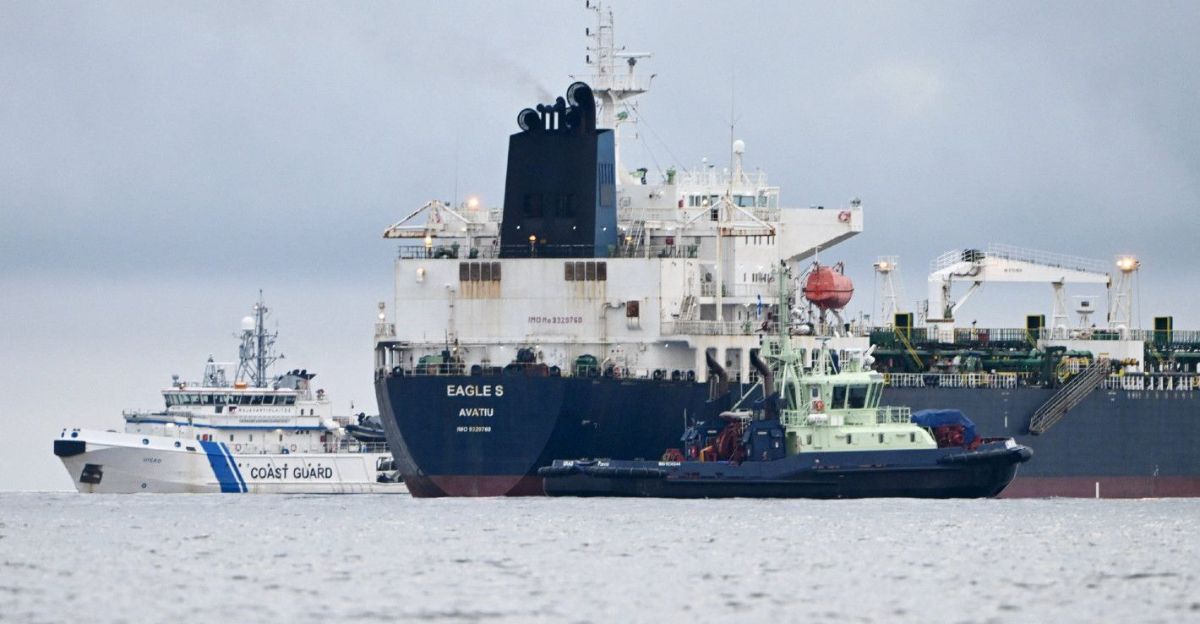
Western intelligence agencies warn that many of these vessels have dual roles—transporting oil while collecting surveillance data. Officials allege that some ships are equipped to monitor seabed cables and naval movements. Finnish authorities seized one vessel, the Eagle S, discovering advanced monitoring systems aboard. Danish pilots have also reported Russian crews photographing bridges and relaying data on coastal infrastructure.
NATO officials increasingly believe the shadow fleet supports espionage alongside sanctions evasion, turning civilian‑flagged ships into intelligence assets. In early 2025, the alliance launched Operation Baltic Sentry, deploying frigates, drones, and joint patrols to protect undersea infrastructure and track Russian activities. Despite heightened monitoring, Western navies remain hesitant to intervene directly, reflecting an ongoing divide between observation and enforcement.
Legal Constraints and Strategic Implications
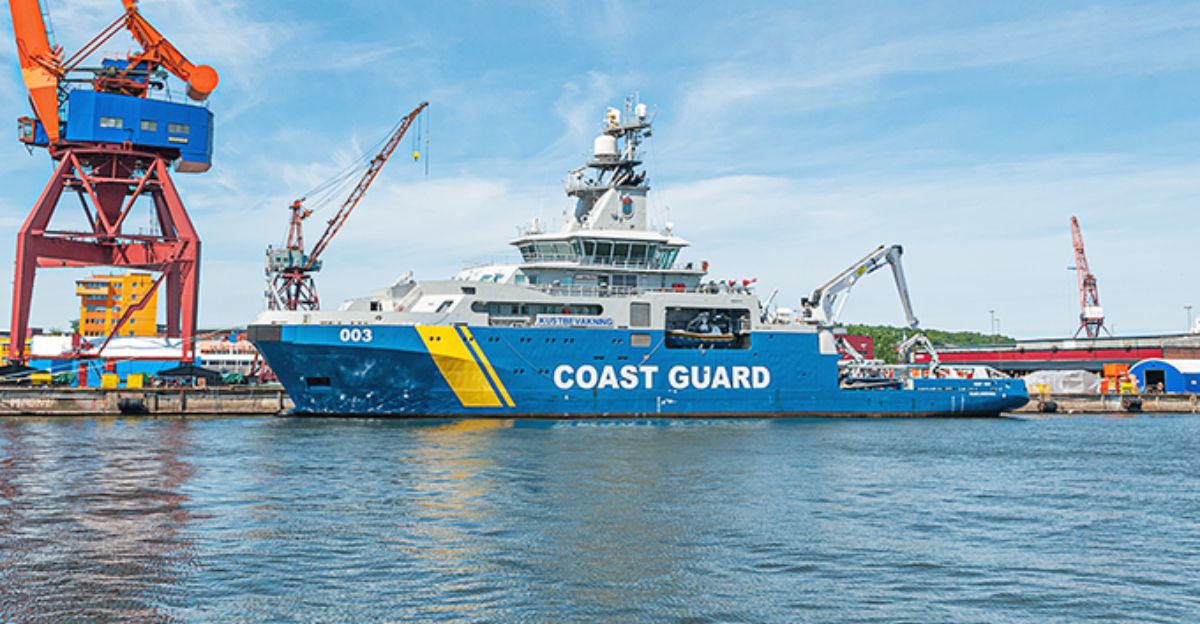
Sweden and other Baltic states face a legal impasse. Maritime law generally prevents boardings or detentions of foreign‑flagged tankers unless there is proof of smuggling, pollution, or an active threat. Transporting sanctioned oil or displaying armed personnel does not in itself meet that threshold. Swedish coastguard officials caution that this legal framework effectively allows militarized, sanction-resistant ships to navigate European waters unchallenged, thereby altering the regional security equation.
As Russian warships establish semipermanent patrol positions near narrow chokepoints such as the Gulf of Finland, and as shadow‑fleet tankers traverse these same lanes under visible military guard, the Baltic Sea has become a real‑time test of how far a state can militarize commerce without triggering confrontation. NATO and EU members have so far prioritized surveillance, intelligence sharing, and documentation over seizure or interdiction, preferring to avoid escalation.
The long‑term strategic question is whether existing maritime law and sanctions enforcement can adapt to Russia’s evolving gray‑zone tactics. The hybrid model now unfolding—where state power fuses with commercial trade to sustain wartime revenue and project influence—suggests that Europe’s northern waters are entering a new era of economic and military entanglement. Maintaining freedom of navigation while countering sanctioned activities may require a reevaluation of both legal norms and deterrence strategies to prevent the permanent normalization of armed, state-backed shipping across Europe’s seas.
Sources:
Sweden’s Navy Confirmation on Russian Military Personnel – Swedish Armed Forces Official Statement
June 2025 Russian Warship English Channel Escort – NATO Military Sources Documentation
Danish Pilot Reports on Shadow Fleet Operations – DanPilot Maritime Authority Records
Finnish Police seizure of Eagle S spy device – Finnish National Police Investigation Report
Kyiv School of Economics Shadow Fleet Revenue Analysis – Kyiv School of Economics 2024 Report
Windward Maritime Data on Flag Hopping Patterns – Windward Maritime Intelligence Database 2025