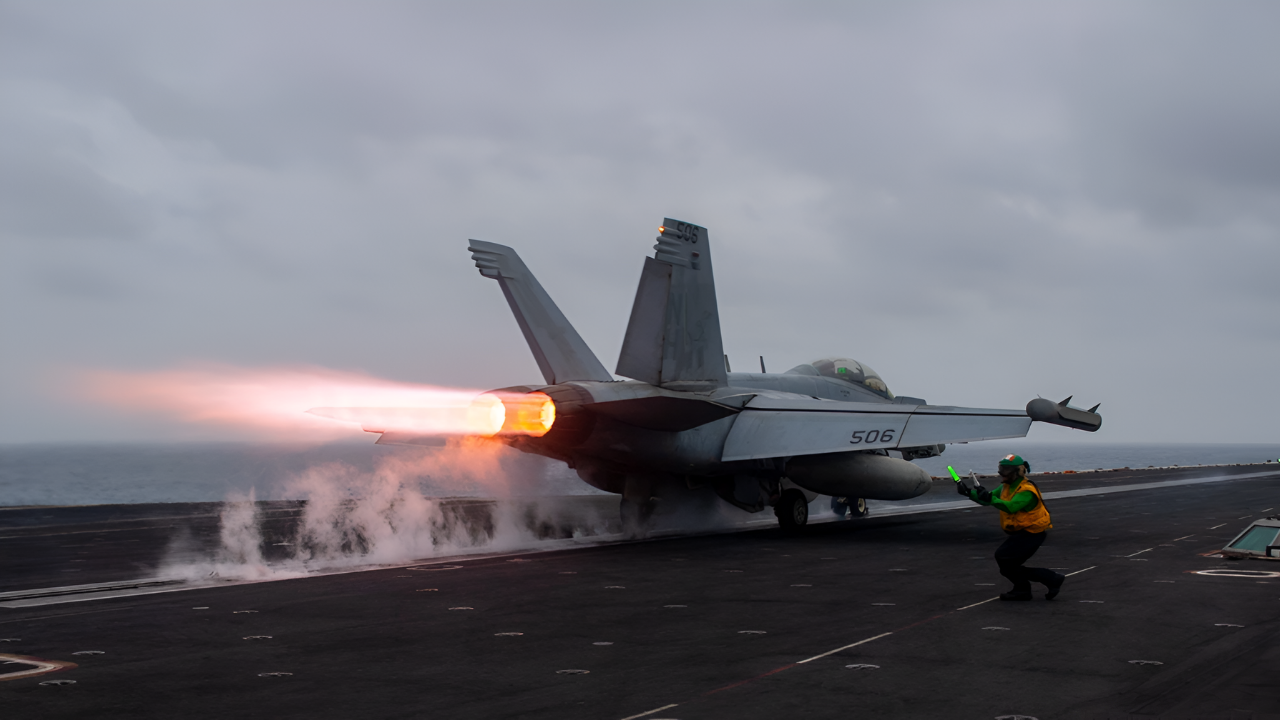
The United States military has dramatically intensified its bombing campaign across Somalia, reaching 100 airstrikes by November 2025—a pace unseen since 2007 and potentially double the previous record. This unprecedented surge reflects a fundamental shift in American counterterrorism strategy, driven by expanded commander authority, evolving threat assessments, and the rapid growth of ISIS-Somalia as a regional security concern. The escalation raises critical questions about long-term effectiveness, civilian harm, and whether military force alone can address the underlying instability fueling terrorist recruitment in the Horn of Africa.
The Numbers Tell a Dramatic Story
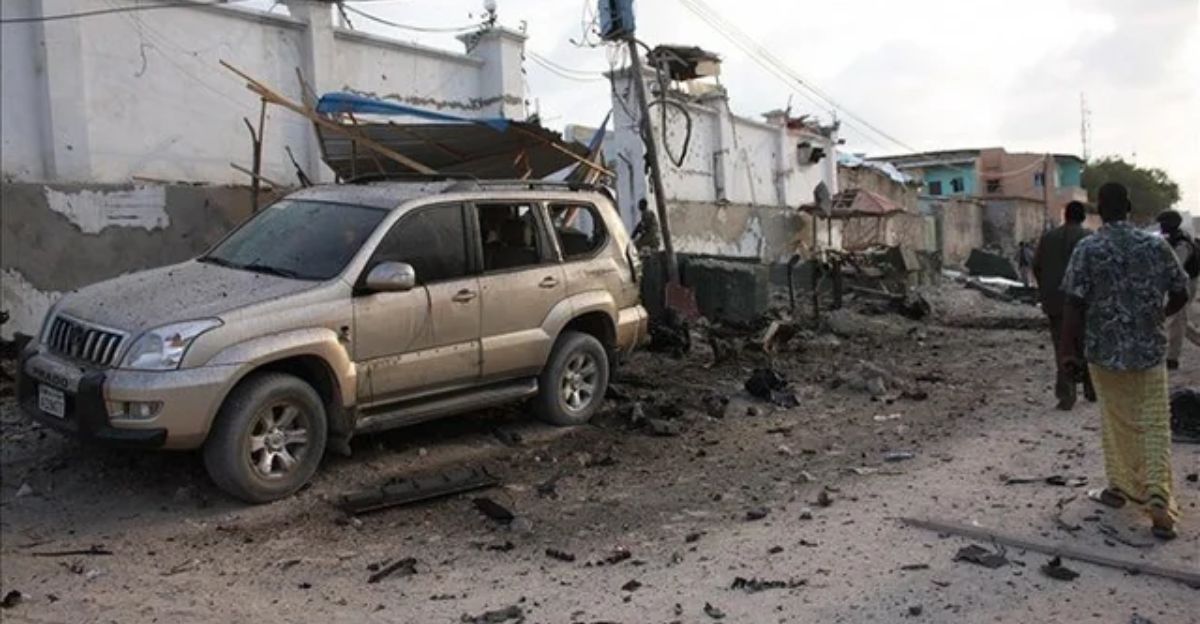
By mid-2025, U.S. Africa Command had already conducted 51 airstrikes—far exceeding 2024’s total of just 10. The trajectory accelerated sharply through the year, culminating in the 100-strike milestone by November. This represents a historic departure from recent practice. During the previous administration, operations remained restrained. Under President Obama, strikes increased substantially. The first Trump administration recorded 219 strikes across the entire term. The Biden years saw a pullback. Now, in 2025’s second Trump term, the operational tempo has reversed course entirely.
The surge reflects both expanded decision-making authority and intensified threat perception. In January 2025, Defense Secretary Pete Hegseth granted AFRICOM commanders greater autonomy to authorize strikes without higher-level approval, eliminating bureaucratic delays and enabling faster responses to emerging threats.
ISIS-Somalia’s Rapid Ascent
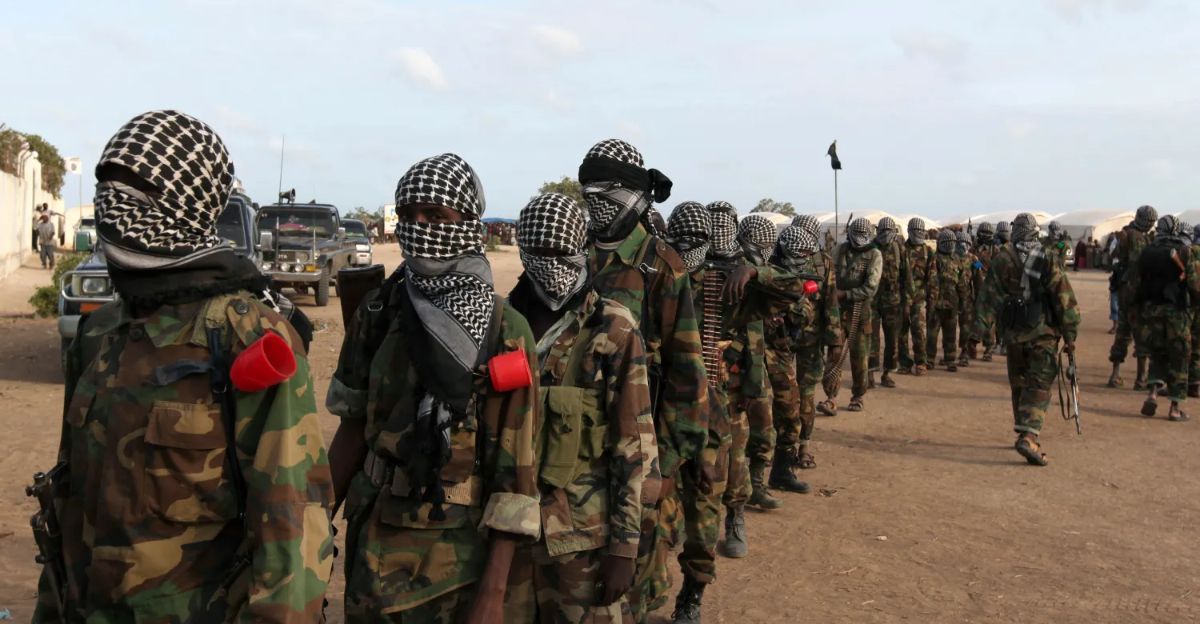
The primary driver of this escalation is the explosive growth of ISIS-Somalia. The group has expanded from approximately 300 fighters in 2019 to roughly 1,500 by 2025. What distinguishes this threat is its composition: approximately 60 percent of ISIS-Somalia’s membership consists of foreign fighters, many recruited through international networks and trained in the Golis Mountains of northeastern Somalia.
Al-Shabaab, by contrast, remains Africa’s largest terrorist organization with 7,000 to 12,000 fighters, but its growth has plateaued. AFRICOM’s targeting priorities reflect this shift. Of the 51 strikes conducted by mid-2025, 32 targeted ISIS-Somalia, underscoring the command’s focus on the emerging threat. Early operations concentrated on al-Shabaab strongholds in southern Somalia, but by mid-year, the geographic focus pivoted northward to Puntland, where ISIS-Somalia has established critical logistical hubs.
Operational Scale and Precision
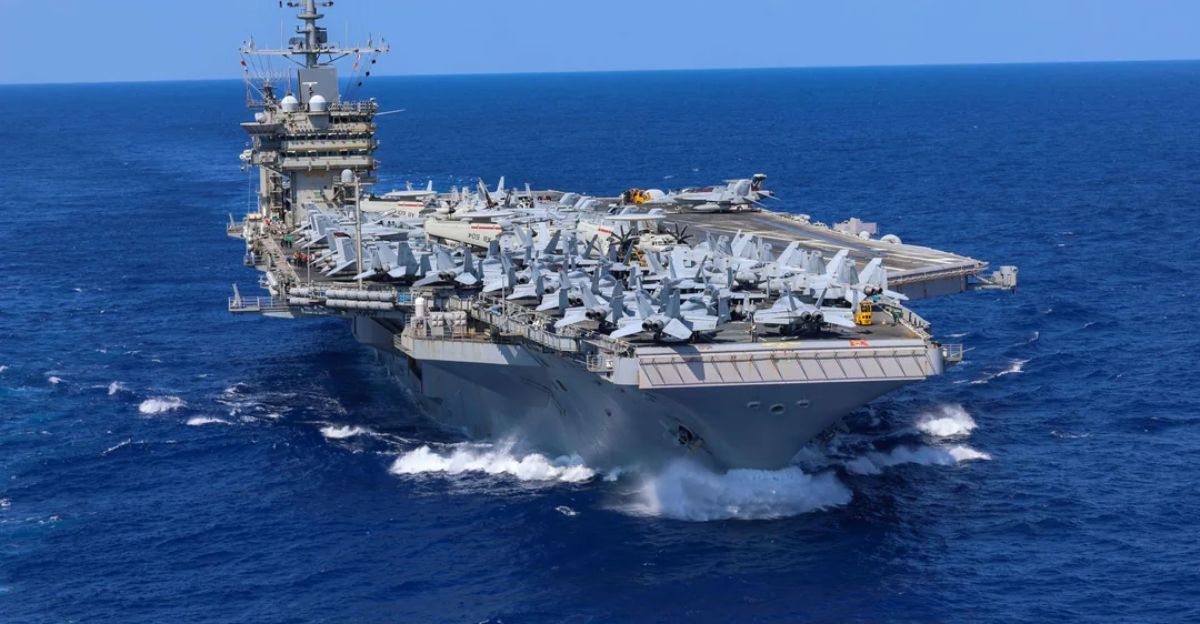
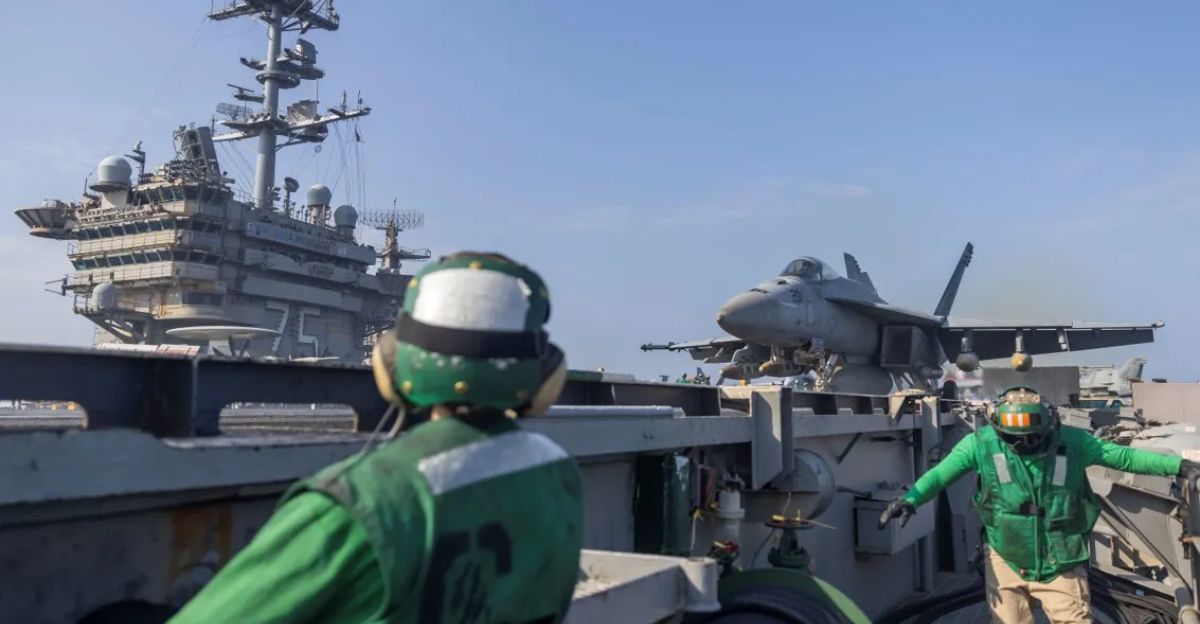
The integration of naval aviation into AFRICOM’s strategy has amplified strike capacity. On February 1, 2025, the USS Harry S. Truman Carrier Strike Group executed a massive airstrike in the Golis Mountains, deploying 124,000 pounds of munitions in a single operation. This strike exemplified the scale of modern U.S. air operations and demonstrated the coordination between naval and land-based forces.
High-value target eliminations have accompanied the increased tempo. In early February, senior ISIS-Somalia recruiter Ahmed Maeleninine was killed in an airstrike. Late 2024 saw the elimination of Mohamed Mire, a senior al-Shabaab leader. However, terrorist organizations typically replace leadership quickly, raising questions about whether tactical victories translate into strategic gains.
The Civilian Toll and Accountability Gap
The human cost of the escalation remains contested. Independent monitoring groups documented between 109 and 174 civilian deaths in 2025 alone, though exact figures remain disputed. AFRICOM has not consistently provided detailed civilian harm assessments, creating a transparency gap between stated commitments to civilian protection and documented outcomes.
This discrepancy carries strategic implications. Analysts warn that mounting civilian casualties could inadvertently fuel terrorist recruitment, potentially undermining the broader counterterrorism objective. Somalia’s existing humanitarian crisis—characterized by widespread food insecurity, drought, and displacement—compounds these concerns. Military operations conducted against this backdrop risk exacerbating grievances that militant groups exploit for recruitment.
Strategic Questions and Expert Skepticism
Military experts remain divided on the sustainability of the current approach. While the surge has disrupted terrorist operations, analysts question whether airstrikes alone can achieve lasting strategic success without addressing underlying political and socioeconomic drivers of extremism. Lessons from Iraq and Afghanistan suggest that kinetic pressure without political solutions often produces diminishing returns.
All U.S. operations occur in coordination with Somalia’s Federal Government, which has requested American assistance against both terrorist groups. However, the precise degree of Somali government influence over targeting decisions remains unclear, raising questions about sovereignty and operational control.
Looking Forward
As 2025 concludes, fundamental uncertainties persist. Will the current operational tempo continue into 2026, or will strategic priorities shift? Can airstrikes achieve lasting peace, or must diplomatic and economic initiatives play a larger role? The answers will determine whether 2025’s record escalation marks a permanent recalibration of U.S. counterterrorism doctrine or a temporary surge addressing immediate threats. Somalia’s future stability depends on how military operations interact with political developments, humanitarian efforts, and regional security dynamics in the months ahead.
Sources
Stars and Stripes – “100th Somalia strike of year shows AFRICOM mission that outpaces even US action in Caribbean” (November 24, 2025)
Navy Times – “USS Truman conducted largest airstrike in Navy history, official says” (May 27, 2025)
DefenceWeb – “US airstrikes in Somalia reach 51 this year in coordinated campaign” (July 15, 2025)
Garowe Online – “US airstrikes in Somalia killed up to 174 people in 2025, monitoring group says” (November 25, 2025)
Al Jazeera – “Under Trump, US strikes on Somalia have doubled since last year—why” (June 24, 2025)