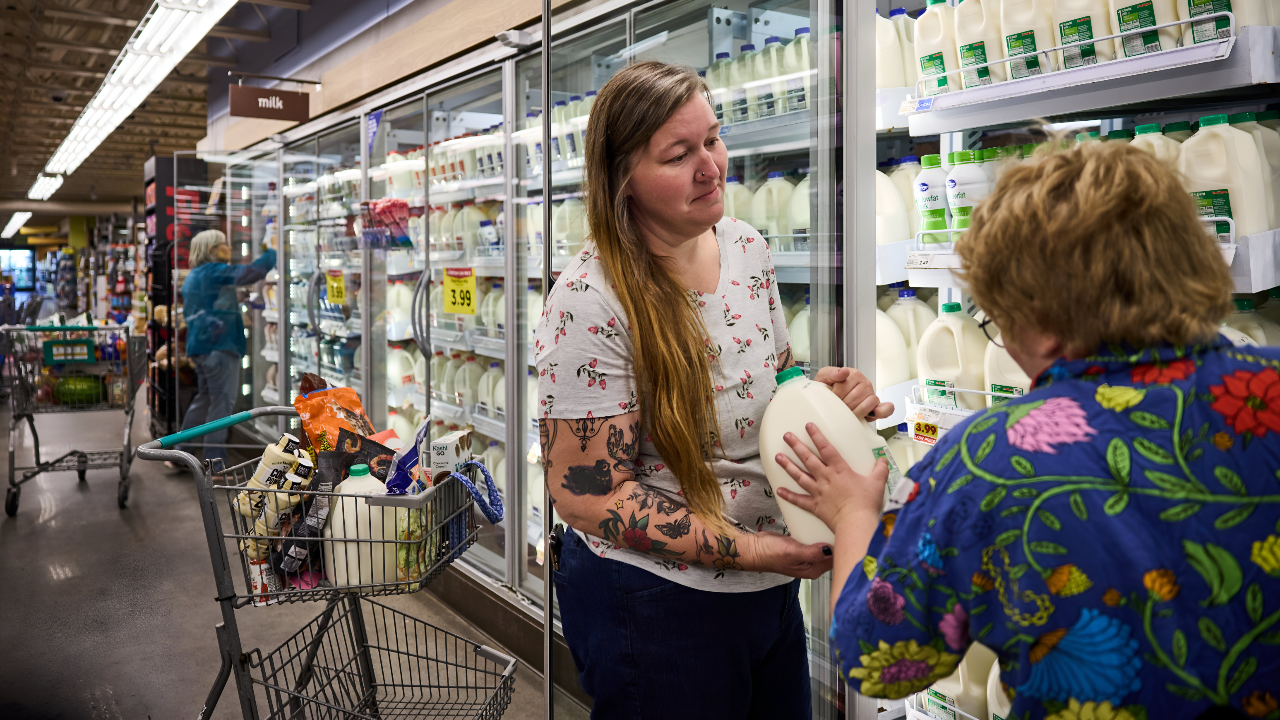
On January 1, 2026, grocery shoppers in five states—Indiana, Iowa, Nebraska, Utah, and West Virginia—discovered their SNAP cards no longer covered soda or candy. By December, 18 states will implement similar restrictions, affecting 42 million Americans reliant on the $100 billion program.
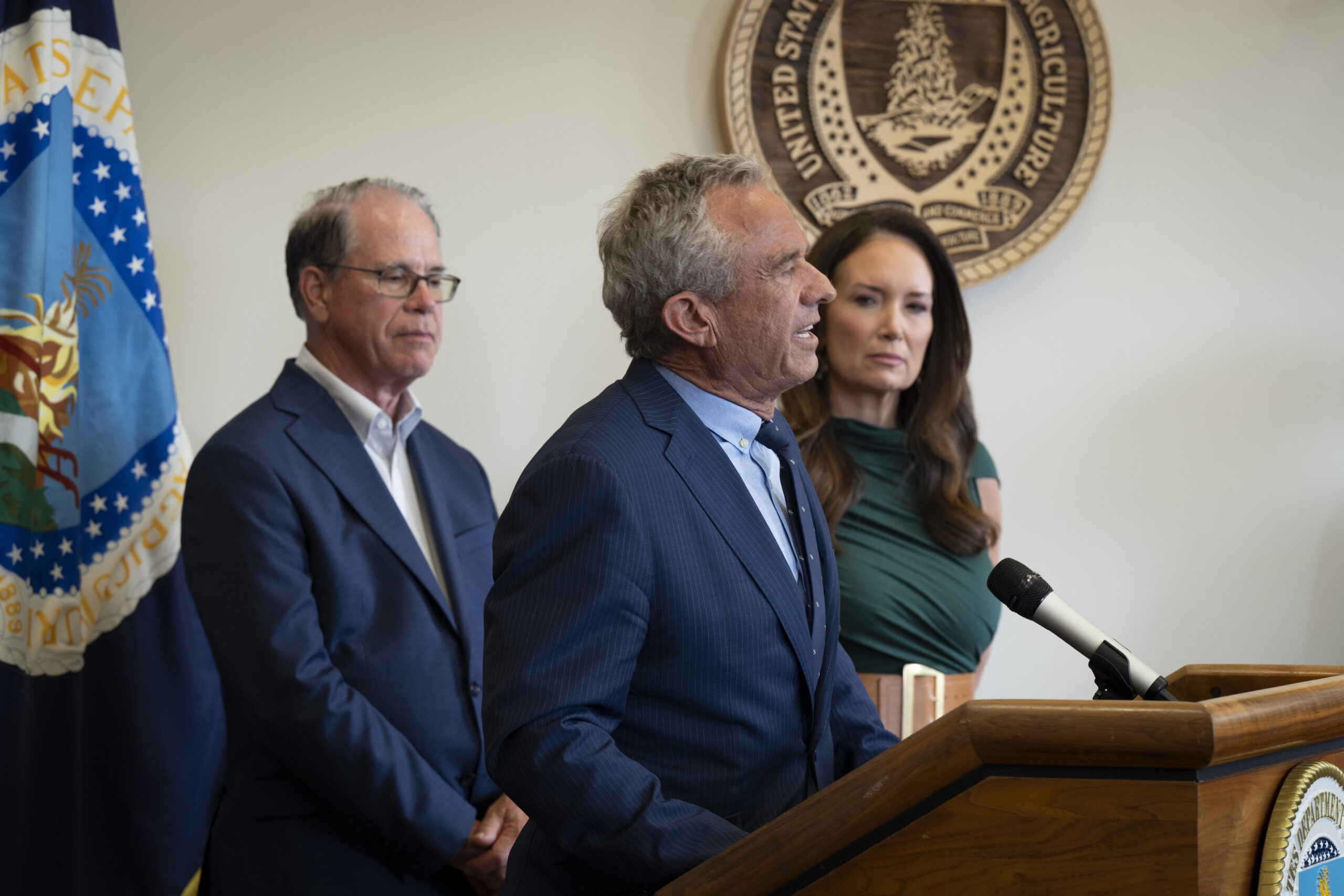
Health Secretary Robert F. Kennedy Jr. and Agriculture Secretary Brooke Rollins secured USDA waivers for these changes, bypassing Congress and overriding six decades of federal policy that allowed SNAP benefits for any food intended for human consumption, excluding alcohol and hot prepared foods. Kennedy stated, “We cannot continue a system that forces taxpayers to fund programs that make people sick and then pay a second time to treat the illnesses.” The rapid approvals, completed in weeks after years of rejections, align with the administration’s push to curb government dependency through tighter eligibility and state-level rules.
State Variations in Restrictions
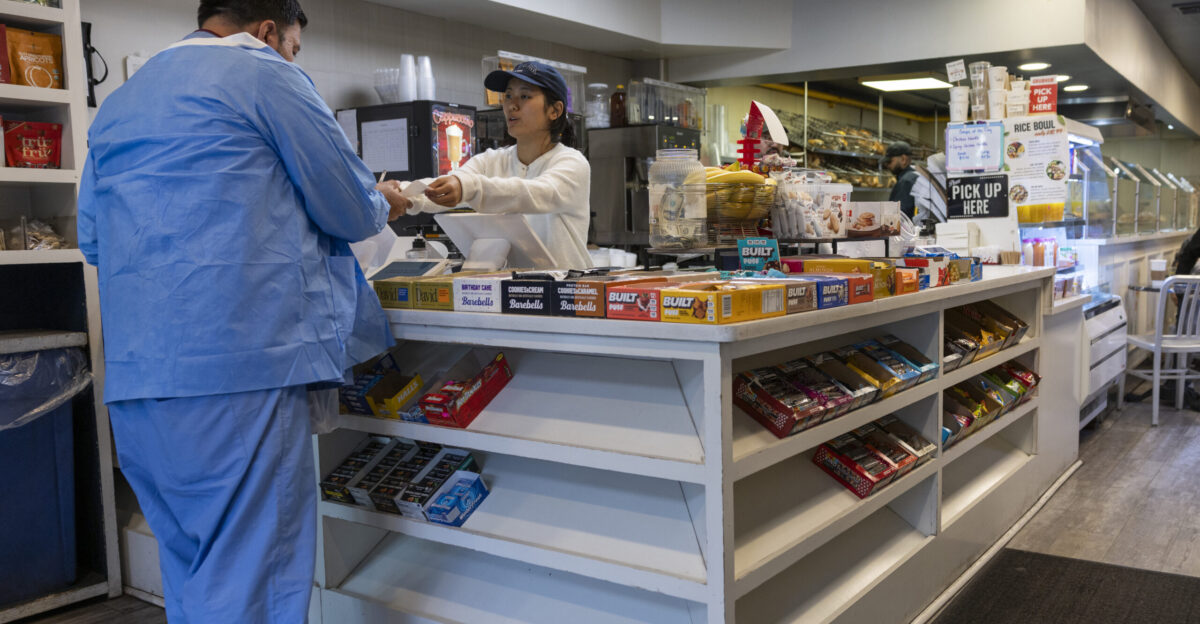
Each state defines banned items differently, creating a patchwork of rules. Utah and West Virginia prohibit all soda and soft drinks. Nebraska extends the ban to energy drinks. Indiana targets soft drinks and candy. Iowa takes the broadest approach, restricting soda, candy, and prepared foods subject to state sales tax, such as chocolate-covered nuts and sweet popcorn. These differences mean a SNAP dollar buys different goods depending on location. Thirteen more states plan to join by summer, further varying access by zip code.
Impact on 1.4 Million Shoppers
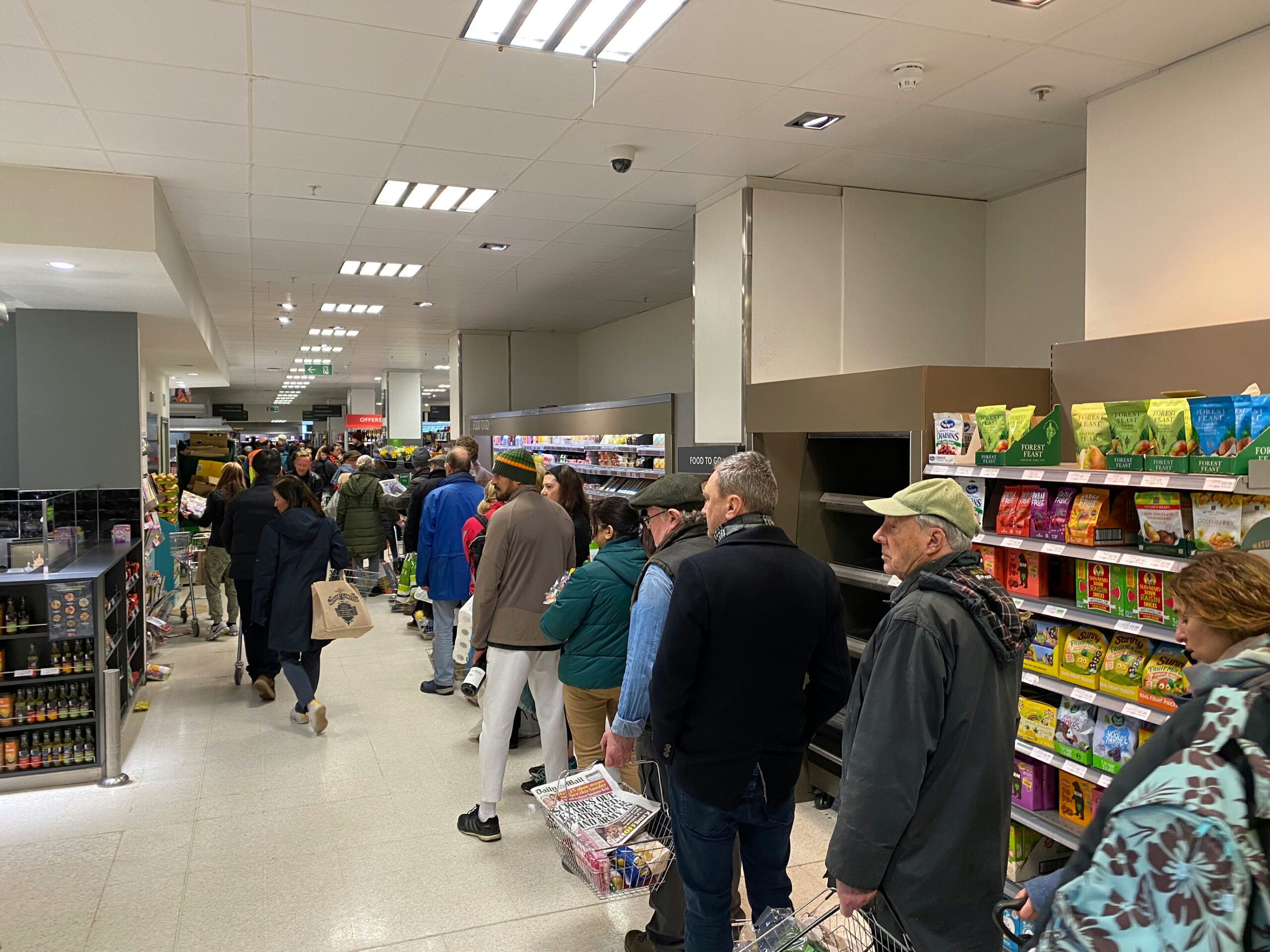
The sudden rollout caught recipients off guard. A single mother juggling two jobs, a grandmother on a fixed income, or a disabled parent relying on ready meals now faces checkout rejections without warning. Margaret Mannion, director of government relations at the National Association of Convenience Stores, noted, “There’s a whole lot of confusion.” Point-of-sale systems lack precise UPC codes and product lists for the new rules, leading to on-the-spot decisions by undertrained staff. University of Michigan nutrition expert Kate Bauer warned, “It’s a disaster waiting to happen of people trying to buy food and being rejected.” Public declines revive stigma for families, homeless individuals, and those already strained by poverty.
Retailers Face $1.6 Billion Burden
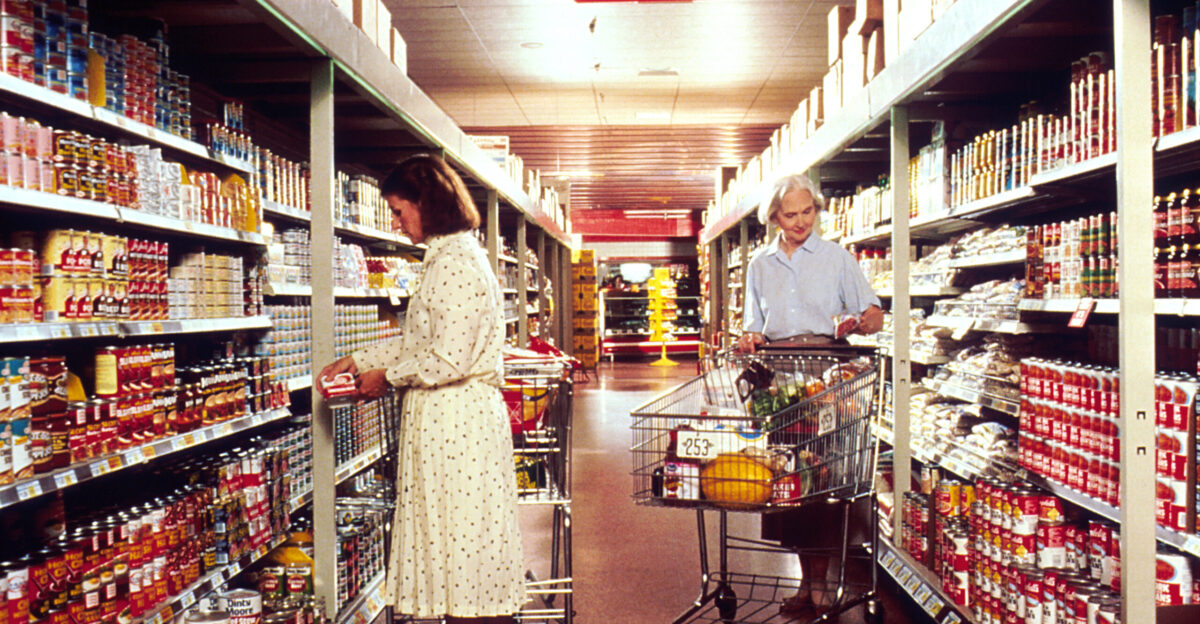
Implementation costs retailers $1.6 billion upfront, including software upgrades, staff retraining, and inventory overhauls—$1 billion for convenience stores and $305 million for supermarkets alone. Ongoing annual expenses total $759 million. Small rural outlets, operating on thin margins, bear the heaviest per-location load and may drop SNAP participation entirely. Half of SNAP-authorized retailers are now single-owner convenience stores, navigating 18 distinct state rules. As high-margin soda and candy sales decline, stores may raise prices on other items, passing on the costs to all customers. Food Research & Action Center SNAP Director Gina Plata-Nino observed, “Punishing SNAP recipients means we all end up paying more at the grocery store.”
Evidence Questions Effectiveness
USDA data reveals 13.7% of U.S. households—or one in seven—experienced food insecurity in 2024, rising to 24.4% for Black households, 20.2% for Latino households, and 36.8% for single-mother families. SNAP benefits average $190 per month per person, which is insufficient for basic nutrition in 99% of counties. Studies on similar bans have shown mixed outcomes: some reduce sugary drink purchases, but recipients often use cash intended for rent or utilities to purchase restricted items. Bauer’s research underscores, “Healthy food is unaffordable in this country, while unhealthy food is cheap and widely available.” Bans add inconvenience without addressing price gaps or addiction engineered into processed foods. Congress’s defunding of SNAP-Ed nutrition education leaves states enforcing rules without support tools.
As 13 more states adopt restrictions in 2026, alongside HR 1’s $186 billion SNAP cuts over a decade—including work requirements that could disqualify nearly one million people—the policy risks deepening food deserts, lengthening checkout lines, and eroding store participation in rural areas. Families confront reduced benefits and fewer options, potentially choosing rent over vegetables, while broader food insecurity persists amid unproven health gains.
Sources :
“We cannot continue a system that forces taxpayers to fund programs that make people sick and then pay a second time to treat the illnesses.” — Health Secretary Robert F. Kennedy Jr., USDA Statement, December 2025
“There’s a whole lot of confusion,” — Margaret Mannion, National Association of Convenience Stores (NACS), Director of Government Relations, December 2025
“It’s a disaster waiting to happen of people trying to buy food and being rejected.” — Kate Bauer, University of Michigan, Nutrition Expert, December 2025
“Healthy food is unaffordable in this country, while unhealthy food is cheap and widely available.” — Kate Bauer, University of Michigan, Research Findings, 2025
“Punishing SNAP recipients means we all end up paying more at the grocery store.” — Gina Plata-Nino, Food Research & Action Center, SNAP Director, 2025
SNAP Purchase Restrictions Cost Analysis — National Association of Convenience Stores (NACS), October 2025