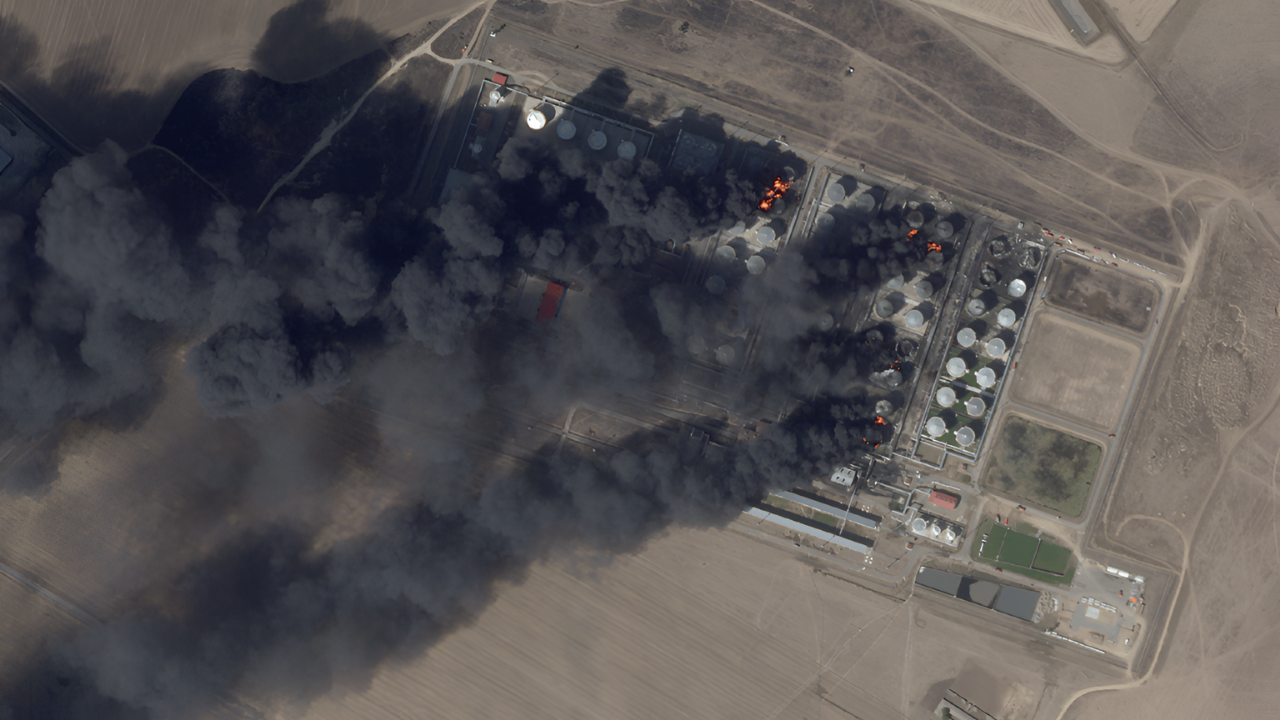
A Ukrainian long-range drone strike triggered a large fire at Russia’s Energia defense plant in Yelets, Lipetsk Oblast, on January 4, 2026. The facility sits roughly 250 kilometers inside Russian territory, far from the front lines.
Energia manufactures chemical power sources used across multiple Russian weapons systems. Ukrainian officials have previously described the plant as “one of the most critical targets” within Russia’s military-industrial complex.
Why the Energia Plant Matters So Much
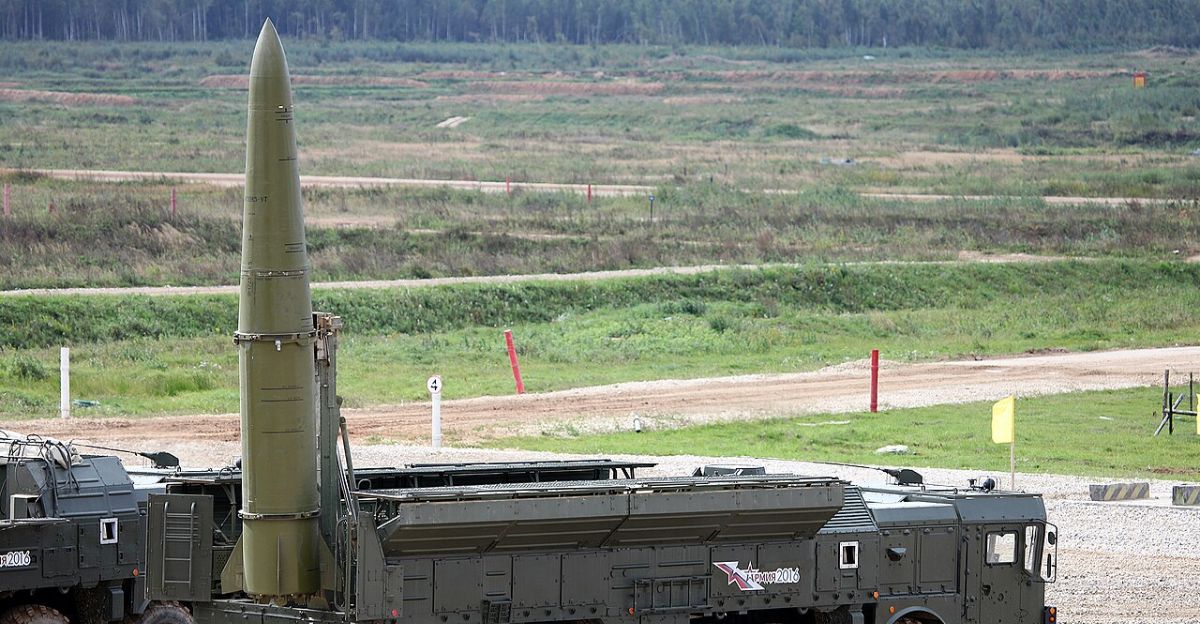
Energia produces specialized batteries required for Iskander ballistic missiles, cruise missiles, drones, and glide bomb guidance kits. These components are essential for weapons operation, storage, and launch readiness.
Without reliable battery supply, missile systems cannot be fielded or sustained at scale. This makes Energia a strategic chokepoint rather than a generic factory, elevating its importance well beyond a single weapons platform.
A Facility Targeted Repeatedly
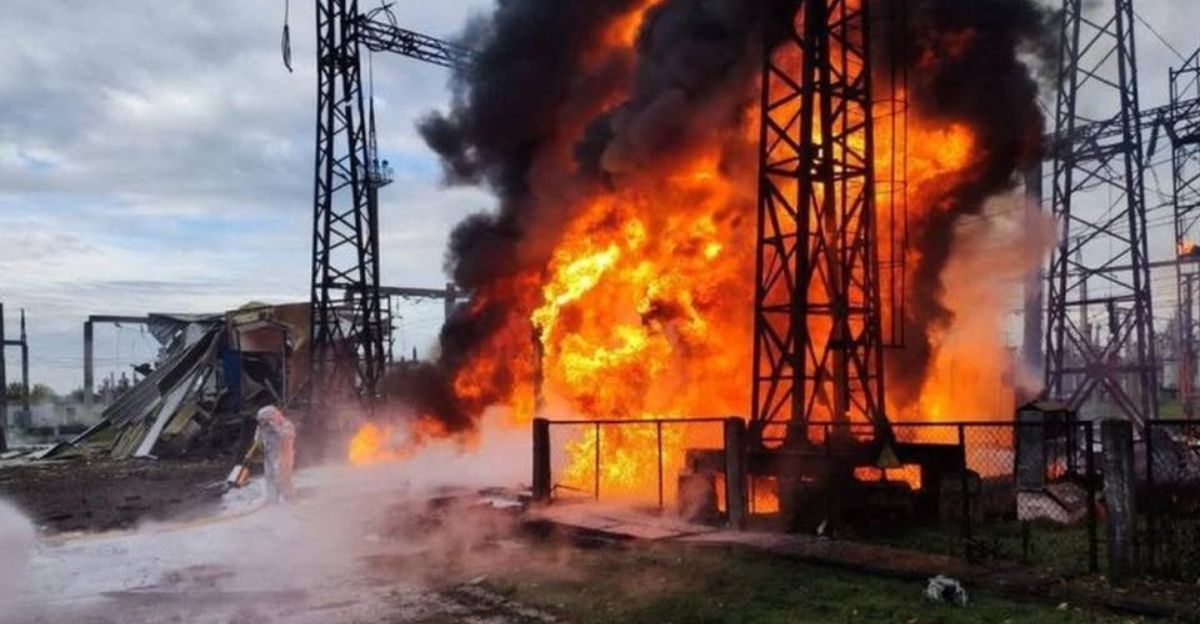
The January 2026 strike marked the third confirmed Ukrainian attack on the Energia plant in eight months.
The site was previously hit in May 2025 and again in July 2025. Following the July strike, reporting indicated production was temporarily halted. The repeated targeting suggests a deliberate campaign aimed at degrading output over time rather than achieving a single, symbolic strike.
What Was Seen After the January Strike
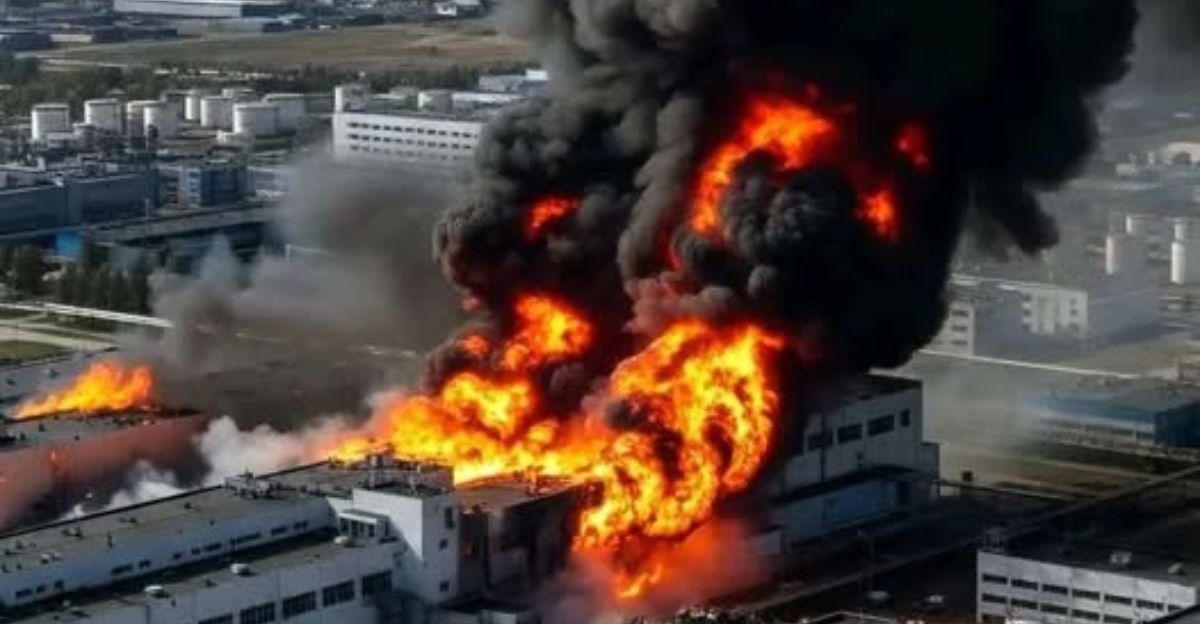
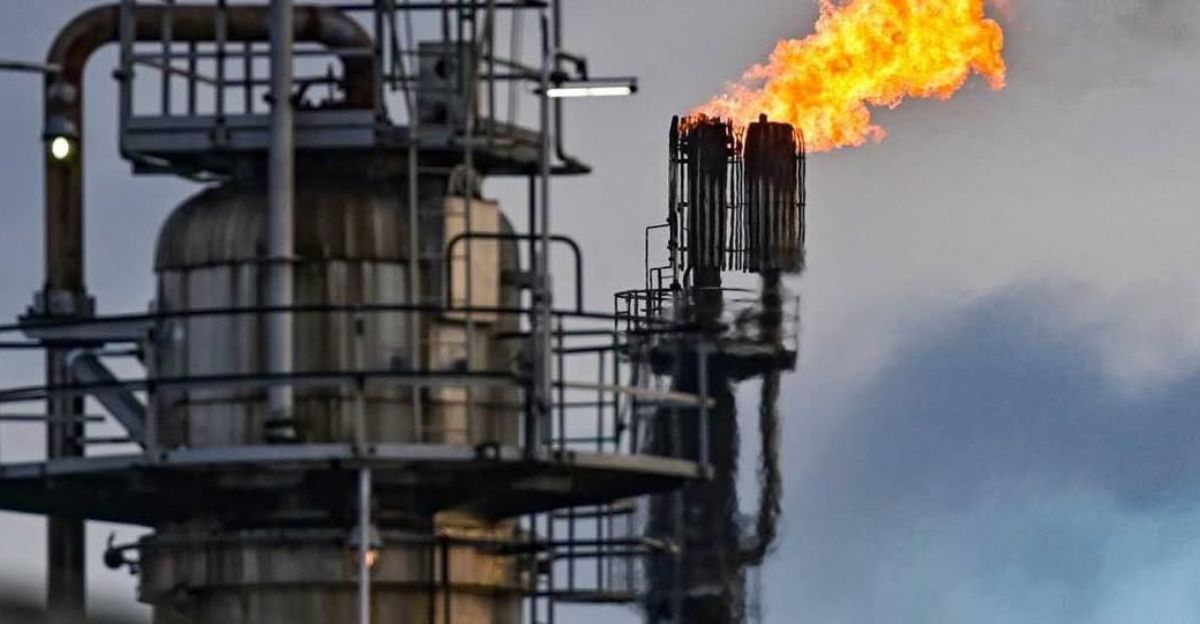
Eyewitness footage from Yelets showed flames and heavy smoke rising from the industrial zone where the plant is located. Russian opposition outlet Astra verified the visual evidence. Local residents recorded explosions and fires during the incident.
Regional authorities acknowledged a drone-related fire but did not publicly name the Energia facility or provide a detailed damage assessment.
Russian Official Messaging and Silence

Following the January 4 incident, Russian federal authorities offered no direct public comment on the status of the Energia plant. Lipetsk Governor Igor Artamonov confirmed a fire caused by falling debris but reported no injuries.
The lack of official detail contrasts with independently verified footage, reflecting a recurring pattern of limited disclosure around sensitive military-industrial sites.
The Scale of State Dependence on Energia
Energia supplies chemical power sources to at least five major Russian state bodies, including the Defense Ministry, Interior Ministry, FSB, Roscosmos, and Gazprom. Its products support military, aerospace, and energy-related systems.
This broad client base means disruption at the plant can affect multiple sectors simultaneously, increasing the strategic impact of even temporary production interruptions.
Implications for Missile and Drone Production
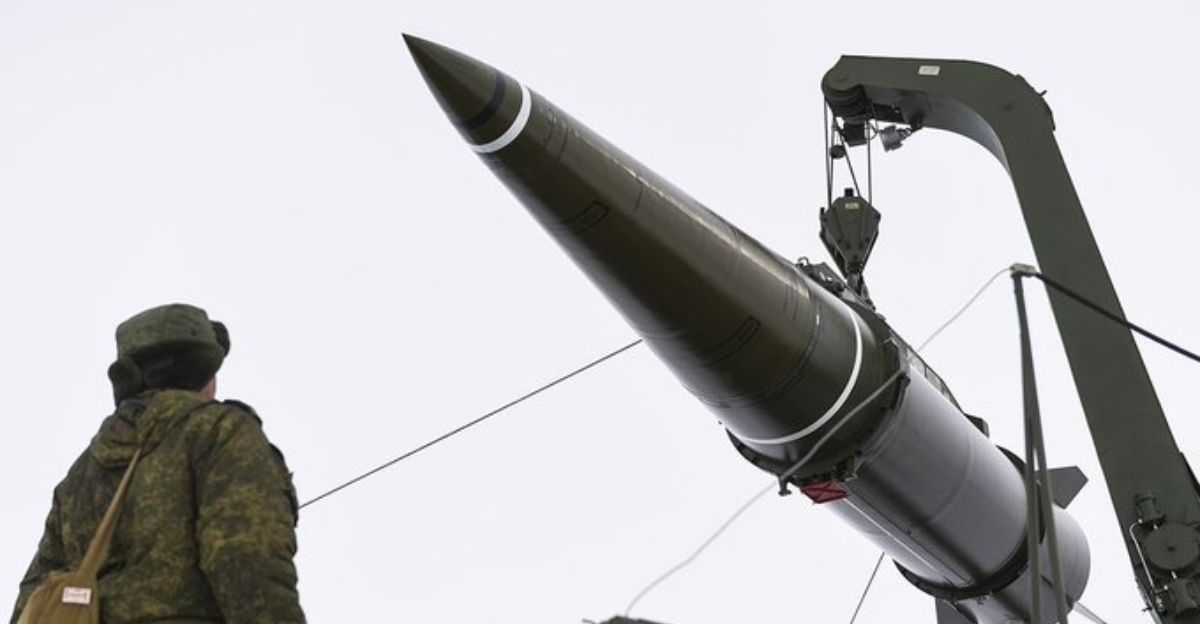
Because Energia batteries are used across several weapons systems, repeated damage raises questions about Russia’s ability to sustain consistent production and deployment rates. Iskander missiles, cruise missiles, drones, and glide bombs all rely on these components.
While Russia may draw on stockpiles or alternative suppliers, repeated strikes increase logistical strain and complicate long-term planning.
Defense-Industrial Pressure Points
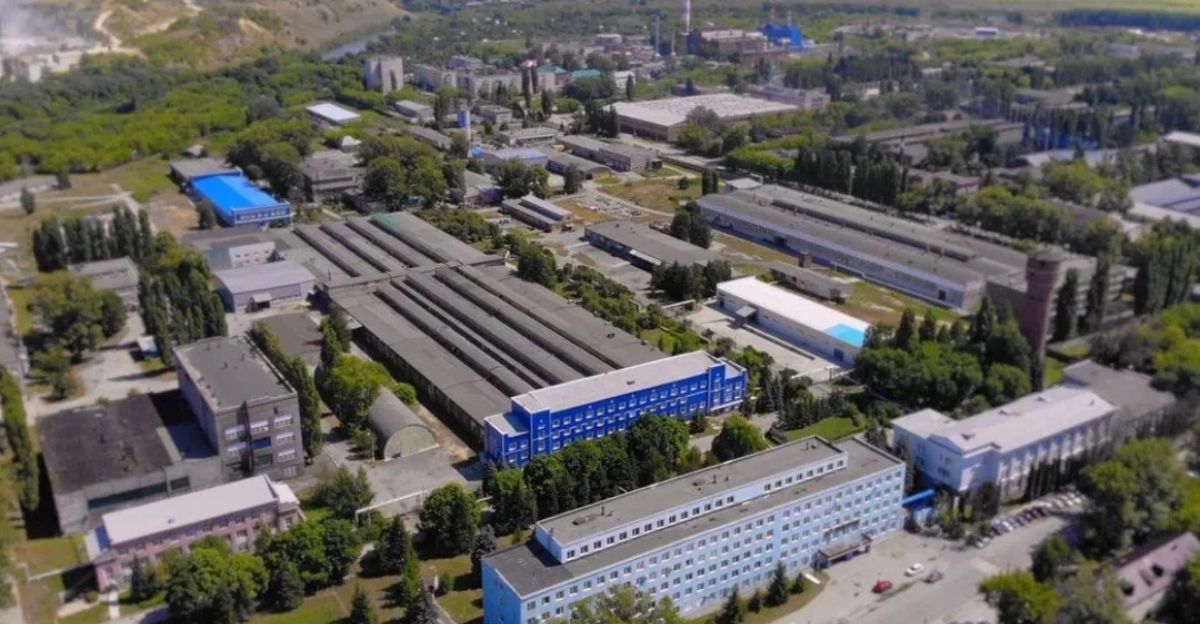
Energia is among Russia’s largest manufacturers of chemical power sources for military and dual-use applications. Disruptions force state customers to seek substitutes, reroute orders, or accelerate emergency repairs.
Each option adds cost, delay, or technical risk. In a defense industry already stretched by wartime demand, such pressure points can ripple outward through production schedules.
Civilian and Dual-Use Spillover Effects

Energia’s output is not limited to weapons systems. Its products are also used in civil aviation, maritime transport, and energy infrastructure. A prolonged slowdown could delay civilian projects or require technical substitutions.
These substitutions often demand new testing and certification, adding time and expense and extending the impact beyond purely military domains.
Local Human and Environmental Concerns
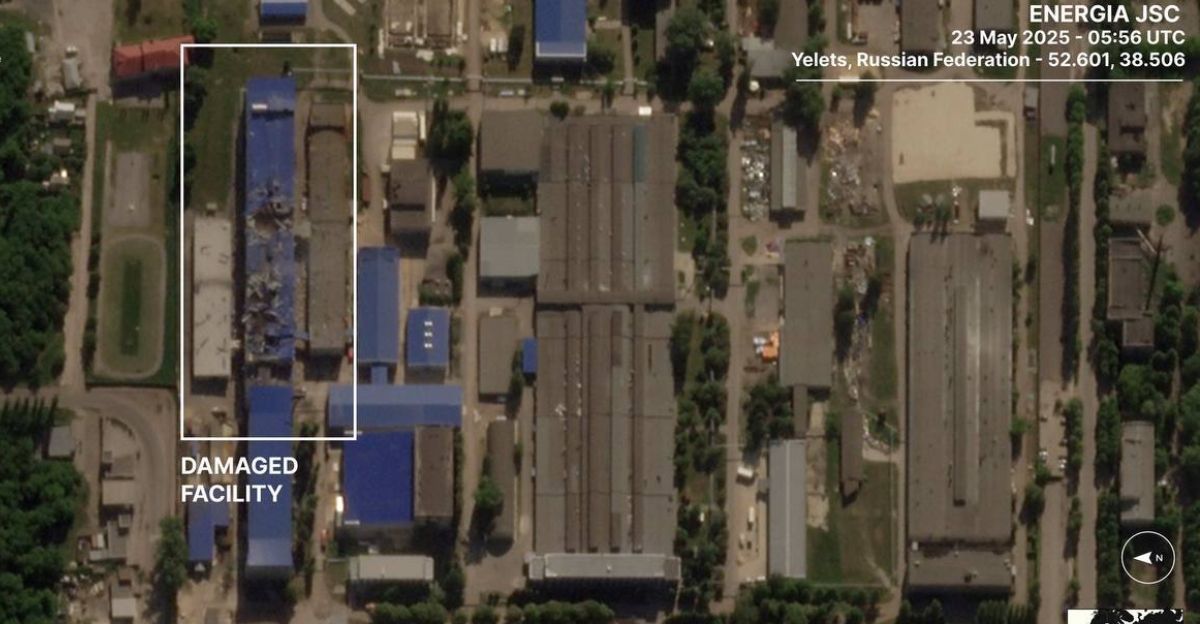
Previous strikes on the plant have injured workers, including a May 2025 attack that wounded nine people.
In the January 2026 incident, officials reported no casualties. However, fires at chemical power-source facilities carry environmental and health risks, including toxic smoke. Repeated incidents heighten anxiety among residents living near industrial zones.
Information Control as a Battlefield
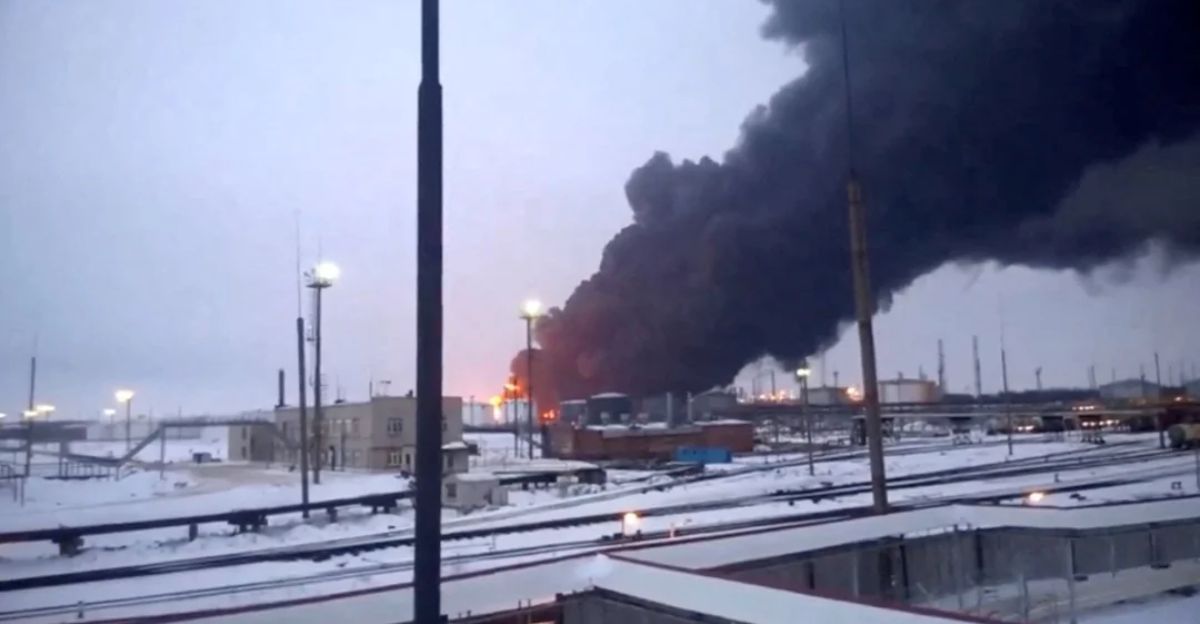
The Energia strike highlights the information struggle surrounding attacks on Russian infrastructure. Independent verification through video contrasts with limited official statements.
This divergence shapes domestic and international perception, leaving observers to rely on visual evidence and third-party confirmation rather than formal disclosures about damage or operational impact.
Legal Status of the Target
Under international humanitarian law, factories producing weapons or essential military components can qualify as legitimate military objectives if they effectively contribute to military action.
Energia’s role in supplying missile and bomb components places it within this contested category. Its targeting underscores ongoing debates over proportionality, distinction, and the reach of long-range strikes.
What the Strike Signals About Drone Warfare

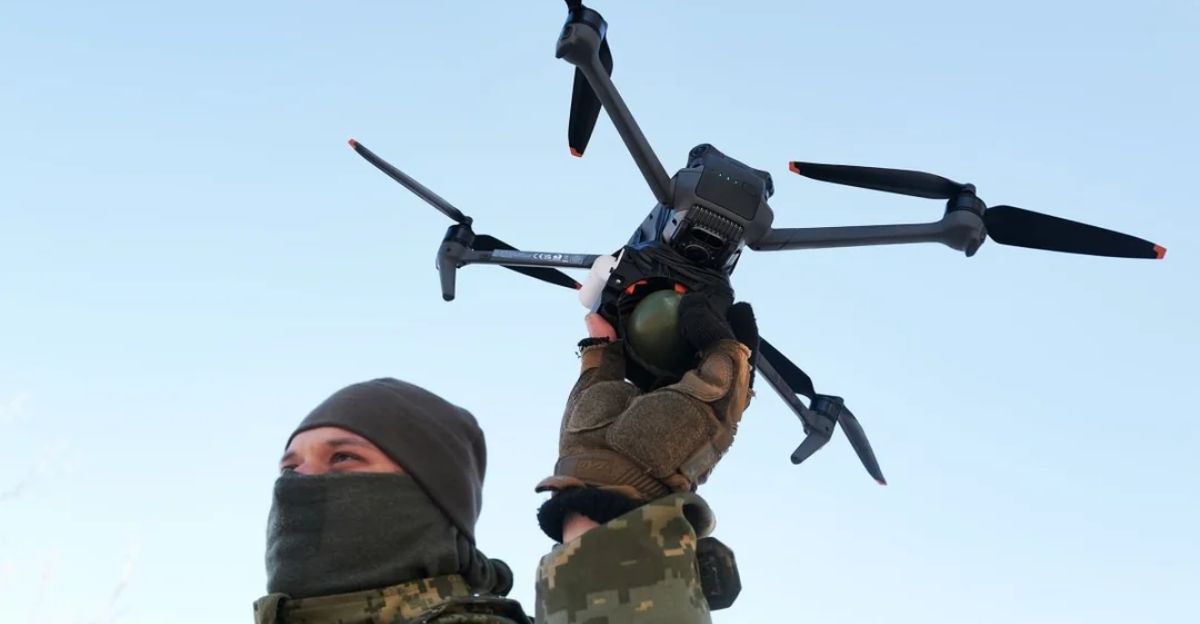
The Yelets attack demonstrates the ability of relatively low-cost drones to penetrate deep into heavily defended territory.
At approximately 250 kilometers from the border, the plant was far from traditional combat zones. Repeated successful strikes reinforce perceptions that geography alone no longer guarantees protection for critical infrastructure.
Strategic Winners and Losers
Russian defense manufacturers face higher risk, cost, and uncertainty if Energia’s output remains unstable. Ukrainian forces, by contrast, benefit if sustained pressure constrains key supply chains.
At the same time, Russia may attempt to adapt by dispersing production or increasing redundancy, illustrating how both sides adjust to evolving strike capabilities.
What Comes Next for Russia’s Missile Industry
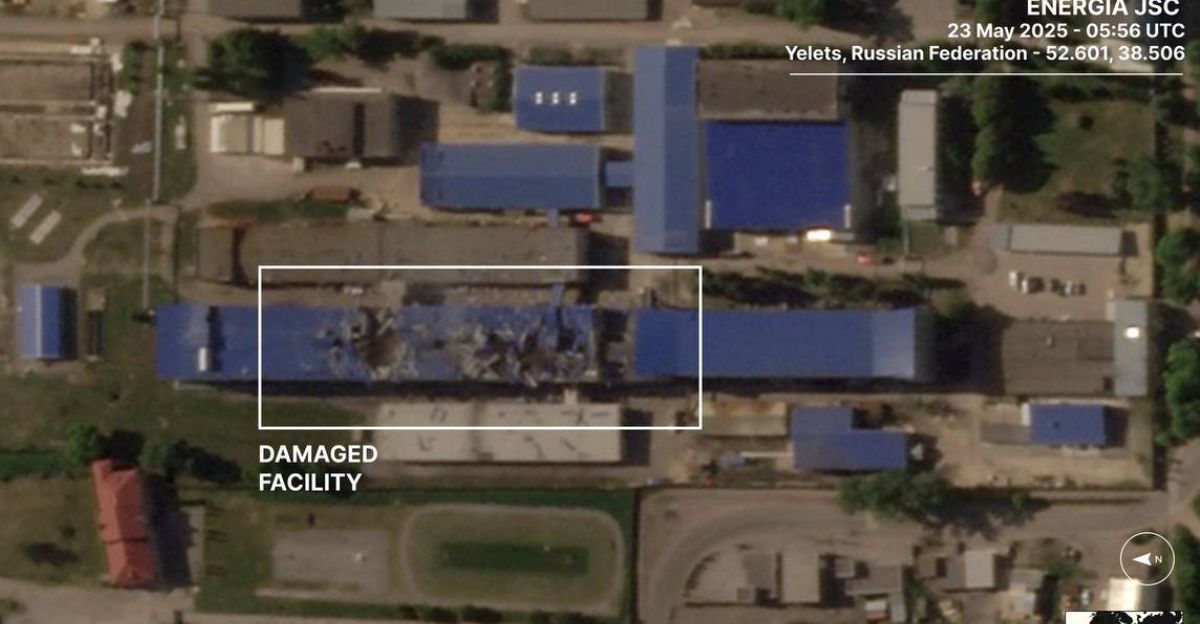
With three confirmed strikes since May 2025 and visible fires in January 2026, Energia remains a focal point of Ukraine’s long-range campaign against Russia’s military-industrial base.
Future attacks on similar facilities could further test Russia’s ability to protect critical nodes deep inside its territory, shaping the next phase of industrial warfare.
Sources:
Russian missile parts factory in flames after Ukrainian drone attack, media report,” The Kyiv Independent, 5 Jan 2026
Ukraine struck the largest Russian manufacturer of batteries for drones and missiles,” The Odessa Journal, 5 Jan 2026
Drones repeatedly attack Energia defense plant in Russia’s Lipetsk region,” Ukrinform, 5 Jan 2026
Drones attack Russia’s Lipetsk Oblast: defense plant Energia apparently targeted,” Hromadske, 5 Jan 2026
Ukraine Strikes Lipetsk Region Drone Factory In Yelets,” The Odessa Journal (duplicate listing and extended version), 5 Jan 2026
Russian Defense Factory Catches Fire, Ukraine Paralyzes Missile Production” (video), YouTube military analysis channel, 6 Jan 2026