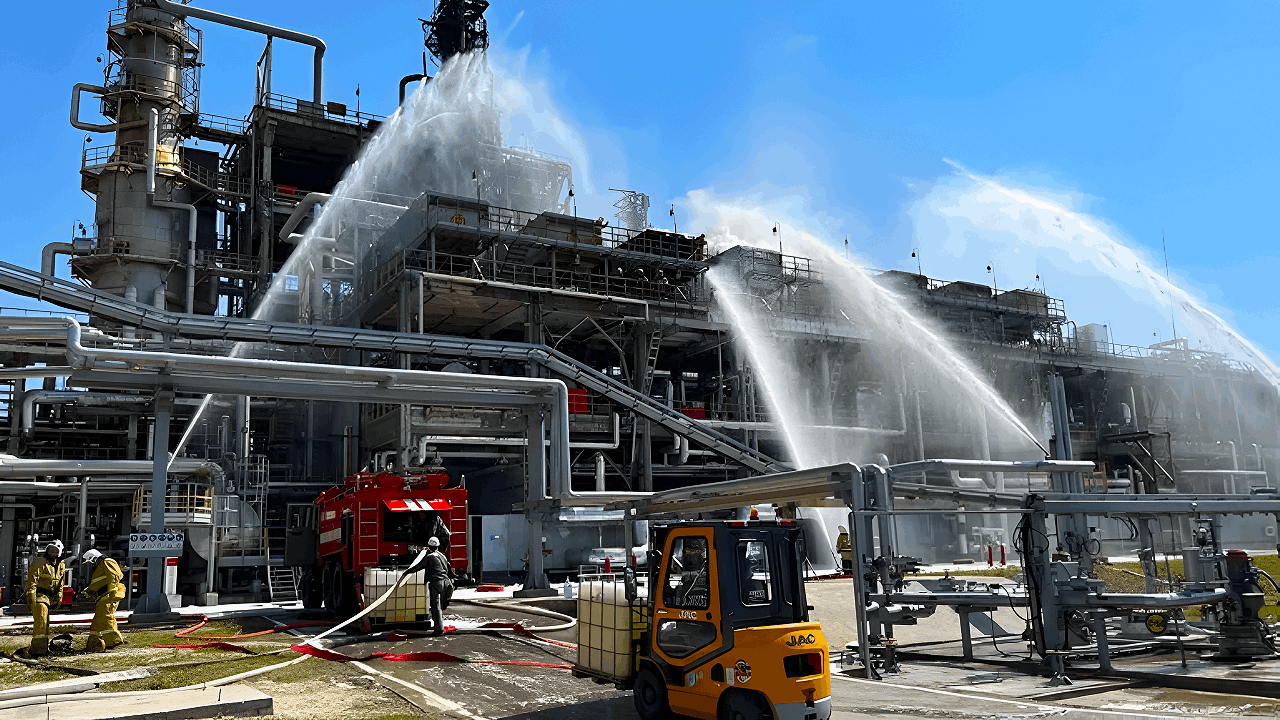
A Ukrainian drone strike on October 19, 2025, ignited a fire at Russia’s Orenburg gas processing plant, one of the world’s largest facilities of its kind. The attack forced an immediate halt to Kazakh gas intake, disrupting a vital energy artery and sending shockwaves through global markets. While officials reported no casualties, the economic and geopolitical consequences were swift and far-reaching.
Energy Shockwaves Across Borders
The Orenburg plant, with a processing capacity of up to 45 billion cubic meters of gas annually, is a cornerstone of Eurasian energy logistics. Its shutdown threatened not only Russian supply but also cross-border flows to Kazakhstan and, by extension, Europe. The incident exposed the vulnerability of critical infrastructure in times of conflict, with ripple effects still unfolding in regional and global energy markets.
A Strategic Hub Under Fire
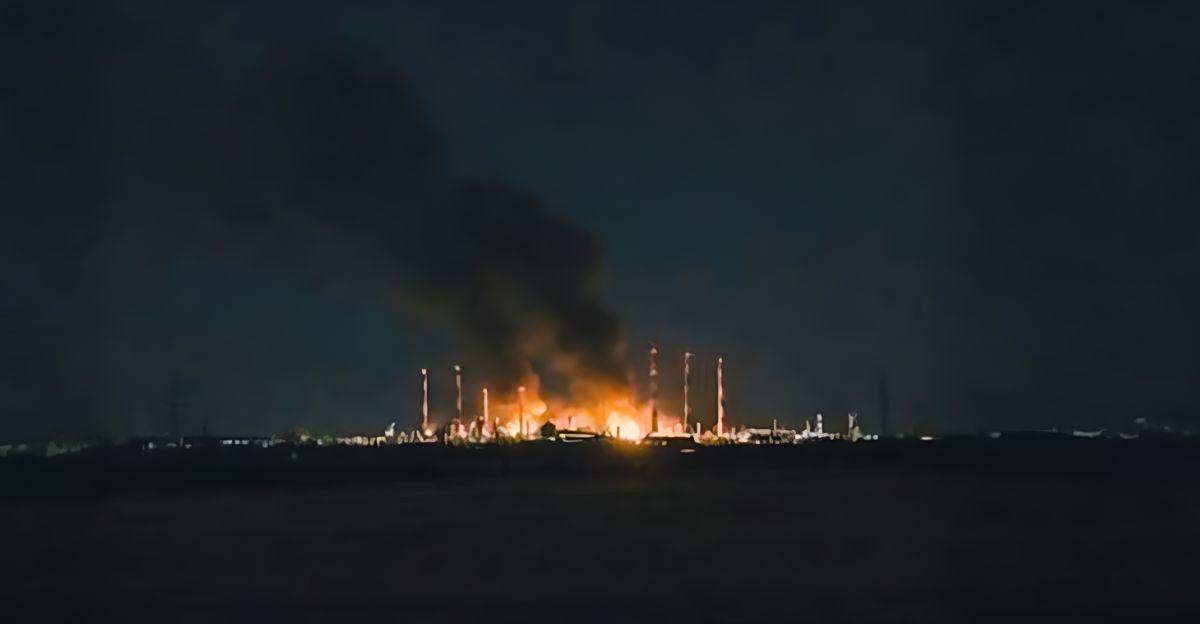
Built nearly five decades ago, the Orenburg plant’s proximity to Kazakhstan and integration with the Karachaganak field make it essential for both Russian and Kazakh exports. Its vast scale and strategic location have made it a high-value target as regional tensions escalate. The facility, operated by Russia’s state-owned Gazprom, processes gas condensate from Kazakhstan’s Karachaganak field alongside output from Orenburg’s own reserves.
Mounting Pressures and Regional Fallout
Ukraine’s campaign against Russian energy infrastructure has intensified, with drone and missile strikes targeting oil refineries and gas plants deep inside Russian territory. These attacks aim to disrupt Moscow’s revenue streams and weaken its war effort, while also exposing the fragility of interconnected energy networks. Orenburg regional governor Yevgeny Solntsev confirmed that the October 19 strike partially damaged the plant, causing a fire that was later extinguished. “All emergency services were dispatched to fight the fire,” Solntsev said.
The same week, a separate drone attack struck Russia’s Novokuibyshevsk oil refinery in the Samara region, igniting a fire and damaging key refining units. The refinery, operated by Rosneft, produces over 20 petroleum products and has an annual capacity of 4.9 million tonnes. Meanwhile, Russian forces targeted a coal mine in Ukraine’s Dnipropetrovsk region, with energy company DTEK confirming that all 192 miners were safely evacuated. Separately, Russian attacks on an energy facility in Chernihiv left 55,000 customers without electricity.
Supply Chain Strain and Market Jitters

The Orenburg shutdown forced Kazakhstan’s Karachaganak Petroleum Operating consortium to enact a “controlled” reduction in output. Kazakhstan’s Energy Ministry reported that Gazprom had notified them of the emergency but had yet to provide details on the extent of the damage or a timeline for resuming full operations. The incident accelerated discussions in Kazakhstan about building a new domestic gas processing plant to reduce reliance on Russian infrastructure—a move fraught with technical and political challenges.
Energy markets, already jittery from previous strikes, reacted sharply. Russian oil product exports had dropped by over 17% in September, and fuel shortages were reported across the country. The latest disruption raised fears of further price spikes and supply instability as winter approached.
Collateral Impact and Internal Friction
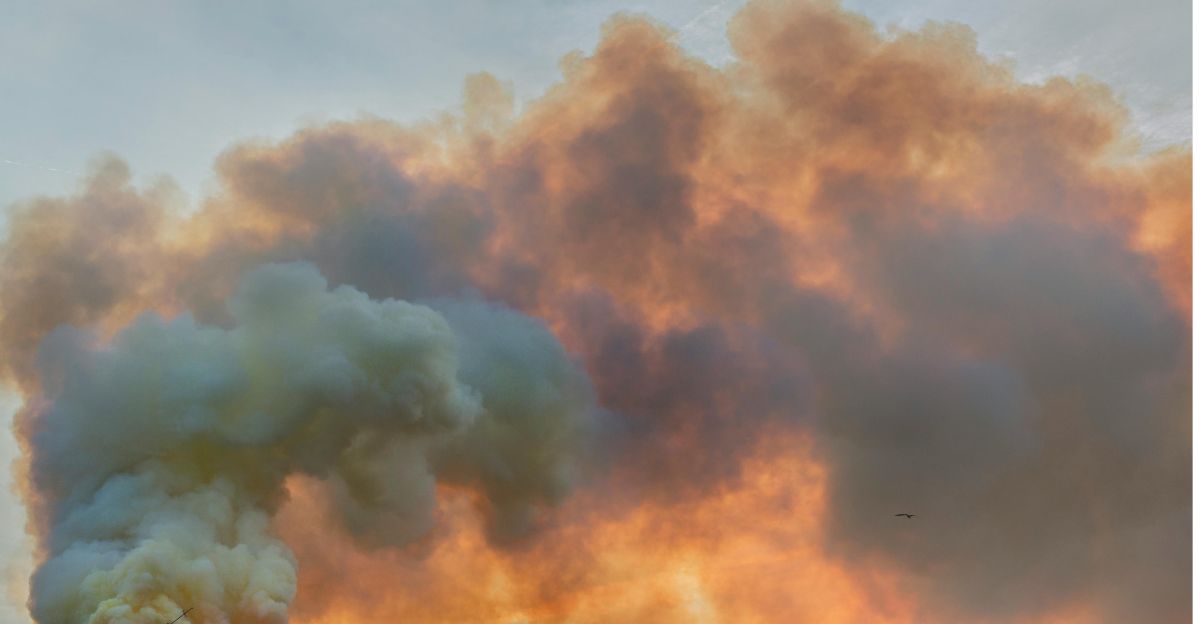
The Orenburg strike was part of a broader Ukrainian campaign targeting Russian energy assets. Nearly one-third of Russian refineries have been affected by attacks since August, compounding the strain on Moscow’s energy sector and its ability to fund military operations. Inside Russia, the attacks have fueled frustration and debate over the security of critical infrastructure. The Federal Antimonopoly Service was asked to impose maximum prices at gas stations as fuel shortages worsened. The government faces mounting pressure to reassure the public and stabilize supplies amid ongoing threats.
Gazprom, Russia’s state energy giant, has come under scrutiny for its crisis response. The company has yet to provide a clear timeline for when operations might resume fully, leaving partners and customers in limbo. The incident has reignited debates over the risks of centralized energy infrastructure.
Recovery and Future Implications

By October 22, the Orenburg plant had resumed reception of raw gas from Kazakhstan, allowing Karachaganak to ramp production back to normal levels. However, the episode has accelerated Kazakhstan’s plans to build its own gas processing plant, aiming to reduce future vulnerability to cross-border disruptions. Industry insiders warn that building new infrastructure outside Russian control will be controversial and technically complex.
The Orenburg attack has forced a reckoning for Russia, Kazakhstan, and Europe. As Ukraine’s campaign against energy infrastructure continues, the region faces a choice: adapt with new investments and alliances, or remain exposed to further shocks. The outcome may shape the future of Eurasian energy and the balance of power for years to come.