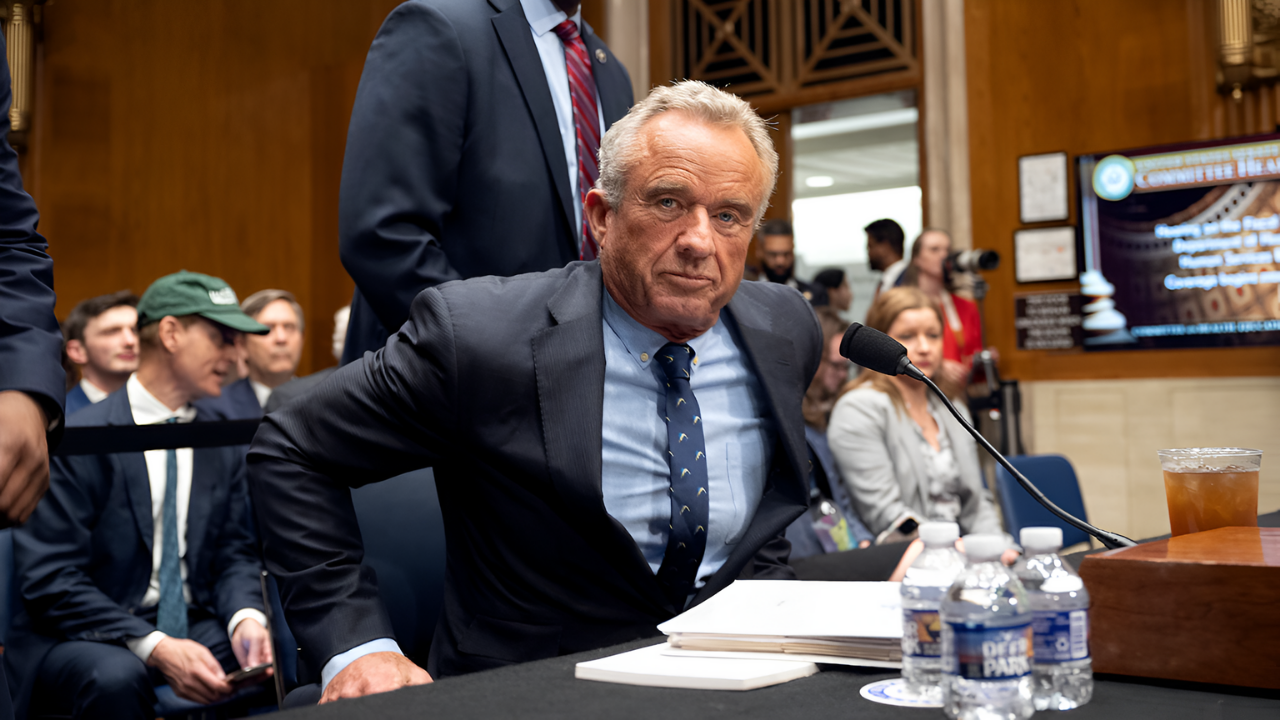
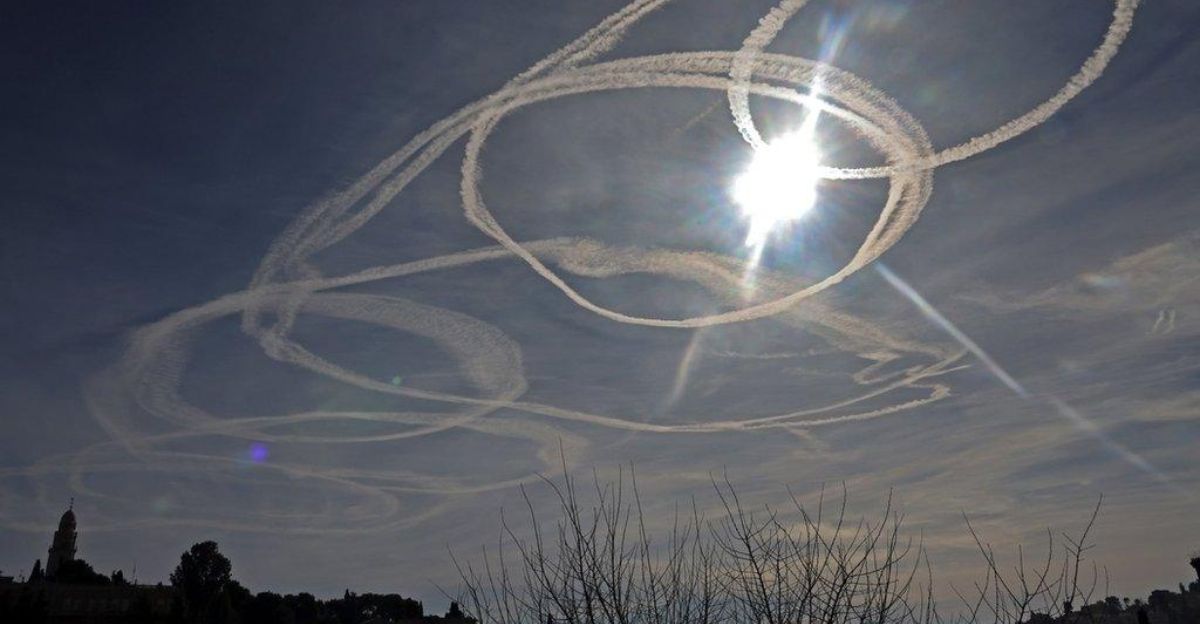
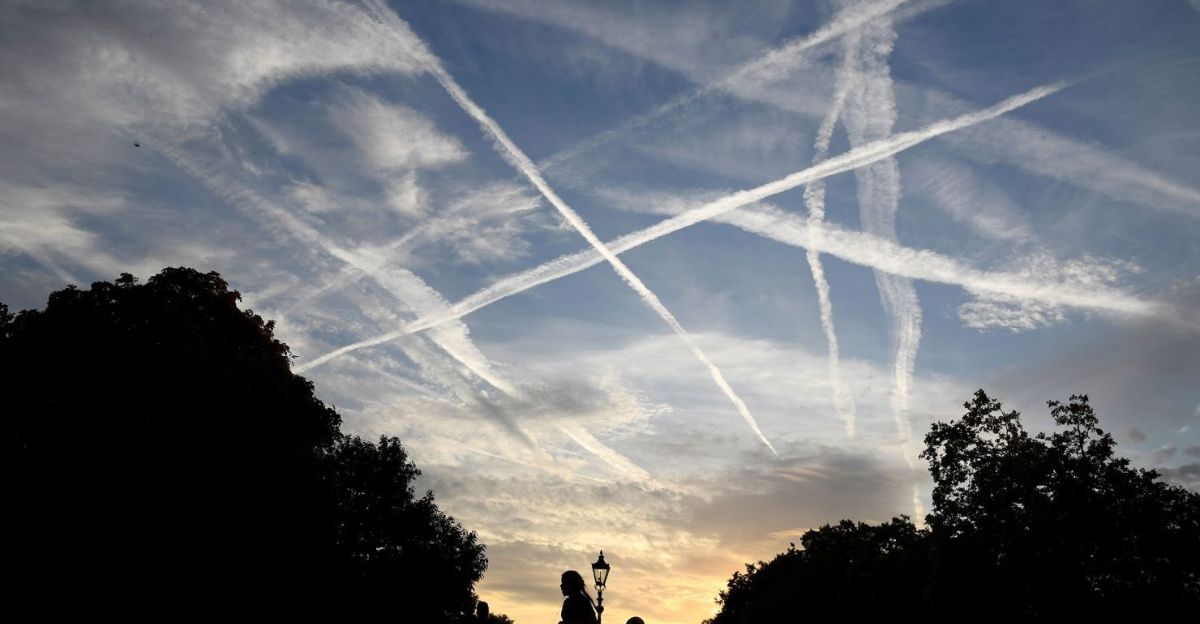
A November 2025 interview brought national attention to Robert F. Kennedy Jr.’s call for an investigation into alleged U.S. military involvement in atmospheric nanoparticle spraying—commonly referred to as “chemtrails.”
His remarks, tied to activist Dane Wigington’s long-standing accusations, ignited wide public debate across politics, science, and environmental policy. The controversy has intensified demands for transparency while highlighting the gap between activist claims and the prevailing scientific consensus rejecting evidence for such a program.
Why the Issue Erupted Now
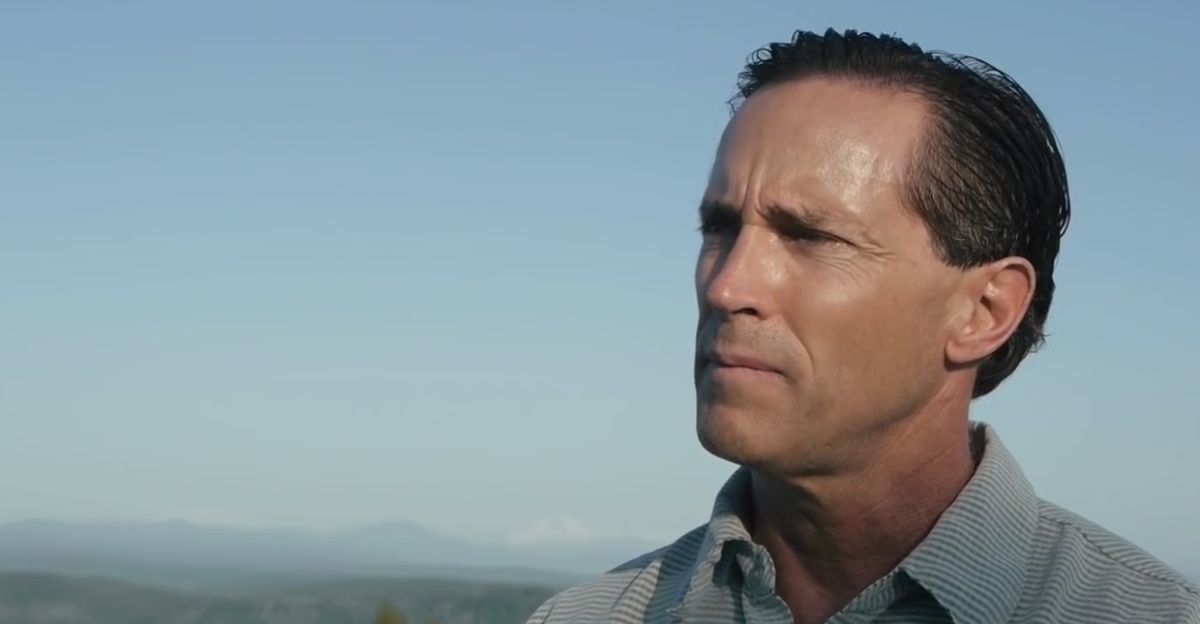
The current wave of controversy began after Wigington, who has researched the topic for three decades, claimed the U.S. military has conducted a secret spraying program since the 1990s—releasing an estimated 40–60 million tons of nanoparticles annually.
Kennedy’s support amplified these allegations, reviving older discussions about weather modification, including historical documentation from a 1978 Senate report. Public attention surged as these claims resurfaced alongside broader anxiety about environmental safety.
Public Anxiety and Consumer Trust
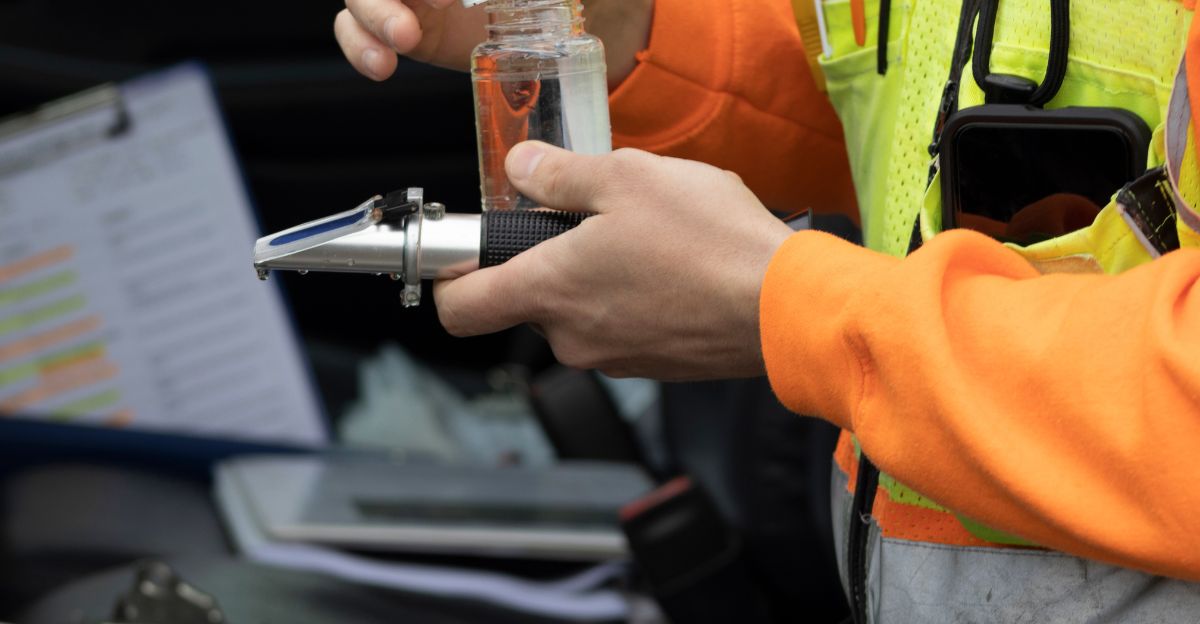
Following Wigington’s claims—including Mount Shasta rainwater tests reporting unusually high levels of aluminum, barium, and strontium—many residents expressed heightened concern about air and water safety. Some have requested independent testing and greater government transparency.
However, state and federal agencies maintain that verified environmental data continues to show aluminum levels consistent with the region’s naturally high geologic background, underscoring the sharp contrast between perceived and scientifically supported risks.
Industry and Corporate Response
Water filtration firms, air purification brands, and environmental testing companies report rising consumer inquiries as the controversy spreads. These companies highlight certified testing standards while expanding services to meet demand for independent air and water analysis.
The spike in interest reflects a broader consumer push for verification, even as mainstream atmospheric science continues to report no evidence of large-scale spraying programs or harmful nanoparticle dispersal.
Boom in Substitute and “Clean” Markets
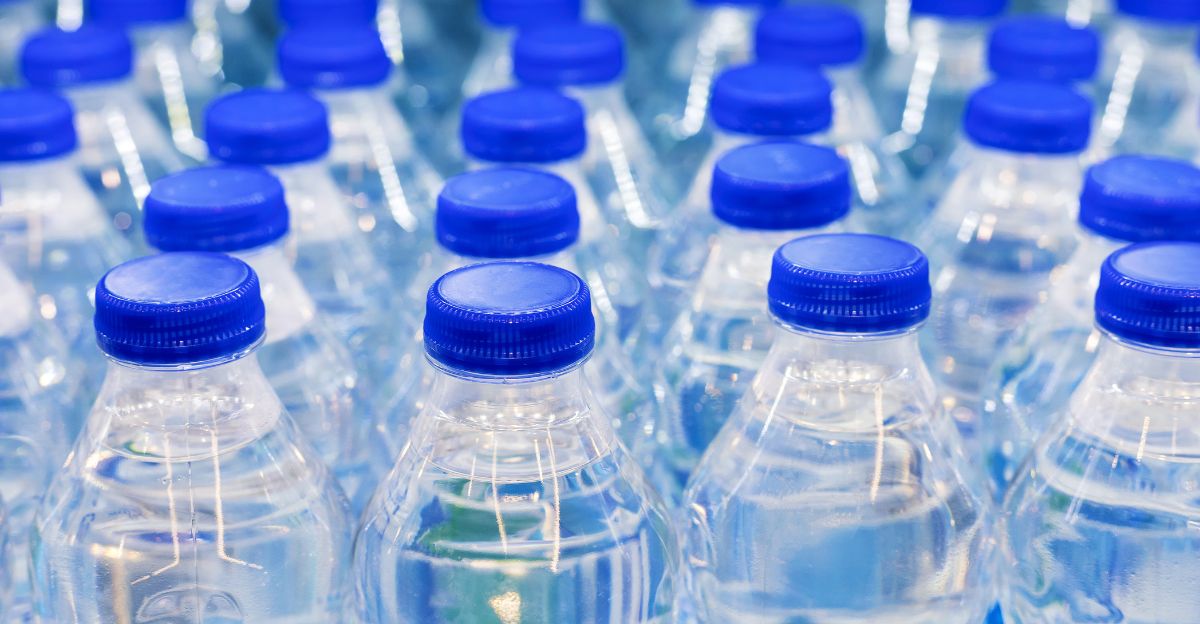
Concerns about potential contamination—regardless of scientific assessments—have fueled increased purchases of bottled water, home filtration systems, and “clean” food products.
Organic brands and eco-focused companies are leaning into the moment, emphasizing purity, certification, and traceability. Their marketing now frequently references consumer desire for independent verification amid ongoing disagreement between activist claims and established environmental testing results.
International Reactions and Diplomatic Friction
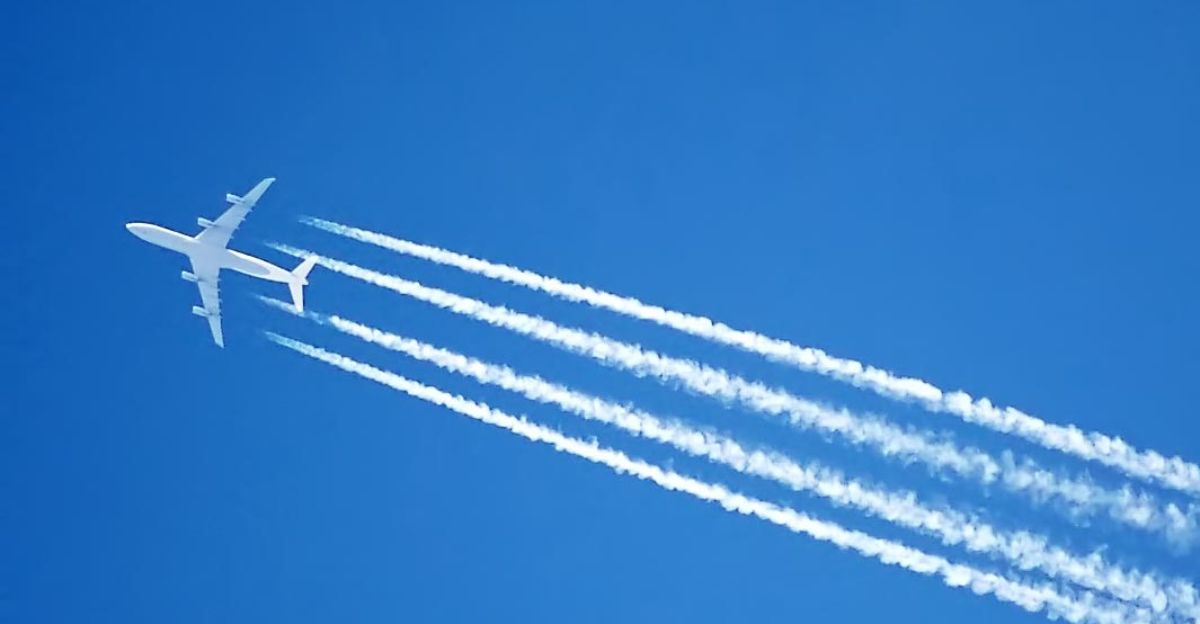
The debate has spilled into global environmental discussions, with some foreign officials requesting greater transparency into U.S. atmospheric research. International forums addressing geoengineering and solar-radiation management now include questions shaped by the American chemtrails controversy.
While major scientific institutions worldwide report no evidence of covert spraying, the political implications have added tension to international climate-policy negotiations and calls for standardized global oversight.
Voices from Affected Regions

Residents in Northern California and activists like Wigington cite perceived ecosystem changes—including unusual rainwater test results and reported agricultural stress—which they attribute to atmospheric spraying. Grassroots groups continue advocating for expanded monitoring and independent investigations.
Yet multiple environmental agencies report that Mount Shasta’s soil naturally contains high aluminum concentrations and that verified water samples fall within safe limits, highlighting a persistent divide between local perception and official data.
Political and Legislative Reactions
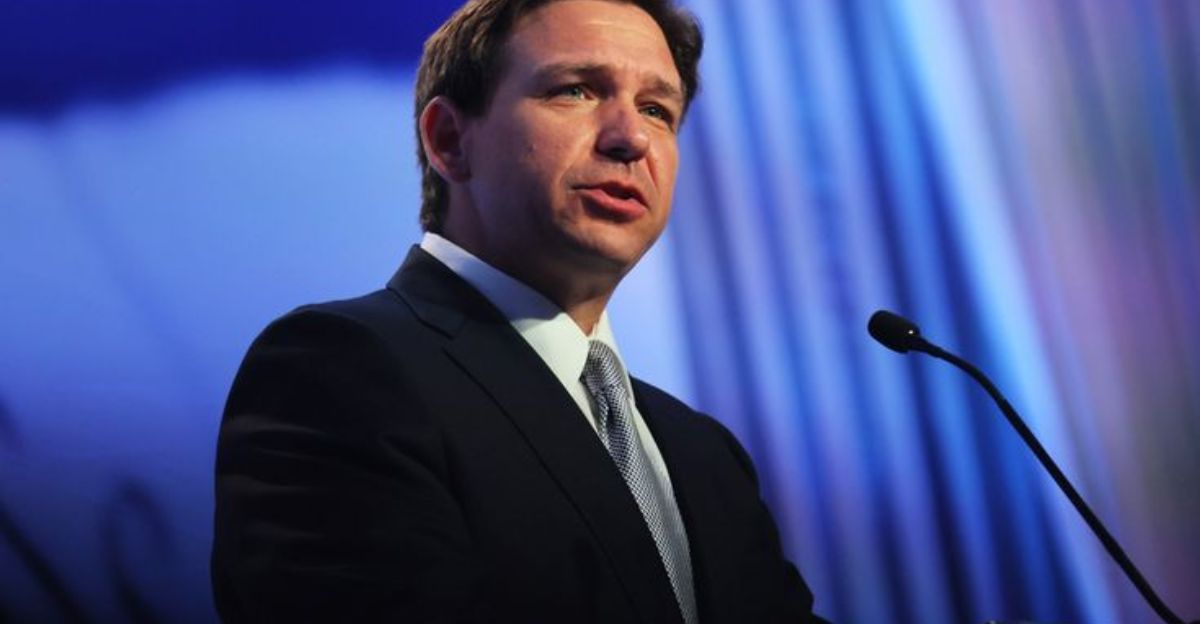
States including Tennessee, Florida, and Wyoming have introduced or passed bills banning atmospheric aerosol injection or geoengineering without consent. Supporters—including Governor Ron DeSantis—argue that constituents deserve transparency about any atmospheric research, citing concerns amplified by Wigington’s allegations and RFK Jr.’s public stance.
Critics counter that such legislation preemptively regulates a phenomenon not supported by available scientific evidence or documented government programs.
Economic and Inflationary Effects
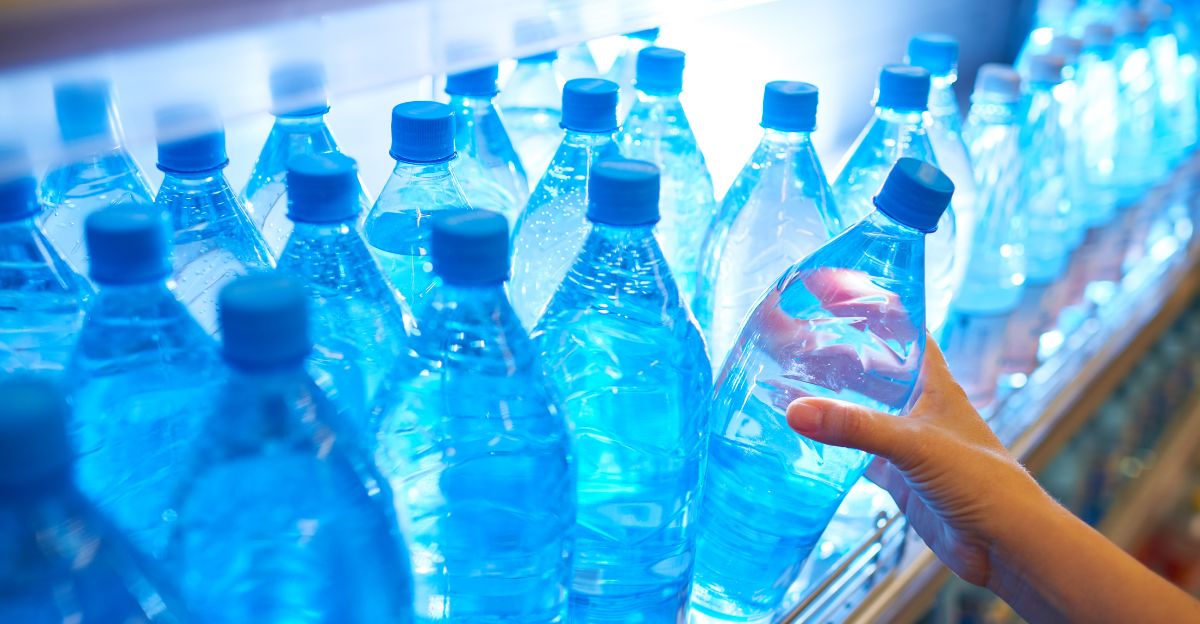
Growing public demand for testing, filtration, and bottled water has increased prices across these sectors. Economists warn that if anxiety about atmospheric contamination persists, related goods and services—especially home filtration and water delivery—may experience sustained inflation.
While scientific consensus maintains that there is no verified airborne nanoparticle spraying program, shifting consumer behavior is creating measurable market pressure.
Retailers Adapt to Consumer Concerns

Retailers nationwide are featuring “verified clean” food lines, expanded water-filtration aisles, and in-store testing partnerships. Some chains collaborate with independent labs to certify product safety as a marketing differentiator.
These strategies aim to reassure anxious shoppers while capitalizing on increased demand. The trend reflects how perception—even without scientific validation—can reshape retail priorities and supply-chain messaging.
Hospitality and Restaurant Sector Shifts

Restaurants and hotels in regions tied to the controversy prominently emphasize their use of filtered water, validated suppliers, and transparent ingredient sourcing. Some hospitality groups have invested in visible purification systems to reassure guests.
The sector’s adaptations show how local controversies can influence service environments regardless of whether official data supports claims of contamination or atmospheric spraying.
Wider Industrial and Agricultural Impacts
Agriculture, fertilizer suppliers, and pet-food manufacturers face more questions about possible contamination. Farmers near Mount Shasta—where Wigington cites his most alarming test results—have requested increased monitoring of soil and water sources.
Yet environmental agencies continue to state that verified testing shows safe levels. The tension between data and concern is pushing industries toward more frequent testing and transparency initiatives.
Global Consumer Behavior Shifts

International retailers and regulators are watching the U.S. debate closely. Some overseas importers have asked for additional certification for American food and agricultural products.
The controversy has also inspired similar discussions in Europe and Asia regarding transparency in atmospheric research and weather modification. This has broadened the conversation beyond U.S. borders, even as global scientific consensus remains aligned against the spraying allegations.
Health and Lifestyle Changes

Many health-conscious individuals are adopting new habits—installing air purifiers, using advanced water filters, and participating in community testing drives.
Local groups have launched environmental-education campaigns to help residents understand the difference between activist claims, confirmed historical weather-modification research, and modern scientific assessments. These efforts reflect how public uncertainty can drive proactive lifestyle adjustments.
Cultural and Scientific Debate Intensifies
The chemtrails controversy has reignited discussions about scientific transparency, environmental stewardship, and government trust.
Wigington’s warnings—such as his claim that these programs are “disabling the planet’s life support systems”—directly clash with the 2016 survey in which 98.7% of 77 atmospheric scientists reported no evidence of large-scale spraying. This contrast continues to fuel debate over how to balance public concern with empirical research.
Unexpected Winners and Losers
While water-filtration and environmental-testing industries experience accelerated growth, aviation and federal agencies face reputational challenges. Activists argue that historical weather-modification programs documented in older government reports justify modern skepticism.
Conversely, scientific institutions warn that conflating historical research with unverified allegations could erode trust in genuine environmental monitoring.
Financial Market Watch

Investors are tracking companies tied to environmental safety, filtration, and testing—anticipating long-term market expansion if public concern persists.
However, uncertainty surrounding potential regulation of geoengineering, combined with the stark divide between activist claims and established scientific findings, contributes to volatility. Analysts expect this sector to remain sensitive to political statements, public sentiment, and new environmental data.
What Consumers Should Do

Experts recommend relying on certified filtration systems, consulting reputable scientific organizations, and engaging in community-based environmental monitoring.
They emphasize distinguishing between documented historical weather-modification research and unverified claims of current military spraying. Consumers are encouraged to avoid major lifestyle or health decisions without independent verification and to seek trustworthy data sources when assessing environmental risks.
The Future of Atmospheric Research and Oversight
The controversy has increased public calls for clearer oversight of atmospheric science, including geoengineering proposals that aim to reflect sunlight or test stratospheric particles—such as the 2021 Bill Gates-backed chalk-dust balloon experiment.
Policymakers and researchers now face pressure to improve transparency and communication, ensuring that legitimate research remains distinct from allegations lacking empirical support.
How the Debate Reshapes Policy and Perception
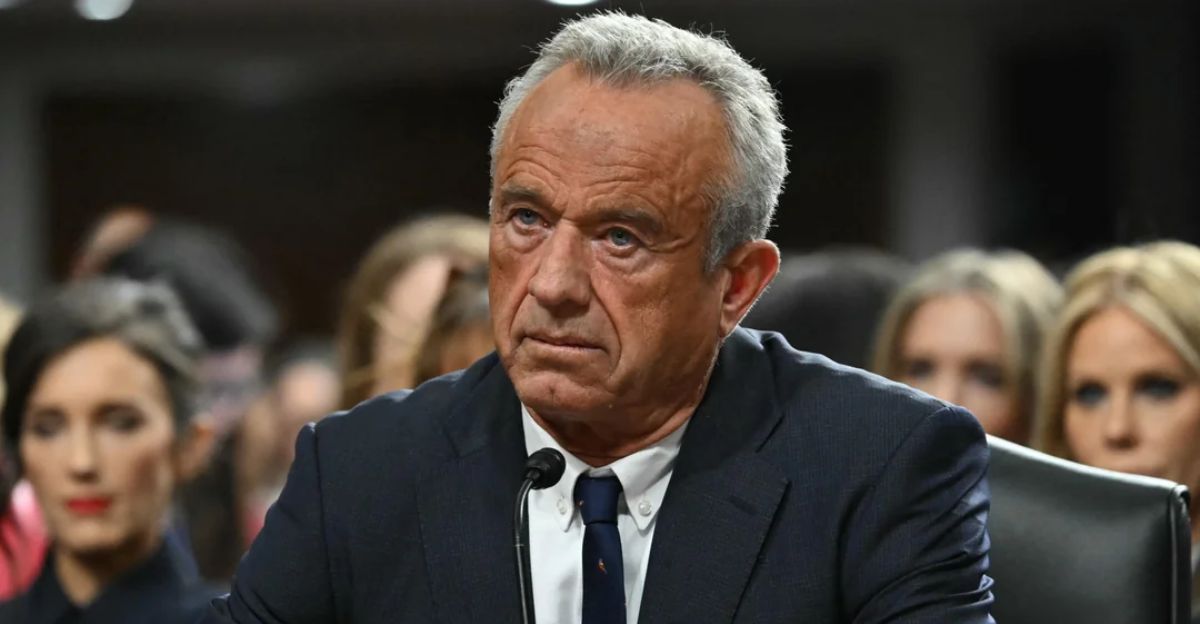
RFK Jr.’s high-profile comments have pushed chemtrails allegations squarely into mainstream conversation, generating political action, market shifts, and renewed scrutiny of atmospheric science. Even as most scientists report no evidence supporting the claims, public pressure continues to influence policymakers, retailers, and global discussions.
The debate underscores how environmental concerns—verified or not—can significantly shape national dialogue, regulatory priorities, and public expectations for transparency.