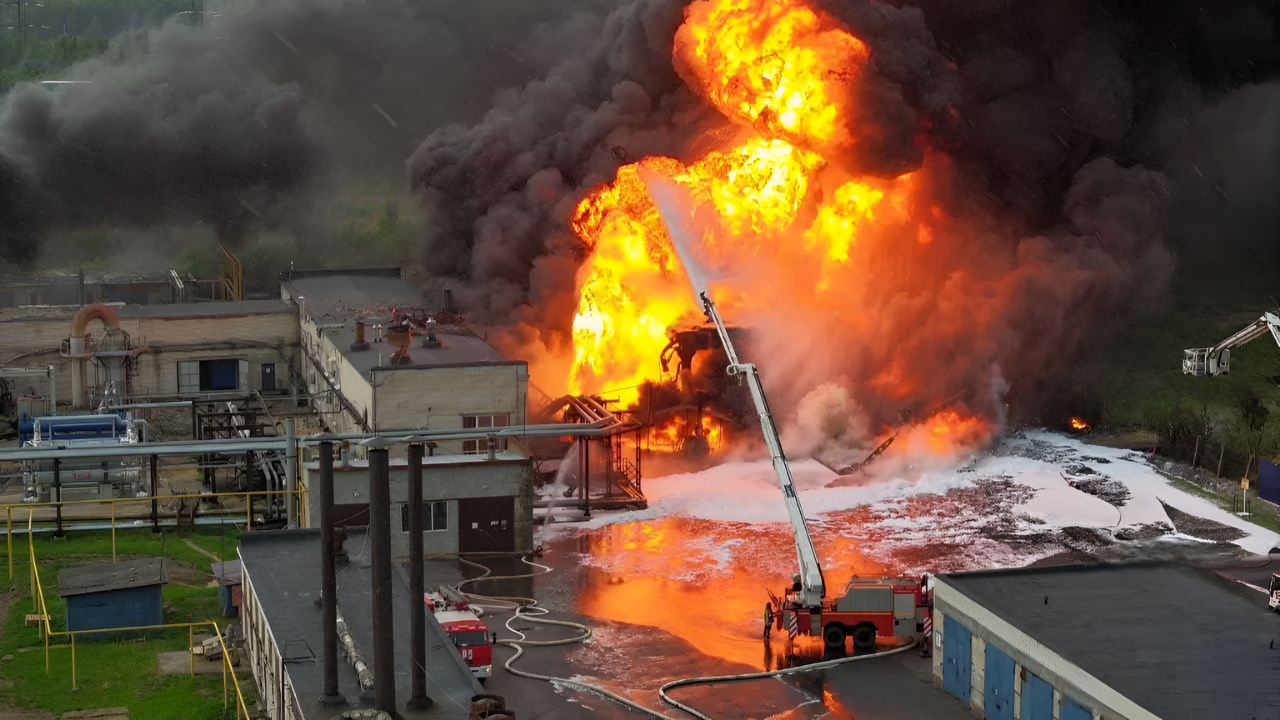
On New Year’s night, Ukraine carried out a coordinated long-range drone campaign striking at least 10 oil, fuel, and military facilities across Russia and occupied territory. Targets ranged from the Krasnodar region to Tatarstan, roughly 1,300 kilometers from Ukrainian-controlled areas.
The operation underscored vulnerabilities around critical energy hubs and rear-area military sites, while a drone incident also forced the temporary closure of a Moscow airport, highlighting air-defense gaps.
Why Ukraine Targeted Deep Into Russia

Ukraine’s General Staff stated the operation aimed to reduce Russia’s military and economic capacity by hitting infrastructure that sustains frontline operations. Fuel depots, refineries, ammunition facilities, drone storage sites, and air-defense systems were prioritized.
These strikes fit Kyiv’s broader strategy of using long-range drones to disrupt logistics, degrade rear-area security, and increase the cost of sustaining Russia’s war effort without directly engaging massed ground forces.
Fires and Disruptions at Key Facilities
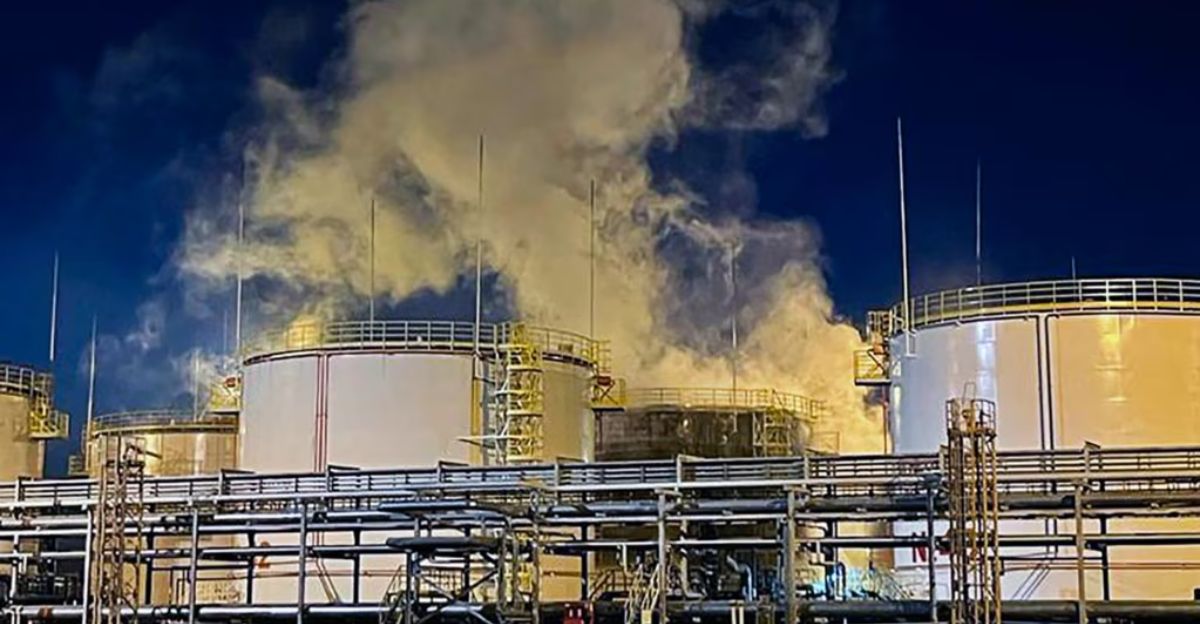
Confirmed fires broke out at the Ilsky oil refinery in Krasnodar and at a fuel depot belonging to Russia’s 51st Army near Ilovaisk. An oil preparation facility in Almetyevsk, Tatarstan, was also struck, with damage assessments continuing.
These incidents caused operational disruptions and forced local authorities and operators to respond to emergency conditions, potentially affecting regional fuel distribution and industrial activity while investigations into the extent of damage continued.
Multiple Hits on Krasnodar-Area Energy Assets
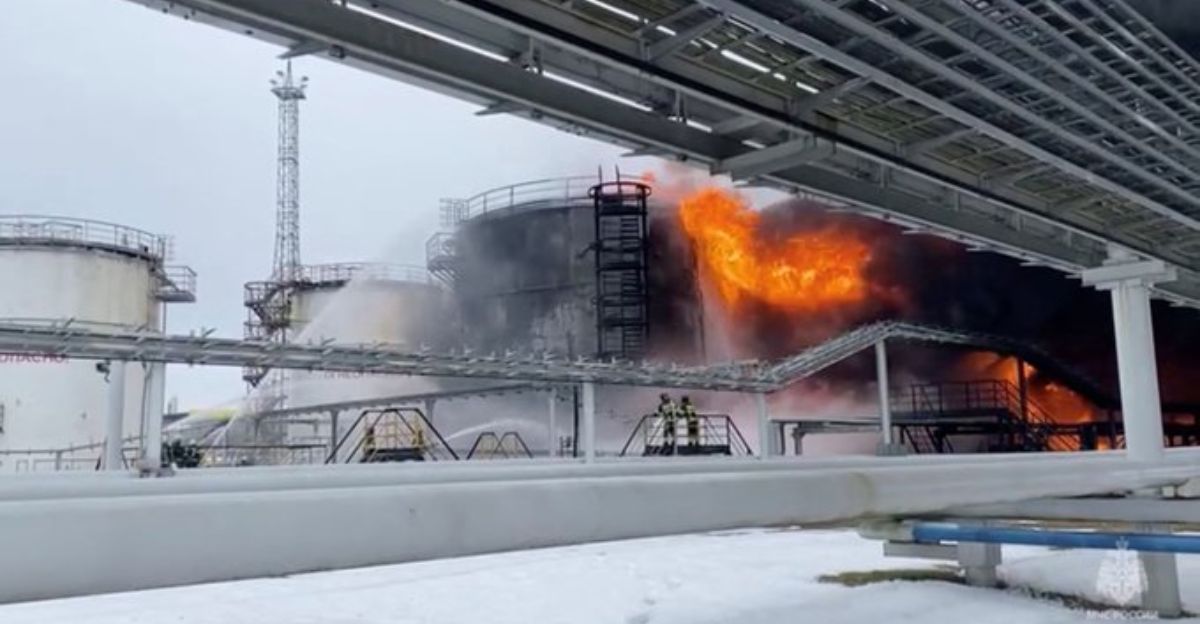
Within roughly 48 hours, several major energy facilities in the Krasnodar region were struck, including the Tuapse refinery on December 31 and the Ilsky refinery on January 1. The Tamanneftegaz oil and gas terminal and a reserve oil depot were also targeted.
This clustering of attacks highlights sustained pressure on southern Russia’s energy infrastructure, raising costs for site protection, fire suppression, and security upgrades amid repeated drone penetrations.
Potential Shifts in Energy Supply Chains
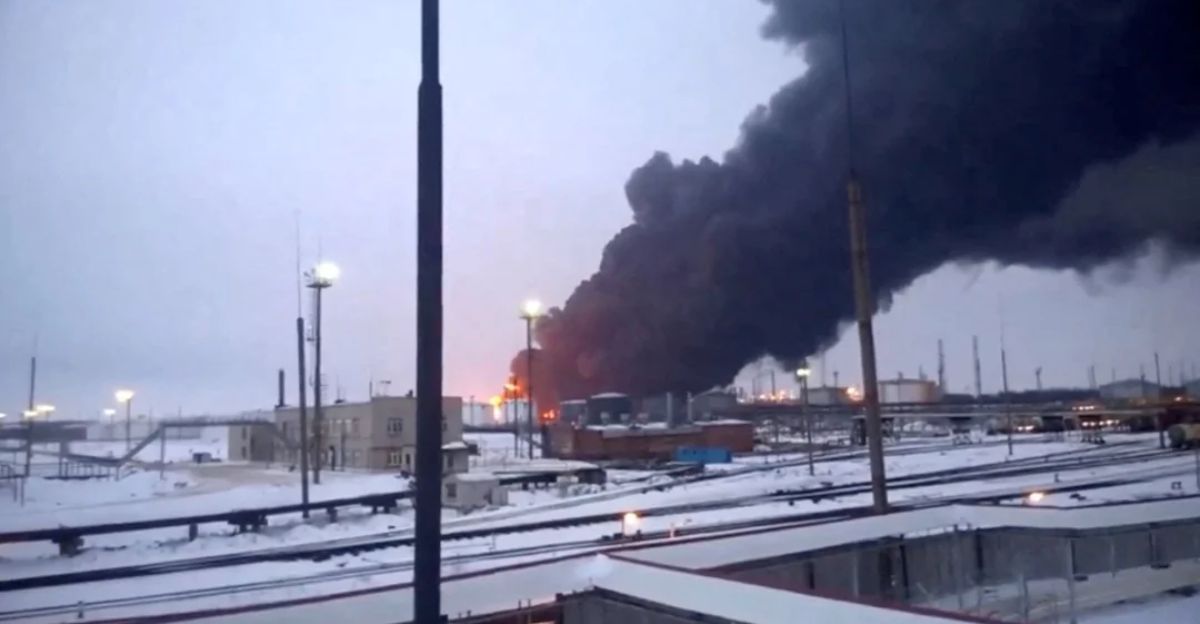
Repeated drone strikes on Russian refineries, depots, and terminals increase uncertainty for energy supply chains tied to these facilities. Even temporary shutdowns can force rerouting of fuel, reliance on reserves, or adjustments to export schedules.
Ukrainian officials frame these attacks as a long-term effort to undermine Russia’s reliability as an energy supplier, gradually eroding confidence among buyers and increasing logistical complexity for domestic distribution and export operations.
Impacts on Aviation and Trade Routes
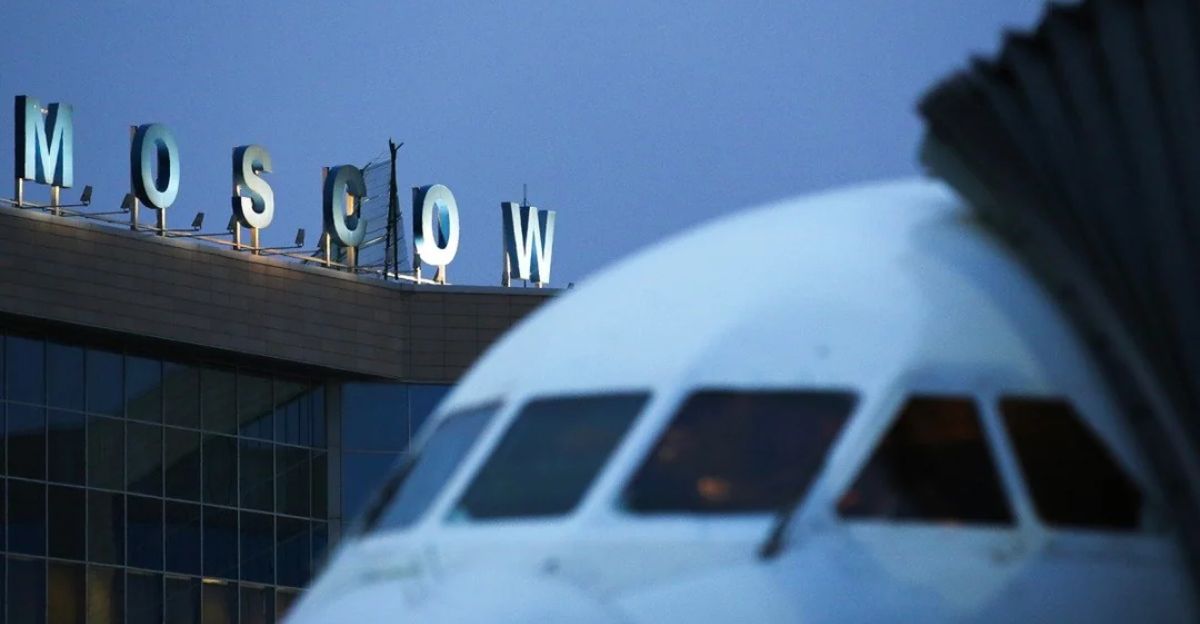
The New Year’s attack prompted the temporary closure of a Moscow airport after a drone incident, illustrating risks to civil aviation even far from the front lines. In southern Russia, strikes near Black Sea-linked energy hubs raise concerns for tanker movements, insurance premiums, and scheduling.
Together, these effects demonstrate how drone operations can disrupt both air travel and trade logistics without directly targeting civilian transport infrastructure.
Risks to Workers and Nearby Residents

Fires at refineries and fuel depots posed immediate dangers to workers and nearby communities. While specific casualty figures from these strikes were not immediately reported, emergency responses were required to contain blazes and prevent secondary explosions.
In occupied areas, previous New Year-period attacks elsewhere had resulted in civilian casualties, underscoring the inherent risks when military and energy facilities are located close to populated zones.
Questions Raised on Air-Defense Effectiveness
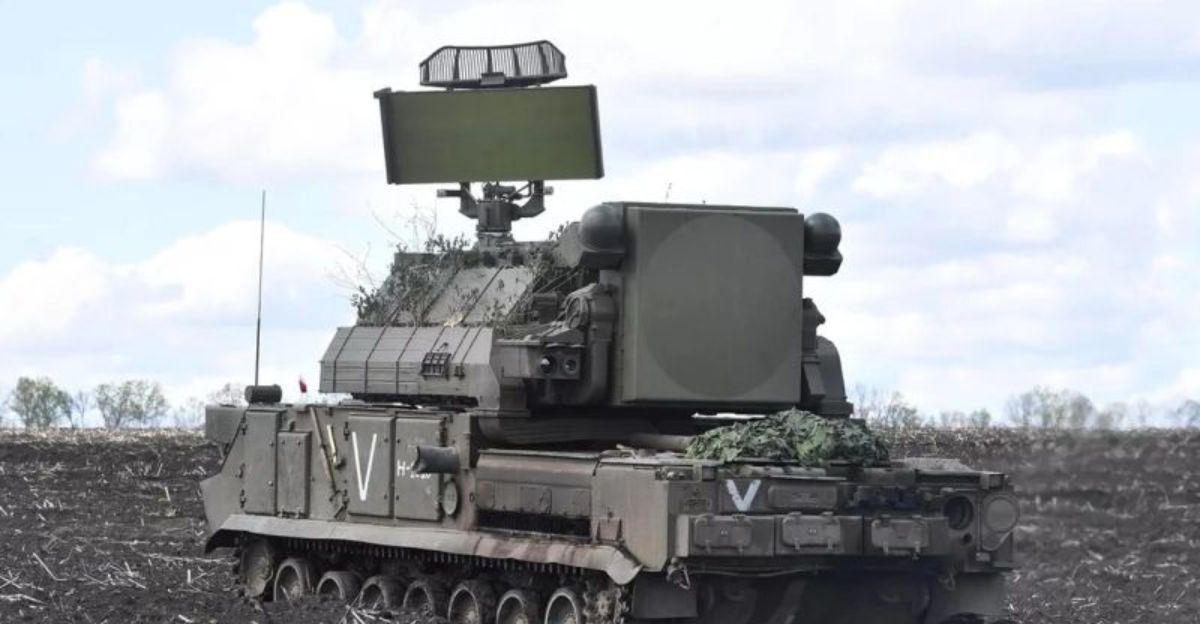
The strikes included the reported destruction of a Tor-M2 surface-to-air missile system near the settlement of Shevchenko.
Successful drone penetrations into regions such as Tatarstan and Kaluga, along with the disruption of Moscow air traffic, have raised questions about the effectiveness and coverage of Russian air defenses. The operation suggested challenges in detecting, tracking, and intercepting multiple low-cost drones across vast distances.
Costs from Losses of Key Assets
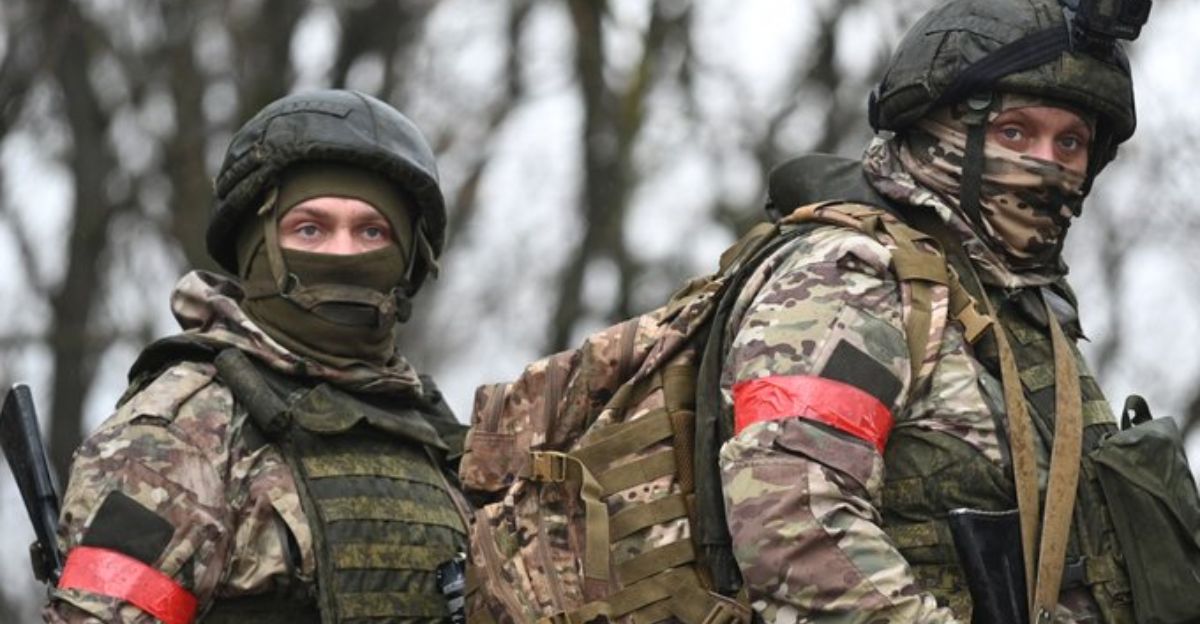
Damage to fuel depots, ammunition sites, air-defense systems, and command facilities increases replacement and repair costs for Russia’s military and energy sectors.
Strikes reported at facilities such as the 100th Main Missile and Artillery Directorate in Kostroma and an oil depot in Lipetsk illustrate how losses in rear areas can drive up logistics expenses, strain budgets, and complicate the steady supply of equipment and fuel to active combat units.
Daily Life Affected in Targeted Regions
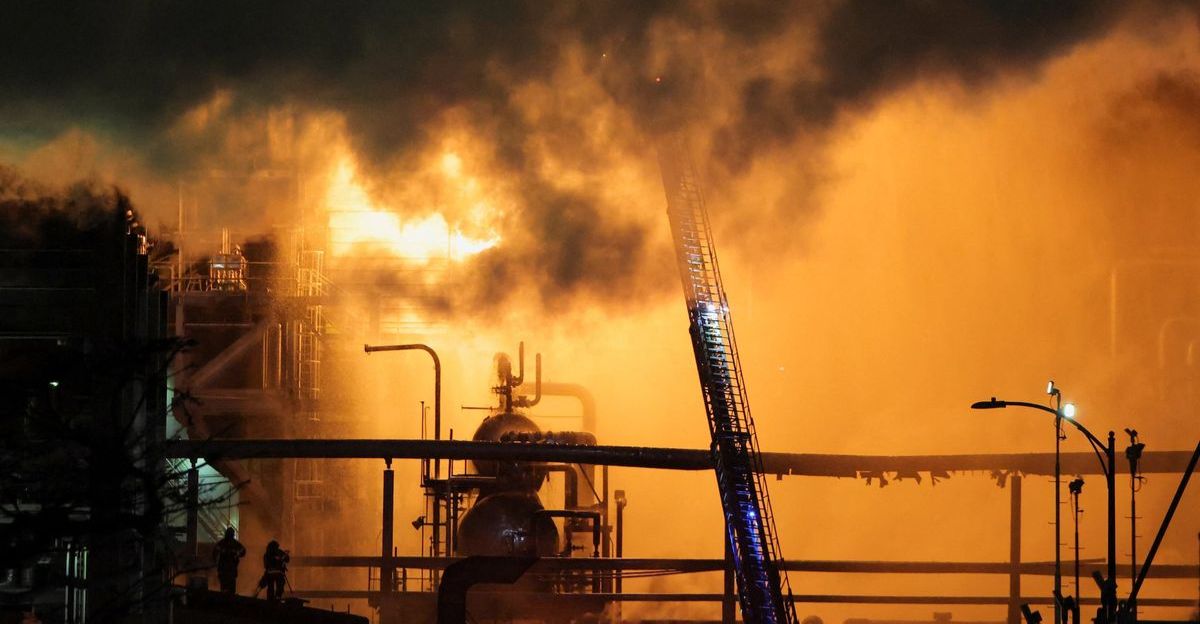
Residents in regions including Krasnodar, Tatarstan, and areas around Moscow experienced air-raid alerts, flight disruptions, and visible refinery fires during the New Year period. These events brought the war’s effects into everyday life far from the front lines.
The combination of alarms, travel interruptions, and industrial incidents highlighted the growing exposure of critical infrastructure and civilian routines to long-range drone warfare.
Environmental Concerns from Fires
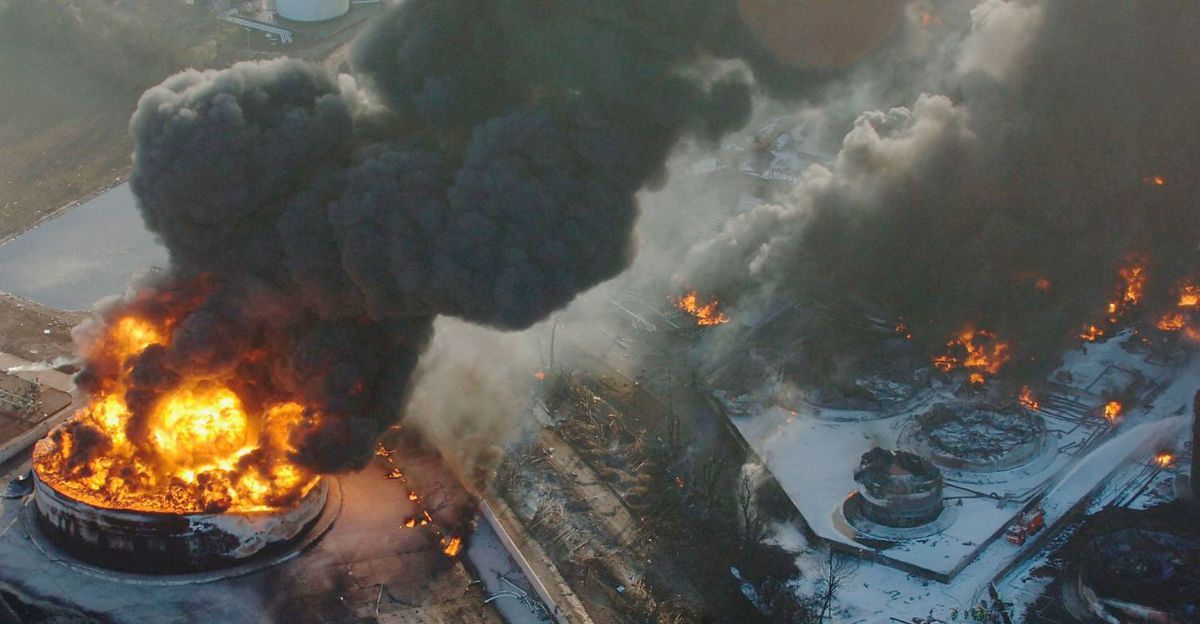
Fires at oil refineries and fuel depots released smoke and pollutants into surrounding areas, raising environmental and public health concerns.
While detailed assessments of air and soil impacts were not immediately available, repeated incidents at energy facilities increase the risk of localized contamination. Such events can have lasting effects on nearby communities, agriculture, and ecosystems, particularly when emergency responses are stretched by multiple simultaneous incidents.
Evolving Views on Drone Capabilities

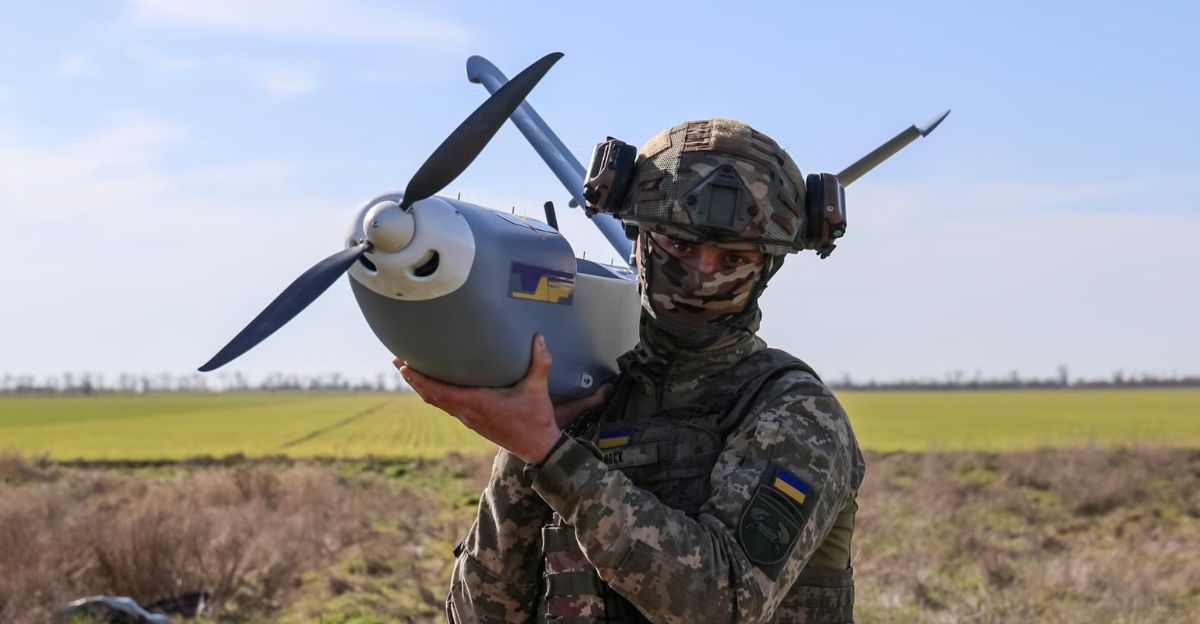
The New Year’s campaign demonstrated Ukraine’s ability to conduct coordinated drone strikes at distances approaching 1,300 kilometers, among the deepest penetrations of the conflict. Analysts note that both Ukraine and Russia continue to expand their unmanned capabilities.
The operation highlighted how relatively low-cost drones can challenge traditional air defenses, forcing adaptations in detection systems, interceptor deployment, and overall defensive planning.
Stakeholders in Drone and Insurance Sectors
Sustained drone operations are likely to increase demand for Ukrainian-made long-range drones, interceptors, and related software, including AI-assisted targeting and navigation systems. At the same time, insurers covering energy infrastructure, aviation, and shipping are reassessing risk levels around Russian facilities and airspace.
Higher perceived risks can translate into increased premiums, stricter coverage terms, and additional costs for operators and exporters.
Monitoring Advice for Fuel and Travel Users

Businesses and households dependent on fuel supplies should monitor developments affecting Russian production, storage, and export routes, as disruptions can influence regional price volatility. Companies with energy-intensive operations may consider diversifying suppliers.
Travelers using routes connected to Russian airspace or nearby regions could face short-notice flight changes or delays, particularly during periods of heightened drone activity and air-defense alerts.
Indications of Intensifying Long-Range Strikes
The coordinated New Year’s strikes on at least 10 sites signal a likely continuation, and possible escalation, of Ukraine’s long-range drone campaign in 2026.
With Russia responding by expanding its own drone use and defensive measures, competition over airspace, refineries, depots, and logistics hubs is set to intensify. These dynamics have implications not only for the battlefield but also for regional energy markets and civilian security.
Sources:
CEPA, 2025″Russia’s Energy Vulnerabilities Exposed: Drone Warfare Implications” (Dec 2025)
Euromaidan Press, 7 Jan 2026″Ukraine’s Record 1,300km Drone Raid Signals New Era in Asymmetric Warfare” (Jan 7, 2026)
Institute for the Study of War, 5 Jan 2026″Russian Defensive Failures During Ukrainian New Year’s Drone Offensive” (Jan 5, 2026)
MSN (syndicated report), 1 Jan 2026″Ukraine Launches Massive Drone Attack on Russian Oil Facilities for New Year” (Jan 1, 2026)
MSN, 31 Dec 2025 & 1 Jan 2026″Drones Target Krasnodar Refineries Ahead of New Year” (Dec 31, 2025)
UNITED24 Media, early 2026″How Ukraine’s Drone Makers Are Winning the Long-Range War” (Jan 3, 2026)
WION, 1 Jan 2026″Ukraine’s Deep Strikes on Russia Spark Airport Closures and Fires” (Jan 1, 2026)