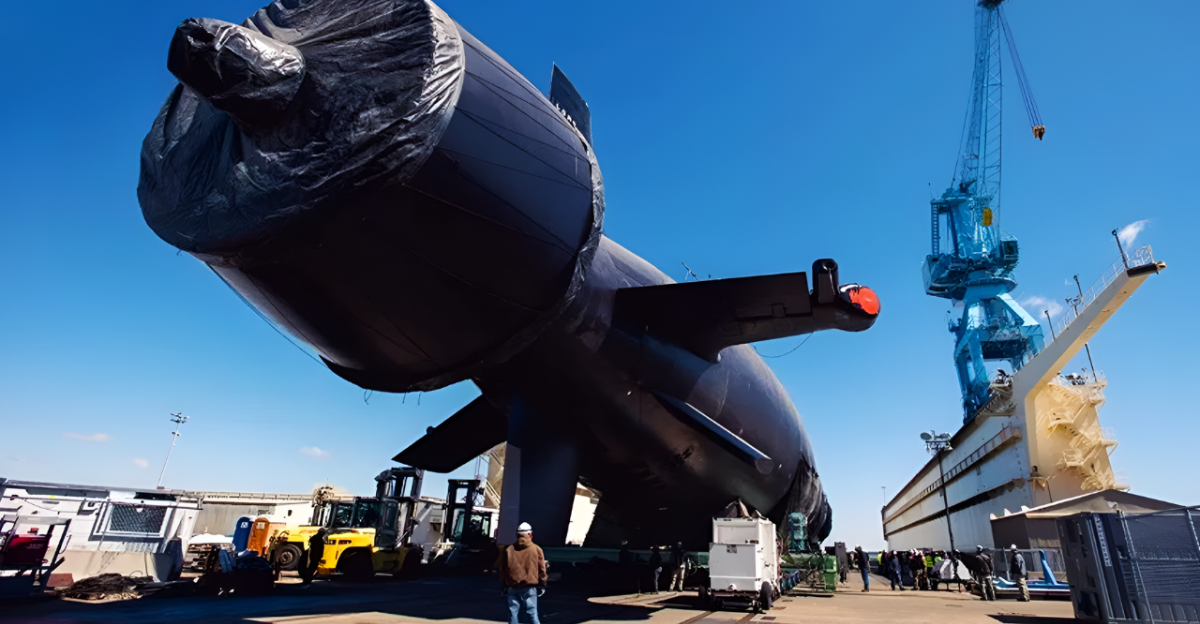
On September 30, 2025, President Donald Trump announced at Quantico Marine Corps Base that he had deployed a nuclear submarine—described as “the most lethal weapon ever made”—in response to threats from Russia.
Trump said: “We were a little bit threatened by Russia recently, and I sent a submarine, nuclear submarine. The most lethal weapon ever made. Number one, you can’t detect it. There’s no way. We’re 25 years ahead of Russia and China in submarines.”
The August Submarine Deployment
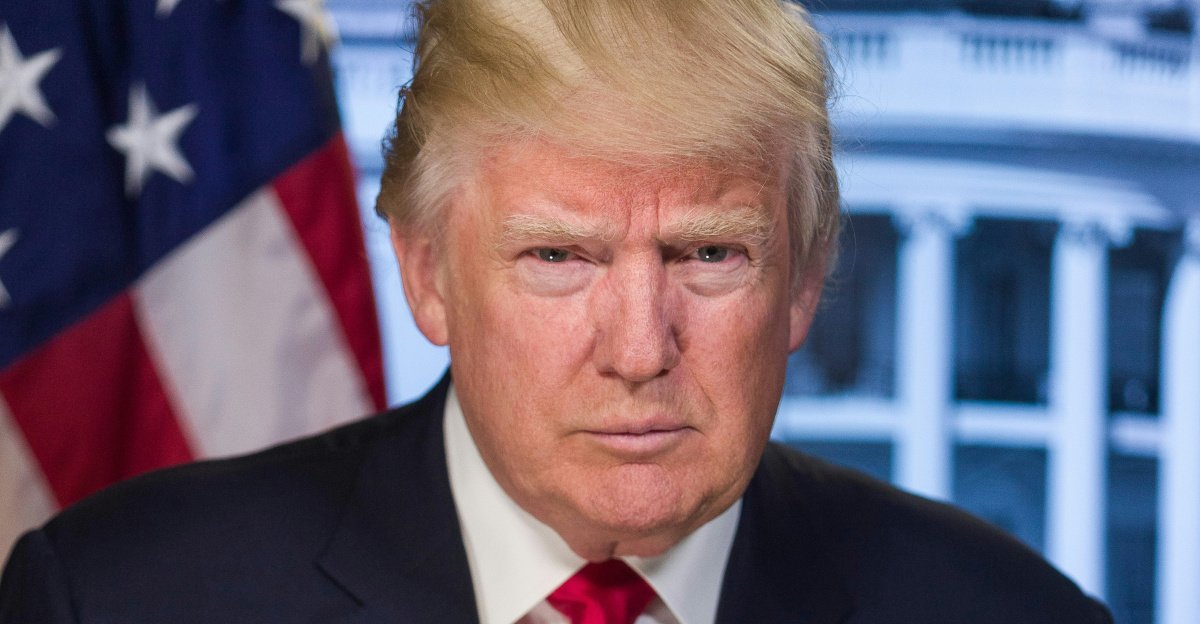
On August 1, 2025, former President Donald Trump ordered the repositioning of nuclear submarines following threats from Dmitry Medvedev, Russia’s former president and current deputy chair of its Security Council, who warned against U.S. ultimatums over the Ukraine conflict.
The Pentagon confirmed the submarines’ movements but remained vague about their exact locations.
Medvedev’s Original Threats
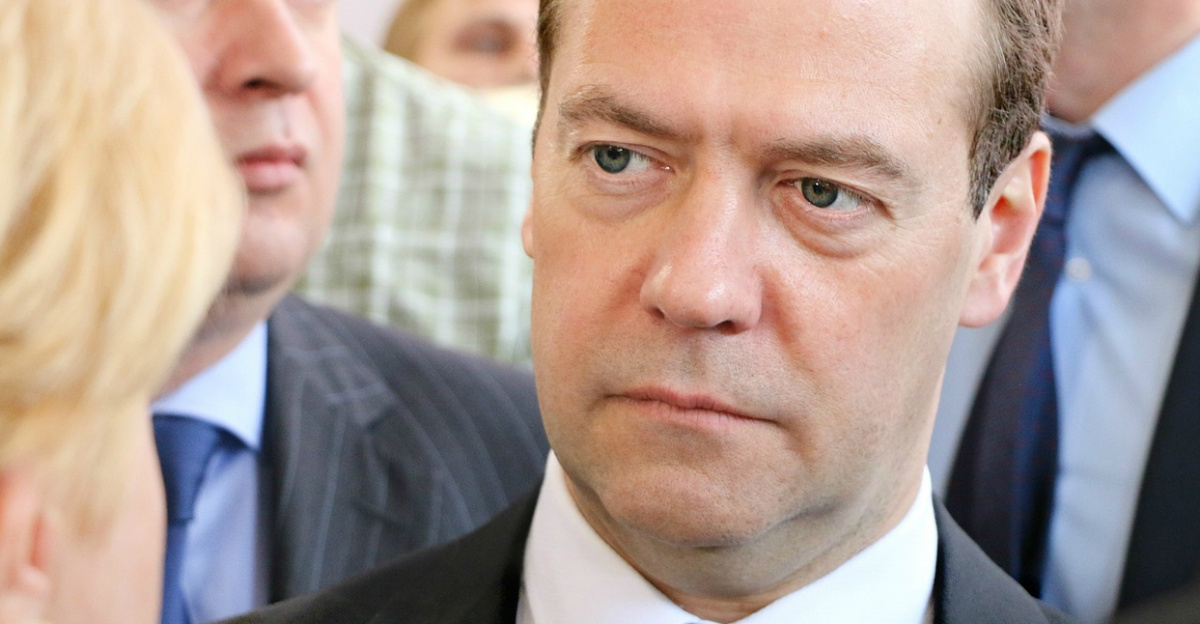
Dmitry Medvedev has ramped up his rhetoric on social media, warning against Western military support for Ukraine and U.S. involvement.
His statements included references to nuclear capabilities and Russia’s readiness to use “all available means” to defend its interests, coinciding with Trump’s August submarine order.
Expert Analysis
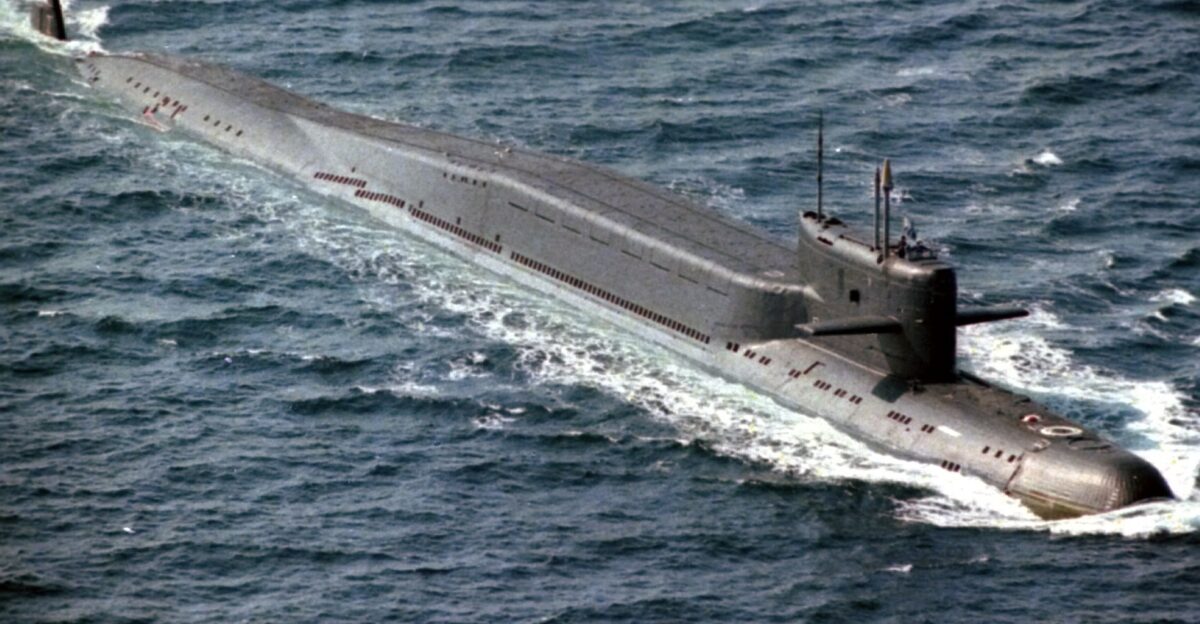
Defense analysts have pointed out that it is uncommon for submarine deployments to be publicly announced, as these vessels usually operate with a high level of secrecy.
“The contradiction between submarine stealth and public disclosure suggests this is more about messaging than operational necessity,” Reuters quoted a former Navy official as saying. The move represents a shift toward more transparent nuclear deterrence signaling.
What Are Nuclear Attack Submarines?
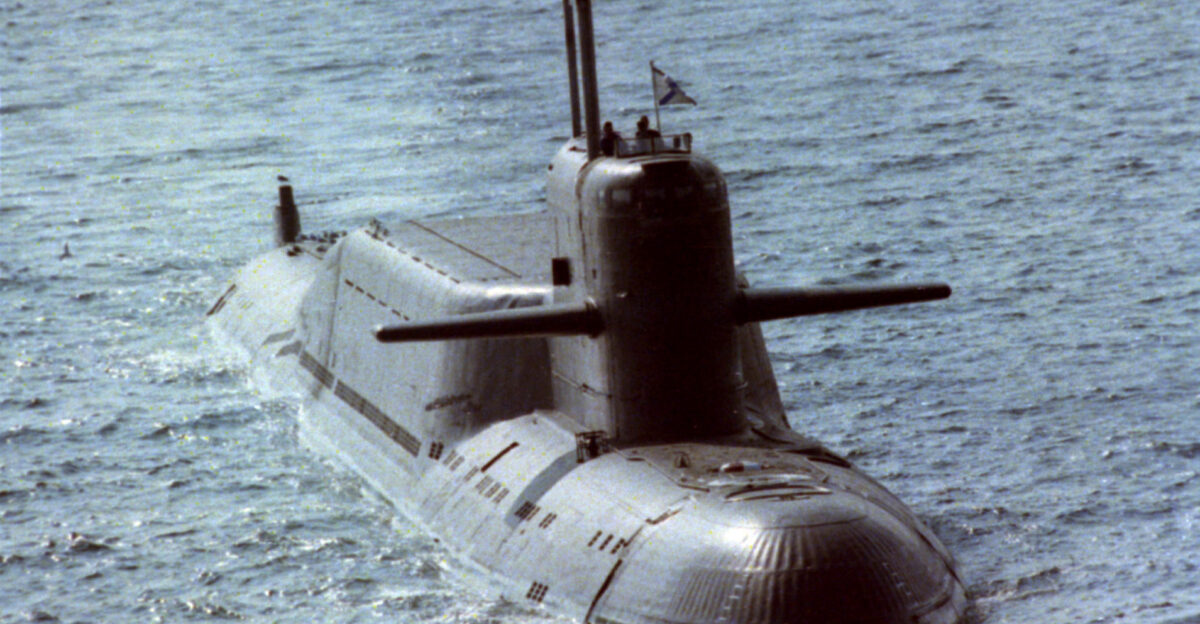
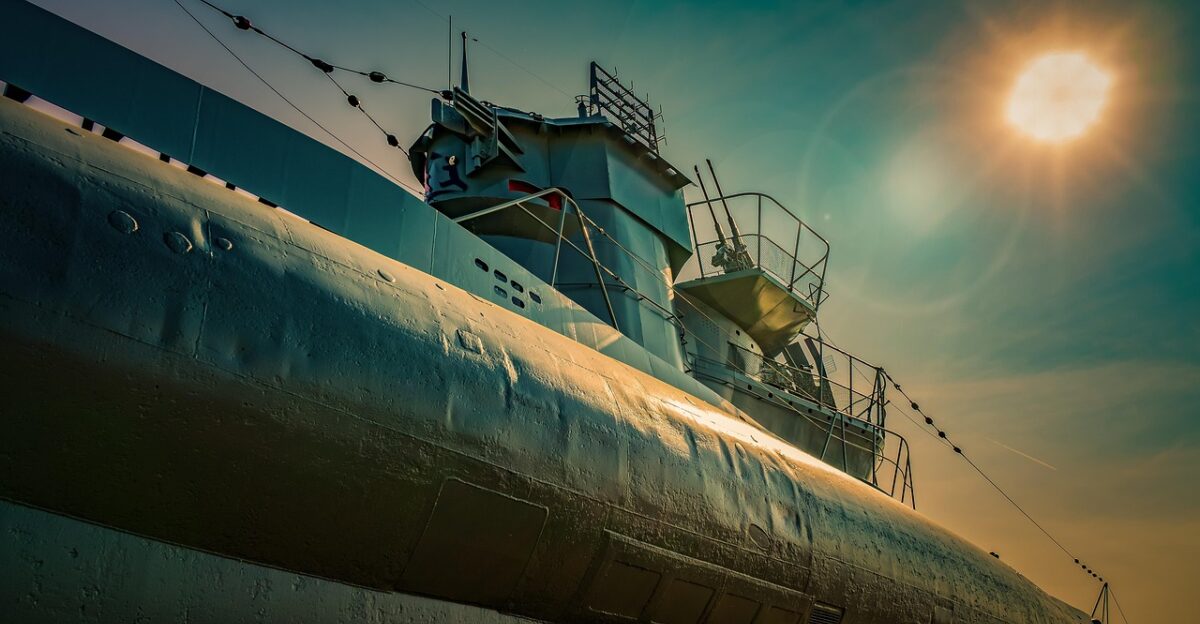
Nuclear-powered attack submarines, like those mentioned by Trump, are equipped with conventional weapons and Tomahawk cruise missiles instead of nuclear warheads.
They can operate submerged for months and are hard to detect. The U.S. Navy has about 50 attack submarines, with the Virginia-class being the most advanced, primarily focusing on intelligence gathering and conventional strike missions.
Cold War Submarine Movements
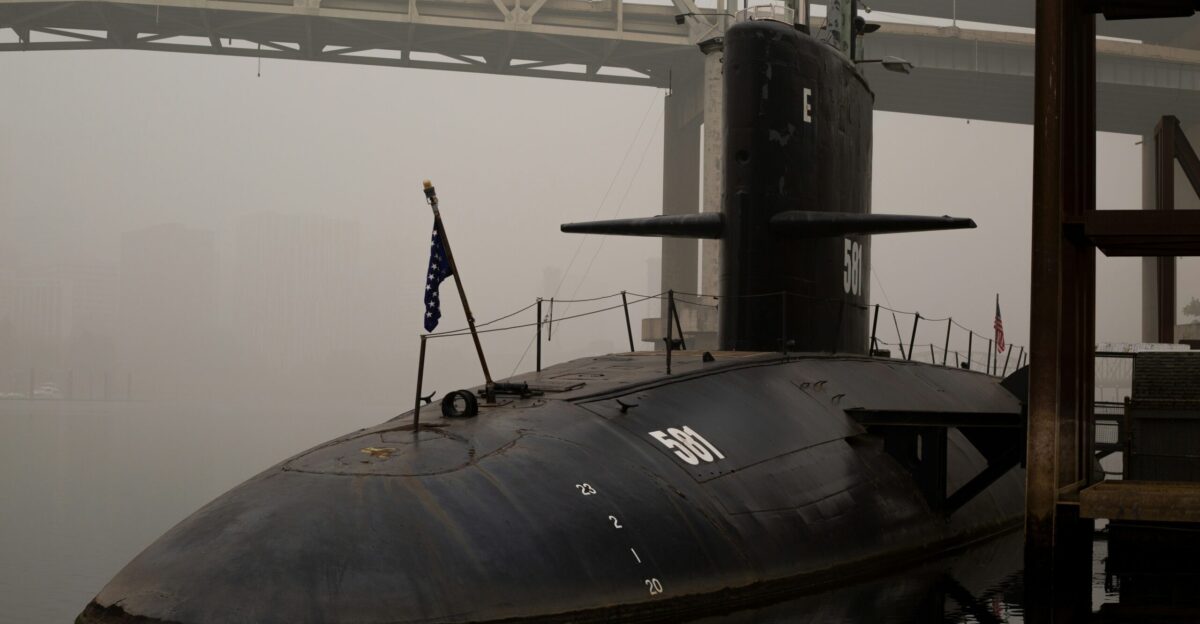
Public announcements about submarine deployments harken back to Cold War nuclear diplomacy.
During the 1962 Cuban Missile Crisis, submarine movements were critical for both escalating and de-escalating tensions. Unlike most classified operations of that era, Trump’s public statements highlighted a rare transparency in military communications.
Russia’s Naval Response Capabilities
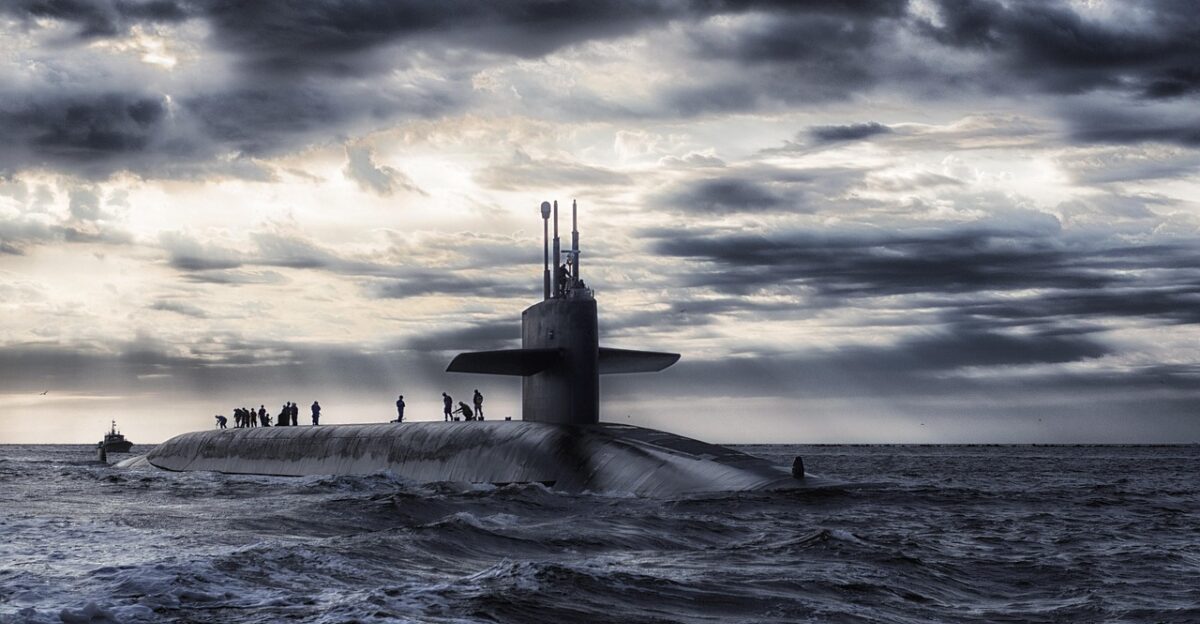
Russia has one of the world’s largest submarine fleets, including nuclear-powered attack and ballistic missile submarines.
Its naval doctrine prioritizes submarine warfare as a key deterrent, and Moscow has responded to U.S. naval actions with strategic deployments in the Atlantic and Arctic.
The Timing Question
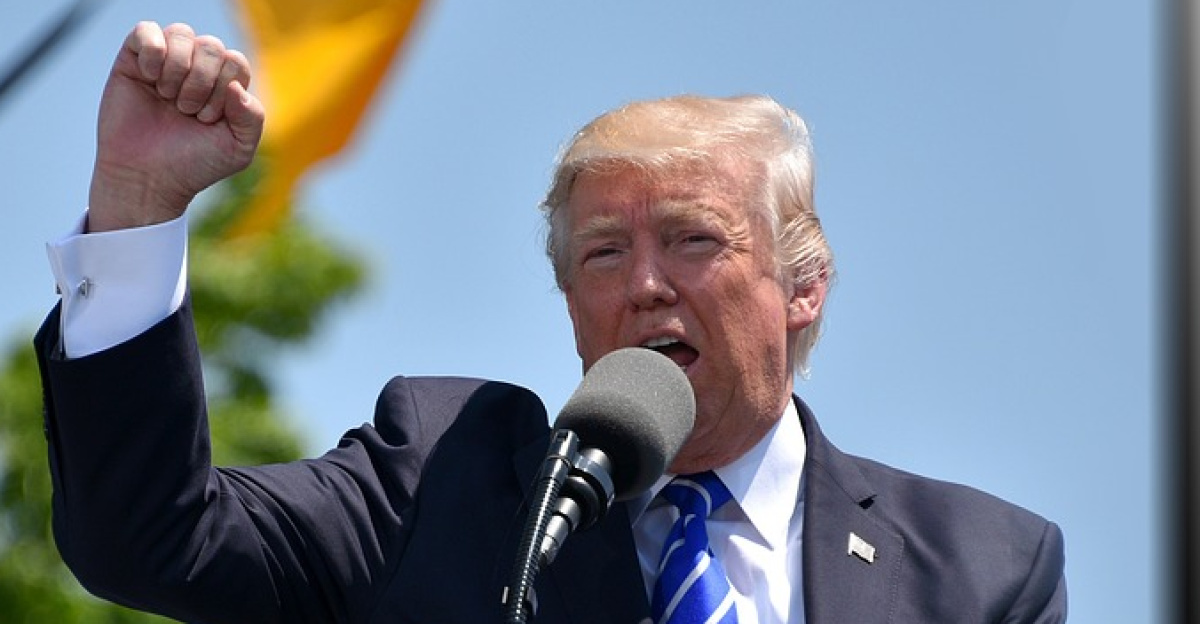
On September 30, Trump stated, “I sent,” which likely refers to actions from August instead of new developments.
This timing ambiguity raises questions about current submarine positions and any subsequent deployments, but Pentagon officials have not clarified the timeline.
Strategic Communication
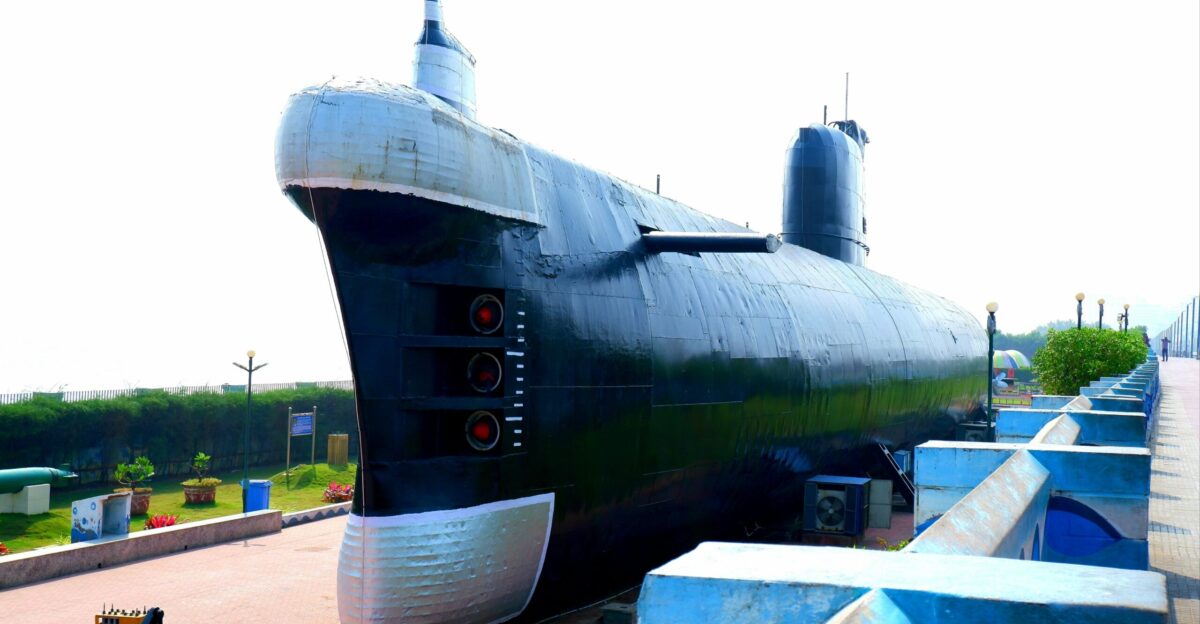
Military experts are engaged in discussions regarding the implications of Trump’s public announcements about submarines. They are considering whether these statements are intended for strategic communication purposes rather than solely for operational objectives.
“When you announce submarine movements, you’re prioritizing the deterrent message over operational security,” notes a former Pentagon official, as cited by CSIS and Arms Control Center. This suggests the statements aim to influence Russian decision-making.
Congressional Oversight
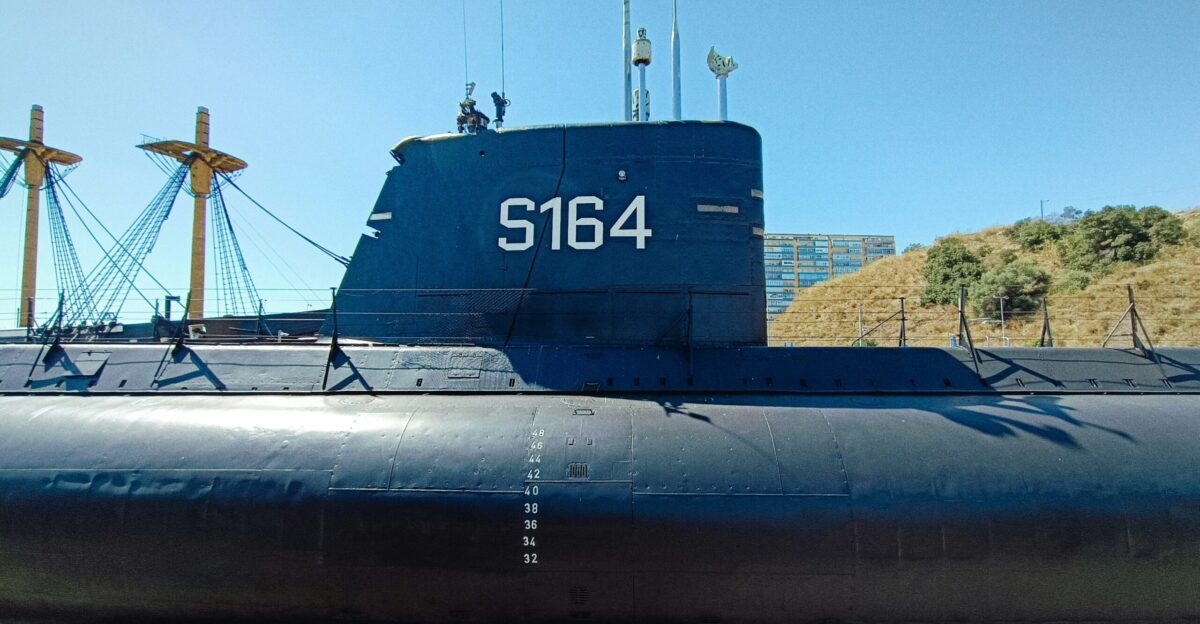
Congressional leaders are seeking briefings on submarine deployments and nuclear deterrence following Trump’s August order.
The House Armed Services Committee has scheduled hearings on nuclear policy, and Senate leaders emphasize the need for oversight of military movements that affect international stability.
NATO Ally Reactions
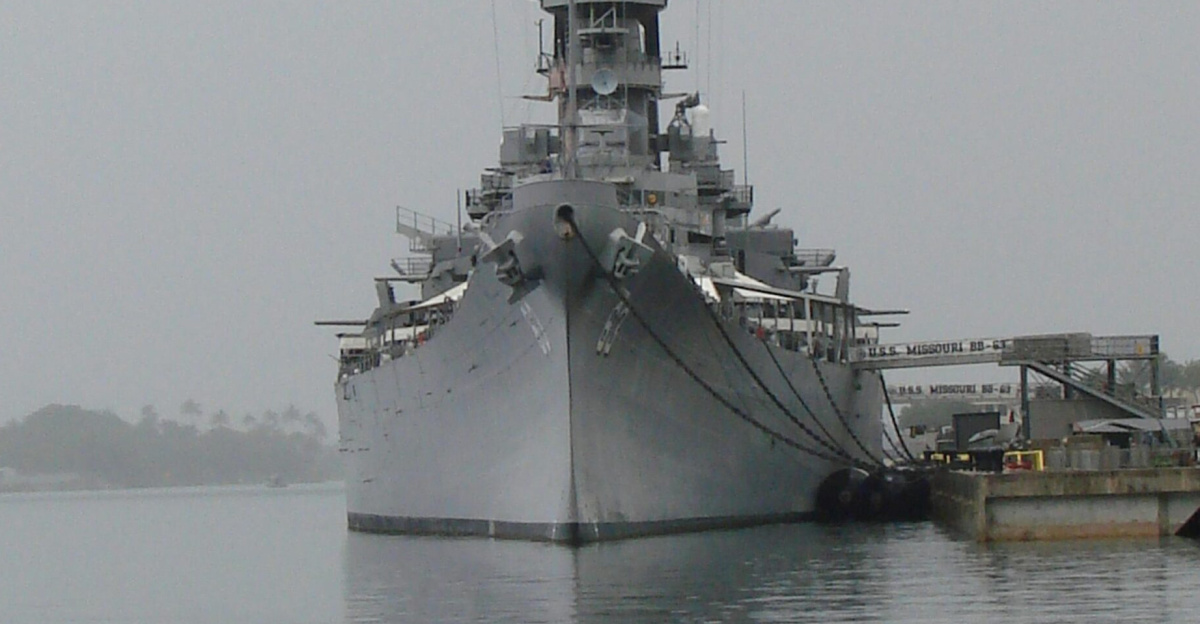
NATO allies expressed support for U.S. deterrence measures while emphasizing the importance of coordinated alliance responses.
European officials, speaking anonymously to Reuters, indicated that they had been briefed on the submarine movements but requested continued consultation on major deterrence actions that could affect regional security.
Potential Economic Implications
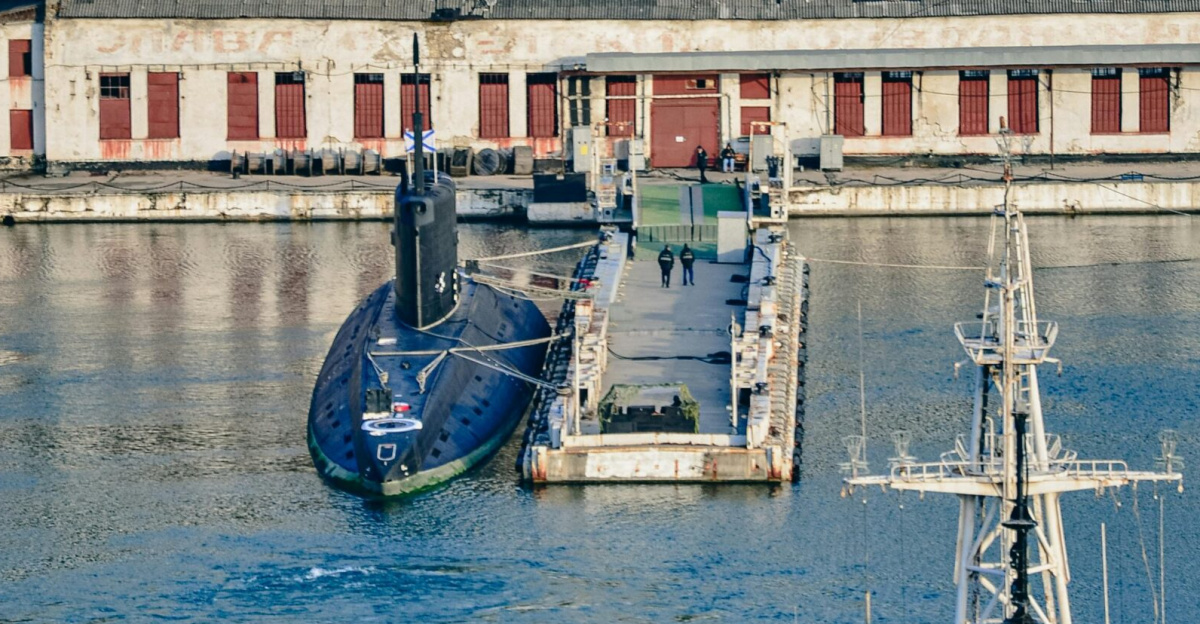
Historical analysis indicates that heightened U.S.-Russia tensions can affect defense contractor valuations and energy market volatility.
In past geopolitical crises, markets have reacted to military developments, but the effects of submarine announcements depend on the broader diplomatic context.
Consumer Psychology
Historical trends suggest that geopolitical tensions frequently lead to heightened consumer interest in emergency preparedness supplies.
Following Trump’s recent statement, social media activity may reflect patterns seen during prior nuclear announcements, with temporary surges in searches for emergency supplies.
The Stealth Paradox
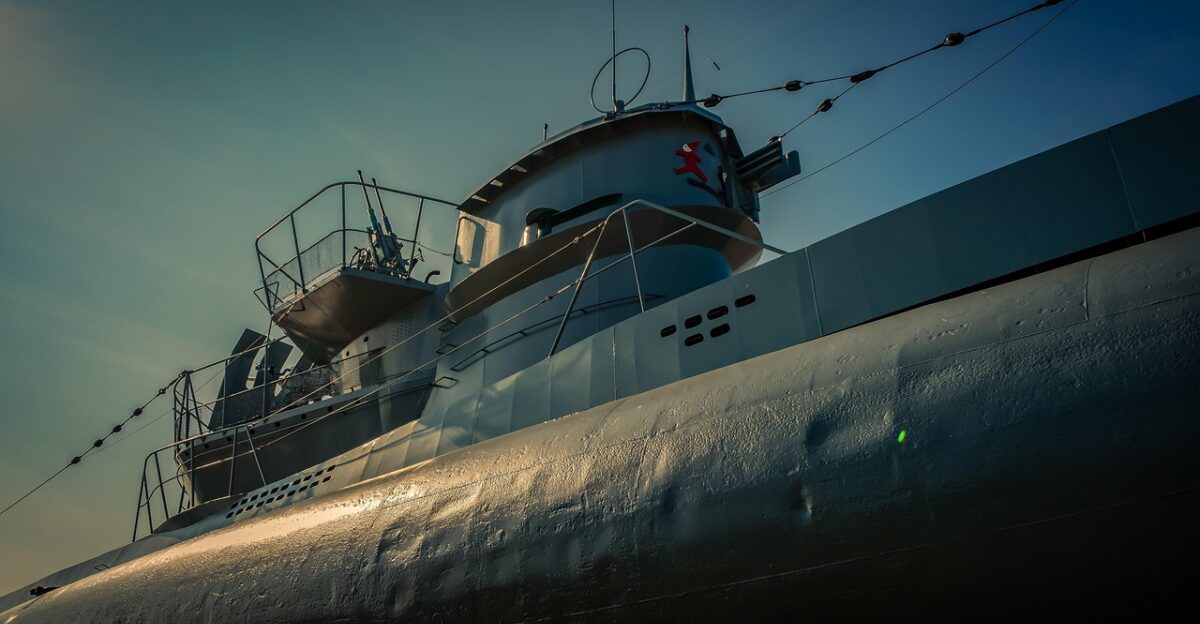
Trump’s emphasis on submarine undetectability creates a strategic paradox: the weapon’s effectiveness depends partly on remaining hidden, yet the deterrent value requires the adversary knowing it exists.
This tension between operational security and strategic messaging reflects broader challenges in modern nuclear deterrence communication, according to nuclear strategy analysts at CSIS.
International Law
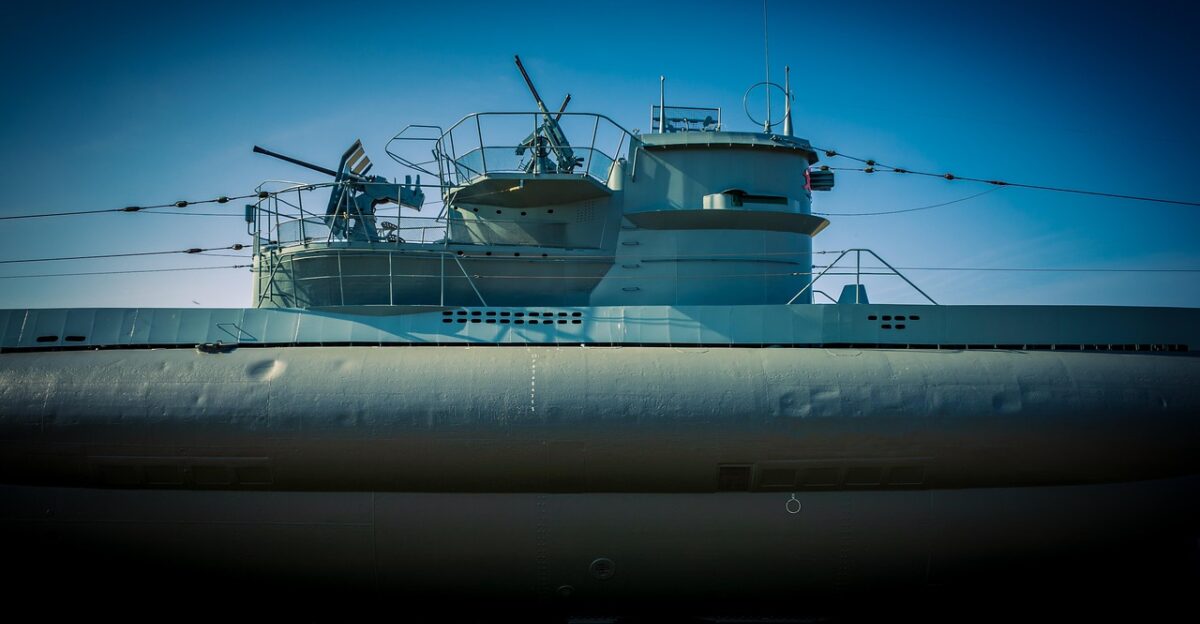
U.S. submarine operations in international waters are legal under maritime law, but movements near territorial boundaries can create diplomatic tensions.
The Law of the Sea Convention governs submarine transit rights, though the U.S. has not ratified the treaty. Russian officials have previously protested U.S. submarine activities near their territorial waters.
Arms Control Context
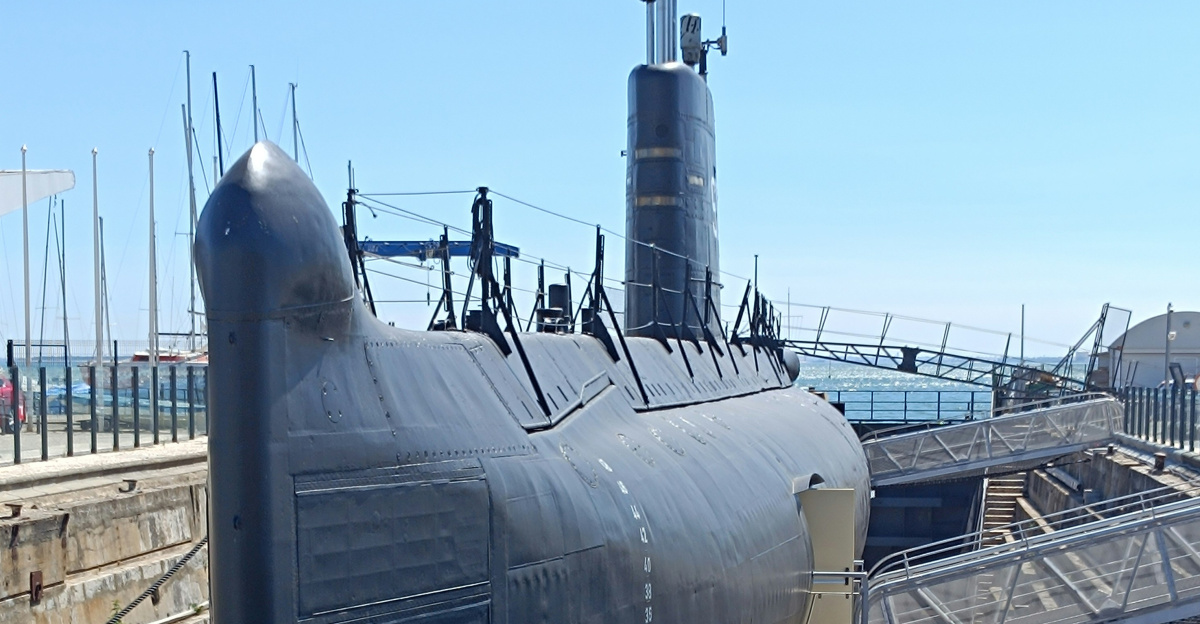
The U.S. and Russia currently operate under the New START treaty, which limits deployed nuclear warheads and delivery vehicles but does not restrict conventional submarine movements.
However, submarine-launched cruise missiles fall under certain treaty counting rules, making their deployment relevant to arms control compliance calculations.
Submarine Surveillance Capabilities
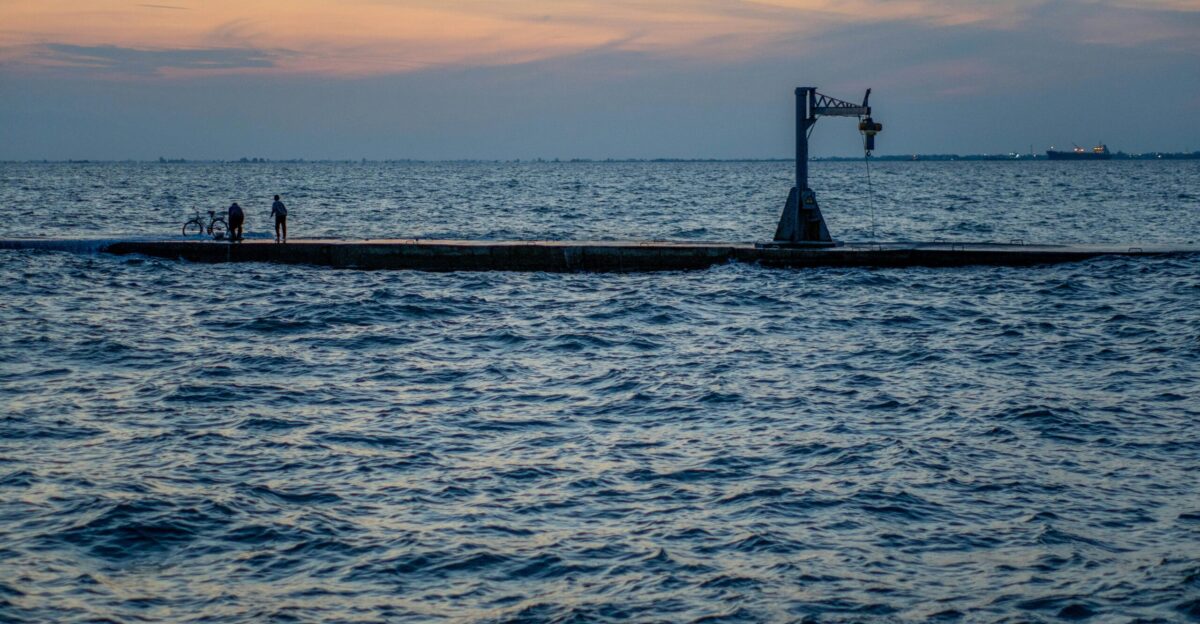
Nuclear attack submarines serve critical intelligence-gathering functions, including monitoring Russian naval activities and communications intercepts.
Public acknowledgment of their deployment potentially compromises some intelligence operations while serving broader strategic communication purposes.
Escalation vs. De-escalation
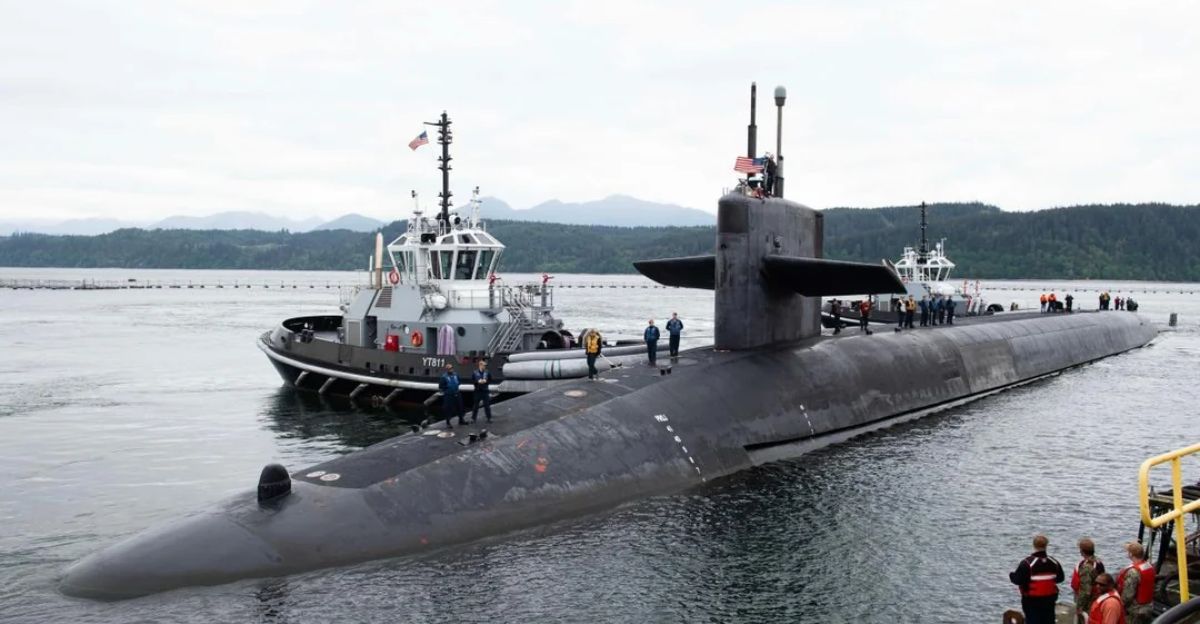
Military strategists note that submarine announcements can either escalate or de-escalate tensions depending on accompanying diplomatic messaging.
Trump’s statements lack a clear diplomatic context, leaving interpretation to Russian officials and potentially creating ambiguity about U.S. intentions and desired outcomes.
Diplomatic Opening
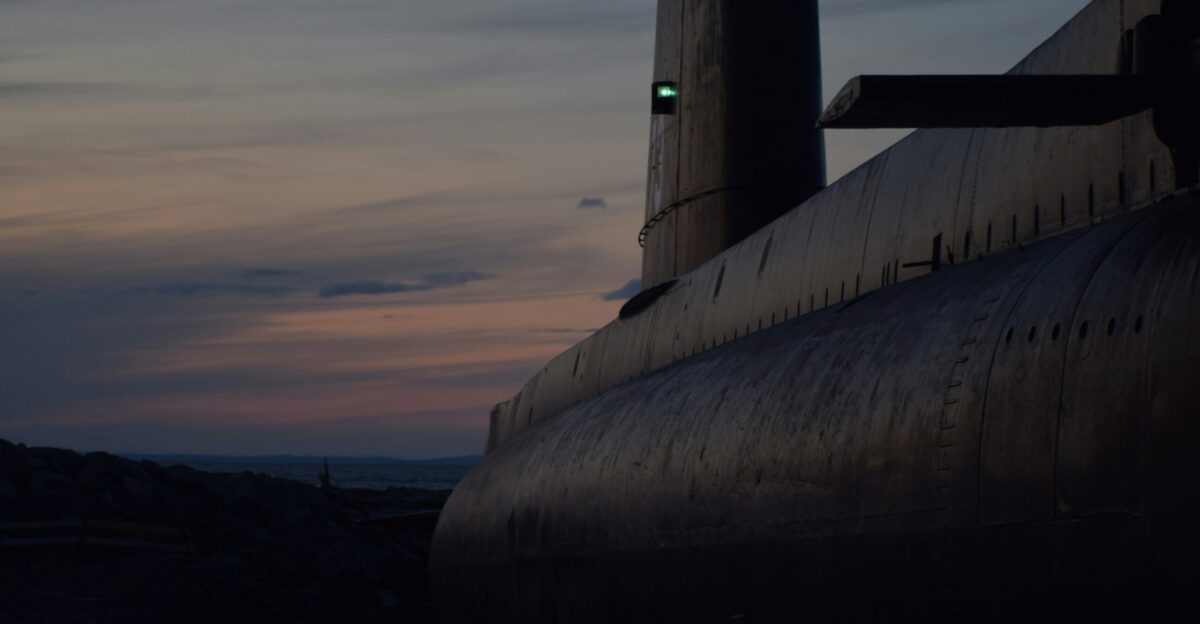
Following Trump’s September 30 statement, he indicated potential willingness to extend the New START arms control treaty with Russia.
Putin responded positively to arms control discussions, though mutual verification processes remain suspended. Arms control experts suggest submarine transparency could potentially support future verification mechanisms.
The Bigger Picture
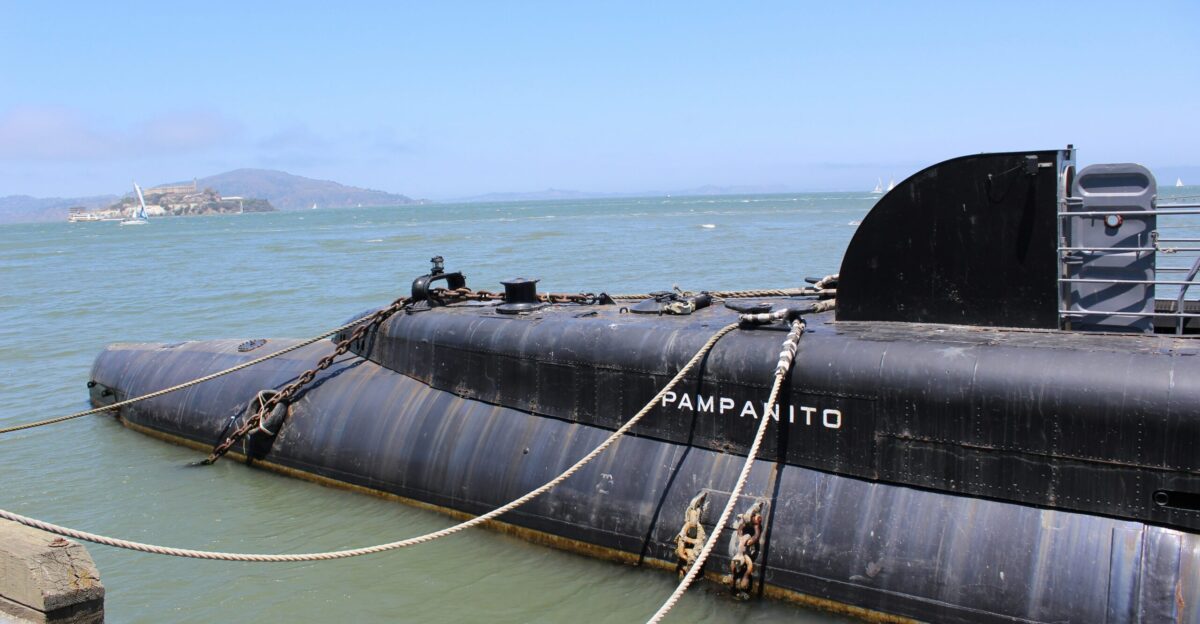
Trump’s submarine announcements represent a shift toward more transparent nuclear deterrence messaging compared to traditional strategic ambiguity.
Whether this approach enhances deterrence or increases the risk of escalation remains debated among defense experts. The effectiveness will likely depend on Russian responses and whether the messaging supports or substitutes for broader diplomatic engagement.