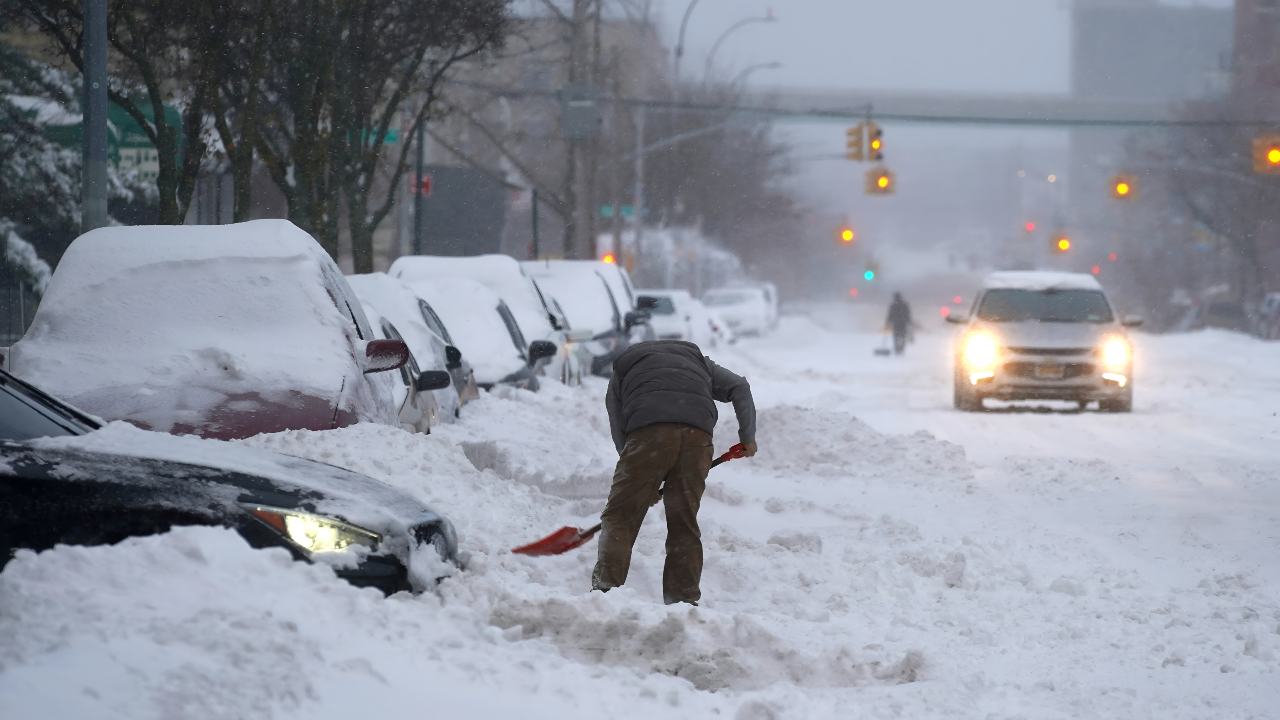
On Oct. 6, 2025, an unseasonal Arctic cold front blasted the Plains, plunging temperatures across the Midwest. Meteorologists warned of freezing lows from Montana through the Great Lakes, imperiling late-season corn and soy.
For example, the NWS had issued freeze alerts for parts of Montana and the Dakotas, cautioning that frost could “kill crops.” Thousands of acres of tender plants were suddenly at risk.
Harvest Imperiled by Early Frost
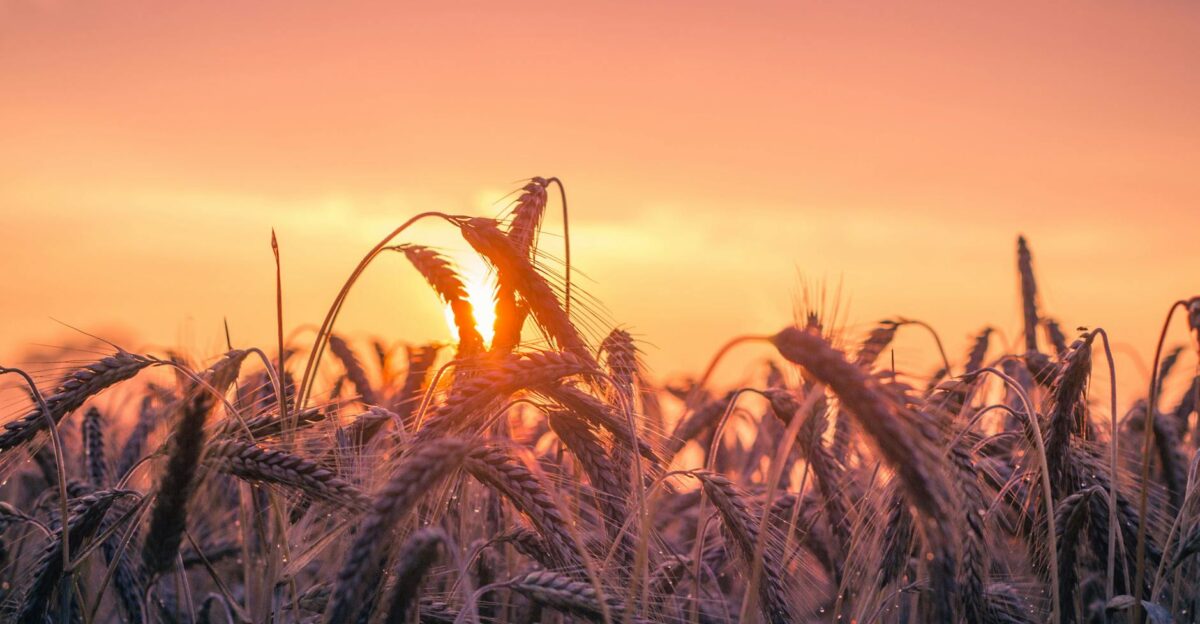
The timing was brutal: farmers were rushing fall corn and soybean harvest when the freeze struck. Unseasonably warm weather had been “accelerating the crop dry-down and early harvesting” in the Midwest, but this cold snap halted that progress.
Forecasters warned, “freezing temperatures are likely from St. Cloud to Rice Lake…” – potentially ending the season in parts of northern Minnesota and Wisconsin. Growers watched in alarm as ripening fields froze.
Growing Season Disrupted by Uncertainty
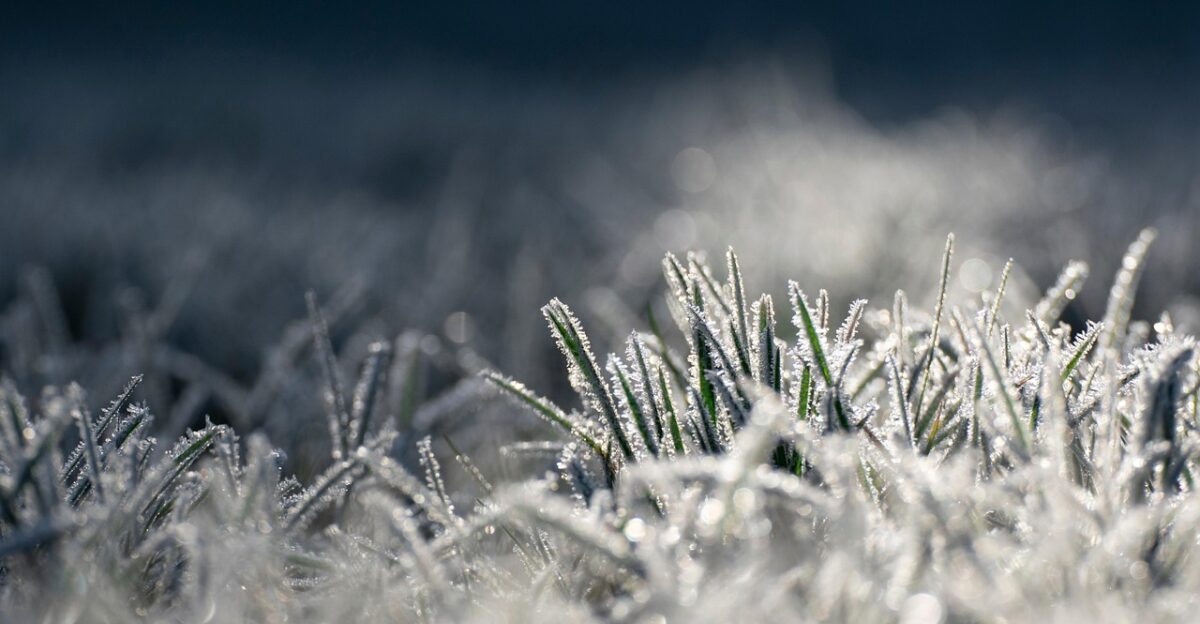
Agronomists note that climate shifts have made frost dates unpredictable. Official analyses show growing seasons are generally lengthening (milder winters delay the first frost). Yet 2025’s weather had been anything but normal: delayed plantings and drought-stressed crops left fields vulnerable.
A late frost – coming at the end of what should have been a warm season – disrupted those patterns. Farmers scrambled to make sense of this highly unusual early freeze.
Crushing Economics Ahead of the Freeze

Even before the freeze arrived, farm finances were strained. Analysts noted a “paradox of plenty”: USDA projections showed record 2024 corn/soy yields, creating a global oversupply that drove prices down.
Indeed, one forecast called for a 4% drop in world agricultural prices in 2025. Compounding the pressure, a federal shutdown (since Oct. 1) has halted farm loans, conservation and disaster aid, and USDA data releases. Farmers entered October already facing low commodity prices and frozen safety nets.
State of Emergency: Freeze Warnings Across 11 States
By Oct. 6, the NWS had alerts out for at least 11 states, from Montana and the Dakotas to Vermont and Oregon. The agency warned growers that “frost and freeze conditions could kill crops” in exposed fields.
Forecasts called for lows in the mid-20s°F in farm districts. In short, the warning was clear: any unprotected crops left in the ground could be wiped out if temperatures dipped as predicted.
Regional Impacts: ND, ID, WY Face Deep Freeze
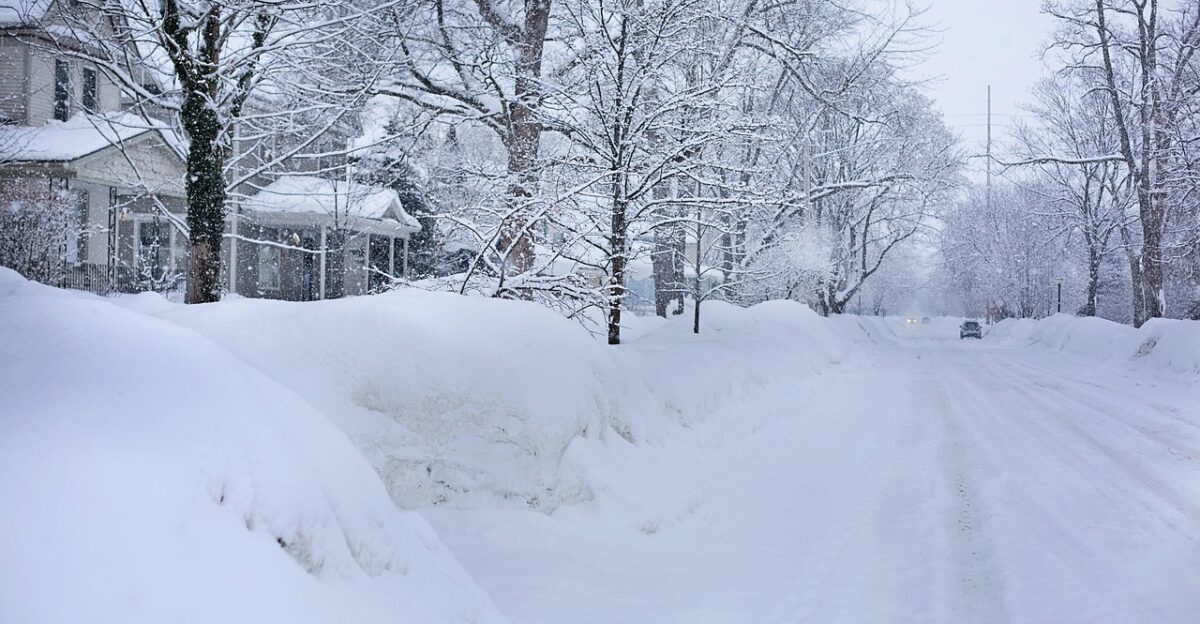
Local forecasts detailed the damage potential. North Dakota’s James River Valley braced for an overnight low around 25°F – cold enough to kill corn or soy. In southeast Idaho (around Pocatello), temperatures were expected to dip into the upper 20s (well below the area’s 36°F norm), threatening potatoes and grain crops.
Wyoming ranches (e.g., Dubois) were also under a freeze warning with lows near 25°F. Officials urged farmers to “take steps to protect any tender plants” or face total losses.
Agricultural Markets in Volatile Flux
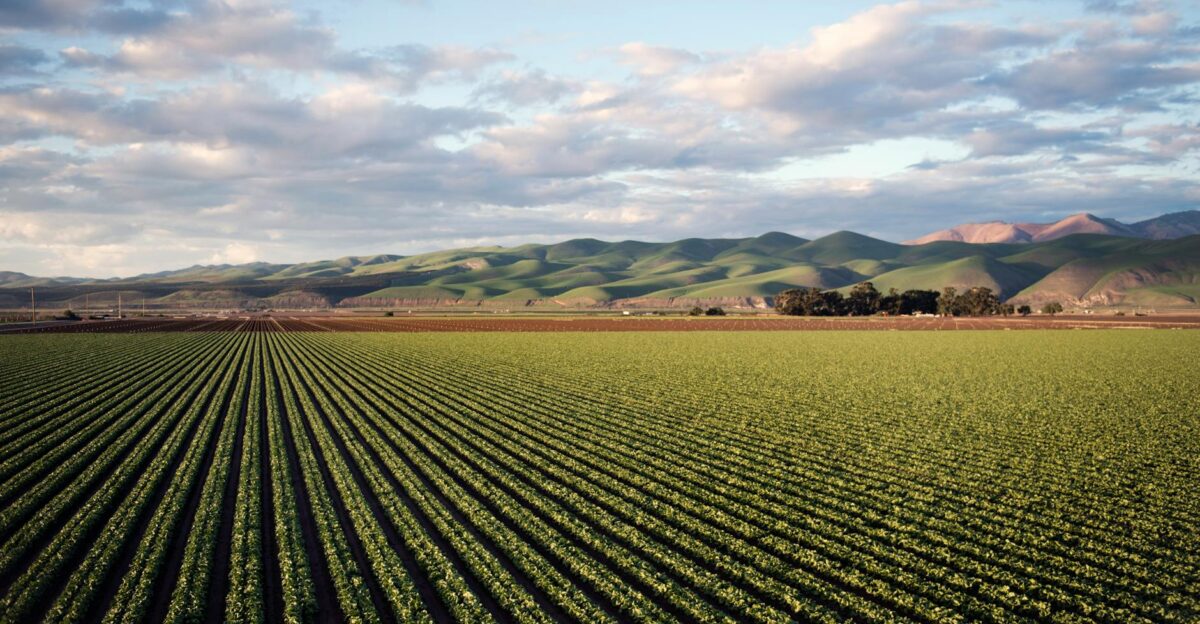
The freeze added chaos to already jittery commodity markets. With USDA reports suspended by the shutdown, traders had no data to guide prices. In fact, market briefs noted initial futures volatility: EU and Chicago wheat rose 2–3% and soybean futures jumped ~4% as speculators reacted to the newsmarkets.chroniclejournal.com.
Corn futures were “adrift” without the October WASDE. The halt in USDA export-sale releases only deepened uncertainty. In short, the lack of new information sent traders into reactive mode.
Signs of a Shifting Climate
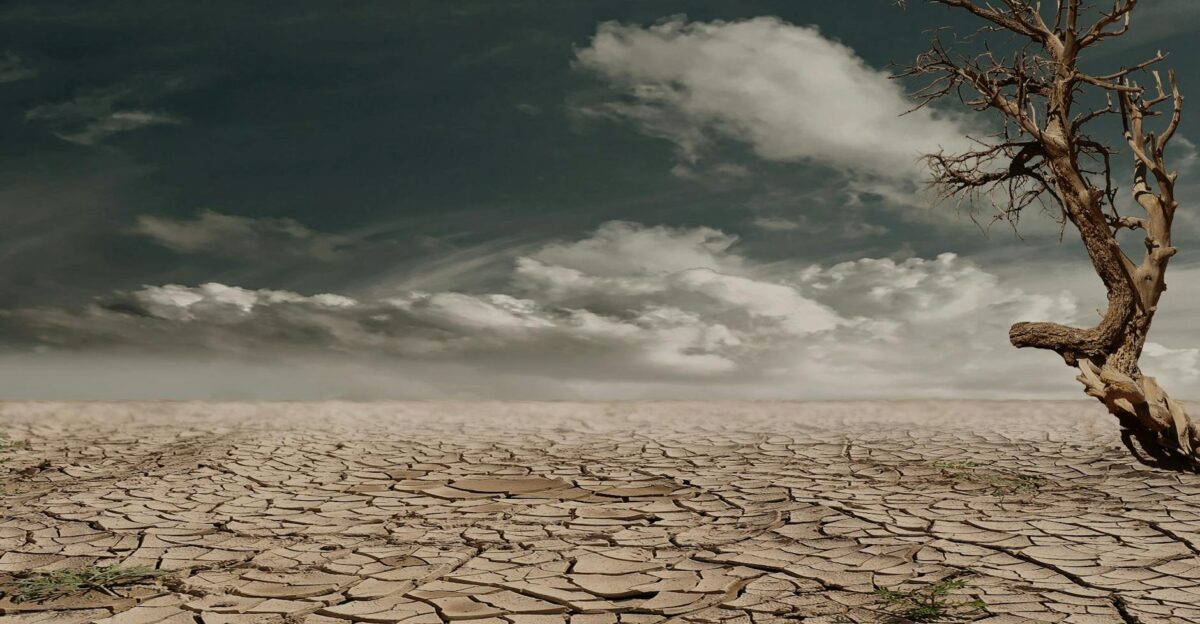
Experts say this event reflects a troubling trend. Climate assessments point to growing unpredictability of late-season weather: for decades, average first-frost dates have been creeping later across many northern states, lengthening growing seasons.
Yet paradoxically, the frequency of abnormal frosts is rising. Some climatologists warn that more heat extremes now can trigger sudden cold snaps. The early 2025 freeze is precisely the kind of shock farmers say they never expected.
Secondary Threat: Livestock Feed Poison

The freeze’s fallout extended beyond crops. As Thompson explained, “the heavy freeze kills off the sorghum crops and Johnson grass, which are feed for cattle…”.
Fields of these forage crops were lost, and worst of all, as they freeze-kill, they can release prussic acid – a cyanide compound. “When the plants start to die, they produce prussic acid,” Thompson warned. The result: livestock grazing those pastures could suffer poisoning, forcing many ranchers to move animals immediately.
Industry Mobilizes for Relief
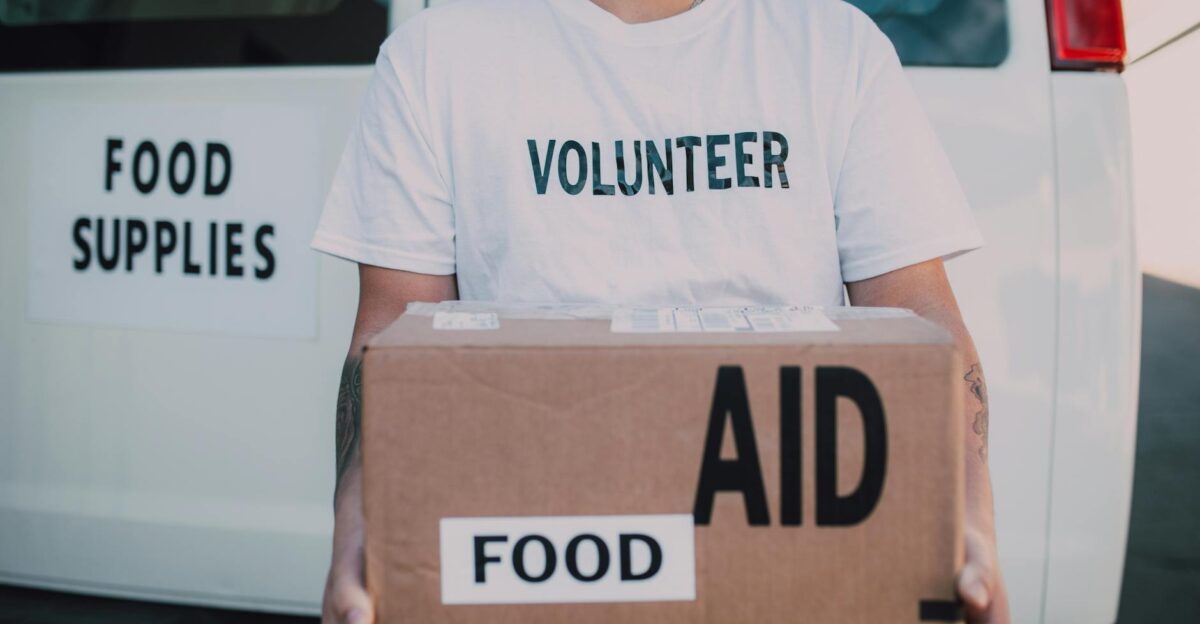
Agricultural organizations leapt into action. Incoming National Corn Growers President Jed Bower warned that Congress’s stalemate was “directly impacting the livelihoods of rural communities and threatening global food stability”.
Under Bower’s leadership, NCGA joined over 20 groups (including the American Farm Bureau and Pork Council) in urging lawmakers to end the shutdown immediately. They called for emergency relief legislation and expedited disaster payments once the government reopens, emphasizing the urgent stakes for farmers.
Farmers Work to Save What They Can
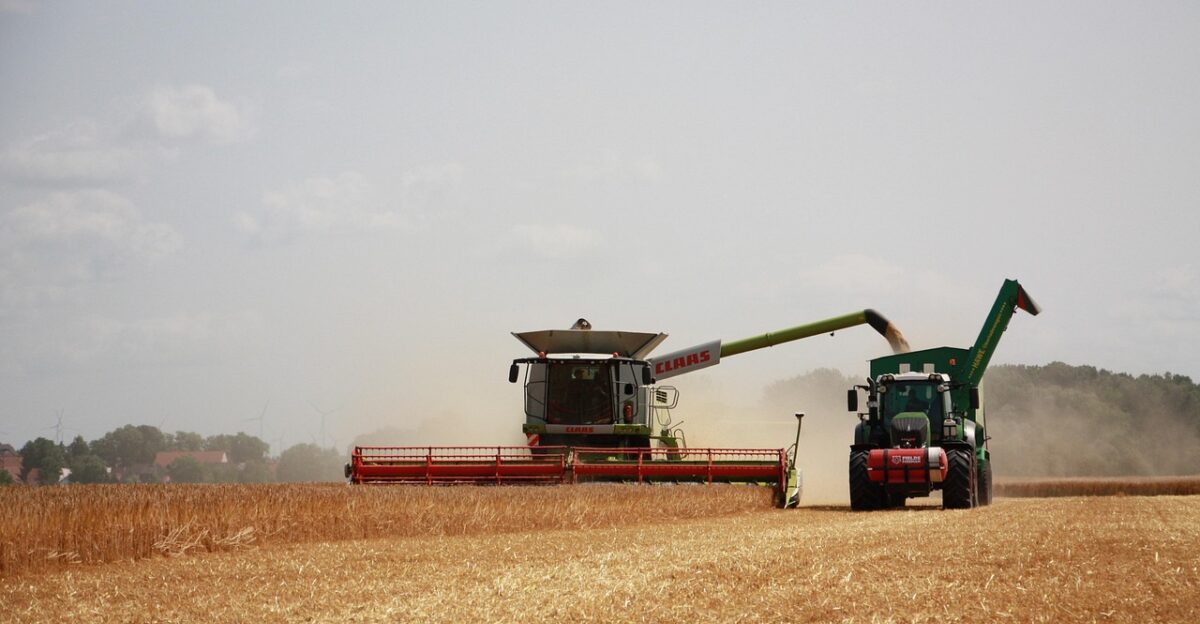
On the ground, growers applied familiar frost strategies. Extension agents urged immediate field checks, noting that “farmers should assess their crops for damage now in order to make timely harvest decisions”.
That advice led to frantic combining: crops nearest maturity were harvested at once, while frost-killed fields were abandoned. Some producers irrigated or row-covered small plots of vegetables. In combination with expert guidance (much of which is now paused by the shutdown), farmers did what they could to salvage yields for next year’s planting season.
Analysts Downgrade Crop Prospects
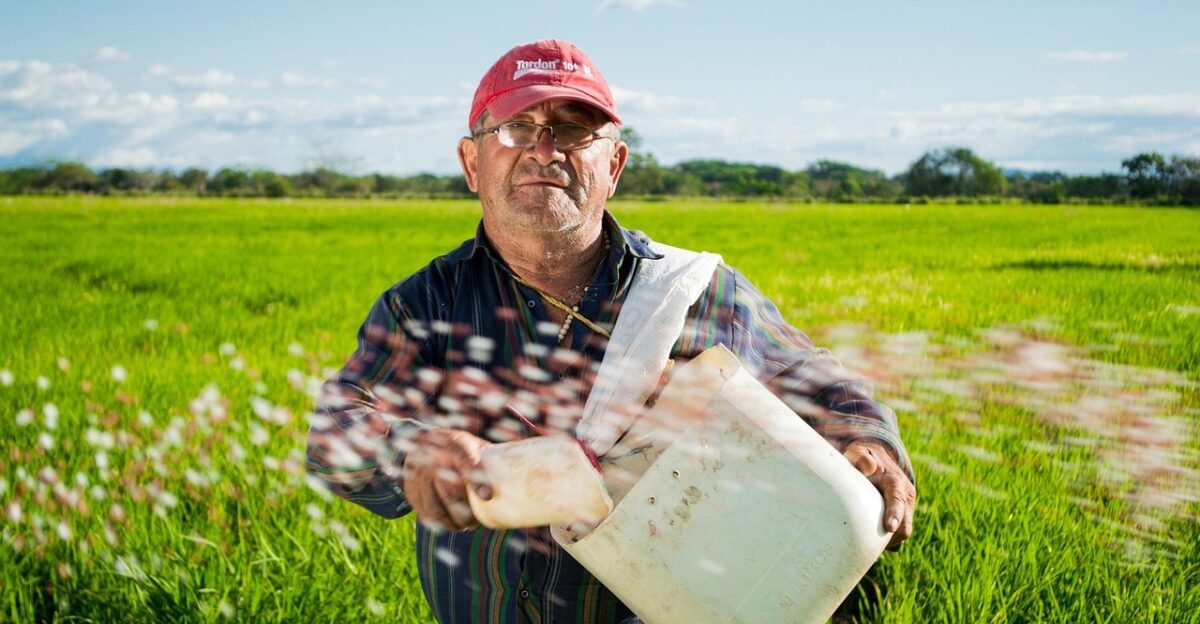
Forecasters quickly revised estimates. Pro Farmer’s Michael Cordonnier trimmed his U.S. corn yield outlook by 1.0 bu/acre to 181.0 bu.
He stressed that “corn yields continue to be variable” due to southern rust and now the frost. “We will not know the final corn yield until the harvest is complete,” he said, adding that “the storyline of the 2025 U.S. corn crop is going to be the impact from southern rust”. Analysts now expect harvest losses on top of summer disease impacts.
Planning for a New Farming Normal
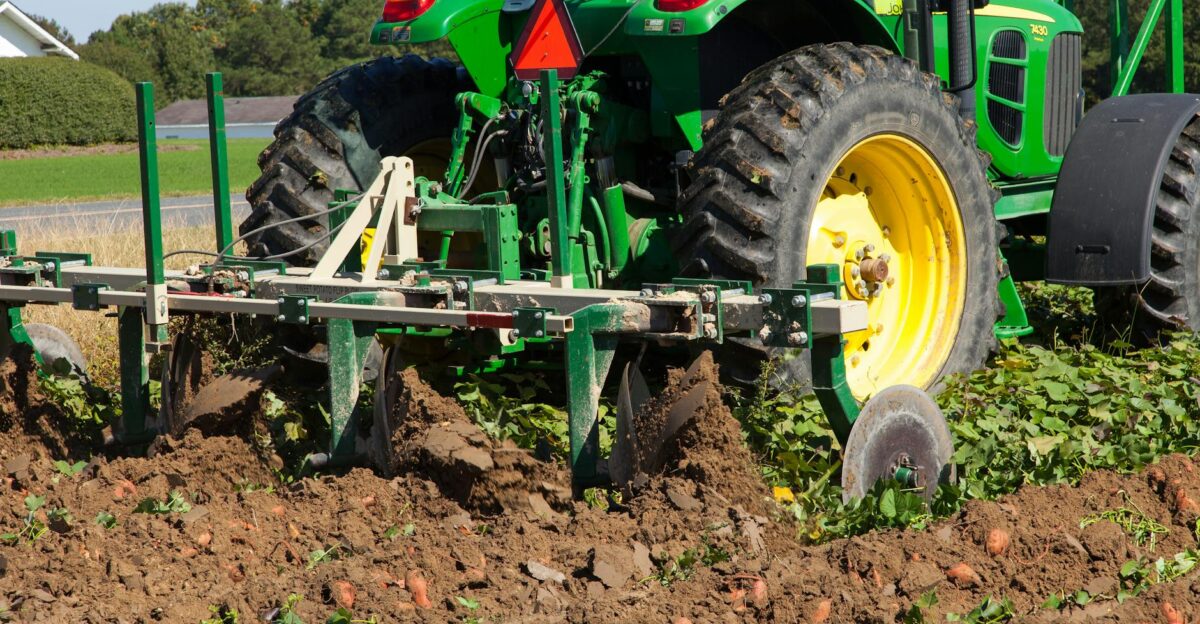
Farmers and policymakers alike are asking what this means for the future. Will planting and harvesting calendars have to be rewritten? As UW climatologist Chris Clark noted, planting windows in the Midwest “are shifting earlier due to warmer winters”, potentially requiring new strategies.
Experts emphasize the need for better forecasts, resilient crop varieties, and stronger insurance mechanisms. Adaptive tactics (double-cropping, cover crops, adjusted loan programs) are now high priorities as agriculture reckons with increased volatility.
Ecosystem Effects of an Early Frost
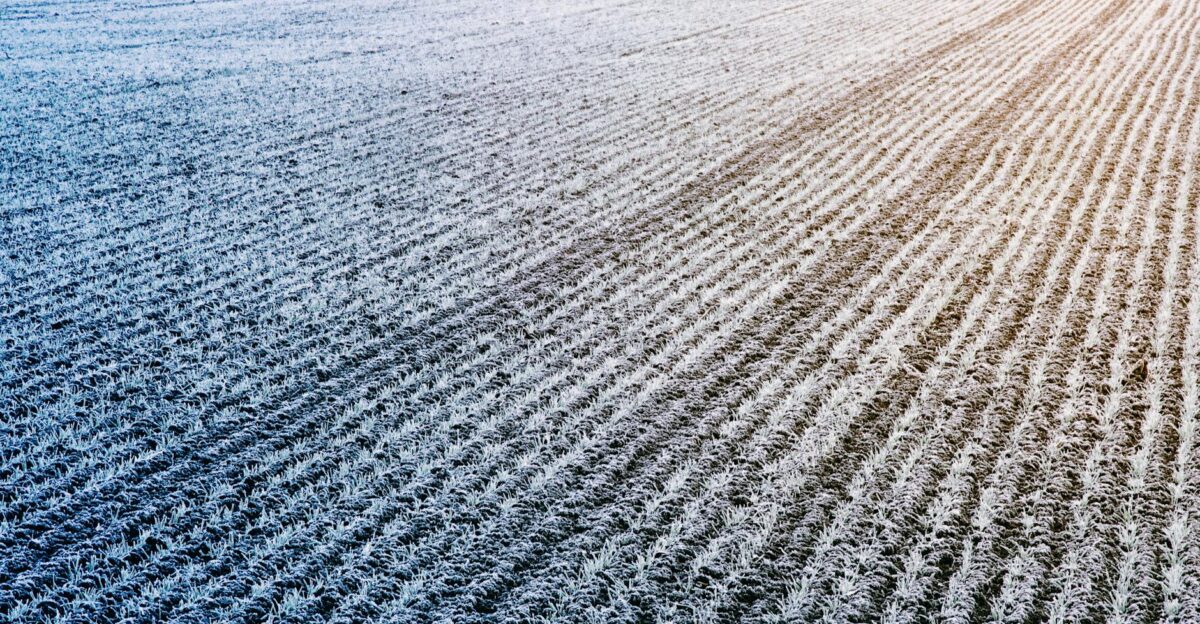
The abrupt die-off of vegetation also has environmental side effects. Experts note that cover crops were meant to build soil carbon, but a frost-kill stops that process. For example, USDA climate experts explain that cover crops “store carbon in the soil” as green, so premature loss reduces carbon drawdown.
Cover plants also “provide habitat and food for pollinators and wildlife”climatehubs.usda.gov, so their disappearance may shrink forage for birds and beneficial insects. Bare, unclovered fields also risk more wind and water erosion going into winter.
A Turning Point for U.S. Agriculture
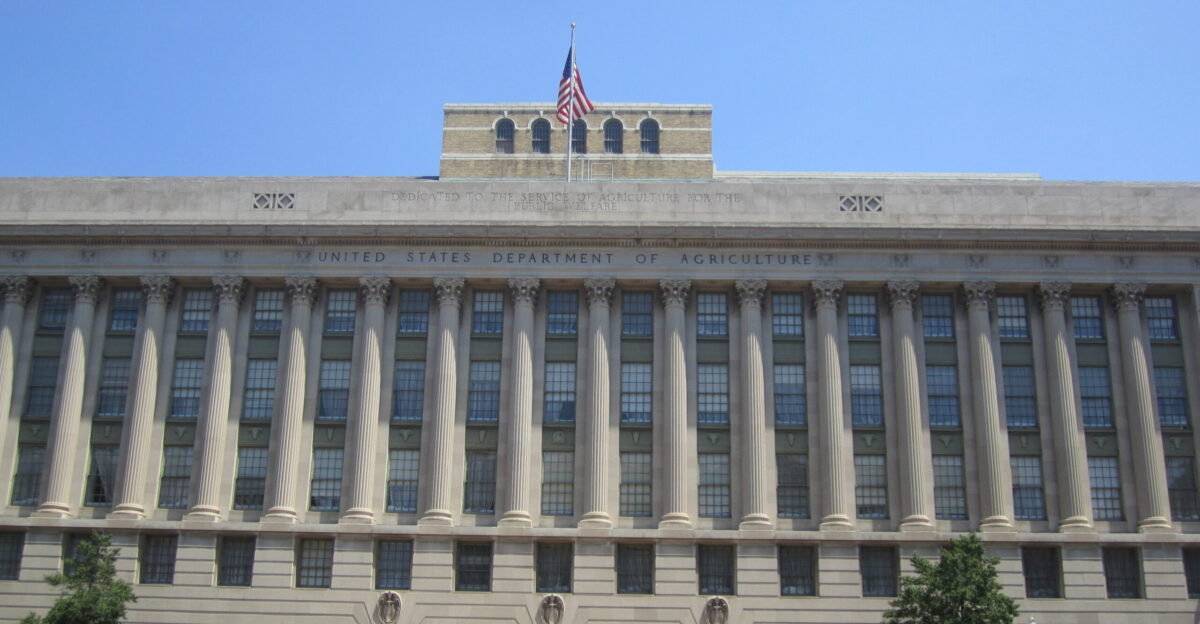
The October 2025 freeze – coming amid political gridlock – may prove a watershed for American farming. It exposed vulnerabilities in disaster response, market transparency, and farm support networks.
As one market analysis put it, this convergence “fits into broader industry trends of increasing economic pressure on farmers, shifting global trade dynamics, and a critical need for stable, predictable agricultural policy”markets.chroniclejournal.com. It remains to be seen whether this crisis will spur long-term reforms. But for now, it has underscored just how fragile the nation’s—and the world’s—food system can be under extreme stress.