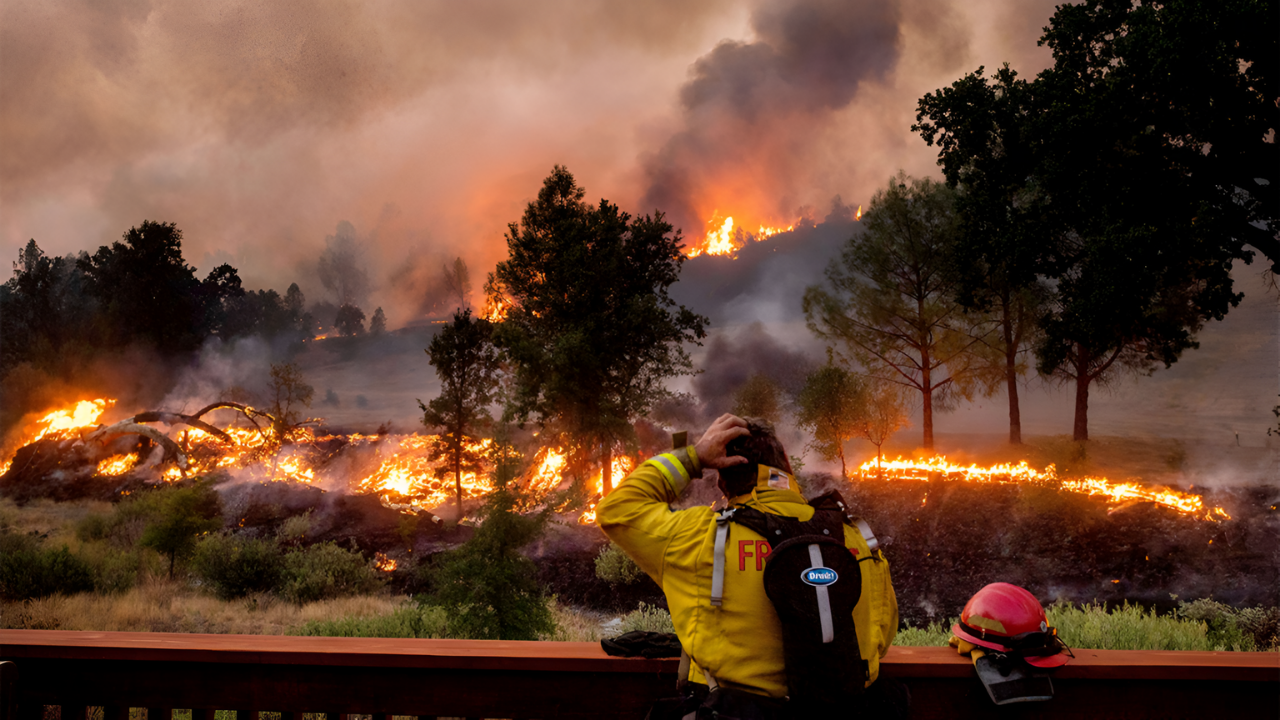
On November 16, 2025, air quality alerts rang across parts of Nebraska, South Dakota, and Minnesota as smoke from Canadian wildfires surged southward. Air quality levels soared to “Unhealthy” status, particularly in South Dakota, where parts of the state reached an AQI of 167. Thousands of residents were warned to stay indoors as fine particulate matter (PM2.5) from the fires polluted the air.
This sudden deterioration in air quality sparked widespread concern about health risks. Authorities and local officials were quick to issue alerts, urging residents to take immediate precautions to limit exposure to the hazardous air.
Why is Smoke Still in the Air?
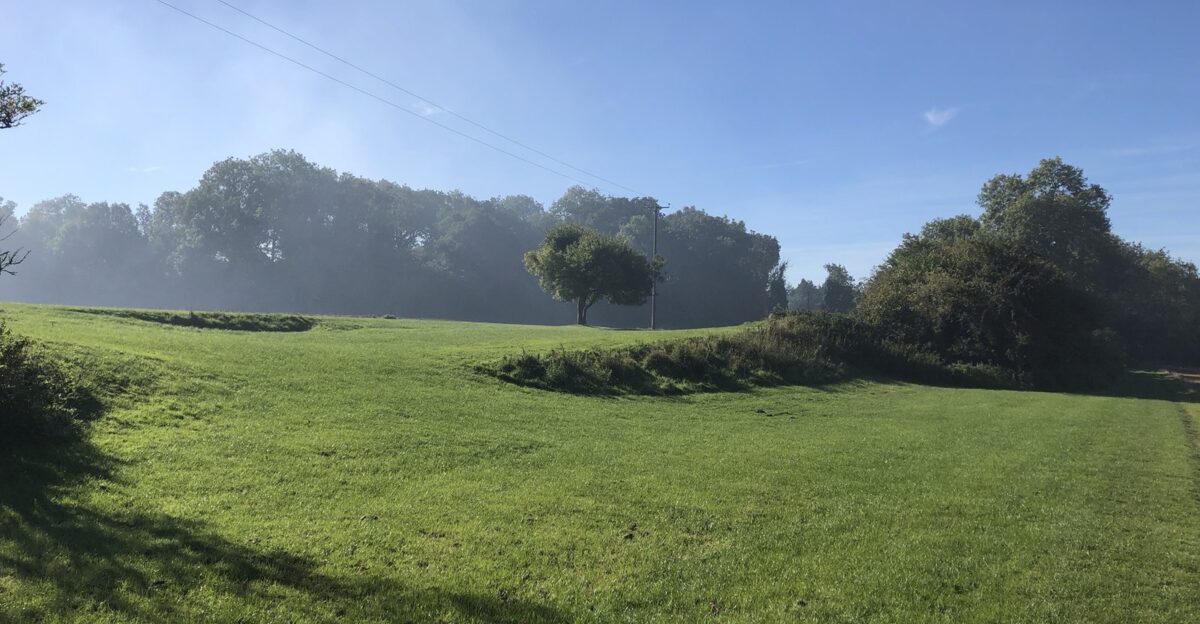
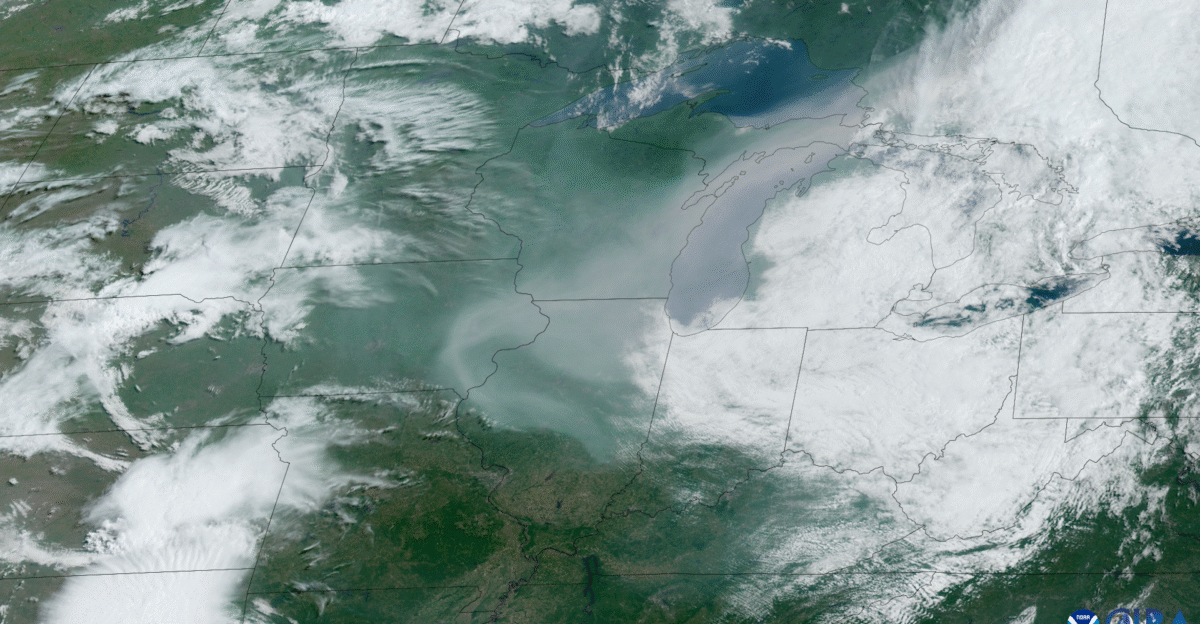
The smoke impacting the Midwest is linked to ongoing wildfire activity in Canada’s northern regions. While major fire activity has generally subsided with the arrival of colder weather, lingering fires have continued to release smoke. These pollutants, primarily fine particulate matter, have traveled thousands of miles.
As the smoke drifts southward, it significantly affects air quality, especially in the northern states. The region has been grappling with smoke plumes that have impacted everything from daily life to local businesses.
Immediate Impact on Residents

In response to the air quality alerts, local health officials advised residents in affected areas, especially vulnerable groups like children, the elderly, and those with respiratory issues, to limit outdoor activities. Schools canceled outdoor events, and families opted to stay indoors.
Public warnings highlighted the risks of prolonged exposure to the hazardous air conditions. Many residents were concerned about the immediate health implications, particularly for those with pre-existing respiratory conditions.
Business Response to Air Quality Concerns
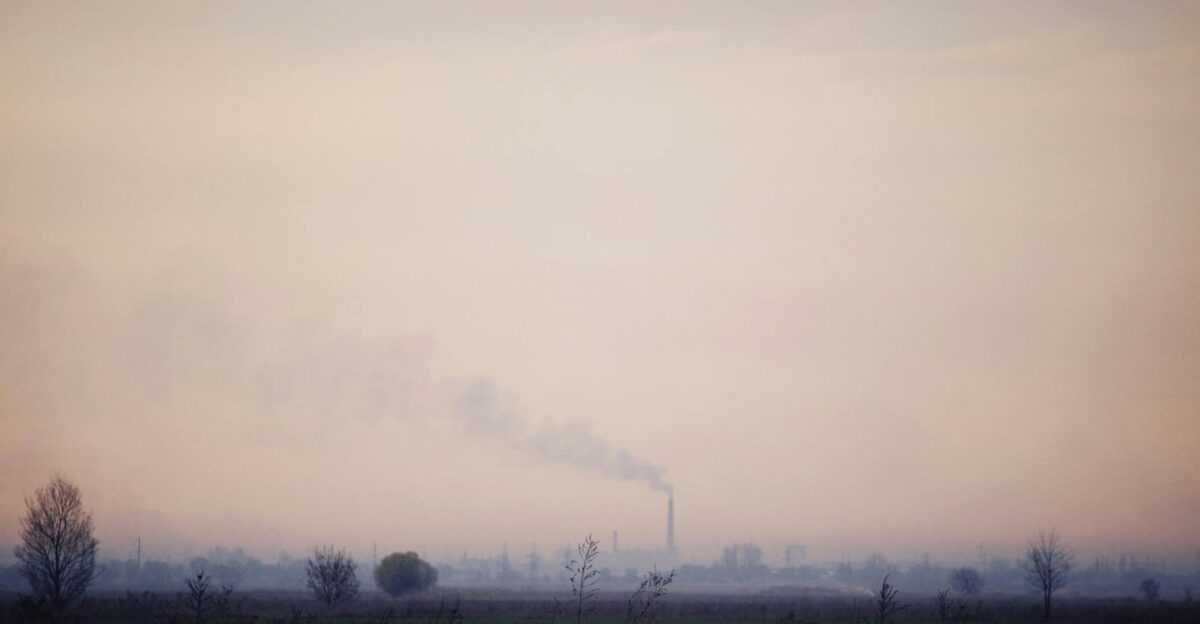
As air quality deteriorated, businesses in affected regions began monitoring the situation closely. While there was little disruption in retail operations, some local businesses adjusted their activities to mitigate exposure. Delivery schedules and outdoor-facing operations were modified.
Despite these adjustments, widespread operational changes were not reported. Businesses largely remained open, although some took extra precautions to ensure the safety of workers and customers in areas with the most severe air quality.
Indoor Alternatives in High Demand

With many residents forced to stay indoors, interest in indoor air quality products surged. Sales and online searches for air purifiers and indoor fitness equipment spiked as families sought solutions to combat the smoky air and stay active indoors.
Though demand for these products increased, specific data on stockouts was unavailable. It was clear that indoor activities were the preferred option for many in the affected regions during the air quality alert.
Air Quality Impacts on Outdoor Activities

The air quality event affected a wide range of outdoor activities. Popular tourist destinations, including Badlands National Park in South Dakota, faced hazardous conditions, which disrupted normal visitor patterns. Outdoor sports and recreational activities were also impacted.
However, there was no documented evidence of disruptions to cross-border trade between the U.S. and Canada during this period. The primary focus remained on public health and safety as air quality continued to worsen.
Impact on Outdoor Workers

Outdoor workers, particularly those in agriculture and construction, were urged to stay informed about air quality conditions. While the harvest season in the Midwest was nearing its end, workers were still at risk for exposure to harmful PM2.5 particles.
Monitoring air quality forecasts became an essential part of managing safety during these hazardous conditions. For many outdoor workers, the smoke presented a serious health risk that couldn’t be avoided during critical operations.
Public Health and Government Response
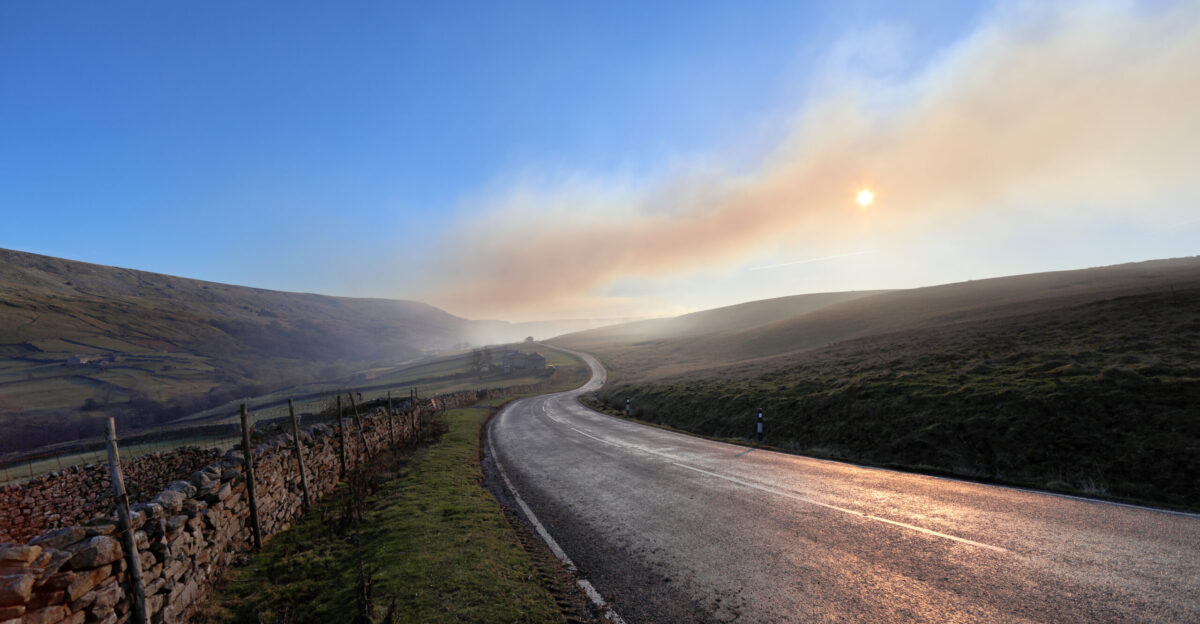
State officials in Minnesota, South Dakota, and Nebraska quickly issued air quality warnings, advising residents to limit outdoor exposure. The U.S. Environmental Protection Agency (EPA) and local air quality agencies continuously monitored the situation.
The ongoing alerts were part of a larger effort to ensure public safety, with health experts emphasizing the need for residents to stay indoors, especially during the most polluted periods of the event.
Health Considerations and Risks

Exposure to fine particulate matter (PM2.5), smaller than 2.5 micrometers, poses serious health risks. These particles can penetrate deep into the lungs and bloodstream, causing respiratory and cardiovascular issues. Sensitive groups, including pregnant women, children, and those with preexisting health conditions, were urged to take extra precautions.
The potential health impacts were particularly concerning for people with asthma, heart conditions, and other respiratory issues. Health professionals recommended that residents take steps to minimize exposure, especially during the worst air quality periods.
Resident Adjustments to the Crisis

In response to air quality alerts, residents adjusted their daily routines. Many reduced outdoor activities, especially in regions with the highest concentrations of pollutants. Indoor air quality became a priority, with some households investing in air purifiers.
Health professionals advised those in vulnerable groups to monitor symptoms closely. With the air quality worsening, it was crucial for residents to be proactive in managing their health during this critical period.
Environmental Context: A Growing Threat
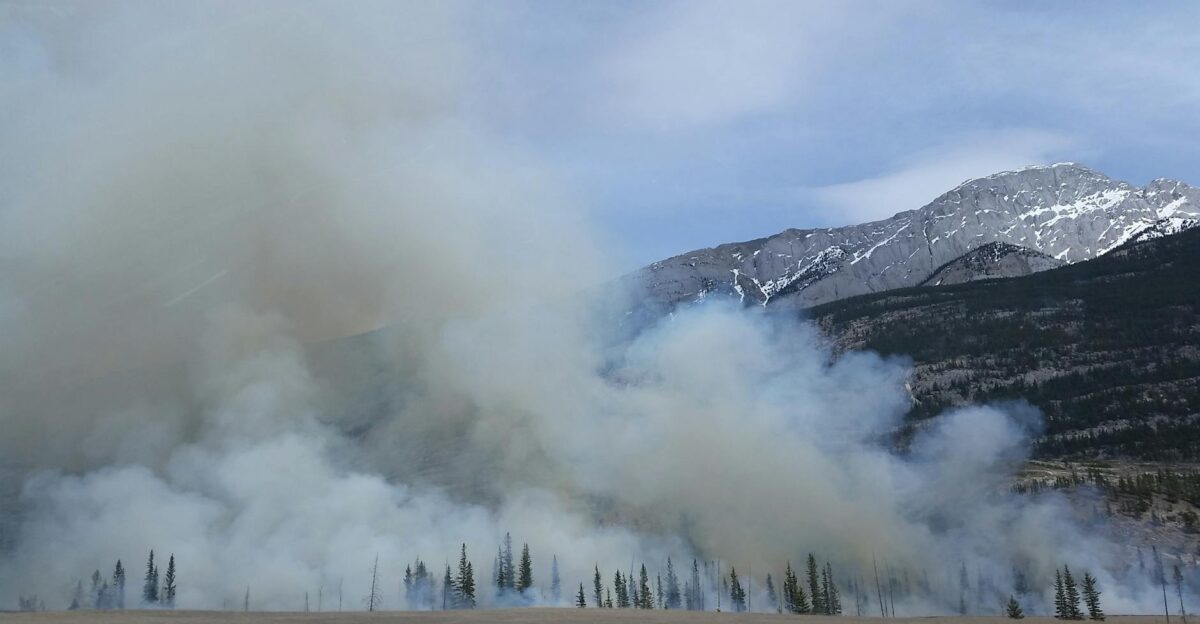
This event serves as a reminder of the broader environmental impact of wildfires, which have become increasingly frequent in recent years. The movement of smoke across international borders highlights the far-reaching consequences of these fires.
Ongoing environmental monitoring is crucial to tracking air quality and fire activity patterns in North America. As climate conditions continue to favor longer fire seasons, more regions may experience similar air quality events in the future.
Regional Impact on Communities
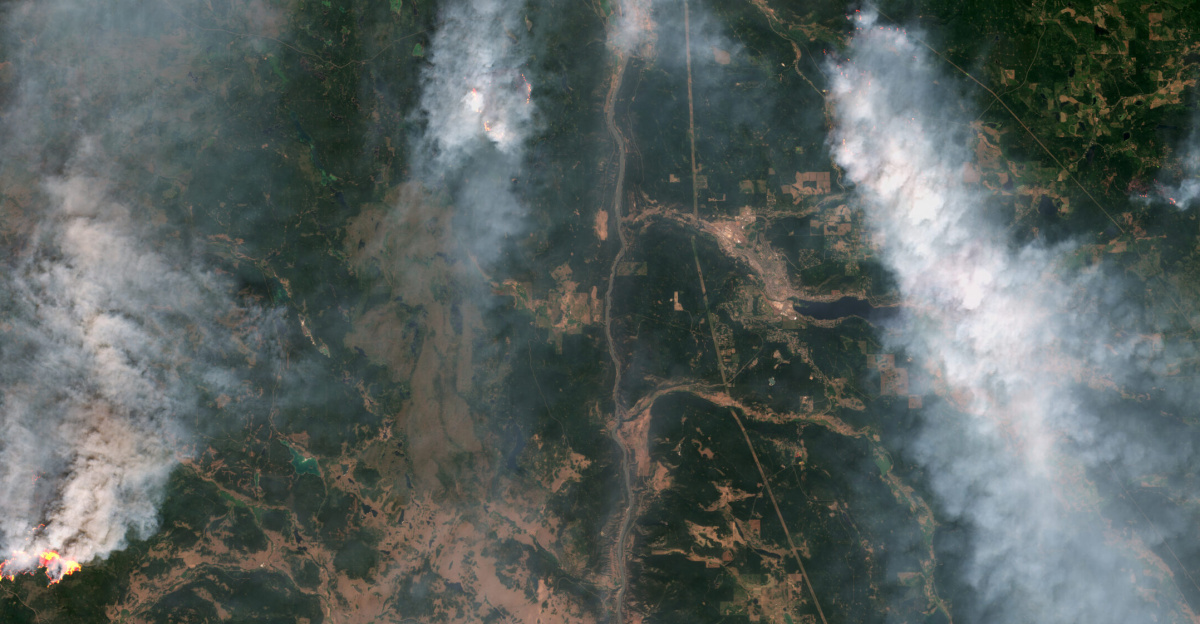
Throughout the affected regions, local communities remained vigilant about air quality. Public health officials continued to emphasize the importance of staying informed and following air quality advisories.
Awareness campaigns helped residents better understand the risks of exposure and how to protect themselves during this event. Communities also came together to share information and offer support to those most vulnerable to the health risks of poor air quality.
Sectors Affected by the Smoke
Businesses related to indoor services, including air quality monitoring and fitness, saw a surge in demand. Outdoor recreation companies, however, operated with standard weather-related advisories, adjusting schedules and offerings to accommodate the smoky conditions.
The ongoing monitoring of air quality affected many industries, from construction to leisure, with some sectors making significant changes to ensure worker safety and public health.
Recommendations for Residents

Residents were strongly advised to monitor air quality forecasts through sources like AirNow and local environmental agencies. Standard precautions, such as staying indoors during peak air pollution periods, were recommended.
Those in vulnerable groups were urged to take additional steps, including limiting strenuous activities and keeping windows closed. Public health officials worked to provide clear guidance for those affected by the smoky air.
Looking Ahead: Future Air Quality Events
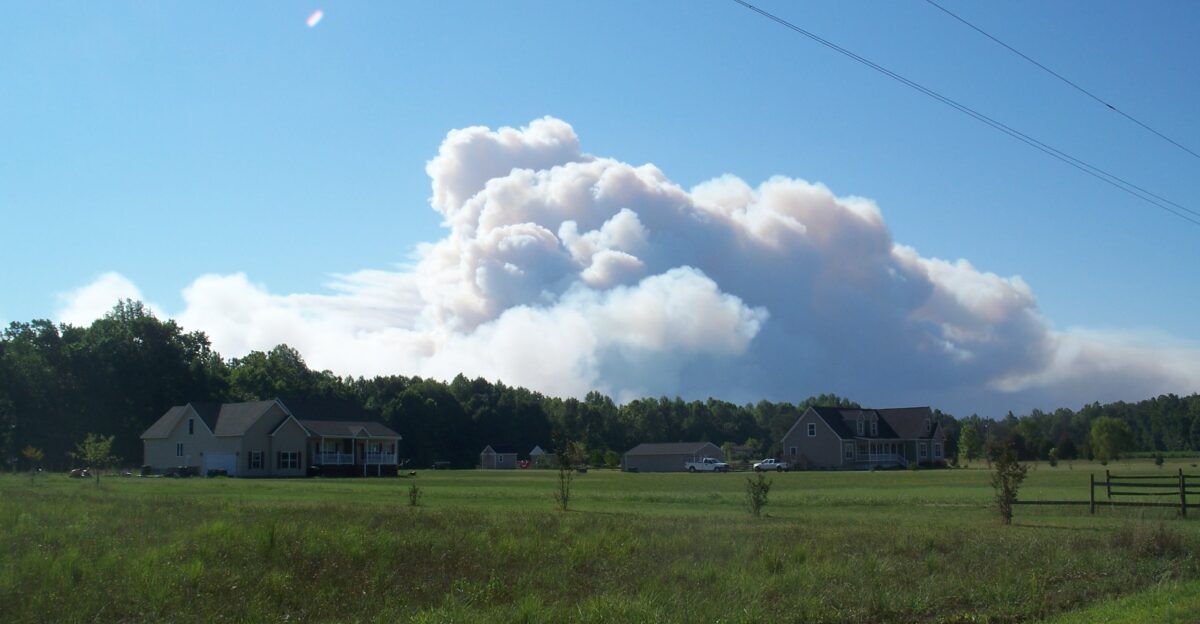
As transitional seasons continue, more air quality events triggered by wildfire smoke remain a possibility. Monitoring and public awareness of air quality forecasts are essential for maintaining public health in the face of this recurring environmental hazard.
With wildfire activity on the rise, preparedness remains crucial for communities across the U.S. These events are expected to become more frequent, underscoring the need for continued vigilance and response strategies.