
After 141 years of operation, dating back to 1882, the Jones family lumber business faced its darkest hour. Wilson Jones, a sixth-generation lumberman, permanently closed Mackey’s Ferry Sawmill in Roper, North Carolin, on July 21, 2025.
The closure resulted in the elimination of 50 jobs in Washington County, where the mill had served as the largest private employer in this rural community.
The Trump Voter’s Perspective

Wilson Jones supported Donald Trump’s economic policies and believed in his America First agenda. However, Trump’s “Liberation Day” tariffs, announced on April 2, 2025, triggered a cascade of consequences that ultimately led to the destruction of his family business.
Despite losing his mill and 50 jobs, Jones expressed complex feelings about his political choices, saying he regretted certain aspects of Trump’s policies.
Liberation Day Launches Tariffs
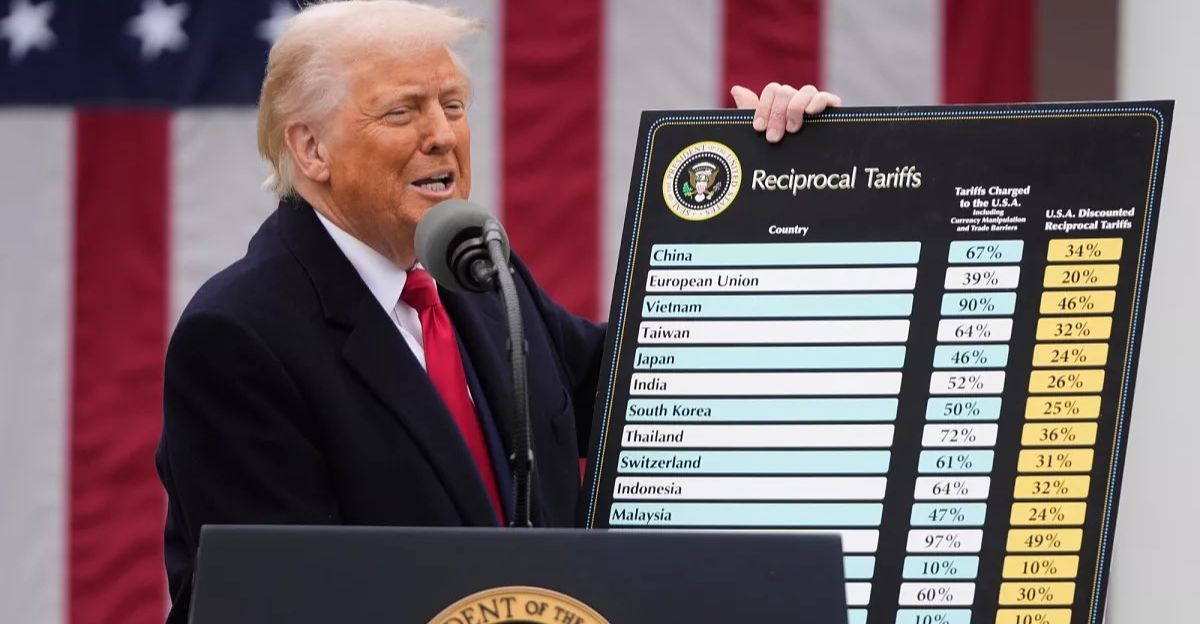
On April 2, 2025, in a White House Rose Garden ceremony, President Trump announced sweeping new tariffs—declaring the date “Liberation Day” and describing it as a declaration of “economic independence.”
A 10% baseline tariff will take effect on April 5 for imports from all countries, with country-specific tariffs commencing on April 9. Trump’s administration called these “reciprocal tariffs” aimed at correcting trade deficits.
China Retaliates Against U.S. Hardwood

China responded with severe retaliatory tariffs: a 120% tariff on American hardwood products. This effectively eliminated what had been the largest export market for U.S. hardwood lumber.
Prior to the tariffs, U.S. hardwood exports to China were approximately $2 billion—nearly 50% of total U.S. hardwood grade lumber produced, making China the dominant market.
Caught in the Crossfire
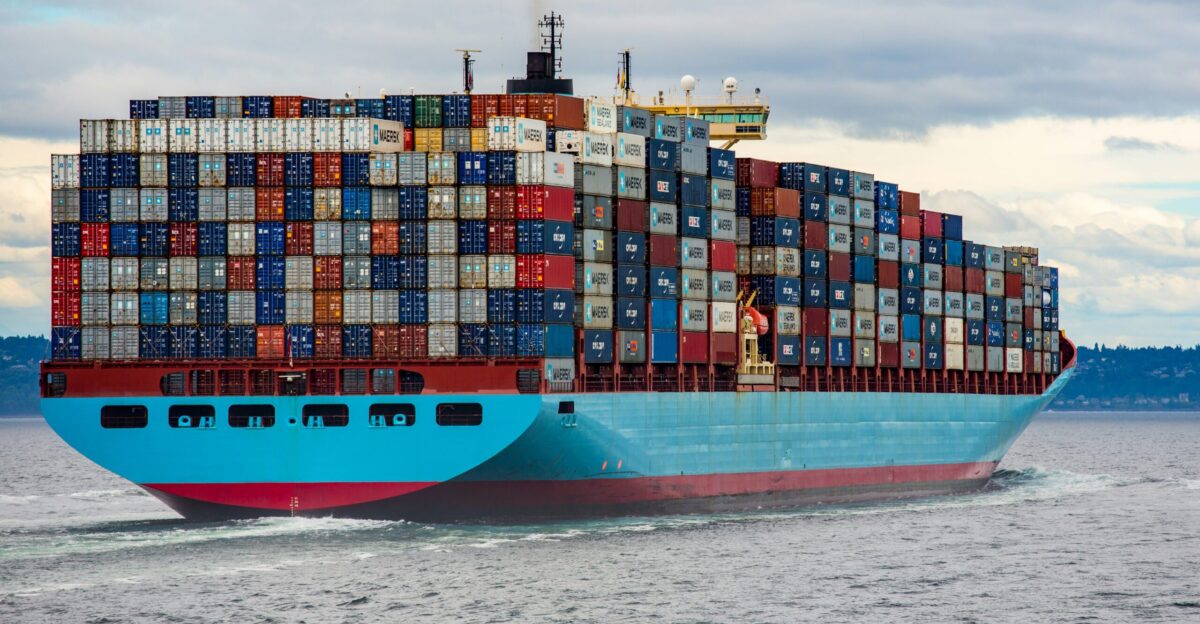
Jones described his predicament: “We’re in this unique situation where we’re getting hit going and coming.” When tariffs hit, the mill had approximately $350,000 to $400,000 worth of lumber already on ships bound for China.
Bringing it back wasn’t feasible—freight costs from China were about eight times higher in reverse, making salvage impossible at profit margins.
The Rerouting Attempt

Jones attempted to salvage shipments by rerouting through Vietnam, where he found alternative buyers. However, Vietnam typically purchases lower-quality wood than the premium-grade lumber originally destined for China.
He faced significant price concessions for both quality and volume, ultimately accepting a devastating 40% loss on those shipments as the mill’s primary business model collapsed.
Export Dependency Proves Fatal

Approximately 80% of Mackey’s Ferry Sawmill’s production was exported to Asia. This wasn’t unusual—the American hardwood industry had increasingly relied on Chinese demand after domestic furniture manufacturing left North Carolina and moved overseas.
China represented the dominant global market for premium American hardwood, and no alternative market could match its volume or price expectations.
Four Decades of Modernization
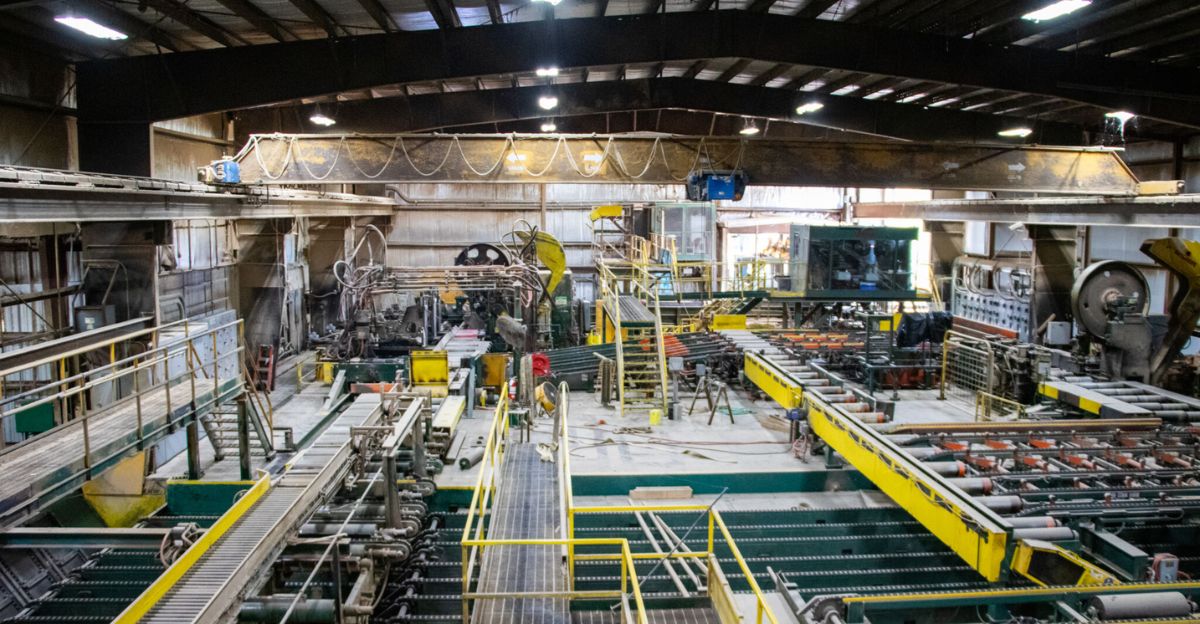
The Jones brothers, Wilson and Stephen, had spent decades building their operation. After purchasing Mackey’s Ferry piece by piece at auction in late 1986, they modernized the facility from 1995 through 2002 into a state-of-the-art hardwood sawmill.
The facility successfully adapted when North Carolina’s furniture industry collapsed by pivoting to Asian export markets. Together, their two mills employed 130 people across northeast North Carolina.
Long-Term Workers Left Behind
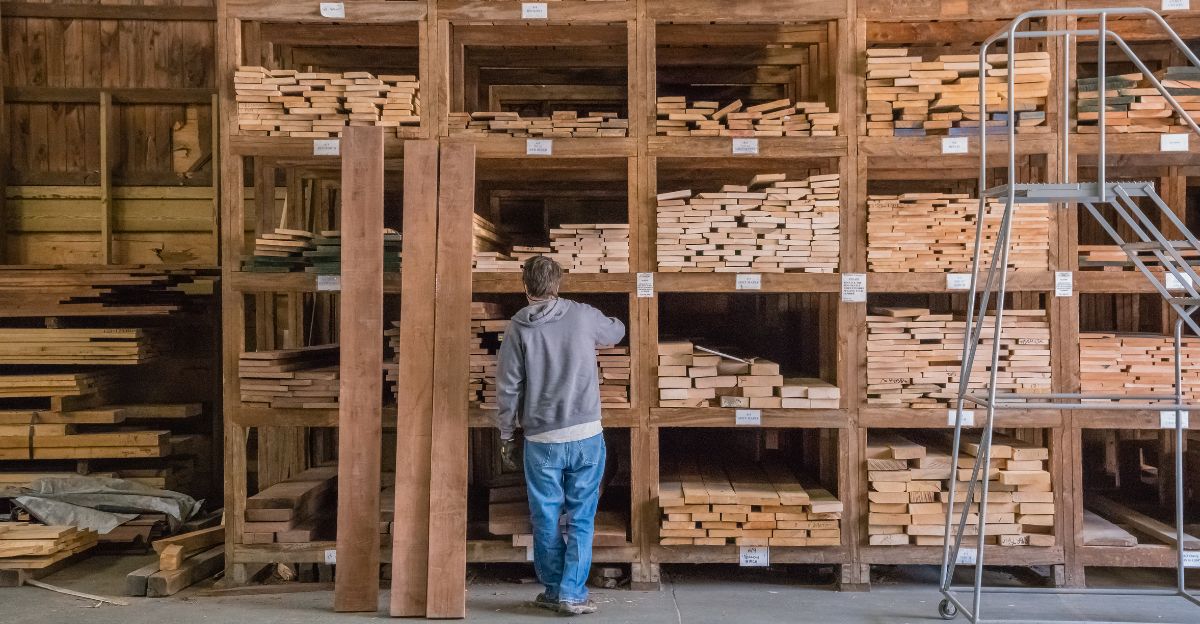
More than 40 of the 50 Mackey’s Ferry employees had worked there for at least 10 years. Jones’s maintenance foreman was present for the first board cut in 1986 and the final board on July 21, 2025.
While Jones offered displaced workers jobs at his Elizabeth City plant 60 miles away, only about a dozen could accept. In rural Washington County, these weren’t just jobs—they were family-wage careers supporting entire families.
The Human Cost
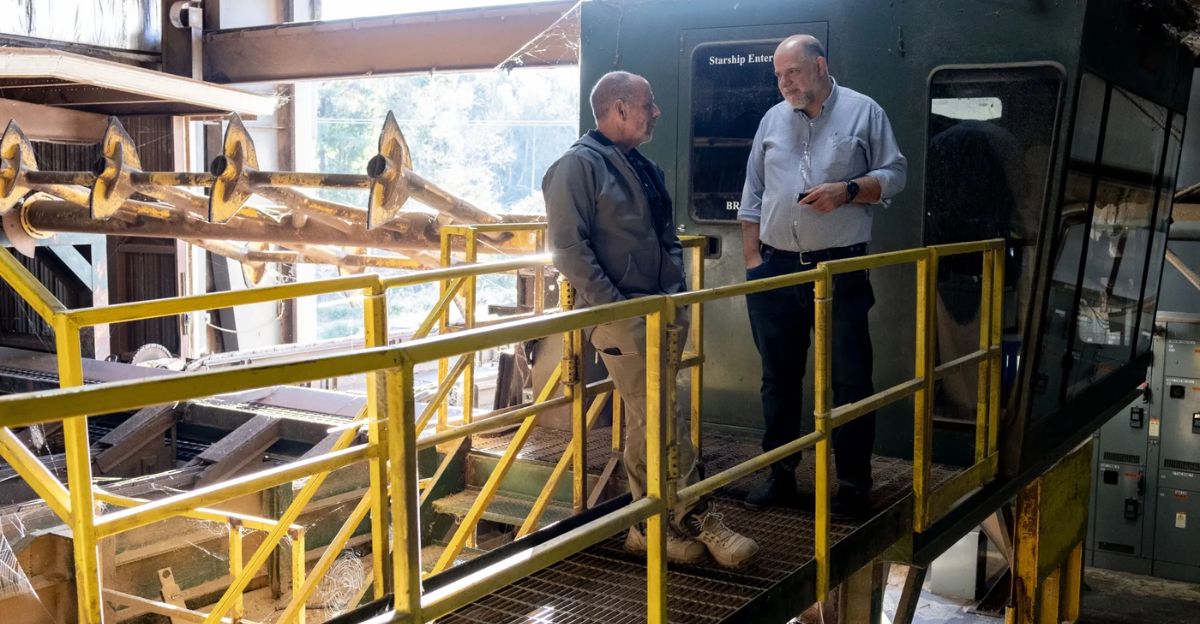
Jones spoke emotionally about his workforce: “They’re guys that are cold in the wintertime and sweaty and dusty in the summertime. They worked and worked every day, and they took care of their families, paid their taxes, and did all that stuff.”
In communities where alternative employment opportunities are scarce, the loss of 50 family-wage manufacturing jobs creates severe ripple effects throughout the local economy and social fabric.
A Message to the President

Jones had a direct message for President Trump: “Come down here and look, and don’t just make blanket edicts because that’s the edict of the day.” He wanted the administration to understand the real-world consequences of tariff policy in rural communities.
The final shipment of 15-20 truckloads prepared for Asian customers remains unsold, a tangible symbol of lost opportunities and broken supply chains.
38 Years of Personal Investment
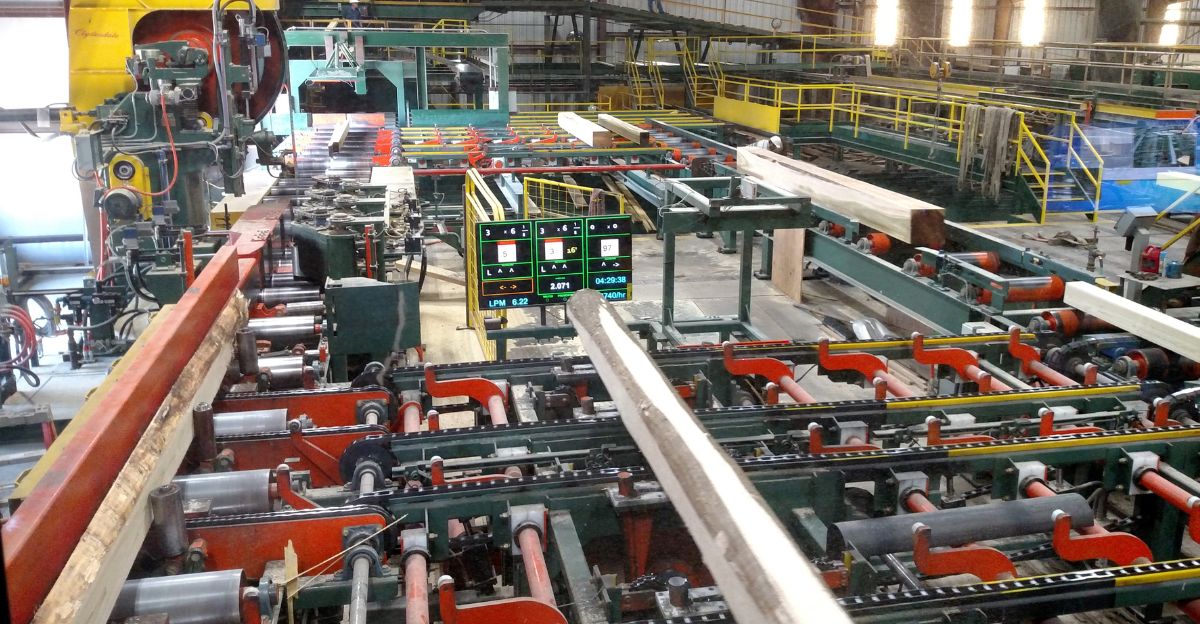
After 38 years of personal investment and commitment, Wilson Jones was forced to shut down.
The family business spanning 141 years—dating back to 1882—ended not because of mismanagement or market decline, but due to sudden policy shifts that eliminated access to markets essential to survival. For Jones and his workers, “Liberation Day” meant economic devastation, not the liberation promised in the announcement.
The Broader Hardwood Industry Impact
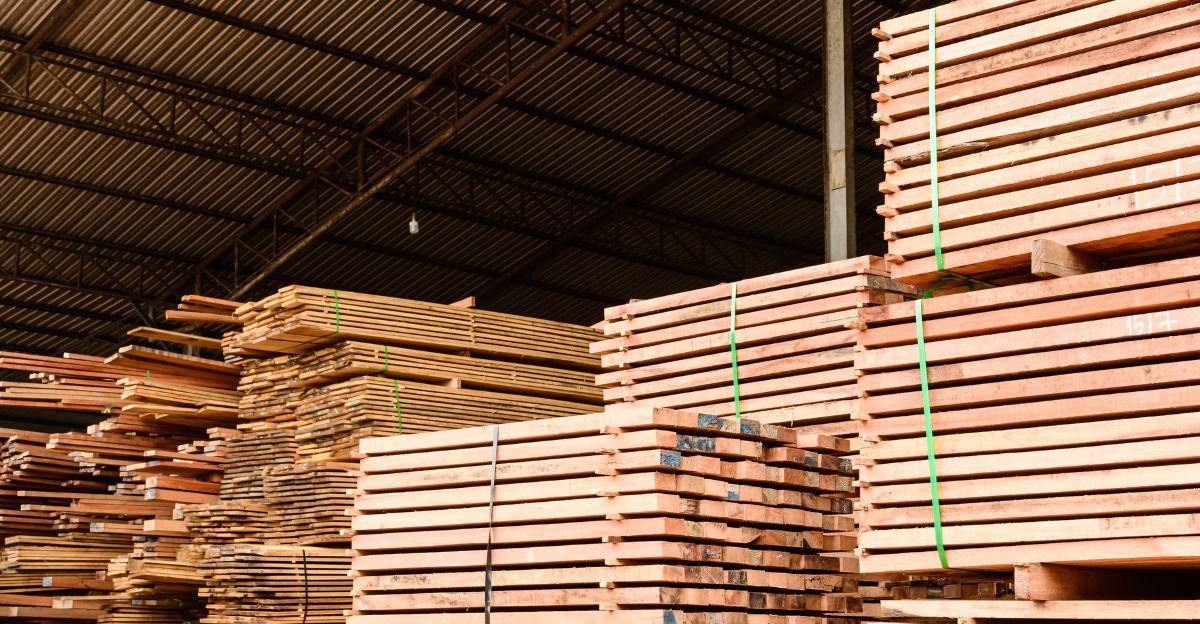
The American hardwood lumber industry faced severe challenges following China’s retaliatory response. Market data indicate that prior to 2025, China accounted for nearly 50% of U.S. hardwood grade lumber exports, representing approximately $2 billion in annual trade.
The sudden closure of this critical market threatened mills across the United States that had specialized in premium hardwood export production, leaving smaller mills especially vulnerable to sudden market disruptions.
Rural Communities at Risk

In the South, forestry and forest products manufacturing employ over 1.3 million people and generate more than $250 billion in annual economic output. These jobs serve as critical economic anchors for rural communities where alternative employment opportunities are limited.
The closure of operations like Mackey’s Ferry Sawmill carries outsized impacts on rural economies already struggling with manufacturing decline and population loss, disrupting the stable family-wage employment these communities depend on.
The Irony of Liberation

Trump’s “Liberation Day” tariffs were intended to free American manufacturers from unfair foreign competition. Instead, for Wilson Jones and his 50 employees in rural North Carolina, the tariffs liberated them—but not as intended.
After building a modern, efficient operation and adapting to market shifts, the mill closed not due to competition or poor management, but due to a policy that eliminated the markets on which survival depended.