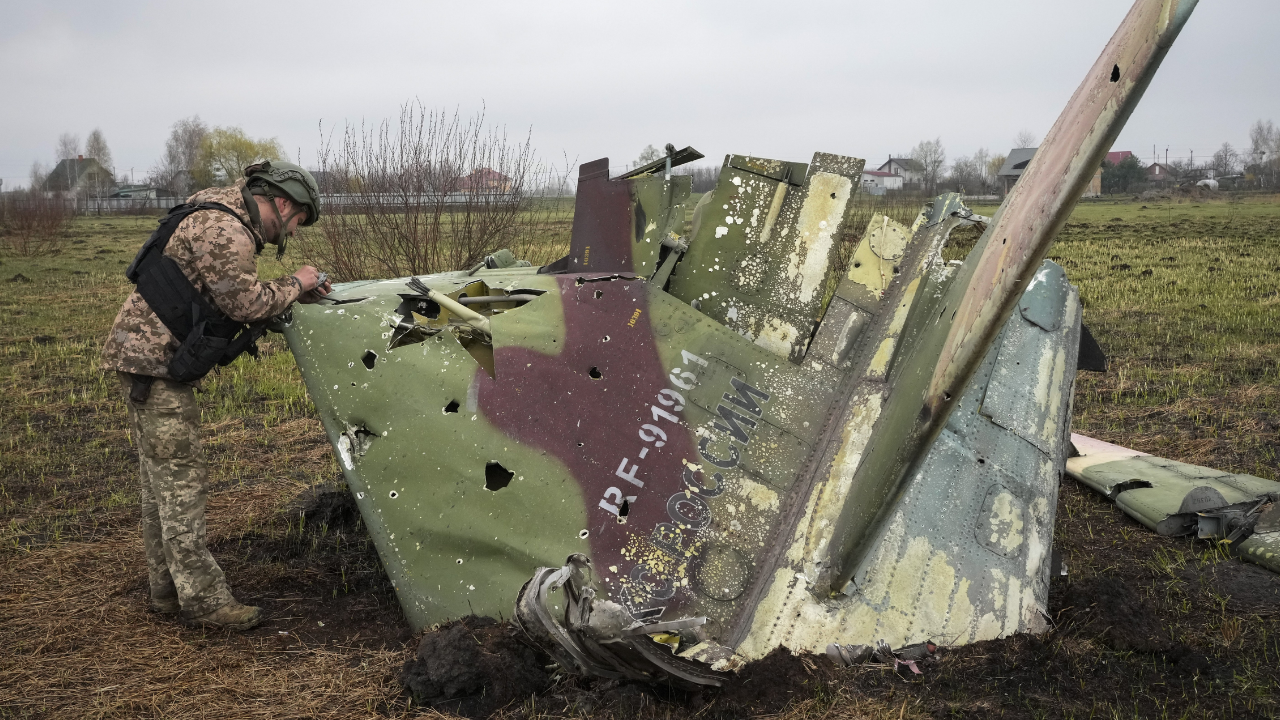
A Russian drone shot down near a U.S. Army base in Estonia has ignited new anxieties throughout Europe. The incident, which remained undisclosed for nearly two weeks, signals a significant escalation in the existing stalemate between NATO and Russia.
With tensions climbing, officials reiterate that the implications for Estonia and the entire NATO alliance have never been more pronounced. The situation underscores the precarious balance of power in the region, compelling member states to reevaluate their defense strategies amid ongoing Russian provocations.
The Incident That Sparked Concern
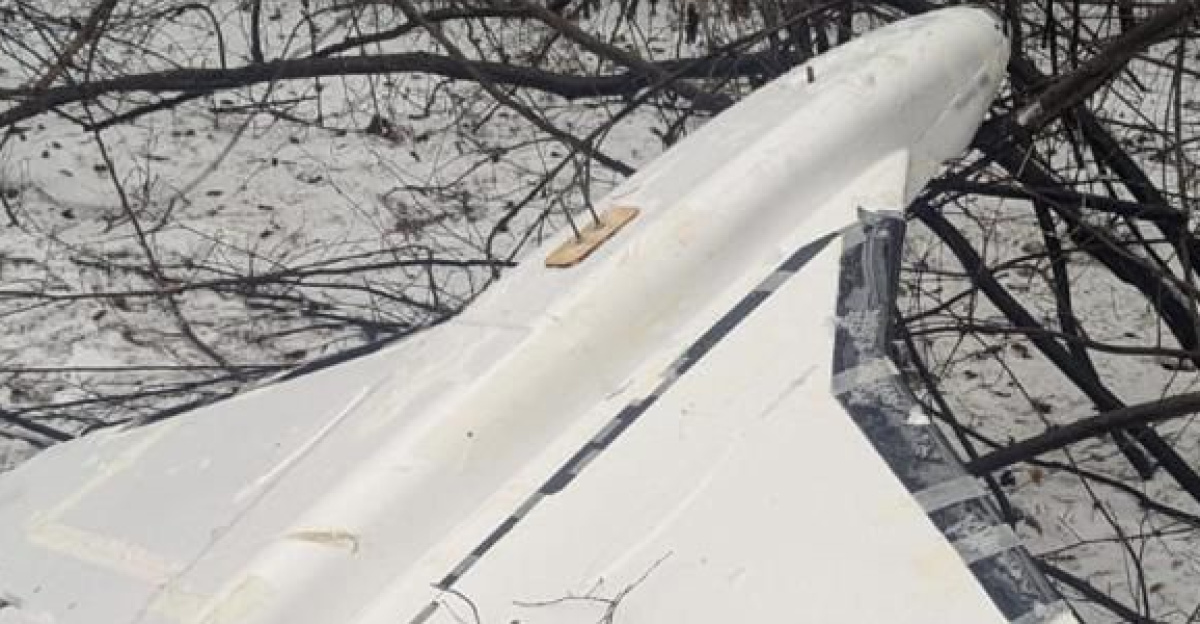
On October 17, 2025, NATO forces successfully intercepted and turned off a Russian drone located within 30 miles of the Russian border, near Camp Reedo, home to the U.S. Army’s 5th Squadron. This base has become a focal point for NATO operations, highlighting Estonia’s position as a frontline state.
As NATO officials issued stern warnings that future airspace violations would be met with force, fears of confrontation with Russia have escalated. The alliance’s decisive action illustrates its commitment to safeguarding member nations.
A Historical Context
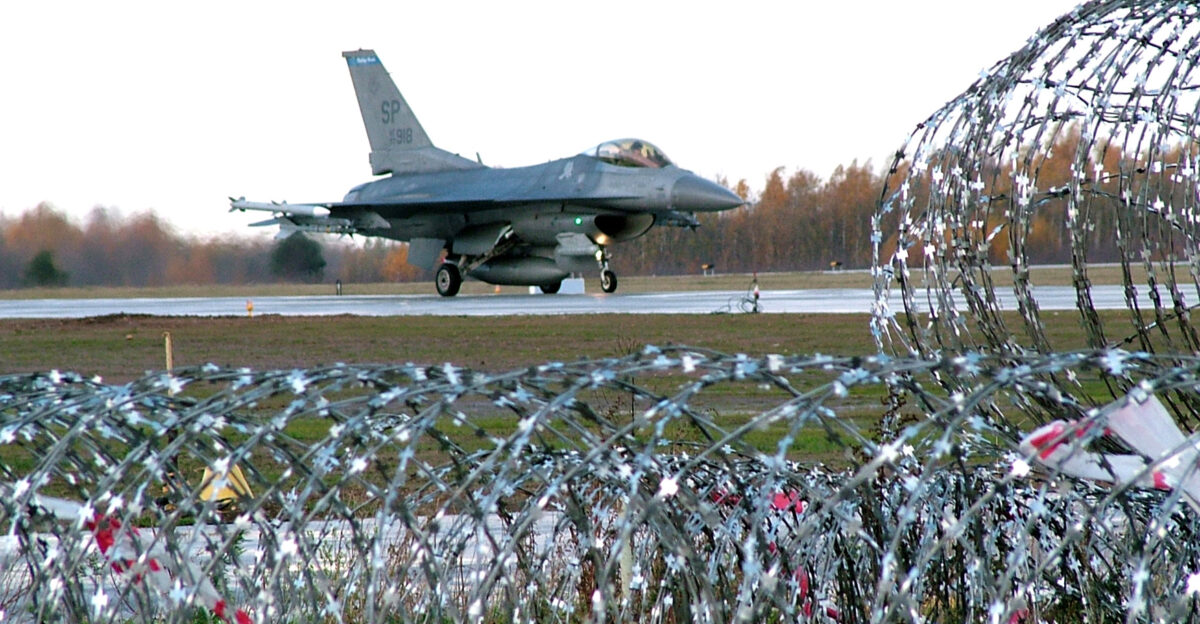
Estonia’s past is fraught with Russian occupations and aggressive incursions. Since achieving independence in 1991, the Baltic nation has continually faced “gray-zone” warfare, which includes cyberattacks, sabotage, and airspace infringements.
The Baltic Air Policing mission, initiated in 2004, serves as Estonia’s primary defense against Russian aggression, involving rotating deployments of multinational fighter jets and advanced air defense systems. This historical backdrop informs current circumstances, making citizens acutely aware of external threats to their sovereignty.
Escalating Provocations
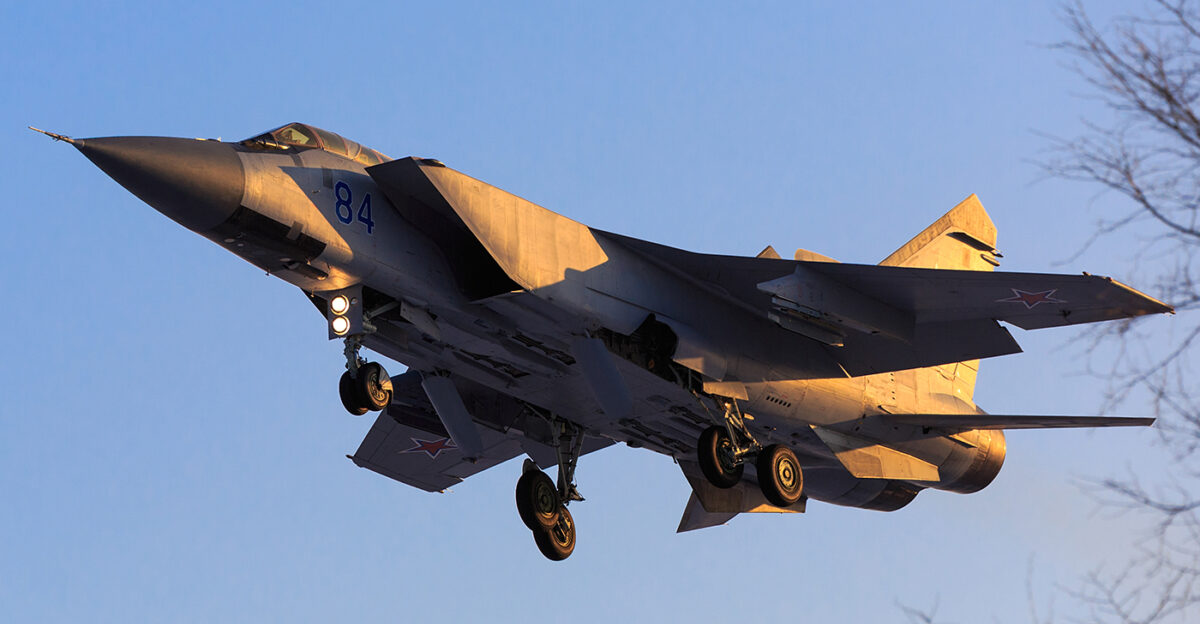
Recent months have witnessed a notable uptick in Russian aggression, intensifying the situation for Estonia. Last September, three Russian MiG-31 fighters violated Estonian airspace, remaining in the area for a tense twelve minutes before NATO aircraft intervened.
In response, Estonia has dramatically increased its defense budget, committing to $4.7 billion in U.S. weaponry, including advanced missile systems, demonstrating a determined military buildup along NATO’s eastern perimeter. The events underscore a climate of escalating military preparedness in light of unwarranted provocations.
A Defining Military Engagement
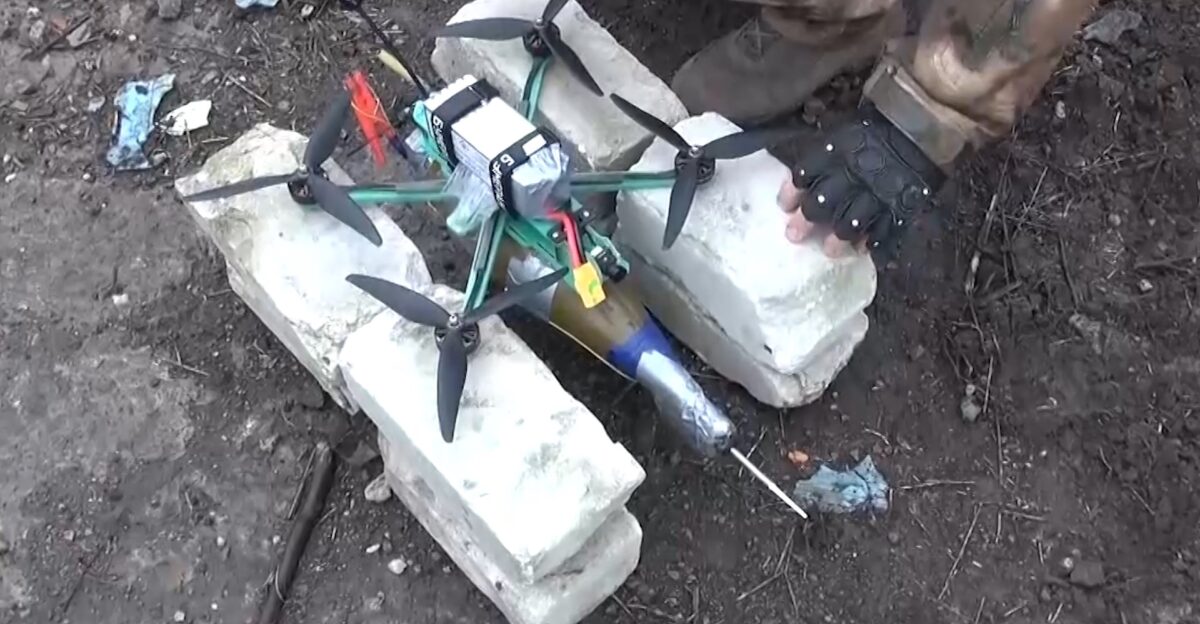
The pivotal moment came on October 17, 2025, when NATO forces shot down a Russian drone near Camp Reedo. Utilizing an anti-drone rifle, soldiers turned off the aircraft after detecting two drones in the vicinity.
This event marks a watershed moment, representing direct military engagement between NATO and Russian forces and signaling the alliance’s hardened stance on protecting its borders. Analysts view this as a crucial step back from mere deterrence toward active defense, revealing NATO’s commitment to the security of its member states.
Security Measures Amplified
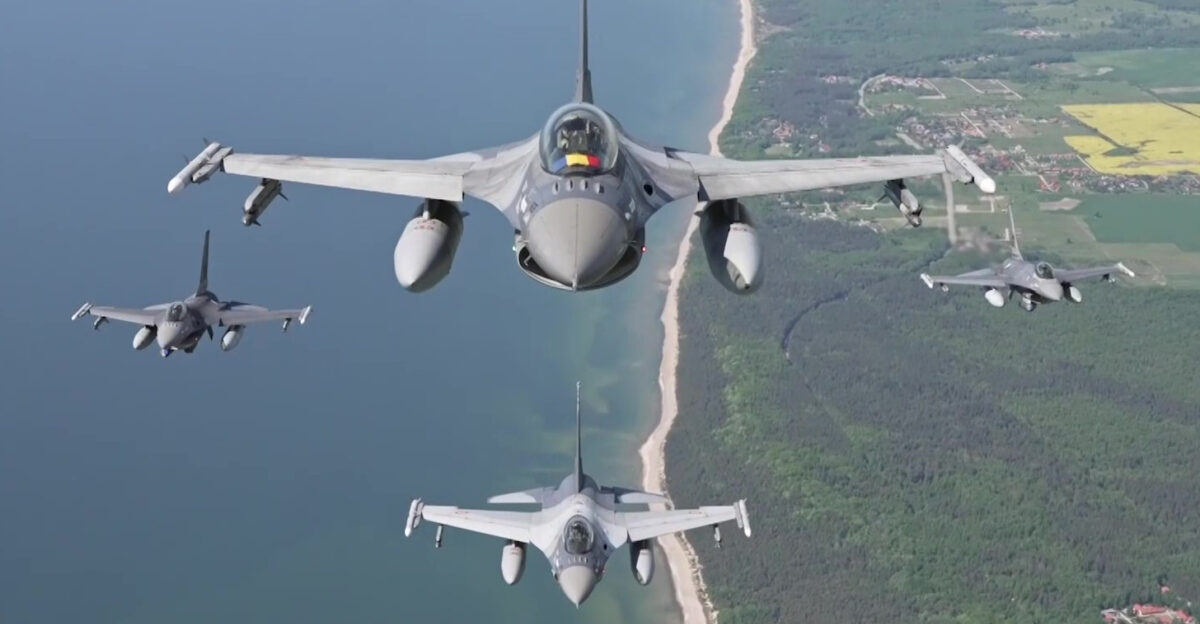
Following the drone incident, security protocols across the Baltic region have intensified significantly. Estonia, Latvia, and Lithuania have intensified their joint air defense exercises and patrols, thereby strengthening their collective security posture.
As the U.S. reiterates its commitment to maintaining troop presence in Estonia, even while reducing numbers elsewhere in Europe, local defense officials emphasize that the defense of Estonia symbolizes the defense of NATO as a whole. This coordinated effort aims to deter any potential Russian aggression.
Voices of Resilience
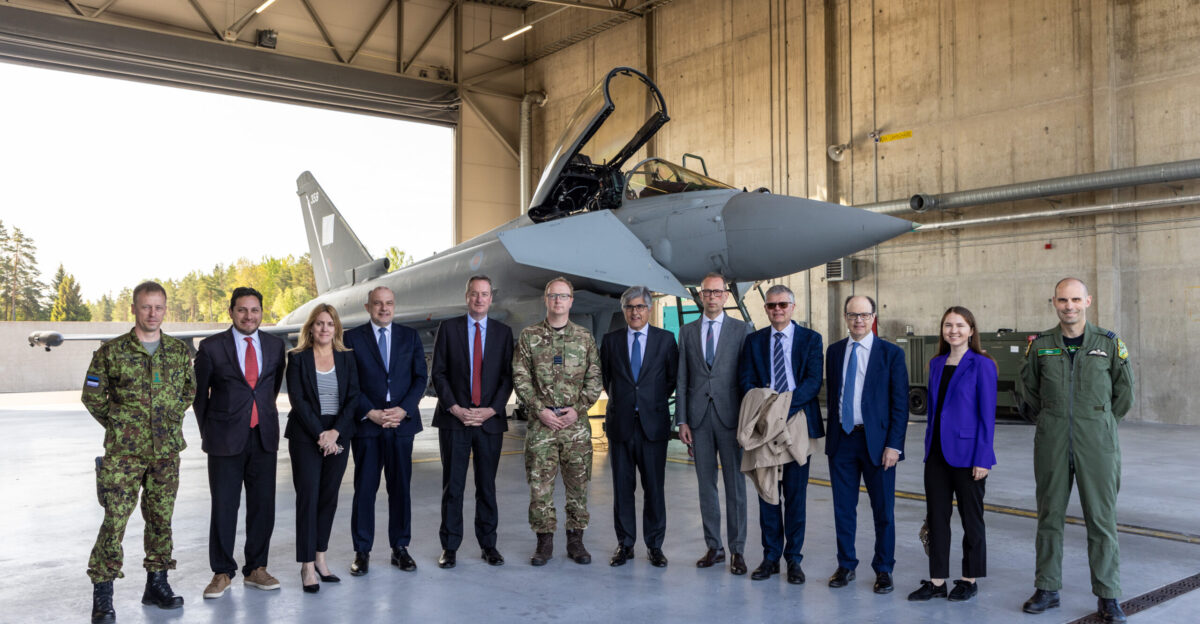
For many Estonians, the threat from Russia is deeply embedded in their national consciousness. “Every Estonian family lost someone under communist rule,” reflects one resident, capturing the collective memory of past injustices.
Today, the nation bolsters its defenses through resilience training and compulsory military service for citizens, which signifies a state of continuous readiness. Italian Defense Minister Guido Crosetto noted, “We’re here to show with our physical presence that we are an alliance,” enhancing the collaborative spirit within NATO.
NATO’s Strengthened Stance
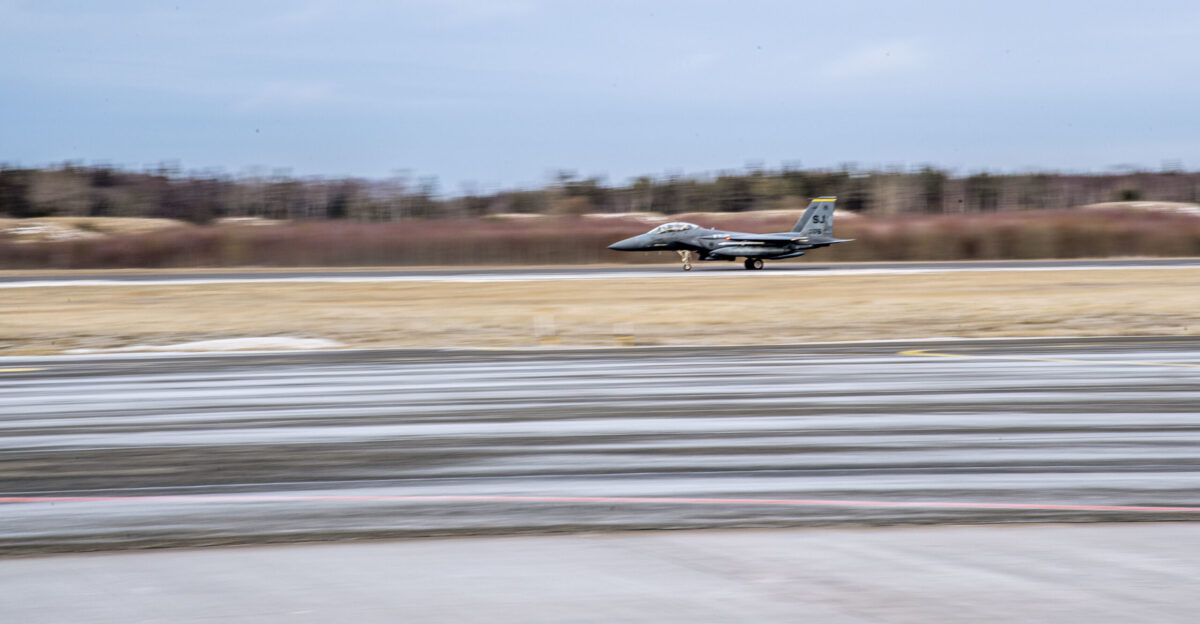
In light of escalating threats, NATO’s response has been unequivocally assertive. Several hundred Italian troops, alongside F-35 fighters and cutting-edge missile systems, have been deployed to Estonia. Italy has committed to extending its military presence through spring 2026.
Additionally, discussions are underway between Germany and France regarding the enhancement of Europe’s nuclear deterrence. This rapid coalition-building effort conveys a strong message to Moscow: NATO stands united and resolute in the face of aggression, bolstering its collective defense framework.
Broader Implications
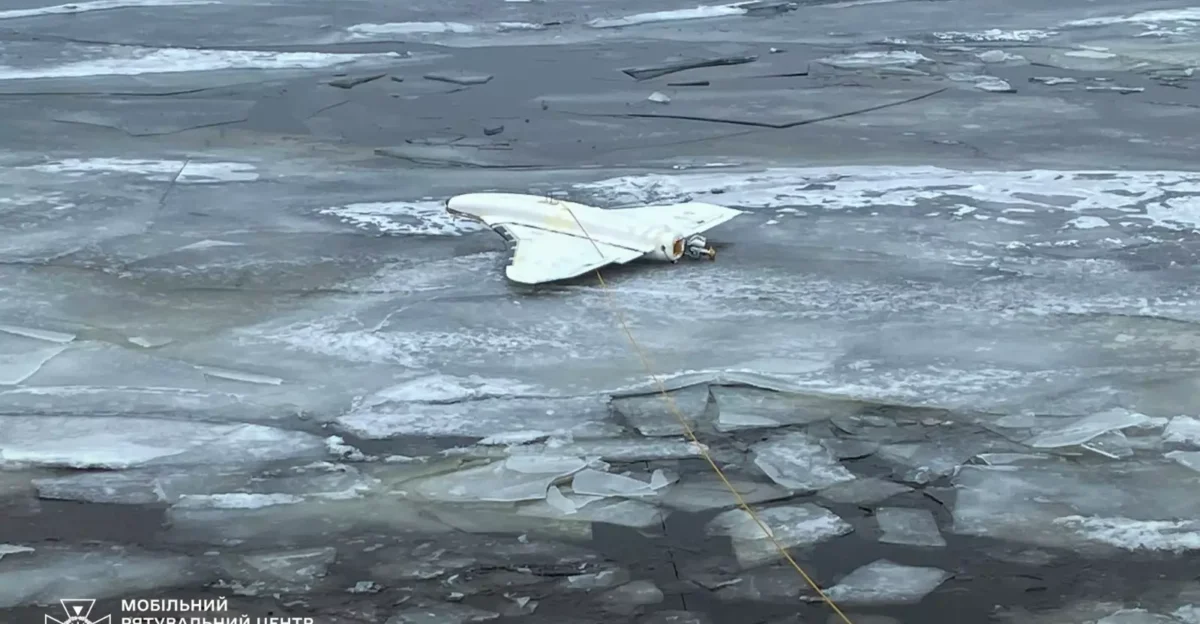
Russian provocations are not restricted to the Estonian theater. In September alone, reports indicate that 21 Russian drones were either shot down or crashed over Poland, with additional interceptions occurring over Romania, Norway, and Germany.
Such activities raise alarm bells among analysts, noting that the ongoing conflict in Ukraine is seeping into Europe, testing NATO’s resolve and stretching its resources across diverse fronts. This broadening spectrum of tension further complicates the strategic landscape for Europe.
The Silent War in Estonia
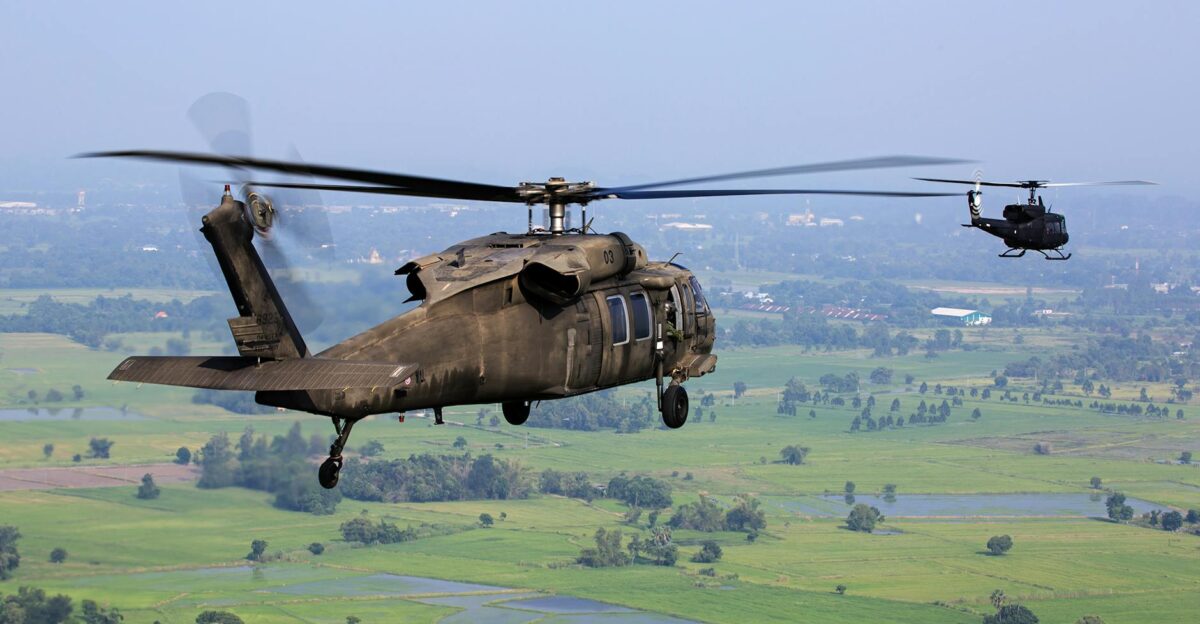
Underpinning these events is a palpable sense of an “unofficial” conflict, which may be characterized as a “silent war.” Estonia finds itself facing myriad hostile actions, including drone incursions, airspace violations, and cyberattacks, none reaching the threshold of declared war.
Officials have suggested that these gray-zone tactics aim to destabilize the region and erode confidence in NATO’s defensive capabilities. As tensions mount, the potential for miscalculations grows, heightening the risk of unintended escalations.
Strains on National Resources
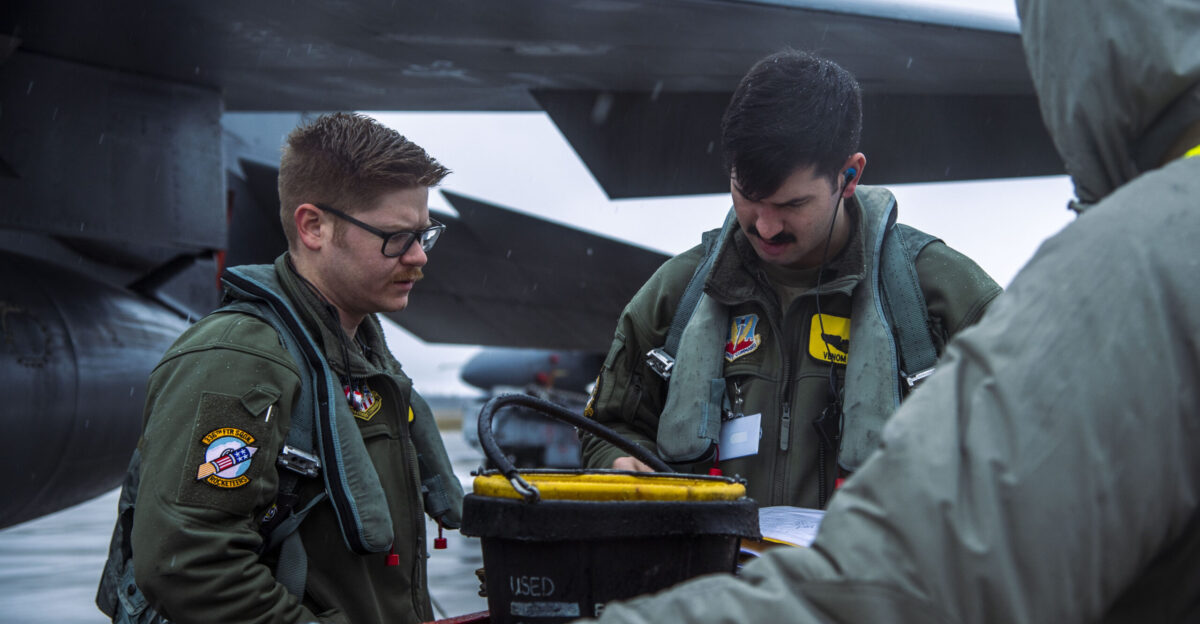
The constant threat posed by Russian military activities has exerted significant strain on Estonia’s military and civilian capabilities. Projections indicate that defense spending may escalate to 5.4% of GDP by 2026, markedly above NATO’s recommended average.
Such fiscal commitments have led some officials to express concerns over resource depletion and potential burnout within civilian and military ranks. Yet, others posit that the emphasis on resilience and readiness is essential for national survival under current conditions.
Global Reactions
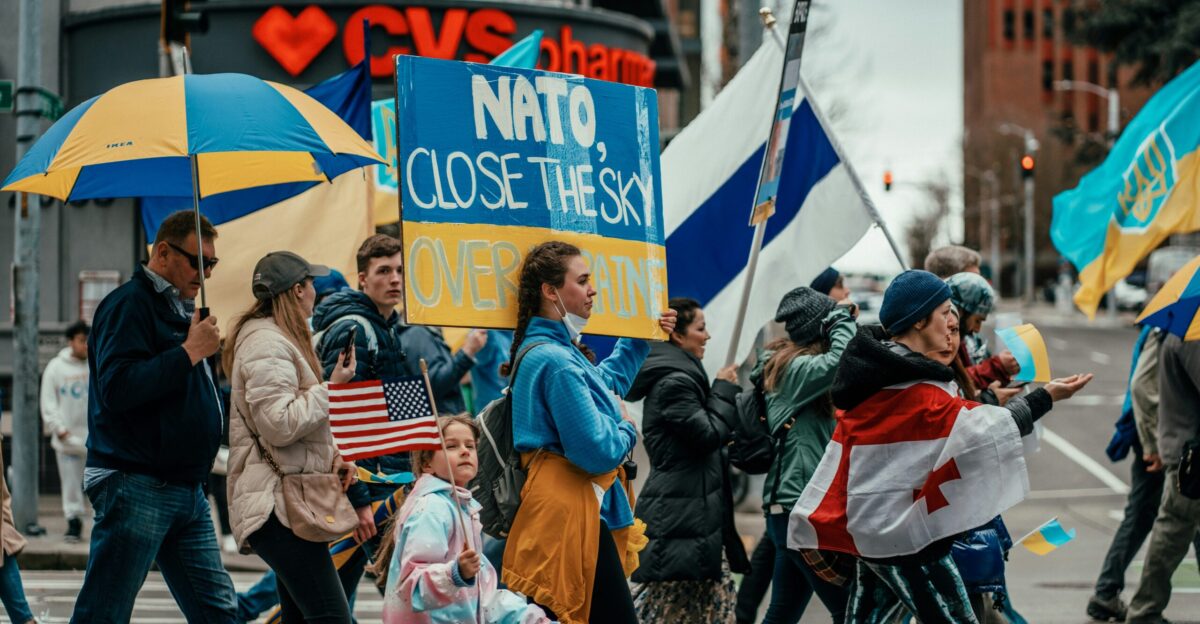
The international community is closely monitoring developments in Estonia, and reactions vary across the geopolitical spectrum. Western allies have rallied in support of NATO’s actions, with calls for increased military aid and joint exercises.
Meanwhile, Russian officials have dismissed NATO’s maneuvers as provocative, threatening reciprocal actions. The stark divergence in perceptions complicates diplomatic efforts and raises the specter of prolonged tensions, manifesting in both verbal rhetoric and military posturing.
An Uncertain Future
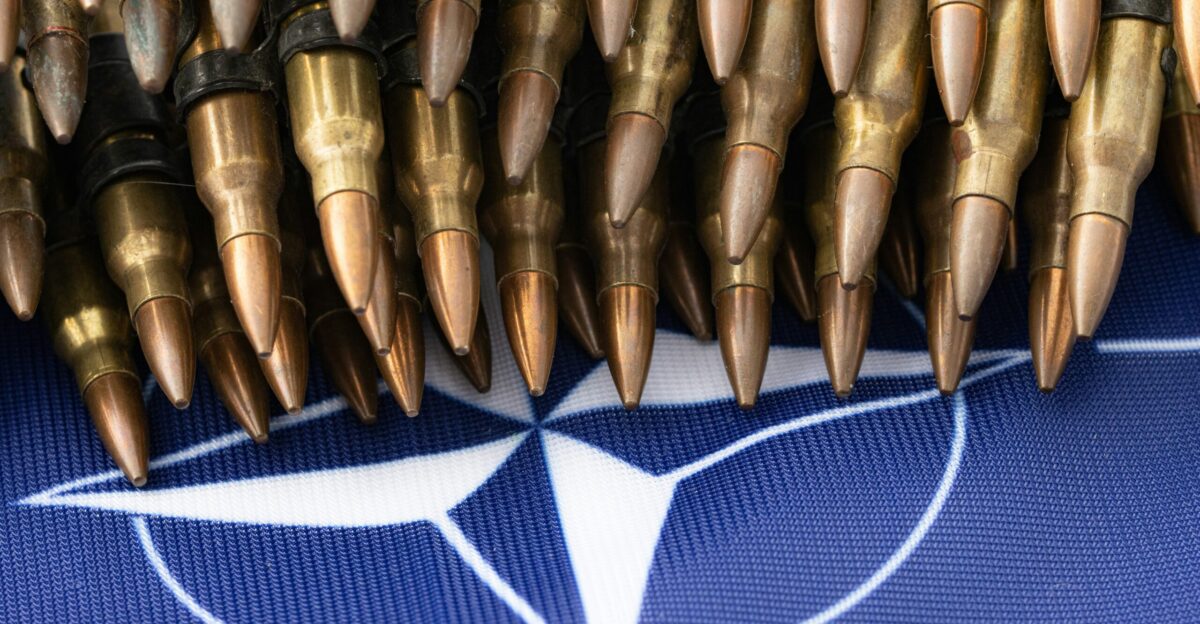
As the situation continues to evolve, uncertainty looms over Estonia and the surrounding nations. Analysts stress that the growing military presence and heightened defense readiness are crucial, yet they also caution against the potential escalation of conflict.
Collective efforts at deterrence could easily tip into misjudgment. In this environment, the importance of maintaining open lines of communication alongside military preparedness cannot be overstated, as NATO navigates this complex landscape.
Citizen Sentiment
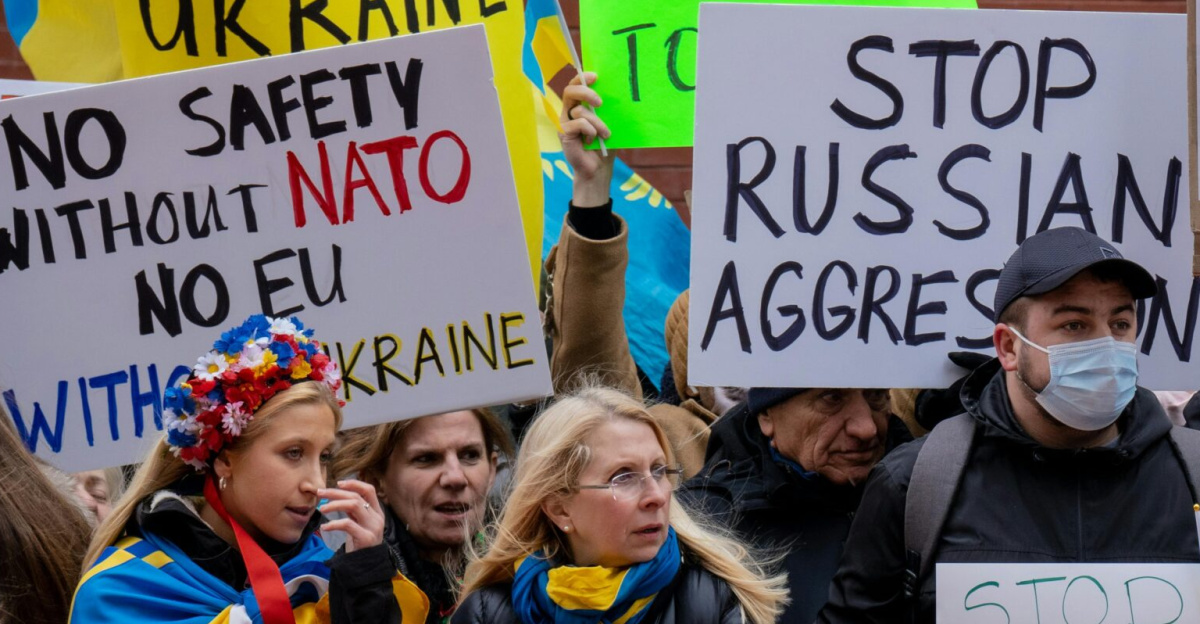
Among the populace, opinions on NATO’s strategies reflect a mixture of support and apprehension. Citizens express pride in the alliances formed to counter Russian threats but harbor fears of potential military backlash.
“We are stronger together,” an Estonian woman asserts, capturing the sentiment of a society keenly aware of its historical vulnerabilities. The nation’s resolve, bolstered by international partnerships, is indicative of a population willing to confront challenges head-on, while also yearning for lasting peace.
A Call for Unity
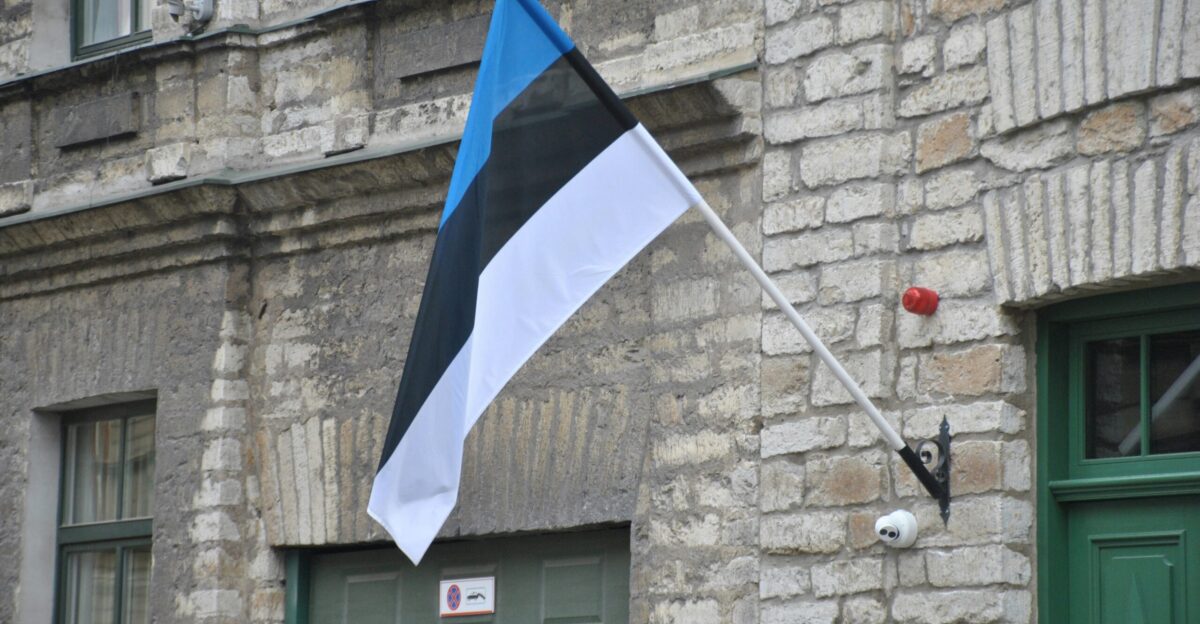
In the face of rising tensions and challenges, the narrative unfolding in Estonia serves as a microcosm of broader geopolitical dynamics. The successful downing of the Russian drone signifies not only a defense of national sovereignty but also a commitment to collective security by NATO.
Each step taken underscores the importance of unity among member states, as Estonia remains a symbol of resilience and perseverance. Moving forward, addressing both military preparedness and diplomatic engagements will be vital in navigating these turbulent waters.