
Elon Musk’s world is unraveling as NASA threatens to reopen the Artemis III contract, risking SpaceX’s $2.9 billion stake in America’s lunar ambitions.
The shockwave began on October 20, 2025, when Acting NASA Administrator Sean Duffy declared that the Artemis mission’s future would be up for grabs. Musk, furious, wasted no time in attacking Duffy on social media, questioning his competence.
With the race to the Moon on the line, can SpaceX hold its ground, or will another competitor take the lead?
Shutdown Chaos Hits NASA
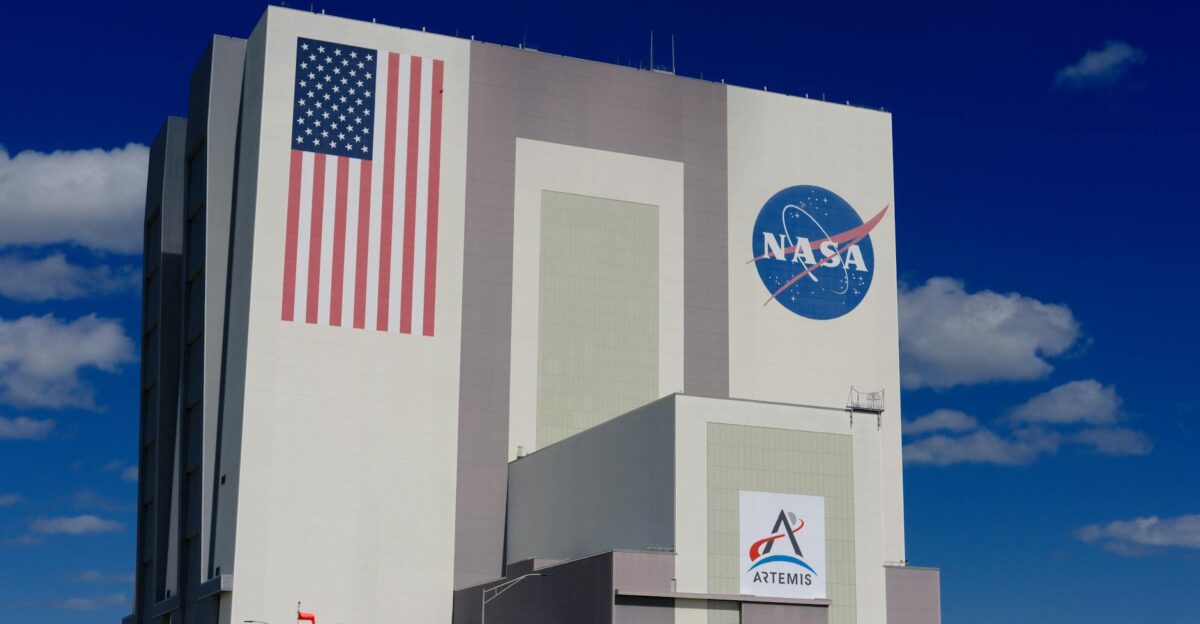
A government shutdown has furloughed 83% of NASA’s workforce — approximately 15,000 people — including engineers and mission planners responsible for the Artemis program.
While SpaceX and NASA scramble to preserve the program’s momentum, Duffy warns that China’s goal to land astronauts before 2030 could overtake U.S. ambitions. Pressure is mounting fast, and every day lost magnifies the threat to American leadership in space.
The Contract That Started It All
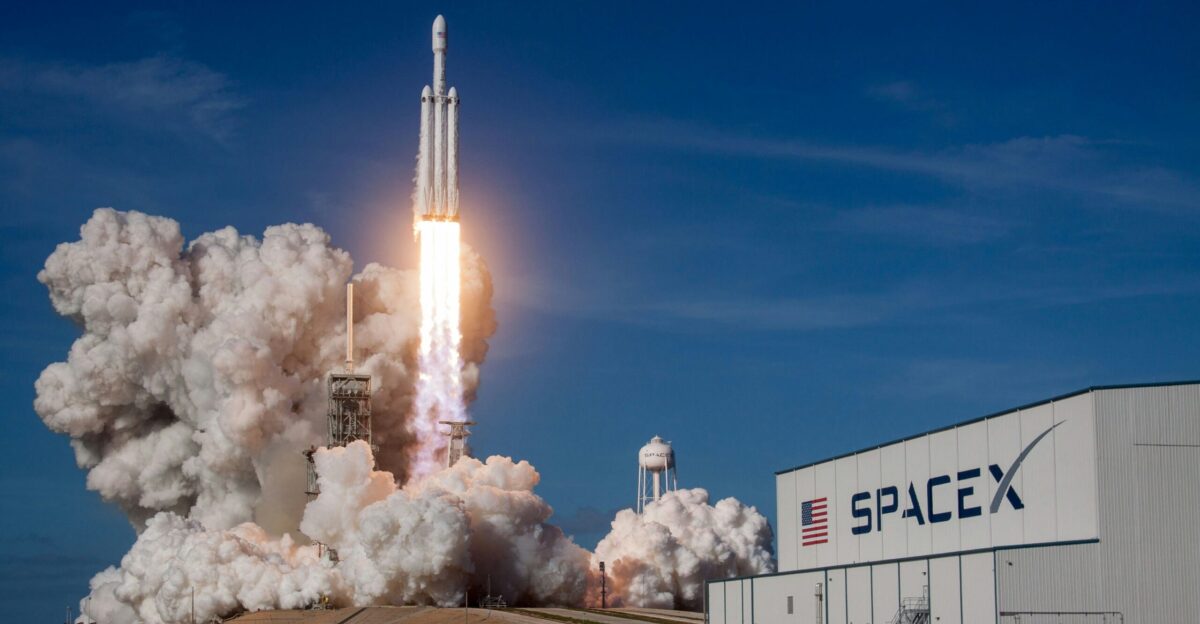
In April 2021, NASA selected SpaceX to develop the Starship Human Landing System for Artemis III, a mission aimed at returning astronauts to the Moon by mid-2027.
Blue Origin and Dynetics originally competed but lost. SpaceX’s win positioned Elon Musk as the leading figure in America’s lunar strategy — until now. Four years later, that prized deal is suddenly more vulnerable than ever.
A Rocket Races the Clock
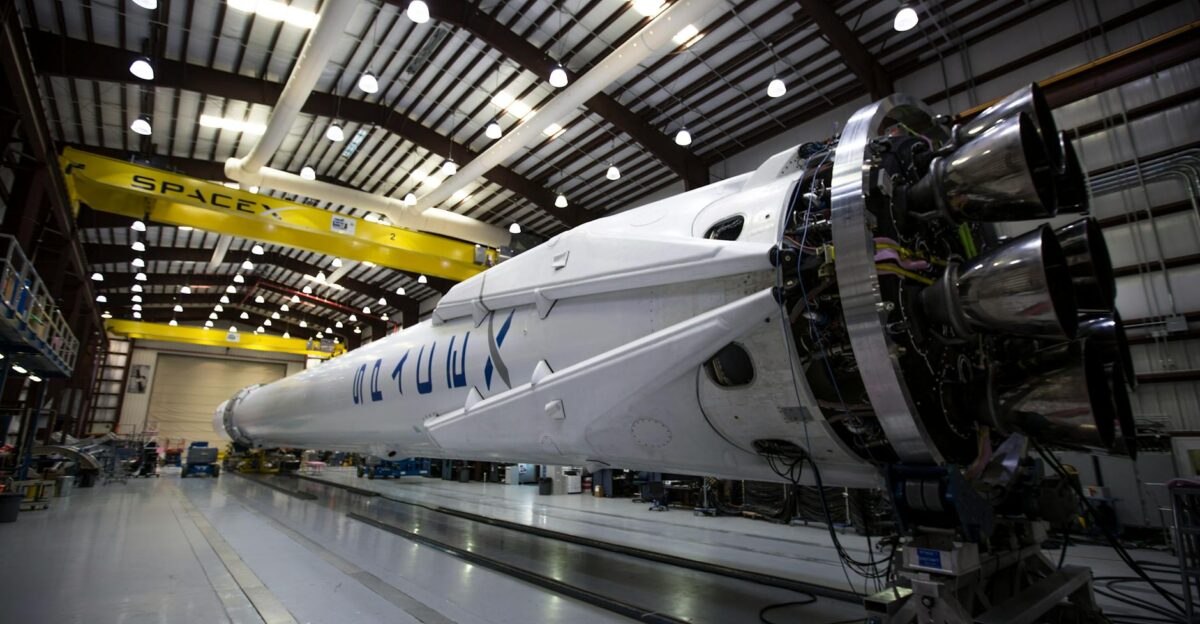
Starship is the most powerful rocket ever built — but it had a challenging year. Three test failures between January and May 2025 (Flights 7, 8, and 9) and complex in-orbit refueling plans triggered doubts about SpaceX’s speed and safety.
However, Flights 10 and 11 in August and October were successful. NASA insiders fear the U.S. could be forced to watch China claim the next giant leap if delays continue.
The Announcement That Lit the Fuse
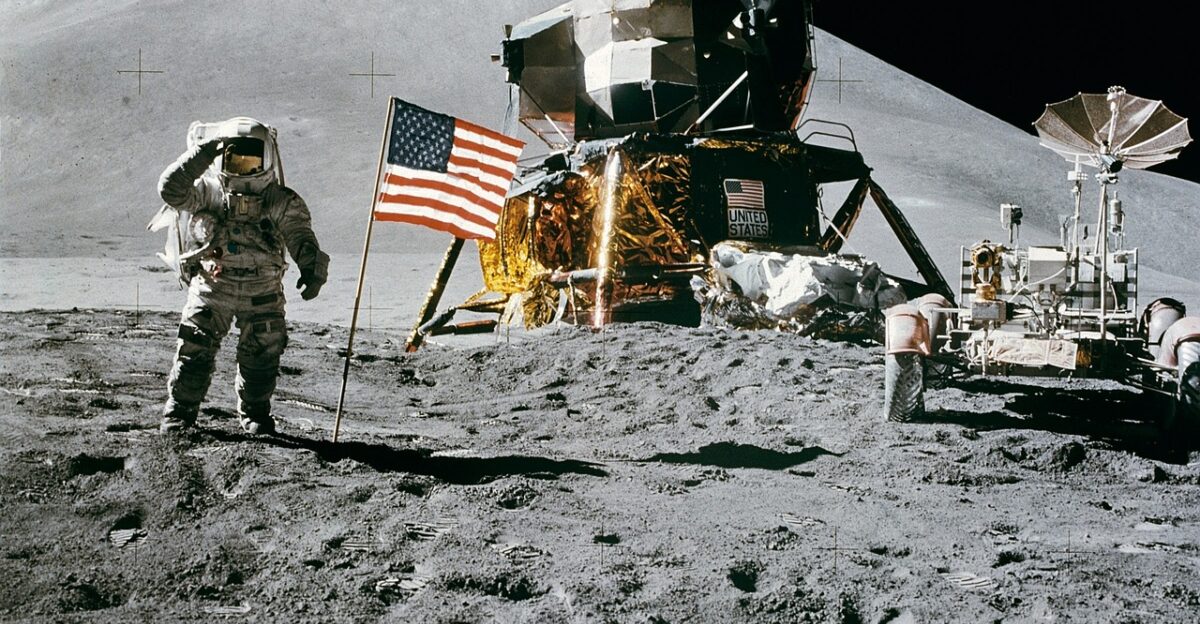
On October 20, 2025, Duffy announced that NASA would reopen the Artemis III bidding process, allowing rivals to challenge SpaceX’s grip on the moon mission.
The response was instant: Elon Musk launched a multi-day tirade online, personally attacking Duffy and accusing him of sabotaging the future of human space exploration.
Ripple Effects at America’s Space Hubs
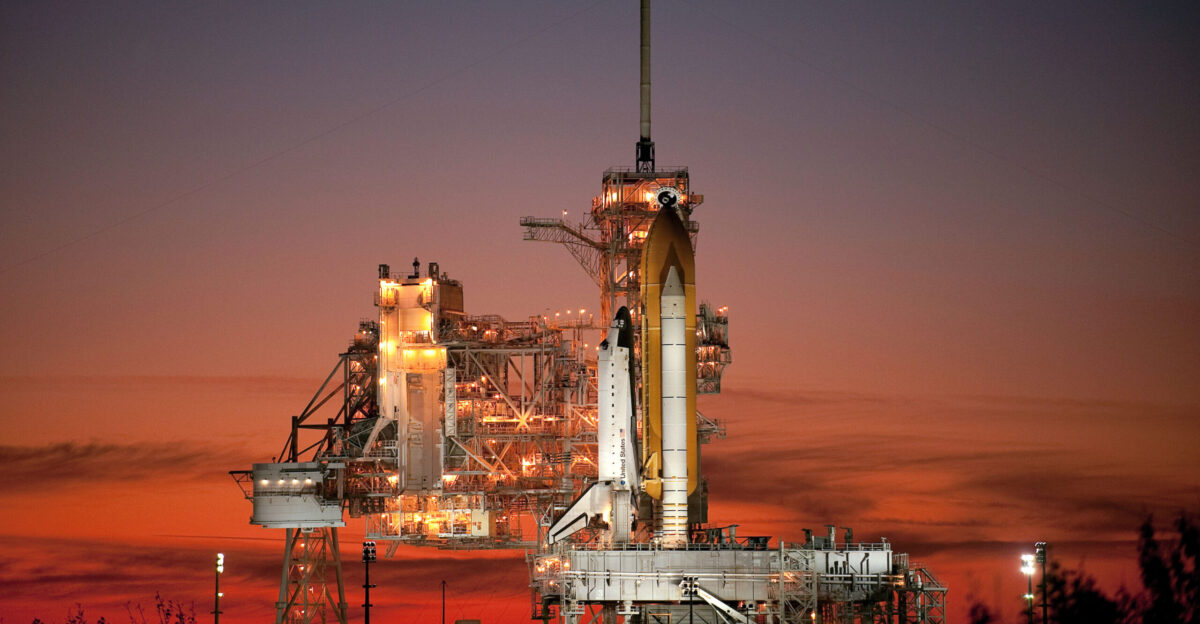
The contract turmoil hits states with deep NASA roots. The Johnson Space Center in Texas and the Kennedy Space Center in Florida are both critical to the development of Artemis.
Re-competition threatens local jobs, mission continuity, and years of careful planning — all while U.S. moon rivals accelerate their timelines.
Anxious Space Workforce
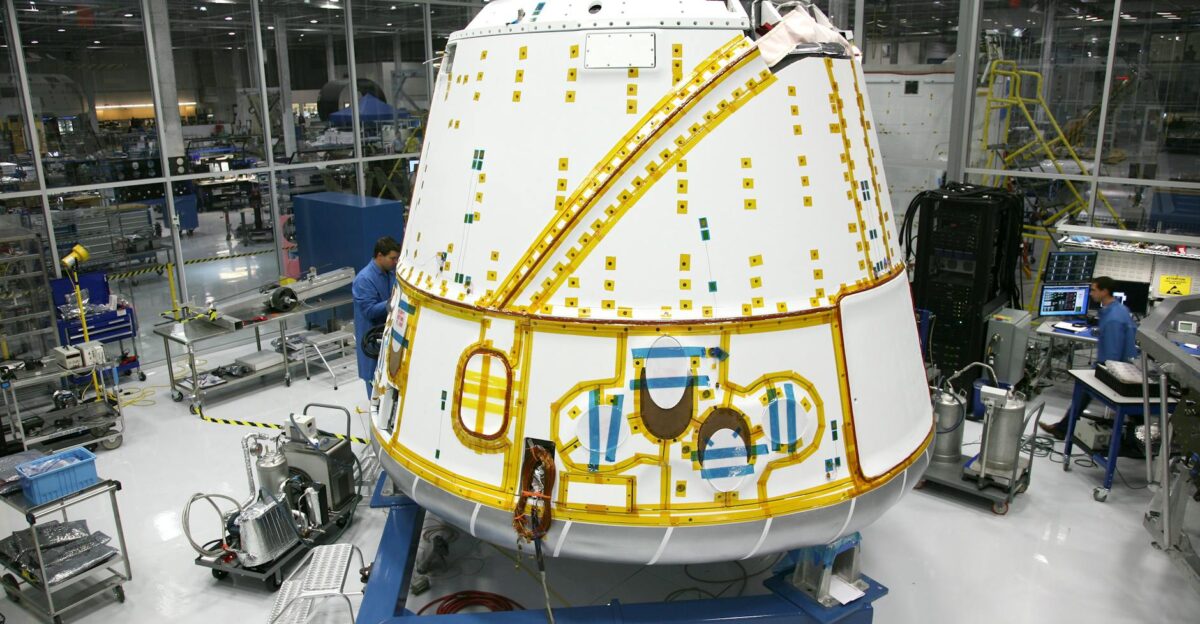
A major NASA furlough has left space workers in limbo. Engineers fear career-defining work could disappear overnight.
At SpaceX, Musk’s public feud with Duffy is adding stress — employees worry that an online dispute could jeopardize the mission they’ve dedicated their lives to.
Bezos Seizes an Opportunity
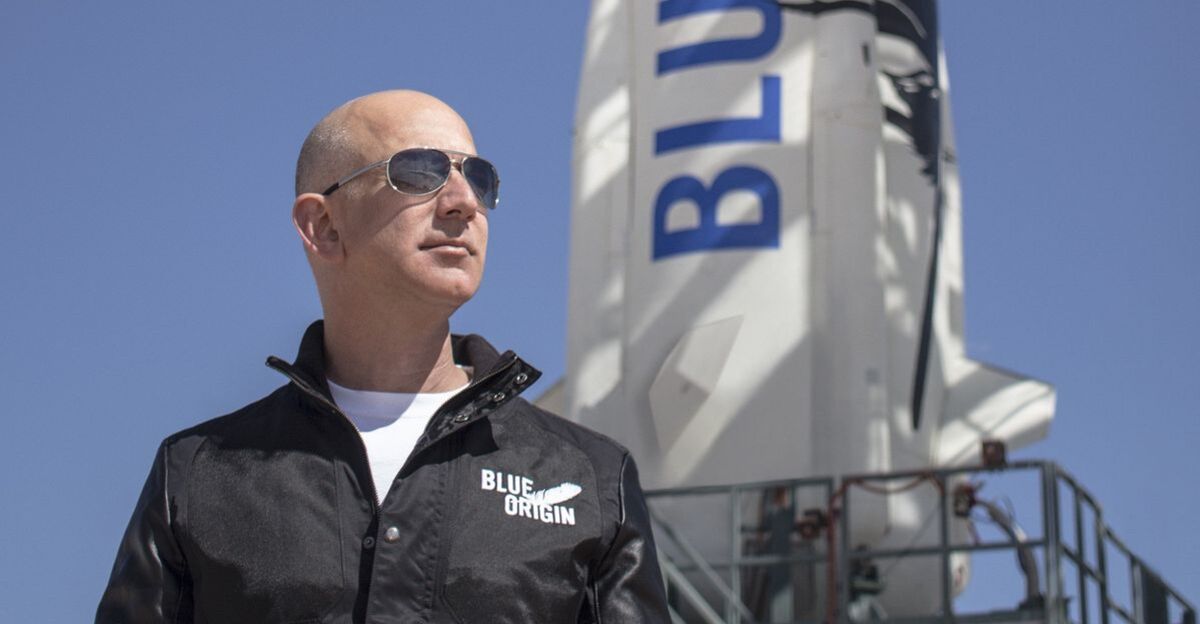
Blue Origin’s billionaire founder, Jeff Bezos, is racing to fast-track the Blue Moon Lander. Duffy has openly welcomed the challenge:
“If Blue Origin can do it before SpaceX, good on Blue Origin.” Dynetics may also re-enter, forcing SpaceX to fight on two fronts — both technologically and politically.
Technology That Has Never Been Tried
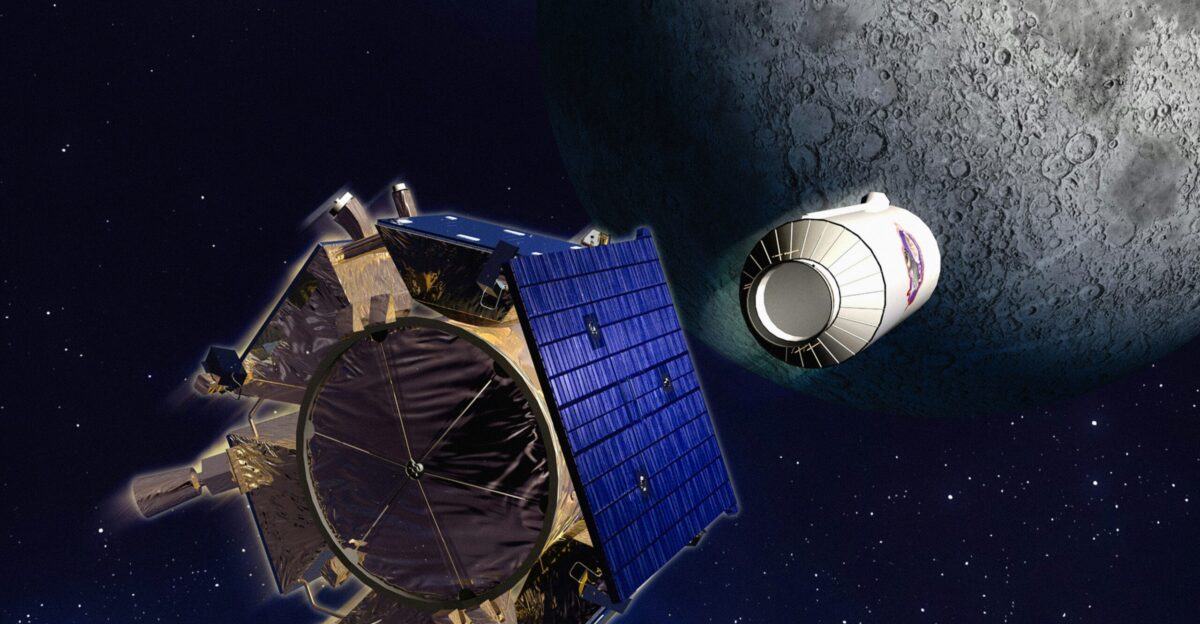
Both Starship and Blue Moon rely on lunar refueling — a method humanity has never demonstrated in space.
Lawmakers question whether any company is realistically prepared to meet the mid-2027 Artemis III target. Safety-first veterans warn that rushing could lead to tragedy.
Billions on the Line
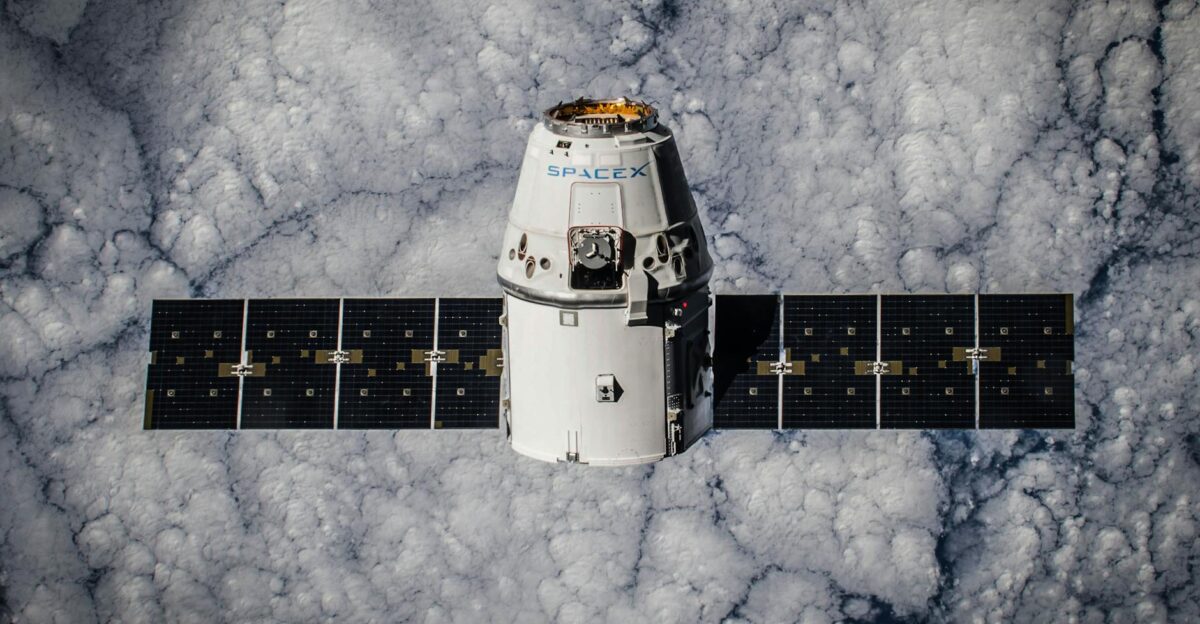
SpaceX’s $2.9 billion lunar contract — the cornerstone of its Moon business — is no longer guaranteed. Blue Origin already has work lined up for Artemis V, and shifting NASA priorities could accelerate Bezos’s program. A reshuffle now could delay not just Artemis III but the entire lunar program for years.
Musk’s Online Attacks

Musk escalated his attacks, calling Duffy “Sean Dummy” and writing: “The person responsible for America’s space program can’t have a 2-digit IQ.”
The insults have sparked deep divisions inside NASA, between those who back Musk’s pace and those who believe SpaceX has overpromised.
A Leadership Vacuum
With no Senate-confirmed NASA administrator, Duffy’s temporary leadership has become a flashpoint. Trump withdrew the nomination of Jared Isaacman — a Musk ally — on May 31, 2025, days before the expected confirmation. Critics say political turbulence is now threatening U.S. space supremacy at the worst possible moment.
SpaceX Fights Back
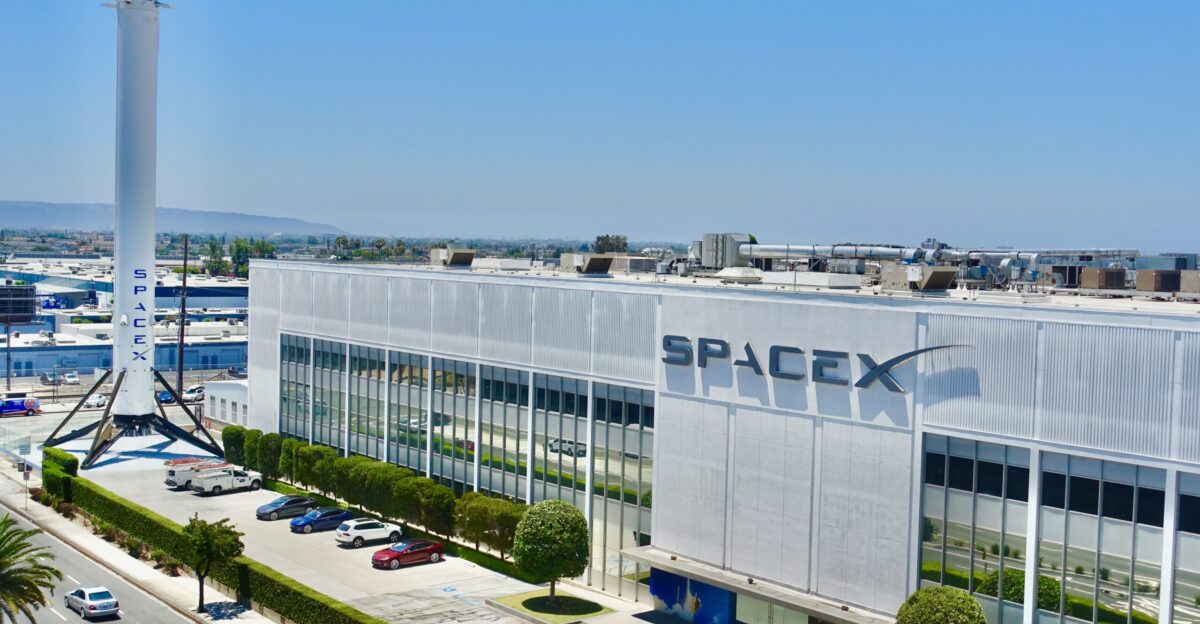
Musk insists SpaceX is moving faster than any competitor, citing rapid improvements in Starship testing, including two successful flights in August and October 2025.
The company plans to hit critical refueling milestones by mid-2026. To Musk, reopening the contract isn’t about competition — it’s a form of punishment for political disagreements.
Experts Predict Major Delays
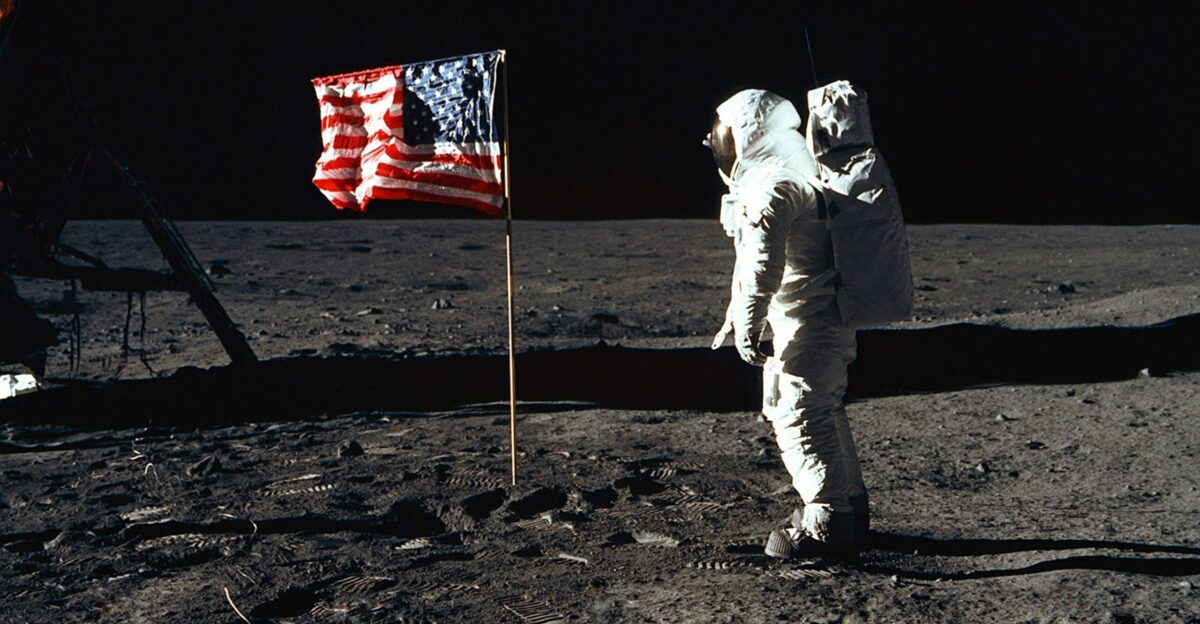
Leading analysts warn that neither SpaceX nor Blue Origin can realistically make the mid-2027 landing. Pre-crew safety demonstrations may push the schedule to 2028 or 2029 — shrinking America’s lead over China from years to mere months. Any further slip could flip the global space hierarchy overnight.
A Race the U.S. Cannot Afford to Lose
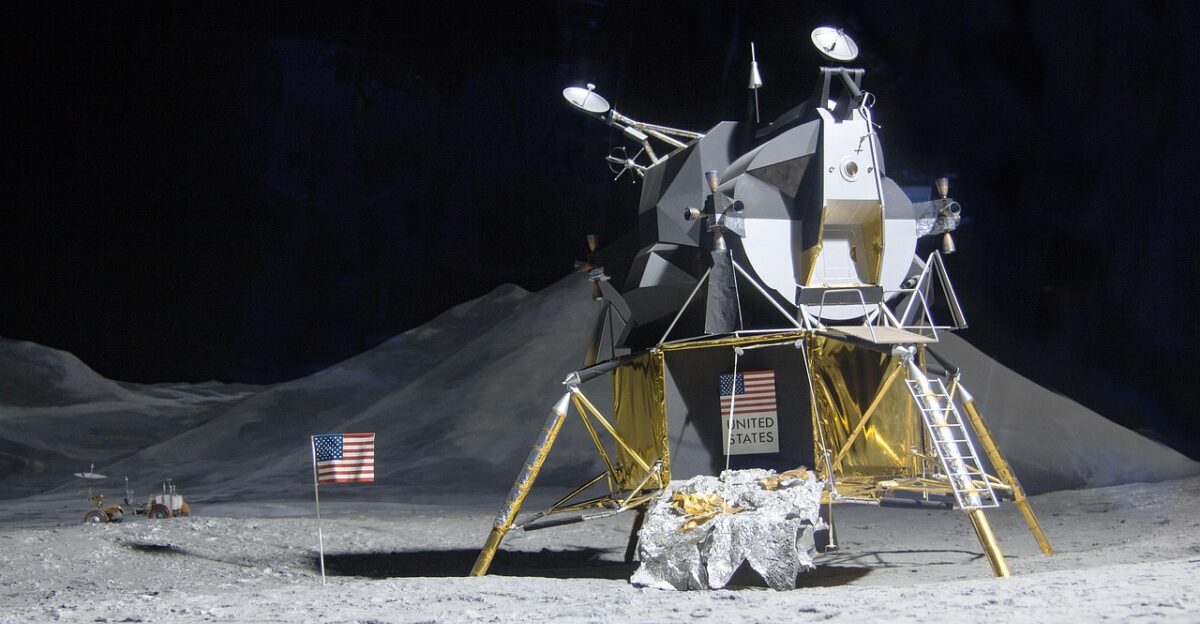
Reopening the contract could spark innovation — or hand China the win. Lawmakers fear the U.S. might sacrifice the Moon to corporate infighting. The question now: Is competition worth the risk when the prize is a new era of lunar dominance?
Politics vs. Progress

This situation exposes a clash between White House politics and scientific urgency. The Trump administration wants a moon landing before the end of his term, while engineers warn timelines must follow physics, not polls. Artemis III is caught between legacy and reality.
The World Is Watching

China is testing new lunar hardware and preparing its own astronauts for a landing before 2030. U.S. officials warn that losing the next moon landing means losing global space leadership — from technology to security to a future lunar economy worth tens of billions.
Courtrooms Could Slow the Countdown
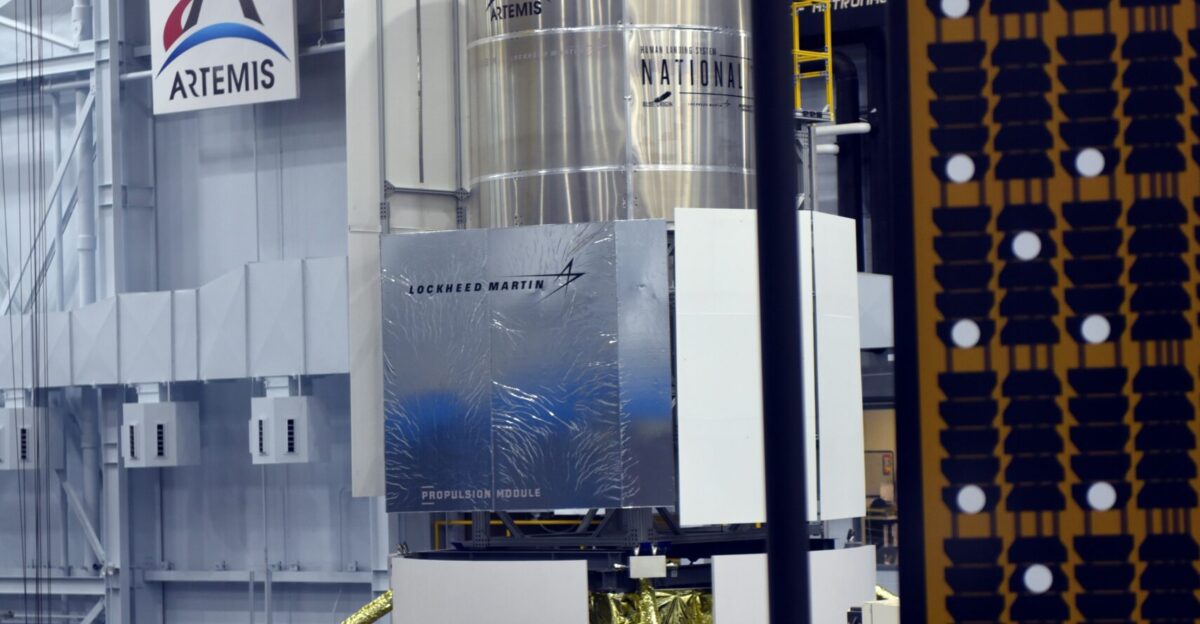
If NASA were to yank the contract, SpaceX could sue, triggering a legal battle that would delay Artemis for years.
Meanwhile, hardware redesigns and new environmental reviews could further push launch dates. Every delay strengthens Beijing’s position.
Culture Clash in the Space Age

Young engineers push aggressive testing and rapid iteration, while veterans insist spaceflight tolerates zero mistakes.
The public is torn too — cheering technological leaps but fearing the risks to astronauts. The Artemis III battle reveals a deeper debate: speed or safety?
The Moonshot Crossroads

This is more than a contract dispute — it’s a turning point for America’s place in the universe. Musk and Duffy must navigate urgency, pride, and politics in the high-stakes situation over Artemis III.
However the decision falls, the outcome will shape the next decade of U.S. space exploration — and determine who leads humanity back to the Moon.