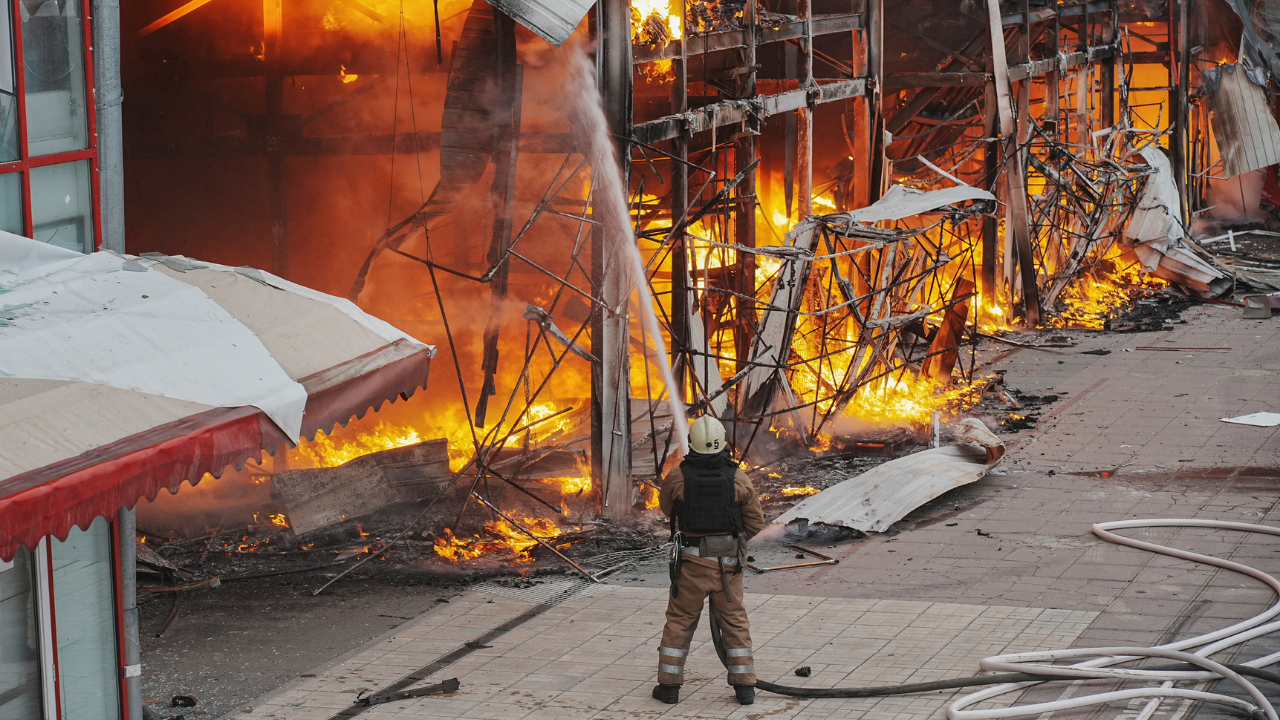
In the dead of night between December 14 and 15, Moscow woke to the thunderous sound of explosions marking the culmination of Ukraine’s largest sustained aerial offensive against the capital to date. Ukrainian drones were streaking across the sky, their targets set on the Russian capital.
Air defenses rushed into action, intercepting the majority of these unmanned intruders, but the damage was already done. The air was thick with fear as Moscow’s skies became the new battleground—what was once unimaginable now unfolds with alarming regularity.
Skies Exposed
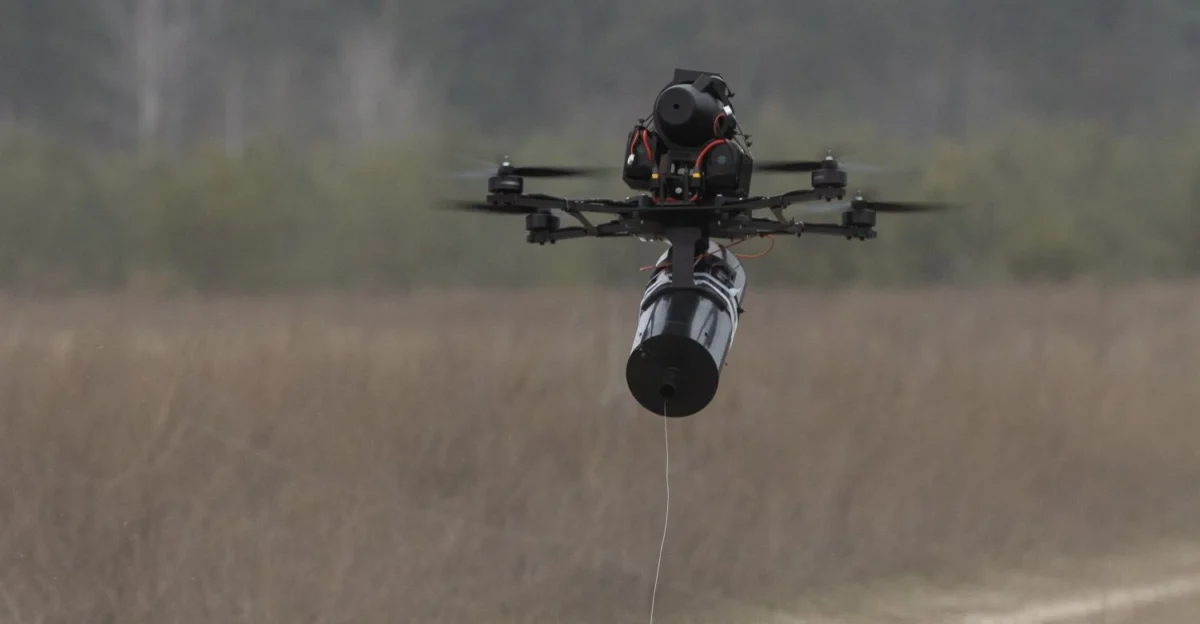
As the drones made their way toward Moscow, air defenses did their best to intercept them. Moscow Mayor Sergey Sobyanin confirmed that several UAVs were destroyed mid-air, but the fact that such a large number of drones reached deep into Russian territory highlights the vulnerability of the capital.
Moscow’s key airports, Zhukovsky and Domodedovo, briefly shut down operations, showcasing the extent of the threat looming over the city. How much longer can the air defenses hold up?
Ukraine’s Drone Campaign
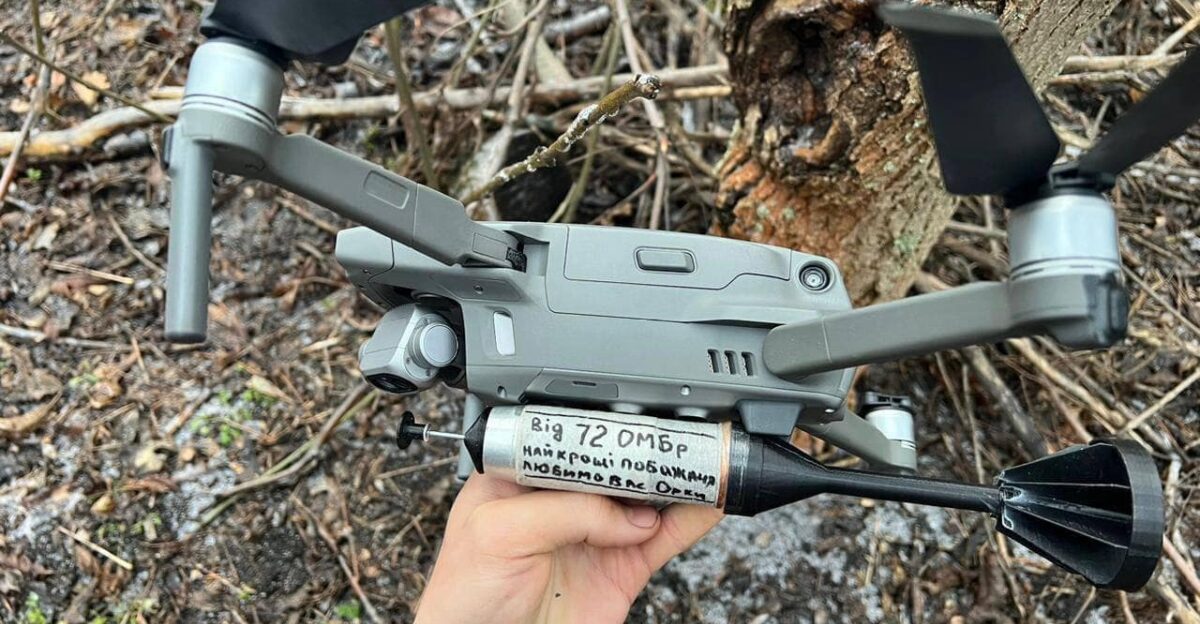
Ukraine’s use of long-range drones has evolved into a strategic weapon capable of striking deep into Russian territory. These drones have been hitting key military, industrial, and energy infrastructure far beyond the front lines.
With each wave of attacks, Ukraine pushes Russian defenses further, testing their resilience. Ukrainian officials maintain an air of strategic ambiguity, but the effectiveness of these drones cannot be denied. The war has reached new heights, literally.
Moscow On Edge
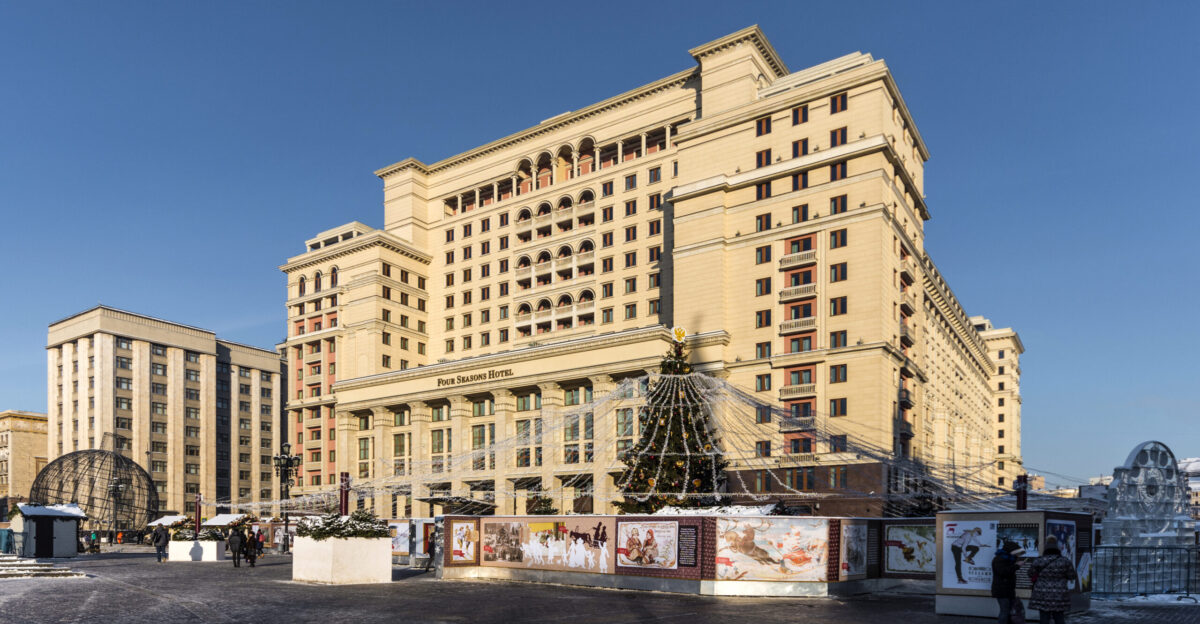
For residents in Moscow, the war is no longer a distant conflict. The threat of drone attacks has become part of daily life. Explosions rocked districts like Istrinsky, about 40 kilometers from the city, while the southern regions of Kashira and Kolomna experienced similar blasts.
Though no casualties have been reported, the psychological impact of these incidents continues to grow. Every explosion stirs fear and uncertainty as the frontlines of the war inch closer to the city.
Largest Strike Yet
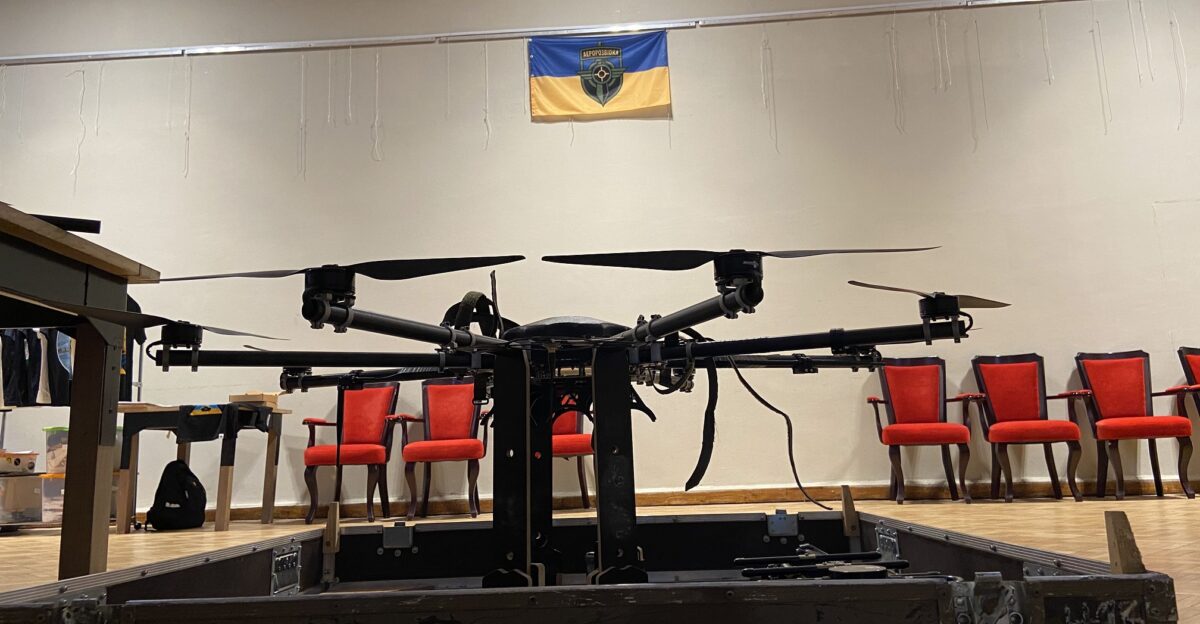
The drone strike on December 14–15 was one of the largest Ukraine has launched against Moscow, surpassing the scale of recent previous attacks. Less than a week earlier, over 30 drones targeted the capital, marking a new pattern in the conflict.
With two mass drone strikes within five days, it’s clear that Moscow is facing repeated waves of aerial assaults. The capital’s defenses are tested like never before, and the stakes are rising by the day.
Airports Disrupted
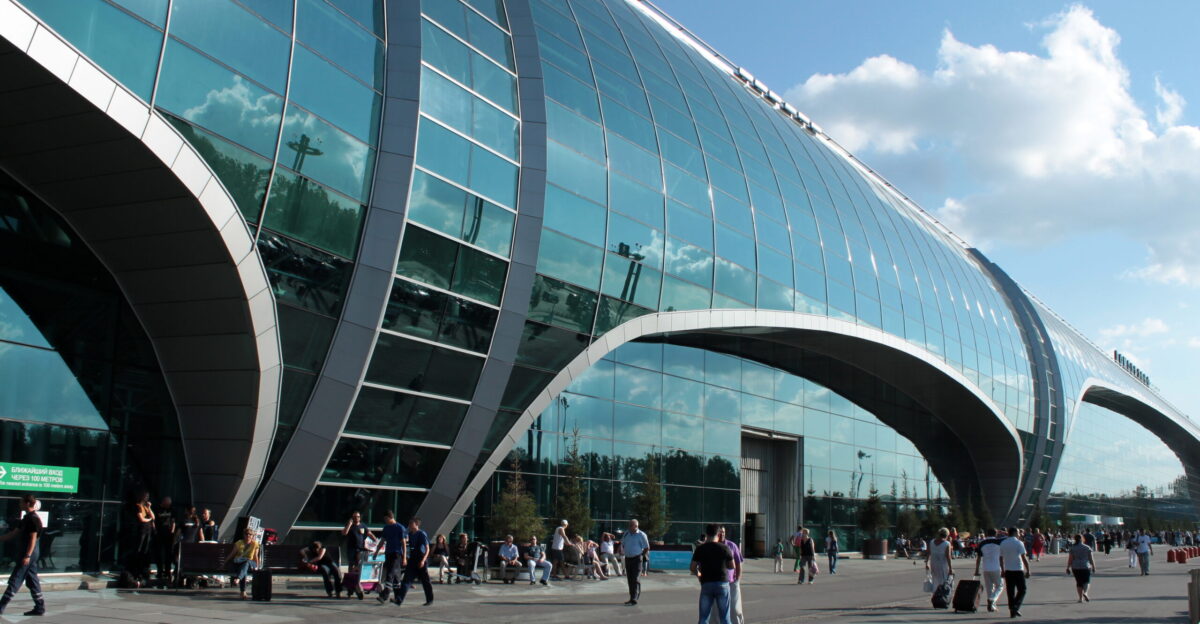
Moscow’s airports, a hub for thousands of daily flights, have faced growing disruptions due to drone strikes. During the latest attack, Zhukovsky and Domodedovo temporarily halted flights as airspace was restricted.
While operations resumed later, previous attacks have grounded hundreds of flights, affecting both domestic and international travel. The longer these disruptions continue, the more they undermine Moscow’s status as a global aviation hub.
Residents’ Night
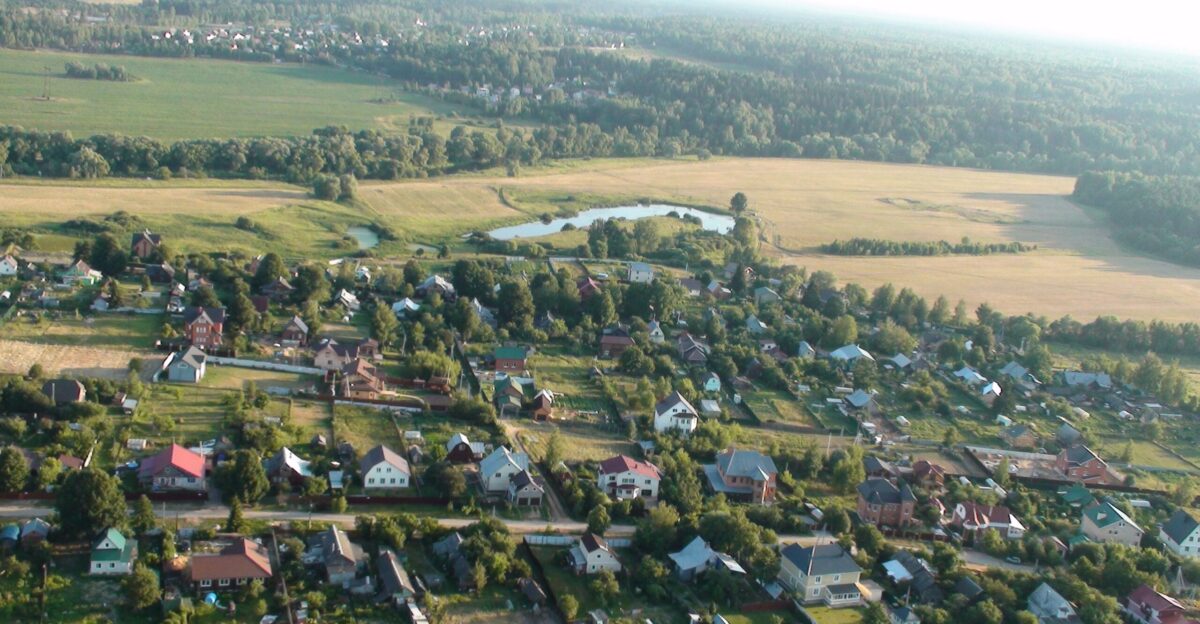
For residents living near the flight paths, the night is a terrifying ordeal. In Istrinsky, Kashira, and Kolomna, the sound of explosions has become all too familiar. Telegram reports flooded in from locals who described blasts in the dark as air defenses intercepted drones.
While emergency services dealt with debris, the fear of a worse outcome lingers. Each night, families wonder: what will happen if the defenses fail?
Deep Strikes
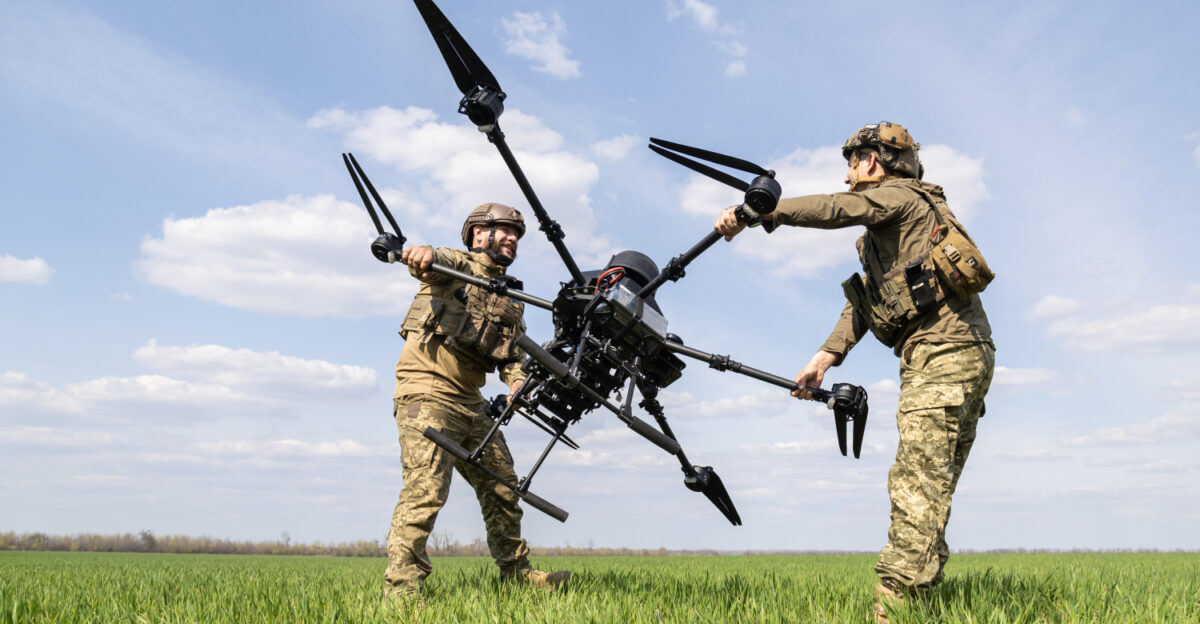
Ukraine’s growing drone capability has made it possible to hit targets across Russia’s vast territory. In addition to the drone strike on Moscow, Ukrainian forces have targeted critical facilities like the Afipsky oil refinery and several fuel depots across Russian-occupied Crimea.
These attacks not only disrupt Russian operations but also deal a heavy blow to its war economy. With each successful strike, Russia’s logistics chain is strained further.
Population At Risk
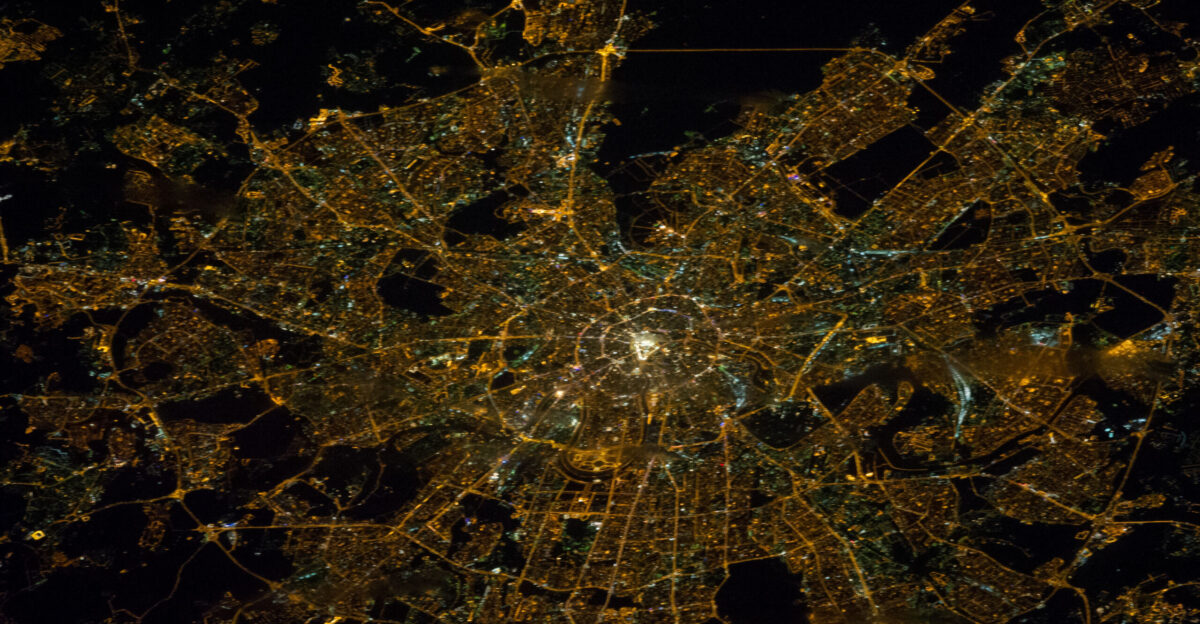
Moscow, home to over 21 million people, is no longer a safe distance from the front lines. With drones now reaching deep into the heart of the capital, the entire metropolitan area finds itself exposed.
Even when strikes are intercepted, the fear of collateral damage looms large. The size of the city, combined with its proximity to military and industrial targets, magnifies the stakes with every new drone wave.
Hidden Costs
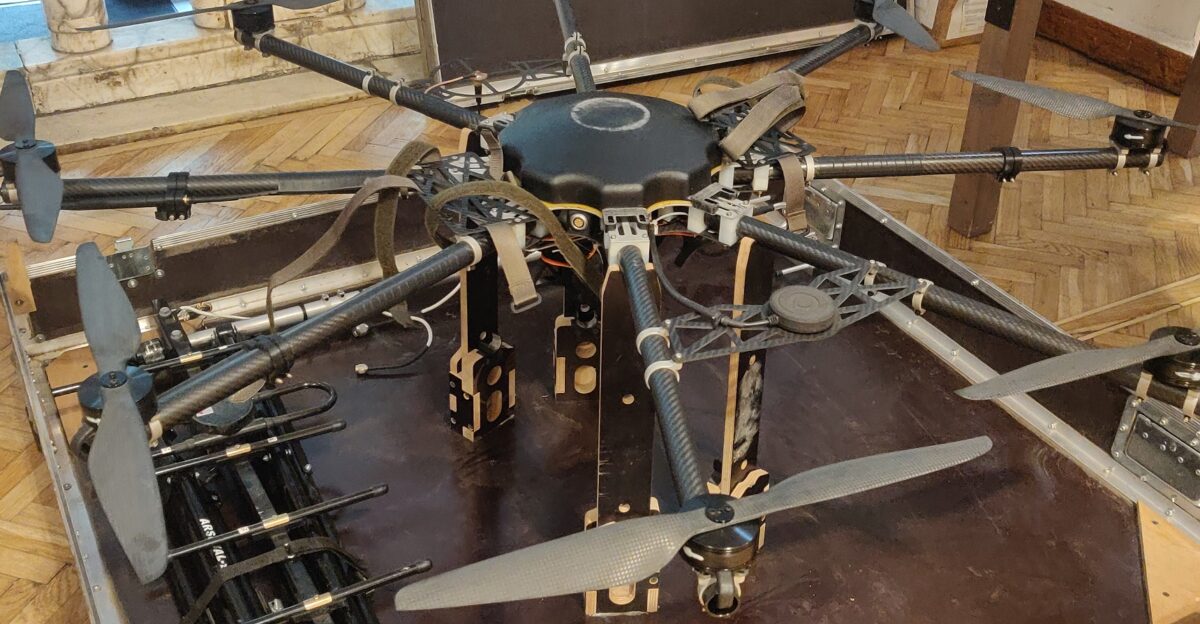
Beyond the immediate danger, the repeated drone strikes carry hidden economic costs. When airspace is restricted, airlines face delays, cancellations, and increased operational costs. The ripple effect is felt across domestic and international networks, and passengers are left stranded.
With each drone wave, the disruptions to air travel are becoming more frequent, threatening the financial stability of Moscow’s aviation industry.
Internal Strain
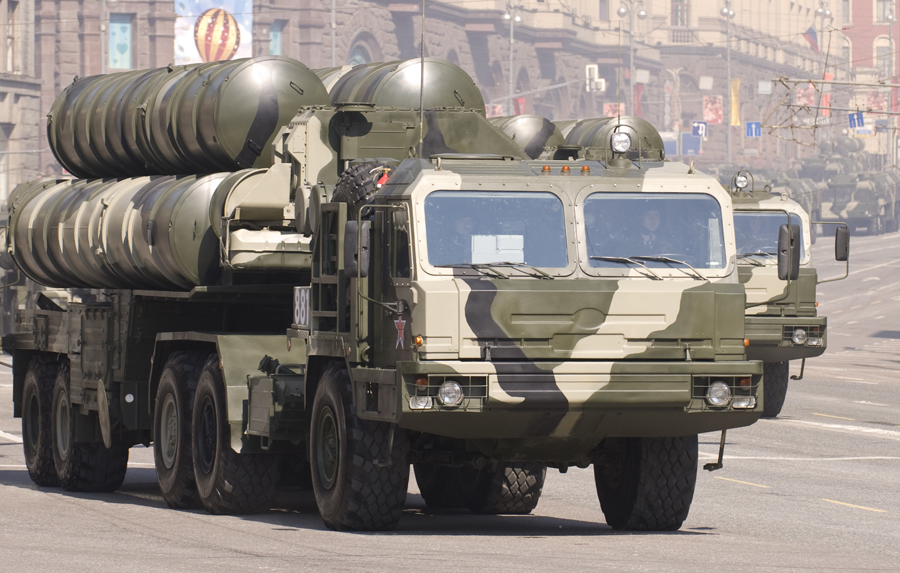
Russia’s air defenses are under immense strain. With every new wave of drones, air defense units must track, identify, and intercept dozens of small targets. While Russian officials claim success, the sheer volume of incoming UAVs tests the limits of their systems.
At the same time, emergency teams are dispatched to handle debris, reassuring residents, but the burden on resources is growing. Can Russia sustain this level of effort across its vast territory?
Command Messaging
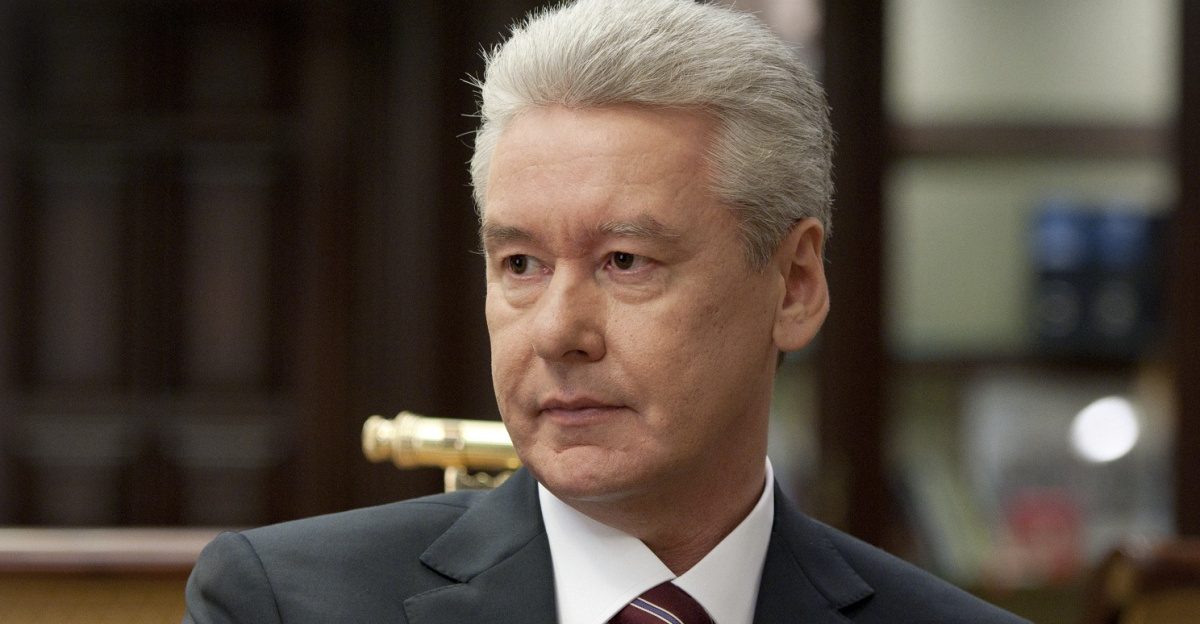
Moscow Mayor Sergey Sobyanin has been at the forefront of communications, offering updates about air defense operations. His reassurances, while crucial, often lack specific details, leaving the public to rely on unofficial sources for a fuller picture.
Meanwhile, the Russian Defense Ministry continues to boast about the interception figures, but the growing number of attacks raises questions about the true extent of the threat.
Tactical Evolution
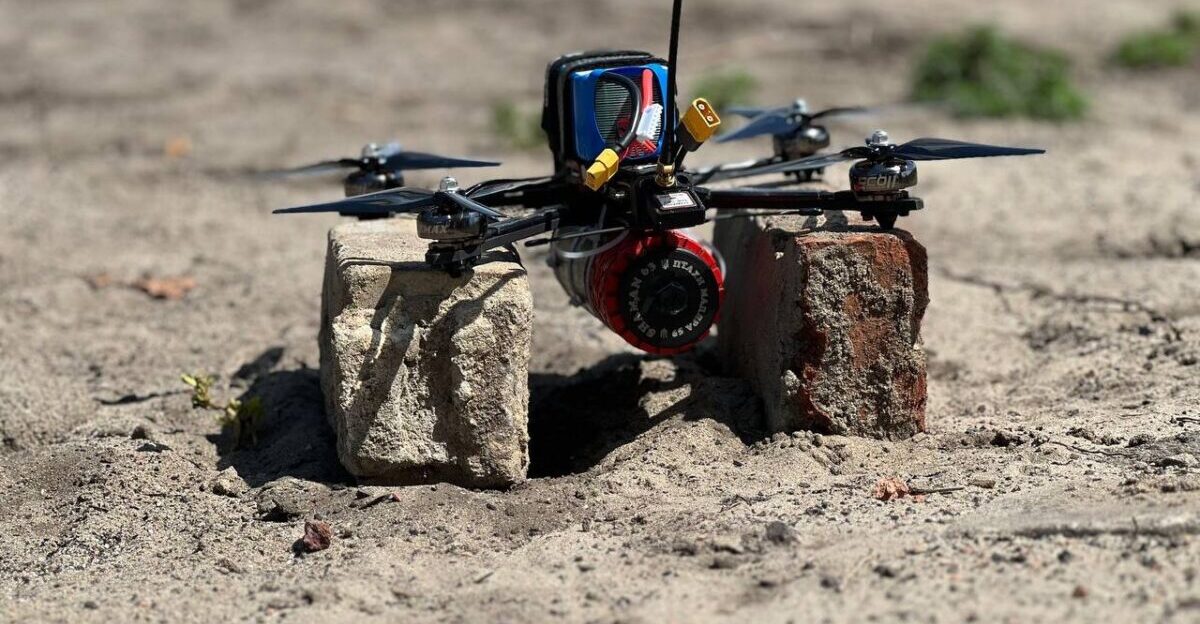
Ukraine’s drone tactics continue to evolve. The latest wave of attacks combined mass launches from multiple directions with focused strikes on key industrial targets. Russian defenses have managed to intercept many drones, but the ongoing pattern suggests a learning curve on both sides.
Moscow is a high-profile testing ground for new drone tactics, and each attack brings a new challenge for both Ukrainian forces and Russian air defense units.
Defense Doubts
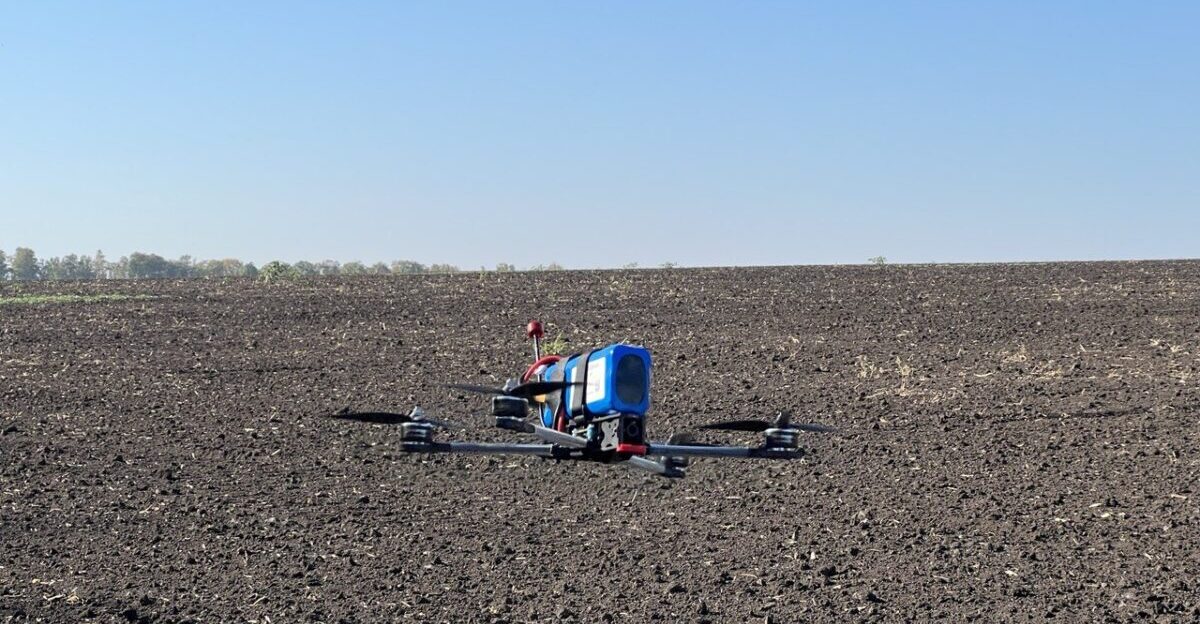
Despite Russia’s claims of successful air defense, the repeated drone incursions raise serious doubts about the long-term reliability of these systems. Each interception uses up expensive missile stocks and radar capacity.
While many drones are successfully shot down, the fact that waves continue to breach Moscow’s outer defenses suggests vulnerabilities. As Ukraine adapts its tactics, Russia’s air defense systems may face even greater challenges.
War’s Next Phase
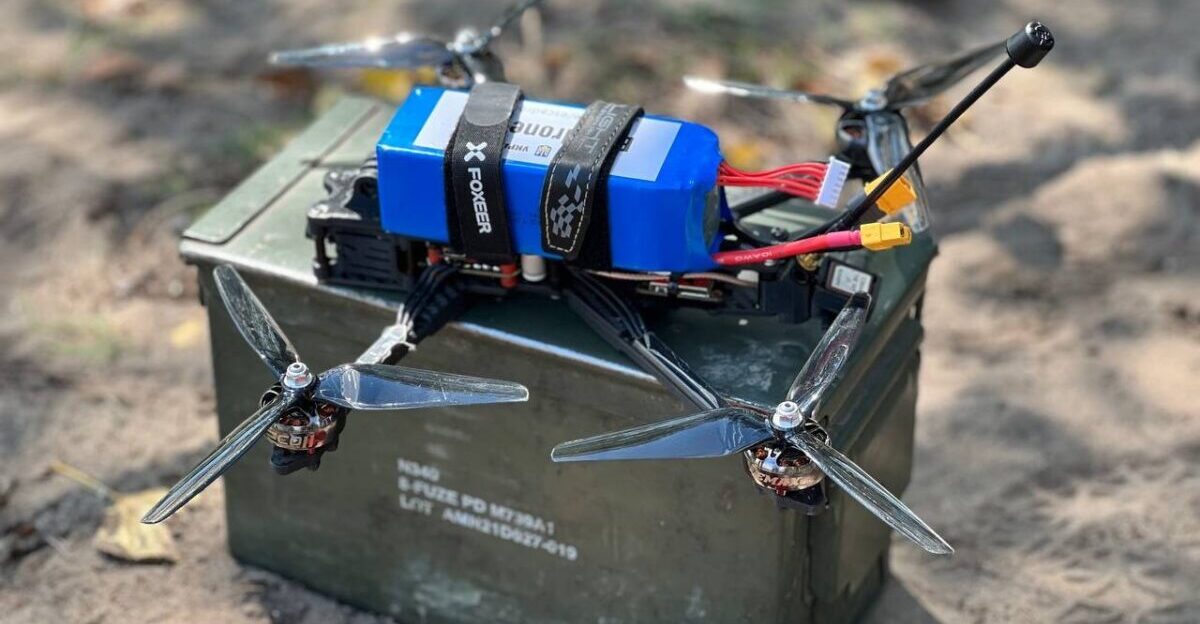
Moscow has now entered a new phase of the conflict. The capital is no longer a safe distance from the frontlines but has become a central target in the war. With Ukraine’s drone capabilities rapidly evolving, and Moscow facing repeated strikes, the city’s skies are becoming increasingly contested.
The question remains: will Moscow find a way to defend its airspace, or will the drone waves continue to intensify?
Sources:
Kyiv Independent – “Wave of Ukrainian drones targets Moscow in reported overnight strike” (December 14, 2025)
UNN (Ukrainian News Network) – “Moscow attacked by drones: explosions heard, local airports suspended operations” (December 15, 2025)
Evrimagaci – “Ukrainian Drone Strikes Hit Moscow And Russian Oil Sites” (December 14, 2025)