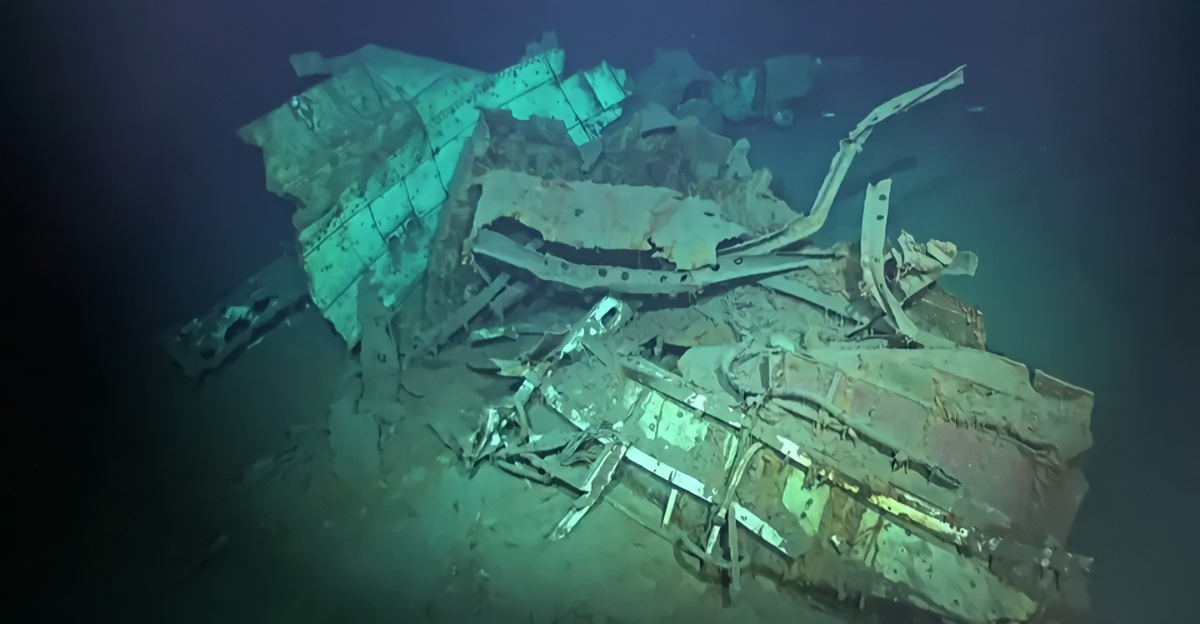
Researchers encountered an unexpected marvel beneath the Mediterranean during a routine underwater drone mission off France’s southern coast. After years of silence, the drone’s sensors picked up a curious anomaly, setting off waves of excitement as experts realized they were on the brink of rewriting maritime history.
In a world that often feels predictable, this discovery stirred global curiosity, inviting scientists and amateur enthusiasts to consider what treasures lie hidden beneath the waves. As one local historian remarked, “Finding such a shipwreck reminds us that history is often closer than we think, just under the surface of our familiar seas.”
Deepwater Stakes
Deep-sea archaeological discoveries are both exhilarating and elusive. Most shipwrecks in the Mediterranean remain shrouded in mystery, lying at depths that safeguard them from looters but present significant challenges for discovery. The complexities of locating these underwater relics heighten the excitement surrounding the recent find.
Experts stress the importance of understanding our maritime heritage, suggesting that each discovery can reshape our perspectives on the past. As renowned maritime historian Dr. Elena Vermeer states, “Every shipwreck tells a story, and each deepwater find has the potential to illuminate the trade routes and cultures of bygone eras.”
Maritime Tradition
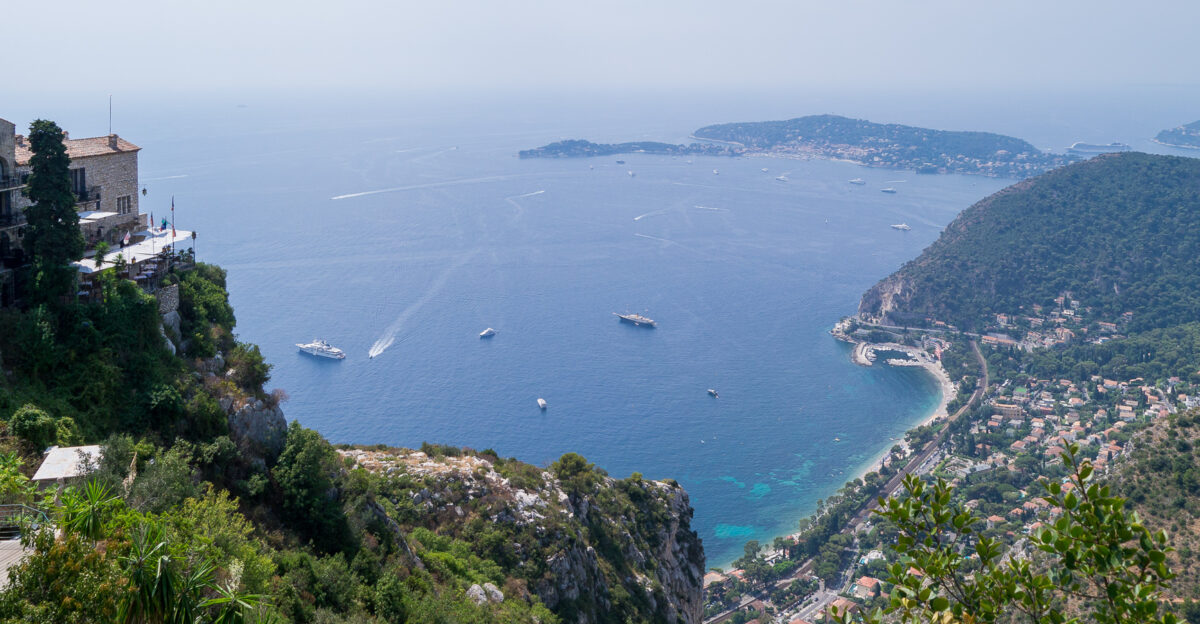
France’s Mediterranean coast boasts a rich maritime legacy that spans centuries, from ancient Roman trade routes to modern shipping lanes. While archaeologists have focused on the more accessible shallows, wrecks at extreme depths offer tantalizing glimpses into history’s corridors. As each deepwater discovery emerges, excitement within the archaeological community surges as the implications of these finds unfold.
Marine archaeologist Dr. Louis Thibault highlights that “these underwater wrecks are like libraries filled with volumes of history, waiting for us to turn their pages.” Such passion fuels ongoing explorations along these historical coastal pathways.
Technological Push
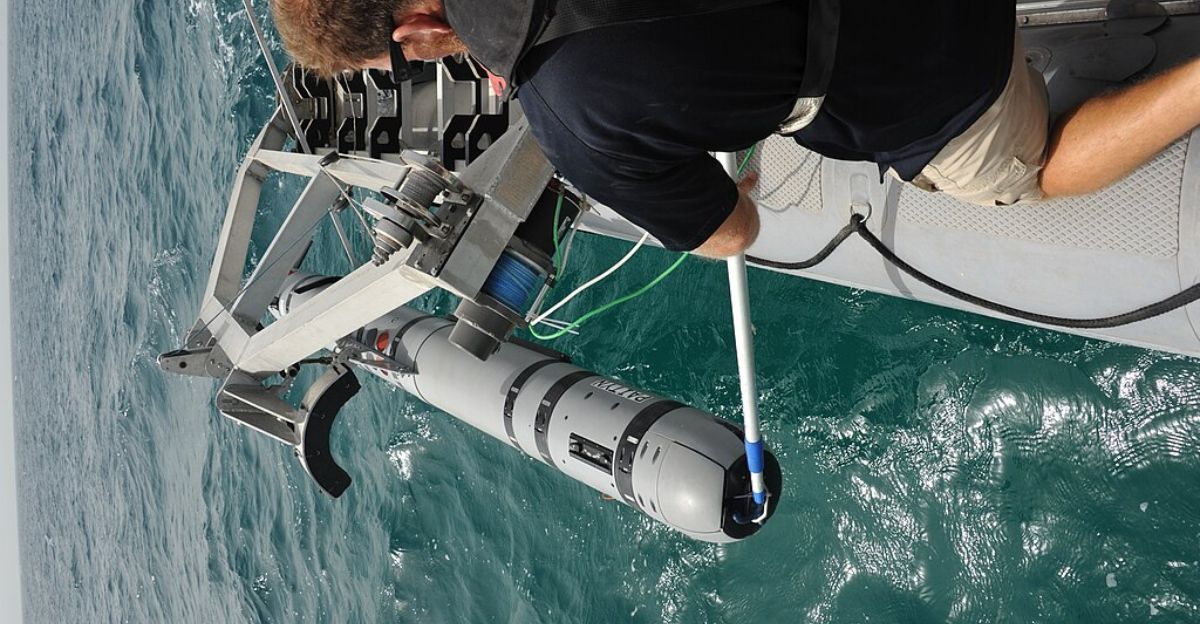
The French government has increasingly invested in underwater drones to monitor deep-sea resources. This technological push fortified France’s naval abilities and unexpectedly unveiled archaeological findings in routine military operations. The intersection of military and archaeological interests opens new doors for collaboration.
As Marine Sadania, lead archaeologist on the recent project, says, “Thanks to these drones, we glimpse history in places we never imagined. It’s not just about securing our waters but also about uncovering our past.” This notion of blending modern technology with historical discovery transforms both fields.
Historic Find Unveiled
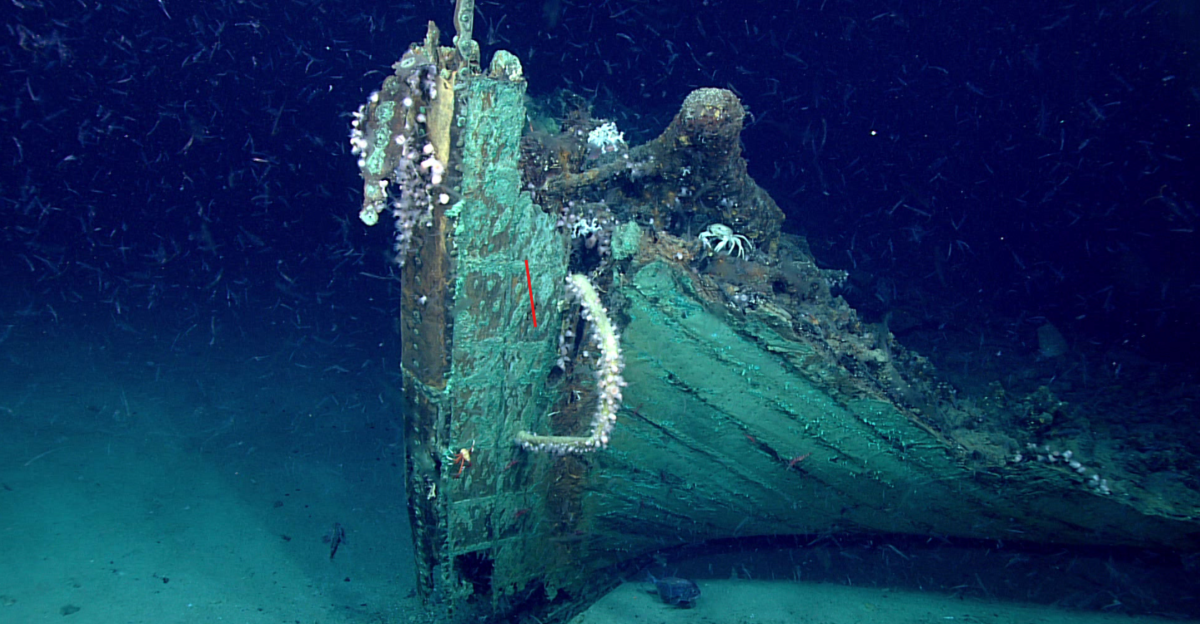
In March 2024, officials announced an astonishing discovery: a 16th-century merchant ship resting over 8,400 feet deep, marking the deepest shipwreck ever documented in French or Mediterranean waters. This unexpected find redefined records and highlighted the potential for underwater exploration to yield significant historical insights.
The underwater drone’s discovery set the stage for future excavations and studies. “This shipwreck is a spotlight on a time long forgotten,” remarked Marine Sadania, emphasizing its importance. “By understanding what lies beneath, we can connect the fragments of our collective history in ways we’ve never achieved before.”
Mediterranean Impact
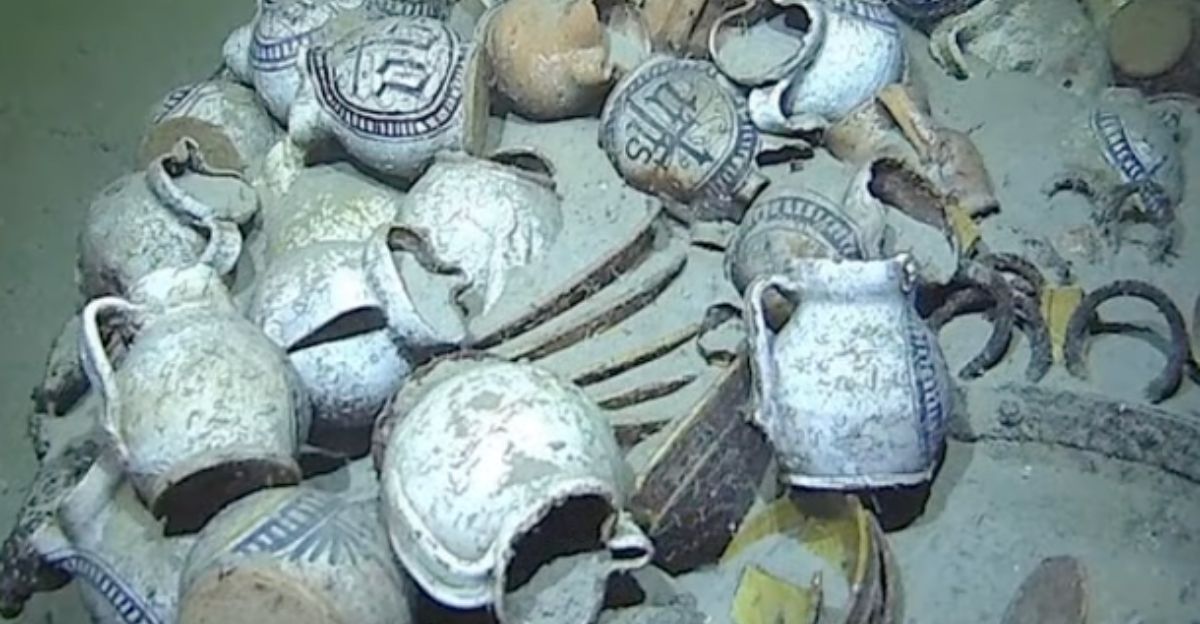
The newly uncovered ship has immediate relevance for scholars studying cross-Mediterranean commerce during the Renaissance. Archaeologists examined the wreck’s cargo, which included Italian ceramics and metal bars, revealing a vibrant tapestry of trade and economic exchanges. This discovery shifts the academic narrative about regional trade dynamics, offering fresh perspectives on historical economic interactions.
Dr. Anna Moreau, an expert in Renaissance trade, notes, “This find rewrites how we view the Mediterranean as a hub of cultural and economic exchange. It’s thrilling to see tangible evidence of such an influential era.” The implications of this new understanding are vast and far-reaching.
Human Element
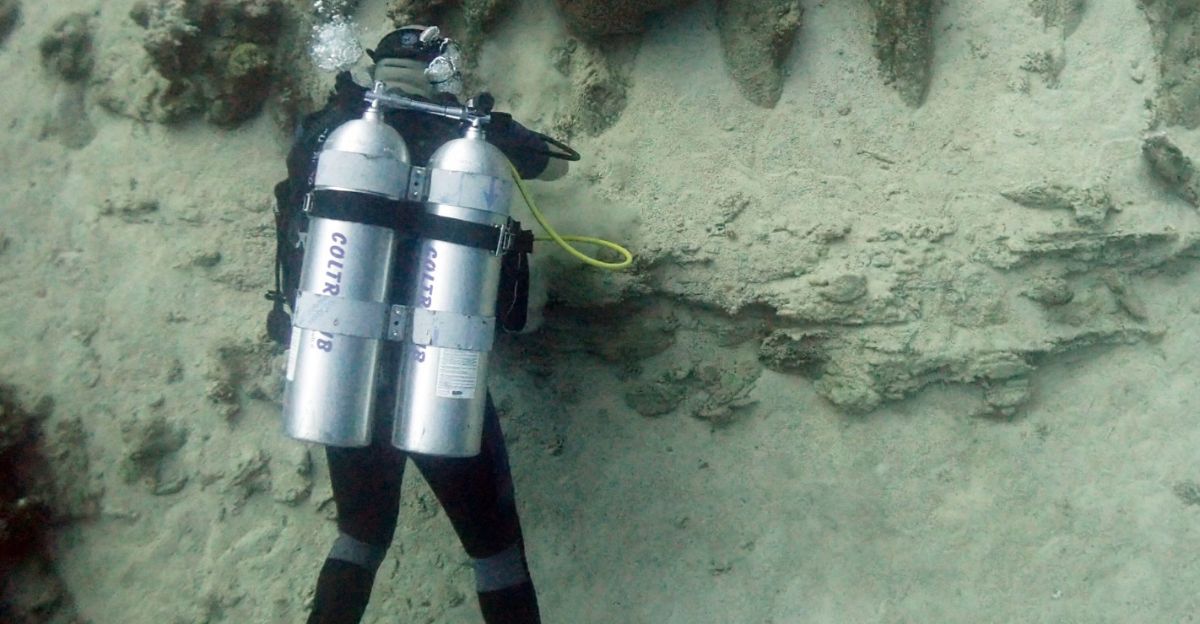
As work progressed, lead archaeologist Marine Sadania described the site as a “time capsule,” untouched by the passage of time. She emphasized to reporters, “It feels as though time has entirely frozen here, preserving elements of daily life from centuries ago.” This exceptional preservation provides unique insights into people’s social and economic lives during that era.
The uncovered artifacts tell stories of commerce and highlight the human experiences tied to these historical maritime journeys. “It’s a reminder that history is woven with the lives of real people, their hopes, and their struggles,” Sadania added.
Rushing Rivals
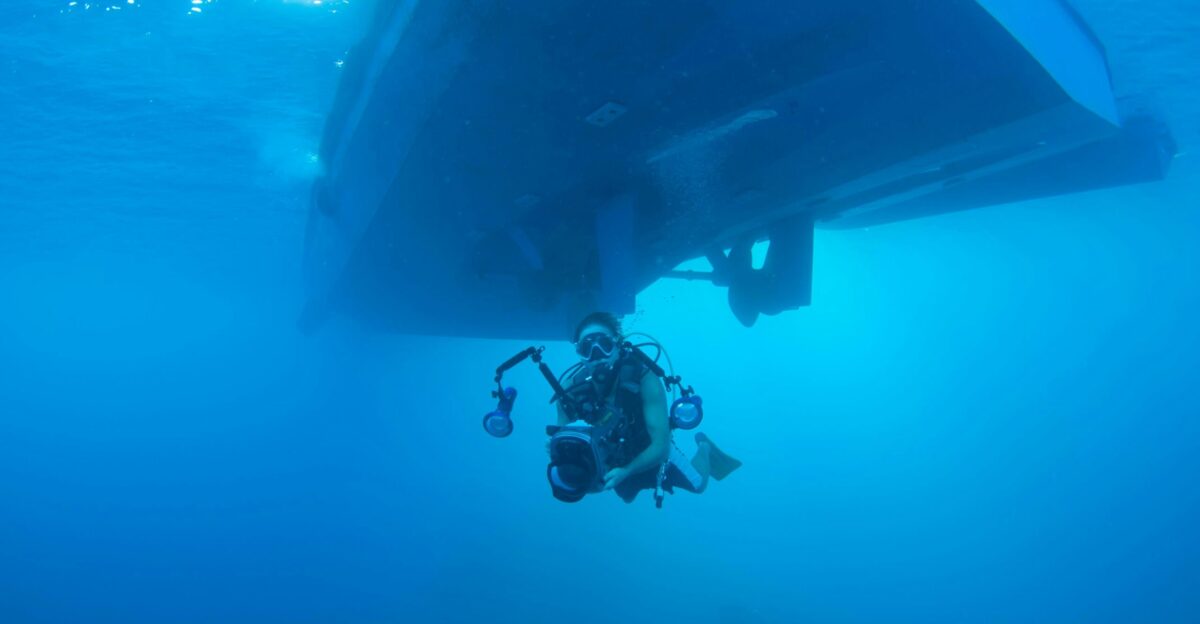
Since the announcement of the shipwreck’s discovery, international archaeological teams have expressed keen interest, eagerly lobbying for access to explore France’s deep-sea zones. The competitive spirit intensifies as leading nations seek to capitalize on technological advances in underwater exploration. As marine archaeologist Dr. Filippo Grassi noted, “The race is on.
Discoveries like this ignite passions and ambitions. With technology evolving so rapidly, the treasures of history may soon be within reach for more teams.” This burgeoning interest raises the stakes for underwater exploration permits, signaling a new chapter in the ongoing quest for maritime history.
Global Deep-Sea Trend
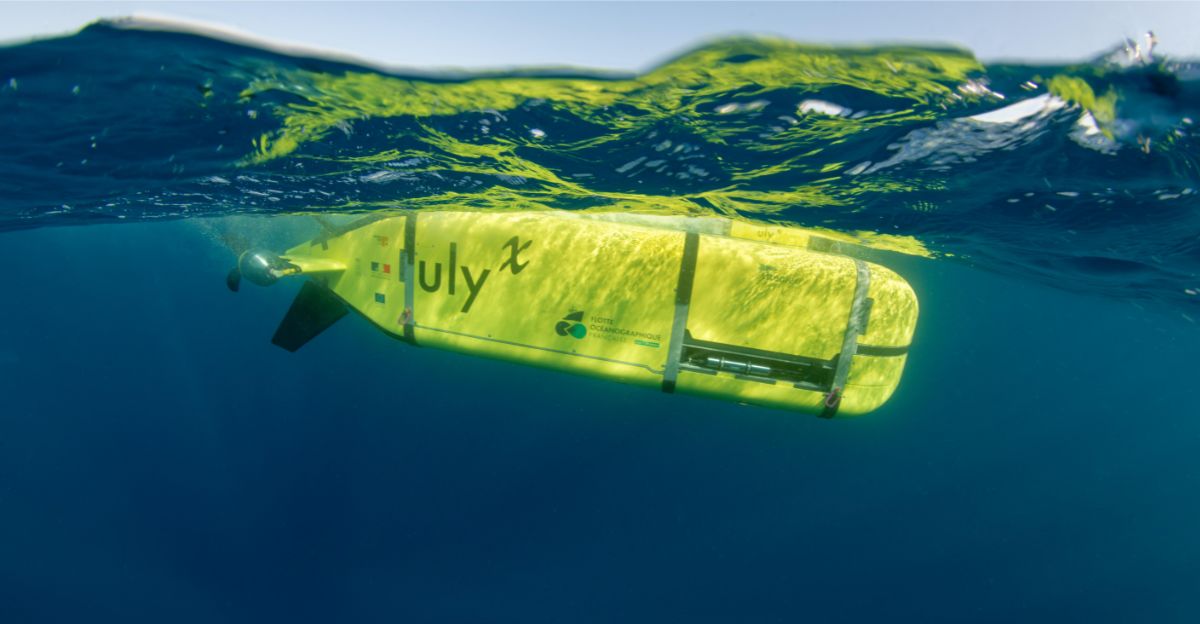
The combination of military and commercial underwater drones has catalyzed a wave of shipwreck discoveries around the globe. Many forgotten vessels resurface from the Caribbean to the Black Sea, revealing how much of world history remains hidden beneath the waves. The implications are profound; each discovery adds depth to maritime narratives previously relegated to speculation.
“What we’re seeing now is just the tip of the iceberg,” enthuses Dr. Mitchell Rowe, an expert in deep-sea archaeology. “The ocean holds secrets that could transform our understanding of naval history, trade, and exploration.” Curiosity continues to drive these underwater expeditions.
Mini-Nugget: Modern Clutter
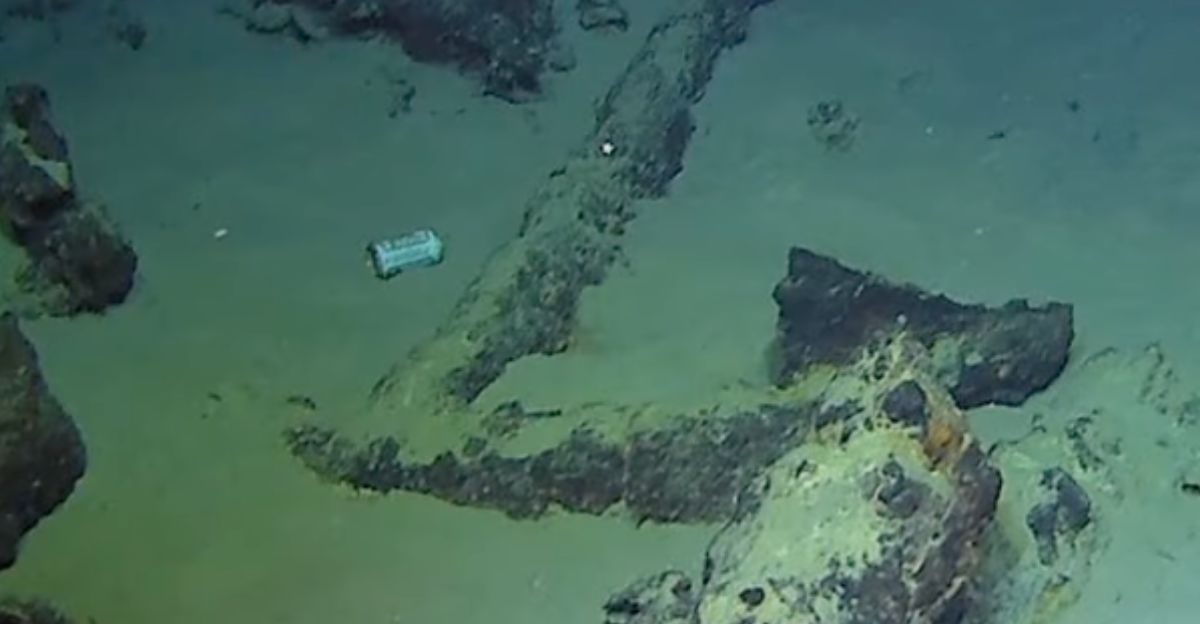
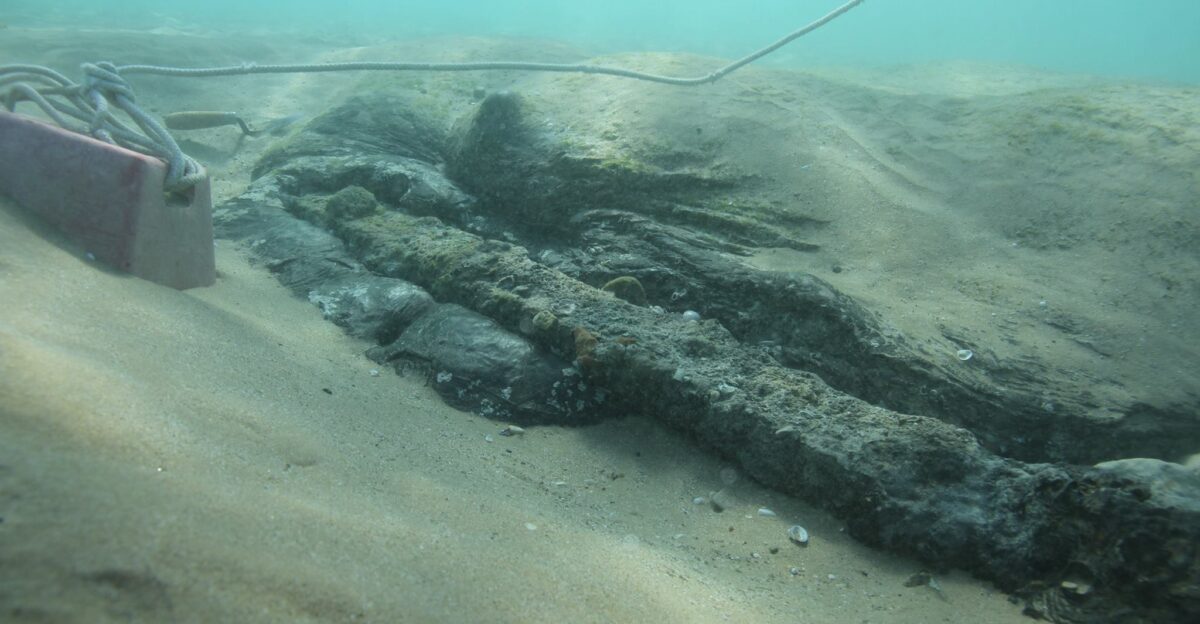
Amidst the remnants of centuries past, researchers stumbled upon modern artifacts like a soda can and a yogurt container next to an ancient anchor. These incongruous items are a stark reminder of the pervasive nature of human pollution, extending even to remote archaeological sites.
Marine biologist Dr. Clara Jennings says, “These findings highlight a growing concern for our ocean environments. While we explore our past, we must also reckon with the present and protect these fragile ecosystems for future generations.” Such modern intrusions offer a sobering counterpoint to the historical discoveries unfolding beneath the surface.
Behind the Hype
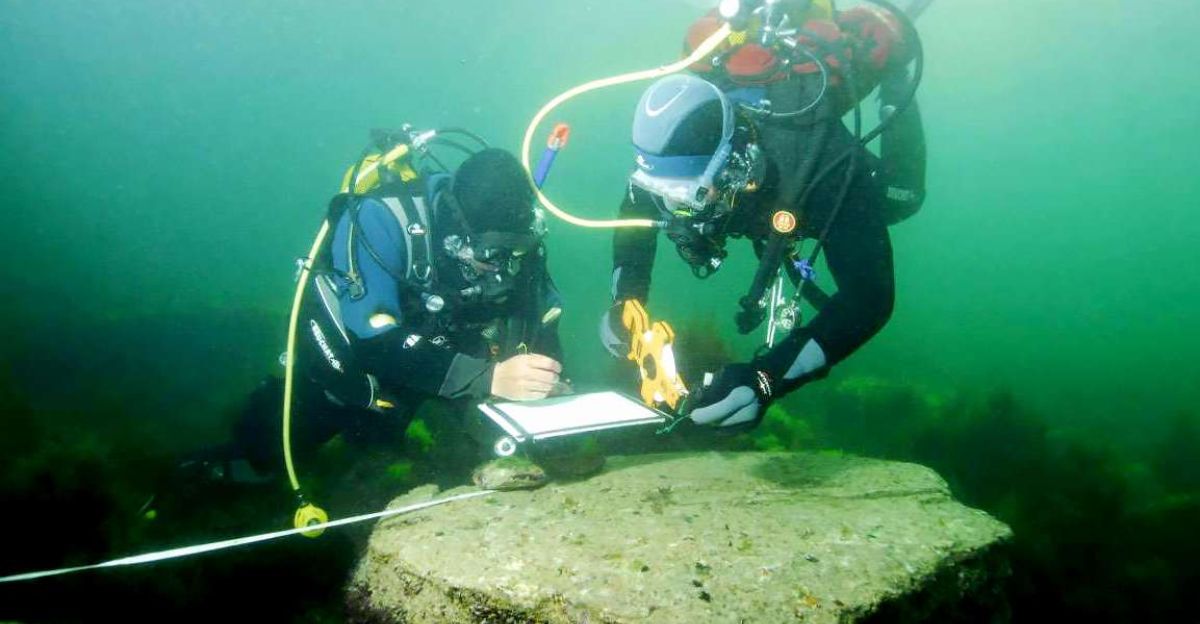
While excitement surrounding the discovery flourishes, some marine archaeologists caution against prioritizing military-led explorations focused primarily on resource or security objectives. Critics argue that such approaches could overlook cultural preservation efforts essential to understanding our past.
Nevertheless, some experts commend the emerging cooperative spirit, suggesting that military drone patrols may enhance research opportunities and national interests. In the words of Dr. Jacques Renaud, “Navigating these waters requires a balance between security and the stewardship of our heritage. Collaboration could lead us to remarkable discoveries that benefit history and society.”
Precise Custodianship
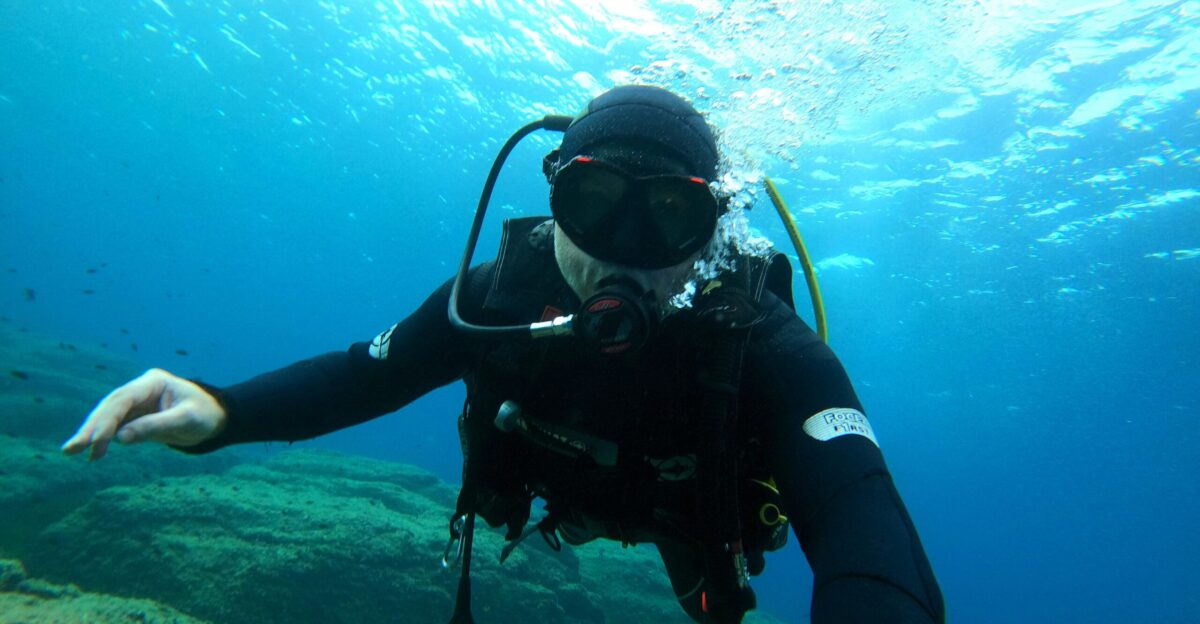
France’s Department of Underwater and Submarine Archaeological Research now oversees the newly discovered wreck, with plans to create a detailed 3D model and extract controlled samples. This approach ensures rigorous documentation and future public exhibitions, marrying technological advances with a commitment to preserving heritage.
“Every decision we make in the coming years will honor the past while educating the public,” stated Marine Sadania. “It’s a chance to connect people with their history in ways that are accessible and engaging.” The initiative reflects a broader commitment to carefully stewarding underwater cultural resources.
Restoration Ambitions
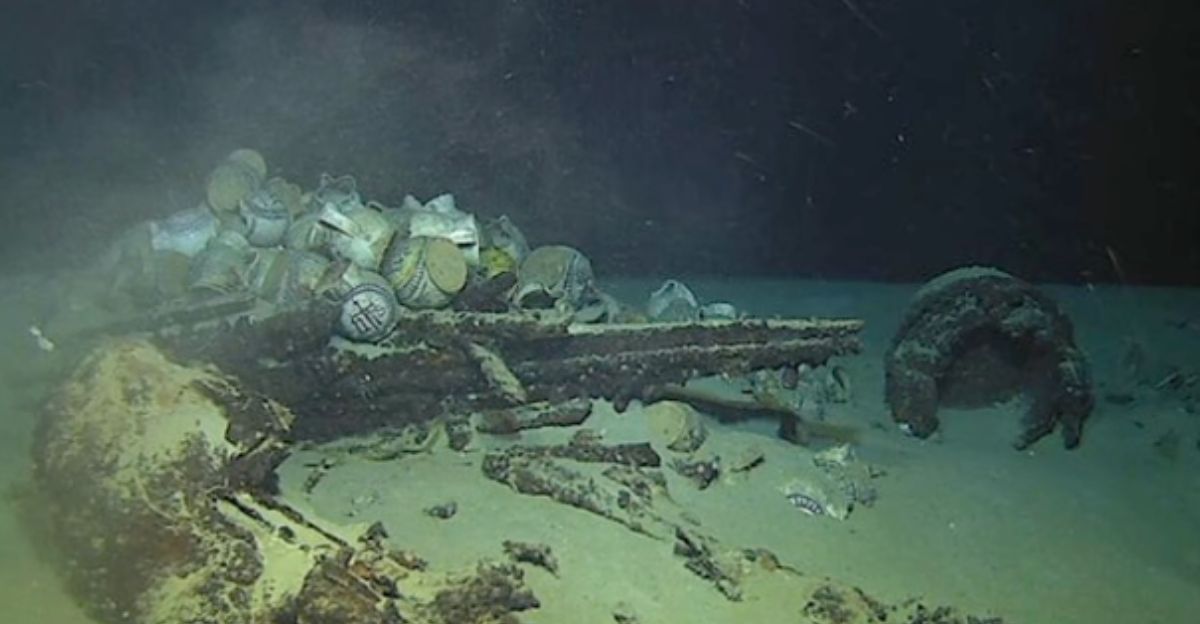
The recovery efforts aim to minimize disturbance to the wreck while still extracting select artifacts for study and preservation. State-of-the-art remote-operated vehicles will undertake these tasks, ensuring that various agencies maintain strict oversight by marine heritage protection laws.
As conservationist Dr. Adrian Bell states, “Our mission is to respect the site while gaining knowledge. Each artifact holds pieces of history we cannot afford to lose. This is about preserving our past for those who will come long after us.” Such ambition reflects a forward-thinking approach to marine archaeology amidst modern challenges.
Cautious Optimism
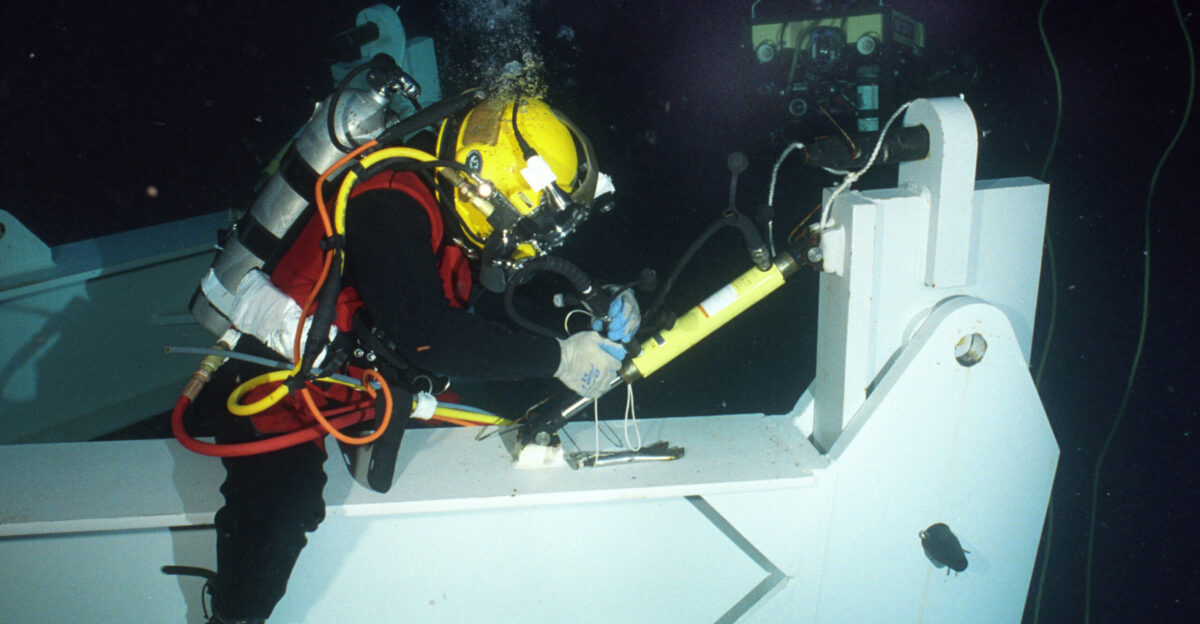
Nevertheless, some researchers caution that deep-sea recovery is fraught with risks, including unforeseen damage to delicate artifacts or contamination from external sources. Yet, there is a prevailing sentiment that the preservation levels at extreme depths offer a unique opportunity to explore a well-preserved snapshot of history.
“While caution is needed, we have an incredible opportunity to learn,” asserts Dr. Elena Vermeer. “With careful methodologies and innovative technology, we can responsibly unearth fragments of our shared heritage that have lain undisturbed for centuries.” This relationship between risk and reward is central to future archaeological endeavors.
Future Dives?
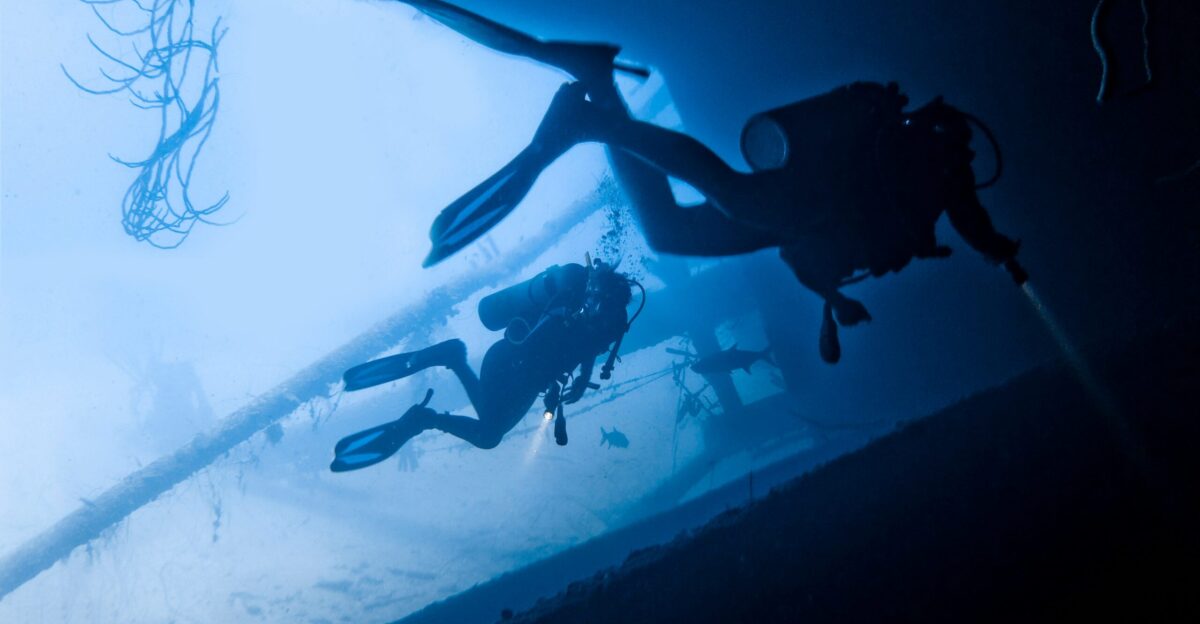
The serendipitous discovery has sparked discussions about expanding deep-sea searches along the French coast. Authorities are considering broader deployment of underwater drones specifically for archaeological missions to uncover hidden chapters of Mediterranean history. With technology advancing rapidly, the potential for discoveries grows tantalizingly close.
“This find is just the beginning,” posits Marine Sadania. “We owe it to ourselves to explore where history waits beneath the waves. Who knows what we’ll uncover next?” The excitement surrounding these possible future dives promises further to illuminate the rich tapestries of our collective maritime past.
Collaborative Ventures
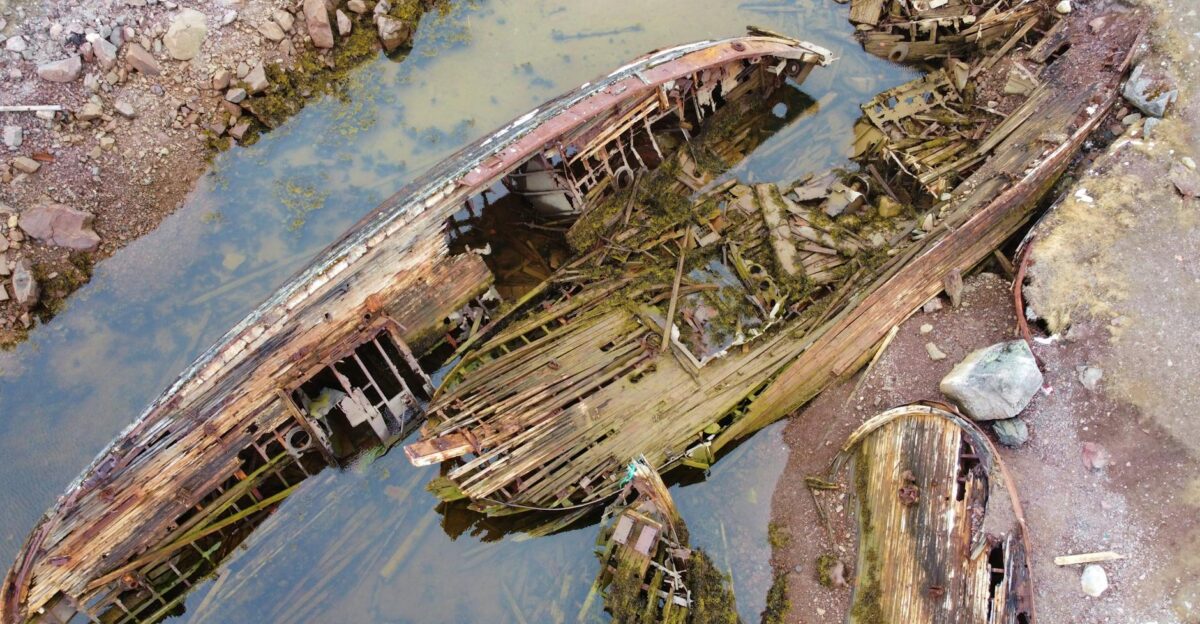
As the interest in underwater archaeology expands, opportunities arise for collaboration between academic institutions, government agencies, and private initiatives. Such partnerships could lead to more comprehensive exploration efforts and innovative technologies that cater to preservation and research goals. “Collaboration amplifies our potential,” explains Dr. Sarah Lim, a marine archaeologist.
“Pooling resources and expertise allows us to embark on ventures that might have been impossible alone. Together, we can unlock the secrets of our oceans.” This collaborative spirit signals a promising future for the field, inspiring new generations to uncover and cherish our shared past.
Educational Opportunities
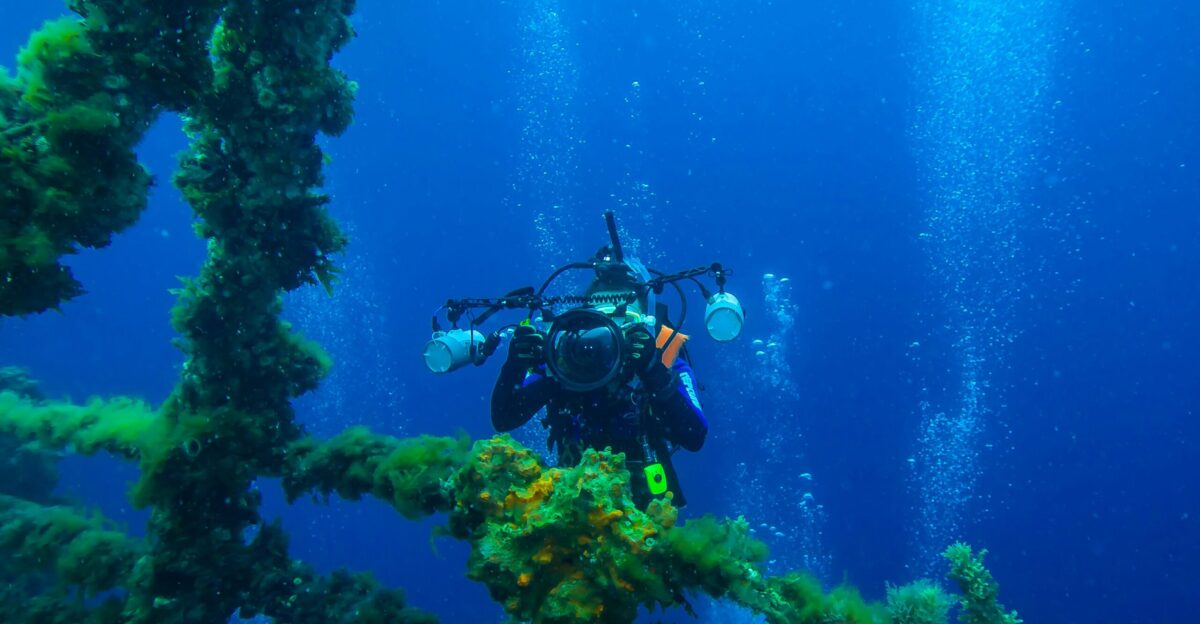
The discovery of the 16th-century shipwreck offers archaeological value and educational potential for communities. Schools and institutions can use such discoveries to inspire students’ curiosity and passion for history and marine science. “Imagine school trips where students learn about maritime history firsthand from experts,” suggests Marine Sadania.
“It will emphasize the connection between them and their heritage, and between history and the natural world.” Educational initiatives from such finds could forge a deeper appreciation for marine conservation and cultural heritage, empowering the next generation of scholars and explorers.
Ethical Considerations
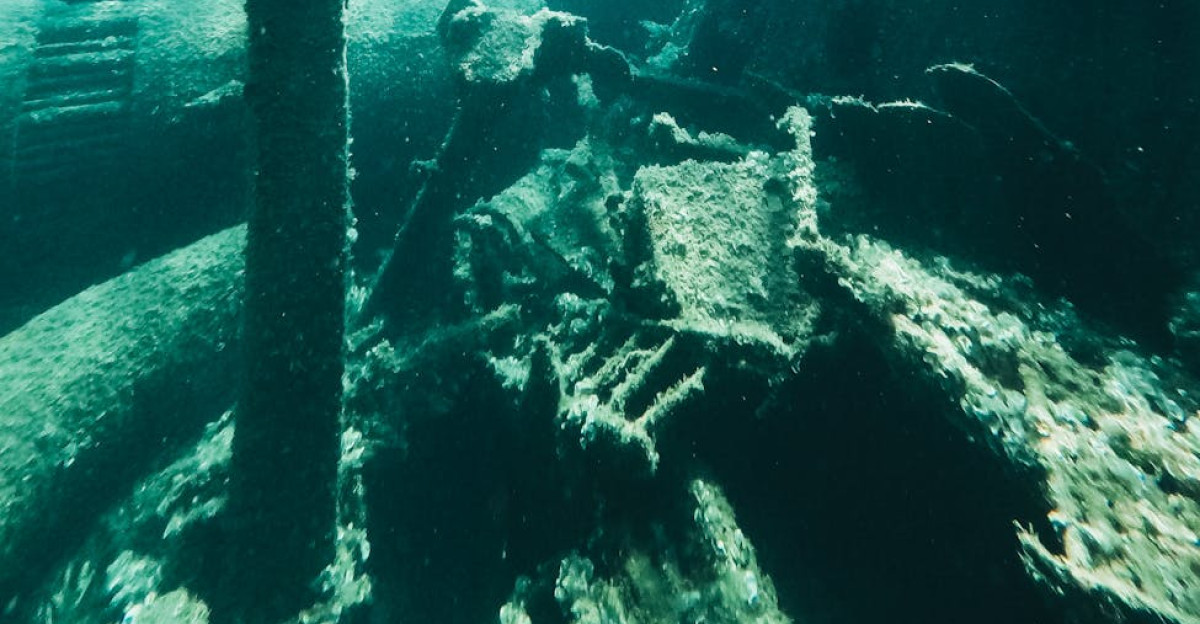
With excitement surrounding discoveries also come critical ethical challenges regarding the preservation and study of underwater sites. Issues surrounding ownership, access, and potential exploitation of resources must be navigated thoughtfully. As Dr. Clara Jennings articulates, “Ethical frameworks are essential as we tread into these uncharted waters.
We must ask ourselves what recovery and exploration mean, not only for science but also for humanity’s shared heritage.” The discourse surrounding these complexities emphasizes the responsibility accompanying each new revelation beneath the waves, shaping the future of underwater archaeology for years to come.
Global Community Engagement
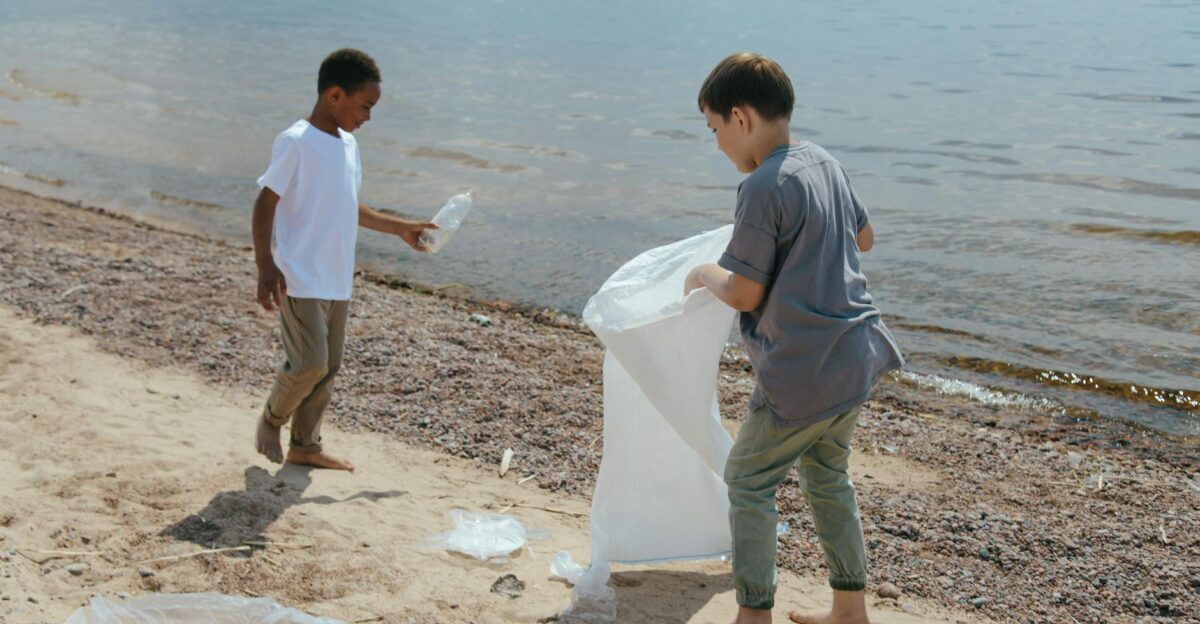
As stories of underwater discoveries circulate, a global community of enthusiasts emerges, eager to share and participate in preserving maritime history. Social media platforms and community organizations can contribute to increased awareness about ocean conservation and archaeological practices. “It creates a powerful connection,” says Dr. Filippo Grassi.
“We all share the ocean, and engaging local communities in these narratives is vital. Each story can enhance understanding of our marine environments and the need to protect them.” Engaging with the world fosters unity in uncovering and embracing our shared maritime past.
A Watershed Moment
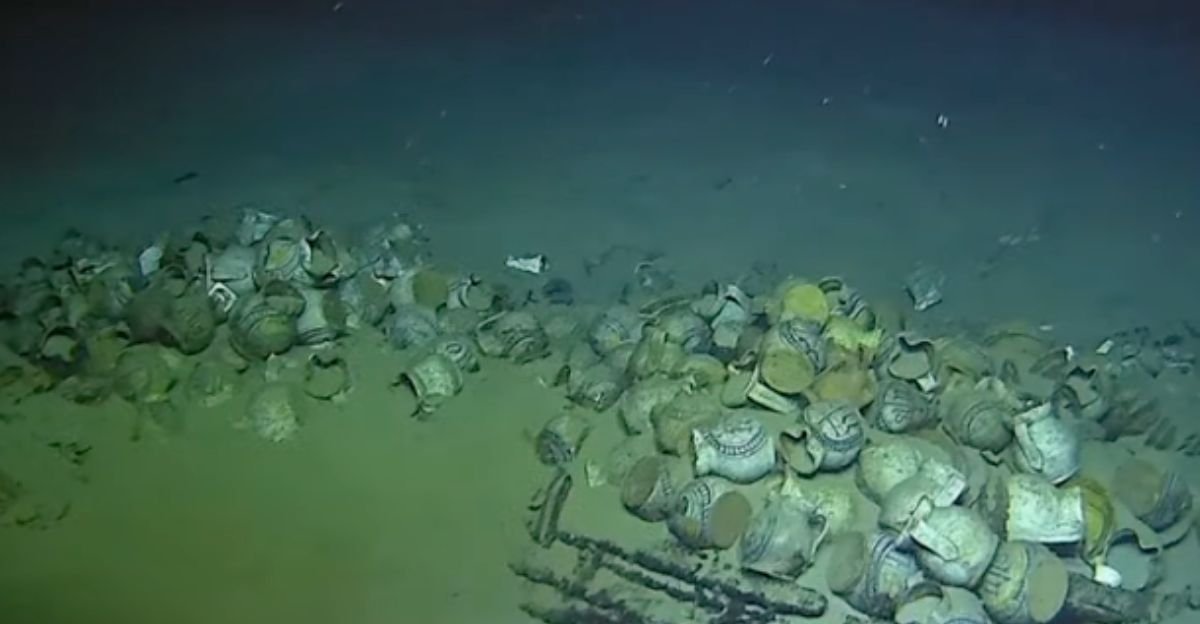
In conclusion, the discovery of the 16th-century shipwreck marks a watershed moment for maritime archaeology and our understanding of historical trade networks. As technological advances and collaborative efforts propel the field forward, new opportunities arise to uncover hidden histories. “This shipwreck represents a bridge between the past and future,” asserts Marine Sadania.
“It offers a unique glimpse into the incredible tapestry of human experience that shaped our world today. Each dive into our oceans encourages us to explore not just the past but also our responsibilities for the future.” The journey continues as we dive deeper into history’s depths.