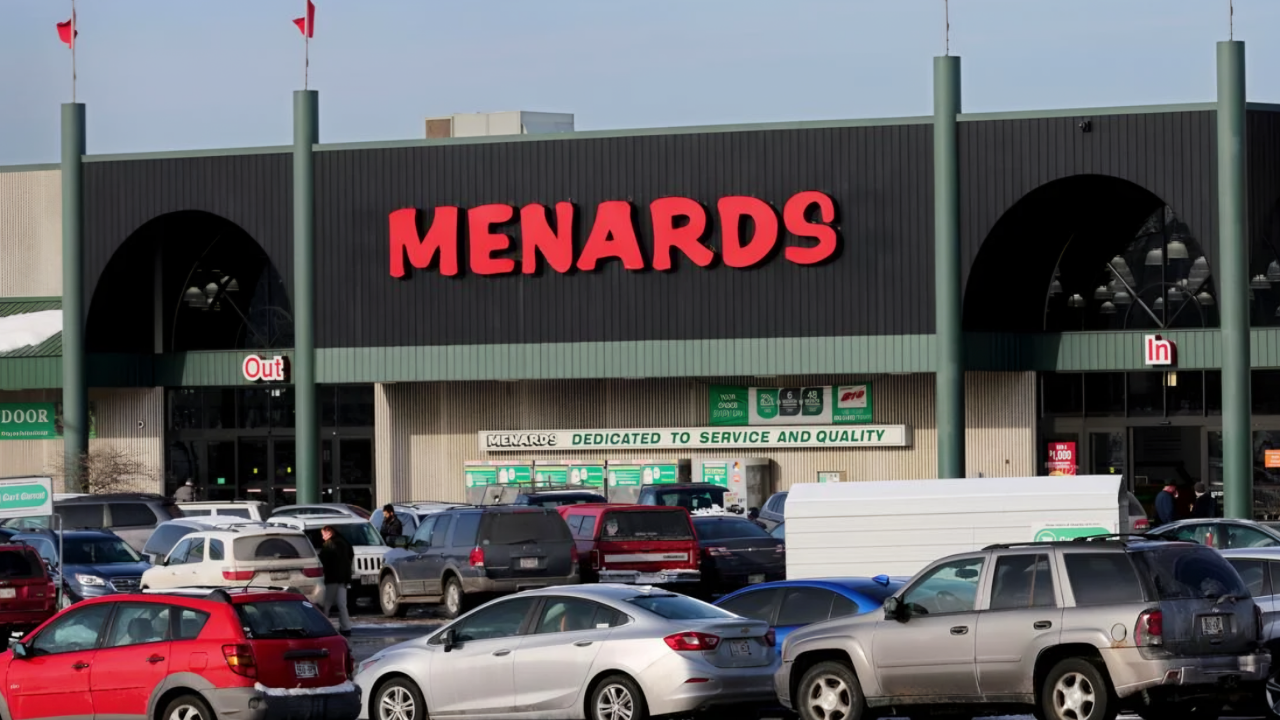
For years, Midwestern families saw “11% OFF EVERYTHING” signs at Menards and planned big projects around the promised savings. According to a new 10-state settlement, millions of shoppers actually paid full price at the register, with only a maze-like rebate offer in return.
The $4.25 million deal, filed December 17, 2025, now forces Menards to change how it advertises those headline discounts.
The Fine Print Behind Those Giant 11% Signs
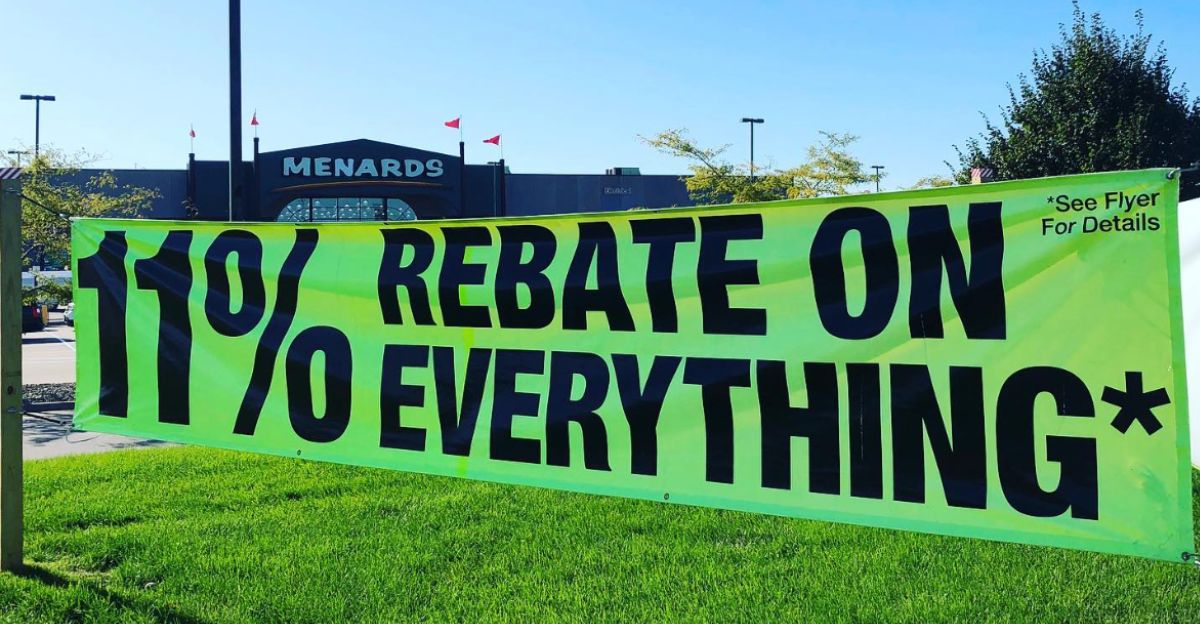
Investigators say the core problem was simple: the ads clearly suggested an immediate price cut, but the deal lived in the fine print. According to Minnesota Attorney General Keith Ellison, shoppers reasonably believed “11% off” meant they’d see lower prices on their receipts.
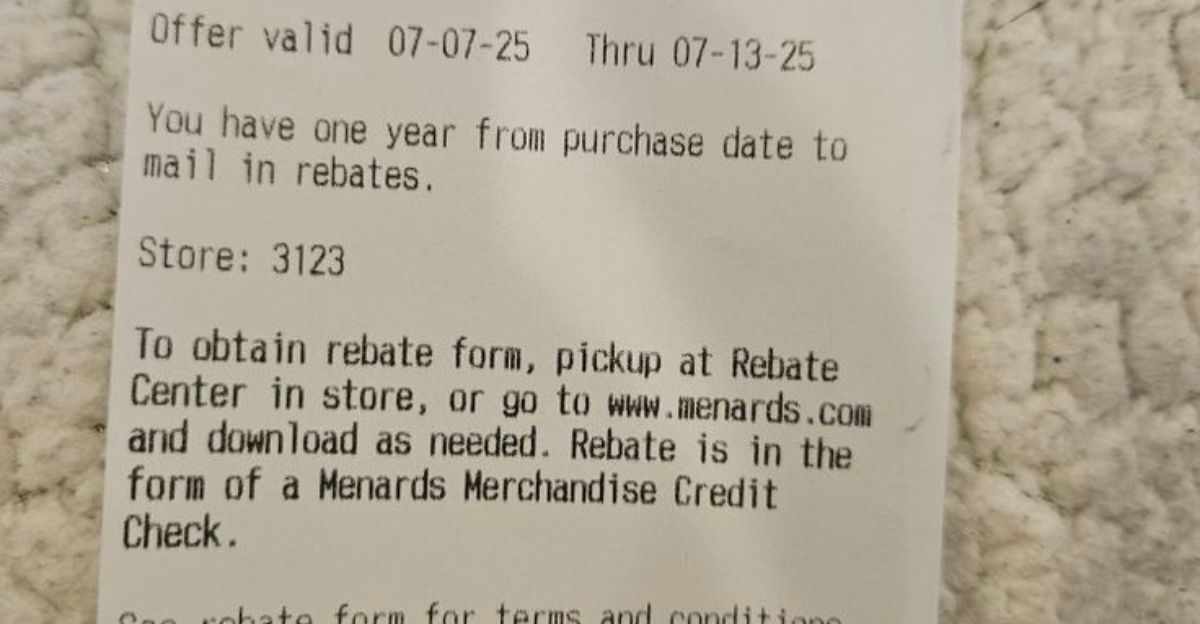
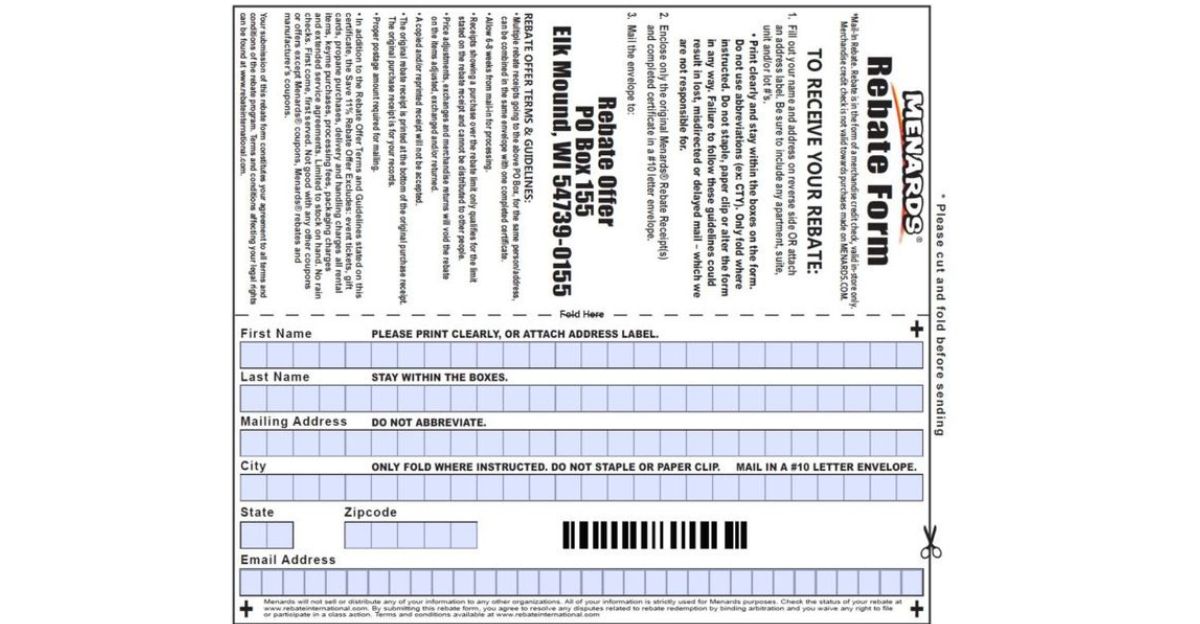
Instead, the promotion hinged on a rebate form and a delayed merchandise credit, usable only on future Menards purchases.
How a Midwest Retail Giant Got Here

Menard Inc., a privately held, family-run home improvement chain headquartered in Eau Claire, Wisconsin, operates 341 stores across 15 states. According to state filings, its footprint covers much of the Midwest and parts of the Plains, making those green “Save Big Money” ads hard to miss.
With that reach, even a single recurring promotion—such as the 11% rebate weeks—could impact millions of transactions over several years.
A Bipartisan Wall of Attorneys General

This wasn’t a single-state skirmish. Attorneys general from Minnesota, Illinois, Iowa, Wisconsin, Arizona, Kansas, Michigan, Nebraska, Ohio, and South Dakota joined forces in a bipartisan coalition. According to their joint announcements, Democratic and Republican prosecutors alike viewed the rebate marketing as deceptive.
That cross-party unity is unusual in consumer cases and signals how far they believed the promotion strayed from honest advertising.
Why “Rebates International” Raised Red Flags

To many shoppers, the rebate paperwork mentioned a separate company, “Rebates International,” handling processing. According to multiple state complaints, Menards did not clearly disclose that this supposed third-party operation was actually itself.
Regulators argued that it created a shell-game feel—suggesting independent oversight where there was none, and masking who really controlled whether customers ever saw their promised store credits.
The COVID-Era Price Gouging
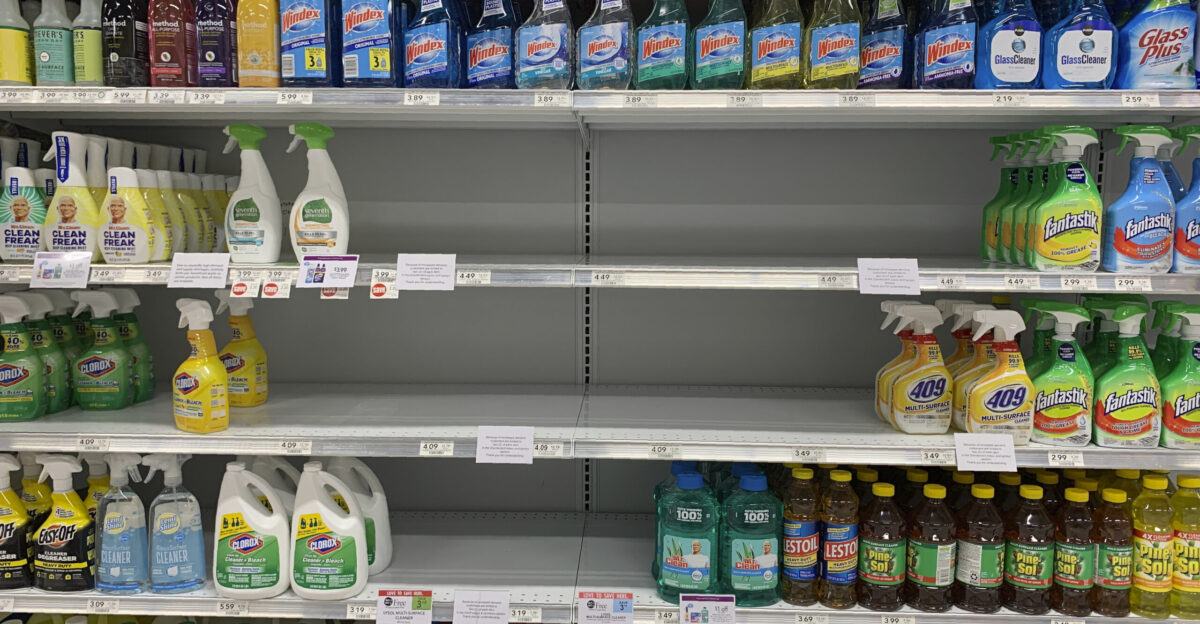
The case did not stop at advertising. According to Minnesota and other states, Menards also hiked prices on pandemic essentials in early 2020, including rubbing alcohol, garbage bags, dish soap, and neoprene gloves.
Those were items families scrambled for in the first COVID wave. Building those allegations into the same settlement turned the case into both a marketing and public-crisis accountability story.
How Much Money Is on the Line for Menards

The multistate agreement totals $4.25 million. Illinois will receive just under $947,000, while Minnesota is expected to receive roughly $632,000 under its share of the deal. Other states, including Wisconsin and Nebraska, also detailed six-figure payouts in their announcements.
For a chain of Menards’ size, the dollar figure is meaningful but not crippling; the larger impact is likely the new rules governing how it can advertise rebates.
Why Regulators Say Shoppers Felt Misled
When people planned kitchen remodels or backyard projects, that extra 11% mattered. According to state filings, customers believed they were locking in immediate savings on big-ticket items—from lumber and appliances to flooring and tools.
Instead, they discovered at checkout that prices hadn’t budged. The only way to capture the advertised “deal” was to complete rebate paperwork correctly, wait weeks, and then return to spend a store credit.
Language Test for Truth in Ads
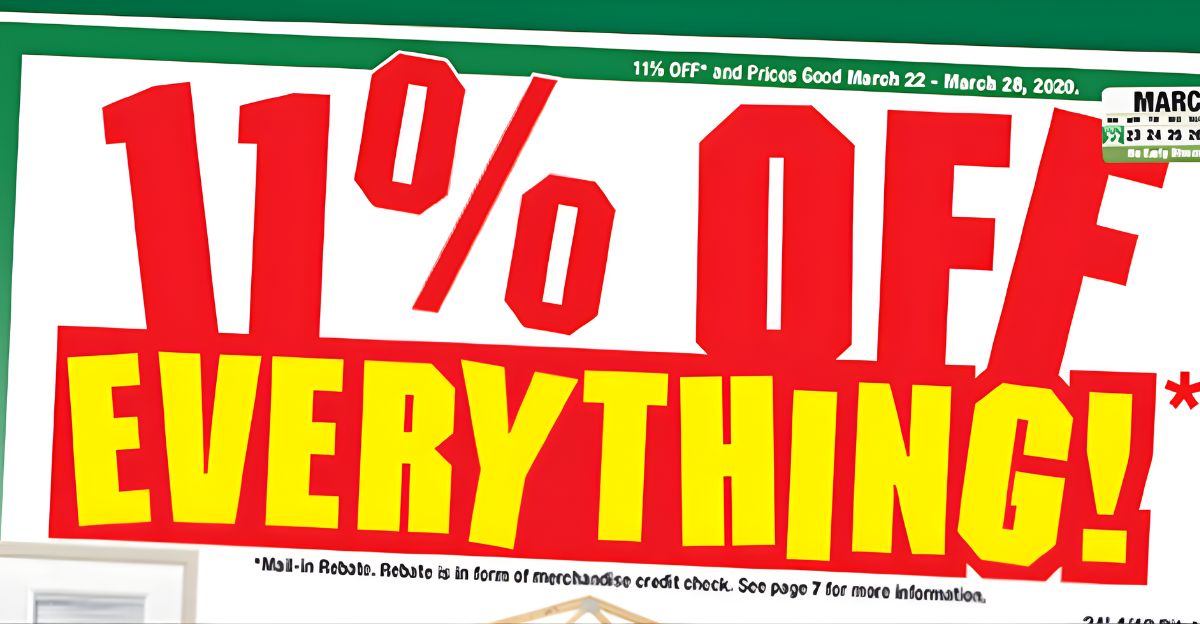
In explaining the settlement, Ellison said an ad that says “11 percent off everything” clearly tells consumers they can buy goods at an 11 percent discount, not that they’re limited to a rebate program or in-store credit. That simple reading became the foundation for the case.
If ordinary shoppers walked away with that understanding, regulators argued, the promotion crossed the line from clever marketing into deception.
The New Rules Menards Must Live By

The settlement does more than levy fines. According to attorneys general, Menards must now clearly disclose when a promotion is a rebate rather than a point-of-sale discount. If the customer will not see savings on the receipt, the advertising must say so prominently.
The retailer is also barred from suggesting that outside companies are managing rebates without accurate disclosure of its own role behind the scenes.
Rebate Deadlines and a 48-Hour Tracker Rule
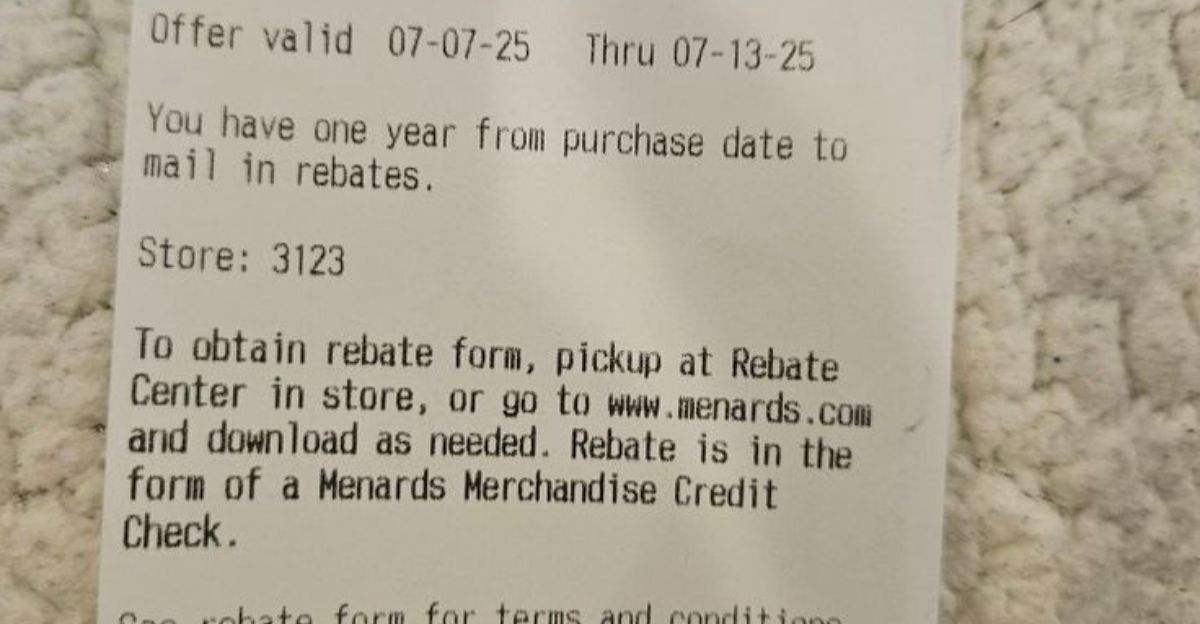
States also pushed for practical fixes that matter on the ground. Menards has agreed to give shoppers at least one year to submit rebate claims, providing a more realistic window for busy households.
According to the agreement, the company must update its online rebate tracker within 48 hours of processing status changes, helping customers see whether their forms were received, approved, or rejected without weeks of uncertainty.
Why Rebate-As-Discount Deals Are So Controversial

Rebate promotions are legal, but regulators view them as risky when they feel like disguised discounts. According to consumer advocates, many people never complete the paperwork, lose receipts, or miss deadlines, turning “savings” into pure marketing gloss.
In the Menards case, the concern was less the existence of a rebate and more that the overall impression—“11% OFF EVERYTHING”—promised something different than what actually happened at the register.
How Many Households May Have Been Touched

No state has put a precise number on affected customers, but the scale of Menards’ operations suggests the reach was broad. With 341 stores and steady big-box traffic, investigators said millions of customer transactions likely occurred during rebate periods.
Over years of recurring promotions, that means a significant share of Midwestern households probably saw the signs, believed the offer, and only later discovered the fine-print reality.
What This Means for Shoppers

For consumers, the settlement offers some immediate protections. Clearer ads, longer claim windows, and transparent rebate tracking should make it harder for confusion to thrive. Equally important, the case sends a message to other retailers that rebate-heavy marketing will be judged by how real shoppers understand it, not by technical disclaimers buried in a footer.
Future “percent off” promises may need to look more like straightforward discounts again.
How Menards Responded to the Allegations

Menards did not admit wrongdoing as part of the settlement, a common feature of such agreements. The company has largely allowed attorneys general to frame the narrative publicly while it moves to adjust its practices.
According to state documents, Menards agreed to the new advertising requirements and rebate reforms to resolve the investigation and avoid drawn-out litigation that could have kept the allegations in the headlines longer.
A First-of-Its-Kind Crackdown

Several officials have framed the deal as one of the first major multistate crackdowns on rebate-as-discount advertising in the home improvement sector. By bundling deceptive marketing allegations with COVID-era price issues, the coalition signaled that large retailers will be judged on how they treat customers both in normal times and during crises.
That precedent may shape how future promotions are designed across the industry.
The Human Side of “Phantom” Savings

Behind the legal language sit very ordinary frustrations. Families who planned purchases around those 11% signs thought they had finally timed things right—maybe buying all the shingles at once, or upgrading to a better refrigerator because the numbers seemed to work.
According to complaints described by state officials, discovering at checkout that the “deal” lived in a mail-in rebate instead felt like being talked into a promise that never quite materialized.
Why Bipartisan Enforcement Matters
Consumer cases often get overshadowed by partisan battles, but this one did not break on ideological lines. Attorneys general from red and blue states issued similar language about fairness and truth in advertising.
That bipartisan front gives the settlement added weight: it suggests a shared baseline expectation that when a sign shouts “11% OFF EVERYTHING,” shoppers should not need a legal dictionary to figure out what it really means.
What Other Retailers Are Likely Watching
Beyond Menards, other big-box chains that lean heavily on rebates and loyalty credits are almost certainly studying this agreement. According to legal analysts quoted in regional coverage, the case underscores that regulators will focus on the net impression of an ad, not just disclaimers.
If a promotion feels like a discount but functions like a conditional coupon, retailers may now assume that state attorneys general are paying close attention.
A Quiet Course Correction for How We Read Sales

In the end, the Menards settlement does not rewrite the laws of retail, but it nudges the line toward clearer promises. Shoppers may still see rebates, loyalty offers, and in-store credits, but this case asks a simple question: does the headline match what actually happens at the register?
For millions of people who trusted that “11% off everything” meant what it said, this settlement is an overdue attempt to close that gap.
Sources:
Minnesota Attorney General Keith Ellison, December 17, 2025, settlement announcement regarding Menards settlement in Ramsey County District Court.
Wisconsin Department of Justice and DATCP. “AG Kaul, DATCP Secure Settlement with Menards.” December 17, 2025.
Michigan Attorney General’s Office. “AG Nessel Secures Settlements with Menards.” December 17, 2025.
Nebraska Attorney General Mike Hilgers. “Settlement with Menards.” December 16, 2025.
South Dakota Attorney General Marty Jackley. “Settlement with Menards Over Rebate Advertising.” December 17, 2025.
Illinois Attorney General’s Office. “Illinois Recovers $946,633.61 in Menards Settlement.” December 17, 2025.