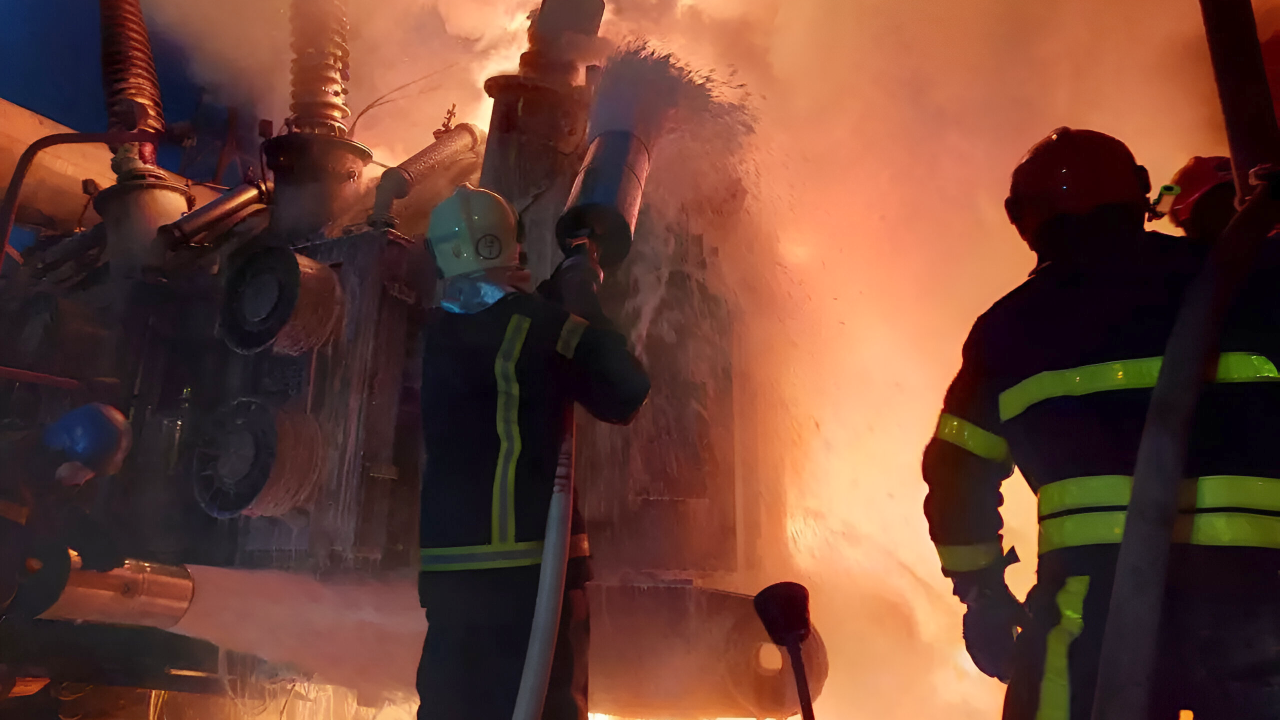
On the night of October 28–29, 2025, Ukraine executed a large-scale drone assault across three Russian regions, targeting oil depots and chemical plants. The coordinated strikes impacted locations from Crimea to the Volga heartland, resulting in significant explosions at facilities in Ulyanovsk, Mari El, and Stavropol. Dramatic footage shared online showed massive fires engulfing fuel tanks and processing equipment.
While some drones were intercepted by Russian air defenses, debris from these engagements sparked additional blazes, indicating a partial failure to prevent damage. This unprecedented assault highlights a substantial escalation in Ukraine’s long-range campaign against Russia’s military logistics and oil supply chain.
Fuel Crisis Deepens

As of late September 2025, approximately 40% of Russia’s oil refining capacity, equivalent to about 338,000 tons of crude per day, has been rendered non-operational due to Ukrainian strikes. This disruption has caused gasoline prices to skyrocket, with increases of 10% since January, representing the most significant surge in 15 years. A survey by finance platform WEBBANKIR revealed that 74% of Russian drivers experienced price hikes since August, and 90% anticipate further increases.
The consequences of this fuel crisis are far-reaching, with over 40% of drivers adjusting their driving habits and many encountering empty gas stations, which risks both civilian and military transportation logistics.
Strategic Targeting

Ukraine’s drone campaign began incrementally in 2024 but witnessed a significant escalation by mid-2025. In just the first ten months of 2025, Ukrainian forces have successfully targeted 21 of Russia’s 38 major refineries, representing a nearly 48% increase in successful strikes compared to all of 2024.
The geographical reach of these strikes extends from the Leningrad region in the northwest to Krasnodar in the south, and from the Urals to the Volga. Each targeted facility has the capacity to process hundreds of thousands of tons of crude oil annually, underscoring Ukraine’s capability to inflict economic damage from great distances, even exceeding 2,000 kilometers.
Economic Weapon

The Ukrainian government asserts that the strikes on oil refineries comprise a deliberate economic strategy aimed at crippling Russia’s military finances. President Zelenskyy emphasized this on October 28, stating, “This is their war money from oil refining. That’s why we’re targeting it.” Kyrylo Budanov, head of Ukraine’s Main Intelligence Directorate, contends that the damage inflicted by these drone strikes far surpasses the impact of Western economic sanctions.
He noted that oil product exports from Russia plummeted by 17.1% in September, illustrating the effectiveness of Ukraine’s strategy to undermine Russia’s ability to sustain its military operations through oil revenues.
The October 29 Strikes
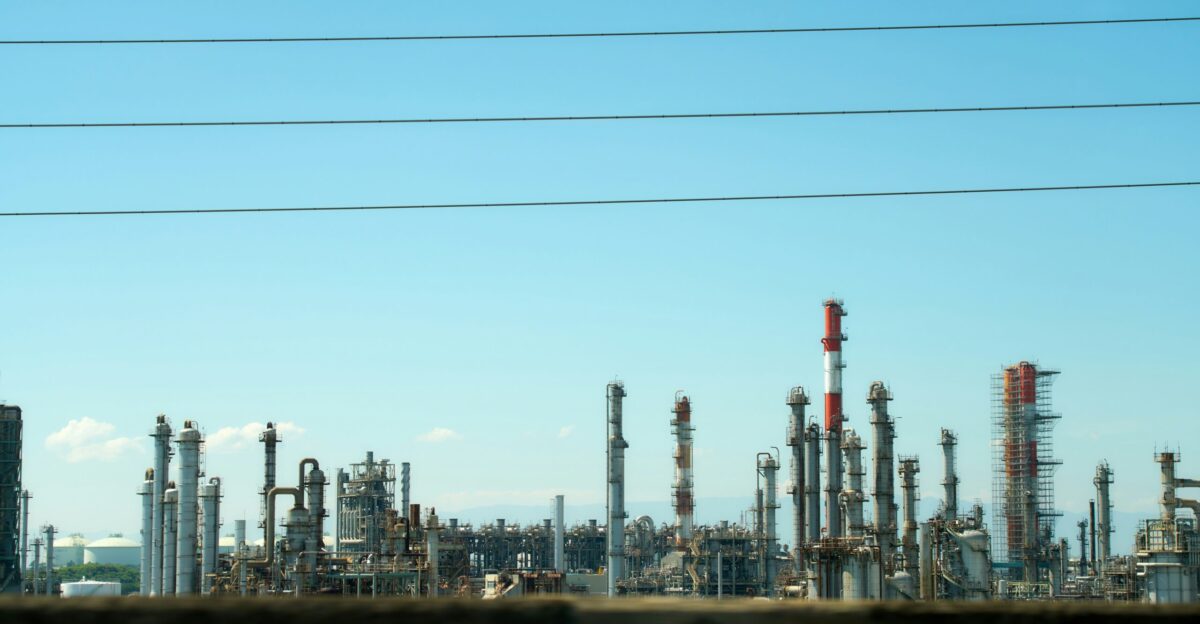
On October 28–29, Ukrainian Special Operations Forces strategically targeted three vital Russian energy facilities deep within Russian territory. The NS-Oil refinery in Novospasskoye, Ulyanovsk Oblast, faced destructive explosions, severely disrupting production at a facility that processes 600,000 tons of crude oil annually.
In parallel, strikes on the Maryinsky Oil Refinery in Tabashino, Mari El, threatened a plant that handles 1.6 million tons per year. Finally, the Budyonny Gas Processing Plant in Stavropol Krai caught fire, jeopardizing a pipeline supplying 2.2 billion cubic meters of gas annually. These coordinated attacks confirmed Ukraine’s ability to damage major components of Russia’s energy infrastructure severely.
Crimea Under Fire
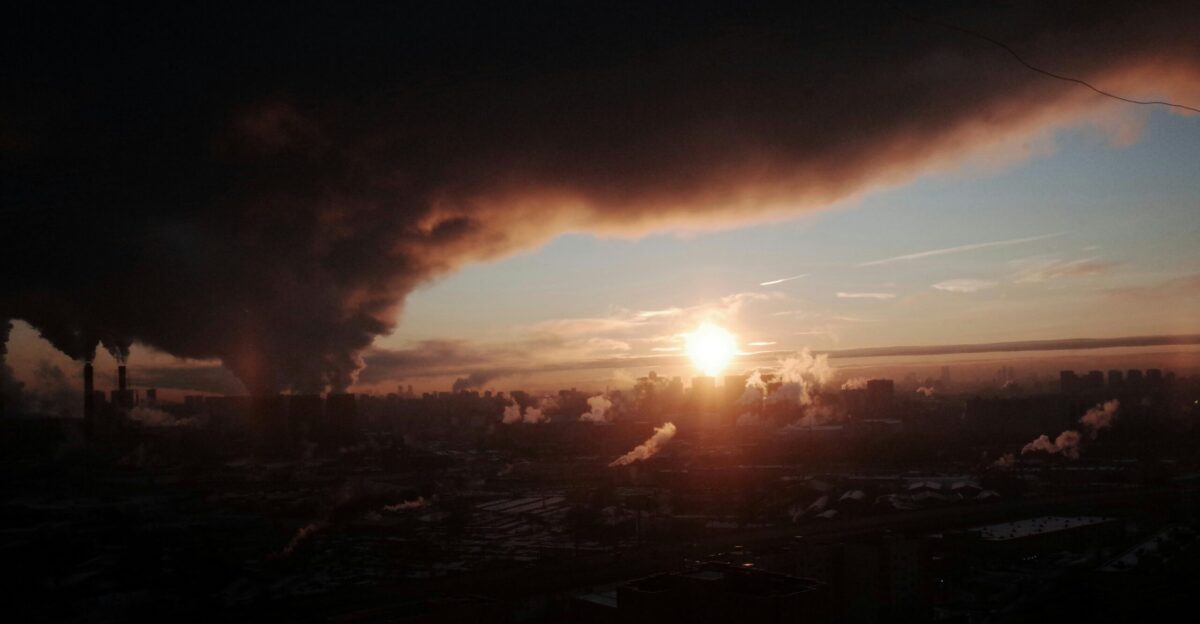
Simultaneously, the same night of the drone assaults, two oil depots in occupied Crimea, Hvardiiske and Komsomolske, were targeted. The Hvardiiske facility, a key part of Crimea’s fuel station network, suffered catastrophic damage, with powerful explosions destroying fuel tanks and a Pantsir-S2 anti-aircraft system valued at around $20 million. Nearby, the Komsomolske site experienced intense fires as burning military fuel trucks released thick smoke into the night sky.
Additional assaults in Simferopol, Crimea’s capital, sparked more chaos. These attacks not only disrupted supply for Russian occupation forces but showcased Ukraine’s intent to apply pressure on all fronts, demonstrating a calculated approach in its broader military strategy.
Local Impact and Reactions
Residents in affected Russian regions expressed alarm and frustration as the assaults unfolded. A resident from Ulyanovsk described hearing “massive explosions echoing through the night,” followed by chaotic scenes near the refinery. Another resident noted, “We never imagined such drastic attacks would reach our town.” The strikes prompted local authorities to bolster security measures, fearing further drone assaults.
Beyond the immediate damage, the psychological impact on communities enduring these strikes is palpable, exposing the vulnerability of Russian infrastructure and the resolve of Ukrainian forces in their ongoing campaign against Russia’s military capability.
International Consequences

The escalating drone campaign by Ukraine has drawn increased global attention. Western allies, monitoring the situation closely, have expressed support for Ukraine’s initiatives to strike back against Russian aggression. Analysts note that the success of these drone strikes could potentially encourage further military support from NATO and other allied nations.
As experts evaluate the effectiveness of Ukraine’s drone strategy in hindering Russian operations, calls for enhanced intelligence-sharing and technology transfer have gained traction, reinforcing a collaborative effort to bolster Ukraine’s defense capabilities in the ongoing conflict.
The Scope of Damage
The cumulative effect of these drone strikes signifies a notable shift in wartime tactics that may lead to a substantial economic and operational impact on Russia’s military framework. With strategic strikes on critical infrastructure, estimates suggest damages exceeding $700 million in lost production and logistics.
This not only disrupts energy supplies for Russian military operations but also affects civilian sectors reliant on these resources. The alteration in fuel availability and pricing highlights a broader economic crisis, which poses significant challenges for Russia’s ability to maintain its military initiatives over time.
The Broader Strategy

The October strikes form part of Ukraine’s broader strategy to undermine Russia’s military capacity through targeted economic damage. The sustained assault on energy infrastructure is critical in limiting Russia’s ability to finance military aggression.
As President Zelenskyy articulated, the intent is clear: “To weaken them where it hurts their funding.” The ongoing campaign stresses not just military prowess but also shrewd economic tactics that exploit Russia’s vulnerabilities and dependencies. As Ukraine advances its operations, the implications extend beyond immediate territorial conflicts and provoke deep-rooted consequences for Russian economic stability.
Understanding the Tactical Advantage

Ukraine’s focus on drone technology reveals a tactical evolution in modern warfare. The effective use of drones for precision strikes showcases a shift toward asymmetric warfare, leveling the playing field against a traditionally larger military force.
This leap in tactical capability allows Ukraine to engage targets at great distances while mitigating risks to ground forces. The ability to carry out such operations reflects not only advances in technology but also extensive training and coordination within Ukrainian forces, which significantly alter the dynamics of the conflict in the region.
Public Sentiment in Ukraine

The drone strikes have resonated positively within Ukraine, where public morale has surged in response to these tactical successes against Russia. Citizens view these actions as a powerful statement of resilience and capability.
A Kyiv resident expressed, “Every successful strike reinvigorates our belief that we can reclaim our land.” Community support swells as citizens rally around the notion that their military can effectively challenge Russian forces. This shift in public sentiment fuels ongoing determination among the Ukrainian populace to stand united in the face of adversity, emphasizing national pride and resolve.
Future Implications
The unfolding nature of these drone strikes raises questions about the future of the conflict and potential retaliation from Russia. With diminished oil production capacity only worsening, Moscow may opt for strategic retaliatory actions against Ukrainian infrastructure.
Observers are keenly analyzing how these commercial disruptions could influence Moscow’s military strategy and engagement in other operational theaters. As the situation evolves, both sides may be compelled to reassess their military tactics and economic strategy, predicting profound implications for the balance of power in the ongoing conflict.
Global Energy Markets at Risk
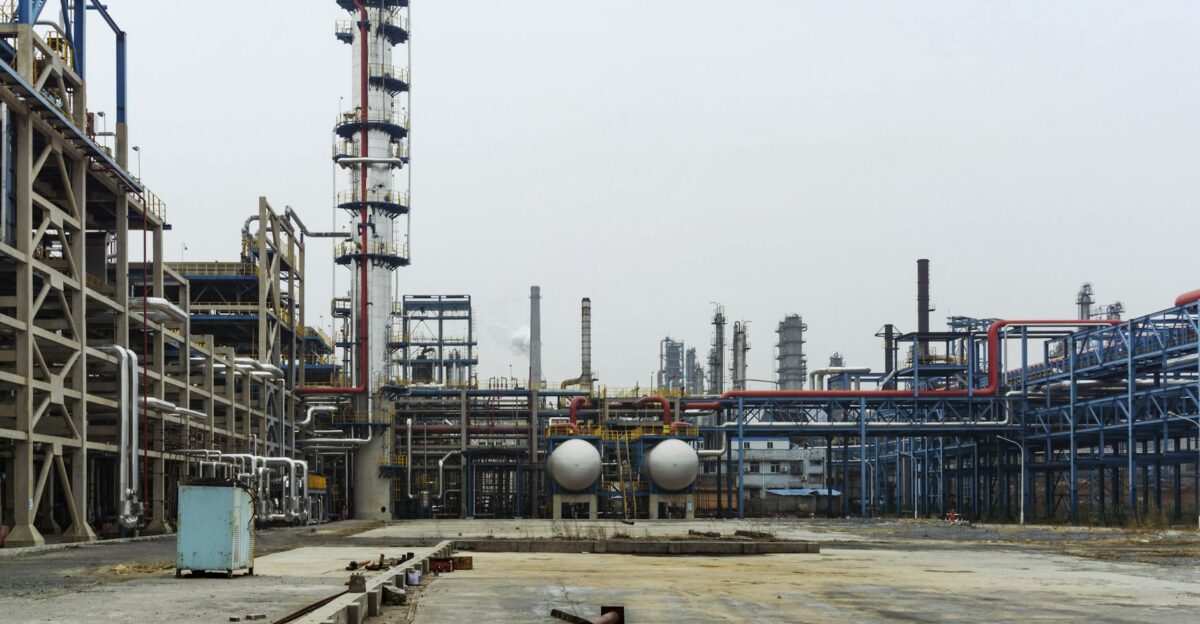
The repercussions of Ukraine’s drone strikes extend beyond immediate military concerns to broader implications for global energy markets. Disruptions in Russian oil supplies threaten to drive up global prices amid already rising inflation, affecting nations that rely heavily on energy imports.
As countries scramble to adjust their strategic energy policies, experts warn that instability in the region could have a ripple effect on global economic conditions. This ongoing crisis presents significant challenges to energy security, underscoring the need for alternative energy solutions to reduce reliance on volatile supplies.
A Defining Moment in Warfare

The drone strikes executed by Ukraine on the night of October 28–29 represent more than just immediate tactical victories; they symbolize a considerable shift in wartime operations and the global approach to asymmetric warfare.
The strategic targeting of Russia’s oil infrastructure showcases not only military competence but a broader, more calculated economic assault that aims to reshape the landscape of the conflict. As the war progresses, the effectiveness of such operations will continue to reshape perceptions, tactics, and the potential for resolution in one of the critical geopolitical conflicts of our time.