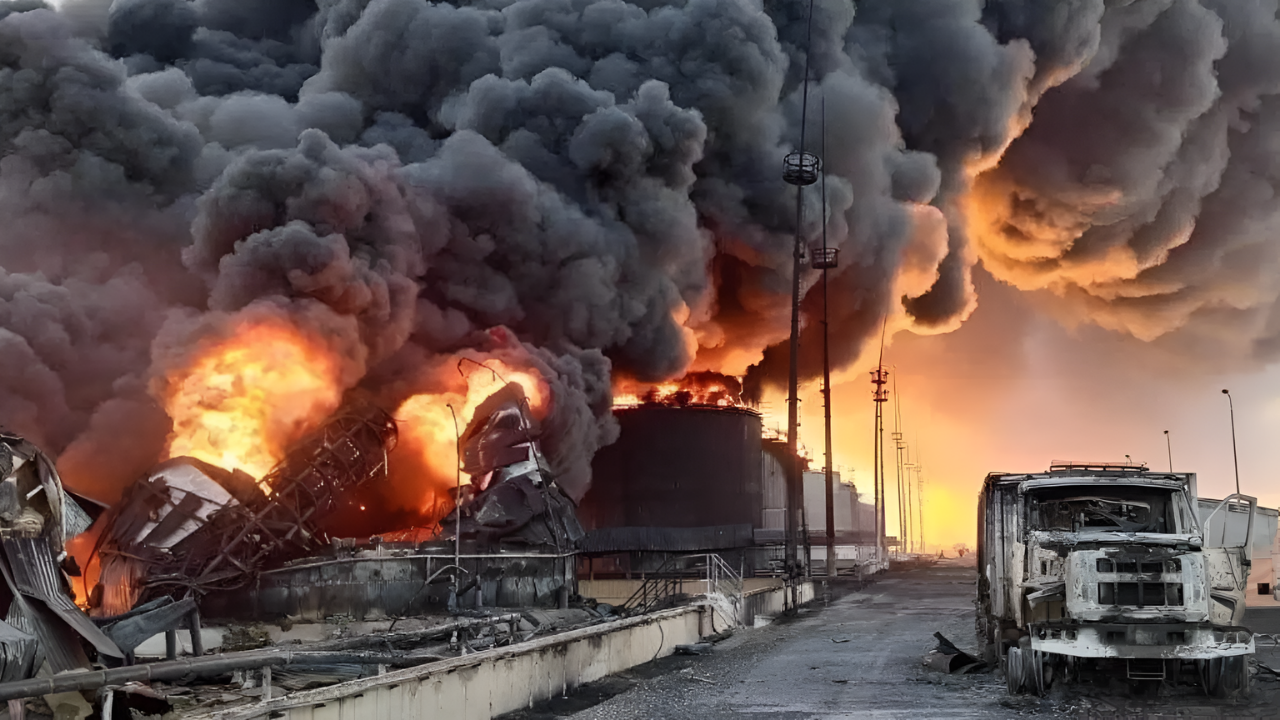
A major Ukrainian drone strike on November 2, 2025, set the Tuapse oil terminal on Russia’s Black Sea coast ablaze, disrupting a key export route that supplies energy to China, Malaysia, Singapore, and Turkey. The attack, which damaged loading piers and ignited at least one oil tanker, marked the largest drone assault on Russian oil infrastructure since the conflict began, with Russia claiming to have destroyed 283 Ukrainian drones in a single night. The incident not only crippled a vital node in Russia’s energy export network but also triggered retaliatory Russian strikes that left 60,000 Ukrainians in Zaporizhzhia without power.
Strategic Chokepoint Under Fire
The Tuapse terminal, with its 240,000-barrel-per-day refining capacity, is a linchpin in Russia’s oil trade with Asia. Unlike previous Ukrainian attacks that targeted refineries or pipelines within Russian territory, this strike hit a facility central to Russia’s international oil exports. The scale and coordination of the drone swarm underscored Ukraine’s growing tactical sophistication and its intent to undermine the financial underpinnings of Russia’s war effort by targeting assets far from the front lines.
Drone Swarms and Economic Warfare
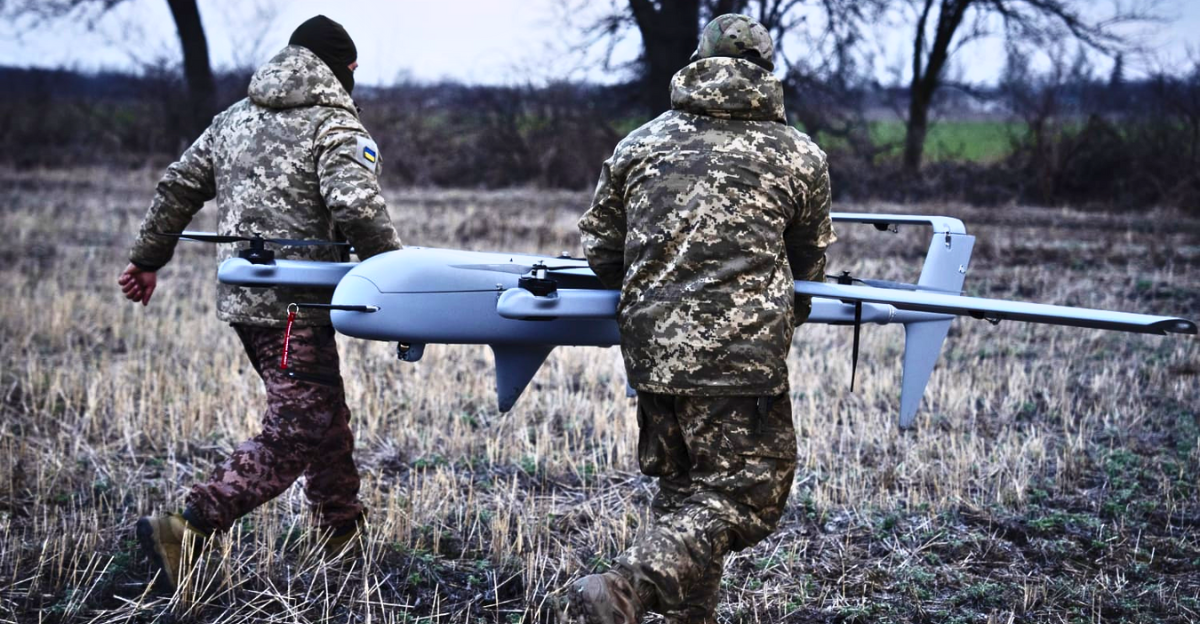
Deploying nearly 300 drones in a single operation, Ukraine demonstrated a shift toward high-impact economic warfare. Each drone, costing between $100,000 and $200,000, represents a relatively modest investment compared to the potential losses inflicted on Russia. The estimated hardware cost of the attack ranged from $28 million to $56 million, while a week-long shutdown of Tuapse could cost Russia up to $134 million in lost oil exports at current prices. By forcing Russia to divert resources to defend critical infrastructure and respond to attacks, Ukraine leverages inexpensive technology as a force multiplier against a more powerful adversary.
Ripple Effects on Global Markets and Shipping
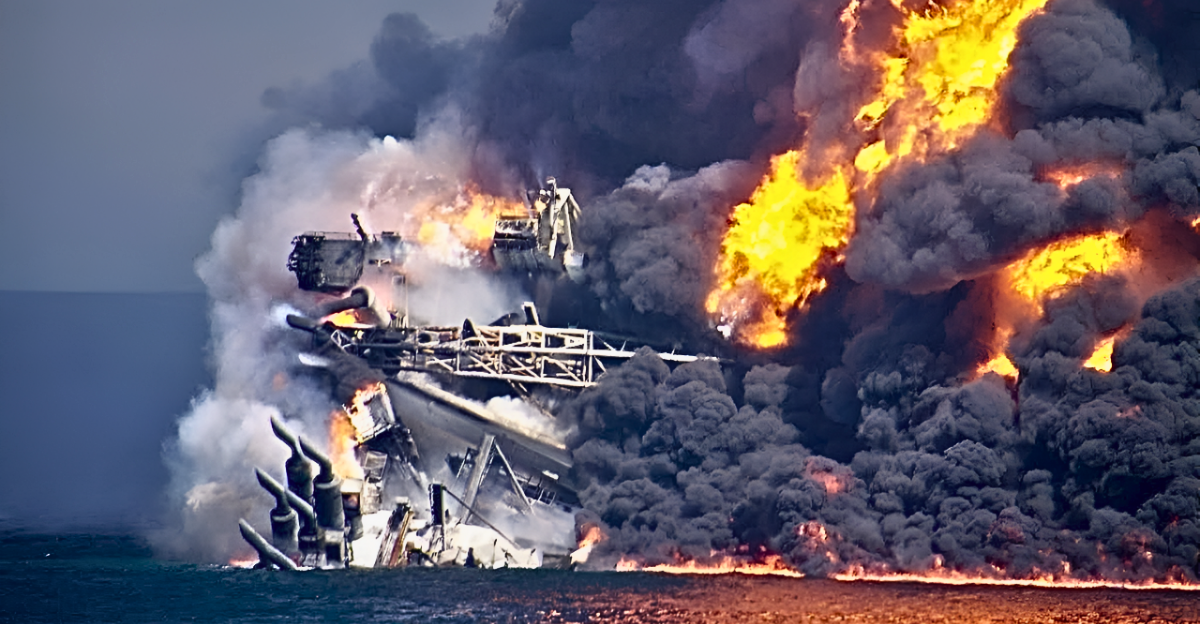
The Tuapse strike disrupted 10–15% of Russia’s Black Sea oil export capacity, threatening to ripple through global energy markets and raise prices. Four piers at the terminal were rendered inoperable, slashing tanker handling capacity by up to 40%. The attack also sparked fires that posed immediate environmental risks, including oil spills and long-term maritime safety concerns in the Black Sea corridor. Two foreign civilian vessels sustained damage, highlighting the growing danger to non-combatant shipping and raising the specter of diplomatic tensions over commercial losses and maritime insurance costs.
Civilian Impact and Retaliatory Strikes
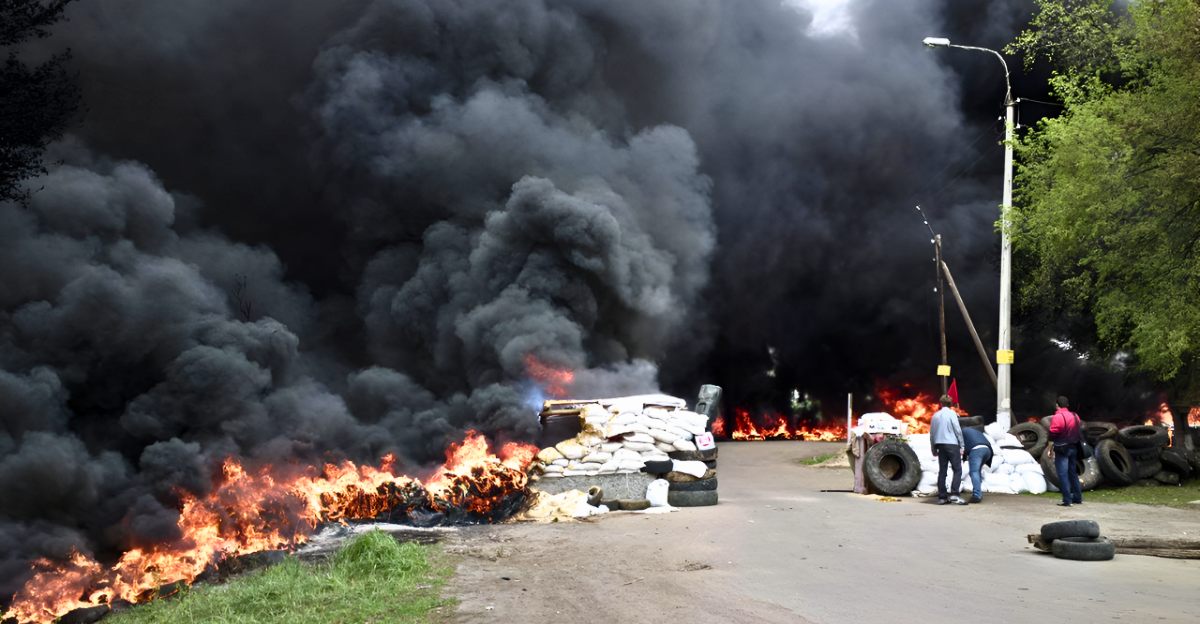
In response to the Tuapse attack, Russia launched counterstrikes on Ukrainian infrastructure, primarily targeting power grids in Zaporizhzhia and plunging nearly 60,000 residents into darkness. This cycle of attack and retaliation illustrates how infrastructure warfare extends beyond military targets, inflicting hardship on civilian populations and escalating the humanitarian toll of the conflict. While Ukraine’s drone strikes aim to erode Moscow’s financial and industrial base, Russia’s reprisals seek to punish and demoralize Ukrainian society.
Strategic and Geopolitical Implications

The Tuapse attack signals a new phase in the conflict, where energy infrastructure becomes a primary battleground. As Russia seeks to pivot its exports toward Asia to circumvent Western sanctions, disruptions at key terminals like Tuapse threaten both its financial stability and its strategic realignment. The incident exposes vulnerabilities in Russia’s air defenses, which, despite intercepting hundreds of drones, failed to prevent significant damage. The cost disparity between Ukraine’s drone deployment and Russia’s lost revenue highlights the effectiveness of asymmetric tactics in modern warfare.
Looking ahead, repeated strikes on export infrastructure could force Russia to invest heavily in air defense and repairs, diverting resources from frontline operations. The risk to international shipping may prompt multilateral discussions on Black Sea security, while volatility in energy markets could accelerate global shifts toward alternative suppliers and renewables. As Ukraine refines its economic warfare strategy, the conflict may increasingly revolve around the targeting of critical infrastructure, with far-reaching consequences for military, economic, and geopolitical stability.