On a cold morning in early December 2024, UnitedHealthcare CEO Brian Thompson left his Midtown Manhattan hotel for work and never made it to his office. A hooded assailant approached him from behind and opened fire with what investigators later described as a silenced handgun, shooting him several times in the back before fleeing. Surveillance cameras recorded the killing, turning an ordinary commute into a scene that would soon dominate national discussion about violence, corporate power, and the American healthcare system.
Investigators quickly discovered an unsettling detail at the crime scene: shell casings etched with the words “deny,” “defend,” and “depose.” Those terms, widely associated with insurance company litigation and claims practices, appeared to transform the shooting into something more than a targeted killing of a high-profile executive. For critics of major insurers, the inscriptions seemed to encapsulate long-standing anger over claim denials, delays, and opaque policies. In the days that followed, Thompson’s death was no longer viewed only as a homicide but as a grim flashpoint in a broader argument over how health coverage works in the United States.
Manhunt, Arrest, and a Pivotal Search
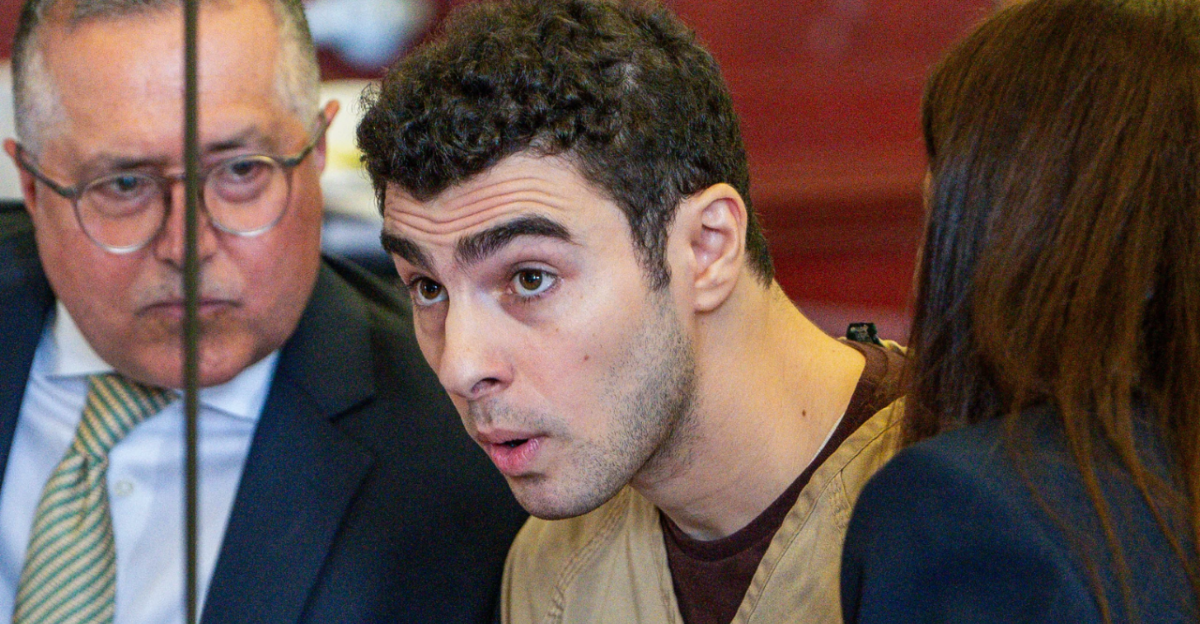
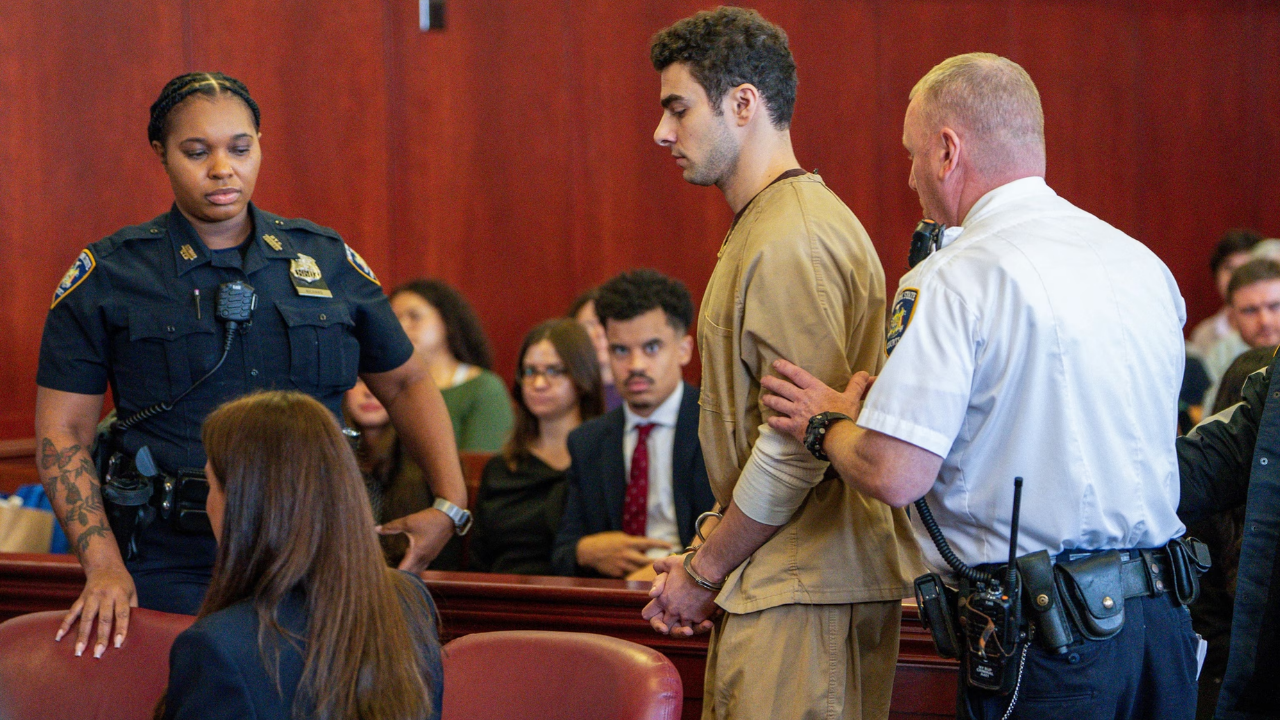
In the days after the shooting, authorities assembled a detailed trail using surveillance footage, phone records, and witness accounts that led them from New York City to Pennsylvania. On December 9, 2024, police arrested 26-year-old Luigi Mangione at a McDonald’s in Altoona, Pennsylvania, after he was reportedly seen near the location linked to his movements following the attack. Officers say they found a backpack containing a loaded handgun, additional ammunition, and a notebook, items that quickly became central to the government’s case.
What initially looked like the conclusion of a manhunt soon turned into a complicated fight over constitutional procedure. Mangione’s legal team argues that officers searched the backpack several hours before obtaining a warrant, violating his Fourth Amendment protections against unreasonable searches. They also contend that his rights were breached during questioning, saying key statements were taken without proper Miranda warnings. These claims set the stage for a crucial series of suppression hearings beginning in December 2025.
Public Backlash, Sympathy, and Political Crosscurrents
As the case moved toward trial, it collided with rising frustration over healthcare costs and coverage. For years, large insurers, including UnitedHealthcare, had been criticized for their handling of claims and prior authorizations, and Thompson’s killing became entangled with that resentment. The inscribed ammunition reinforced the perception that the attack was motivated by anger at the insurance system, turning the case into a symbolic clash between an individual suspect and a powerful industry.
Public reaction proved unexpectedly divided. Some people rallied around Mangione, raising money for his legal defense through alternative crowdfunding platforms after more mainstream services removed similar campaigns. Outside court, supporters gathered with shirts and signs casting him as a figure standing up to corporate excess, even as prosecutors portrayed him as a calculated killer. This groundswell of sympathy, paired with political arguments about crime, corporate accountability, and healthcare reform, raised concerns about how such intense public attention might shape jury selection and the broader judicial process.
The Fight Over Evidence and Constitutional Stakes
At the heart of the courtroom battle is the material investigators say they pulled from Mangione’s backpack. Along with the firearm and ammunition, authorities report seizing a handwritten notebook and a 3D-printed gun. According to prosecutors, the journal includes passages indicating that “insurance” was chosen as a target and describing the criteria that led to that decision, evidence they view as critical to showing ideological motive and linking Mangione to Thompson’s killing. Defense lawyers insist that because the backpack was searched roughly seven hours before a warrant was issued, everything inside—along with Mangione’s contested statements—must be excluded.
If the judge agrees with the defense, the government would lose not only the alleged murder weapon but also the writings tying the crime to a broader grievance against the insurance industry. That would force prosecutors to lean heavily on surveillance video, cell phone data, and witness accounts that place a hooded figure matching Mangione’s description near the crime scene and at nearby locations such as a Starbucks. Legal analysts have noted that, without the physical evidence and notebook, the case could shift from a seemingly direct prosecution to a much more difficult effort built largely on circumstantial proof.
Parallel Cases, Global Attention, and a System Under Scrutiny
The legal tangle does not end with the state case. Mangione also faces federal charges, including the use of a firearm in a killing, though some terrorism-related counts were dropped in 2025. The dual tracks of state and federal proceedings raise the possibility of different outcomes and penalties, including the prospect of capital punishment at the federal level. At the same time, lawmakers in Washington and in state capitals have seized on Thompson’s death to renew calls for inquiries into health insurance practices, while opponents frame the case as a warning about political violence and attacks on business leaders.
Beyond U.S. borders, international outlets have highlighted the killing as emblematic of tensions inside the American healthcare model, contrasting it with systems in countries where coverage is more tightly regulated. Commentators abroad and at home have questioned how a dispute over access and affordability contributed to such an extreme act, and what that suggests about public trust in institutions. The proceedings have also drawn interest from legal scholars who say the suppression ruling could help shape future standards for warrantless searches during arrests and clarify the limits of police authority in time-sensitive investigations.
Looking Ahead: Justice, Reform, and Unanswered Questions
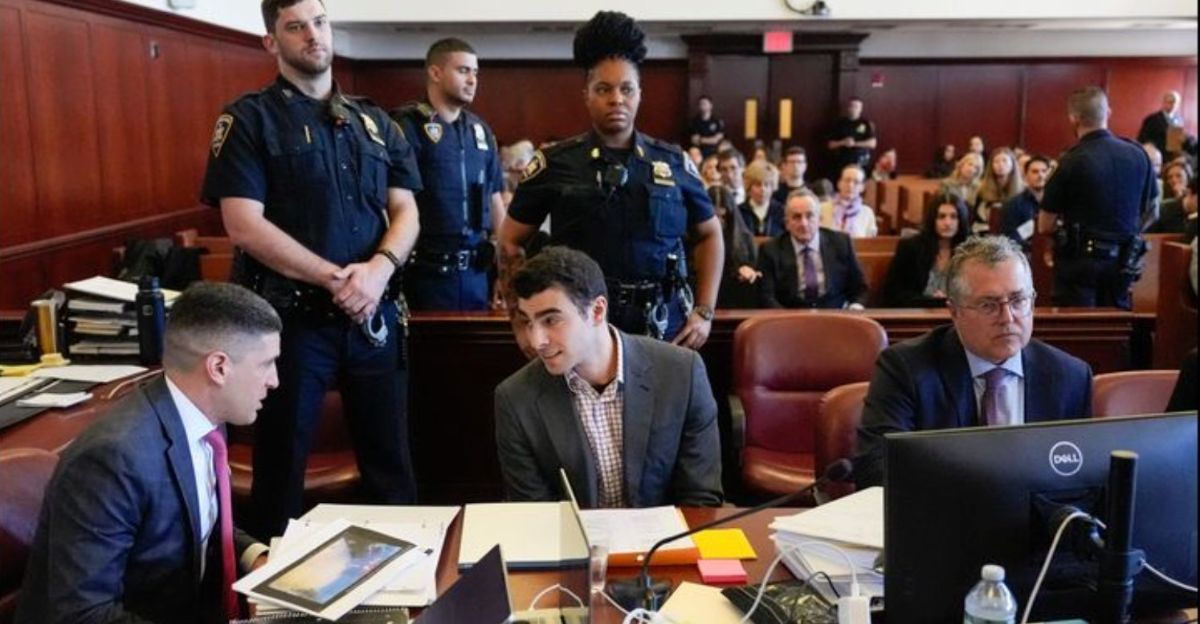
As the suppression hearings progress, the outcome will determine whether jurors ultimately see the gun, the notebook, and the writings that prosecutors call central to their case—or whether those items remain legally off-limits. A decision to exclude the evidence could dramatically weaken the prosecution and raise new questions about search procedures, while a ruling in favor of the state would affirm a broader interpretation of what officers can do before securing a warrant. Either way, the court’s choice is likely to influence how future investigations handle seized personal belongings and digital records.
Whatever verdict is eventually reached, the killing of Brian Thompson has already left a lasting imprint on debates over corporate influence, healthcare access, and the boundaries of lawful protest. For Thompson’s family and colleagues, the case is about a life taken in a targeted street attack; for many patients and activists, it has become a touchstone in a struggle over who bears responsibility when people are denied care. The trial’s resolution, and any reforms it may inspire, will help define how the country balances individual rights, corporate accountability, and public safety in an era of deep mistrust and widening inequality.
Sources PBS NewsHour: Ammo used in health insurance CEO’s killing had ‘deny,’ ‘defend’ and ‘depose’ written on it
BBC News: Mangione in court as lawyers seek to rule out notebook
Le Monde: Suspect Luigi Mangione fights to exclude evidence from his trial
NBC News: Luigi Mangione set to return to court for pretrial hearing
ABC News: ‘I knew it was him immediately,’ officer who found Luigi Mangione