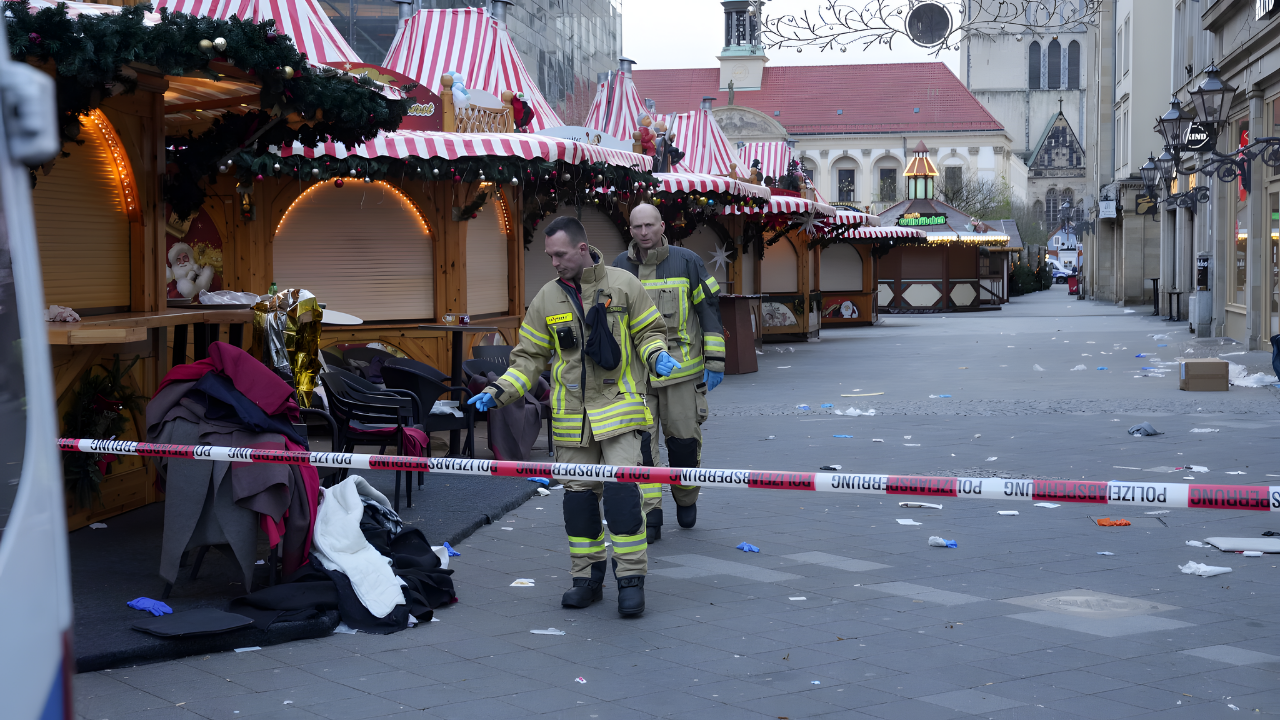
It took just 48 hours for German security services to move from suspicion to arrest. What they discovered reveals a radicalization network operating in plain sight, raising uncomfortable questions about whether prevention is even possible anymore.
On Saturday, December 13, 2025, five men were arrested in the Dingolfing-Landau district in connection with an Islamist-motivated plot to ram a vehicle through crowds at a Christmas market. But this story doesn’t begin with arrests. It starts with a question security services couldn’t ignore.
The Local Imam Who Allegedly Called For Mass Murder
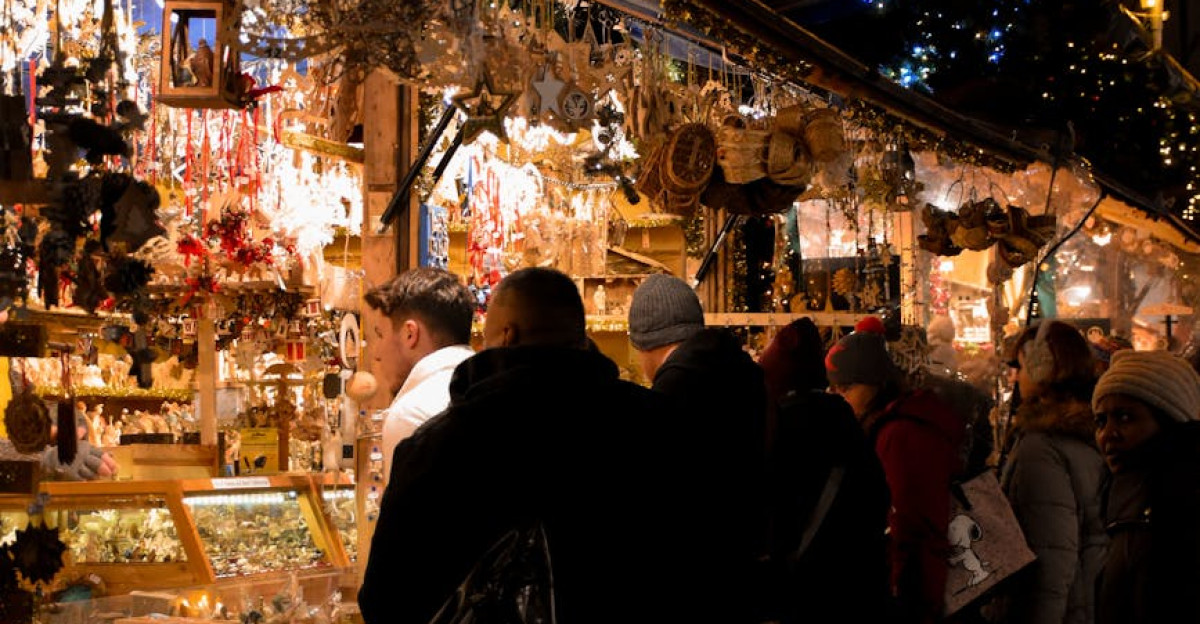
In a mosque in the Dingolfing-Landau district northeast of Munich, a 56-year-old Egyptian imam allegedly gathered followers and called for a vehicle attack on a Christmas market, where families with children would celebrate.
He allegedly named the method, described the target, and encouraged specific individuals to carry it out. Three Moroccan men aged 22, 28, and 30 reportedly responded by agreeing to commit murder.
Intelligence Agencies Connected The Dots In 48 Hours
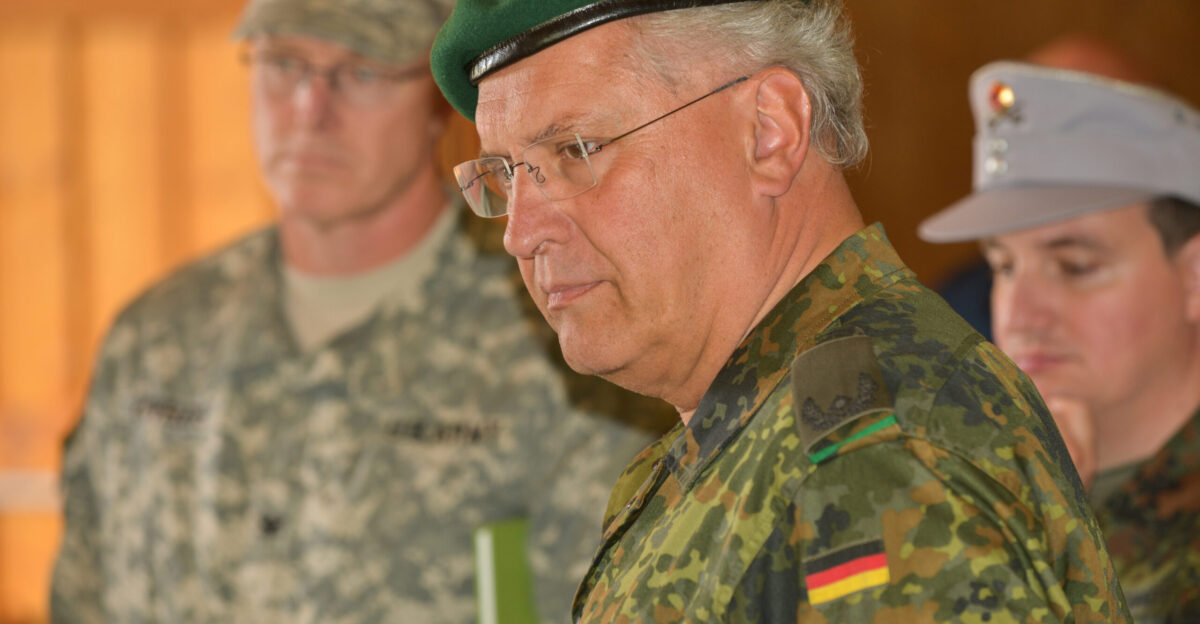
Security services became aware of the plot just two days before the arrests. Officials haven’t disclosed how they identified the suspects—whether through informants, surveillance, social media monitoring, or intercepted communications. What’s clear is that once authorities saw the pattern, they moved with urgency.
Bavarian Interior Minister Joachim Herrmann credited “excellent cooperation between our security services” for preventing a potentially catastrophic attack at its early stage.
Two German Market Attacks Since 2016
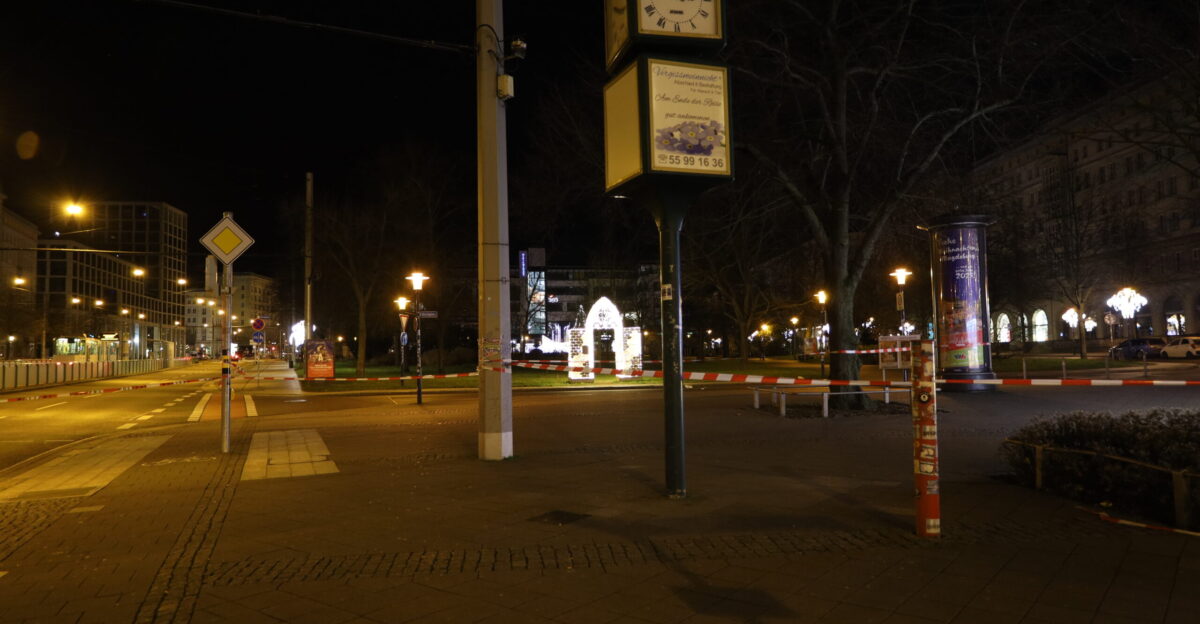
On December 19, 2016, Tunisian asylum seeker Anis Amri hijacked a truck at Berlin’s Breitscheidplatz Christmas market, killing 12 and injuring approximately 170. The Islamic State claimed responsibility.
Then, almost exactly one year ago—December 20, 2024—Saudi driver Taleb Al-Abdulmohsen plowed an SUV through Magdeburg’s Christmas market, killing six and injuring more than 300.
Protecting What Should Feel Safe
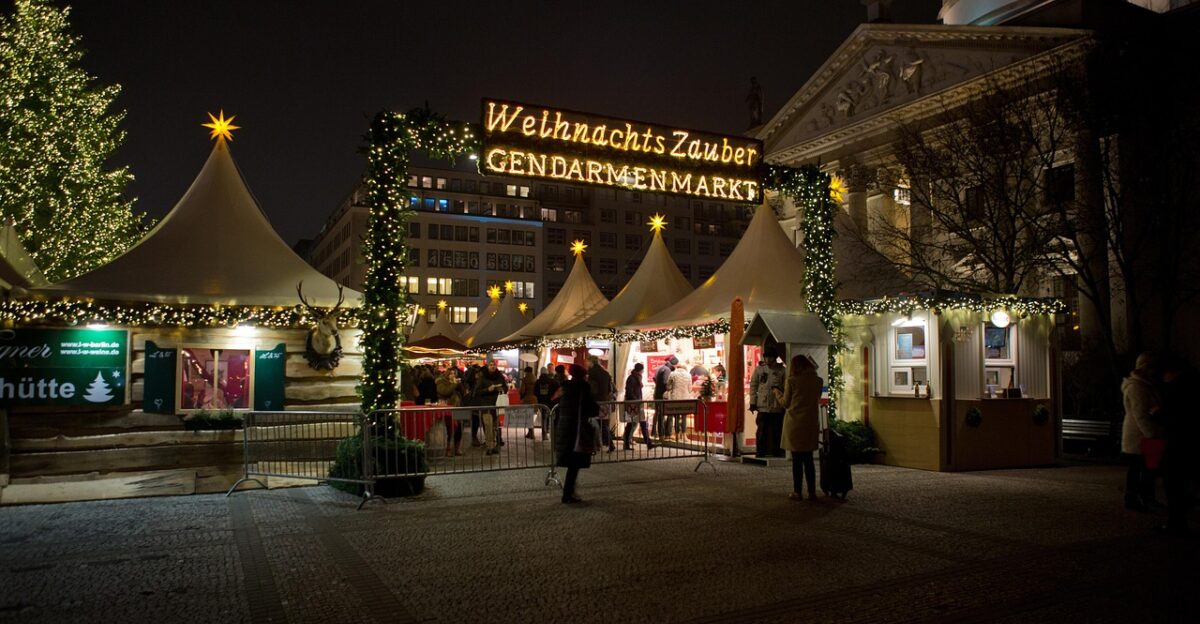
Today, markets operate behind concrete barriers weighing 450 kilograms each, retractable steel bollards, surveillance cameras, entrance checkpoints, and armed personnel.
Berlin’s Gendarmenmarkt market charges two euros per entry to cover costs. Hamburg disguised security barriers as oversized Christmas gifts. Göttingen closed entire streets. What was once a casual family outing now requires navigation through security perimeters.
More Spending, Yet Another Plot Discovered
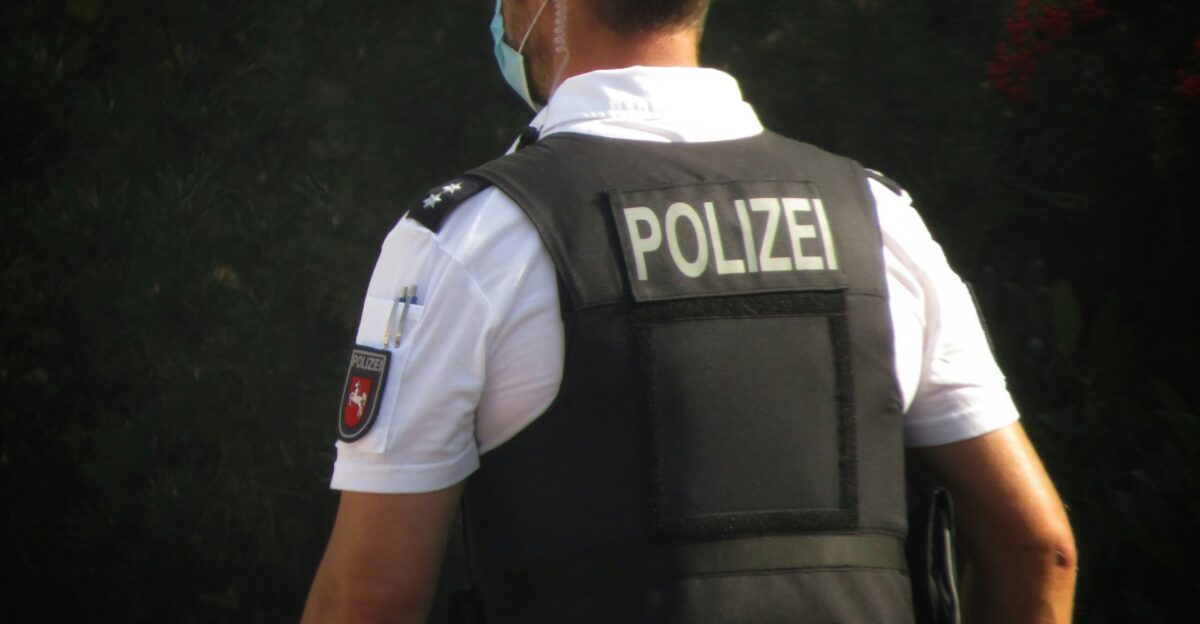
Bavarian authorities were monitoring markets with 44 percent more resources, not because they detected specific threats, but because threat levels remain abstractly high across all German Christmas markets.
The five suspects were identified through intelligence work before attempting to strike. Their plot was discovered during early development, before any specific market or release date had been finalized. This reveals a complex reality: even with vast spending on defense, prevention depends on intelligence agencies finding needles in haystacks.
Century-Old Traditions Abandoned Entirely
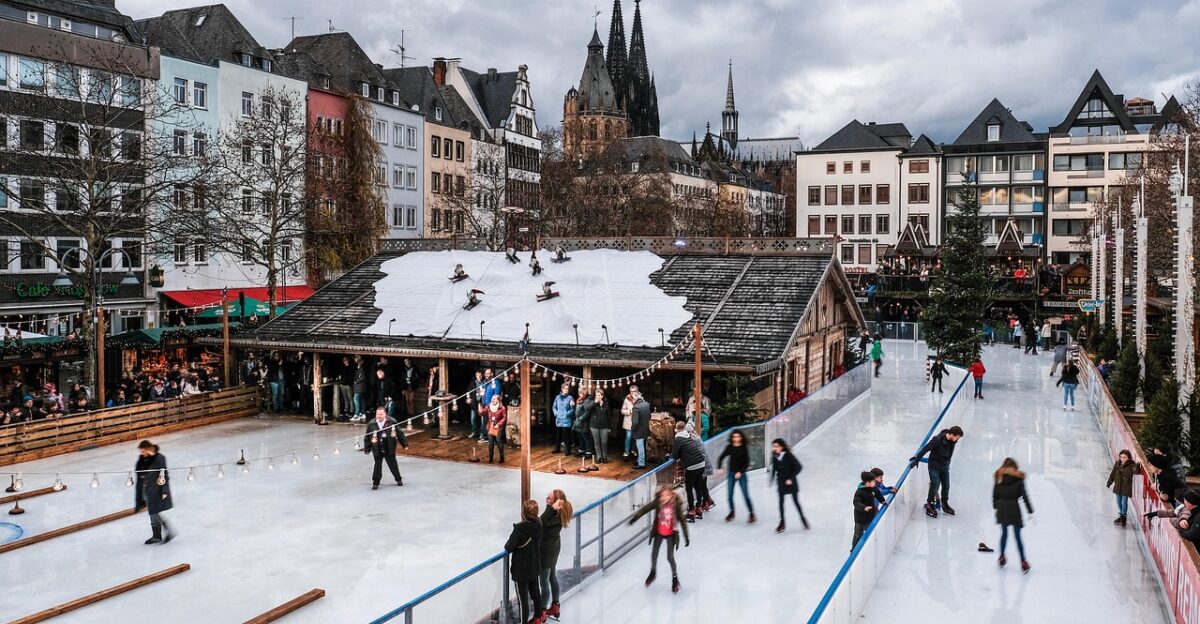
The burden of security has forced some municipalities to make an unimaginable choice: abandon Christmas markets entirely. Markets in Overath near Cologne, Rostock, and Dortmund’s Bodelschwingh Castle were canceled for the 2025 season.
Local administrators cited rising costs and difficulty meeting stricter security requirements. Some towns warned that without additional federal subsidies, they cannot continue hosting markets.
Yet 170 Million People A Year Still Choose To Come
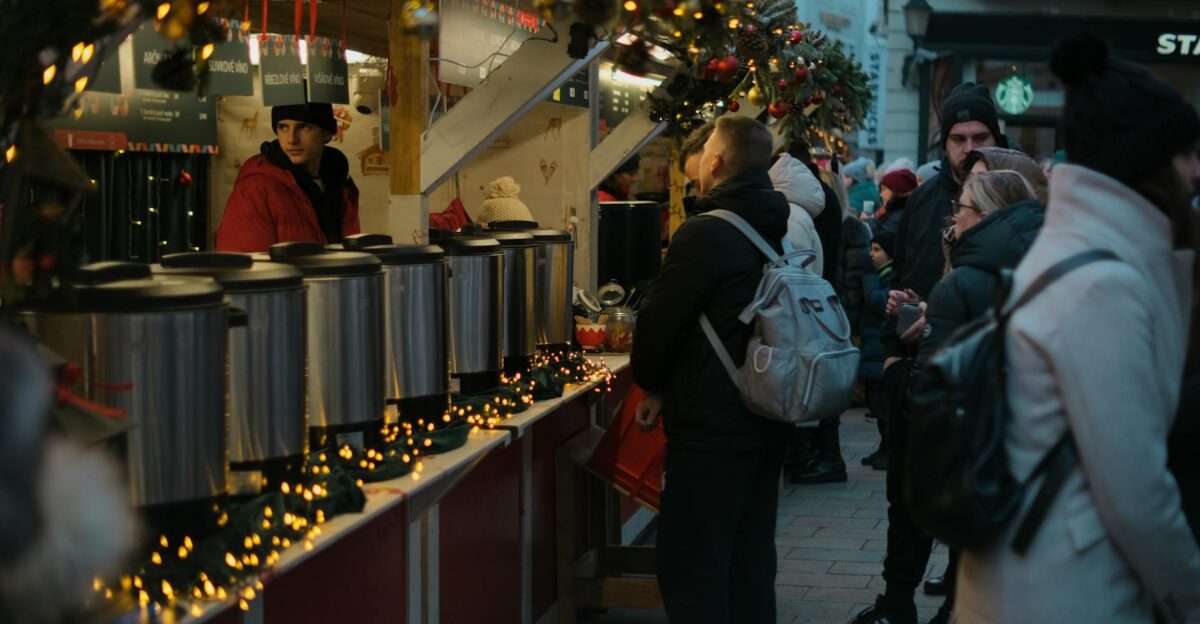
Germans and visitors from across Europe continue to show up, despite barriers, security theater, and knowing the risks. Roughly 2,500 to 3,000 Christmas markets attract approximately 170 million visits annually.
The beloved tradition generates hundreds of millions of euros in economic activity, with an average spending of €24.50 per visit in 2024. Families choose joy over fear.
Magdeburg Attacker Exposed A Fundamental Vulnerability
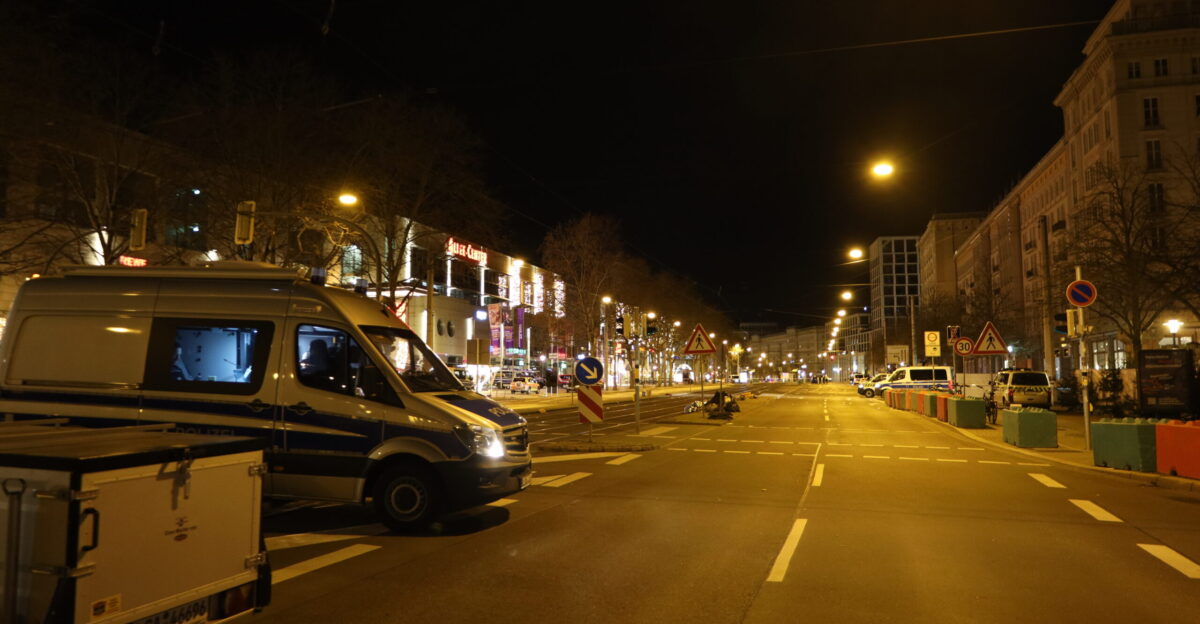
One year ago, Taleb Al-Abdulmohsen exploited a security gap designed for emergency access to enter Magdeburg’s market. He then drove for three minutes, injuring over 200 people. The tragedy exposed an impossible paradox: the same exits needed to save lives in emergencies can be exploited by someone intent on mass harm.
Authorities reviewed and adjusted protocols nationwide, but the lesson was sobering—there is no perfect security. Prevention requires choosing acceptable risks.
Arrested Near The Border Before Any Attack
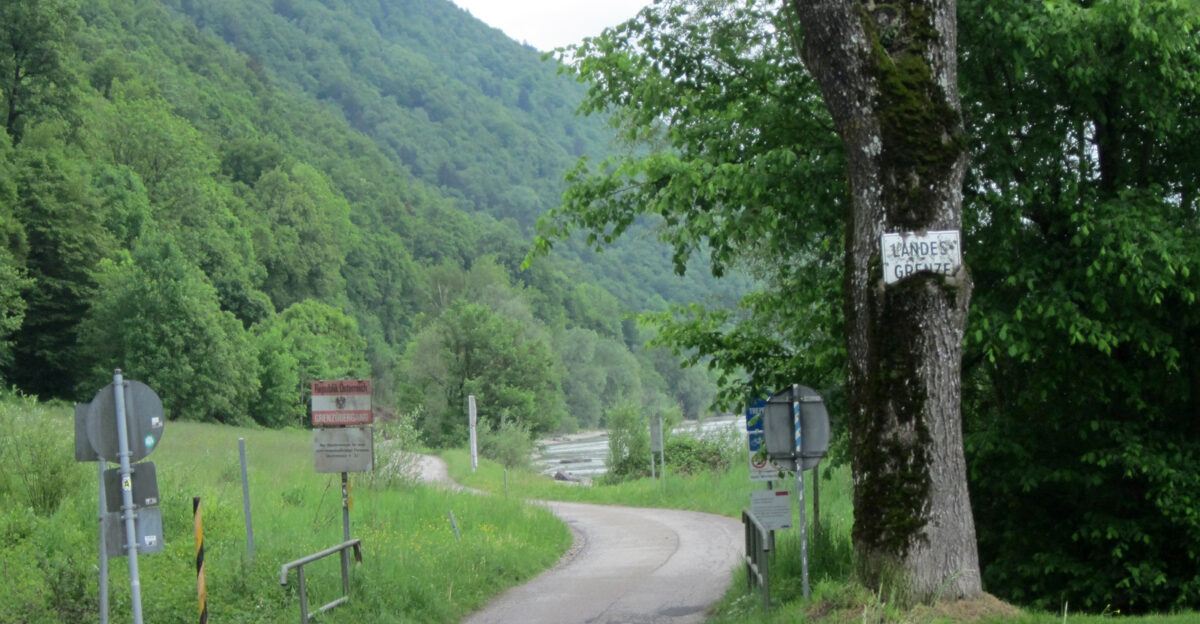
When the five men were arrested near the German-Austrian border, investigators discovered the plot was in its early stages. No specific market had been chosen. No attack date had been set.
The Central Unit for Combating Extremism and Terrorism led the operation. Four received formal arrest warrants and remain in custody; one is in preventive detention. Investigators have not established direct links to the Islamic State, though an Islamist motive is suspected.
Germany Is Grappling With Radicalization
The arrest of five men from three different countries raises questions about radicalization networks operating within Germany. German intelligence has identified social media platforms, extremist online subcultures, and certain preachers as vehicles for radicalization, particularly among young people.
A 2025 government task force on Islamism prevention acknowledges the challenge: radicalization is not confined to veteran extremists. It can happen quickly and spread across borders.
A Policy Decision Made A Decade Ago
The security transformation of Christmas markets dates back to December 2015, when Germany received over one million asylum seekers under Chancellor Angela Merkel’s “Wir schaffen das” (“We can do this”) approach.
A year later, Tunisian asylum seeker Anis Amri carried out the Berlin Christmas market attack, killing 12. The policy debate that followed has continued to this day.
Physical Security Alone Cannot Solve the Problem

Alan Mendoza, executive director of the Henry Jackson Society, argues that physical security alone cannot solve the problem. “Europe needs an aggressive strategy that targets the radicals—imprisoning them, deporting them if they’re not citizens—because you can’t secure your way out of this forever,” Mendoza said.
His point is uncomfortable: building higher walls around Christmas markets treats the symptom, not the disease. Radicalization has proven to be a challenging issue for democracies to address.
Is Prevention Even Possible?

Some analysts argue that the Dingolfing arrests prove that intelligence cooperation works and threats can be managed. Others contend that the Magdeburg attack, occurring just one year before these arrests despite heightened security, demonstrates that prevention is inherently fragile.
A third view holds both are true: some plots can be disrupted, but no prevention system is perfect.
A Tradition Under Pressure, But Not Yet Broken

Christmas markets in the Dingolfing-Landau district continue as planned, according to district administrator Werner Bumeder. No security levels have been raised beyond current measures. Germans and their guests will navigate concrete barriers, pass through checkpoints, and walk past armed personnel to stand in the cold, drink mulled wine, and remember why these markets matter.
The arrests disrupted a plot that could have killed or injured dozens. But larger questions remain unanswered: whether prevention is possible, whether integration is failing, and how long democracies can sustain this balance between freedom and security.
Sources:
Munich Public Prosecutor General’s Office – German Christmas Market Plot Investigation Statement
Bavarian State Interior Ministry / Joachim Herrmann – Security Statement on Foiled Attack
DW News – “Germany: 5 arrested for suspected Christmas market plot” (December 13, 2025)
Reuters – “Germany’s Christmas markets grapple with soaring security costs” (November 25, 2025)
Federal Association of City and Town Marketing (BCSD) – Germany Christmas Market Security Spending Survey
Henry Jackson Society – Dr. Alan Mendoza statements on European security strategy