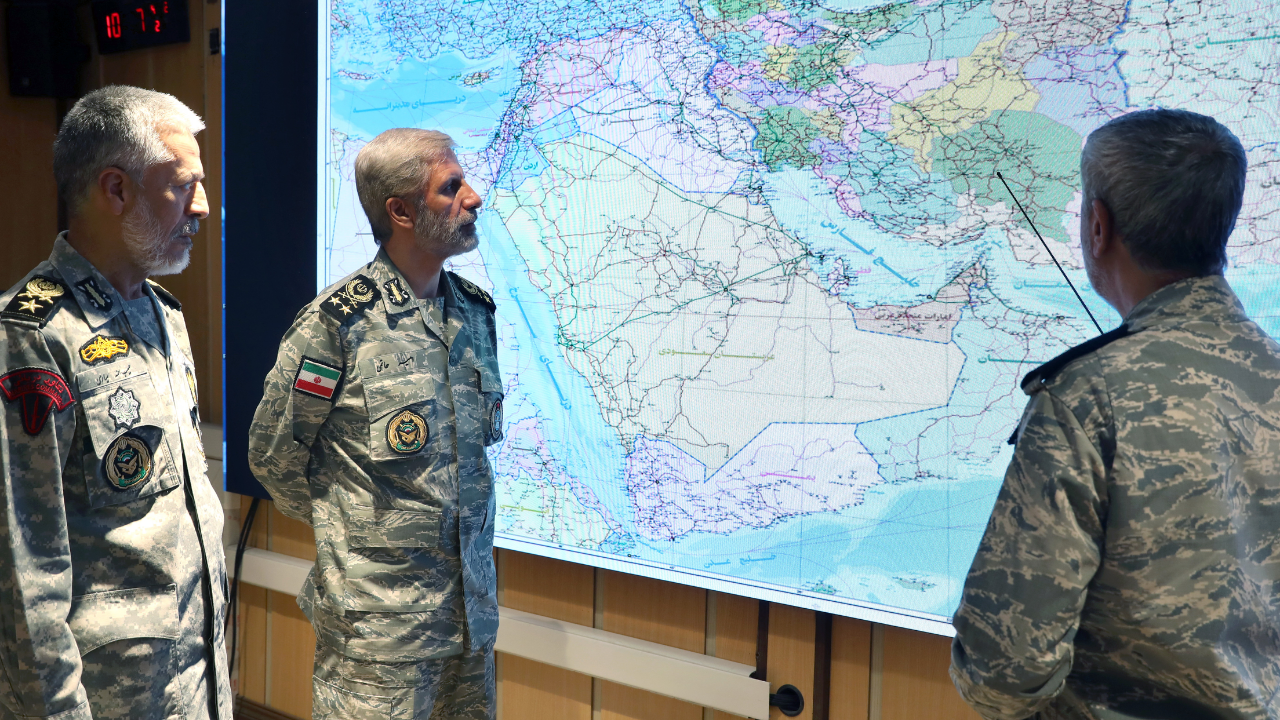
Security forces opened fire with military-grade weapons in Malekshahi County as four protesters crumpled to the pavement, forty others injured around them. Hours later, at 97% of Iran’s internet connectivity vanished in an unprecedented digital siege.
Hospitals in Tehran and Shiraz overflowed with gunshot victims while the death toll climbed to at least 65 across the nation’s bloodiest uprising in years. Then the phones went silent—landlines, mobile networks, all communications severed.
When the Crackdown Began
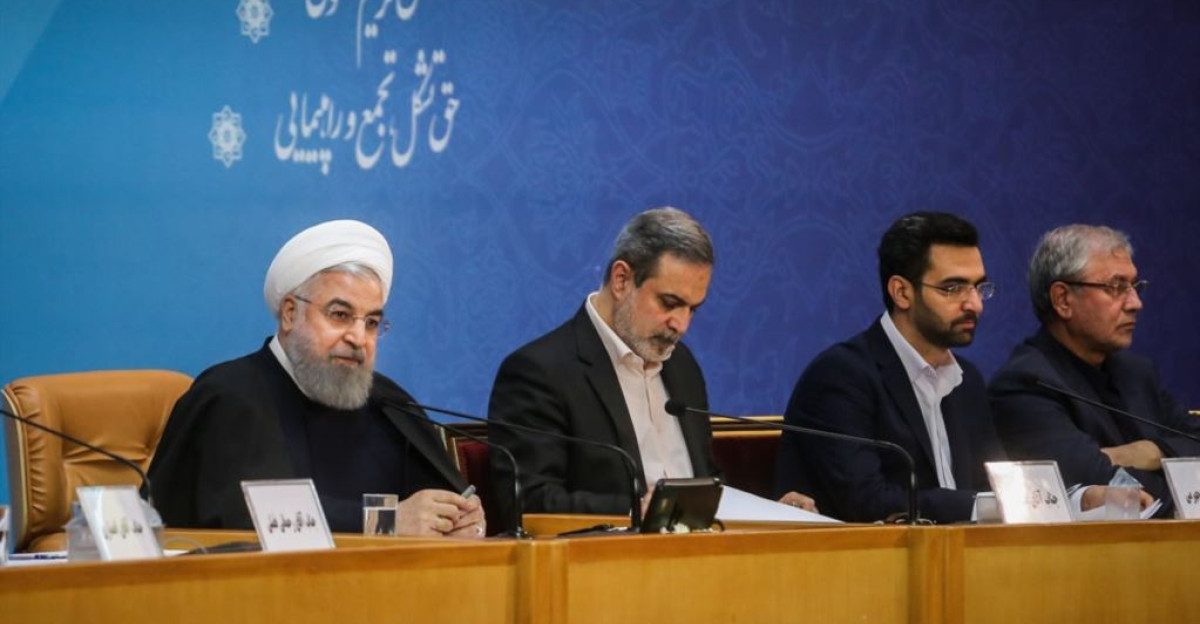
Iranian authorities imposed the near-total internet shutdown on January 8, 2026, as anti-government protests entered their second week with no signs of subsiding. Over 2,300 demonstrators have been detained while security forces deploy live ammunition, tear gas, and water cannons across all 31 provinces.
Supreme Leader Ayatollah Ali Khamenei issued a chilling warning that “rioters should be put in their place,” signaling the regime’s determination to crush dissent at any cost.
Why Iranians Are Rising Up
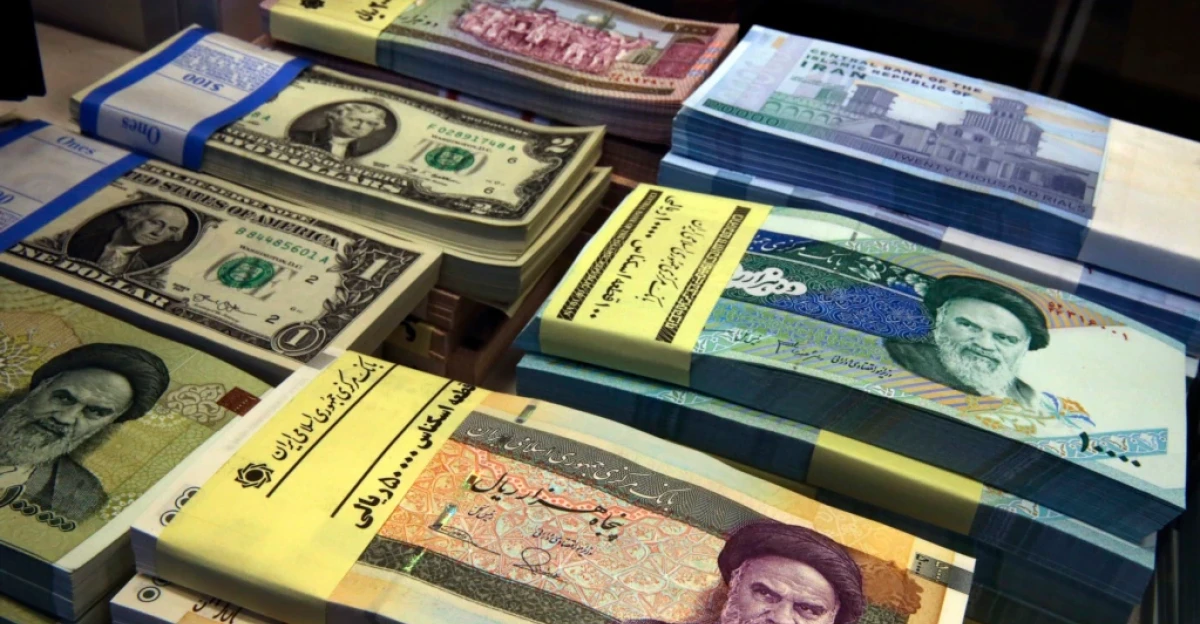
The uprising erupted December 28, 2025, after the Iranian rial collapsed to catastrophic lows of 1.47 million per U.S. dollar—losing 20,000 times its value since 1979.
This economic devastation has pushed 10 million Iranians into poverty over the past decade, making food and medicine unaffordable for ordinary families. What began as merchant strikes rapidly evolved into nationwide demonstrations across 285 locations in 88 cities and 22 universities.
The Scale of the Uprising
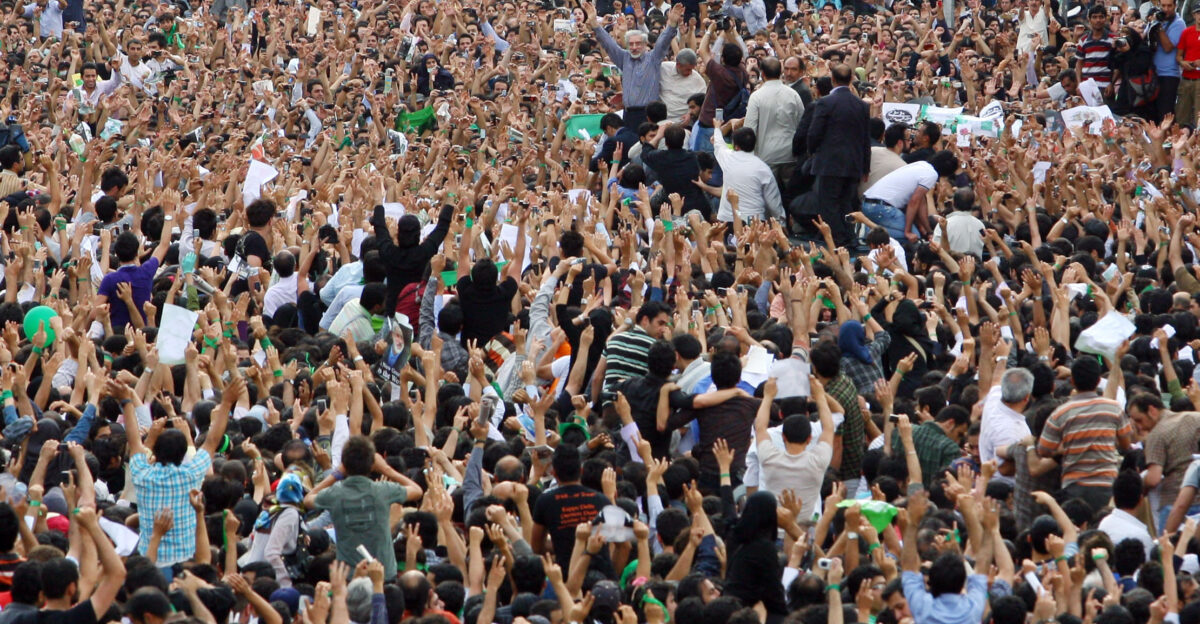
The U.S.-based Human Rights Activists News Agency documented protests spanning all 31 Iranian provinces, from Tehran’s Grand Bazaar to Kurdish regions near Iraq.
Videos verified by international media show massive crowds in Tehran, Isfahan, Shiraz, and Mashhad numbering in the thousands. The Economist reported these are potentially the largest demonstrations since the shah’s 1979 overthrow, with CBS News describing them as “a possible tipping point” for the Islamic Republic.
Revolutionary Symbols Under Attack
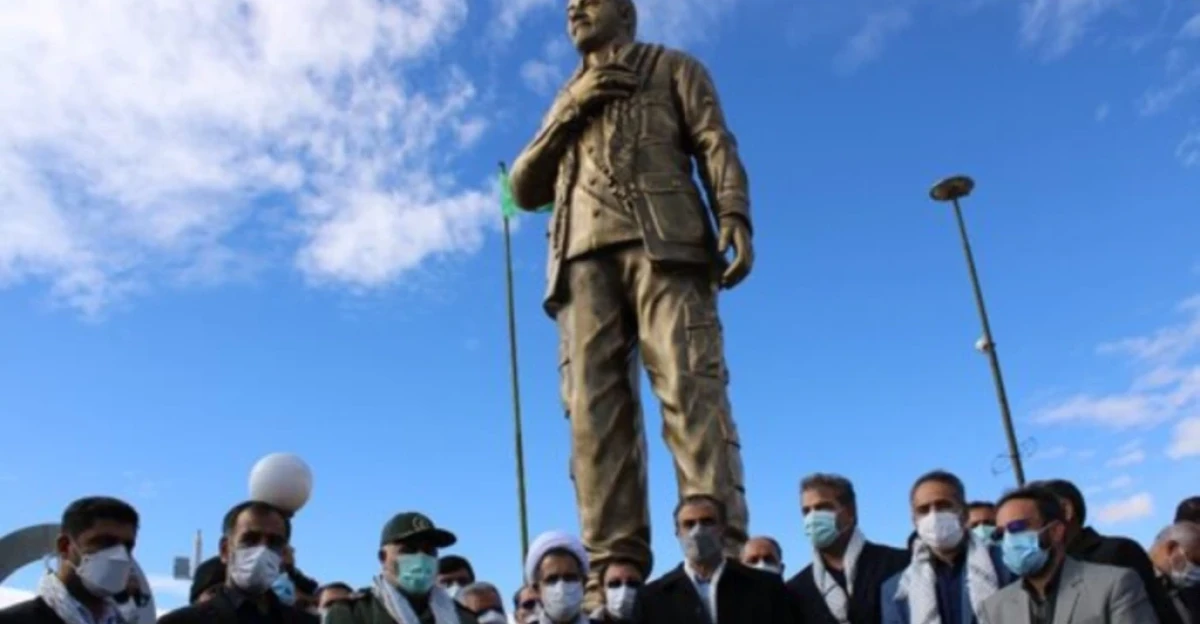
In Qaemiyeh, protesters pulled down a statue of Qasem Soleimani, the Revolutionary Guards commander assassinated by the United States in 2020.
Crowds throughout Iran wave the pre-revolutionary lion-and-sun flag used during the shah’s reign, symbolizing outright rejection of the Islamic Republic. Demonstrators chant “Death to the dictator,” “Death to Khamenei,” and “Neither Gaza nor Lebanon, my life for Iran,” repudiating the regime’s costly foreign interventions.
The Digital Siege Intensifies
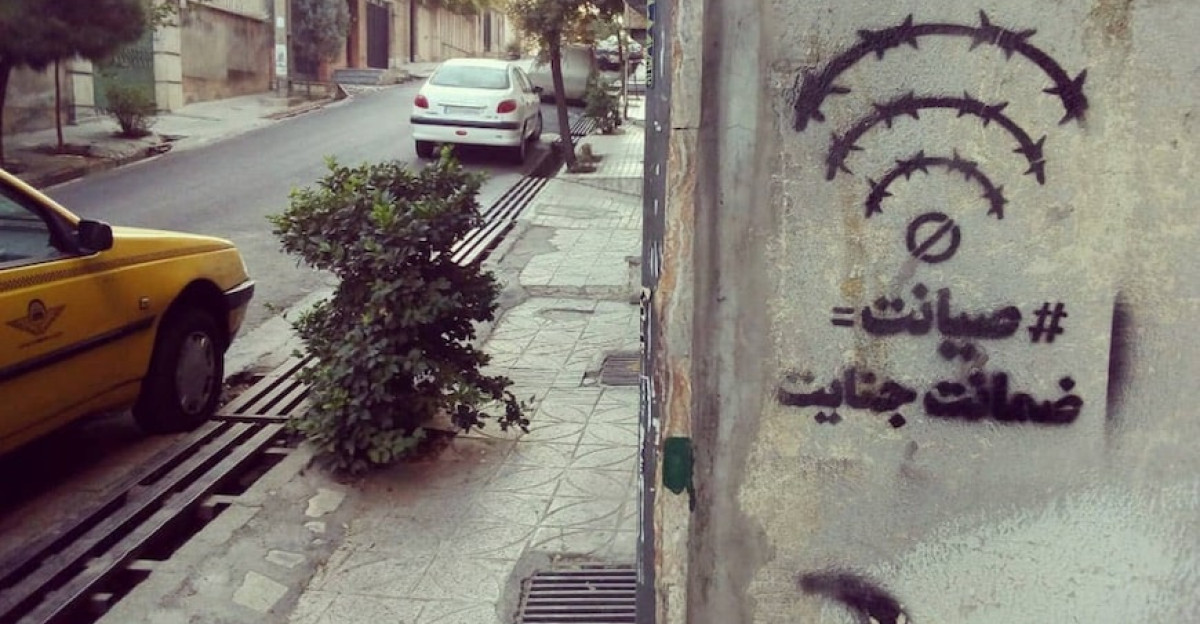
Cybersecurity experts describe the January 8 blackout as “the worst internet shutdown in Iran’s history,” surpassing even the notorious November 2019 cutoff during “Bloody Aban” protests.
Monitoring organization NetBlocks confirmed the 97% connectivity collapse alongside complete telephone service disruption. Authorities even jammed GPS signals to disrupt Starlink satellite internet access, causing 30% packet loss for users attempting to bypass government controls.
Medical Crisis Overwhelms Hospitals
Healthcare facilities in Tehran and Shiraz report unprecedented numbers of injured protesters, many suffering gunshot wounds requiring emergency surgery.
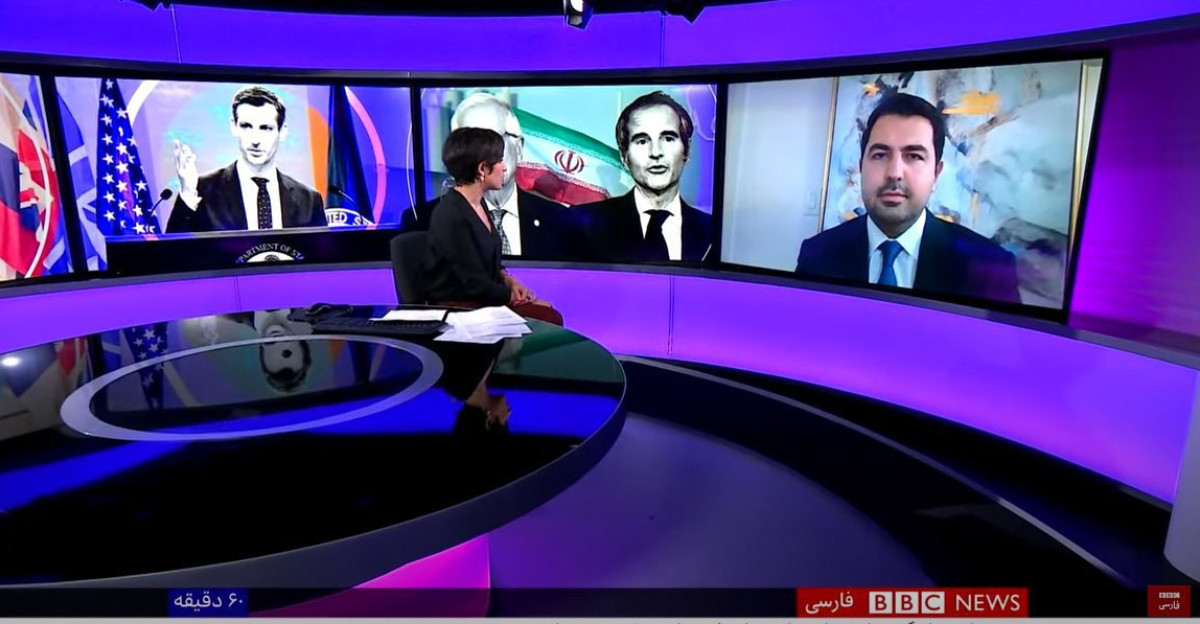
BBC Persian independently confirmed 21 protester deaths, though human rights organizations believe the actual toll far exceeds official figures. Some reports suggest casualties could reach 217 in Tehran alone, with the true nationwide death count remaining unknown due to the communications blackout.
Revolutionary Guards Declare Zero Tolerance
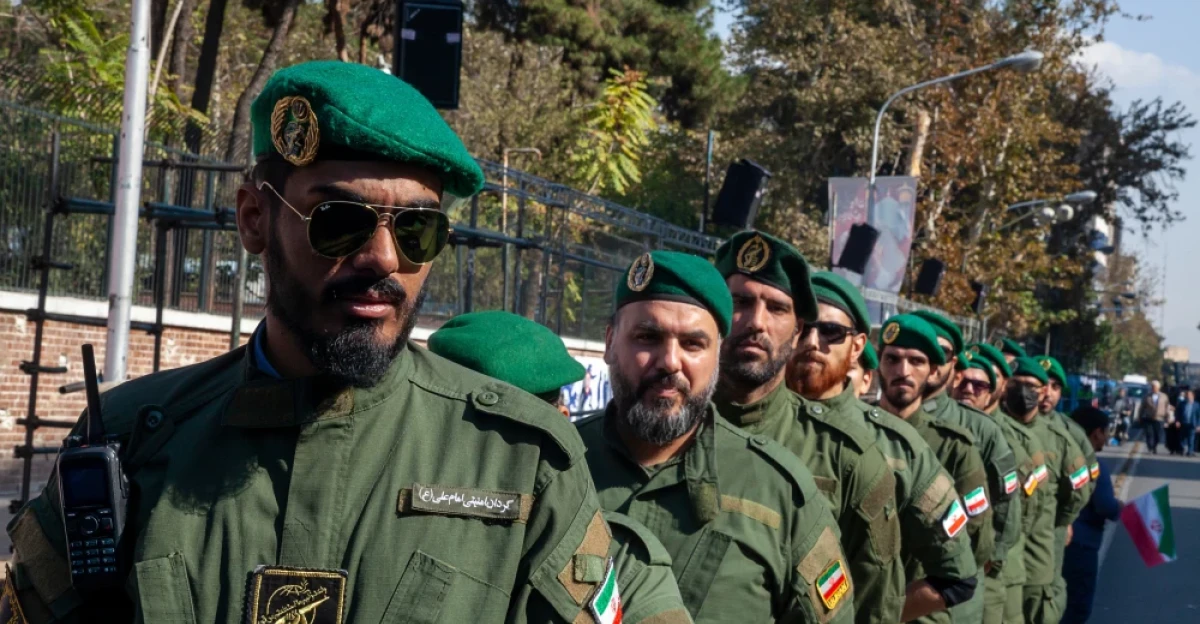
The Islamic Revolutionary Guard Corps announced the period of “tolerance” had ended, pledging to target protesters “without leniency”. In Malekshahi County, IRGC members used military-grade weapons against demonstrators, killing four and wounding forty in a single incident.
State television accused “terrorist operatives” from the United States and Israel of instigating violence, framing the uprising as foreign interference rather than domestic grievances.
Expert Analysis: A Regime Under Siege
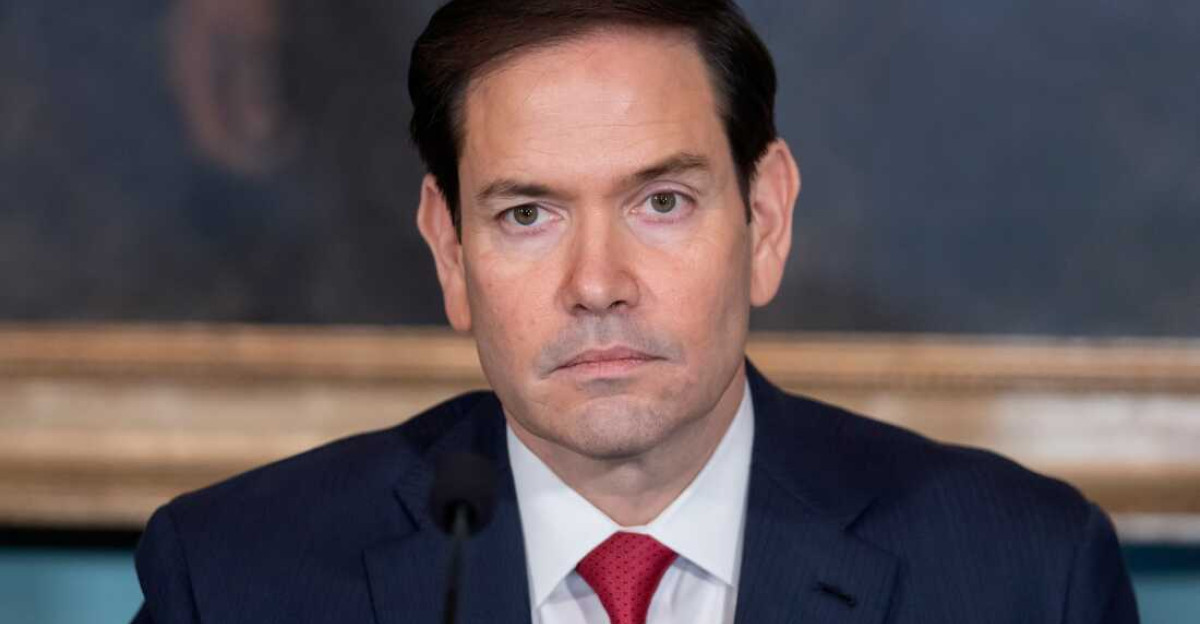
“The United States supports the brave people of Iran,” declared Secretary of State Marco Rubio, warning Tehran not to “play with President Trump. When he says he’ll do something, he means it”. Amnesty International condemned the “blanket internet shutdown” designed to “conceal the true scale of severe human rights violations and international law offenses committed to suppress” the protests.
Human rights experts note the digital siege prevents documentation of atrocities and coordination among demonstrators.
Trump’s “Locked and Loaded” Warning
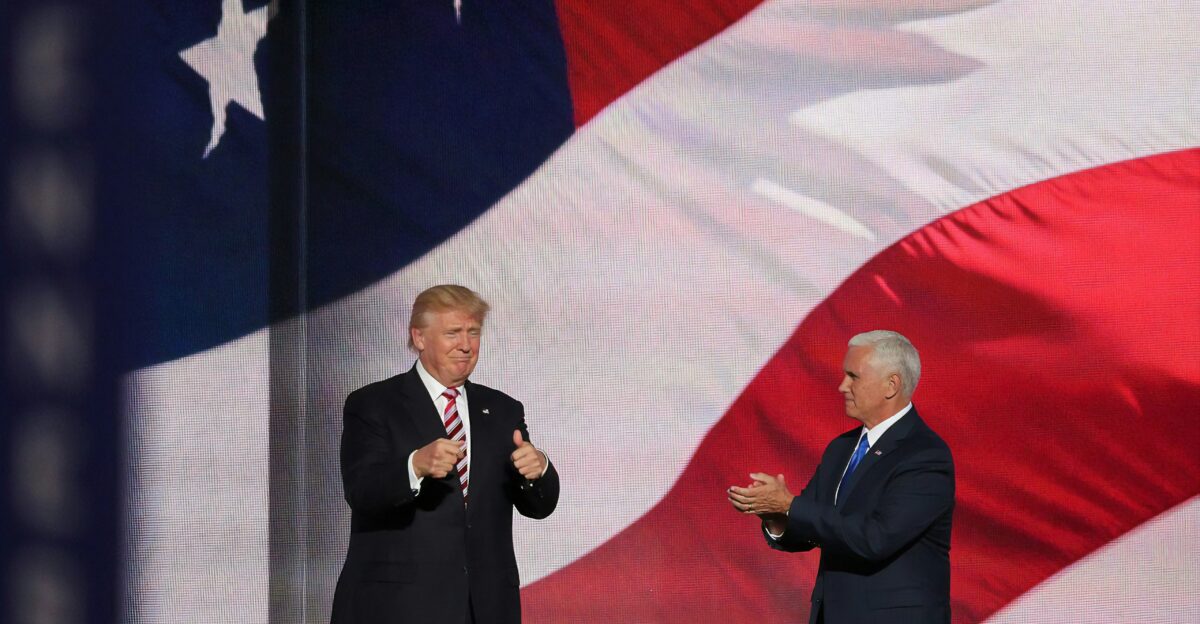
U.S. President Donald Trump issued a stark ultimatum on January 2, stating that if Iran “violently kills peaceful protesters,” America will “come to their rescue,” adding the U.S. is “locked and loaded and ready to go”.
This marks a significant escalation in American rhetoric toward Tehran during a moment of extreme internal vulnerability for the Islamic Republic. The warning comes amid broader geopolitical tensions following the June 2025 U.S.-Israeli military strikes on Iranian nuclear facilities.
The Exiled Crown Prince’s Call to Action
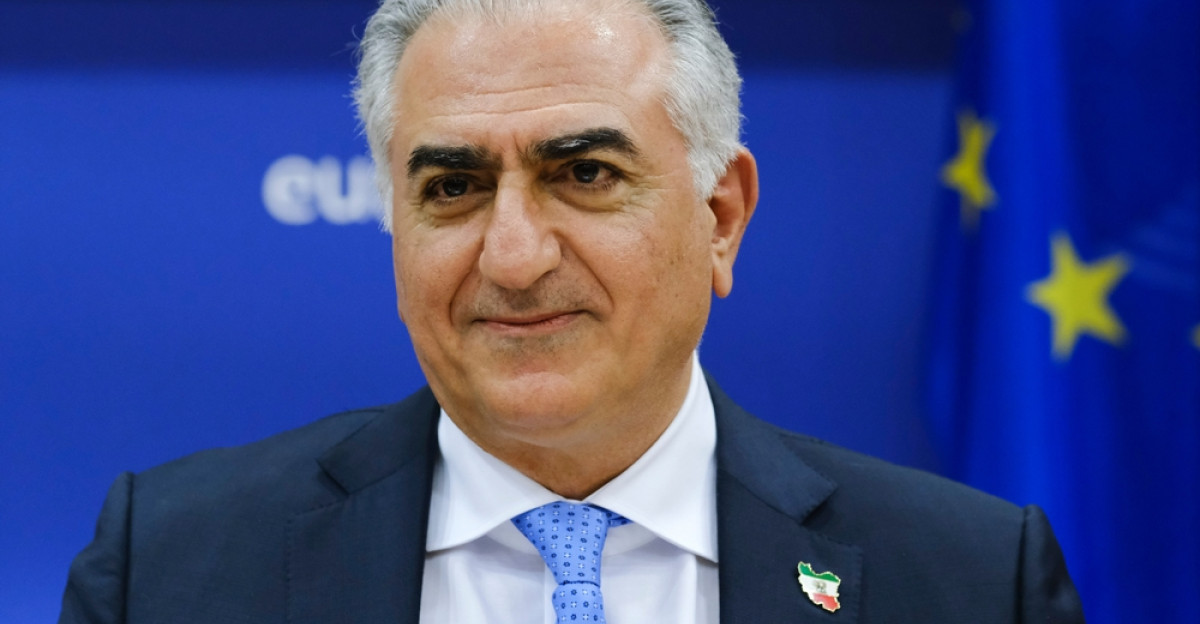
Reza Pahlavi, son of Iran’s last shah now based in the United States, urged protesters to move beyond street demonstrations to “seize and hold city centers”.
On January 8-9, Pahlavi called for mass demonstrations at 8:00 PM local time, with videos showing large crowds responding while chanting “Javid Shah (long live the king!)”. Pahlavi has called for nationwide strikes in transportation, oil, gas, and energy sectors to cut the regime’s financial lifelines.
Questions About Pahlavi’s Support
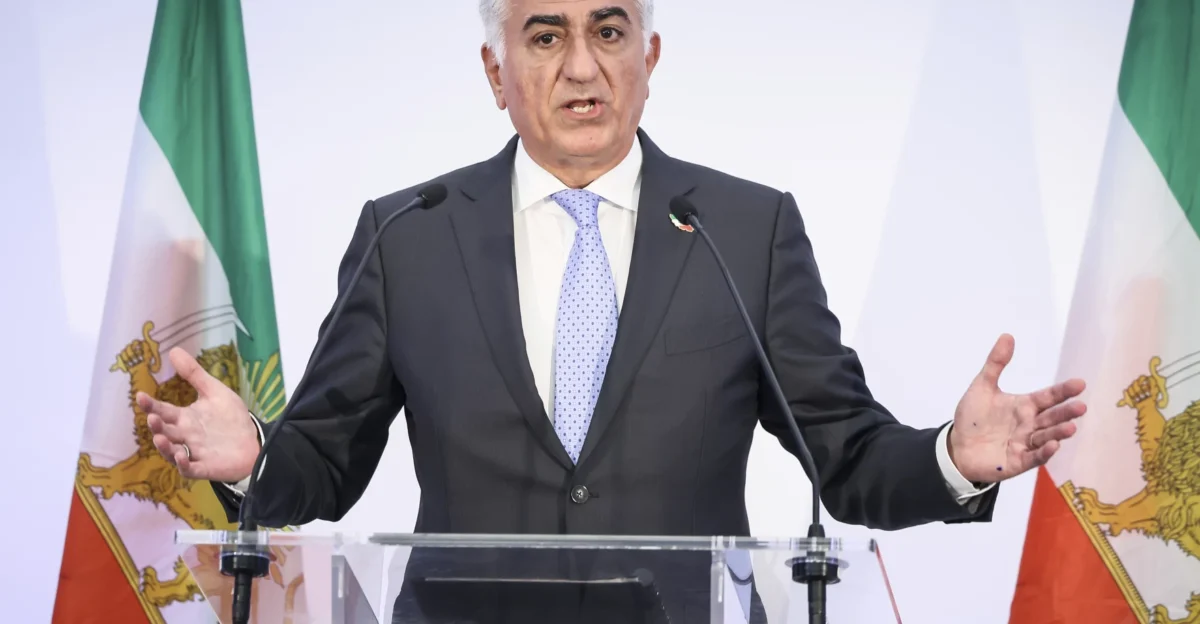
“This is the final battle. Pahlavi will return!” protesters chanted in Tehran, though analysts question the depth of this support. Experts note that Pahlavi’s alignment with Israel has drawn criticism, particularly following the recent Israel-Iran conflict.
CNN reported uncertainty about whether protesters’ expressions of support represent backing for Pahlavi personally or simply nostalgia for pre-revolutionary Iran. Pahlavi has announced intentions to return to Iran soon, a move that could reshape the opposition landscape.
Economic Warfare and Sanctions Impact
International sanctions over Iran’s nuclear program have devastated the economy, with GDP contracting from $600 billion in 2010 to just $356 billion in 2025. Iran loses approximately 20% of potential oil export revenues bypassing U.S. sanctions through expensive indirect routes.
Despite crude oil export revenues totaling $193.5 billion over five years, restricted oil exports continue starving the central bank of foreign currency needed to stabilize the rial.
Government Relief Measures and Revolutionary Guards’ Economic Control
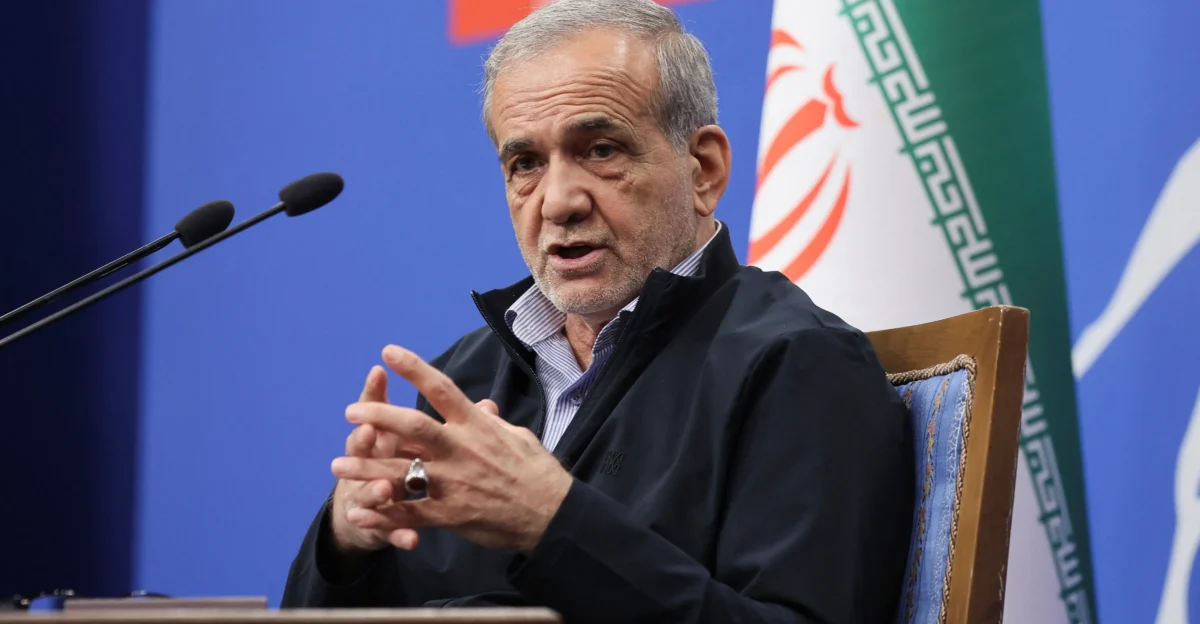
President Masoud Pezeshkian announced emergency measures including wage increases up to 43%, reduced value-added tax from 12% to 10%, and $8.8 billion in subsidized foreign exchange for basic goods. However, economists warn these interventions risk aggravating inflation, with officials acknowledging essential goods prices could rise 20-30%.
Meanwhile, Iran’s Revolutionary Guard Corps controls vast portions of the national economy, contributing to endemic corruption and currency instability that enriches commanders while ordinary Iranians struggle to afford necessities.
Israel’s Strategic Victories Compound Crisis
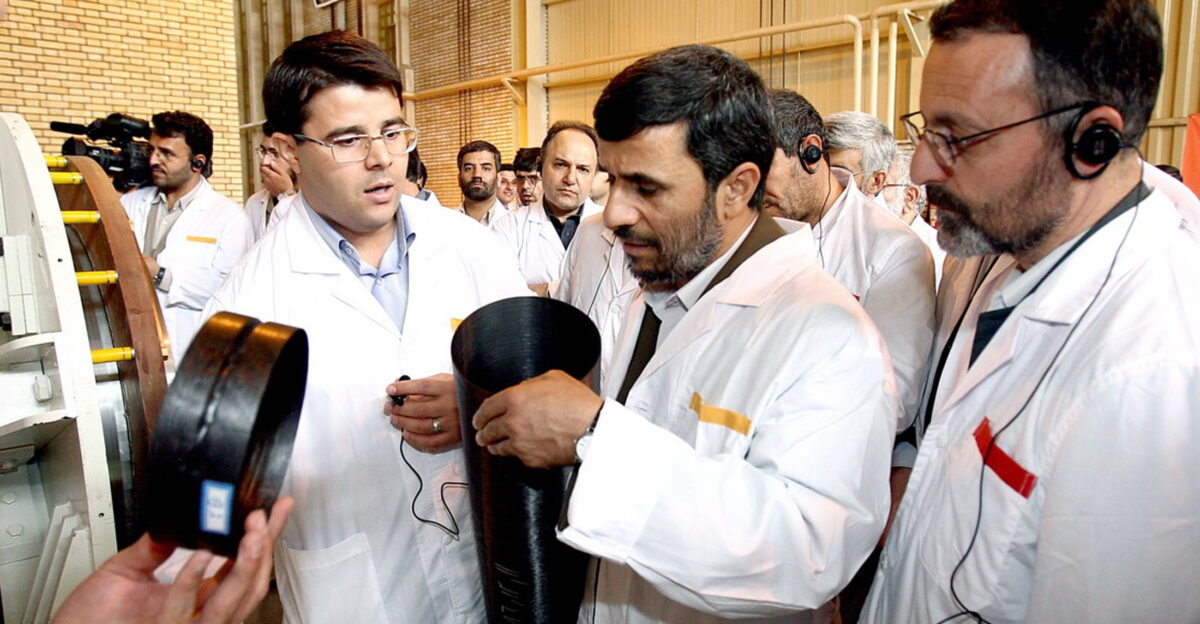
Iran suffered devastating military setbacks following a June 2025 U.S.-Israeli 12-day operation targeting senior military leaders, nuclear scientists, and critical enrichment facilities. Israel systematically dismantled Iran’s proxy forces including Hezbollah in Lebanon while Tehran’s position weakened following Syrian President Assad’s December 2024 fall.
These losses significantly eroded Iran’s regional power projection just as domestic unrest exploded, creating a two-front crisis for the Islamic Republic.
Nuclear Program Negotiations at Impasse
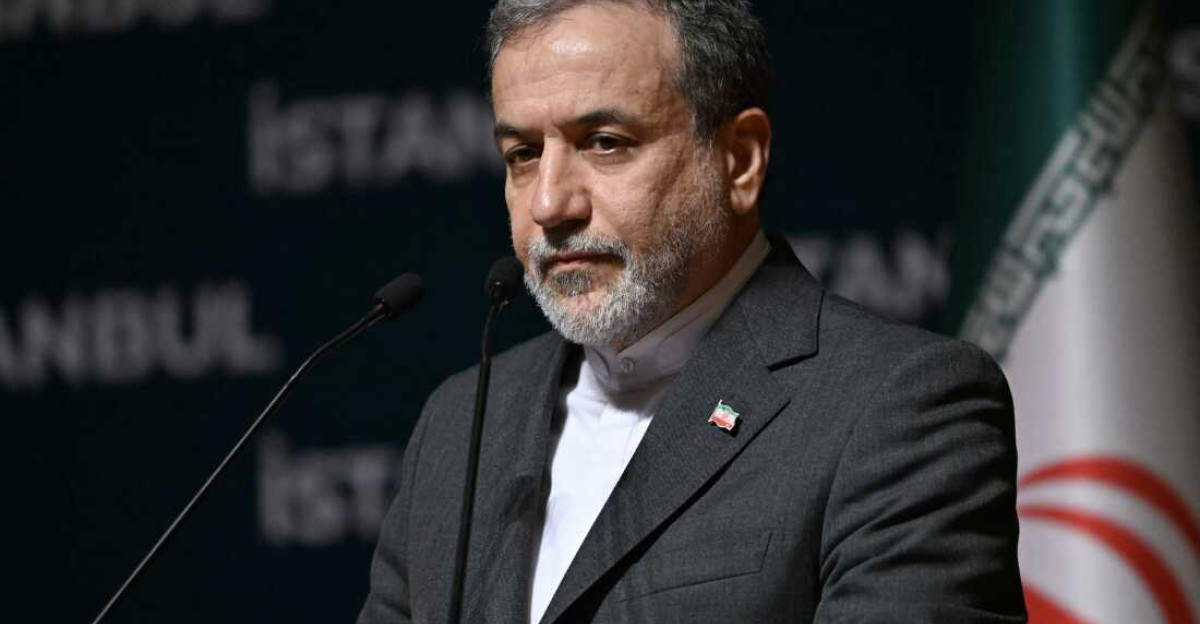
Iranian Foreign Minister Abbas Araghchi expressed willingness to negotiate over the nuclear program based on “mutual respect” rather than U.S. “dictation”. However, Israeli officials have articulated clear intentions to prevent all uranium enrichment and completely dismantle Iran’s nuclear infrastructure, similar to Libya’s dismantlement in the 2000s.
Intelligence suggests the 2025 strikes pushed back Iran’s nuclear timeline by years, though technical knowledge and possible uranium remnants remain alongside an estimated 1,000 functional missiles.
What President Pezeshkian Cannot Control
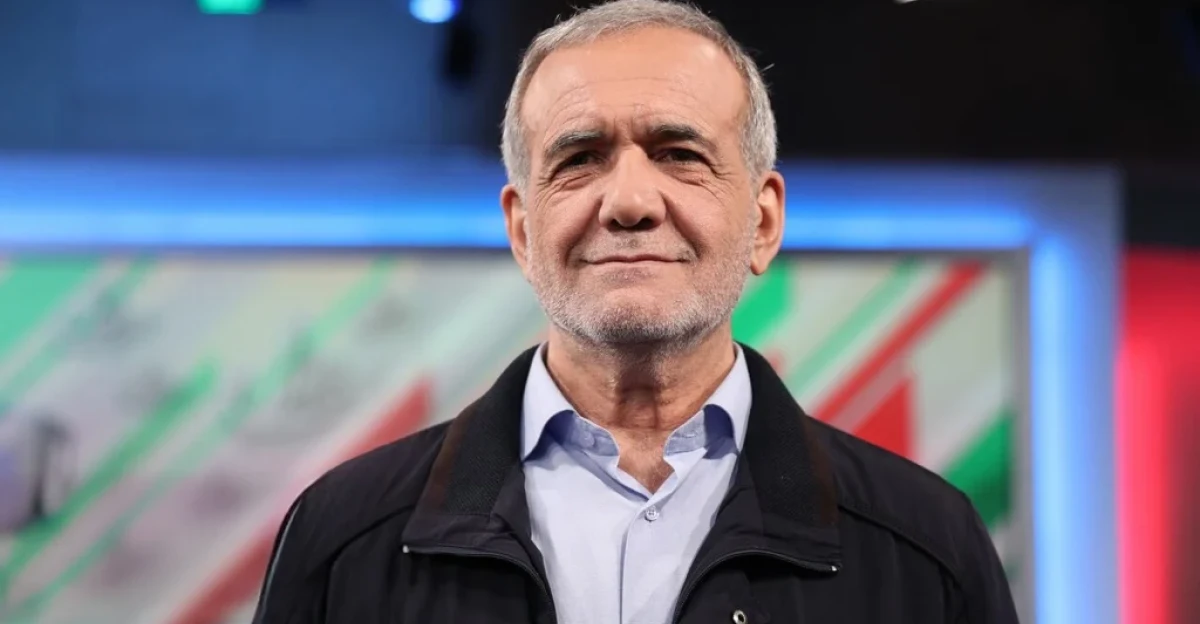
President Pezeshkian recognized “the constitutional right of peaceful protest” and promised to meet with protest representatives in a conciliatory gesture. Yet this moderate rhetoric contrasts sharply with the brutal crackdown, exposing the president’s fundamental powerlessness.
Iran’s security apparatus answers to Supreme Leader Khamenei, not elected officials, rendering presidential statements largely symbolic while the Revolutionary Guards and Basij militia orchestrate the violent suppression.
The Broader Regional Implications
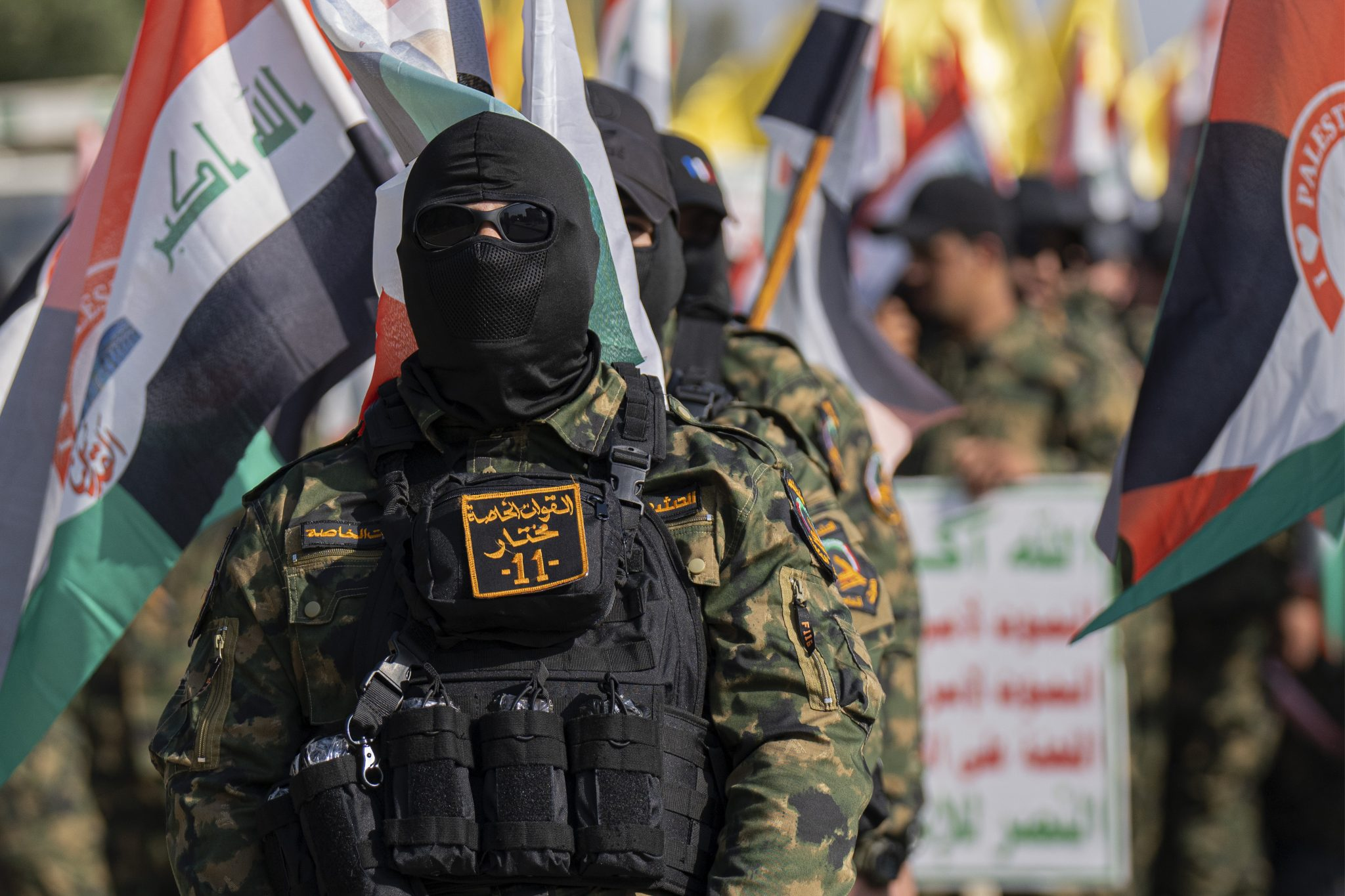
Iran’s internal turmoil occurs amid historic shifts across the Middle East following decades of Iranian influence operations. The weakening of Hezbollah, loss of Syrian ally Assad, and damaged Iraqi militia networks have created power vacuums that rivals like Israel, Saudi Arabia, and Turkey may exploit.
Regional actors are closely watching whether the Islamic Republic can survive this combined external and internal pressure.
Technology’s Role in Authoritarian Control
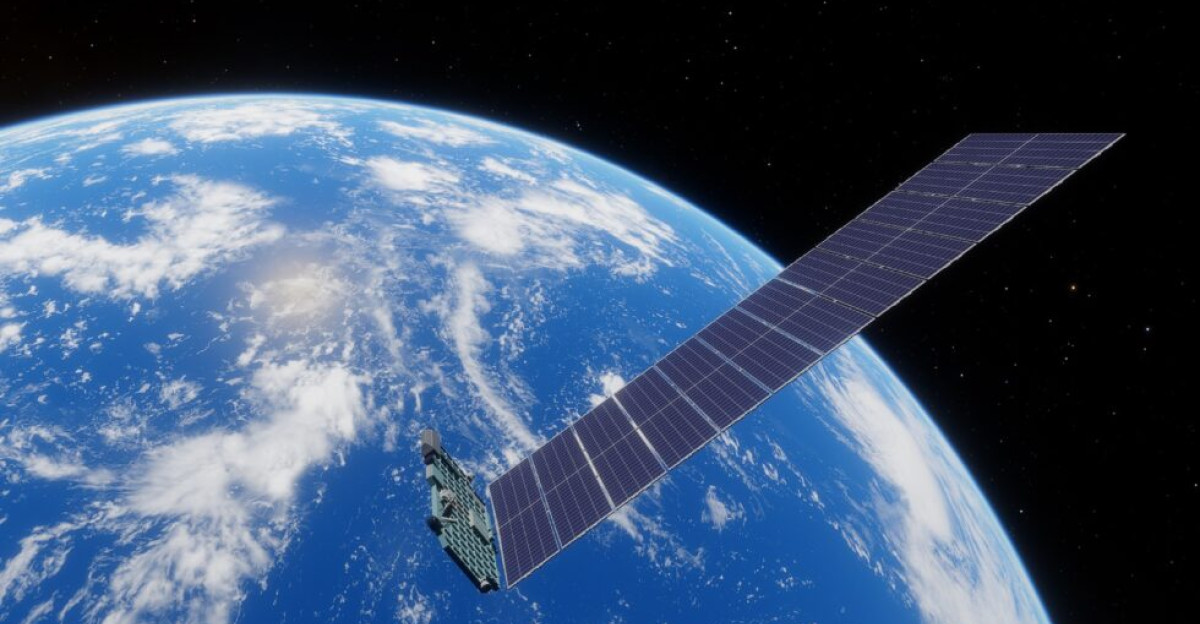
The Iranian internet shutdown represents the most sophisticated digital suppression effort to date, combining network cutoffs with GPS jamming to defeat satellite internet circumvention. Authoritarian regimes worldwide study Iran’s tactics for managing dissent in the digital age, making this a test case for future crackdowns.
Yet the blackout also prevents economic activity, damages businesses, and isolates Iran further from global commerce.
Where Iran Goes From Here
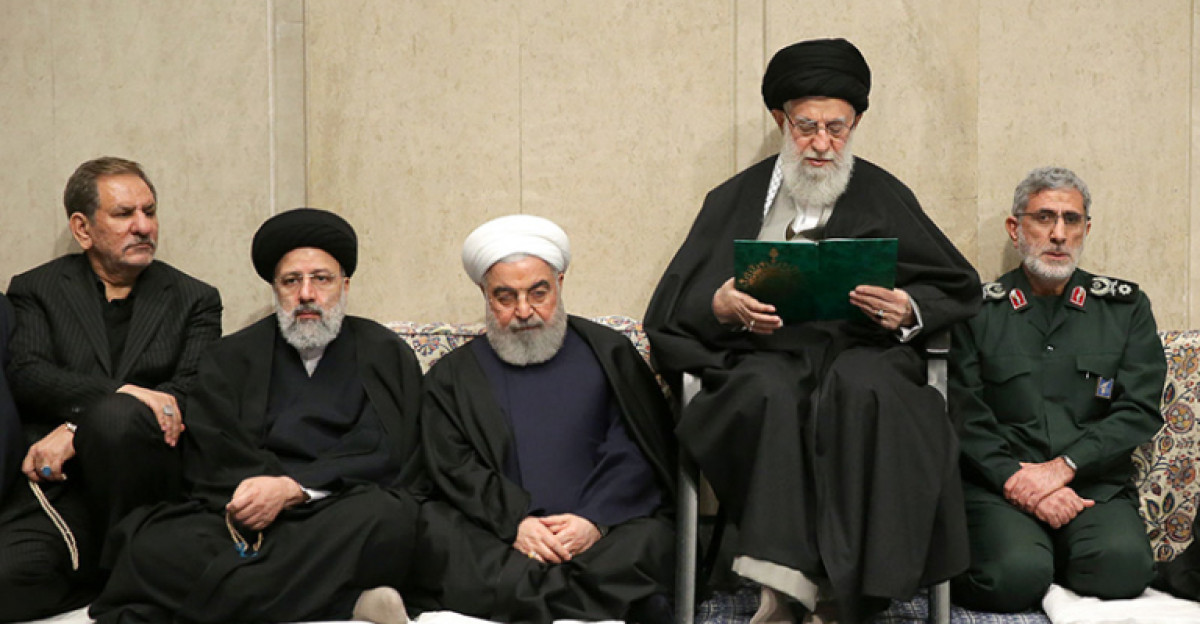
With the economy in freefall, society fragmented, regional influence diminished, and international pressure mounting, Iran faces an unprecedented convergence of crises. The protests show no signs of subsiding despite the violent crackdown and communications blackout, suggesting anger that transcends immediate economic grievances.
Whether the Islamic Republic possesses sufficient coercive capacity to outlast this challenge—or whether protesters can sustain momentum without coordination infrastructure—will determine Iran’s trajectory for decades.
Sources:
“Iran cracks down as protests near 2-week mark.” Associated Press, January 10, 2026.
“Footage shows violent clashes as Iran protests spread to cities.” BBC News, January 7, 2026.
“Iran protests go on despite signal a crackdown is coming.” Associated Press, January 9, 2026.
“2025–2026 Iranian protests.” Wikipedia (Human Rights Activists News Agency documentation), December 28, 2025.
“Internet access cut out in Iran after protests.” Associated Press, January 8, 2026.
“Iran’s army pledges to defend national interests after US backs protesters.” Al Jazeera, January 10, 2026.