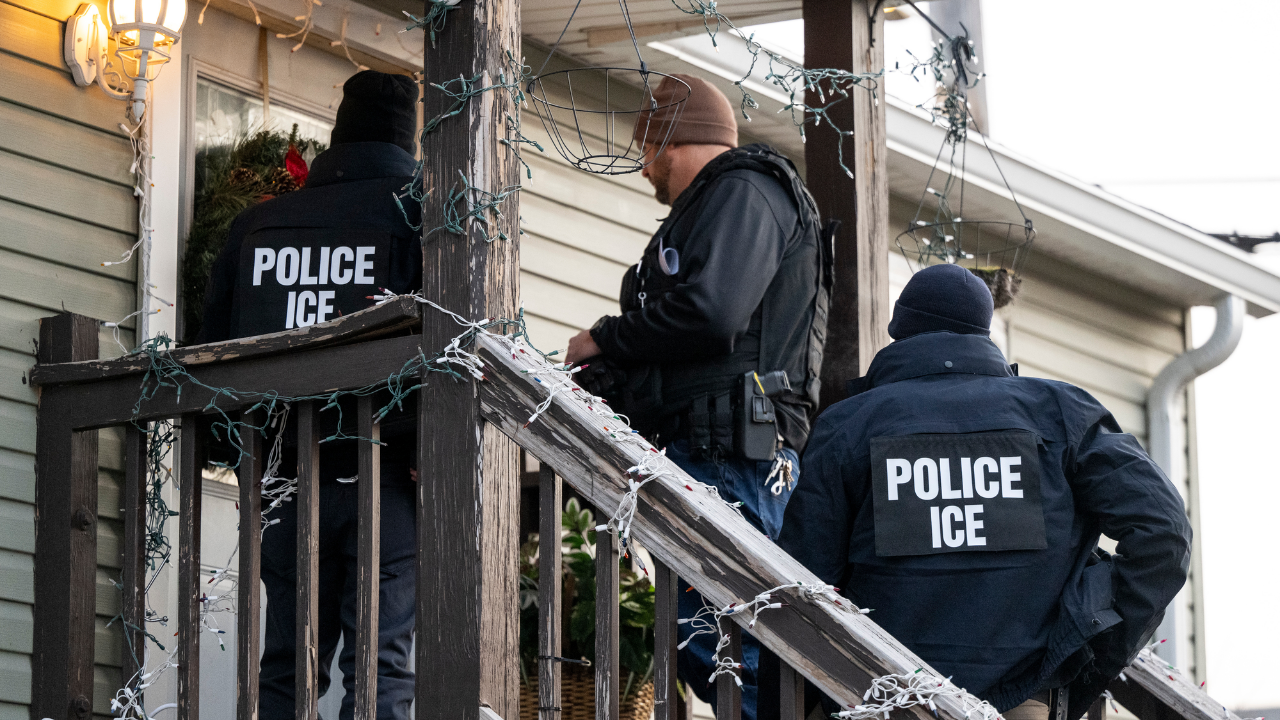
The federal government is preparing a significant expansion of immigration enforcement, centered on a new $180 million program that pays private vendors to locate undocumented immigrants. ICE created this system to help reach ambitious deportation goals backed by a massive surge in congressional funding. The plan relies heavily on commercial data and private surveillance techniques.
The proposal garnered national attention after procurement documents revealed the scope of the program. As private contractors position themselves for lucrative work, concerns are rising about accuracy, fairness, and the growing role of commercial data brokers. Here is what is happening and how the plan is being built.
What Is Actually Being Proposed

ICE is planning an extensive location targeting program worth up to $180 million. The funding supports private contractors who will track undocumented immigrants for enforcement operations.
The program is structured as a two-year contract that assigns vendors tens of thousands of records monthly. These details set the stage for understanding the program’s intent.
A Federal Program Built Around Cash Rewards

ICE will pay vendors to verify addresses, track individuals across multiple databases, and deliver real-time location information. The work includes both digital tracing and in-person checks.
This creates a system where accuracy and speed become financially rewarded. That raises questions about how aggressively contractors may pursue targets as the program expands.
Why ICE Says It Needs This Program

The Trump administration announced plans to achieve one million deportations annually. ICE procurement documents refer to an immediate need for expanded skip tracing to support these goals.
These targets are significantly higher than current enforcement capacity, which helps explain the government’s shift toward private surveillance firms.
The Funding That Makes It Possible

On July 1, Congress approved $170 billion for immigration and border enforcement. This included $29.9 billion for deportation operations and billions more for detention and infrastructure.
This funding removes earlier budget limits and enables enormous contracting efforts. That context helps explain how a $180 million program gained traction so quickly.
How Kristi Noem Framed the Push

DHS Secretary Kristi Noem said on July 12, “With the passage of the president’s bill, big beautiful bill, we now have additional resources. We are going to approach this with greater urgency and strength, targeting these criminals with renewed vigor.”
Her comments show how political leadership is signaling intensified enforcement as new funding begins to flow.
The First Major Contractors in Line

SOSi received a $6.95 million award for skip tracing work. Global Recovery Group LLC received up to $33.5 million. These companies are among the first positioned for the larger program.
Their contracts preview how private vendors will carry out core functions once the larger initiative is fully awarded.
A System Modeled on Earlier Proposals

The program resembles a February proposal submitted by Erik Prince and military contractors advocating private involvement in mass deportations. The proposal outlined a bounty model that rewarded the capture of large numbers of undocumented immigrants.
These similarities demonstrate how private sector ideas have influenced federal enforcement planning throughout the year.
How Contractors Will Track People

Contractors will use government case files along with commercial databases, social media monitoring, and real-time skip tracing tools. These systems allow cross-checking of addresses, employment records, and digital activity.
This layered data environment gives vendors multiple ways to locate individuals, raising concerns about how broadly personal information will be used.
The Key Line in ICE’s Own Document

The RFI states, “The vendor should prioritize the alien’s residence, but failing that, will attempt to verify place of employment.” This instruction reveals direct workplace surveillance as a built-in option.
Understanding this language helps clarify the extent to which contractors may verify a person’s location under the new program.
Physical Surveillance When Data is Not Enough

If digital tools fail, vendors can make in-person visits and provide time-stamped photographs of homes or workplaces. These visits confirm where someone lives or works.
This shift toward private physical surveillance marks a major expansion in the way immigration enforcement is being carried out.
A Growing Pipeline Into Detention Centers

Verified addresses will feed ICE’s broader detention system. New facilities in Florida and Texas are already under construction, and capacity has been rising all year.
This pipeline helps explain the urgency around location verification. It also raises questions about whether the system can handle the volume that contractors may generate.
Why Data Brokers Play a Central Role

Platforms like CLEAR and Accurint compile billions of records from court filings, utilities, and business registrations. These systems are now essential tools for ICE’s enforcement pipeline.
Their involvement highlights how commercial data has become an integral part of government operations, with limited public oversight over how personal information is utilized.
A Regulatory Environment That Enables Expansion

A previously proposed rule to place stricter limits on data brokers was withdrawn. This left companies free to sell sensitive data used in immigration enforcement.
Without additional regulations, contractors can continue to access these databases as they scale their work under the new program.
Impacts on Immigrant Communities

About 1.5 million people on ICE’s caseload become potential surveillance targets. If the program achieves a 90 percent success rate, approximately 900,000 individuals may have their locations reported to ICE.
These numbers illustrate the significant impact the program could have on immigrant families once contracts are fully implemented.
Impacts on Family Members

When breadwinners or caregivers face deportation, family members experience financial strain and emotional disruption. An estimated 3.15 million relatives could be indirectly affected.
These ripple effects reveal how enforcement extends far beyond the individual target as families navigate the consequences of sudden removal.
Economic Risks for Small Businesses

Roughly 1.1 million undocumented entrepreneurs operate businesses nationwide. Their removal could lead to closures across the construction, hospitality, and food processing sectors.
Communities with high rates of immigrant business ownership, such as several states in the Midwest, may experience significant economic losses if the program reaches its intended scale.
A Workforce Disruption Already Underway

Industries reliant on immigrant labor have reported disruptions as arrests increase. Nursing homes, restaurants, and food processing plants face staffing shortages.
These conditions may worsen as contractors accelerate the use of location tracking. That makes the program’s broader economic effects an essential part of assessing its full impact.
What Critics Say the Program Represents

Some analysts describe the plan as a historic expansion of privatized enforcement. Concerns focus on oversight gaps and how incentive structures may influence contractor behavior.
This perspective highlights the debate surrounding the use of commercial firms for activities traditionally handled by government agencies.
How Commercial Data Shapes Enforcement
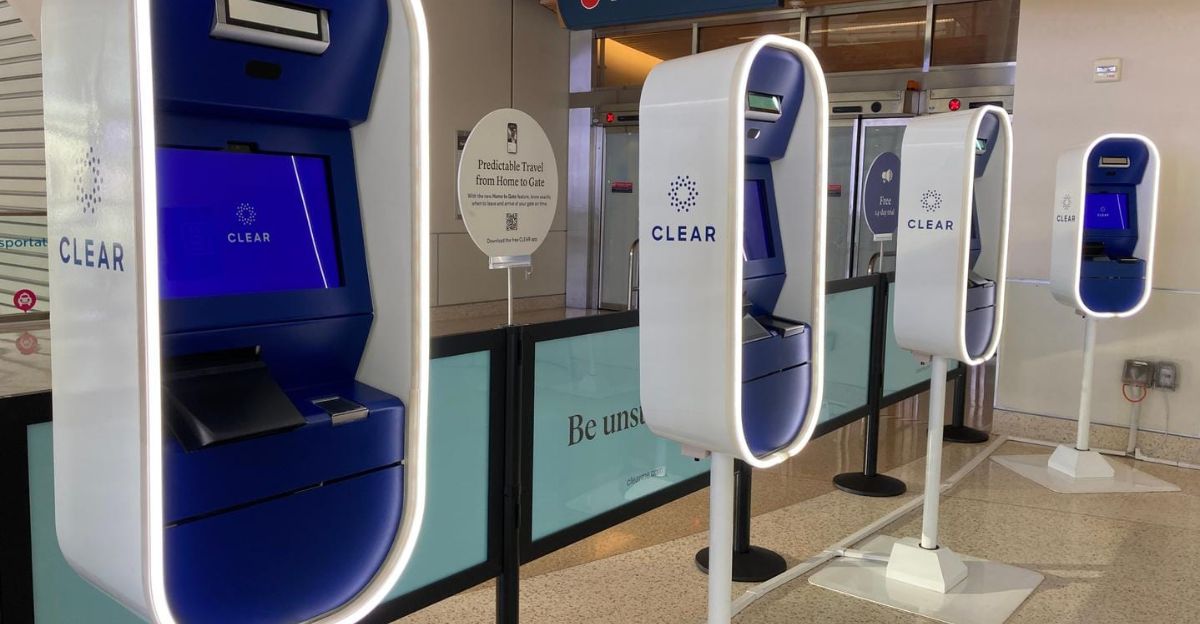
A shareholder proposal noted, “CLEAR provides the data that ICE uses in its Immigration Enforcement program to track, arrest, detain, and deport foreign nationals, including children, on a massive scale.”
This statement reflects worries about how private databases contribute to targeting decisions and the broader direction of enforcement technology.
A Program With National Consequences

The $180 million initiative signals a turning point in how immigration enforcement is carried out in the United States. Its scale, tools, and private partnerships represent a significant shift in approach.
As contracts are finalized, the country will see how these systems operate in practice and what they mean for millions of people.