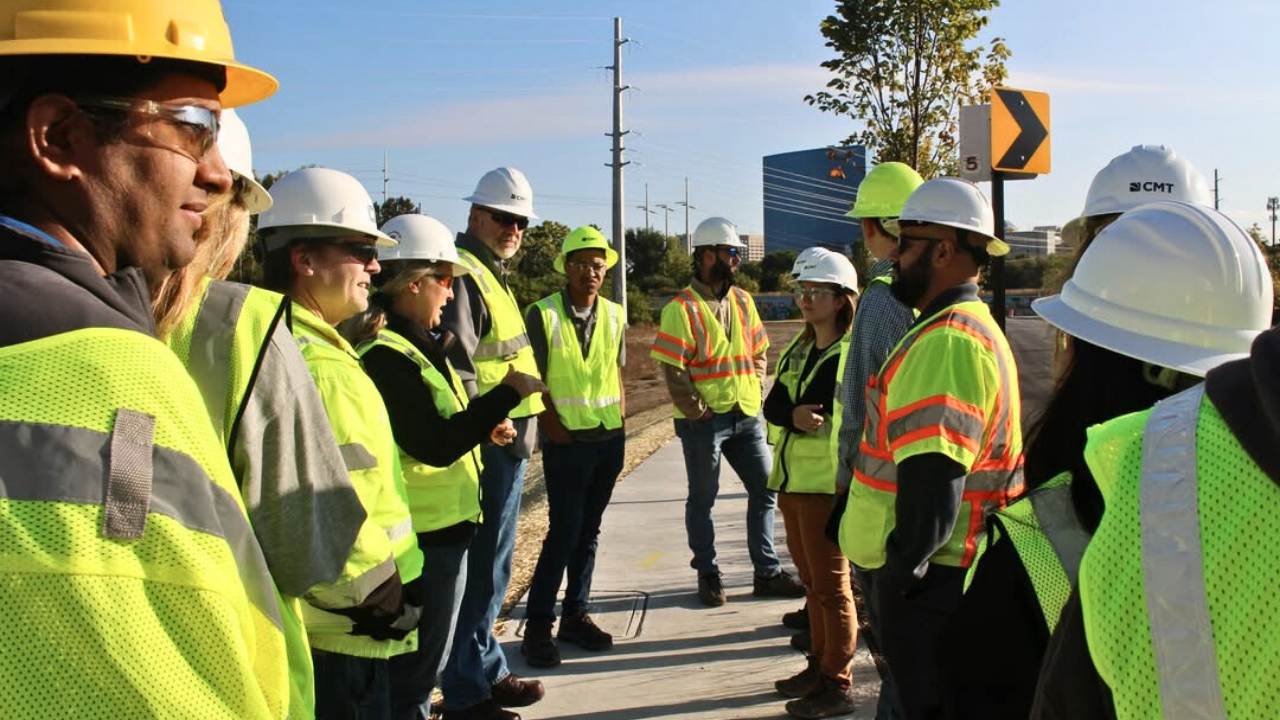
The U.S. construction industry is facing a labor crisis as stepped-up immigration enforcement disrupts worksites nationwide. One in three construction businesses reports being affected by ICE actions, threatening project timelines and economic growth.
Immigrant workers, a large part of the workforce, are at the center of the disruption. Contractors report rising absenteeism, lower productivity, and halted projects. “The uncertainty has forced some firms to shrink their crews or halt projects altogether,” industry experts note.
Here’s what’s happening in the sector and why the shortage could have lasting effects.
Immigrant Labor at the Core
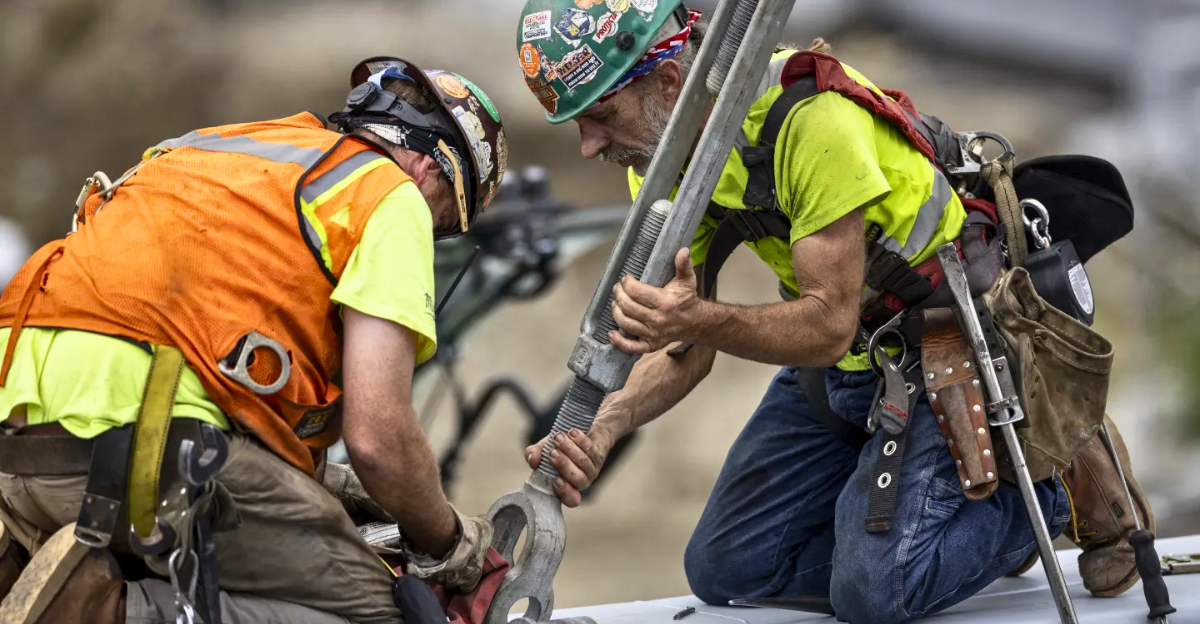
Immigrant workers form the backbone of American construction. The Home Builders Institute’s Fall 2025 report shows foreign-born workers now account for 25.5% of the construction workforce—roughly three million people. Among skilled tradespeople, one in three is foreign-born, and many are undocumented, leaving nearly a million at risk of removal under current enforcement policies.
Daily operations reflect this reliance. Contractors report that even documented workers are increasingly fearful, resulting in absenteeism and lower productivity. Some firms have had to reduce their crews or suspend projects entirely, exacerbating the labor shortage. The industry’s dependence on immigrant labor highlights the fragility of construction operations and underscores the human stakes behind the statistics.
Human Impact and Tragic Consequences
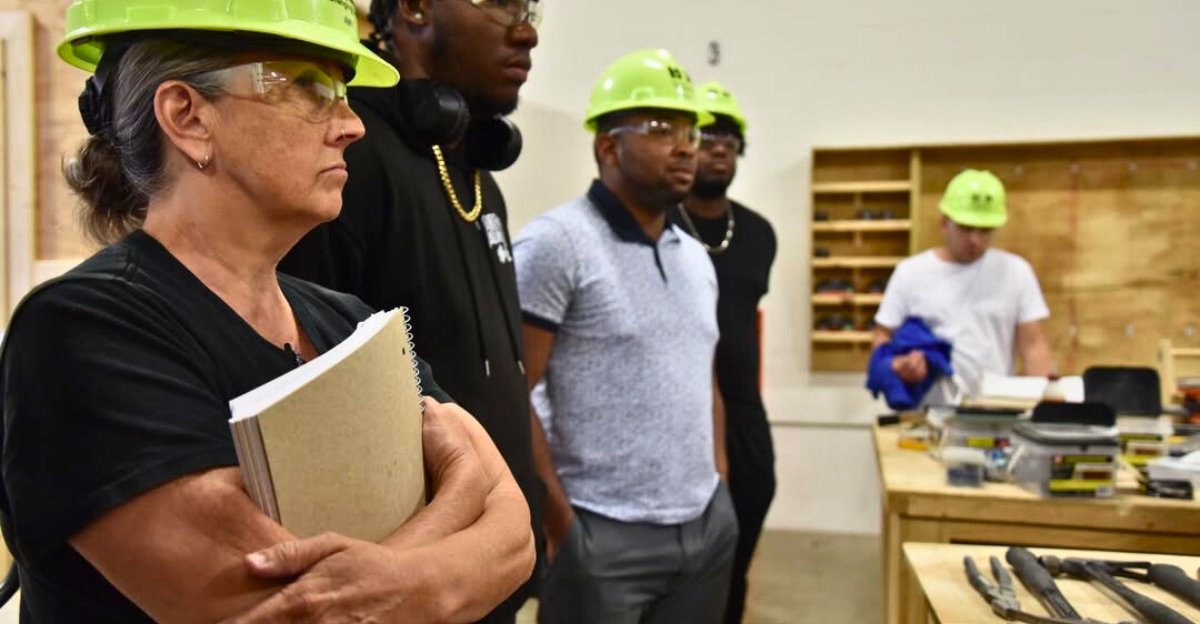
The effects of enforcement are deeply personal. In August 2025, a 52-year-old Guatemalan construction worker died while fleeing an ICE raid near Los Angeles, a tragedy that reverberated through immigrant communities. Such incidents illustrate the anxiety and instability faced by workers and their families nationwide.
Contractors describe entire worksites disrupted by checkpoints and raids. One company president recounted having to cut his workforce by a third on a major bridge project after ICE activity nearby. These events affect not only undocumented workers but also U.S.-born colleagues, whose jobs may be lost as projects stall or companies scale back. The human cost of enforcement is felt across the industry, with its effects extending to every corner of construction operations.
Economic Fallout Extends Nationwide
The labor shortage threatens more than immigrant workers. The Economic Policy Institute estimates that 861,000 U.S.-born construction workers could lose jobs if mass deportations continue. As contractors reduce crews or close operations, all employees feel the effects.
Consumers are already facing rising construction costs and project delays. The Home Builders Institute estimates the shortage costs the industry $10.8 billion annually, including $2.7 billion in carrying costs and over $8 billion from unbuilt single-family homes. With a housing gap of 1.5 to 3.8 million units nationwide, the shortage threatens to widen the divide between housing supply and demand, impacting communities across the country.
Regional Disparities and Escalating Enforcement
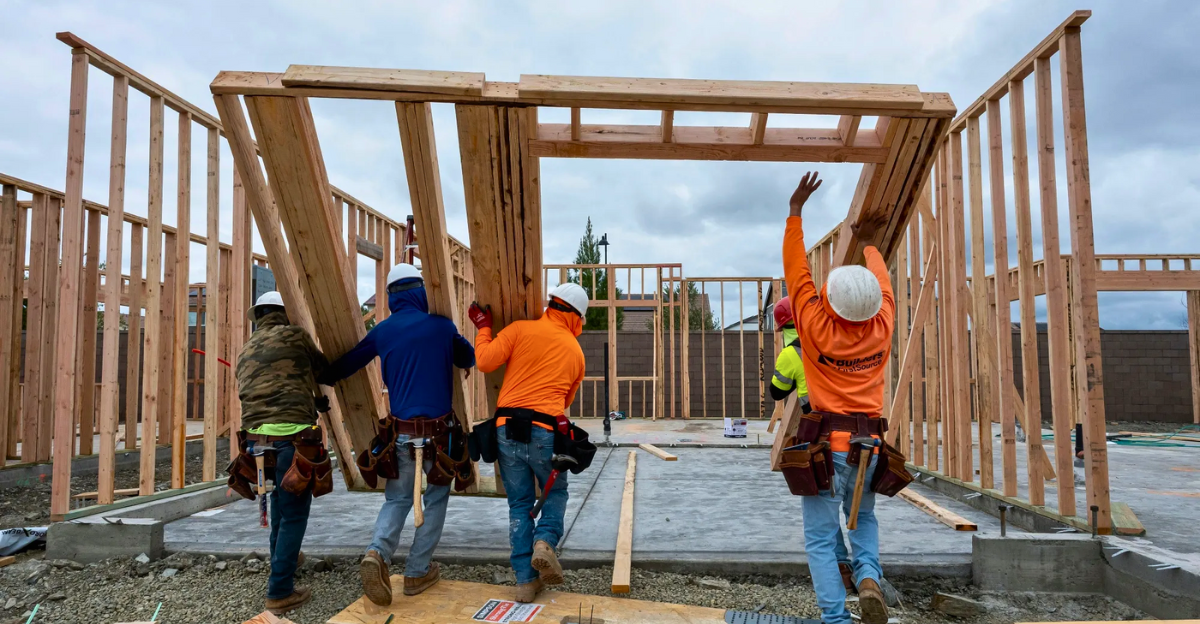
The impact of enforcement varies widely by state. California, Texas, Florida, and New York, which have the largest immigrant populations, are hit hardest. In Georgia, 75% of construction firms report being affected, compared with just 8% in Idaho. High-profile raids, including the arrest of 100 workers at a Florida student housing project, have intensified fear and uncertainty.
Over the first 250 days of the current administration, two million people left the U.S.—400,000 through deportation and 1.6 million by self-deportation, according to Department of Homeland Security figures. These departures have accelerated the labor crisis, leaving firms scrambling to fill positions and highlighting the uneven regional effects of enforcement.
Industry Response and Uncertain Solutions
Construction firms are trying to adapt, raising wages 4–4.5% annually, increasing training budgets, and expanding recruitment. Yet these measures have not closed the gap. Only 10% of workers use H-2B visas, which remain limited and difficult to obtain. Union membership has fallen from 39.5% in 1973 to just 10.3% in 2024, leaving most workers without protections in non-union roles.
Shortages are most severe in trades such as plumbing, roofing, and concrete, where the absence of subcontractors can halt entire projects. Nearly half of firms cite worker shortages as the primary cause of delays, and 79% experienced at least one project delay in the past year.
These challenges highlight the precarious state of construction labor and the difficulty of maintaining timelines under current conditions.
Looking Ahead
As immigration enforcement continues and demand for housing and infrastructure grows, construction faces mounting challenges. Industry leaders warn that without policy changes or new pathways for legal employment, the crisis could deepen, threatening the nation’s ability to complete essential projects.
The stakes are high not only for workers and contractors, but also for communities and the broader economy. A stable, skilled construction workforce is vital for housing, infrastructure, and economic growth. Without urgent solutions, delays, rising costs, and human hardships are likely to persist, underscoring the urgent need for coordinated action across policy, industry, and communities.