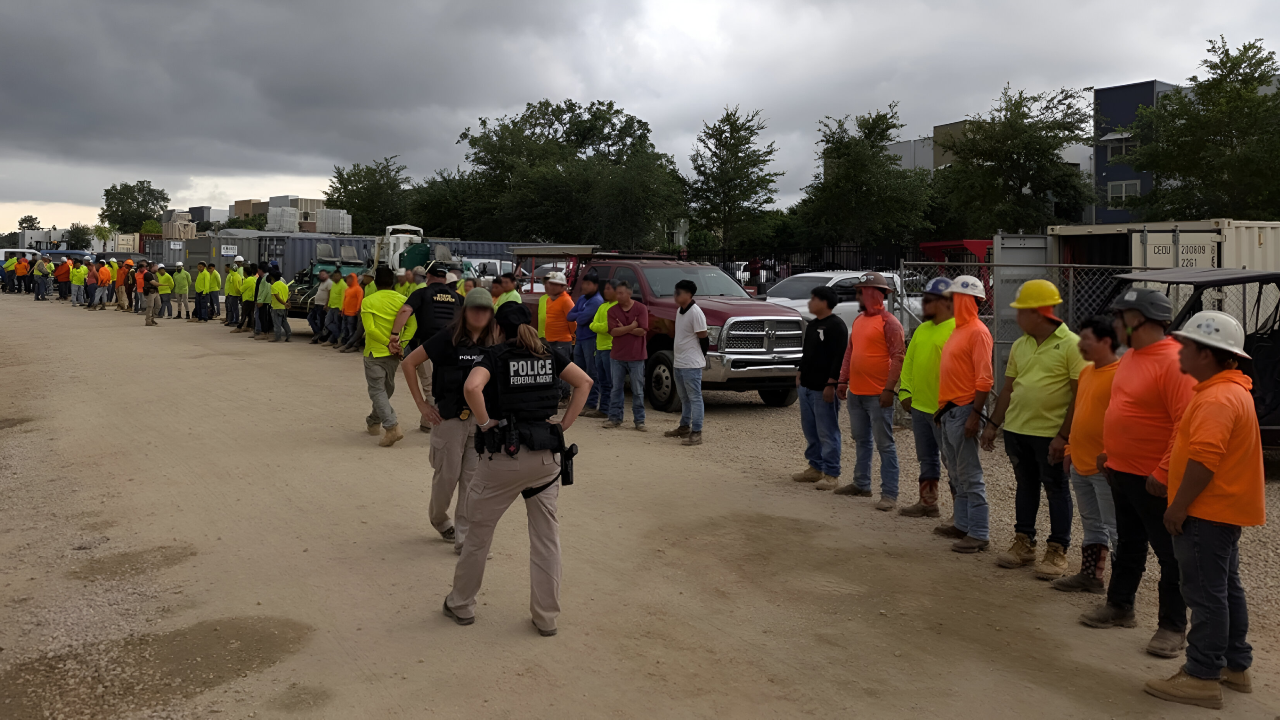
The U.S. construction industry faces an unprecedented labor crisis as ICE enforcement actions disrupt firms nationwide. One in three construction businesses reports direct or indirect workforce impacts. The shortage threatens not only project completion but also infrastructure, housing, and economic stability.
Let’s explore who is most affected and how this unfolds.
Immigrant Workers Are Critical
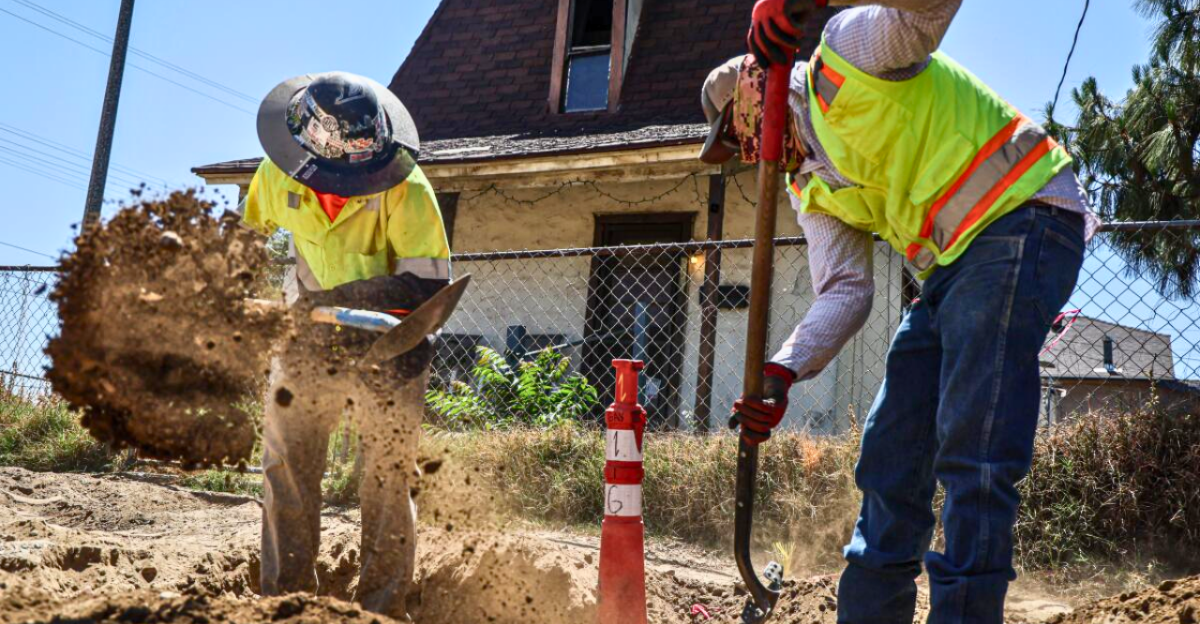
Foreign-born workers now represent 25.5% of the construction workforce—about 3 million people, according to the Home Builders Institute Fall 2025 report. Among craftsmen, one in three is foreign-born, highlighting the industry’s reliance on immigrant labor.
Yet undocumented workers face heightened risks, with nearly a million potentially at risk of removal. How does this affect daily operations?
Human Stories Behind The Numbers
Rurick Palomino, president of SAP Contracting Corporation, reduced his workforce by 33% on a $127-128 million bridge project due to concerns about enforcement. In November 2025, he told NPR that “All construction pickups” were stopped at checkpoints he witnessed, illustrating the real human cost of the policy.
His story is just one among many across the nation, hinting at larger ripple effects.
Immigrant Labor Forms Industry Backbone
Kenny Mallick, founder of Mallick Plumbing & Heating, told NPR: “We can’t do what we do in this country without these people. They’re stitched into every element of our fabric.” Even documented workers fear detention, which affects their attendance and productivity.
This widespread fear amplifies disruptions far beyond individual raids.
Tragic Consequences of Enforcement

Carlos Roberto Montoya Valdés, a 52-year-old Guatemalan worker, died fleeing a Los Angeles-area ICE raid in August 2025. His daughter said, “He died because of these injustices, this persecution.”
The event shocked communities and intensified scrutiny of enforcement tactics, foreshadowing ongoing turmoil in the construction labor sector.
U.S.-Born Workers Also Affected
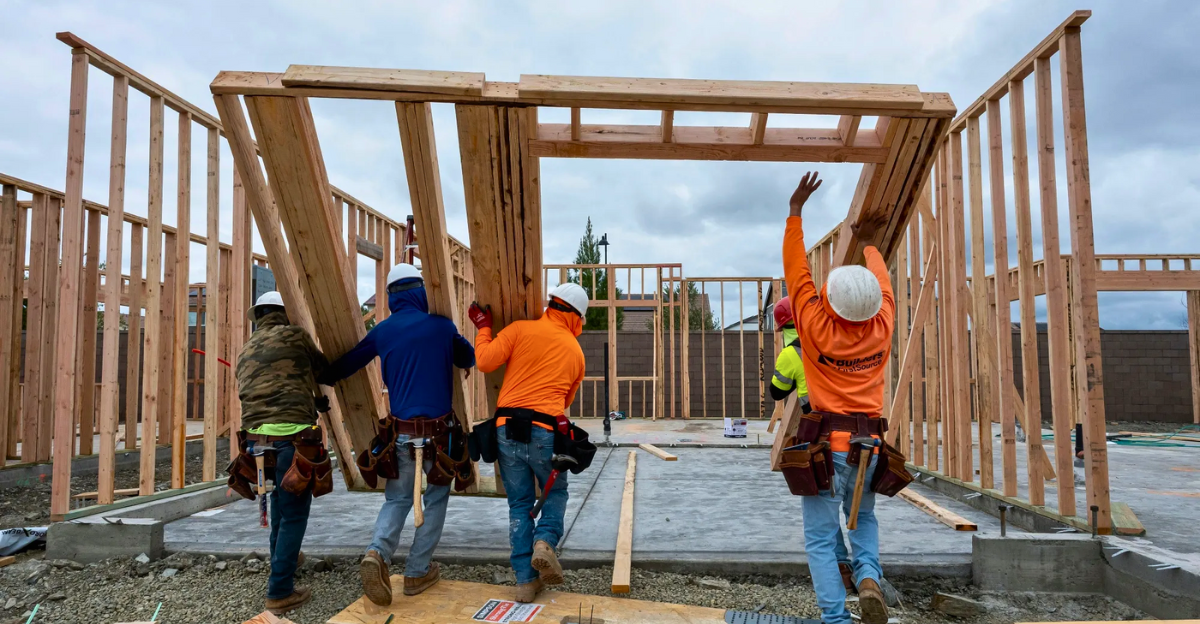
The Economic Policy Institute projects 861,000 U.S.-born construction workers could lose jobs if mass deportations continue. Contractors scaling back or shutting down affects all workers, illustrating that enforcement does not simply free positions for Americans.
Consumers too face consequences through delayed housing projects and higher construction costs.
Firms Struggle to Fill Jobs

The AGC-NCCER 2025 Workforce Survey found 92% of firms struggle to hire qualified workers. Hourly craft openings exist in 88% of firms, and 80% have salaried vacancies. Only 8% report no hiring difficulties.
Worker scarcity drives project delays and threatens progress on infrastructure nationwide, especially on federal projects.
Immigration Actions Disrupt Firms
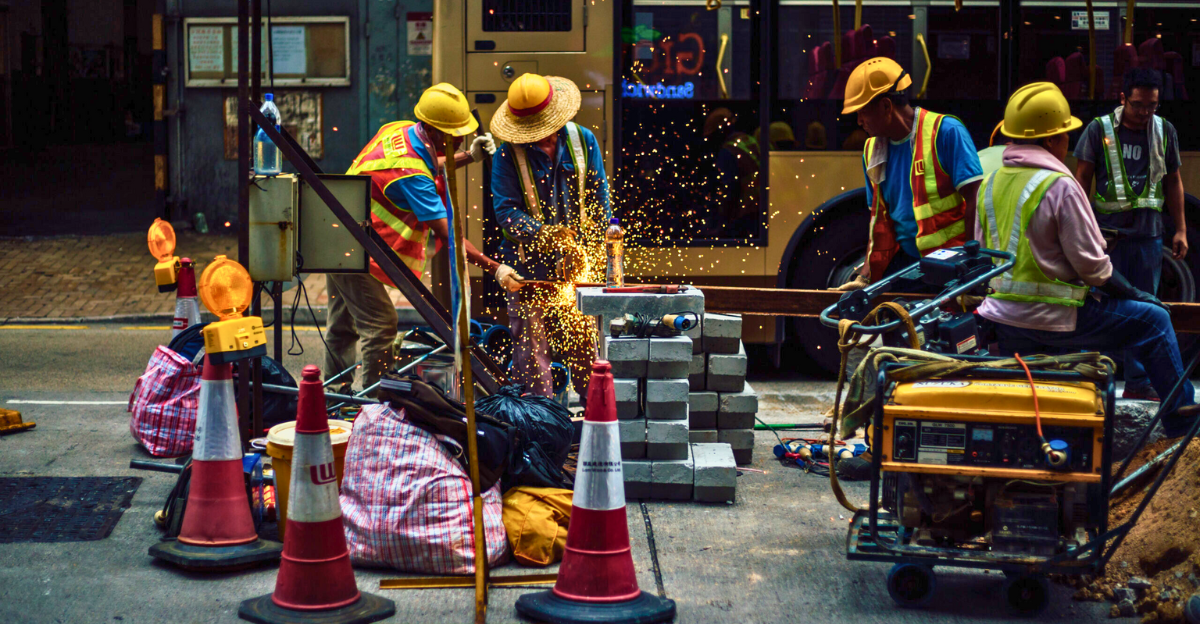
Over the past six months, 28% of firms have been affected by enforcement: 5% have faced ICE visits, 10% have lost workers due to fear, and 20% have reported subcontractor losses. Ken Simonson told NPR : “This is just the cusp of what we’ll be seeing.”
The geographic variation of impact adds another layer to the crisis.
Enforcement Hits Gateway States Hardest

Georgia reports 75% of firms affected, while Idaho sees just 8%. States like California, Texas, Florida, and New York account for more than half of all immigrant construction workers, concentrating the risk.
Regional disparities suggest that certain markets could collapse more rapidly, thereby amplifying national disruption.
Major Raids Intensify Fear

Tallahassee, Florida, saw 100 workers arrested at a student housing project on 29 May 2025. In Los Angeles, Home Depot raids in August 2025 resulted in Montoya’s death. St. Paul, Minnesota, witnessed arrests in October.
Even firms not directly targeted experience cascading delays, illustrating the far-reaching effects of enforcement.
Deportations and Self-Departure
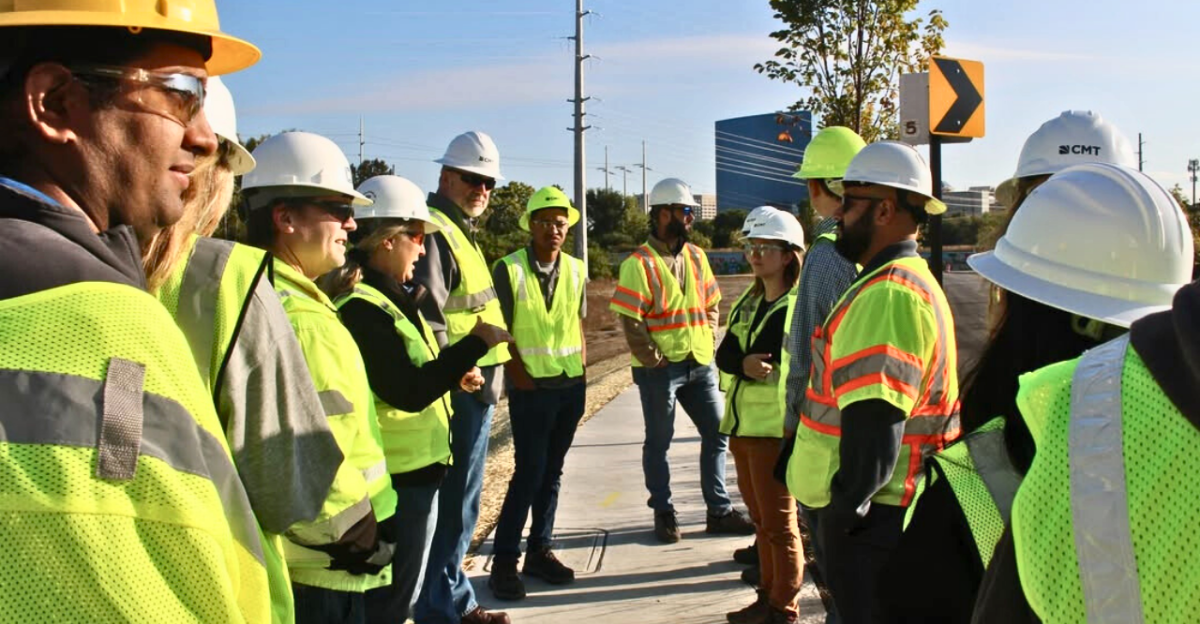
By 23 September, 2 million people had left the U.S. since Trump’s second term began: 400,000 deported and 1.6 million self-deported. DHS Assistant Secretary Tricia McLaughlin stated: “The numbers don’t lie: 2 million illegal aliens have been removed or self-deported in just 250 days”.
These departures contribute to an accelerating labor crisis.
Economic Impact Hits Billions
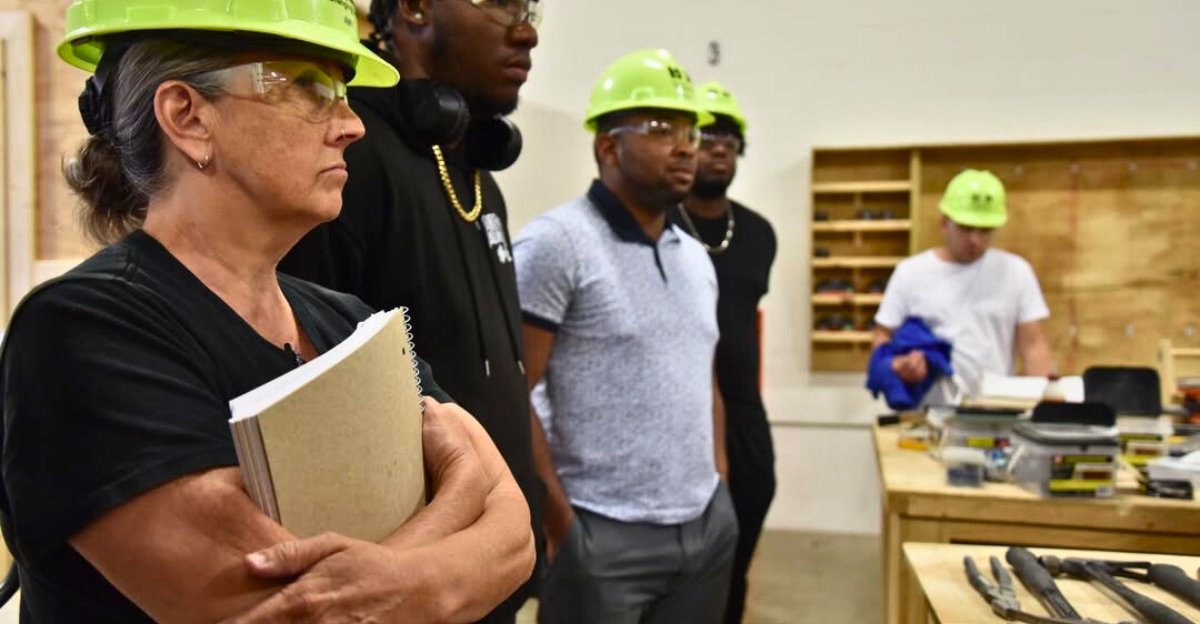
The Home Builders Institute estimates the shortage costs $10.8 billion annually. NAHB analysis attributes $2.663 billion to extended project carrying costs and $8.143 billion to lost single-family home production—around 19,000 unbuilt homes.
The shortages exacerbate the housing crisis, with gaps of 1.5 to 3.8 million units nationwide.
Union Decline Alters Labor Market
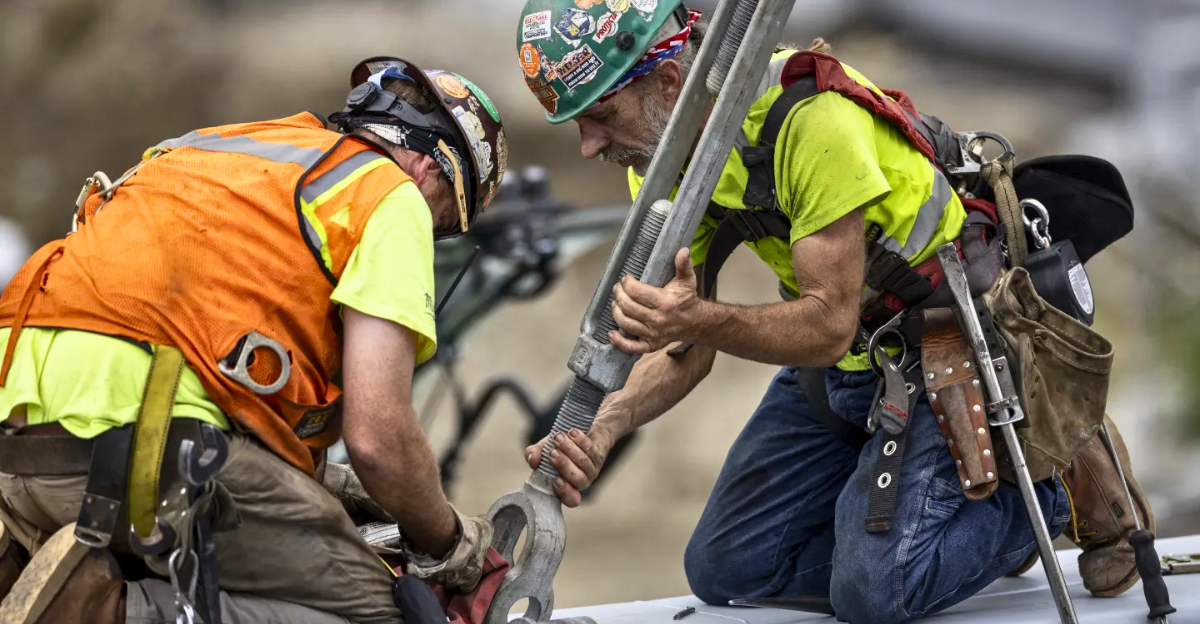
Union membership declined from 39.5% in 1973 to 10.3% in 2024, representing a 75% decrease over 52 years. Non-union open-shop work dominates at 89.7% of firms.
This structural shift leaves workers vulnerable and limits their collective bargaining, thereby increasing the vulnerability of enforcement.
Enforcement Amplifies Labor Shortage

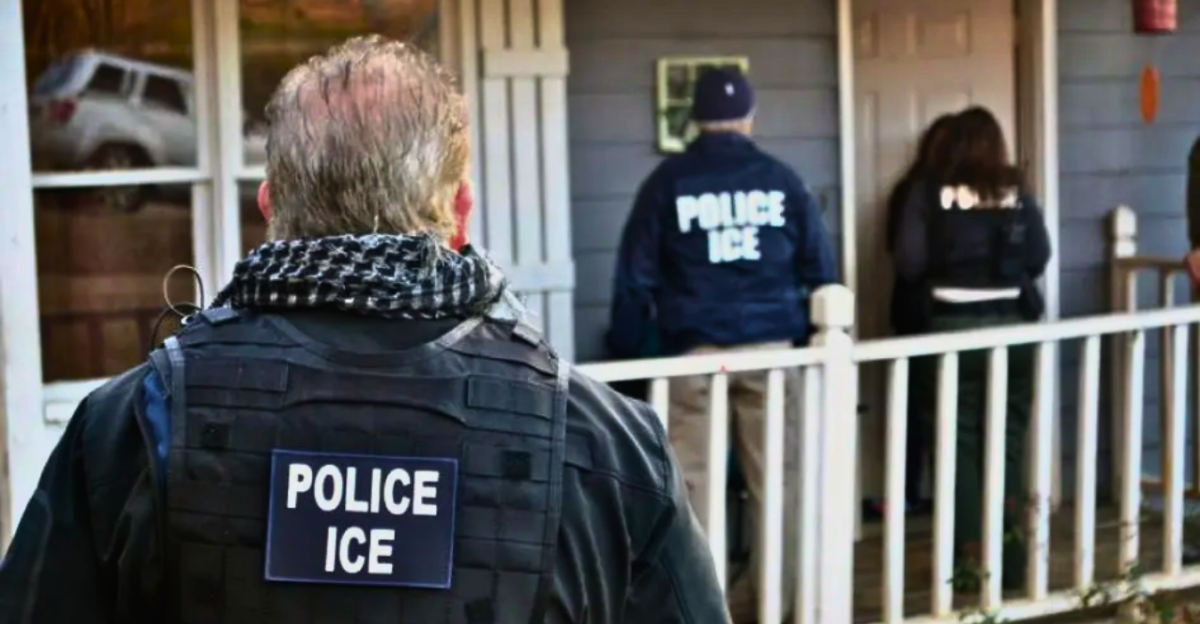
ICE operations disrupt projects through direct raids, checkpoints, and “atmospheric effects” where fear alone drives absenteeism. Kenny Mallick told NPR, “People are scared. They’re taking risks every day by coming to work.”
Even legally documented workers experience delays and intimidation, showing that enforcement creates systemic instability.
Supply Chain Disruption
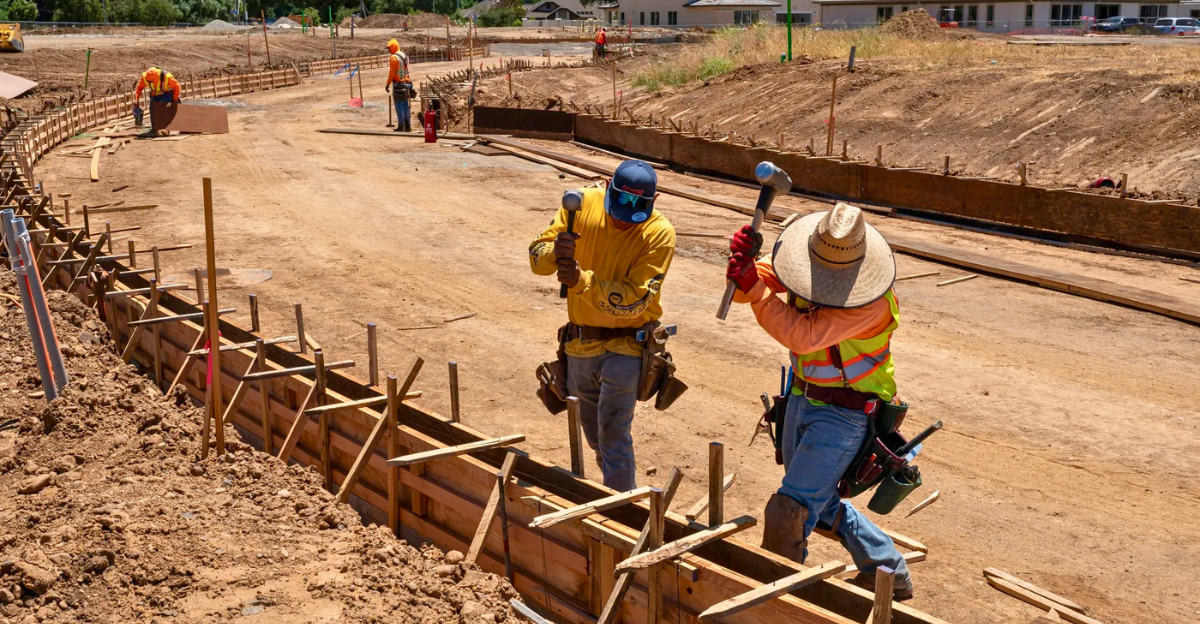
Twenty % of firms report that subcontractors are losing workers, stalling specialized trades such as plumbing, roofing, and concrete. Ken Simonson explained, “if you can’t put on the roof, you’re not going to be able to finish things off”.
This domino effect can freeze projects mid-construction, resulting in lost time, money, and productivity.
Project Delays Multiply
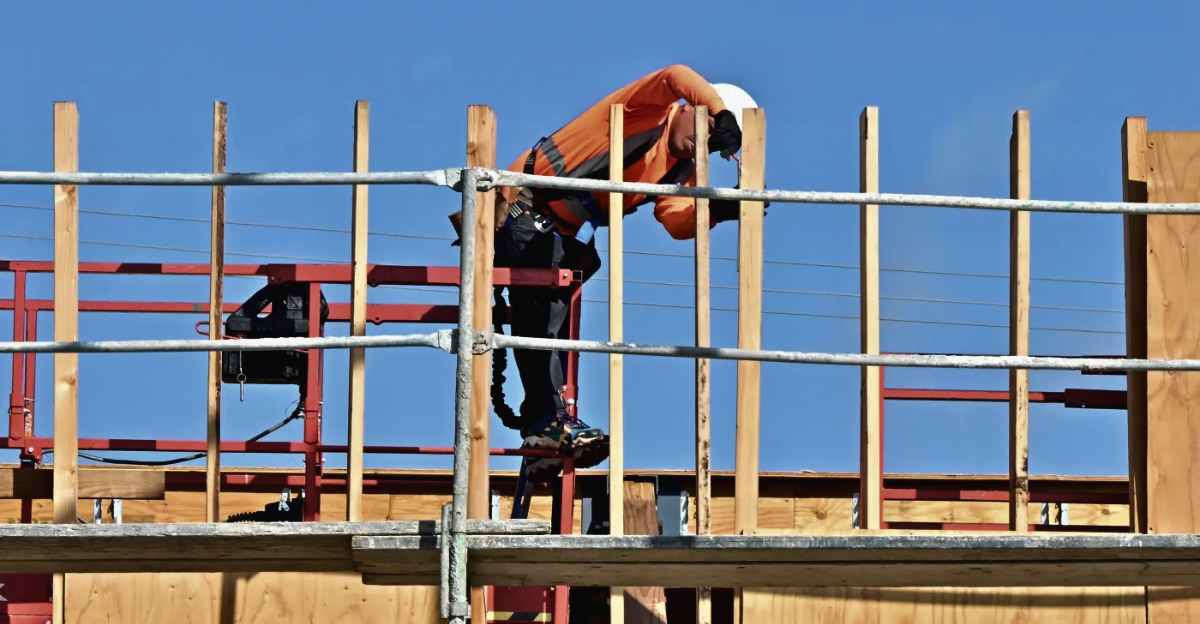
45% of firms cite worker shortages as the top cause of delays; 79% experienced at least one project delay last year. Rurick Palomino’s workforce shrinkage highlights operational strain on federal projects.
With deportations projected to increase, these delays are likely to intensify in 2026 and beyond.
Industry Struggles to Respond
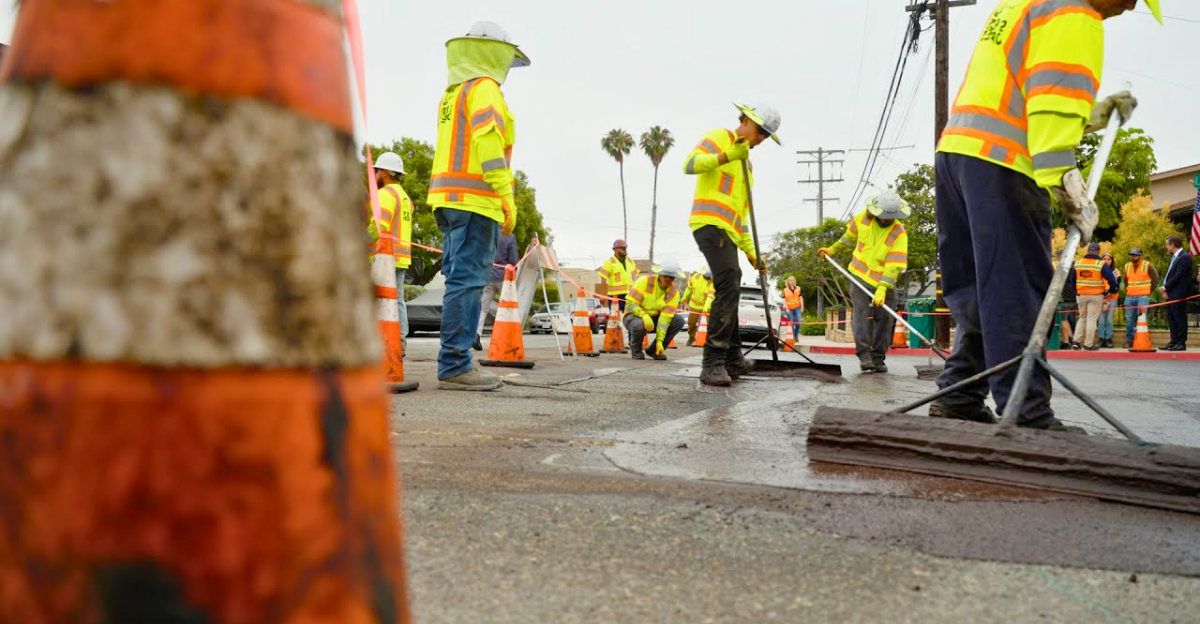
Firms raised wages 4-4.5% annually, increased training budgets, and expanded recruitment programs. Only 10% of workers use H-2B visas, which are hampered by limited slots. George Carrillo advocates for legislation to protect undocumented workers, but progress remains stalled.
Even aggressive measures struggle to overcome systemic labor deficits caused by enforcement.
The Path Forward Is Uncertain
Ken Simonson warned: “If the enforcement actions are stepped up, this is just the cusp of what we’ll be seeing”. Construction faces a looming shortage of workforce availability amid record demand for housing and infrastructure.
The nation may soon confront a crisis in building and sustaining essential projects.