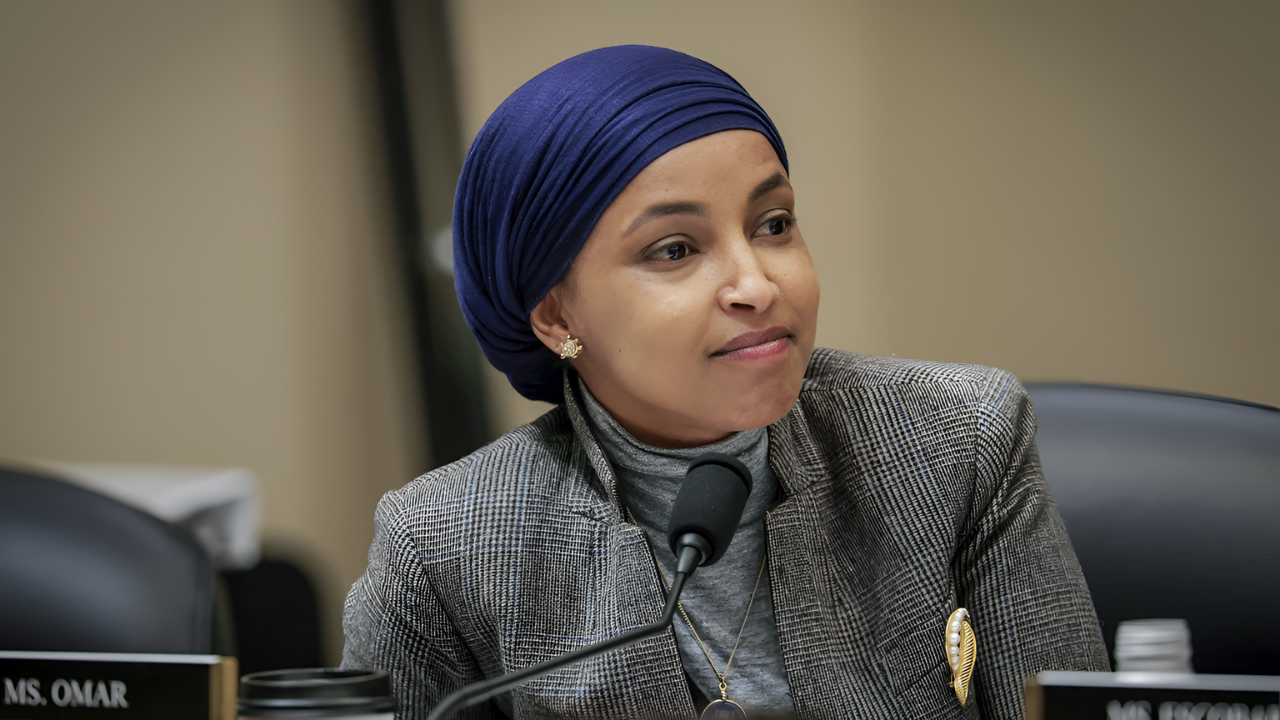
A small funding allocation for a Minneapolis nonprofit has triggered a major congressional standoff, threatening to derail a $184 billion spending package just days before a January 30 government shutdown deadline. The controversy centers on an earmark Rep. Ilhan Omar sought for Generation Hope, a Somali-led addiction recovery center, which House Republicans stripped from the Commerce-Justice-Science appropriations bill amid fraud concerns and escalating partisan tensions.
Earmark Under Fire
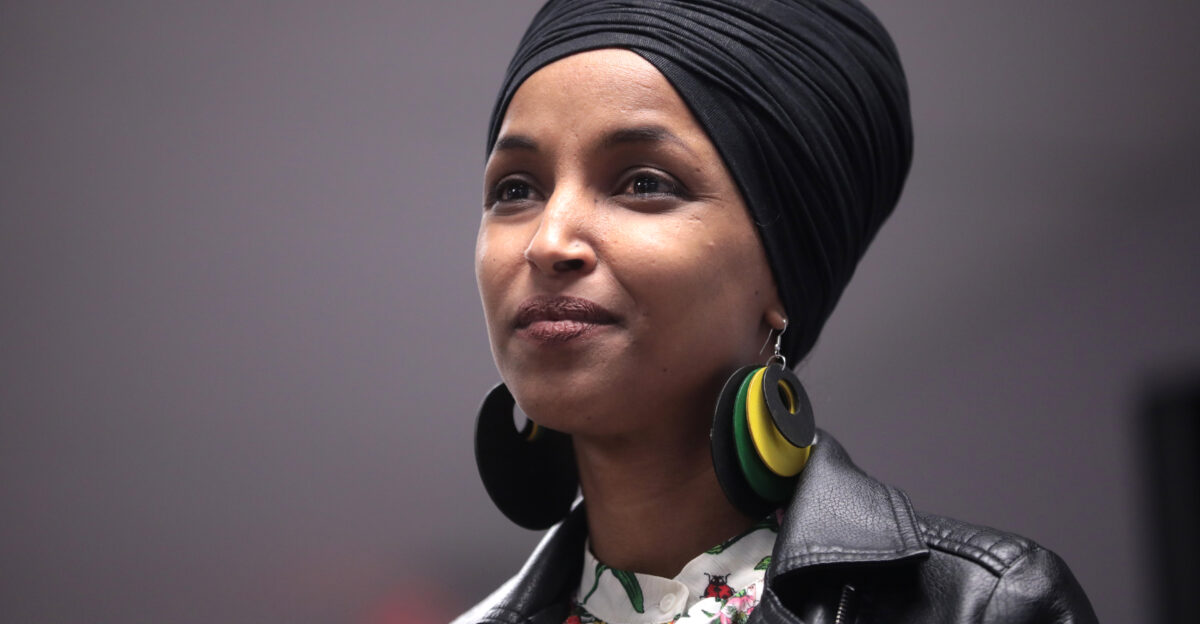
Omar initially requested $1,460,877 for Generation Hope’s Justice Empowerment Initiative, though the final earmark totaled $1,031,000. The Minneapolis organization, founded in 2019 by Abdirahman Warsame and Khadar Abi, provides addiction recovery, mental health services, and job training targeted at the East African community. Sens. Amy Klobuchar and Tina Smith backed the funding request, emphasizing the need for culturally tailored programs serving justice-involved residents.
Rep. Chip Roy led Republican opposition, declaring that earmarks represent “the currency of corruption”. House Appropriations Chair Tom Cole acknowledged the political calculus at stake, warning he “can’t afford to have a million-dollar project jeopardize the entire package of bills”. In early January, House appropriators removed the earmark as part of a deal to advance the broader spending legislation, marking one of the first high-profile earmark eliminations in the current Congress.
Minnesota Fraud Background

The earmark battle unfolds against Minnesota’s recent history of large-scale pandemic-era fraud. The Feeding Our Future case involved roughly $250 million in allegedly stolen federal nutrition funds, with multiple Somali-affiliated groups implicated in oversight discussions. Governor Tim Walz announced January 5 he would not seek reelection, a decision political observers linked to mounting pressure over social-program fraud and questions about his administration’s oversight capacity.
These scandals have intensified congressional scrutiny of Minnesota nonprofits, particularly those serving immigrant communities. Federal and state investigations examining questioned payments in Medicaid and other programs have amplified doubts about funding allocations to organizations with limited operational histories.
Organizational Concerns
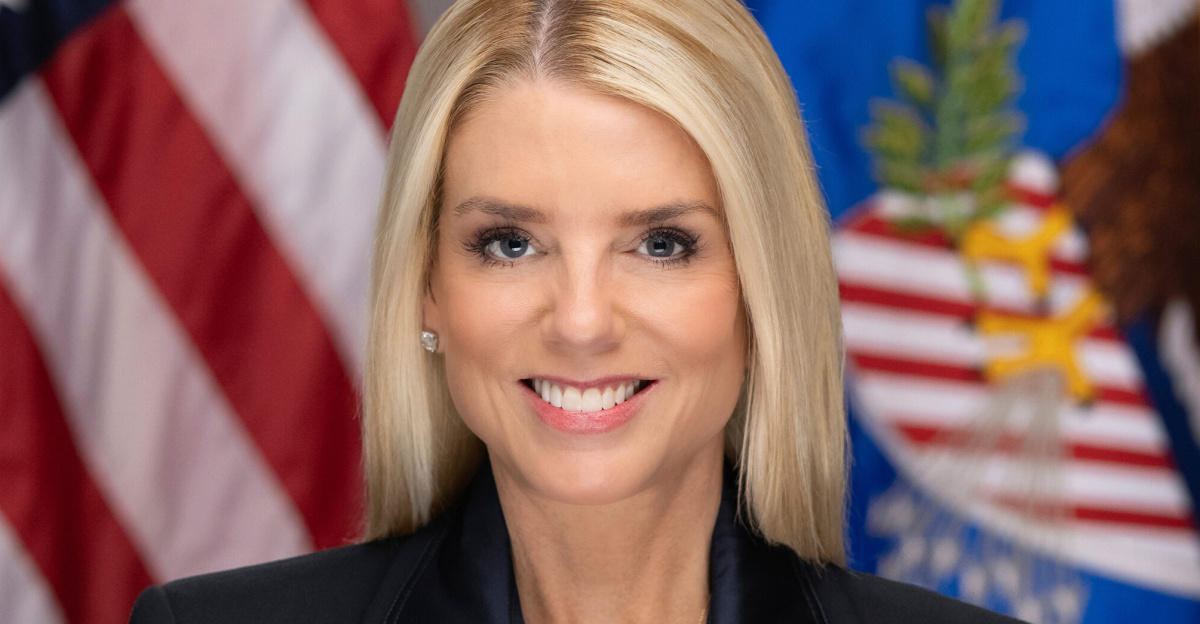
Sens. Joni Ernst and Mike Lee sent a January 2026 letter to Attorney General Pam Bondi requesting a Department of Justice review of Generation Hope. The senators cited multiple concerns: IRS documents showed the organization’s three directors listed the same five-bedroom Minneapolis home as their primary residence. Generation Hope’s listed Cedar Avenue address corresponds to Sagal Restaurant and Coffee, with the organization allegedly occupying space above the restaurant.
The most recent public IRS Form 990 from 2023 reported Generation Hope’s revenue at $51,353, with expenditures of $171,045—of which $119,966 went to contractors and professional fees. The organization’s executive director reportedly worked 30 hours weekly, while other board members listed two to four hours per week. Ernst and Lee argued these financial characteristics “closely resemble tactics alleged in ongoing federal investigations into Minnesota nonprofit fraud, including the Feeding Our Future case”.
Additional scrutiny emerged from family connections: Abdirahman Warsame’s brother Abdirizak Warsame was linked to a 2015 ISIS-related plot, pleaded guilty, and was released from prison in 2019. While the senators emphasized no identical misconduct is alleged against Generation Hope, they characterized the connection as raising “most serious concerns”.
Congressional Response and Outlook

Sen. Mike Lee stated, “Stopping these funds is not enough: we should pursue every red flag, uncover every wrongdoing, and suspend federal eligibility for taxpayer dollars”. Ernst prepared a Senate amendment redirecting the $1 million to DOJ fraud-prevention and enforcement accounts. The earmark’s removal allowed the CJS package to advance toward a late-January vote, with the White House signaling readiness to sign despite imperfections to prevent a shutdown.
The controversy illustrates how earmarks—officially rebranded as “community project funding” after returning in 2021 following a decade-long ban—remain politically volatile. The current spending bill contains thousands of such allocations, including Rep. Ayanna Pressley’s $1 million Climate Corps Fellowship request and Sen. Bernie Sanders’ $2 million for immigrant-focused legal services[original article claim]. Republicans, holding a narrow House majority, must balance accommodating some Democratic requests against conservative demands for fiscal restraint and enhanced oversight.
The Generation Hope case may establish precedent for stricter vetting of small community organizations seeking federal funds. As Congress debates potential reforms to earmark processes, the episode underscores tension between supporting culturally specific local programs and maintaining transparency standards that sustain public confidence in taxpayer-funded initiatives. With fraud investigations ongoing and oversight intensifying, Minnesota nonprofits face heightened scrutiny that could reshape how federal appropriators evaluate community funding requests nationwide.
Sources:
The Hill, GOP backlash to Omar earmark slows government-funding bill, 2026-01-07
Washington Times, Senators request fraud probe of Minneapolis charity favored by Ilhan Omar, 2026-01-18
IRS Criminal Investigation, Minneapolis woman pleads guilty in $250 million Feeding Our Future fraud scheme, 2025-02-25
Yahoo News, House advances minibus package after Johnson wins over conservatives, 2026-01-07
Fox News, Nearly $180B funding package passes House after GOP rebellion over Minnesota fraud fears, 2026-01-07
Politico, GOP earmark angst rears ahead of spending package votes, 2026-01-07