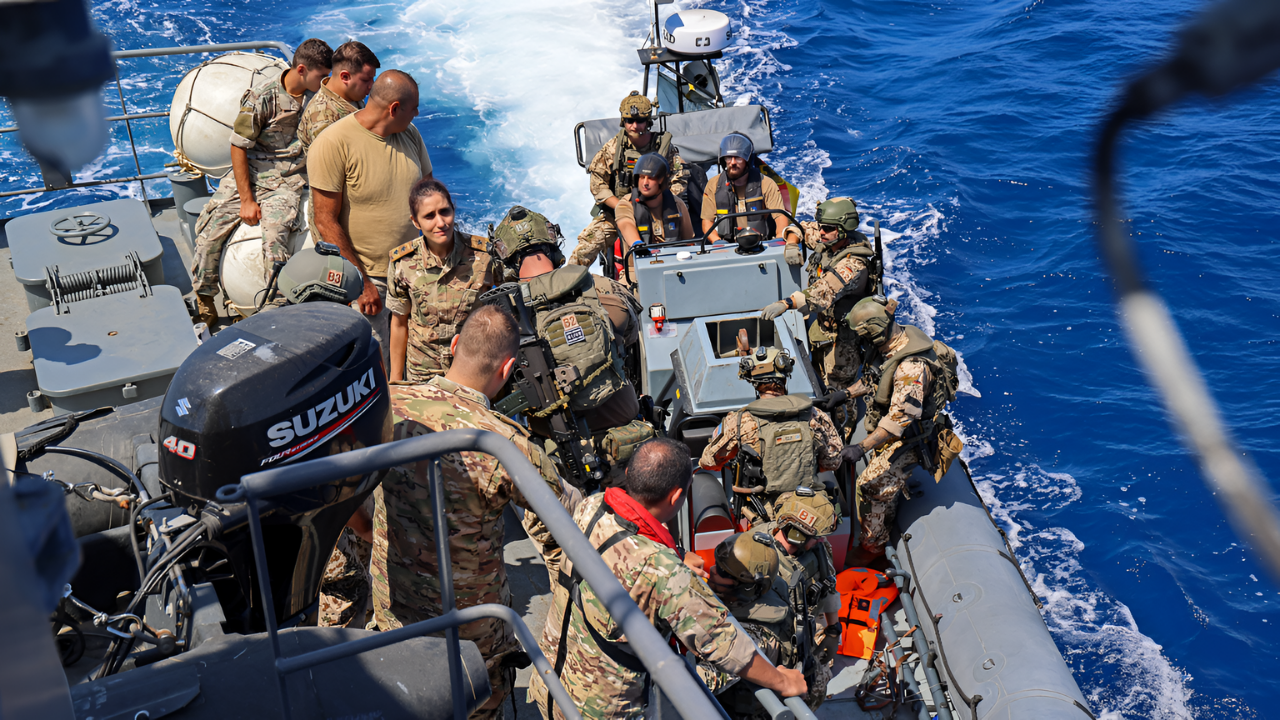
In a tense maritime standoff playing out across the Atlantic, the U.S. Coast Guard has spent nearly two weeks pursuing the Bella 1, a sanctioned oil tanker that has resorted to desperate measures to evade capture. The incident began in late December when the vessel, an aging Very Large Crude Carrier (VLCC), refused boarding instructions near Venezuelan waters. Instead of complying, the ship executed a sharp U-turn and fled toward the open ocean at full speed.
As American cutters closed the distance to within half a mile, the situation took a bizarre geopolitical turn. U.S. officials reported that the tanker’s crew hurriedly painted a Russian flag on the ship’s hull mid-voyage. This crude application of national colors has stalled the interception operation, forcing military commanders and legal advisors to pause and assess the potential diplomatic fallout of seizing a vessel claiming Moscow’s protection.
Caribbean Buildup and Shadow Fleets
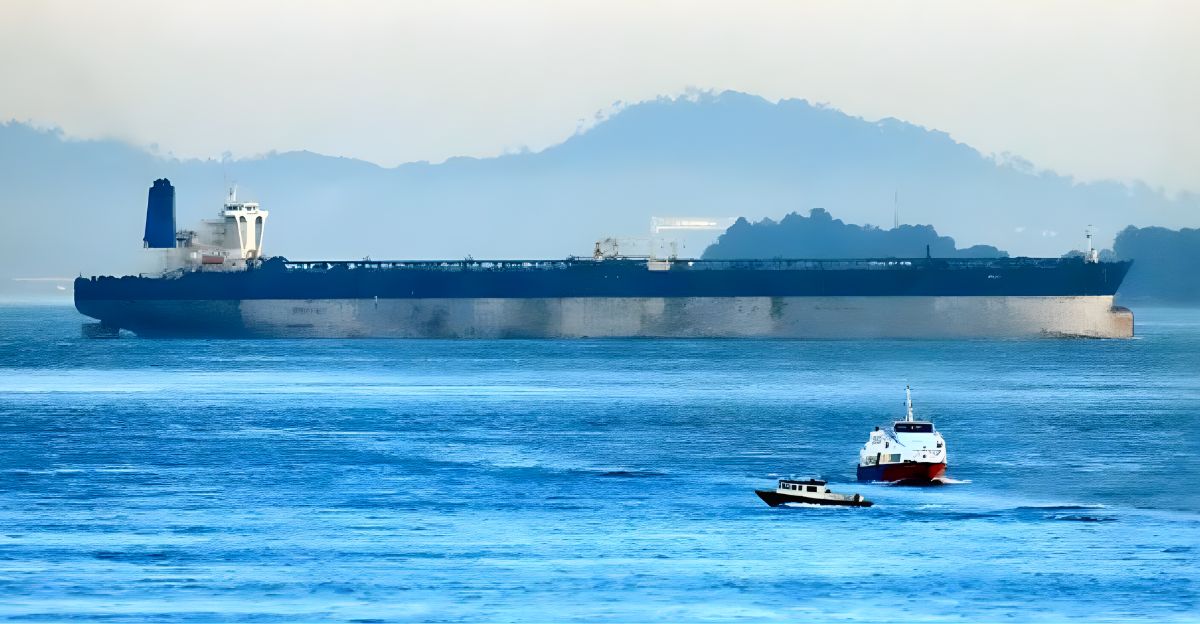
The pursuit of the Bella 1 occurs against the backdrop of a significant escalation in American naval activity. President Trump recently ordered a “total and complete blockade” of sanctioned tankers attempting to enter or exit Venezuela. Administration officials characterize this deployment as the most substantial U.S. military buildup in the Caribbean in decades, designed to sever the primary revenue stream of Nicolás Maduro by halting oil exports.
The Bella 1 is a prime target in this economic pressure campaign. Capable of hauling two million barrels of crude—a cargo valued at approximately $100 million—the ship was reportedly empty when it fled. The U.S. Treasury has previously sanctioned the vessel for its alleged role in transporting black-market Iranian oil to support groups including Hezbollah, Yemen’s Houthi movement, and the Quds Force.
Investigators describe the ship as part of a growing “shadow fleet.” These vessels, often old and operating with switched-off transponders, navigate the globe using shell companies and falsified identities to facilitate trade for Russia, Iran, and Venezuela. U.S. authorities estimate this illicit maritime network generates billions of dollars annually, prompting recent sanctions against dozens of similar tankers.
Legal Ambiguities of a Painted Flag
The abrupt appearance of a Russian flag on the Bella 1 has introduced a complex legal hurdle. Under international maritime law, a ship is subject to the jurisdiction of its flag state. However, experts point out that simply painting a hull does not automatically confer registry or protection. Russia has not publicly confirmed whether the Bella 1 is officially on its registry, leaving the vessel’s status in a gray zone.
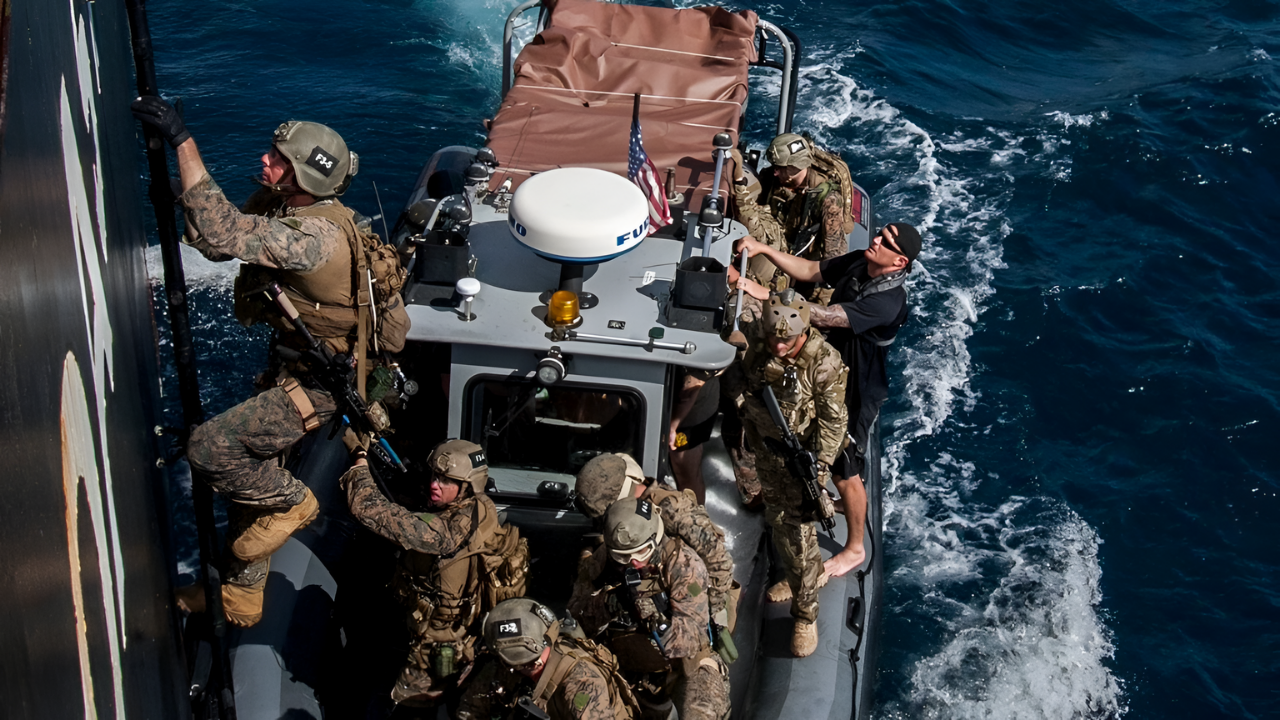
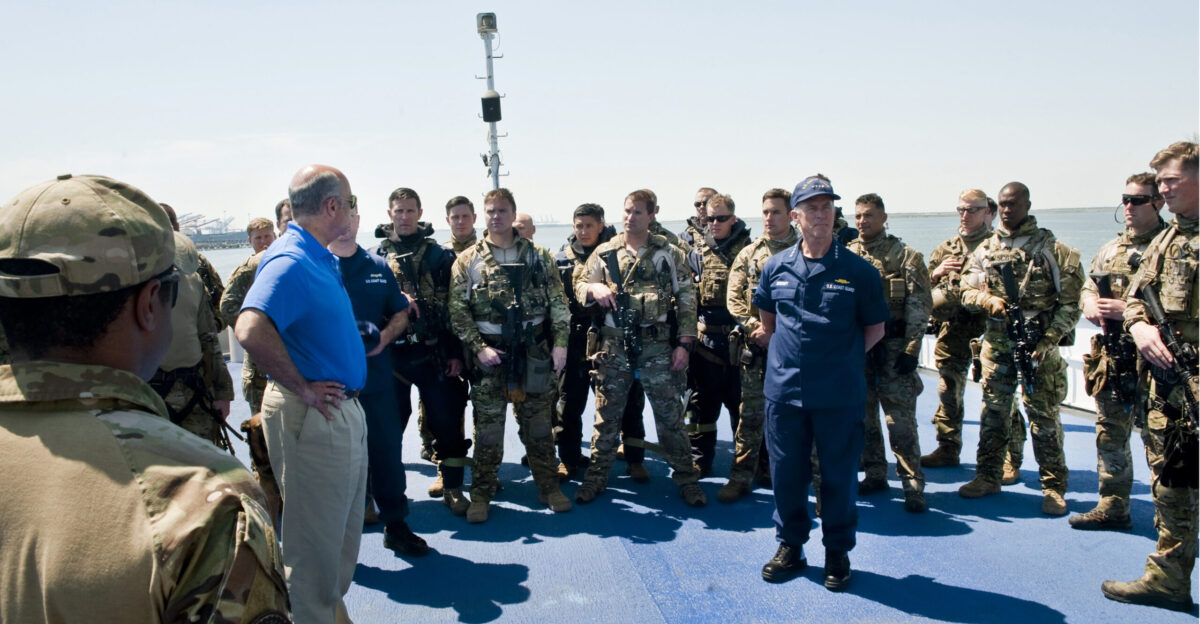
Eugene Fidell, a military justice expert affiliated with Yale Law School, suggested that the move might be a calculated attempt to exploit diplomatic hesitation, noting that reliance on murky state practices can be as effective as clear legal standing in stalling military action. Consequently, the Coast Guard has refrained from deploying its Maritime Security Response Team to board the vessel. While authority to seize the ship exists, the risk that Moscow could frame an intervention as an act of aggression has forced a tactical pause.
The Chinese Factor and Economic Lifelines
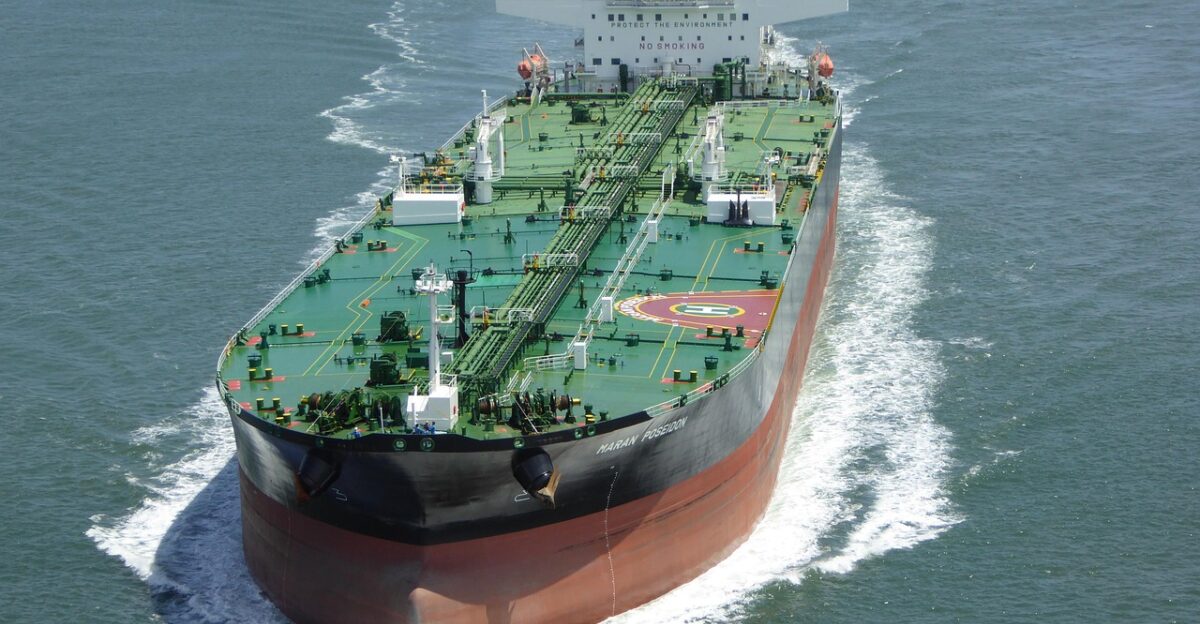
While the Bella 1 remains under close surveillance, a potentially more volatile flashpoint is approaching. Ship-tracking data indicates that the Thousand Sunny, a Chinese-flagged VLCC, is steaming toward Venezuela’s José oil terminal with an expected arrival in mid-January. Unlike the Bella 1, this vessel is not currently under U.S. sanctions and has serviced the Venezuela-to-China crude route for several years.
Venezuela’s economy is heavily dependent on these shipments, exporting between 500,000 and 700,000 barrels per day to Chinese buyers. This trade is worth up to $15 billion annually. The arrival of the Thousand Sunny poses a direct challenge to the new blockade orders. If Washington chooses to confront a legitimate Chinese-flagged vessel, it risks a sharp diplomatic escalation with Beijing. Conversely, allowing the ship to pass could undermine the credibility of the blockade.
Human Stakes in a Cold War Echo
The standoff has evoked comparisons to Cold War maneuvers, where Soviet and American vessels frequently shadowed one another in contested waters. Today, however, the conflict involves commercial sailors caught in the crossfire of economic warfare. The crew of the Bella 1, reported to be a mix of Russian, Ukrainian, and Indian nationals, faces an uncertain future. If the vessel is seized, these seafarers could face detention and prosecution for sanctions evasion schemes orchestrated by owners hiding behind opaque corporate structures.
As U.S. naval assets—including surveillance aircraft and armed helicopters—continue to patrol the region, the line between counter-narcotics operations and economic enforcement is blurring. With the White House and Pentagon remaining tight-lipped, the region waits to see if this cat-and-mouse game on the high seas will resolve through quiet diplomacy or escalate into a major international incident.
Sources:
Oil Tanker Pursued by the U.S. Appears to Claim Russian Protection — The Wall Street Journal
Oil tanker pursued by US now has a Russian flag painted on its side — CNN
Crew paints Russian flag on tanker pursued by US Coast Guard — Anadolu Agency
Trump orders ‘total’ blockade of sanctioned Venezuelan oil tankers — Al Jazeera
Trump says he’s ordering blockade on oil tankers in and out of Venezuela — BBC News